即时零售

Search documents
被玩坏的外卖大战
远川研究所· 2025-08-26 13:04
Core Viewpoint - The article discusses the intense competition among major Chinese internet companies in the food delivery and instant retail sectors, highlighting the unsustainable nature of their subsidy-driven strategies and the limited growth potential of the market [3][4][62]. Group 1: Competition Dynamics - The competition among Alibaba, JD.com, and Meituan in the food delivery market is characterized by a focus on order volume rather than profitability, leading to significant financial losses for all players involved [3][4][20]. - Meituan holds a dominant market share in food delivery, with nearly 70% of the market, but its profit margin remains low at around 4% [8][14]. - The food delivery market's growth has plateaued, with a penetration rate exceeding 20% in 2022, necessitating policy-driven stimulation for further growth [11][12]. Group 2: Instant Retail Emergence - Instant retail, defined as delivering a wide range of products quickly, is seen as a new battleground for internet companies, with Meituan capturing nearly 40% of the market share by 2024 [22][47]. - The article notes that instant retail is not a new concept but a derivative of "new retail," which aims to bridge online and offline sales through rapid delivery [26][33]. - Despite the potential for growth, the actual market capacity for instant retail is limited, with estimates suggesting a penetration rate of only 10% [46]. Group 3: Financial Implications - The financial burden of subsidies is significant, with Goldman Sachs estimating that Alibaba and JD.com will incur losses of 41 billion and 26 billion RMB, respectively, while Meituan's EBIT will decrease by 25 billion RMB [20]. - The article emphasizes that the current subsidy wars are unsustainable, as they do not lead to long-term customer loyalty and merely accelerate the market's saturation [56][60]. - The competition is increasingly viewed as a costly war with diminishing returns, reminiscent of historical conflicts where the costs outweighed the benefits [63][64].





“酒类流通第一股”华致酒行经历转型阵痛
Xin Lang Cai Jing· 2025-08-26 07:37
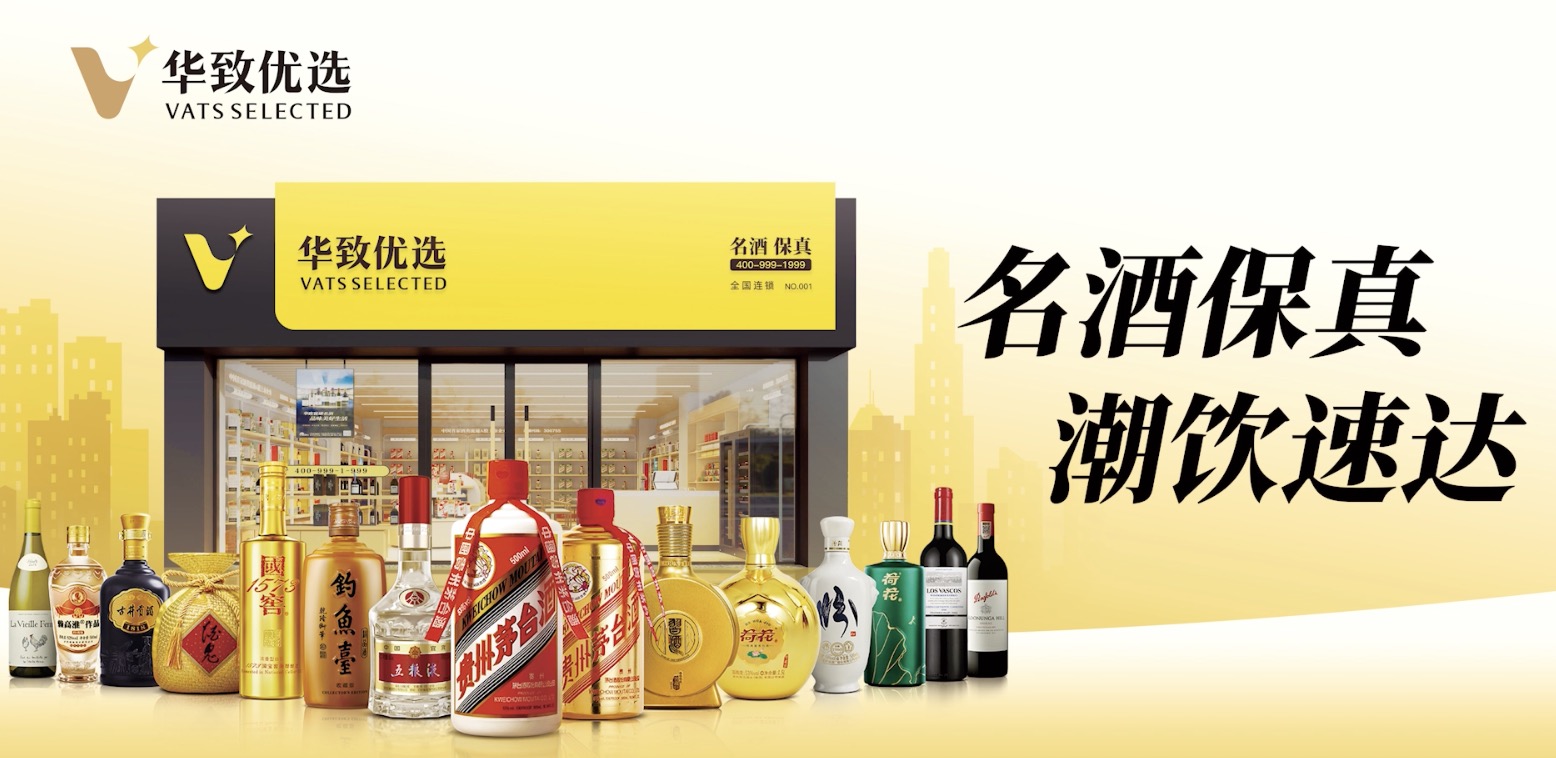
Core Viewpoint - The performance of Huazhi Wine is under pressure, with significant declines in revenue and net profit due to economic conditions and changing policies affecting consumer demand for alcoholic beverages [1][2]. Financial Performance - In the first half of 2025, Huazhi Wine reported revenue of 3.949 billion yuan, a year-on-year decrease of 33.55% - The net profit attributable to shareholders was 56.21 million yuan, down 63.75% year-on-year - The net profit after deducting non-recurring items was 32.98 million yuan, a decline of 76.03% [1]. Industry Context - The Chinese liquor industry is undergoing a deep adjustment period characterized by policy changes, shifts in consumption structure, and intense competition among existing players - The average inventory turnover days in the industry reached 900 days in the first half of 2025, an increase of 10% year-on-year - Over 60% of companies in the 800-1500 yuan price range are experiencing price inversion [1]. Inventory and Financial Strategy - As of June 30, 2025, Huazhi Wine's inventory value decreased by 13.39% to 2.822 billion yuan, accounting for 50.21% of total assets - The company recognized an inventory impairment provision of 55.77 million yuan, which nearly eroded 80% of its profits [2]. - The company is implementing aggressive inventory clearance and financial slimming measures, resulting in a significant improvement in cash flow, with net cash flow from operating activities turning positive at 117 million yuan, a nearly threefold increase year-on-year [3]. Business Model Challenges - The traditional "famous wine authenticity premium" model is facing structural challenges due to price inversion and the trend of direct sales by liquor companies, leading to rising operating costs for Huazhi Wine - The company's product structure is overly simplistic, exacerbating its issues in the current industry turmoil [2][3]. Channel Strategy and Transformation - Huazhi Wine is attempting to reconstruct its channel ecosystem by transitioning from a traditional liquor distributor to a full-channel service provider, including initiatives like "Huazhi Preferred" for instant retail [5]. - However, the company faces challenges such as insufficient network density and high fulfillment costs, which may hinder sustainable profitability [6]. Future Outlook - While Huazhi Wine's efforts have shown initial results in cash flow and inventory optimization, concerns remain regarding its growth momentum, competitive positioning, and industry marginalization - The company must find new growth points and create irreplaceable service value to avoid becoming merely a logistics provider [6].

马云觉醒,阿里给全体骑手上社保
Sou Hu Cai Jing· 2025-08-26 02:00
Group 1 - The core point of the article is that Alibaba is expanding its rider social security subsidies nationwide, enhancing benefits for delivery riders [1][3][18] - The platform will provide up to 100% subsidies for pension and medical insurance for stable riders willing to pay premiums, with at least 50% covered by the platform [1][3] - For team leaders and honorary riders, the platform will cover the full social security costs [1][3] Group 2 - The initiative includes the implementation of "new occupational injury" insurance and free heatstroke insurance for all riders, with full payment of costs [4][5] - Special support will be provided for disabled riders, including upgraded materials and customer service [5][4] - The platform will enhance incentives for riders who perform acts of kindness, offering exclusive uniforms and free critical illness insurance [6][7] Group 3 - The platform will increase educational support for riders' children and raise assistance amounts for families facing severe illness or disasters from 30,000 yuan to 50,000 yuan [7][1] - New uniforms, helmets, and delivery boxes will be introduced to improve rider safety during deliveries [9][1] - Compared to competitors like JD and Meituan, Alibaba has been quieter in enhancing rider benefits but continues to make progress [12][18] Group 4 - The article highlights the competitive landscape of the food delivery industry, where companies are not only competing for riders but also focusing on overall platform capabilities [18][22] - Alibaba's restructuring of its business segments aims to enhance its competitive edge in the food delivery sector, integrating Ele.me and Taobao Shanguo into its instant retail business [18][20] - The collaboration between Taobao Shanguo and Ele.me has shown strong business potential, with daily order volumes stabilizing at 90 million within three months of launch [22][18]

多次强调“加大投入”,拼多多管理层称未来利润波动仍将较大
Di Yi Cai Jing Zi Xun· 2025-08-25 13:21
Core Viewpoint - Pinduoduo's Q2 2025 financial results show a slowdown in revenue growth to 7%, with total revenue of 103.985 billion yuan and adjusted net profit of 32.708 billion yuan, a year-on-year decline of 5% [1] Revenue Summary - Revenue from online marketing services and other businesses reached 55.703 billion yuan, a year-on-year increase of 13% [1] - Transaction service fee revenue was 48.281 billion yuan, showing a slight growth of 0.7% year-on-year [1] - The company's revenue growth is slowing due to initiatives like the "100 billion support" strategy and "10 billion exemptions" affecting advertising and commission income [1] Cost and Expenditure Summary - Operating costs for the quarter were 45.859 billion yuan, up 36% year-on-year, primarily driven by increases in fulfillment costs, bandwidth, server costs, and payment processing fees [2] - Operating expenses totaled 32.333 billion yuan, a 5% year-on-year increase, mainly due to rising sales and marketing expenses [2] - The total operating expenses in the previous quarter were 38.6 billion yuan, reflecting a significant increase of 37%, which outpaced the 10% revenue growth [2] Strategic Focus - The company plans to increase investments to support small and medium-sized businesses, indicating a willingness to sacrifice some profit for long-term growth [2] - Pinduoduo remains cautious in its investment in instant retail, focusing instead on its grocery business, which requires substantial long-term investment despite competition [2] - The "Duoduo Grocery" business has a pickup point coverage of over 70% of administrative villages nationwide [2] Global Trade Impact - The company acknowledges that changes in global trade structures may cause short-term fluctuations in its cross-border business, but overall consumer trends remain stable, with increasing trust from overseas consumers [3]

马云、王兴校园「巷战」,即时零售抢滩大学城
3 6 Ke· 2025-08-25 10:39
Core Insights - The competition for instant retail services in university campuses is intensifying, with Alibaba and Meituan launching new initiatives to capture the young consumer market [2][12] - Alibaba's "Bao Bei Yun Li" integrates campus resources for instant delivery, while Meituan's "Campus Mini Warehouse" aims to provide quick access to frequently needed items [2][5] - The university market is attractive due to its large student population and growing demand for instant and personalized services, making it a strategic battleground for major platforms [2][4] Company Strategies - Alibaba has invested 50 billion yuan in subsidies to enhance its presence in the instant retail sector, while Meituan has also issued numerous coupons to attract users [3][12] - Meituan reported a record daily order volume of over 120 million, with non-food orders increasing by nearly 70% year-on-year, indicating a shift in consumer behavior [8][12] - The integration of logistics and delivery services in universities is crucial, as platforms seek to overcome challenges related to campus access and delivery logistics [4][9] Market Dynamics - The demand for instant retail in universities has surpassed 1 billion annual orders, with growth rates exceeding the industry average [4][8] - Instant retail is experiencing rapid growth, with the sector projected to exceed 2 trillion yuan by 2030, highlighting its potential as a key growth area for e-commerce [16][17] - The competition is not solely based on price subsidies but also focuses on technology, service quality, and ecosystem development, reshaping the future of retail in China [17]

京东进军外卖,从季赚百亿到亏损8亿
YOUNG财经 漾财经· 2025-08-25 10:09
Core Viewpoint - JD.com has entered the food delivery market, resulting in significant revenue growth but also substantial losses, indicating a strategic shift towards long-term growth despite short-term financial impacts [4][5][9]. Financial Performance - In Q2 2025, JD.com reported revenue of 356.7 billion RMB, a year-on-year increase of 22.4%, but net profit halved compared to the previous year [4][10]. - The new business segment, driven by the food delivery service, saw revenue soar by 198.8% year-on-year, but operating losses expanded from 700 million RMB to 14.8 billion RMB, resulting in an overall operating loss of 860 million RMB for the quarter [4][7][9]. - The average loss per delivery order was approximately 8.5 RMB, with daily order volumes reaching around 18 million in Q2 [6][11]. Business Strategy - Management emphasized that the food delivery business is not focused on short-term results but aims to establish a sustainable business model over the next five to twenty years [5][9]. - The food delivery service has begun to show synergy with JD.com's core retail operations, enhancing user engagement and cross-selling opportunities [9][11]. Retail and Logistics Growth - JD's retail segment recovered, achieving a revenue increase of 20.6% year-on-year, with significant contributions from electronic products and daily necessities [12][13]. - Logistics revenue also grew by 17% year-on-year, with expectations of further contributions from the food delivery business [12]. International Expansion - JD.com is actively pursuing international growth, including a planned acquisition of German electronics retailer Ceconomy for approximately 22 billion RMB, and has also completed the acquisition of Hong Kong-based supermarket chain Jia Bao [19][20]. - The company continues to expand its logistics and retail capabilities in Europe and the Middle East, maintaining a heavy asset model for international operations [20]. Future Outlook - JD.com aims to leverage its food delivery service to rejuvenate its retail business and explore new growth avenues for the next five to ten years [21][22].

全国千家361°门店上线美团:闪购30分钟到手 提供到店团购优惠
Zheng Quan Ri Bao· 2025-08-25 07:15
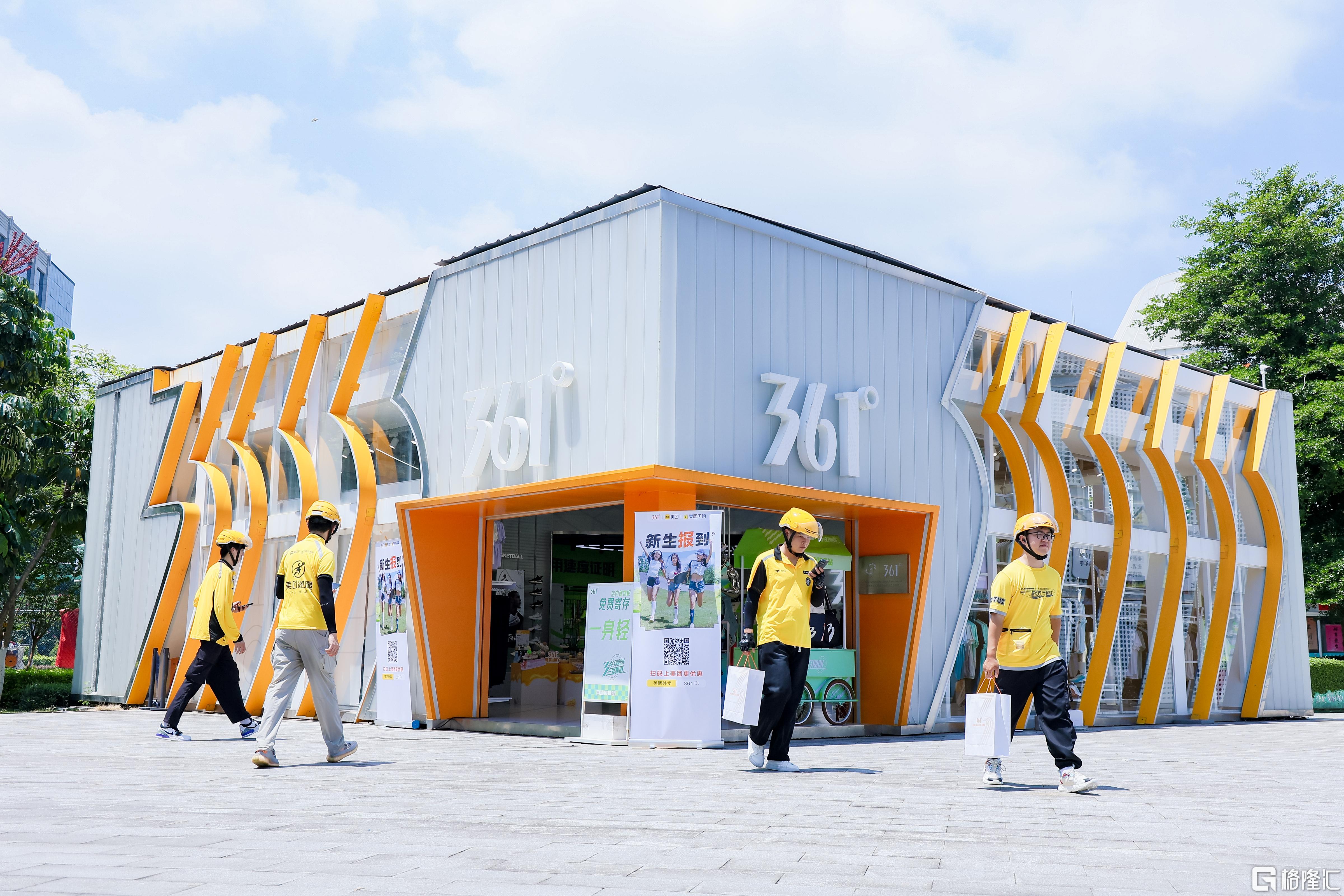
Group 1 - 361° has partnered with Meituan to enhance its instant retail strategy, allowing consumers to purchase sports equipment from nearby stores with a 30-minute delivery service [2][3] - The collaboration includes promotional offers such as limited-time coupons and discounts for consumers, aiming to provide a cost-effective shopping experience [2] - Meituan's extensive user base and efficient local delivery system will help activate 361°'s nationwide store network, increasing foot traffic and service efficiency [3] Group 2 - The partnership represents a significant step in 361°'s digital retail transformation, focusing on creating a complete online-to-offline (O2O) ecosystem [3] - Future collaborations will explore deeper integration in areas such as membership operations and data insights to develop a new sports consumption ecosystem [3]
361度官宣合作美团闪购与美团团购,千店入驻开启运动消费新体验
Ge Long Hui· 2025-08-25 03:00
Core Viewpoint - 361 Degrees, a leading sportswear brand in China, has partnered with Meituan for dual business cooperation, launching its services on Meituan's platform to enhance consumer shopping experiences and open new growth channels for the brand [1][4]. Group 1: Business Collaboration - The partnership includes the integration of 361 Degrees into Meituan's instant retail and group buying services, allowing consumers to purchase products through Meituan's app and receive them from nearby stores within an average of 30 minutes [4][7]. - Consumers can also access group buying discounts through Meituan or Dazhong Dianping apps, which can be redeemed in-store for various promotions, enhancing the shopping experience and driving foot traffic to physical locations [7]. Group 2: Consumer Experience Enhancement - The collaboration aims to meet the increasing consumer demand for efficiency and convenience in shopping, providing a seamless experience for sports enthusiasts to quickly acquire new gear for spontaneous activities [4][7]. - Meituan's promotional strategies, including limited-time cash vouchers and delivery discounts, are designed to lower barriers for consumers, encouraging more frequent purchases and engagement with the brand [4][7]. Group 3: Digital Transformation and Future Plans - This partnership marks a significant step in 361 Degrees' digital retail transformation, leveraging Meituan's extensive user base and efficient local delivery system to enhance service capabilities and expand business reach [7]. - Future collaborations may include deeper integration in areas such as membership operations and data insights, aiming to explore new sports consumption ecosystems and support the development of fitness initiatives [7].
独家对话京东外卖“老K”郭庆:只造泡沫,外卖行业就没了
3 6 Ke· 2025-08-25 01:07
Core Viewpoint - JD.com is entering the food delivery market with a focus on innovation and quality, aiming to disrupt the existing competition and address industry challenges such as "ghost kitchens" and food safety [1][30][42]. Group 1: Market Entry and Strategy - JD.com announced its entry into the food delivery sector by launching the "Seven Fresh Kitchen" platform, which emphasizes quality and compliance in food sourcing and preparation [1][42]. - The company aims to recruit over 10,000 food partners to support its new model, which has already attracted more than 70,000 applicants within three weeks [1][42]. - JD.com is committed to providing a sustainable business model that prioritizes user value over short-term market share gains, distancing itself from the "malicious subsidy" practices prevalent in the industry [2][8][10]. Group 2: Competition and Industry Dynamics - The current food delivery market is characterized by intense competition, with major players like Meituan and Alibaba increasing their investments in instant retail, prompting JD.com to adopt a more measured approach [4][6][22]. - JD.com does not view itself as a disruptor but rather as a participant focused on long-term value creation, emphasizing the importance of healthy competition for the industry's future [19][30]. - The company believes that the ongoing "subsidy war" is unsustainable and detrimental to the industry's long-term health, advocating for a shift towards quality and compliance [30][32]. Group 3: Operational Insights and Future Plans - JD.com has built a team of over 150,000 full-time delivery personnel, ensuring compliance with labor laws and providing social security benefits, which is seen as a competitive advantage [28][32]. - The company plans to expand the "Seven Fresh Kitchen" initiative to combat the prevalence of ghost kitchens, with a target of opening 10,000 locations over the next three years [58][63]. - JD.com aims to leverage technology and supply chain efficiencies to enhance food safety and quality, positioning itself as a leader in the evolving food delivery landscape [56][57]. Group 4: Consumer Focus and Market Positioning - JD.com is focused on addressing consumer needs for affordable, quality meals, particularly for budget-conscious customers who may otherwise resort to lower-quality options [42][49]. - The company emphasizes the importance of user experience and aims to create a transparent and fair profit-sharing model with its food partners [62][63]. - JD.com believes that the future of the food delivery industry hinges on innovation and the ability to provide genuine value to consumers, warning that failure to innovate could lead to the industry's decline [30][63].
营收利润双降,同城一对一急送平台闪送更难了
Sou Hu Cai Jing· 2025-08-24 17:05
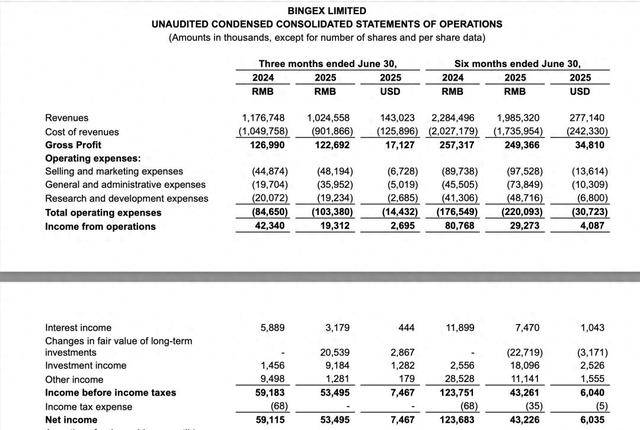
Core Insights - The company Flash Delivery reported a decline in revenue and profits for the second quarter and first half of 2025, indicating challenges in maintaining growth post-IPO [1][3][4] Financial Performance - In Q2 2025, Flash Delivery's revenue was 1.025 billion RMB, down 12.91% from 1.177 billion RMB in Q2 2024 [1] - Gross profit for Q2 2025 was 123 million RMB, a decrease of 3.39% year-on-year, with a gross margin of 12% [1] - Net profit for Q2 2025 was 53.5 million RMB, down 9.51% from the previous year, while non-GAAP net profit fell 22.89% to 45.6 million RMB [1] - For the first half of 2025, total revenue was 1.985 billion RMB, a 13.1% decline year-on-year, with a net profit of 43.2 million RMB, down 65.05% [2] Market Position and Competition - Flash Delivery, established in 2014, initially thrived on its differentiated "one-to-one urgent delivery" model but has faced increased competition from other delivery services [3][4] - The company has seen a decrease in order volume, with Q2 2025 completing 64.8 million orders, which is below the average of 69.25 million orders per quarter in 2024 [4] - The competitive landscape has intensified, with major players like Meituan and Alibaba increasing their market presence, leading to a significant rise in overall order volumes in the industry [6][7] Operational Challenges - Flash Delivery's operational expenses rose by 22.15% year-on-year to 103 million RMB, with significant increases in general and administrative expenses [7] - The company has not effectively adapted its operational strategy to the changing market dynamics, particularly in the context of the ongoing "takeout war" [6][7]