
地缘政治

Search documents
欧盟内部爆发巨大矛盾!匈牙利公开站台俄罗斯,俄能源迎来助力
Sou Hu Cai Jing· 2025-11-16 09:08
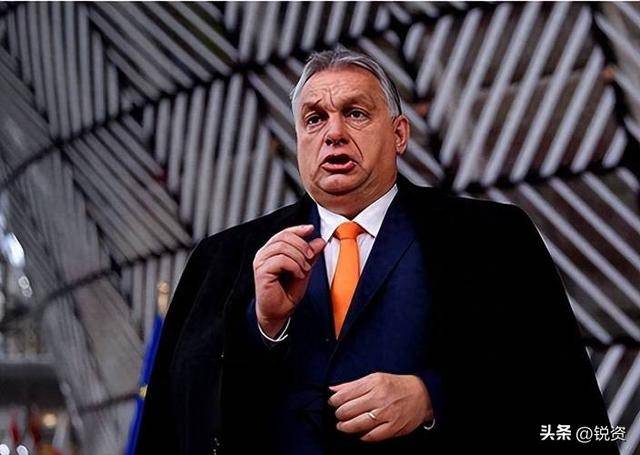
Core Viewpoint - Hungary's Prime Minister Orban announced plans to sue the EU over its recent decision to ban imports of Russian natural gas, highlighting the complex interplay of energy security, geopolitical dynamics, and internal EU unity [2][5]. Group 1: Energy Dependency - Hungary relies heavily on Russian energy, with 74% of its natural gas and 86% of its oil imported from Russia, making it vulnerable to any disruptions in supply [2]. - The country’s economic stability is closely tied to this energy dependency, as interruptions could lead to factory shutdowns and significant impacts on household heating during harsh winters [2]. Group 2: EU's Energy Policy and Reactions - Slovakia joined Hungary in opposing the EU's energy ban, driven by similar energy security concerns, as both countries have established infrastructure for Russian energy imports [3]. - The EU's requirement to completely replace Russian energy by 2027 is seen as unrealistic, necessitating substantial investment and time to develop alternative sources [3][5]. Group 3: Legal and Political Implications - Hungary's lawsuit against the EU is framed as a response to what it perceives as a violation of EU rules regarding unanimous decision-making for sanctions, as the energy ban was passed by majority vote [5]. - The internal divisions within the EU are evident, with Western countries able to absorb higher energy costs while Eastern European nations face greater economic strain from sanctions [5][11]. Group 4: Geopolitical Dynamics - The U.S. aims to sever Europe's energy ties with Russia to isolate the country and promote its own energy exports, but Hungary is cautious about switching suppliers due to the stability and lower prices of Russian energy [9]. - Russia benefits from Hungary's opposition to the EU's energy ban, as it may encourage other countries dependent on Russian energy to resist similar sanctions [9]. Group 5: Future Outlook - The outcome of Hungary's lawsuit could significantly impact the EU's energy policy and its unity, with potential implications for the enforcement of sanctions against Russia [10][11]. - The ongoing geopolitical struggle over energy resources reflects broader issues of political influence and economic stability, emphasizing the need for a balanced approach to energy transition within the EU [11].

全线崩溃!比特币、黄金、科技股无一幸免!
Sou Hu Cai Jing· 2025-11-15 11:40
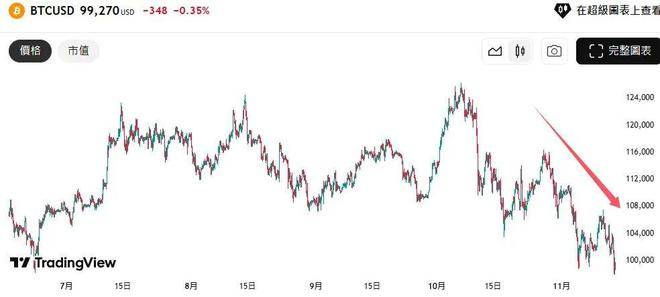
Group 1: Bitcoin Market Dynamics - Bitcoin has entered a confirmed bear market, having dropped over 20% from its historical high of $125,000, resulting in a market cap loss exceeding $450 billion [3] - On October 11, Bitcoin experienced a significant drop of 13% within 24 hours, leading to a total liquidation amount of $19.358 billion, affecting approximately 1.66 million traders [6] - Long-term holders have sold approximately 815,000 Bitcoins, marking the highest level of selling since 2024, as major investment funds and ETFs withdraw their positions [9] Group 2: Gold Market Trends - Gold prices have seen a sharp decline, with international spot gold dropping over 6% on October 21, marking the largest single-day drop since April 2013 [12] - The Central Bank of the Philippines is considering selling some of its gold reserves, which currently account for about 13% of its $109 billion international reserves, aiming to reduce this to a range of 8%-12% [14] - Predictions for gold prices vary significantly, with Goldman Sachs forecasting a price of $4,900 per ounce by the end of 2026, while others predict a drop to $3,500 per ounce due to excessive central bank reserves [17] Group 3: Technology Sector Performance - Global technology stocks have faced a significant downturn, with U.S. tech stocks leading the decline amid economic uncertainties and valuation corrections [20] - Nvidia's stock fell by 9.1% in the week leading up to November 7, followed by a further 3.2% drop, resulting in a market cap loss of over $100 billion [21] - Tesla's stock dropped over 6% in a single day on November 13, with a total weekly decline of approximately 10%, leading to a market cap loss exceeding $125 billion [22]
制裁前夜还想先聊?英俄高层一次通话曝光,欧洲内讧藏不住了
Sou Hu Cai Jing· 2025-11-14 08:40
克里姆林宫于11月12日星期三确认,俄罗斯总统助理尤里·乌沙科夫今年年初曾与英国国家安全顾问乔纳森·鲍威尔进行过一次通话。 此前,英国《金融时报》曾率先报道了这一消息,引发了外界对俄英关系以及欧洲地缘政治互动的广泛关注。根据《金融时报》的报道,鲍威尔在1月主动 致电乌沙科夫,主要目的是希望与莫斯科建立一个保密的沟通渠道。然而,这次谈话并未取得预期的成果,双方未能成功建立定期沟通机制。 克里姆林宫发言人德米特里·佩斯科夫在日常记者会上回应时表示,这一报道是准确的,确实存在过相关讨论,但双方的沟通未能继续下去。佩斯科夫进一 步解释,通话未能延续的主要原因是鲍威尔当时急于阐述欧洲方面的立场,却几乎不愿听取俄罗斯的观点。他表示,如果没有相互交流的空间,谈话自然无 法取得更多进展。 从俄方的角度来看,这一表述揭示了此次沟通受阻的关键原因。《金融时报》还提到,此次通话是英国方面主动提出的,且得到了部分欧洲盟友的支持。背 后的一个重要考虑因素是,欧洲一些国家担心美国总统特朗普对乌克兰问题的立场不明确,可能导致欧盟在相关事务中的利益被边缘化。一位欧洲官员在接 受该报采访时直言:"我们担心的是,现在与俄罗斯的沟通正在被'外包' ...

中辉有色观点-20251114
Zhong Hui Qi Huo· 2025-11-14 05:24
1. Report Industry Investment Ratings - Gold: Long - term holding (★★) [1] - Silver: Long - term holding (★★) [1] - Copper: Long - term holding (★) [1] - Zinc: Rebound under pressure (★) [1] - Lead: Rebound under pressure (★) [1] - Tin: High - level under pressure (★) [1] - Aluminum: Relatively strong (★★) [1] - Nickel: Relatively weak (★) [1] - Industrial silicon: Range - bound (★) [1] - Polysilicon: Bullish (★★) [1] - Lithium carbonate: High - level operation (★) [1] 2. Core Views of the Report - The overall precious metals market is supported by factors such as repeated statements from Fed officials and weak micro - data, and long - term value allocation is recommended [1][2][3] - The copper market is bullish in the medium - to - long - term due to tight copper concentrate supply and increasing green copper demand, and it is recommended to hold long positions [1][5][6] - The zinc market is expected to have an increase in supply and a decrease in demand in the medium - to - long - term, and it is recommended to sell on rallies [1][9][10] - The aluminum market shows a relatively strong short - term trend due to overseas supply contraction, but attention should be paid to downstream demand changes [1][11][13] - The nickel market is relatively weak because of high inventory and weak downstream consumption, and it is recommended to short on rebounds [1][15][17] - The lithium carbonate market remains in a tight supply - demand situation, and it is recommended to take profit at high levels and wait for dips to go long [1][19][21] 3. Summaries According to Related Catalogs Gold and Silver - **Market Review**: US big data is blank, micro - data is weak, Fed officials' statements are repeated, silver has fallen from its high, but gold and silver are generally supported [2] - **Basic Logic**: The US government shutdown has ended; some micro - data has turned weak, such as Verizon's large - scale layoffs and an increase in US foreclosure property numbers; Fed officials' statements are inconsistent; China's central bank has continuously increased its gold reserves, and gold may be in a long - term bull market [2][3] - **Strategy Recommendation**: In the short term, domestic gold has support at 935, and silver has strong support at 12000. Long - term value - allocation positions should be held [3] Copper - **Market Review**: Shanghai copper is consolidating at a high level, facing pressure at the 88,000 - yuan mark [5] - **Industrial Logic**: In Q3 2025, the output of major global copper mining enterprises decreased by nearly 5% year - on - year, and the contraction is expected to continue in Q4. Refined copper supply has shrunk. Consumption has entered the off - season, and the downstream start - up rate is weak year - on - year [5] - **Strategy Recommendation**: It is recommended to continue holding long positions in copper. In the medium - to - long - term, copper is still bullish. The short - term range for Shanghai copper is [86,000 - 89,000] yuan/ton, and for London copper is [10,500 - 11,000] US dollars/ton [6] Zinc - **Market Review**: Shanghai zinc has fallen under pressure and is in a volatile consolidation [9] - **Industrial Logic**: Overseas zinc mine output has declined recently, zinc concentrate supply has tightened in the short term, and domestic zinc concentrate processing fees have continued to fall. Consumption has entered the off - season, and overseas LME zinc inventory has continued to accumulate [9] - **Strategy Recommendation**: It is recommended to take profit on long positions at high levels. In the medium - to - long - term, zinc supply will increase and demand will decrease, and it is recommended to sell on rebounds. The range for Shanghai zinc is [22,400 - 22,800] yuan/ton, and for London zinc is [3,000 - 3,100] US dollars/ton [10] Aluminum - **Market Review**: Aluminum prices have risen and then fallen, and alumina is relatively weak [12] - **Industrial Logic**: For electrolytic aluminum, overseas supply is expected to be tight due to production cuts, and domestic demand is turning from peak to off - season. For alumina, overseas shipments have decreased, and domestic high - cost enterprises may cut production due to losses, but the market is still in an oversupply situation in the short term [13] - **Strategy Recommendation**: It is recommended to take profit on Shanghai aluminum at high levels in the short term, and pay attention to the start - up changes of downstream processing enterprises. The main operating range is [21,300 - 22,300] [14] Nickel - **Market Review**: Nickel prices have continued to fall, and stainless steel is in a weak trend [16] - **Industrial Logic**: Overseas nickel inventory is at a high level, and domestic nickel inventory has also accumulated. The terminal consumption of stainless steel is weak, and there is a risk of inventory accumulation in the long term [17] - **Strategy Recommendation**: It is recommended to short nickel and stainless steel on rebounds, and pay attention to downstream consumption and stainless steel inventory changes. The main operating range for nickel is [117,500 - 120,000] [18] Lithium Carbonate - **Market Review**: The main contract LC2601 has fluctuated higher, hitting a recent high during the session, and the late - session gains have declined [20] - **Industrial Logic**: The supply - demand situation remains tight, with inventory decreasing for 12 consecutive weeks. Domestic production has reached a new high, and terminal market performance is strong. However, the resumption of production may put pressure on prices [21] - **Strategy Recommendation**: Take profit on long positions near the previous high [86,000 - 88,000] [22]
油气概念股走强,相关ETF涨约2%
Mei Ri Jing Ji Xin Wen· 2025-11-14 03:37
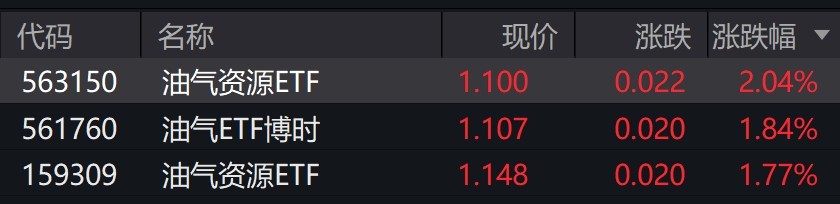
Group 1 - Oil and gas concept stocks strengthened, with Jerry Holdings and Intercontinental Oil rising over 7% [1] - Oil and gas resource-related ETFs increased by approximately 2% due to the rise of heavy-weight stocks [1] Group 2 - Specific ETFs showed the following performance: - Oil and Gas Resource ETF (code: 563150) at 1.100, up 0.022 (2.04%) - Oil and Gas ETF Boshi (code: 561760) at 1.107, up 0.020 (1.84%) - Oil and Gas Resource ETF (code: 159309) at 1.148, up 0.020 (1.77%) [2] - Brokerages indicate that despite geopolitical uncertainties, the medium to long-term oil supply and demand structure remains favorable, maintaining a positive outlook on "three major oil companies" and the oil service sector [2] - The recovery of the macro economy is expected to boost chemical demand, and in the long term, the clearing of chemical product capacity is beneficial for leading enterprises, with a positive outlook on large-scale refining, coal chemical, and ethylene profitability [2]
中国期货每日简报-20251114
Zhong Xin Qi Huo· 2025-11-14 00:38
Report Industry Investment Rating No relevant content provided. Core Viewpoints - On November 13th, equity index futures rose while CGB futures declined; most commodity futures advanced, with energy and chemical futures relatively weak [2][9][11]. - The top three gainers in commodity futures were silver, polysilicon and apples, while the top three decliners were low - sulfur fuel oil, fuel oil and crude oil [10][11][12]. - Silver prices may rise further if gold prices maintain a volatile and strong trend and the US dollar continues to pull back; 20 -号胶 prices are likely to maintain a bottom - volatile trend with strong elasticity but may face downward adjustment pressure; crude oil prices are likely to maintain a volatile trend in the short - term [17][26][35]. Summary by Directory 1. China Futures 1.1 Overview - On November 13th, China's financial futures: IC and IM both gained 1.7%; TL fell 0.3%. In commodity futures, most advanced, with energy and chemical futures relatively weak [9]. - The top three gainers in commodity futures were silver (up 5.5% with open interest decreasing 1.6% month - on - month), polysilicon (up 3.7% with open interest increasing 2.4% month - on - month) and apples (up 3.3% with open interest up 13.0% month - on - month). The top three decliners were low - sulfur fuel oil (down 4.4% with open interest falling 10.6% month - on - month), fuel oil (down 3.7% with open interest increasing 20.9% month - on - month) and crude oil (down 3.7% with open interest decreasing 19.3% month - on - month) [10][11][12]. 1.2 Daily Raise - **Silver**: On November 13th, silver rose 5.5% to 12,588 yuan/kg. London market supply tightness alleviated in October, with silver inventories in London vaults surging by about 54 million ounces. Spot prices are supported by capital momentum and have broken through the previous psychological threshold. Weak corporate confidence and slowing employment may lead to further strengthening of interest - rate cut expectations, supporting silver prices [15][16][17]. - **TSR20**: On November 13th, TSR20 rose 1.8% to 12,400 yuan/ton. China entered the rubber - tapping suspension period in November, and RU - related themes still have speculation space. The supply - demand pattern of natural rubber has not changed significantly, but from a seasonal perspective, rubber prices may face downward adjustment pressure [24][25][26]. 1.3 Daily Drop - **Crude Oil**: On November 13th, crude oil fell 3.7% to 449.5 yuan/barrel. API data showed US crude oil inventories continued to build up and refined oil inventories declined last week. OPEC revised down its global supply - demand balance forecast, while EIA indicated US crude oil production remains resilient. Oil prices are likely to maintain a volatile trend in the short - term [32][33][35]. 2. China News 2.1 Macro News - Premier Li Qiang will attend the 24th Meeting of the Council of Heads of Government (Prime Ministers) of the SCO Member States in Moscow from November 17 - 18, pay an official visit to Zambia from November 19 - 20, and attend the 20th G20 Summit in Johannesburg from November 21 - 23 [40]. 2.2 Industry News - The market value of A - shares held by foreign investors currently exceeds RMB 3.5 trillion, and efforts will be made to include more futures and options products in the scope of opening - up [41]. - From January to October, the cumulative trading volume and turnover of China's national futures market increased by 14.86% and 21.82% year - on - year, respectively [41].
欧洲再无“造反”可能?武契奇断言,最多一年,“北溪”就将易主
Sou Hu Cai Jing· 2025-11-13 10:44
Group 1 - The Nord Stream pipeline system was designed to transport natural gas directly from Russia to Germany, with a total capacity of 55 billion cubic meters per year, bypassing geopolitical disruptions [1] - After the pipeline was damaged in September 2022, the European energy market became volatile, leading countries like Germany to turn to U.S. liquefied natural gas (LNG), resulting in import costs soaring by over 200% [1] - The U.S. expanded its market share, increasing LNG exports from 70 billion cubic meters in 2022 to 140 billion cubic meters by 2025, capturing nearly half of the European market [1] Group 2 - Serbian President Aleksandar Vučić predicts that Germany urgently needs cheap Russian gas to support industrial competitiveness, and if the undamaged branch of Nord Stream 2, with a capacity of 27.5 billion cubic meters, is restored, it could significantly alleviate Europe's energy pressure [3] - Vučić asserts that the pipeline will not be controlled by Russia but will likely be auctioned off to American investors, with Stephen Lynch already applying for permission to bid on the pipeline during Swiss bankruptcy proceedings [3] - Lynch values the pipeline at $11 billion but plans to acquire it at a low price, viewing it as leverage in U.S.-Ukraine conflict negotiations while controlling EU energy supply dynamics [3] Group 3 - The technical analysis indicates that the Nord Stream pipeline, made of high-strength steel and precision-laid underwater, has a 30% higher pressure resistance compared to traditional land pipelines, but repairs post-damage will cost around $2 billion [5] - The predicted change in ownership will introduce an American management model, updating to a digital monitoring system that tracks gas flow in real-time, improving operational efficiency by 15% [5] - This update reflects a shift towards privatized operations, separating ownership from supply, aligning with EU gas directives to avoid Russian control [5] Group 4 - Russian officials have denied any intention to sell the pipeline, but economic pressures may lead to tacit approval of the transaction in exchange for sanctions relief [7] - Reports indicate secret negotiations between Russia and the U.S. to restore Nord Stream 2, with Lynch promoting the idea that American ownership could ensure Western oversight and maintain affordable Russian gas flow to Europe [7] - This dual objective reveals U.S. intentions to appear supportive of Europe while securing energy dominance [7] Group 5 - There are significant internal divisions within the EU regarding the restart of Nord Stream, with the German industrial sector eager for cheap gas, while political concerns about increased dependency persist [9] - A report from the Atlantic Council in July 2025 suggests that American ownership would more easily pass EU supply security tests compared to Russian gas during energy crises [9] - If ownership changes, Europe would need to purchase gas through American traders, increasing intermediary costs by 15% [9] Group 6 - The choice of high-priced American gas has led to a 5% decline in industrial output in Europe, with some companies relocating to Asia, aligning with U.S. strategies to promote LNG [11] - Russia is pivoting towards Eastern exports, with China benefiting from increased supply through the East Route pipeline, which is expected to rise from 15 billion cubic meters in 2022 to 38 billion cubic meters by 2025 [11] - The West Route project negotiations are accelerating, with an expected production of 30 billion cubic meters by 2026, emphasizing cost reductions through land-based high-pressure transmission [11] Group 7 - Negotiations regarding the pipeline's future continue, with Lynch advocating for the acquisition while German legal reforms prevent Russian takeover but not American involvement [13] - The execution of EU gas directives promoting ownership separation is pushing towards a change in ownership, with indications that Russia is preparing for repair work [13] - Vučić's timeline prediction points to late 2025 for potential ownership change, which could end the era of cheap Russian gas and place pricing mechanisms under U.S. control [13]

专栏丨美国最大航母战斗群剿毒,谁信?
Xin Hua She· 2025-11-13 00:54
Group 1 - The deployment of the USS Gerald R. Ford aircraft carrier in the Caribbean, under the pretext of combating drug trafficking, raises questions about the underlying geopolitical motives of the U.S. government [1][2] - Historical context shows that the U.S. has a long history of military interventions in Latin America, with nearly 400 interventions globally since 1776, 34% of which targeted Latin America and the Caribbean [2] - The USS Ford's presence is perceived as a demonstration of U.S. military power, signaling that the U.S. can still enforce its will in its "backyard" [2][3] Group 2 - The U.S. military buildup in the Caribbean is viewed as a significant threat to peace and stability in the Western Hemisphere, suggesting that non-compliant regimes may face military consequences [3] - The narrative of "fighting drugs" is seen as a facade for U.S. interventionism, with the real intent being the protection of U.S. interests and hegemony in the region [2][3] - The changing dynamics in Latin America, characterized by greater sovereignty and diverse development, challenge the effectiveness of traditional U.S. interventionist strategies [3]
普京28天死命令:押注稀土,中俄合作变局?
Sou Hu Cai Jing· 2025-11-12 20:07
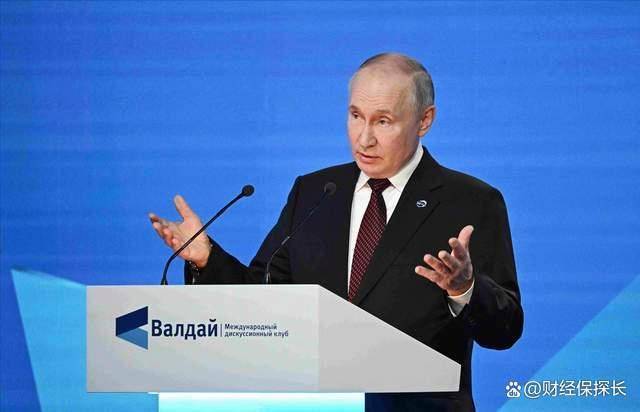
Core Insights - Russia is under pressure to develop a detailed roadmap for its rare earth and critical metals industry by December 1, indicating a significant shift in the global rare earth landscape and Russia's strategic ambitions [1][12][13] Group 1: Strategic Context - The urgency of the directive reflects Russia's awareness of being marginalized in the international arena and its desire to leverage its resource advantages to navigate current geopolitical challenges [3][12] - Russia possesses 28 million tons of rare earth reserves, with the Tomtor deposit being the largest single rare earth mine globally, yet it struggles with technological challenges that hinder its ability to capitalize on these resources [5][12] Group 2: Industry Development Challenges - The Russian rare earth industry has lagged due to low technological levels and an incomplete industrial chain, with current extraction rates only a small fraction of total reserves [5][7] - High-end demand for rare earths has historically relied on imports, posing a strategic risk for Russia [5][12] Group 3: Competitive Landscape - Putin's goal is to establish a complete industrial chain that supports defense, technology, and manufacturing, competing against China's dominant position in the rare earth sector [7][9] - The global rare earth industry is becoming a key element in geopolitical strategy, with the U.S. and EU also striving to bolster their domestic industries to reduce reliance on China [9][12] Group 4: Future Prospects - Russia's approach may involve international cooperation, particularly with China, to overcome its technological bottlenecks and enhance its position in the global market [11][12] - The development of the rare earth industry is seen as a long-term endeavor requiring significant investment and time, with the potential to reshape global supply dynamics if successful [12][13]
第一创业晨会纪要-20251112
First Capital Securities· 2025-11-12 07:27
Industry Overview - Taiwan's NOR Flash storage manufacturer Winbond indicated a 50% increase in NOR Flash usage due to the rising demand from AI servers transitioning from HBM3E to HBM4, with plans to raise NOR Flash prices by up to 30% in Q1 next year [3] - The AIOT sector is experiencing rapid growth, as evidenced by the performance of major domestic listed companies, indicating a clear upward trend in storage demand over the next two years [3] Advanced Manufacturing - CATL has made significant supply chain moves, including a framework agreement with Jiangyuan Technology to secure a minimum capacity of 626,000 tons and strategic investments in Tianhua New Energy to ensure lithium salt supply [7] - In October, battery production increased by 22.4% month-on-month, with utilization rates nearing 90%. CATL reported a saturated energy storage capacity with a production of approximately 180 GWh in Q3, maintaining a utilization rate above 90% [7] - The asset expenditure growth for CATL and other companies in the sector indicates a strong commitment to expanding capacity and innovation, suggesting a new cycle of prosperity for lithium batteries and related industries [7] Consumer Sector - On Running reported a Q2 net sales of 749.2 million Swiss francs, a 32% year-on-year increase, with a gross margin of 61.5% [9] - The company adjusted its full-year sales guidance to 2.91 billion Swiss francs, expecting a growth of at least 31% year-on-year [9] - Brooks, a professional running brand, achieved a 17% sales growth in Q3, marking the ninth consecutive quarter of growth, supported by strong overseas market expansion [9] Precious Metals - Precious metal prices are expected to continue their upward trend, with silver showing stronger rebounds than gold due to easing market liquidity and a decline in the US dollar index [11][12] - The increasing proportion of gold reserves held by global central banks and the net inflow of funds into physical gold ETFs reflect growing concerns over dollar credit and geopolitical uncertainties [12] - Silver's recent strong performance is attributed to its relatively low gold-silver ratio and low COMEX exchange inventories, suggesting continued strength in the silver market [12]
