即时零售

Search documents
快手的“叛逆”期到了
3 6 Ke· 2025-08-18 02:23
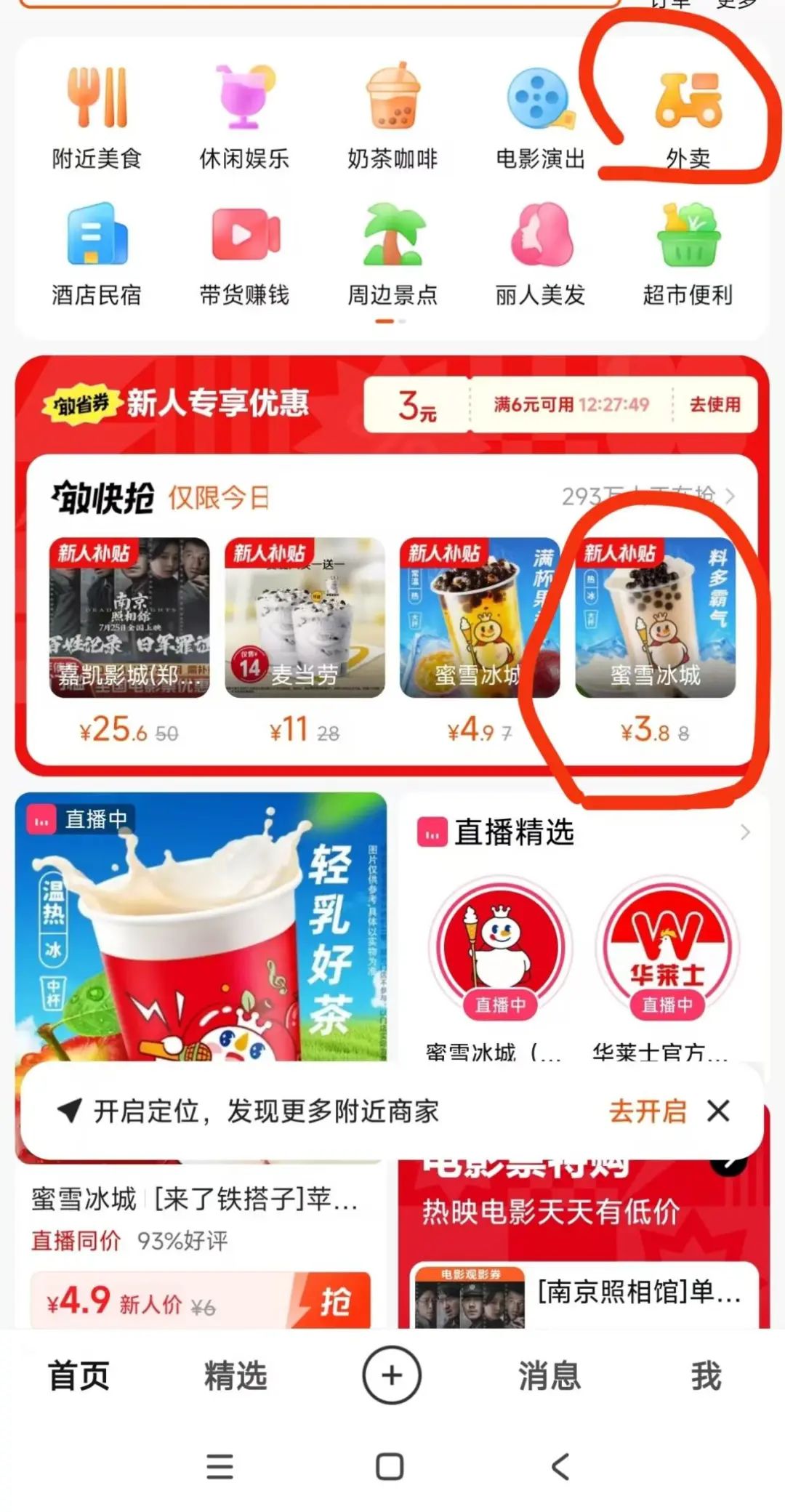
Core Viewpoint - Kuaishou has entered the food delivery market amidst a slowdown in competition among major players like Meituan, Taobao, and JD, which have called for a halt to chaotic competition [1][2][5]. Group 1: Market Dynamics - The food delivery war has entered a phase of reduced competition, with major platforms advocating for orderly practices [1][2]. - Kuaishou's entry into the food delivery space comes at a time when other platforms, such as Douyin, have explicitly stated they have no plans to develop their own delivery services [5][10]. - Kuaishou's food delivery feature acts as a link to third-party services rather than establishing its own delivery infrastructure, similar to previous collaborations with Meituan [5][7]. Group 2: User Engagement and Strategy - Kuaishou's decision to launch a food delivery service is driven by a need to retain user engagement as its growth rate slows [7][11]. - The platform aims to keep users within its ecosystem while they order food, contrasting with the strategies of e-commerce platforms that seek to attract users to their apps [15][17]. - Kuaishou's community culture and high user retention rates are seen as critical assets in this strategy [19][21]. Group 3: Financial Performance and Growth - Kuaishou's local life services have shown significant growth, with a reported GMV increase and a revenue growth of 200% year-on-year in Q1 2025 [24][25]. - Despite revenue growth, Kuaishou's core marketing projects have seen a decline in growth rates, indicating a need for diversification in revenue streams [28][29]. - The company is exploring various monetization avenues, including self-operated e-commerce and food delivery, to adapt to competitive pressures [30][32]. Group 4: Competitive Landscape - Other platforms like JD are also exploring new models in the food delivery space, such as opening their own delivery kitchens, which presents a competitive challenge to Kuaishou [33][36]. - Kuaishou's user demographics are more concentrated in specific regions, allowing for targeted strategies in food delivery that leverage local preferences [39][41]. - The integration of food delivery with Kuaishou's existing content and community features could enhance user interaction and retention [43][44].


京东这一仗,单季血亏超百亿
雷峰网· 2025-08-18 00:52
Core Viewpoint - JD's entry into the food delivery market has resulted in significant financial losses, impacting its overall profitability and stock performance, despite a record revenue growth in Q2 2025 [2][3][9]. Group 1: Financial Performance - In Q2 2025, JD reported a revenue of 356.66 billion yuan, a year-on-year increase of 22.4%, but net profit dropped by 50.8% to 6.2 billion yuan [2][7]. - The operating loss in the new business segment, which includes food delivery, surged from 700 million yuan to 14.8 billion yuan year-on-year, leading to an overall operating loss of 900 million yuan [8][9]. - Marketing expenses skyrocketed from 11.9 billion yuan to 27 billion yuan, a 127.6% increase, significantly outpacing revenue growth [8]. Group 2: Market Dynamics - JD's stock price fell over 33% from a peak of 179 HKD in March to 120.3 HKD by mid-August, reflecting investor concerns about its profitability [4][10]. - The food delivery business, which generated 13.9 billion yuan in revenue, is seen as a major focus for analysts, despite its substantial losses [5][8]. Group 3: Strategic Outlook - JD's CEO emphasized the long-term vision for food delivery and instant retail, aiming for sustainable business models rather than short-term profits [11]. - Despite the challenges, JD's core retail business remains strong, with a 20.6% revenue growth, contributing significantly to overall profits [7][12]. - Analysts express skepticism about JD's ability to maintain user growth and profitability in the food delivery sector, especially given the competitive landscape [11][14].

7月社会零售品消费数据点评:7月社零同比+3.7%,线上消费渗透率持续提升
Shenwan Hongyuan Securities· 2025-08-17 14:22
Investment Rating - The industry investment rating is "Overweight" indicating a positive outlook for the sector compared to the overall market performance [11]. Core Insights - In July 2025, the total retail sales of consumer goods increased by 3.7% year-on-year, which was below market expectations. The total retail sales reached 3.9 trillion yuan, with a month-on-month decline of 1.1 percentage points [5]. - Online retail sales and penetration rates have significantly increased due to enhanced subsidies from instant retail platforms. The online retail sales for the first seven months of 2025 grew by 9.2% year-on-year, surpassing the overall retail growth rate [5]. - The report highlights a divergence in domestic consumption performance, with sectors like instant retail benefiting significantly, while the restaurant sector continues to face pressure [5]. Summary by Sections Retail Sales Performance - July 2025 saw a 3.7% year-on-year increase in retail sales, lower than the expected 4.9%. Excluding automobiles, retail sales grew by 4.3% [5]. - The retail sales of goods in July reached 3.4 trillion yuan, with a year-on-year growth of 4.0% [5]. Online and Offline Retail Trends - Online retail sales in July amounted to 959.9 billion yuan, with a year-on-year growth of 8.3% and a month-on-month increase of 3.6% [5]. - The online penetration rate reached 24.8%, up from 23.7% in the previous year [5]. Consumer Goods and Services - The report notes a significant increase in the sales of daily consumer goods, with categories like communication and food seeing growth rates of 14.9% and 8.6% respectively [5]. - The restaurant sector's growth remains low, with July's revenue at 450.4 billion yuan, reflecting a year-on-year increase of only 1.1% [5]. Investment Recommendations - The report recommends focusing on e-commerce and instant retail sectors, highlighting companies like Alibaba, JD.com, and Meituan as key players [5]. - It also suggests investing in quality gold and jewelry brands, as well as companies in the travel industry that are expected to benefit from the summer tourism season [5].
百亚股份(003006):25Q2电商业务受舆情冲击,线下渠道增长强劲
Haitong Securities International· 2025-08-17 13:50
Investment Rating - The report does not explicitly state an investment rating for Baiya Corporation Core Insights - Baiya Corporation's e-commerce business faced significant impacts from public sentiment in Q2 2025, while offline channels showed strong growth. The company's total revenue for H1 2025 reached 1.76 billion yuan, a year-on-year increase of 15.1%. In Q2 alone, revenue was 770 million yuan, up 0.2% year-on-year. E-commerce revenue for H1 2025 was 592 million yuan, down 9.4% year-on-year, with Q2 e-commerce revenue declining by over 20% year-on-year. Offline channel revenue totaled 1.13 billion yuan, up 39.8% year-on-year, aligning with the company's expectations [2][9][10]. Summary by Sections Revenue Performance - Baiya Corporation achieved H1 2025 revenue of 1.76 billion yuan, a 15.1% increase year-on-year. Q2 revenue was 770 million yuan, reflecting a 0.2% increase year-on-year. E-commerce revenue for H1 was 592 million yuan, down 9.4% year-on-year, with Q2 showing a decline of over 20%. Offline revenue reached 1.13 billion yuan, up 39.8% year-on-year, meeting initial expectations [2][9][10]. Marketing and Profitability - In response to public sentiment, Baiya increased marketing investments in Q2 2025, leading to a profit performance that fell short of expectations. Sales expenses for H1 were 640 million yuan, an 18.8% increase year-on-year, with a sales expense ratio of 36.4%. Marketing expenses were 460 million yuan, up 26.1% year-on-year. The attributable net profit for H1 was 190 million yuan, a 4.6% increase year-on-year, while Q2 net profit was 60 million yuan, down 25.5% year-on-year [3][10]. E-commerce Strategy - The Douyin platform maintained over 50% of Baiya's e-commerce sales. The company anticipates growth from three major platforms: Douyin, Tmall, and Pinduoduo. Despite overall losses in e-commerce for H1, profitability is expected to return in the second half of the year. The e-commerce strategy is shifting from reliance on Douyin to a balanced approach across all three platforms [4][11]. New Product Development - Baiya has not yet launched new products on a large scale but has established a dedicated department for instant retail. New products are currently in the testing phase, with a focus on sanitary napkins. The expected gross margin for new products is not lower than existing products, and the overall gross margin is stable and trending upward [12]. Equity Incentive Plan - In H1 2025, Baiya implemented an equity incentive plan, lifting restrictions on 639,000 shares and increasing share capital to 429.68 million shares. The company plans to continue equity incentives, although specific plans for H2 2025 have not been determined [5][13].
苏州飞创品牌管理有限公司即时零售酒水业务成功完成不超过1500万元的天使轮融资
Sou Hu Cai Jing· 2025-08-17 09:03
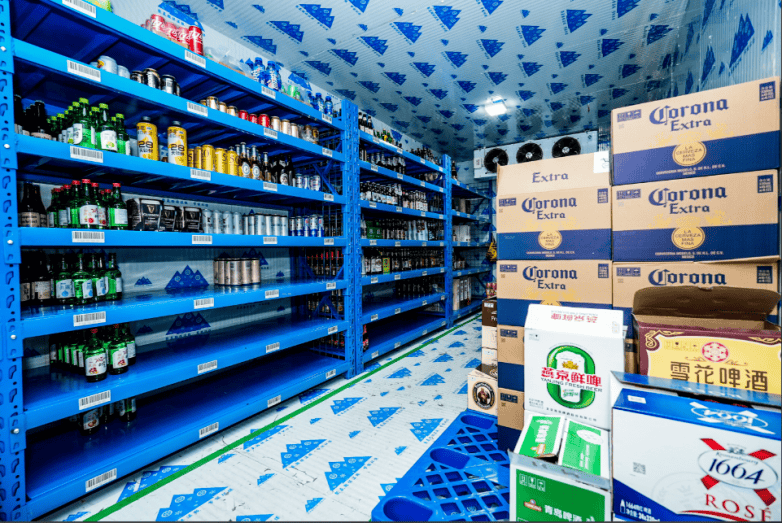
Core Insights - Suzhou Feichuang Brand Management Co., Ltd. has recently secured angel round financing of up to 15 million yuan to enhance its instant retail beverage business [1][3] - The funding will be allocated towards expanding the flash delivery warehouse business and optimizing supply chain integration to improve operational efficiency and stability [3][5] Company Strategy - The company aims to expand its flash delivery warehouse business by establishing more front warehouses in target areas to shorten delivery distances and enhance "minute-level" fulfillment capabilities [3][5] - Feichuang plans to deepen supply chain integration by optimizing procurement channels and strengthening strategic partnerships with brands and suppliers [3][5] - Future focus will be on core cities and high-potential areas, accelerating offline network expansion, and leveraging digital technology for supply chain management [3][5] Market Positioning - The company is positioned to capitalize on the growing demand for beverages in the instant retail sector, which is seen as a significant growth engine [5][7] - Feichuang intends to enhance user experience and operational efficiency through a robust warehousing and delivery system [5][7] - The company will implement a membership service system to analyze consumer preferences and provide personalized product recommendations [5][7] Competitive Advantage - To maintain its leading position in the instant beverage retail sector, Feichuang will optimize supply chain flexibility and improve inventory turnover efficiency [7] - The company will adopt data-driven marketing strategies to achieve precise user targeting and high conversion rates [7] - Feichuang plans to collaborate with local beverage brands to introduce regionally popular products, enhancing its product matrix and competitive differentiation [7]
双向奔赴 激发消费市场新活力
Liao Ning Ri Bao· 2025-08-17 01:59
Core Insights - The article highlights the vibrant consumer activity in Liaoning province, driven by various promotional events and initiatives aimed at boosting consumption and enhancing the overall economic environment [1][2][7] Demand Side: New Consumption Provides Growth Support - The rapid growth of instant retail reflects the diverse consumer demands, with significant increases in spending on education, culture, and entertainment, which rose by 21.3%, and on daily necessities, which increased by 13.4% year-on-year [3] - Spending on durable goods, particularly home appliances like refrigerators and air conditioners, surged by 49.5% [3] - The retail sales of new energy vehicles grew by 22.7%, while energy-efficient appliances saw a remarkable increase of 55.8% [3] Service Consumption Growth - Urban residents in Liaoning spent an average of 7,495 yuan on service consumption, marking a year-on-year increase of 7.5%, outpacing the growth of goods consumption by 5.1 percentage points [4] - Rural residents' service consumption reached 3,146 yuan, with a year-on-year growth of 6.7% [4] - The tourism market in Liaoning has been thriving, contributing to the overall increase in service consumption [4] Supply Side: New Scenarios Ignite Consumption Dynamics - The opening of the Shenyang Global Harbor and other innovative venues has attracted significant consumer traffic, with nearly 100,000 visitors on the opening day [5][6] - Shenyang has introduced over 950 new commercial brands, focusing on first-store economies to enhance consumer experiences [6] - The province has implemented measures to promote first-store economies, aiming to attract domestic and international brands and create a vibrant consumption ecosystem [6][7]
京东使出了全身力气
36氪未来消费· 2025-08-16 14:05
Core Viewpoint - The article discusses the current state of JD's food delivery business, highlighting its significant losses and strategic shift towards a more sustainable growth model amidst fierce competition in the delivery sector [4][5][6]. Summary by Sections Financial Performance - In Q2, JD reported a new business loss of 14.7 billion, exceeding investor expectations, with net profit down 51% year-on-year [4][5]. - Total revenue grew by 22.4% to 356.7 billion, with the new business segment, including food delivery, seeing a revenue increase of 198.8% to 13.852 billion [8][13]. - The core retail business remains the strongest performer, with a revenue increase of 20.6% and an operating profit margin of 4.5%, marking the highest record for JD during major promotional periods [5][13]. Strategic Shifts - JD is adopting a more pragmatic approach in the food delivery sector, focusing on building a solid foundation rather than competing aggressively for market share [4][7]. - The company aims to enhance user, merchant, and delivery personnel experiences while prioritizing quality over quantity in its service offerings [5][10]. Market Position and Competition - The competitive landscape has shifted, with JD becoming a quieter player in the "delivery war," as rivals like Taobao and Meituan ramp up their efforts [7][11]. - JD's strategy includes avoiding direct competition with rivals during peak promotional periods, instead opting to support quality merchants through subsidies [7][8]. User Engagement and Growth - JD's active user base saw a significant increase, with daily active users up 35% and monthly active users up 17% year-on-year [8][9]. - The company is working on enhancing cross-selling capabilities between its food delivery and core retail businesses, although the effectiveness of this strategy remains uncertain [10][11]. Future Outlook - JD's management emphasizes a focus on sustainable business models rather than engaging in excessive competition, aiming for long-term growth through operational improvements and user experience enhancements [11][12]. - The company acknowledges the role of government subsidies in its recent performance but does not intend to rely on them as a long-term strategy [12][13].


刘强东不怕外卖百亿亏损
华尔街见闻· 2025-08-16 10:27
Core Viewpoint - The article discusses the impact of JD's aggressive entry into the food delivery market, highlighting a significant loss in its financial performance while also achieving substantial revenue growth. The strategy of "loss for traffic" is emphasized as a long-term vision despite short-term financial setbacks [1][3][12]. Financial Performance - JD's Q2 revenue reached 356.7 billion yuan, a year-on-year increase of 22.4%, marking the highest growth rate in three years [2][7]. - The net profit for Q2 fell by 50.8% to 6.2 billion yuan compared to the same period last year [12]. - The operating loss for JD's new business segment, primarily driven by food delivery, was 14.78 billion yuan in Q2, a significant increase from 1.33 billion yuan in Q1 [11]. Business Strategy - JD's founder, Liu Qiangdong, believes that the food delivery business is a means to bind users through high-frequency transactions, which can then be directed towards higher-margin businesses like e-commerce and finance [3][4]. - The company aims to leverage its supply chain capabilities to achieve profitability in the long run, despite initial losses in the food delivery sector [3][4]. New Business Ventures - JD's new business revenue, including food delivery, reached 13.85 billion yuan, a year-on-year increase of 198.8% [8]. - The company is also exploring new directions such as AI and international expansion, with significant investments in these areas [5][19]. Competitive Landscape - The entry of JD into the food delivery market has intensified competition with Alibaba and Meituan, leading to increased regulatory scrutiny [4]. - JD has opted not to engage in aggressive subsidy wars, focusing instead on sustainable growth and avoiding "zero-dollar purchases" that harm the industry [22]. Future Outlook - JD's CEO, Xu Ran, emphasizes a long-term vision for the food delivery business, aiming for sustainable development over immediate results [13]. - The company is also investing in AI and international operations, with a recent acquisition of Germany's Ceconomy for 18 billion yuan, which will enhance its European presence [20][21].

重庆啤酒上半年实现营收88.39亿元 管理层表示将持续发力非现饮渠道
Zhong Zheng Wang· 2025-08-16 06:57
Core Insights - Chongqing Brewery reported a slight decline in revenue and profit for the first half of 2025, with revenue at 8.839 billion yuan, down 0.24% year-on-year, and total profit at 2.228 billion yuan, down 0.1% year-on-year [1] - The company experienced a 13.8% increase in net cash flow from operating activities, amounting to 2.906 billion yuan [1] - The decline in revenue and profit is attributed to upgraded consumer demand and weak performance in traditional on-premise channels [1] Revenue Breakdown - High-end (8 yuan and above) and economy (below 4 yuan) products saw revenue growth, while mainstream products (4 to 8 yuan) experienced a decline [2] - Revenue from high-end products reached 5.265 billion yuan, up 0.04%, and economy products generated 196 million yuan, up 5.39% [2] - Mainstream products generated 3.145 billion yuan, down 0.92% [2] Regional Performance - The Northwest region, as a base market, maintained revenue growth, with revenues of 2.596 billion yuan, while the Central and Southern regions saw declines [2] - Revenue for the Central region was 3.532 billion yuan, down 0.7%, and for the Southern region was 2.479 billion yuan, down 1.47% [2] - Increased sales investment has pressured revenue growth in some regions, particularly in the Southern and Central regions due to intense industry competition [2] Product Innovation - The company launched nearly 30 new products in the first half of the year, including various beer and beverage types [2] - Notable new products include "Carlsberg Smooth 5°," "Wusu Beer Tianshan Original Brew," and "Chongqing Craft Whole Wheat Beer 1L" [2] Sales and Distribution Strategy - The company has established a dedicated team for instant retail, focusing on collaboration with various regions and platforms to manage pricing and strategic partnerships [3] - The management emphasized the importance of meeting consumer convenience through membership stores, discount stores, and instant retail formats [3] - The company aims to provide differentiated products across various platforms to address pricing issues and enhance product innovation capabilities [3]

刘强东不怕京东外卖百亿亏损
Hua Er Jie Jian Wen· 2025-08-16 05:24
Core Insights - The core viewpoint of the article highlights the aggressive strategy of JD.com in the instant retail market, particularly its significant losses in the food delivery sector, which have impacted overall profitability despite a notable revenue increase [2][10]. Financial Performance - In Q2, JD.com reported a total revenue of 356.7 billion yuan, a year-on-year increase of 22.4%, marking the highest growth rate in three years [5]. - The net profit for Q2 fell by 50.8% to 6.2 billion yuan compared to the same period last year [10]. - The retail segment generated 310.1 billion yuan in revenue, up 20.6%, with a profit margin of 4.5%, the highest during promotional seasons [6]. New Business Ventures - JD.com's new business, primarily focused on food delivery, generated 13.85 billion yuan in revenue, a staggering year-on-year growth of 198.8% [6]. - However, the food delivery segment incurred significant losses, with operational losses reaching 14.78 billion yuan in Q2, a substantial increase from 1.33 billion yuan in Q1 [9]. Strategic Focus - JD.com’s founder, Liu Qiangdong, emphasizes a long-term vision, prioritizing user acquisition through high-frequency delivery services, which he believes is more cost-effective than purchasing traffic from competitors [2]. - The company aims to leverage its supply chain capabilities to achieve profitability in the food delivery sector, despite initial losses [2]. Competitive Landscape - The entry of JD.com into the food delivery market has intensified competition with Alibaba and Meituan, prompting regulatory scrutiny [3]. - JD.com has opted not to engage in aggressive price wars, focusing instead on sustainable business practices and long-term growth [16]. Future Directions - JD.com is exploring new avenues such as AI and international expansion, with significant investments in these areas [12][13]. - The recent acquisition of Germany's Ceconomy for 18 billion yuan is part of JD.com's strategy to enhance its international presence and operational efficiency [14][15].