
全球化

Search documents
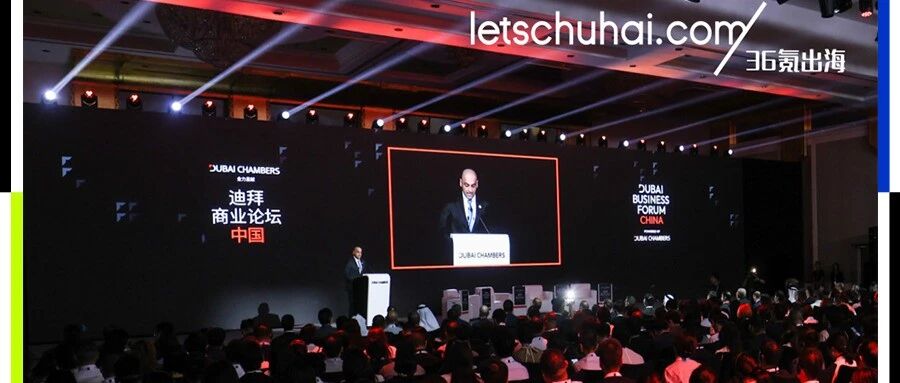
「迪拜商业论坛」持续招募中,5月落地深圳推动出海中东务实合作
36氪· 2026-02-02 13:35
Core Insights - The Dubai Business Forum aims to establish a high-level dialogue platform to enhance ongoing cooperation between Dubai and the Chinese business community [2] - The forum will take place in Shenzhen on May 14, 2026, following a successful event in Beijing in 2024, attracting over 800 business leaders and investors [3] - The D33 economic agenda, announced in January 2023, aims to double Dubai's GDP by 2033 through increased industrial value and export growth, promoting a sustainable and diversified economy [4] Summary by Sections Forum Objectives and Themes - The Dubai Business Forum will focus on introducing the D33 economic agenda to the Chinese business community, highlighting diversification opportunities and new paths for cooperation and strategic investment [3][4] - The forum will gather top representatives from multinational corporations, unicorns, high-growth tech companies, venture capital firms, and family businesses from China, alongside a high-level delegation from Dubai [4][7] Economic Context and Opportunities - As of Q3 2025, there are over 6,190 active member companies from China registered with the Dubai Chambers, indicating a strong trade partnership [7] - The forum will facilitate deeper economic collaboration between China and Dubai, leveraging Dubai's position as a global business hub and a key growth engine for Chinese companies [9][10] Strategic Importance of Dubai - Dubai is positioned as a critical gateway for Chinese companies to expand into markets across the Middle East, Africa, and Europe, enhancing their global reach [9] - The forum will provide a platform for direct communication with decision-makers, fostering practical cooperation and aligning growth objectives [10] Organizational Background - Dubai Chambers serves as the engine for economic development and business growth in Dubai, focusing on strengthening international partnerships and accelerating digital economy development [14]

中方宣布减税5%,还送英国免签大礼,特朗普急了:与中国打交道非常危险!
Sou Hu Cai Jing· 2026-02-01 12:32
Core Insights - The visit of UK Prime Minister Starmer to China marks a significant repair in Sino-British relations, highlighting China's growing global influence and the importance of bilateral cooperation in a complex international landscape [1][3] Group 1: Diplomatic Developments - Starmer's visit resulted in a series of agreements, including the potential implementation of a visa waiver policy and a reduction of the import tariff on Scotch whisky from 10% to 5%, indicating China's willingness to restore bilateral relations [1] - The resumption of high-level security dialogues and cooperation in areas such as climate change, trade, and finance reflects a pragmatic diplomatic approach from both nations [3] Group 2: Economic Considerations - The UK’s collaboration with China is seen as a strategic move to seek economic support amidst rising tariffs and trade barriers imposed by the US, emphasizing the importance of engaging with a large market and comprehensive industrial system [5] - China's vast consumer market and rich mineral resources are highlighted as critical interests for Western countries, making cooperation with China a rational choice for the UK [5] Group 3: Strategic Implications - The visit underscores the need for both countries to work together to defend globalization and multilateralism against rising unilateralism, with China expressing the desire for a fair and predictable business environment for Chinese enterprises in the UK [5] - The evolving geopolitical landscape necessitates a commitment to deepening cooperation and mutual trust between China and the UK, especially in light of external pressures from the US [7]
中国公司全球化周报|安踏斥资123亿成为彪马最大股东/TikTok Shop 东南亚跨境电商推出春节专项激励政策
3 6 Ke· 2026-02-01 02:36
Group 1: Events and Collaborations - The "Dubai Business Forum - China" will take place in Shenzhen on May 14, 2026, focusing on economic growth opportunities and strategic investments between China and Dubai [2] - Anta Sports has acquired a 29.06% stake in Puma SE for €1.506 billion (approximately RMB 12.3 billion), becoming Puma's largest shareholder, aiming to enhance global collaboration [3] - Kimi's overseas revenue has surpassed domestic revenue, with a fourfold increase in global paid users following the launch of the K2.5 model [4] - Fengwu Technology and Zhongqing Robotics have formed a strategic partnership to promote their solutions in overseas markets [4] - Xiaomi launched the Redmi Note 15 series in Qatar, reinforcing its retail partnership with Intertec Group [4] Group 2: Market Developments and Investments - Ninebot's RoboVan has commenced regular operations in the UAE, with a new smart warehouse opening in Abu Dhabi [5] - AliExpress has become one of the fastest-growing platforms in the U.S. with an 18.7% increase in website visits in 2025 [6] - BYD is collaborating with Vietnam's Kim Long Motor to build a $130 million electric vehicle battery factory [6] - Winona, a brand under Betaini Group, has officially entered the Middle Eastern market with its first offline store in Qatar [6] - Chinese companies are experiencing a resurgence in building battery storage factories overseas, with significant investments in Egypt and the U.S. [7] Group 3: Financing and Growth - Qatar Investment Authority led a $150 million investment in Dongpeng Beverage, marking its first significant investment in the Chinese consumer sector [8] - Jumpshot Star has completed over RMB 5 billion in Series B+ financing to accelerate its AI terminal strategy [8] - Inge Smart has secured several million yuan in financing to expand its global market presence [8] - Future Robotics has completed several hundred million yuan in Series B financing, with products sold in dozens of countries [8] - Yinghansi Power has raised over RMB 100 million in multiple financing rounds to enhance its global market expansion [8] Group 4: Policy and Market Trends - The Ministry of Commerce in China plans to launch a national-level overseas comprehensive service platform to support businesses going abroad [9] - The Latin American e-commerce market is projected to reach $215.3 billion by 2026, growing at 1.5 times the global rate [10] - Russia is planning to impose new taxes on goods imported through cross-border e-commerce platforms to address tax discrepancies [11]


【财经分析】下任主席提名揭晓 美联储货币政策将面临哪些变化
Xin Hua She· 2026-01-31 03:15
Group 1: Core Insights - Kevin Walsh has been nominated by President Trump to be the next Chairman of the Federal Reserve, potentially replacing Jerome Powell whose term ends in May [1] - Walsh has a background in investment banking and served as a Federal Reserve Governor from 2006 to 2011, being the youngest in that role at the time [1] - His previous experience includes being a key liaison during the 2008 financial crisis and providing economic policy advice to Trump [1] Group 2: Policy Stance - Walsh was initially seen as a supporter of free trade and a hawkish figure on monetary policy, but has recently aligned with Trump's tariff policies and calls for quicker interest rate cuts [2] - He has criticized the Federal Reserve's loose monetary policy since the financial crisis, stating that the refusal to lower interest rates was a significant mistake [2] - Walsh now advocates for lower interest rates and comprehensive reforms of the Federal Reserve, including reducing its balance sheet and easing bank regulations [2] Group 3: Potential Changes at the Federal Reserve - Analysts suggest that Walsh may not be as dovish as other candidates, potentially leading to fewer interest rate cuts [3] - There are indications that Walsh's recent alignment with the Trump administration complicates predictions on market reactions to his nomination [3] - The approval of Walsh's nomination by the Senate remains uncertain, especially following a criminal investigation into Powell, with some Republican senators expressing opposition to any Fed-related nominations until the issue is resolved [3]
不控股也行!安踏百亿入局彪马丨消费参考+
2 1 Shi Ji Jing Ji Bao Dao· 2026-01-31 02:17
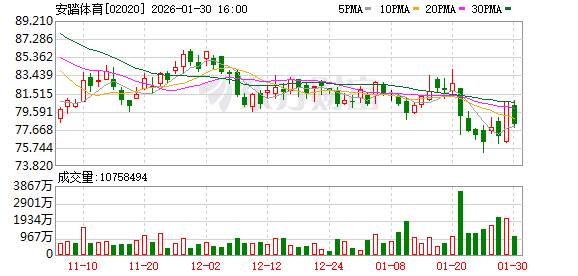
Core Viewpoint - Anta's globalization process is entering a critical phase with its acquisition of a 29.06% stake in Puma SE for €1.5 billion (approximately ¥12.48 billion), making it the largest single shareholder, although control remains limited as Anta does not have board representation [2][3][4]. Group 1: Acquisition Details - Anta's acquisition of Puma is driven by the brand's strong market presence, particularly in football and motorsports, which aligns with Anta's strategic goals [3][4]. - Despite being the largest shareholder, Anta's control over Puma is limited, as it only holds a supervisory board seat, indicating a collaborative approach rather than outright control [2][4]. Group 2: Strategic Rationale - The acquisition aligns with Anta's strategy to acquire brands with strong value and heritage, aiming for value enhancement through strategic restructuring [3][4]. - Anta's confidence in this investment reflects its understanding of mutual benefits and sustainable cooperation with Puma [4]. Group 3: Globalization Strategy - Anta has a "three-step" globalization strategy: first, establishing international brands in China; second, managing global brands; and third, promoting the Anta brand internationally [6]. - The successful transformation of FILA into a profitable brand within five years showcases Anta's ability to reposition brands and enhance their market presence [7][8]. Group 4: Operational Model - Anta's operational model emphasizes a "brand + retail" approach, which has proven effective in driving brand growth and profitability [7][8]. - The integration of Amer Sports has allowed Anta to leverage global resources effectively, leading to significant growth and a successful re-listing in the U.S. market [9][10]. Group 5: Challenges and Adaptation - The challenges of globalization for Chinese companies lie in integrating different decision-making processes and operational efficiencies [11]. - Anta's approach involves creating a dual-integration operational framework that respects brand identities while enhancing efficiency through Chinese operational strengths [11].
不控股也行!安踏百亿入局彪马
2 1 Shi Ji Jing Ji Bao Dao· 2026-01-31 02:16
Core Viewpoint - Anta's globalization process is entering a critical phase as it becomes the largest single shareholder of Puma SE by acquiring 29.06% of its shares for €1.5 billion (approximately ¥12.48 billion) [2][3]. Group 1: Acquisition Details - Anta has acquired a 29.06% stake in Puma SE, making it the largest single shareholder, although it does not have control over the board and only holds a seat on the supervisory board [2][3]. - The acquisition reflects Anta's confidence in Puma's brand value and potential for strategic growth [7][8]. Group 2: Strategic Rationale - Anta's interest in Puma is driven by the brand's strong market presence, particularly in football and motorsports, which aligns with Anta's ambitions to penetrate the global sports market [5][6]. - Puma's sales are significantly derived from the EMEA (Europe, Middle East, and Africa) and Americas regions, complementing Anta's existing market strategies [6]. Group 3: Operational Strategy - Anta's global strategy consists of a "three-step" approach: establishing international brands in China, managing global brands, and promoting the Anta brand internationally [9]. - The successful transformation of FILA into a profitable brand within five years demonstrates Anta's capability in brand positioning and retail management [10][11]. Group 4: Integration and Growth - The acquisition of Amer Sports has provided Anta with insights into global resource matching and operational integration across diverse markets [12][13]. - Amer Sports has seen significant growth post-acquisition, with a market value exceeding $20 billion and a revenue increase of 18% to $5.183 billion in 2024 [13][14]. Group 5: Challenges and Adaptation - The challenges of globalization for Chinese companies lie more in mindset than in language, requiring a blend of Western long-term planning with Chinese market responsiveness [15][16]. - Anta's approach involves creating a dual-integration operational model that respects brand individuality while enhancing efficiency through Chinese operational practices [16].
九号公司CEO王野:千万台新起点 锁定电动智能与全球布局
Zhong Guo Zheng Quan Bao· 2026-01-31 01:55
Core Insights - The core objective of the company is to surpass gasoline vehicles rather than competing with domestic rivals in the electric two-wheeler market [1][2] - The company aims to evolve from a single transportation tool to an AI robotics company, creating an intelligent product ecosystem [2][6] Electric Vehicle Market Trends - The transition from internal combustion engines to electric products is seen as an inevitable trend, with electric vehicles gradually catching up to gasoline vehicles in terms of advantages [2] - The domestic two-wheeler electric vehicle market is entering a phase of stock competition, necessitating higher product quality and design standards due to new national regulations [1][2] Product Development and Technology - The company has announced a cumulative shipment of over 10 million smart electric vehicles in China, marking a new starting point for future growth [1] - New battery technology is being developed to significantly enhance energy density and reduce costs, targeting real-world ranges of 150 to 300 kilometers [2] - The company is focusing on integrating advanced safety technologies, such as millimeter-wave radar and ABS, into more models to improve safety and user experience [2][7] Global Strategy and Brand Positioning - The company is launching a dual-brand strategy with "Ninebot" and "Segway" to better serve different consumer preferences and accelerate global expansion [3][4] - The products are already available in over 100 countries, and the dual-brand strategy aims to enhance market penetration in both emerging and developed markets [3] - The company is conducting market research in Southeast Asia and Latin America to better cater to local consumer needs [4] AI and Robotics Integration - The ultimate goal is to make smart electric vehicles the mainstream choice in the global motorcycle industry, with a focus on technological innovation [6] - The company plans to launch the Lingbo OS, a comprehensive operating system for short-distance transportation, by 2025, which will integrate cloud, edge, and end capabilities [6] - Development of L2-level driver assistance capabilities for electric two-wheelers is underway, utilizing AI and camera technology for obstacle detection and avoidance [7]
特朗普提名沃什为美联储主席,会带来什么变化?
Sou Hu Cai Jing· 2026-01-31 01:27
Core Viewpoint - Kevin Walsh has been nominated by President Trump to be the next Chairman of the Federal Reserve, potentially leading to significant changes in monetary policy if confirmed by the Senate [1]. Group 1: Background of Kevin Walsh - Kevin Walsh, born in 1970, previously worked at Morgan Stanley focusing on mergers and acquisitions [1]. - He served as a Federal Reserve Governor from 2006 to 2011, being the youngest in that role at the time [1]. - Walsh has historically supported globalization and free trade, but has recently indicated a need for stricter measures against countries not aligned with U.S. interests [1]. Group 2: Monetary Policy Perspectives - Walsh has been critical of the Federal Reserve's loose monetary policy since the financial crisis, labeling the refusal to cut interest rates as a "major mistake" [1]. - He has expressed a preference for lower interest rates and has called for comprehensive reforms of the Federal Reserve, including reducing its balance sheet and easing bank regulations [1]. - His stance on interest rates contrasts with typical easing cycles, which often involve halting or expanding the balance sheet [1]. Group 3: Market Reactions and Senate Approval - Analysts suggest that Walsh is less dovish compared to other candidates, indicating a tendency towards fewer rate cuts [2]. - There is uncertainty regarding whether Walsh's nomination will be approved by the Senate, especially following criminal investigations into current Chairman Powell, leading to skepticism among some Republican senators [2].

阿特斯阳光电力集团股份有限公司2025年年度业绩预告
Shang Hai Zheng Quan Bao· 2026-01-30 21:43
Group 1 - The company forecasts a net profit attributable to shareholders for 2025 to be between RMB 90 million and RMB 110 million, representing a decrease of RMB 134.735 million to RMB 114.735 million compared to 2024, which is a year-on-year decline of 60% to 51% [3][5] - The expected net profit after deducting non-recurring gains and losses for 2025 is also projected to be between RMB 90 million and RMB 110 million, with a similar decrease compared to 2024 [3] - The company’s performance forecast is based on preliminary calculations by its financial department and has not been audited by registered accountants [4] Group 2 - In 2024, the total profit was RMB 257.973 million, with a net profit attributable to shareholders of RMB 224.735 million and a net profit after deducting non-recurring gains and losses of RMB 222.646 million [5] - The company reported earnings per share of RMB 0.61 for 2024 [6] Group 3 - The primary reasons for the expected decline in performance include an ongoing supply-demand imbalance in the photovoltaic industry, increased competition, and rising costs of materials such as silicon and silver paste [7] - The company is focusing on optimizing its sales strategy by prioritizing profit, enhancing its market share in key areas, and leveraging its existing energy storage project reserves to support profitability [7] - The company aims to enhance its global supply chain, focus on customer needs, and invest in R&D and technological innovation to maintain its competitive edge in the energy storage sector [7] Group 4 - The company has provided a total of RMB 133.48 million in joint liability guarantees for its subsidiaries from December 31, 2025, to January 30, 2026, without any counter-guarantees [11] - The board of directors approved a guarantee limit of up to RMB 55.265 billion for 2026, which will facilitate financing and business operations for its subsidiaries [12] - The total amount of guarantees provided by the company to its subsidiaries is RMB 4.072998 billion, accounting for 177.85% of the company's latest audited net assets [14]

经济热点问答|下任主席提名揭晓 美联储货币政策将面临哪些变化
Sou Hu Cai Jing· 2026-01-30 16:33
Group 1 - The core viewpoint of the article is the nomination of Kevin Walsh as the next Chairman of the Federal Reserve by President Trump, which may lead to significant changes in U.S. monetary policy [1] - Kevin Walsh has a background in investment banking, having worked at Morgan Stanley and served as a Federal Reserve Governor from 2006 to 2011, where he was a key figure during the 2008 financial crisis [1] - Walsh has shifted from being a supporter of free trade to endorsing Trump's tariff policies and advocating for lower interest rates, indicating a potential change in the Fed's approach to monetary policy [2] Group 2 - Analysts suggest that Walsh's nomination may not lead to aggressive rate cuts, as he is perceived to be less dovish compared to other candidates [3] - There is uncertainty regarding Walsh's confirmation by the Senate, especially following the criminal investigation of current Chairman Powell, which has led to skepticism among some Republican senators [3] - Walsh's recent calls for comprehensive reform of the Federal Reserve, including reducing its balance sheet and easing bank regulations, contrast with typical policies associated with a rate-cutting cycle [2]