流量红利

Search documents
美妆企业失去流量红利,它们正在放弃达人直播 | 海斌访谈
Di Yi Cai Jing· 2026-01-16 12:29
Core Insights - The commission rate for influencer live streaming in the beauty industry is expected to rise significantly, from 40% in 2024 to 60% in 2025, indicating increasing costs for brands [1][5] - Domestic beauty brands are facing challenges due to rising traffic costs and a shift in consumer behavior, leading to a need for more sustainable business models [4][16] Group 1: Industry Trends - The rise of influencer live streaming has been crucial for the growth of domestic beauty brands, allowing them to gain market share against established foreign brands [4][15] - In 2024, domestic beauty brands surpassed foreign brands in market share, with Proya achieving over 10.7 billion yuan in revenue, becoming the first Chinese beauty brand to exceed 10 billion yuan [4][15] - The influencer-driven sales model is becoming less effective, with many brands transitioning to self-operated content to reduce dependency on high commission rates [6][8] Group 2: Financial Insights - Proya's sales expenses reached 5.16 billion yuan in 2024, accounting for 47.9% of its revenue, highlighting the high cost of marketing and promotion [5][14] - The growth rate of Proya's revenue in 2024 was 8 percentage points lower than the growth rate of its sales expenses, indicating diminishing returns on marketing investments [5] - Research and development (R&D) spending remains low in comparison to marketing expenses, with Proya's R&D investment at only 2.1 billion yuan, about 1.9% of its revenue [14][15] Group 3: Market Dynamics - The beauty market is experiencing a decline in new brand emergence, with existing brands struggling to maintain growth amid rising costs and competition [13][14] - The CPM (cost per thousand impressions) for advertising on short video platforms has surged from 30-50 yuan in 2020-2021 to 300 yuan during the 2025 Double Eleven shopping festival, reflecting increased advertising costs [13] - The competitive landscape is intensifying, with many brands needing to focus on product development and brand positioning rather than relying solely on traffic-driven sales strategies [14][16]



徕芬业绩滑坡:昔日“戴森平替”为何风光不再?
Xin Lang Cai Jing· 2026-01-16 07:31
Core Insights - The company Leifeng, once celebrated for its rapid sales growth from 150 million to 3 billion yuan, is now facing significant challenges, with GMV dropping nearly 40% to over 300 million yuan during the 2025 618 shopping festival compared to 500 million yuan in 2024 [1][11]. Marketing-Driven Rise - Leifeng's rise was catalyzed by a viral video featuring founder Ye Hongxin, which garnered over 100 million views and opened the floodgates for brand exposure [2][13]. - The company established a comprehensive content marketing strategy, utilizing various platforms like Douyin and Bilibili to promote its products, emphasizing features like the "110,000 RPM high-speed motor" and a competitive price of 599 yuan [3][13]. - In 2022, Leifeng's sales on Douyin reached 154 million yuan, surpassing the combined sales of Dyson and Mijia [3][14]. Over-Reliance on Marketing - By 2023, marketing expenses accounted for 42% of total revenue, while R&D investment was only 3.5%, indicating a concerning imbalance that could hinder future growth [3][14]. - As the initial flow of traffic diminished, the effectiveness of Leifeng's marketing began to decline, leading to a poorly executed 500 million yuan campaign during the 2024 618 event due to changes in Douyin's traffic distribution [4][14]. Quality and Product Issues - Complaints about product quality have surged, with over 1,400 complaints reported on the Black Cat complaint platform by November 2025, highlighting issues such as motor failures and safety hazards [5][15]. - Despite claiming to invest 100 million yuan in R&D over four years, only 31 out of 267 patents are invention patents, indicating a lack of innovation [5][15]. Brand Image and Legal Challenges - Leifeng's design has been criticized for closely resembling products from brands like Panasonic and Braun, leading to legal troubles, including the confiscation of samples at the 2024 IFA exhibition due to alleged patent infringement [6][16]. - The company is likely to lose a patent infringement lawsuit against Dyson, which could result in the removal of its best-selling L03 series from the U.S. market [6][16]. Market Competition and Pricing Pressure - The market for hair dryers has seen a 10.5% decline in retail sales in the first half of 2025, with increased competition from brands like Xiaomi and Panasonic offering similar products at lower prices [7][17]. - Leifeng's response to competitive pressure included launching a lower-priced SE Lite model at 199 yuan, but this strategy has led to increased cost pressures and quality control issues [7][17]. Product Line Expansion Challenges - New product lines, such as electric toothbrushes and shavers, have not achieved expected success, with the electric toothbrush line reporting a net loss of 80 million yuan in 2024 [8][17]. - The shaver product faced controversy over design similarities with Panasonic's model, and initial production was limited to only 2,000 units [8][17]. Internal Management Issues - Internal management challenges have emerged, with reports indicating that founder Ye Hongxin prefers product management over organizational leadership, leading to a lack of effective management structures [8][18]. - The absence of a strong second-in-command has been noted as a significant issue in navigating complex market challenges [8][18]. Erosion of Competitive Advantage - The emergence of low-cost competitors in Huaqiangbei, offering similar designs and motors at around 100 yuan, is eroding Leifeng's technological edge [9][19].
苗姐TK跨境电商项目盈利空间有多大?
Sou Hu Cai Jing· 2025-11-21 01:14
Core Viewpoint - The TK (TikTok) e-commerce project launched by Miao Jie’s team is emerging as a popular choice for cross-border entrepreneurship in 2025, driven by a "short video + social fission" model, with significant profit potential supported by four core logics: "traffic dividend, product selection strategy, operational model, and technological empowerment" [1] Group 1: Traffic Dividend - TK has surpassed 2 billion global monthly active users, with penetration rates in emerging markets like Southeast Asia, Latin America, and the Middle East below 30%, providing a natural traffic pool for the project [3] - In Q1 2025, TK e-commerce GMV in Mexico surged by 688% quarter-on-quarter, highlighting the explosive potential of non-saturated markets [3] - The decentralized traffic distribution mechanism of TK is friendly to new accounts, allowing zero-follower accounts to gain 5,000 to 100,000 exposures with quality content [3] Group 2: Product Selection Strategy - The team focuses on the "three high principles" for product selection: high cost-performance (average price of $10-30), high visual impact (e.g., stress relief toys, novel home goods), and high demand pain points (e.g., storage solutions for small apartments) [4] - For instance, a video showcasing a "one-second desktop organization" with a "Free Shipping" tag sold over 5,000 units of a magnetic data cable, generating approximately $25,000 in profit [4] Group 3: Operational Model - The project employs a "no inventory + dropshipping" model, with startup costs ranging from $3,000 to $5,000, including membership fees and sample testing [7] - The cash flow turnover rate is controlled within 90 days, and the model includes a closed-loop system of "TK traffic + private domain monetization," increasing the repurchase rate from 15% to 45% [7] - An example includes a jewelry seller using TK to drive traffic to Shopify, offering a 10% discount on the first order to attract conversions, leading to an average annual customer spend of over $200 [7] Group 4: Technological Empowerment - AI tools are enhancing efficiency across the entire supply chain, with product selection tools like Echotik monitoring blue ocean categories in real-time [8] - Content production costs have been reduced from $500 to $20 per video using Canva templates and AIGC voiceovers, while automated bidding systems have improved advertising ROI from 1:3 to 1:7 [8] - This technology-driven approach creates a sustainable profit model through a virtuous cycle of "product selection - optimization - repurchase," rather than relying on short-term trends [8] Group 5: Profit Potential - The profit potential of the TK cross-border e-commerce project is supported by a sustainable business loop formed by "traffic dividend, niche markets, light asset model, and technological empowerment" [10] - Data indicates that students who invest an average of 3 hours daily have a 70% success rate of earning $8,000 monthly within three months [10] - For ordinary individuals, leveraging the current window period through a "small order quick response" model to accumulate supply chain and user assets may represent the best path for cross-border entrepreneurial success [10]

争夺年轻用户流量红利,银行扎堆入驻小红书
Guan Cha Zhe Wang· 2025-11-20 02:40
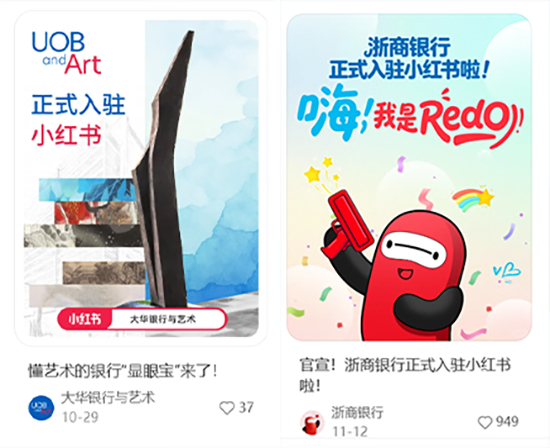
具体来看,招商银行在小红书上已经收获了51.3万粉丝,中信银行信用卡账号紧随其后,有12.6万粉 丝,而光大银行则稳稳坐拥9.4万粉丝的小圈子。可以说,银行们在小红书的"粉丝赛跑"已经悄然开 始,各家都在努力抢占年轻用户的关注度。 凭借在用户消费决策链中的关键入口地位、以及天然具备的"强搜索"属性,小红书正成为各大商业银行 竞相"挖金"的新阵地。 除招商银行、江苏银行等较早布局的机构外,近期浙商银行、大华银行等多家银行也陆续开设官方账 号,让银行在小红书上的身影越来越多。 小红书 小红书 据《证券日报》此前报道,自今年以来,银行、券商、基金、保险等金融机构已成规模地入驻小红书。 截止至今年5月份,各类金融机构已开设超过200个官方账号,其中银行总行、业务条线与各地分支机构 创建的官方账号数量也已超过60个。不同类型金融机构不断"进场",小红书正日益成为它们争抢流量入 口的缩影。 平台流量庞大,潜在客群可观、活跃度高,这也解释了银行为何积极入驻。另据小红书财经与蚂蚁财富 联合推出的《2024年轻人十大理财趋势盘点》显示,2024年,小红书上"存钱"相关的笔记阅读量达到83 亿,2000多万"00后"通过余额宝定 ...



国货美妆龙头也撑不住了?珀莱雅三季度“失速”,业绩大幅下滑
Zhong Guo Ji Jin Bao· 2025-10-30 14:35
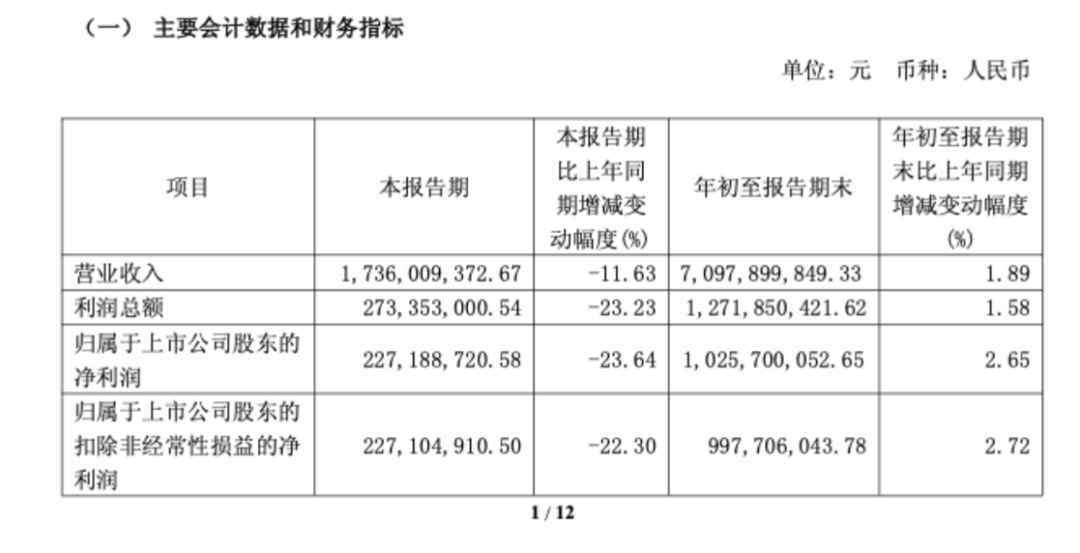
Core Viewpoint - The financial performance of Proya in Q3 2025 showed significant declines, with revenue and net profit falling sharply compared to the previous year, indicating a concerning trend for the company [1][3]. Financial Performance - Q3 2025 revenue was 1.736 billion yuan, a year-on-year decrease of 11.63% [2][3]. - Net profit for Q3 2025 was 227 million yuan, down 23.64% year-on-year, marking the largest quarterly decline in recent years [1][3]. - Basic earnings per share for Q3 2025 were 0.57 yuan, a decrease of 24% compared to the same period last year [3]. Year-to-Date Performance - For the first three quarters of 2025, total revenue reached 7.098 billion yuan, reflecting a modest year-on-year growth of 1.89% [2][4]. - Year-to-date net profit was 1.026 billion yuan, with a growth of 2.65% compared to the same period last year, indicating a significant slowdown in growth [2][4]. Brand Performance - The main brand, Proya, showed signs of stagnation, with revenue of 3.979 billion yuan in the first half of 2025, a slight decline of 0.08%, marking the first negative growth in five years [5]. - The main brand accounted for 74.27% of total revenue, and its stagnation has directly impacted overall performance [5]. Marketing and R&D Expenditure - High marketing expenses are a key factor affecting profits, with sales expenses in the first half of 2025 amounting to 2.659 billion yuan, resulting in a sales expense ratio of 49.59% [5]. - R&D expenditure was only 95 million yuan in the first half of 2025, with an R&D expense ratio of just 1.77%, significantly lower than marketing expenses [5]. Strategic Developments - Proya is actively pursuing a listing in Hong Kong, having submitted its application to the Hong Kong Stock Exchange, with plans to issue H-shares not exceeding 15% of the total share capital post-issue [6][8]. - The funds raised will be allocated to R&D, brand building, supply chain enhancement, and global expansion, reflecting a need for a shift from a marketing-driven to a product-driven strategy [8].
前三季度南向爆买超1万亿港元!恒生科技ETF天弘(520920)连续10日“吸金”,机构:板块中期具备较高配置价值
2 1 Shi Ji Jing Ji Bao Dao· 2025-10-22 02:47
Group 1 - The Hang Seng Technology Index experienced a decline, with the Hang Seng Technology ETF Tianhong (520920) dropping by 1.67% and a trading volume exceeding 540 million yuan [1] - The Hang Seng Technology ETF Tianhong has seen a net inflow of over 1.9 billion yuan on October 21, marking ten consecutive trading days of net inflows, totaling 19.38 billion yuan [1] - The Hang Seng Technology Index consists of the top 30 Hong Kong stocks related to technology themes, covering sectors such as information technology, consumer discretionary, and communication services [1] Group 2 - Tianhong Fund indicated that after two rounds of optimization by 2025, the core asset quality of the Hang Seng Technology Index will significantly improve, with BYD increasing its global market share in the electric vehicle sector by 2 percentage points in Q3 [2] - The overall net profit growth rate of the index constituents reached 16.5% in Q3 2025, with a median ROE exceeding 14%, and notable growth in advertising revenue for Tencent Video and Alibaba's overseas business [2] - Financial support for the sector is strong, with net purchases of index constituents exceeding 1 trillion Hong Kong dollars in the first three quarters, contributing to the recovery of the sector [2]



怎么开通快手直播公会
Sou Hu Cai Jing· 2025-10-18 12:56
Core Insights - The rapid growth of the short video sector has led to increased interest in the Kuaishou platform, particularly from various agencies and individuals looking to capitalize on its user base and live streaming ecosystem [1][5] Group 1: Application Process for Kuaishou Guilds - Establishing a Kuaishou guild requires registration under a company or institution, as personal accounts are not eligible [3] - Applicants must provide a complete business license with relevant operational scope, including cultural, media, and performance agency categories, which serves as a basic entry requirement [3][4] - A stable operational team and fixed office space are necessary to support streamers with training, content planning, and traffic support, ensuring long-term viability [3][4] Group 2: Application Requirements and Documentation - After preparing the necessary qualifications, applicants must fill out detailed application information on Kuaishou's official guild entry page, including company details, contact information, and an operational plan [4] - The operational plan must clearly outline the guild's positioning, streamer recruitment strategies, content development direction, and future plans, significantly increasing the chances of approval [4] - The platform will also check the credit history of the applying company to ensure there are no negative business records or legal disputes [4] Group 3: Quality and Compliance Considerations - Kuaishou emphasizes the quality of content and streamer ecosystems, encouraging guilds to cultivate positive, talented streamers who can consistently produce quality content [5] - Demonstrating a commitment to content compliance and having a clear growth plan for streamers can serve as advantages during the application process [5] - The review process for guild applications can be lengthy, with potential communication or site visits from platform staff, making it crucial for applicants to maintain open lines of communication and cooperate with the review process [5] Group 4: Professional Guidance - Given the complexity of the application process, it is advisable for applicants to seek professional guidance to avoid common pitfalls that could lead to application failures [6]


小红书涌入外国用户,7大变现机会全揭秘
Sou Hu Cai Jing· 2025-10-02 07:35
Core Insights - The influx of TikTok users into Xiaohongshu is creating a significant traffic dividend, providing new monetization opportunities for creators [2] - The current environment is favorable for new entrants, similar to the early days of Douyin, with the platform being particularly welcoming to new creators [2] Group 1: Emerging Monetization Opportunities - The first opportunity is AI video production, which has a low entry barrier and can generate substantial views and revenue through simple, engaging content [2] - The second opportunity involves brand marketing, with brands actively seeking new ways to engage with foreign users, as evidenced by campaigns like "Helping Foreign Friends with Red Autumn Clothes" [3] - For small to medium-sized brands, now is an ideal time to invest in AI-generated images and short videos with bilingual subtitles [4] Group 2: Innovative Engagement Strategies - The third opportunity is live streaming with foreign guests, which has shown high viewer engagement and potential for community building [5] - The fourth opportunity focuses on teaching Chinese to foreigners, with accounts rapidly gaining followers by utilizing AI tools for content creation [5] - The fifth opportunity is cultural output, where creators are successfully engaging foreign audiences by sharing unique perspectives on Chinese culture [5] Group 3: Practical Applications and Community Building - The sixth opportunity involves creating guides for using Xiaohongshu, which is expected to grow as the number of foreign users increases [5] - The seventh opportunity is establishing English chat rooms, which have proven to be popular and have significant monetization potential [5] - The industry anticipates a window of 3-6 months for this traffic dividend, emphasizing the importance of quick action to capitalize on these trends [5][6] Group 4: Recommendations for New Entrants - Newcomers are advised to start with AI video production to familiarize themselves with the platform before exploring other monetization methods [6] - It is crucial for creators to choose a niche that aligns with their strengths, whether it be teaching, content creation, or service provision [6][7]

外卖补贴“散场”,茶饮、咖啡高增长如何“续杯”?
Mei Ri Jing Ji Xin Wen· 2025-09-11 13:33
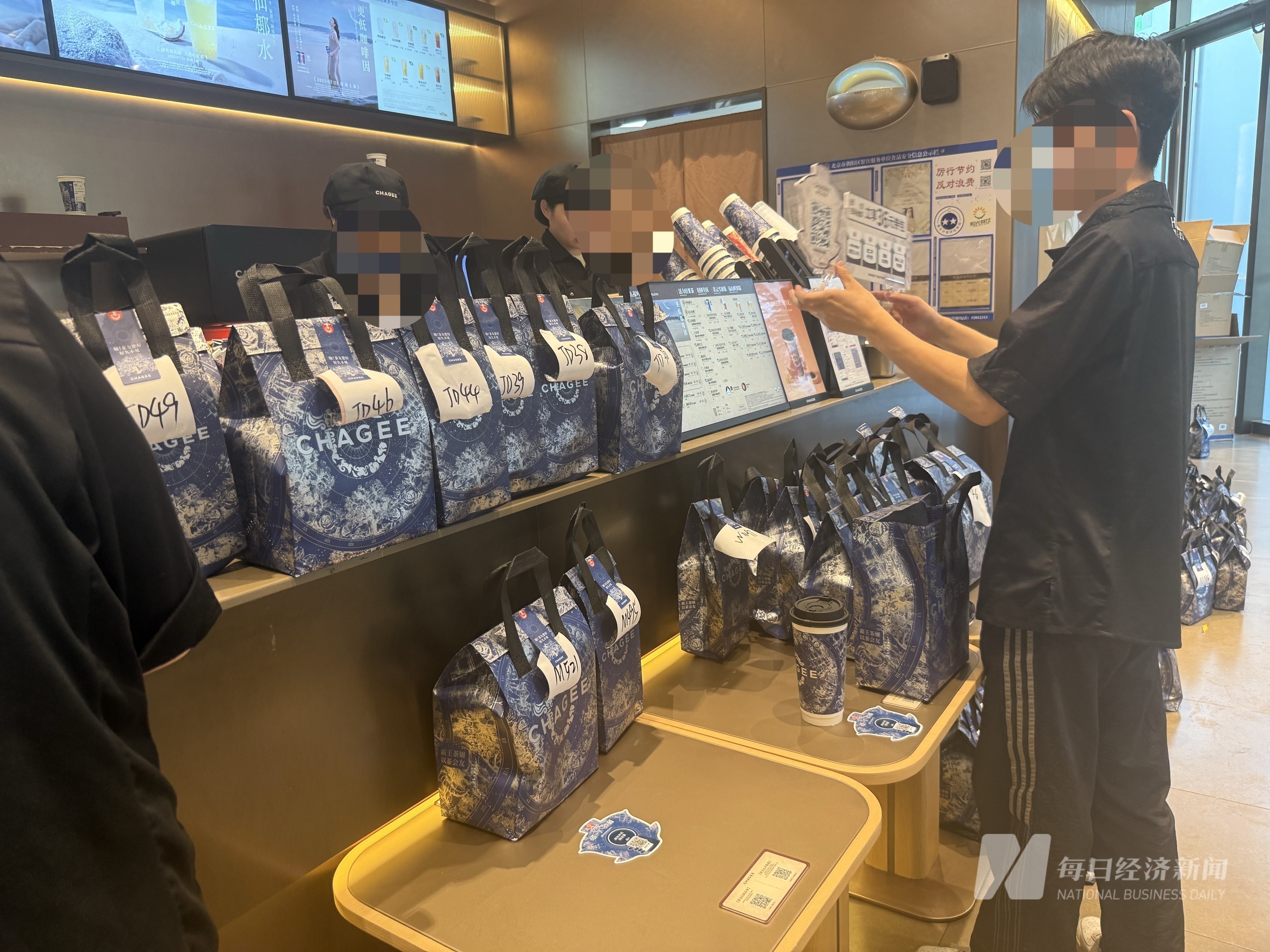
Core Viewpoint - The recent subsidy wars among food delivery platforms have significantly impacted the ready-to-drink tea and coffee market, leading to unsustainable growth driven by external incentives rather than organic demand [1][5][8]. Group 1: Market Dynamics - The competition among major food delivery platforms like Meituan, Alibaba, and JD has intensified, resulting in substantial subsidies that have disrupted the pricing structure of the ready-to-drink tea and coffee market [2][3]. - In the first half of 2025, major brands such as Luckin Coffee, Gu Ming, and Mi Xue Ice City reported a combined revenue of 55 billion yuan, an increase of 13.5 billion yuan year-on-year, largely attributed to these subsidies [1][3]. Group 2: Financial Performance - Luckin Coffee reported a net income of 21.22 billion yuan in the first half of 2025, a 44.6% increase year-on-year, with a net profit of 1.78 billion yuan, up from 788 million yuan in the previous year [3]. - Gu Ming achieved a revenue of 5.663 billion yuan in the same period, marking a 41.2% year-on-year growth, while Mi Xue Ice City expanded its store count significantly, contributing to its revenue growth [3][4]. Group 3: Sustainability Concerns - Analysts express concerns regarding the sustainability of the growth driven by delivery subsidies, suggesting that the impressive financial results may not be replicable in the absence of such incentives [5][8]. - The reliance on delivery platforms has led to a decline in dine-in orders, which are more profitable for stores, raising questions about the long-term viability of the current business model [9]. Group 4: Future Strategies - The market regulator has indicated a shift towards more sustainable practices, urging platforms to control subsidies and enhance service quality, which may lead to a decline in sales growth for tea and coffee brands [7][10]. - Companies are now focusing on improving in-store efficiency, increasing customer retention, and exploring international markets as part of their long-term strategies [9][10].

产业观察丨外卖补贴“散场”,七大品牌550亿元营收背后,茶饮咖啡高增长如何“续杯”?
Mei Ri Jing Ji Xin Wen· 2025-09-10 11:14
Core Viewpoint - The recent subsidy war among food delivery platforms has significantly impacted the ready-to-drink beverage market, leading to a surge in sales for various brands, but the sustainability of this growth is in question as regulatory scrutiny increases [1][5][9]. Industry Overview - The competition in the ready-to-drink beverage sector intensified during the summer, with major platforms like Meituan, Alibaba, and JD.com engaging in aggressive subsidy strategies, resulting in a chaotic pricing environment where many drinks were sold for as low as a few yuan or even for free [1][5]. - The market regulator has expressed concerns over the impact of these subsidies on the normal pricing system and has called for improved service quality and food safety [1][9]. Financial Performance - In the first half of 2025, seven listed beverage brands reported a combined revenue of 55 billion yuan, an increase of 13.5 billion yuan year-on-year [1]. - Luckin Coffee reported a net income of 21.22 billion yuan, a 44.6% increase year-on-year, while other brands like Gu Ming and Mi Xue Ice City also saw significant revenue growth [6][7]. Growth Drivers - The revenue growth for these brands is attributed not only to subsidies but also to factors such as store expansion and improved single-store efficiency [8]. - Mi Xue Ice City added over 5,700 new stores in the first half of the year, with a significant portion located in lower-tier cities [8][12]. Challenges Ahead - Analysts express skepticism about the sustainability of the sales growth driven by subsidies, suggesting that a return to normal pricing could lead to a sharp decline in order volumes [10][12]. - The heavy reliance on delivery subsidies has raised concerns about the long-term health of franchise operations, as many orders have shifted from dine-in to delivery, impacting profitability [10][12]. Strategic Shifts - In response to the changing landscape, brands are focusing on enhancing in-store dining experiences and optimizing operational efficiency to mitigate the impact of fluctuating delivery volumes [12]. - Companies are also exploring international markets and enhancing digital operations to better understand consumer needs and improve supply chain efficiency [12][13].