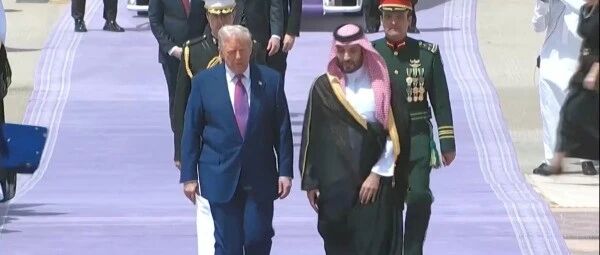
石油美元体系

Search documents
德银深度:美国盯上委内瑞拉,不只是为了油,更是为了“拯救美元“
Hua Er Jie Jian Wen· 2026-01-09 03:59
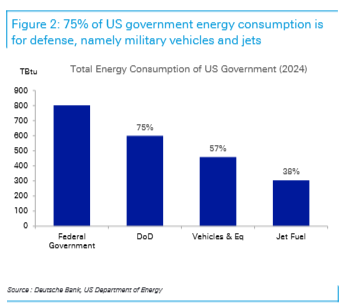
Core Viewpoint - The involvement of the United States in Venezuela's oil sector is not merely about energy but is fundamentally a covert war for maintaining the dollar's hegemony in the global financial system [1][2]. Group 1: U.S. Strategic Interests - Controlling Venezuela's vast oil reserves, which are six times larger than those of the U.S., is seen as a strategic move to enhance U.S. influence over global oil prices and maintain the dollar's status as the world's reserve currency [2][6]. - The U.S. aims to transition from being the largest oil importer to a dominant oil supplier, thereby ensuring that oil continues to be priced in dollars [1][6]. Group 2: Historical Context of Energy Dominance - Historical analysis indicates that nations controlling key energy resources gain significant economic, industrial, and military advantages, which solidify their global dominance [2]. - The U.S. has relied heavily on oil and gas, with over 70% of its energy consumption coming from these sources, making access to low-cost oil essential for maintaining global competitiveness [2]. Group 3: Military and Economic Interdependence - The military's reliance on oil underscores its critical role in maintaining the dollar's status; the U.S. Department of Defense is the largest consumer of oil, with 75% of government energy consumption attributed to military use [3][5]. - Historical precedents show that control over oil supplies has been pivotal in military conflicts, influencing the stability and value of currencies [5]. Group 4: Shift in Pricing Power - The traditional leverage of the U.S. as the largest oil buyer to enforce dollar-denominated transactions is diminishing, necessitating a shift to controlling oil supply to maintain pricing power [6][8]. - By controlling Venezuela's oil sales, the U.S. could ensure that transactions remain dollar-based, even if the oil does not flow directly to the U.S., thereby reinforcing the dollar's position in global trade [8].


漫评丨演都不演了!美国“霸权剧本”如今已撕下所有伪装
Xin Lang Cai Jing· 2026-01-07 14:04
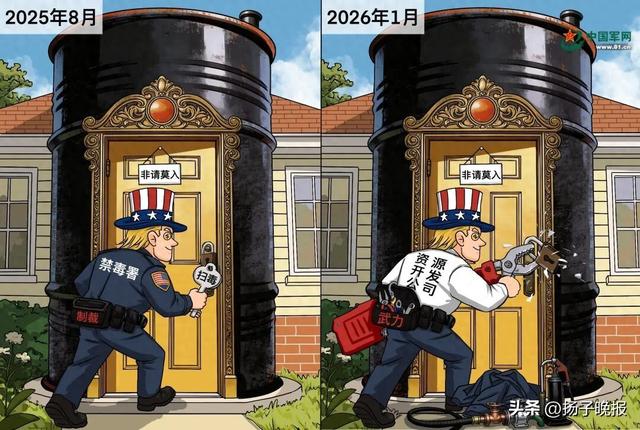
Group 1 - The core viewpoint of the articles highlights the U.S. military intervention in Venezuela as a strategic move to control oil resources under the guise of combating drug trafficking and terrorism [2][3][6] - The U.S. has a historical pattern of intervening in Latin American countries, often using pretexts of restoring order or fighting against perceived threats, while the underlying motive remains the control of oil and resources [3][4][5] - The recent actions against Venezuelan President Maduro are seen as part of a broader strategy to secure U.S. dominance in the global oil market and maintain the supremacy of the U.S. dollar [3][6] Group 2 - The U.S. has explicitly stated its intention to push major oil companies into Venezuela to invest in and repair the country's oil infrastructure, indicating a clear economic motive behind the military actions [2][3] - The term "oil" was mentioned 26 times in a White House press conference, compared to only a few mentions of "drugs," further emphasizing the focus on oil rather than the stated reasons for intervention [3] - The U.S. has issued warnings to neighboring countries like Colombia, Cuba, and Mexico, suggesting that military actions may extend beyond Venezuela, showcasing an aggressive stance towards maintaining control over the region's resources [6]
10天抢3艘!美国当海盗扣押中国油轮,人民币结算动了谁利益
Sou Hu Cai Jing· 2025-12-25 07:22
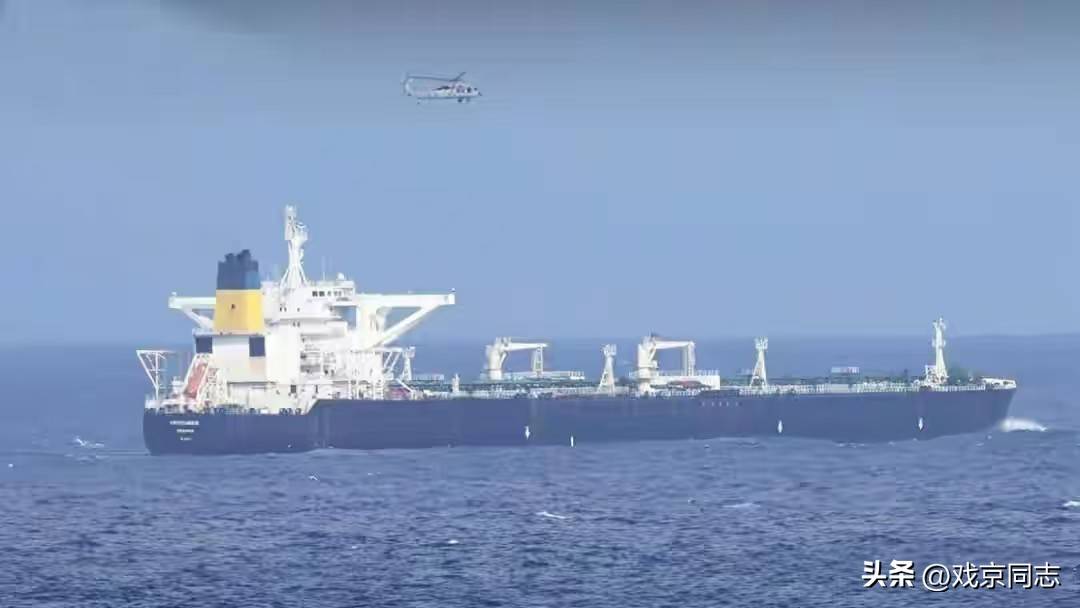
Group 1 - The U.S. Navy's seizure of the Captain oil tanker, along with 1.1 million barrels of oil, marks the first instance of U.S. military action against a foreign oil tanker, indicating a significant escalation in U.S. intervention in the region [1] - The U.S. has imposed severe economic sanctions on Venezuela, particularly targeting its oil exports, which account for over 60% of the country's GDP, aiming to destabilize the Maduro regime and create opportunities for a pro-U.S. government [3][5] - The U.S. strategy against Venezuela also serves to undermine China's energy security, as Venezuela has been a key supplier of oil to China, with 85% of its total exports going to China, and a growing proportion of transactions being settled in renminbi [7][9] Group 2 - The increasing use of renminbi in oil transactions between China and Venezuela, reaching 60% this year, poses a challenge to the U.S.-dominated petrodollar system, making U.S. actions against Venezuela a direct threat to China's energy interests [9] - In response to U.S. actions, China has taken a firm stance, condemning the seizures as violations of international law and suspending three energy cooperation negotiations with the U.S., while also pursuing legal action for the return of seized vessels [9] - China's military capabilities have evolved since the 1993 incident with the Galaxy, allowing for a more robust response to U.S. provocations, including potential military deterrence and economic sanctions [9]
看不见的武器:黄金、石油与美元之网
虎嗅APP· 2025-11-01 14:11
Core Viewpoint - The article discusses the evolution of the U.S. dollar's dominance in the global financial system, highlighting how financial instruments and geopolitical strategies have been used to maintain this supremacy, particularly through mechanisms like the SWIFT system and the Petrodollar agreement [5][13][27]. Group 1: Historical Context - The Bretton Woods Conference in 1944 established a dollar-gold standard, positioning the U.S. dollar as the world's primary reserve currency, which was later challenged by the "Triffin Dilemma" [9][10]. - The U.S. dollar's link to gold ended in 1971 when President Nixon suspended the dollar's convertibility into gold, marking the transition to a fiat currency system [12][13]. Group 2: The Petrodollar System - The 1973 oil crisis led to the establishment of the Petrodollar system, where oil transactions were conducted exclusively in U.S. dollars, creating a structural demand for the dollar globally [15][27]. - This system allowed the U.S. to finance its deficits by printing dollars, which were then recycled back into the U.S. economy through the purchase of U.S. Treasury bonds by oil-exporting countries [15][27]. Group 3: Financial Control Mechanisms - The SWIFT system, established in 1973, became a crucial tool for tracking and controlling international financial transactions, effectively allowing the U.S. to monitor global financial flows [18][20]. - The U.S. Treasury's Office of Foreign Assets Control (OFAC) maintains a blacklist that can freeze assets and restrict transactions, serving as a powerful tool for enforcing economic sanctions [25][31]. Group 4: Case Studies of Financial Power - The case of BNP Paribas illustrates the consequences of violating U.S. sanctions, resulting in a $8.97 billion fine, which exemplifies the reach of U.S. financial regulations [30][31]. - The article highlights the impact of sanctions on countries like Iran and Russia, demonstrating how financial tools can be used to exert geopolitical pressure and isolate nations from the global financial system [36][38]. Group 5: Emerging Alternatives - In response to U.S. financial dominance, countries are exploring alternatives such as the Chinese Cross-Border Interbank Payment System (CIPS) and digital currencies, which aim to reduce reliance on the U.S. dollar [44][48]. - The resurgence of gold as a reserve asset reflects a growing concern over the security of dollar-denominated assets, prompting central banks to increase their gold holdings [42][43].
欧元稳定币遇冷,美元凭啥占优势?全球需求说了算!
Sou Hu Cai Jing· 2025-10-26 18:51
Core Viewpoint - The European Union (EU) aims to issue more euro stablecoins to counter the rapid expansion of US dollar stablecoins in Europe [1][3]. Group 1: Reasons for the Popularity of US Dollar Stablecoins - Many individuals and businesses in the Eurozone prefer using US dollar stablecoins for payments, savings, and transactions due to their safety, as they are pegged 1:1 to the US dollar and backed by US assets [5]. - The convenience of blockchain technology allows for fast cross-border transactions without the need for traditional banks, enhancing privacy [5]. - Higher interest rates on US dollar deposits compared to European rates incentivize users to hold dollar stablecoins for better returns [5]. - The dominance of the US dollar in global trade, especially in commodities and cryptocurrency transactions, makes it essential for European businesses to use dollar stablecoins for international dealings [5][7]. Group 2: Challenges for Euro Stablecoins - The EU's attempt to promote euro stablecoins faces significant challenges due to the entrenched dominance of the US dollar in the global financial system [8][10]. - The historical context of the US dollar's supremacy, established through systems like Bretton Woods and the petrodollar, has created a robust demand for dollar stablecoins, which merely digitize existing dollar demand [10][11]. - The euro, while the second-largest currency globally, is primarily used within the Eurozone, limiting its appeal for international transactions [13]. - The EU must address internal issues such as building asset pools, ensuring transparency, and gaining user trust before euro stablecoins can compete effectively [17]. Group 3: Current Initiatives and Future Outlook - The EU is currently testing euro stablecoins in specific areas like cross-border e-commerce and internal natural gas transactions to build familiarity and usage within the Eurozone [19]. - The competition between stablecoins is just beginning, with potential opportunities arising from future economic shifts, such as US debt issues or the development of regional stablecoins in Asia-Pacific [19][21]. - The EU's strategy should focus on solidifying the internal market for euro stablecoins before attempting to compete with US dollar stablecoins on a global scale [21].

石油美元的黄昏?人民币撬动中东的三种姿势
Sou Hu Cai Jing· 2025-10-24 05:11
Core Insights - The International Monetary Fund (IMF) reported that as of the end of Q2 2025, the US dollar's share in global foreign exchange reserves has dropped to 56.32%, the lowest since 1995, while the Chinese yuan has made significant inroads in international energy settlements, particularly with Saudi Arabia [3] - The structural weakening of the petrodollar system is accelerating, highlighted by Saudi Arabia's shift towards multi-currency settlement mechanisms and the completion of the first oil transaction using digital yuan, significantly reducing transaction times [3][4] - The transition from a petrodollar system to a multi-currency framework is driven by concerns over the risks associated with dollar dependency and the strategic diversification efforts of oil-producing countries [4][5] Group 1: Energy Settlement Changes - The shift in the Middle Eastern energy settlement system is rooted in a profound change in the stance of oil-producing countries, particularly Saudi Arabia, which has expressed openness to using currencies other than the dollar for oil transactions [4] - The geopolitical risks associated with the dollar system, especially following the financial sanctions against Russia, have prompted oil-producing nations to seek alternatives to reduce reliance on a single currency [4][5] - China's position as the largest energy importer and its growing trade with Saudi Arabia, which reached $107.53 billion in 2024, underscores the importance of diversifying currency use in energy transactions [4] Group 2: Financial Circulation and Investment - Establishing a financial circulation system that allows yuan to flow in and out of the Middle East is crucial for the yuan's acceptance as a stable currency [10] - The issuance of yuan-denominated sovereign bonds by China in the Middle East, which saw a subscription rate of nearly 20 times the amount offered, reflects strong investor confidence in Chinese credit [10][12] - The expansion of the Cross-Border Interbank Payment System (CIPS) and the establishment of currency swap agreements with over 40 countries facilitate the use of yuan in international trade and investment [11][12] Group 3: Economic Cooperation and Trust - The deepening of economic cooperation between China and Middle Eastern countries, moving beyond oil trade to infrastructure and technology, is essential for building trust in the yuan [14][15] - Projects like the China-Saudi Arabia Special Economic Zone and the Jizan Economic City highlight the growing demand for yuan-denominated transactions in various sectors [14][15] - The collaboration in green energy and high-tech sectors further solidifies the reliability of China as a partner, enhancing the yuan's stability and acceptance [15][16] Group 4: Historical Context and Future Challenges - The decline of the petrodollar system is influenced by historical factors, including the US's use of financial sanctions, which have raised concerns among traditional allies about the risks of dollar dependency [19][20] - Despite the weakening of the petrodollar, the dollar's entrenched position in global trade and finance presents challenges for the yuan's internationalization [20][22] - The geopolitical dynamics and the US's potential response to the de-dollarization trend could pose significant hurdles for the yuan's rise as a global currency [20][22] Conclusion - The transition towards a multi-currency system is underway, with the yuan gaining traction in the Middle East, signaling a shift away from dollar dominance and towards a more balanced international monetary order [22][23]
每日投行/机构观点梳理(2025-10-20)
Jin Shi Shu Ju· 2025-10-20 10:29
Group 1: Gold Market Insights - Deutsche Bank reports that gold's share in global "foreign exchange and gold" reserves has risen to 30%, while the dollar's share has decreased from 43% to 40%. If gold is to match the dollar's share, its price would need to rise to approximately $5,790 per ounce [1] - Western Securities suggests that the current high gold prices indicate the potential for a long-term bull market, driven by central bank purchases, despite some investor concerns about short-term overbought conditions [2] Group 2: U.S. Banking Sector Analysis - CICC states that recent bank failures in the U.S. do not pose a systemic risk to the financial system, as they are more localized credit risk events rather than widespread issues. However, rising credit risks in a high-interest environment could lead to tighter lending conditions [2] - Huatai Securities highlights that while the U.S. banking sector currently shows healthy cash flows and liquidity, long-term integration pressures remain due to the large number of small banks facing challenges in asset quality and competition [7] Group 3: Economic Indicators and Market Trends - CICC emphasizes that the expectation of an economic cycle recovery is the most significant factor influencing asset pricing this year, with indicators showing diminishing resistance to recovery [6] - CICC also notes that while maintaining optimism towards the stock market, investors should be cautious in their asset allocation, focusing on undervalued sectors and commodities expected to perform well in the fourth quarter [6] Group 4: Rare Earth and Cobalt Market Opportunities - CITIC Securities reports that China's recent export controls on rare earths are expected to strengthen its strategic position, potentially leading to price increases and challenges for overseas supply chains [4] - The report indicates that the tightening of controls on rare earths will likely benefit high-performance magnetic materials, increasing demand for iron oxide permanent magnets [4] Group 5: Environmental Regulations and Market Potential - Huatai Securities estimates that the market space for tail gas treatment under the National Seven standards could reach 100 billion yuan, benefiting companies with advanced technology and competitive products in this sector [8]
印度突然反水!向特朗普承诺断购俄石油后,6000万桶原油却还在运
Sou Hu Cai Jing· 2025-10-18 14:55
Core Viewpoint - The article discusses the conflicting narratives between the U.S. and India regarding India's purchase of Russian oil, highlighting India's strategic position between U.S. pressure and its reliance on discounted Russian oil amidst geopolitical tensions [1][3][25]. Group 1: U.S.-India Relations - Trump claimed that Indian Prime Minister Modi promised to stop buying Russian oil after a certain grace period, but the Indian Foreign Ministry denied any such conversation took place [1][3]. - The U.S. is India's largest trading partner, with a trade volume of $128.8 billion in 2024, and India has a trade surplus of $45.8 billion with the U.S. [9]. - Trump threatened to increase tariffs on Indian goods from 25% to 50% if India did not cease its Russian oil purchases, which would severely impact India's textile and electronics industries [11]. Group 2: India's Oil Dependency - Prior to the Ukraine conflict, Russian oil accounted for less than 3% of India's imports, but this figure surged to 39% by 2025 due to discounted prices [5][7]. - In 2024, India saved $5 billion by purchasing Russian oil at prices 15% lower than international rates, and it has also been reselling processed Russian oil to sanctioned European countries [7][9]. Group 3: Currency and Trade Dynamics - Russia has shifted to using the Chinese yuan for oil trade settlements due to Western sanctions, which poses challenges for India as it has been trying to internationalize the Indian rupee [13][15]. - The yuan's stability and convertibility have made it an attractive option for Russia, while the Indian rupee's lack of free convertibility limits its utility in international trade [15]. Group 4: Geopolitical Implications - The article suggests that India's dual approach of publicly denying U.S. claims while continuing to import Russian oil reflects its historical diplomatic strategy of balancing relations between major powers [19][25]. - The ongoing situation has implications for the global oil market, as it may lead to a shift away from the dollar in oil transactions, with more countries considering the yuan as a viable alternative [25].
美元霸权崩塌?三大央行政策转向引爆全球货币体系重构
Sou Hu Cai Jing· 2025-10-13 02:27
Core Viewpoint - The recent 5.4% drop in the US dollar index, marking the largest decline since 2003, signals a significant shift in the dominance of the dollar, influenced by policy changes from major central banks [1][4]. Group 1: Policy Changes and Market Reactions - The Federal Reserve's pause in interest rate hikes after 11 consecutive increases indicates a pessimistic outlook on the US economy, contributing to the dollar's decline [4]. - The European Central Bank's unexpected 25 basis point rate cut has led to a drop in the euro to a critical exchange rate of 1:1.05 against the dollar, exacerbating the dollar's liquidity surplus [4]. - Japan's termination of its negative interest rate policy has resulted in a significant capital inflow of $16 billion, further weakening the dollar index [6]. Group 2: De-dollarization Trends - Global central banks are actively reducing their dollar reserves, with gold purchases expected to exceed 1,200 tons in 2024, and China reducing its US Treasury holdings by $217 billion over 18 months [7]. - The dollar's share in global foreign exchange reserves has fallen to 58%, a sharp decline from 71% in 2000 [7]. Group 3: Economic Pressures and Trade Policies - The US fiscal deficit has surpassed $35 trillion, leading to a credit crisis, while the use of the SWIFT system for sanctions has prompted countries like Saudi Arabia and China to explore alternative settlement mechanisms [9]. - The imposition of 100% tariffs on imports by the Trump administration has negatively impacted the dollar, with the Nasdaq index dropping 3.56% in a single day and Chinese stocks falling over 9% [10]. Group 4: Systemic Risks and Future Outlook - The $19.2 billion liquidation event in the cryptocurrency market highlights systemic risks associated with the dollar's depreciation, as the failure of Bitcoin to maintain the $115,000 support level triggered a wave of forced liquidations [13]. - Warning signals indicate that the US fiscal and trade deficits are exceeding 6% of GDP, while advancements in China's 7nm chip technology threaten the "chip dollar" system [14].
广场协议40年(4)石油美元体系松动
日经中文网· 2025-10-12 00:34
Core Viewpoint - The relationship between the United States and Saudi Arabia, historically based on the "petrodollar" system, is showing signs of strain, with implications for global energy markets and geopolitical stability [2][5][9]. Group 1: U.S.-Saudi Relations - The petrodollar structure involves the U.S. providing defense to Saudi Arabia in exchange for oil transactions being conducted in dollars, which Saudi Arabia then uses to purchase U.S. Treasury bonds, facilitating capital flow back to the U.S. [2][7]. - Recent developments, including Saudi Arabia's significant investments in U.S. sectors like AI, indicate a potential shift in this long-standing relationship [4]. Group 2: Changes in Global Oil Dynamics - The U.S. has transitioned to a major oil exporter due to the shale revolution, altering the previous dynamic where the U.S. imported oil from Saudi Arabia [7]. - By 2024, China is projected to import an average of 11 million barrels of oil per day, nearly double that of the U.S., indicating a shift in global oil import dynamics [8]. Group 3: Emerging Market Influence - Countries like India and Brazil are increasing their influence in the global oil market, pushing for the establishment of cross-border central bank digital currency (CBDC) systems, which may further challenge the dollar's dominance [8]. - The share of the Chinese yuan in global trade settlements has risen from approximately 0.2% to between 1% and 2% by 2023, reflecting a growing trend towards de-dollarization [8]. Group 4: Geopolitical Risks - The weakening of the dollar's status could exacerbate geopolitical risks in regions like the Middle East, which has historically relied on the dollar's strength to mitigate regional instability [9]. - Experts express concerns that a diminished dollar role may encourage countries to evade sanctions, potentially leading to increased global instability [9].