
信用危机

Search documents
从软件股暴跌到金融踩踏:私人信贷的“影子风险”浮出水面
美股研究社· 2026-02-28 11:38
Core Viewpoint - The recent downturn in the U.S. stock market, particularly in the financial sector, highlights the risks associated with leveraged positions backed by overvalued assets, as evidenced by the bankruptcy of Market Financial Solutions (MFS) [2][4]. Group 1: Market Dynamics - The bankruptcy of MFS, a UK mortgage lender, triggered widespread panic in the financial sector, leading to significant declines in bank ETFs and regional bank stocks [2][4]. - The event is not merely a localized financial issue but serves as a risk transmission test, revealing that substantial financial risks remain hidden within complex credit structures, particularly in the context of the AI bull market and high interest rates [4][8]. Group 2: Private Credit Risks - The private credit market has rapidly expanded in recent years, filling the gap left by traditional banks constrained by capital requirements and regulatory demands. This has led to a proliferation of high-risk loans packaged in private funds and customized structured products [7][10]. - The decline in software stock valuations may trigger a liquidity crisis in private credit, as the value of collateral diminishes, leading to margin calls and potential defaults [6][8]. Group 3: Systemic Risk Assessment - Unlike the 2008 financial crisis, current risks are more concentrated in the non-bank financial system, with private credit markets now valued in the trillions of dollars, posing a significant threat to financial stability [10][11]. - The collective decline in financial stocks reflects investor concerns about the systemic underestimation of risks associated with private credit, as many seemingly stable credit products are tied to volatile tech stocks [8][10]. Group 4: Investment Outlook - The market faces three potential paths regarding the implications of MFS's bankruptcy: a localized liquidity event, a gradual rise in private credit defaults absorbed by profits and capital buffers, or a broader risk asset revaluation triggered by credit risk transmission [12][13]. - Key variables influencing the market include the stability of tech stock valuations and the potential for increased redemption pressures on private credit funds, which could exacerbate liquidity issues [13][14]. Group 5: Conclusion - The situation underscores the need for a fundamental shift in investment logic, emphasizing the health of balance sheets and the stability of liabilities over mere profit growth [14]. - The bankruptcy of MFS may signal the beginning of a broader reassessment of risk in the financial markets, particularly as high valuations become collateral, making volatility a critical concern [14].


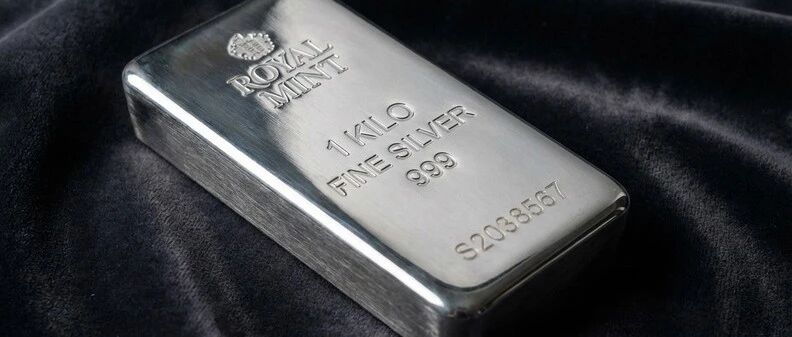
白银面临“交割失败”危机?3月或成贵金属“关键时刻”
华尔街见闻· 2026-01-29 06:09
Core Viewpoint - The precious metals market is facing a potential delivery crisis, with warnings that COMEX may experience physical silver delivery defaults as early as March 2026, undermining the credibility of existing pricing mechanisms and potentially leading to a collapse of the entire financial system [2][6][7]. Delivery Demand and Market Dynamics - In January, which is typically a non-delivery month, COMEX saw over 40 million ounces of silver requested for delivery, compared to the usual 1 to 2 million ounces in previous years, indicating abnormal delivery demand [2][6]. - As the main delivery month of March approaches, delivery demand is expected to reach 70 to 80 million ounces, which could deplete COMEX's current registered inventory of 110 to 120 million ounces [3][6]. Consequences of Delivery Failure - If COMEX fails to fulfill delivery obligations, the value of contracts could drop to zero, severely undermining COMEX's pricing authority [6]. - A failure in silver delivery would have immediate repercussions in the gold market, as gold is viewed as a "counter-dollar" asset, potentially impacting the credit market and threatening the stability of the entire financial system [6][8]. Market Trust and Credit Dependency - The precious metals market's pricing mechanism relies heavily on paper contracts, with a very low physical delivery ratio. A collapse in trust towards these contracts could lead to a rush for physical delivery, which the exchange's inventory may not be able to satisfy [8]. - The U.S. financial system's reliance on credit has reached historical extremes, with total debt and commitments amounting to $200 trillion. A crisis in any key market could trigger a chain reaction, with the precious metals market being a critical anchor for the entire monetary system [8]. Price Predictions and Market Sentiment - Despite silver prices already surpassing $100 per ounce, analysts believe the market is still in the early stages of a bullish trend, with predictions of prices potentially reaching $300 per ounce during an upcoming "frenzy phase" [10]. - Holter suggests that current price forecasts are "ridiculously underestimated," with a theoretical gold price of $200,000 per ounce based on U.S. government debt levels, which could similarly apply to silver [10]. Supply and Demand Dynamics - Silver's strong performance is attributed to a fundamental imbalance, with robust industrial demand in sectors like solar energy, electric vehicles, and electronics, alongside increasing investment demand as a hedge against inflation and currency devaluation [11][12]. - The supply side faces structural constraints, as silver is primarily a byproduct of mining for other base metals, making it difficult to quickly respond to price signals, which can lead to significant price volatility during demand surges [12].
美国信用评级连降!38万亿债压顶,美元霸权撑不住,中国机会来了
Sou Hu Cai Jing· 2025-10-29 11:13
Core Viewpoint - The recent downgrade of the U.S. sovereign credit rating from "AA" to "AA-" by Scope Ratings signifies a loss of confidence in the U.S. fiscal and governance capabilities, marking a shift in global perceptions of U.S. creditworthiness [1][5][7]. Group 1: Rating Downgrade Implications - The downgrade by Scope Ratings is significant as it is the first instance of two different regional rating agencies downgrading the U.S. in a short period, indicating a growing skepticism towards U.S. credit [7]. - The U.S. national debt has surpassed $38 trillion, which is 126.8% of the projected GDP for 2024, exceeding the IMF's recommended threshold of 100% for developed economies [3][9]. - The downgrade reflects concerns over the U.S. fiscal situation, with the Congressional Budget Office projecting a deficit of $1.83 trillion for FY 2024, which is expected to rise to 7.3% of GDP in 2025 [9][10]. Group 2: Economic and Fiscal Challenges - The U.S. faces a "triple squeeze" of high fiscal deficits, rising interest payments, and inflexible budget adjustments, pushing its fiscal situation into a corner [9]. - Interest payments on U.S. debt are projected to increase significantly, with estimates suggesting that over the next decade, interest payments could reach $14 trillion, which is 3.5 times the amount from the previous decade [10]. - The inability of the U.S. Congress to reach consensus on fiscal reforms has led to government shutdowns, further complicating the economic landscape and diminishing confidence in U.S. governance [13]. Group 3: Global Currency Dynamics - The downgrade raises concerns about the potential weakening of the U.S. dollar's status as the global reserve currency, which could present opportunities for other currencies, particularly the Chinese yuan [15][19]. - Countries like China and Russia are already adjusting their foreign exchange reserves, reducing their holdings of U.S. debt and increasing their investments in gold and other currencies [15][19]. - Emerging markets are exploring bilateral trade settlements in local currencies, which could further diminish the demand for the U.S. dollar and exacerbate the U.S. debt and currency valuation cycle [17]. Group 4: Strategic Opportunities for China - The weakening of U.S. dollar dominance could accelerate the internationalization of the yuan, especially through initiatives like the Belt and Road Initiative, promoting yuan-denominated trade [19][21]. - China's relatively stable fiscal situation, with a lower debt-to-GDP ratio compared to the U.S., positions it favorably to expand its influence in global economic cooperation [19][21]. - However, the transition away from dollar dominance will require a careful and gradual approach to ensure mutual benefits in international partnerships, avoiding the pitfalls of U.S. "hegemonic" practices [21].

沪金银跌超5%,现货黄金跌回4002美元,贵金属是否进入“打折季”?
Di Yi Cai Jing· 2025-10-22 01:56
Group 1 - International gold and silver prices have experienced a significant drop, with Shanghai gold and silver futures opening down over 5%, and London spot gold hitting a low of $4002 per ounce [1] - The recent decline in precious metal prices follows a period of rapid increases, with gold reaching a peak of $4086 per ounce and silver dropping below $50 per ounce, indicating a correction after a sustained overbought condition [1] - Despite the short-term drop, analysts believe that the expectations of monetary easing remain intact, suggesting that this is not a trend reversal for precious metals [1] Group 2 - HSBC remains optimistic about gold, projecting that its upward momentum could last until 2026, driven by strong central bank purchases, ongoing fiscal concerns in the U.S., and expectations of further monetary easing, with a target price of $5000 [2] - Huaxin Fund has noted that short-term trading in gold is overheated, with volatility indicators reaching high levels, suggesting potential risks in the market [2] - Analysts indicate that while central bank purchases and growing investment demand will support long-term price increases for precious metals, investors should remain cautious of short-term adjustments due to trading and event-driven shocks [2]
六问美国地区性银行“信贷危机”事件——海外周报第110期
一瑜中的· 2025-10-20 13:19
Core Viewpoints - Recent events in the US credit market, triggered by two regional banks disclosing loan fraud, have led to significant declines in regional bank stocks, but these incidents are viewed as isolated risks rather than a systemic crisis [2][4][5] - Analysts generally consider these defaults as individual occurrences related to specific borrowers, rather than indicative of broader systemic risks, although they do heighten market anxiety [2][9] - Key indicators to monitor include the stock prices of affected banks, credit spreads, liquidity conditions, and the US financial conditions index, which may lag in reflecting impacts on the economy [2][10][12] Summary by Sections 1. Why Did Regional Bank Stocks Plummet? - On October 16, the S&P Regional Banking Select Industry Index fell by 6.3%, the largest drop since April, due to disclosures from Zions Bancorp and Western Alliance Bancorp regarding loan fraud, exacerbating existing concerns from other recent credit events [4][14] - The bankruptcy of subprime auto lender Tricolor and the financial troubles of First Brands, which revealed significant off-balance-sheet debt, contributed to the negative sentiment [4][15] 2. Will This Evolve into a Crisis? - The recent events are assessed as isolated incidents rather than a widespread crisis, with limited overall impact [5][17] - Tricolor's bankruptcy may lead to losses of hundreds of millions for JPMorgan and Fifth Third Bancorp, while First Brands' debt is estimated at over $11.6 billion [5][17][20] 3. How Did the Market React? - Following the events, market risk sentiment was shaken, leading to declines in regional bank stocks, lower US Treasury yields, widening credit spreads, and a weaker dollar [6][23] - The S&P Regional Banking Index rebounded by 1.7% on October 17, indicating a potential stabilization in market sentiment [6][23] 4. Differences from the Silicon Valley Bank Collapse - The scale of the current issues is significantly smaller than the collapse of Silicon Valley Bank, which had total assets of $211.8 billion [7][33] - The nature of the crisis differs, with the current situation primarily involving credit risk from commercial loans, as opposed to liquidity crises stemming from asset-liability mismatches [7][34] - Economic expectations are also different, with current forecasts suggesting a lower probability of recession compared to the time of the Silicon Valley Bank crisis [7][34] 5. Perspectives from Overseas Analysts and Bankers - Analysts largely view the recent defaults as isolated incidents, with some caution from JPMorgan's CEO regarding potential losses in the credit market [9][41] - Most banks are confident in managing the situation, with some even reporting the lowest provisions in two years [9][41] 6. What to Watch Going Forward - Immediate attention should be on the stock prices of the affected banks, which have shown signs of recovery [10][45] - Monitoring credit spreads is crucial, as the underlying issue is related to borrower credit risk [10][45] - Liquidity conditions and the US financial conditions index should be tracked for potential impacts on the economy in the coming months [10][12][45]

六问美国地区性银行信贷危机事件:——海外周报第110期-20251020
Huachuang Securities· 2025-10-20 06:41
Group 1: Recent Events and Market Reactions - The S&P Regional Banking Select Industry Index fell by 6.3% on October 16, marking its largest drop since April, triggered by loan fraud disclosures from Zions Bancorp and Western Alliance Bancorp[3] - Following the fraud disclosures, the market's risk sentiment was negatively impacted, leading to a decline in regional bank stocks and a widening of credit spreads[5] - The market showed signs of stabilization on October 17, with a rebound of 1.7% in the S&P Regional Banking Index, indicating a potential recovery in market sentiment[21] Group 2: Assessment of Crisis Potential - The recent events are viewed as isolated incidents related to specific borrowers rather than a systemic credit crisis, with the overall impact considered manageable[4] - The financial exposure from the Tricolor bankruptcy is estimated to result in losses of several hundred million dollars for JPMorgan and Fifth Third Bancorp, while First Brands' debt reached approximately $11.6 billion[4] - Zions Bancorp and Western Alliance Bancorp are pursuing approximately $160 million in loans related to the fraud incidents, which is relatively small compared to previous crises[20] Group 3: Comparison with Previous Crises - Unlike the Silicon Valley Bank crisis, which involved total assets of $211.8 billion and significant unrealized losses, the current incidents involve much smaller scales, estimated at around $1 billion[30] - The nature of the current issues is primarily credit risk related to commercial loans, contrasting with the liquidity crisis seen in the Silicon Valley Bank case[31] - Current macroeconomic conditions differ, with the Federal Reserve in a rate-cutting cycle and a lower recession probability of 33%, compared to a 65% probability during the Silicon Valley Bank crisis[31] Group 4: Analyst Perspectives and Future Monitoring - Analysts generally view the recent defaults as isolated events, with some caution expressed by JPMorgan's CEO regarding potential losses in the credit market[9] - Key indicators to monitor include the stock prices of affected banks, credit spreads, liquidity conditions, and the U.S. Financial Conditions Index, which may lag in reflecting economic fundamentals[10] - The financial conditions index has shown signs of improvement after an initial deterioration, indicating a potential easing of financial stress in the market[60]
美国政府停摆继续,信贷危机担忧升温,降息预期下金银价格持续新高
HUAXI Securities· 2025-10-18 15:22
Investment Rating - Industry Rating: Recommended [4] Core Views - The ongoing U.S. government shutdown and rising credit crisis concerns have led to expectations of interest rate cuts, resulting in sustained highs for gold and silver prices. COMEX gold rose by 5.76% to $4,267.90 per ounce, while COMEX silver increased by 6.55% to $50.63 per ounce. SHFE gold and silver also saw significant increases of 10.53% to 999.80 yuan per gram and 12,249.00 yuan per kilogram, respectively [1][2][30]. Summary by Sections Precious Metals - The gold-silver ratio fell by 0.74% to 84.30. SPDR Gold ETF holdings increased by 966,285.71 troy ounces, and SLV Silver ETF holdings rose by 1,452,401.60 ounces [1][30]. - The U.S. government shutdown has entered its 17th day, with significant economic impacts estimated at a weekly loss of $15 billion. The ongoing geopolitical tensions and the potential for further interest rate cuts are expected to support gold prices [3][45][46]. - The silver market is experiencing extreme tightness, leading to a historical "short squeeze" with leasing rates exceeding 35%. Global silver shortages are projected to reach approximately 3,660 tons in 2025, with industrial demand expected to grow due to AI-driven applications [7][47]. Base Metals - In the LME market, copper prices rose by 2.25% to $10,607.00 per ton, while aluminum increased by 1.18% to $2,778.50 per ton. Zinc and lead prices, however, saw declines [8][9]. - The supply of copper is expected to tighten due to production disruptions in major mines, with a projected reduction of 200,000 tons in Q4 2025. The macroeconomic environment remains supportive of copper prices, with expectations of continued U.S. dollar depreciation [10][11][21]. - Aluminum demand remains stable, with production expected to increase due to new projects. The profit margins for electrolytic aluminum are improving as raw material costs decline [12][22]. Minor Metals - Magnesium prices have decreased by 1.43% to 17,920 yuan per ton, while molybdenum prices rose by 3.28% to 283,500 yuan per ton due to increased demand from steelmaking [17][18]. - The market for vanadium remains under pressure, with prices declining as steel demand has not met expectations [18]. Investment Recommendations - The report suggests focusing on gold and silver stocks due to their expected performance in the current economic climate. Recommended stocks include Chifeng Jilong Gold Mining, Shandong Gold, and Zhongjin Gold [6][20][47].
南华期货:风险资产齐跌贵金属独秀 白银租赁利率飙升
Jin Tou Wang· 2025-10-17 09:31
Macro News - The main focus is on the recent fluctuations in gold prices, with the Shanghai gold futures reporting a price of 999.80 CNY per gram, reflecting a 3.82% increase. The opening price was 968.56 CNY per gram, with a high of 1001.00 CNY and a low of 968.56 CNY [1] - The Chinese Ministry of Commerce expressed an open attitude towards equal consultations based on mutual respect, while the Foreign Ministry firmly opposed the U.S. linking tariff extensions to China's rare earth export controls [1] - U.S. banks reported issues related to loan fraud and bad debts, leading to a nearly 7% drop in the regional bank index and an 11% decline in Jefferies' stock [1] - There is a divergence in the Federal Reserve's stance on interest rate cuts, with some advocating for caution while others call for a more aggressive 50 basis point cut. The ongoing government shutdown is complicating data flow and consensus within the Fed [1] - The ongoing government shutdown has led to the Senate's tenth rejection of a temporary funding bill, contributing to market uncertainty [1] Institutional Perspectives - Precious metals are showing strong upward momentum, with significant changes in U.S. market indicators, including a decline in the dollar index and U.S. Treasury yields, alongside a drop in U.S. stocks, Bitcoin, and oil prices [1] - The rise in silver leasing rates indicates increasing risk accumulation in the U.S. financial markets, exacerbated by concerns over the potential impacts of the government shutdown and trade tariff uncertainties [1] - The exposure of loan fraud and bad debts by two U.S. banks has triggered panic selling in the market, significantly impacting the regional bank index [1] - For investment strategies in precious metals, the long-term trend may lean towards bullish, while short-term volatility is expected to increase. Investors are advised to maintain a cautious approach or consider short-term trading strategies [2] - Specific resistance and support levels for gold and silver are identified, with gold facing resistance at 4500 and support at 4300, while silver has resistance at 55 and support at 50 [2]

美元霸权崩塌?三大央行政策转向引爆全球货币体系重构
Sou Hu Cai Jing· 2025-10-13 02:27
Core Viewpoint - The recent 5.4% drop in the US dollar index, marking the largest decline since 2003, signals a significant shift in the dominance of the dollar, influenced by policy changes from major central banks [1][4]. Group 1: Policy Changes and Market Reactions - The Federal Reserve's pause in interest rate hikes after 11 consecutive increases indicates a pessimistic outlook on the US economy, contributing to the dollar's decline [4]. - The European Central Bank's unexpected 25 basis point rate cut has led to a drop in the euro to a critical exchange rate of 1:1.05 against the dollar, exacerbating the dollar's liquidity surplus [4]. - Japan's termination of its negative interest rate policy has resulted in a significant capital inflow of $16 billion, further weakening the dollar index [6]. Group 2: De-dollarization Trends - Global central banks are actively reducing their dollar reserves, with gold purchases expected to exceed 1,200 tons in 2024, and China reducing its US Treasury holdings by $217 billion over 18 months [7]. - The dollar's share in global foreign exchange reserves has fallen to 58%, a sharp decline from 71% in 2000 [7]. Group 3: Economic Pressures and Trade Policies - The US fiscal deficit has surpassed $35 trillion, leading to a credit crisis, while the use of the SWIFT system for sanctions has prompted countries like Saudi Arabia and China to explore alternative settlement mechanisms [9]. - The imposition of 100% tariffs on imports by the Trump administration has negatively impacted the dollar, with the Nasdaq index dropping 3.56% in a single day and Chinese stocks falling over 9% [10]. Group 4: Systemic Risks and Future Outlook - The $19.2 billion liquidation event in the cryptocurrency market highlights systemic risks associated with the dollar's depreciation, as the failure of Bitcoin to maintain the $115,000 support level triggered a wave of forced liquidations [13]. - Warning signals indicate that the US fiscal and trade deficits are exceeding 6% of GDP, while advancements in China's 7nm chip technology threaten the "chip dollar" system [14].
美联储前理事沃什:美联储出现了“信用危机”。
news flash· 2025-07-17 12:08
Core Viewpoint - The former Federal Reserve governor, Kevin Warsh, has indicated that the Federal Reserve is experiencing a "credit crisis" [1] Group 1 - Warsh's comments suggest that the current economic environment is characterized by significant credit challenges, which could impact financial stability [1] - He emphasizes that the Federal Reserve's policies may not be effectively addressing the underlying issues in the credit markets [1] - The statement raises concerns about the potential long-term implications for the economy if these credit issues are not resolved [1]