理性消费

Search documents
怎样正确认识反对浪费和提振消费(读者点题·共同关注)
Ren Min Ri Bao· 2025-09-14 22:03
Group 1 - The core idea of the article emphasizes the balance between promoting consumption and opposing waste, suggesting that rational consumption can coexist with efforts to reduce waste [1][3][4] - Consumption is crucial for economic growth, contributing 52% to GDP growth in the first half of the year, an increase of 7.5 percentage points compared to the previous year [2] - The article advocates for a sustainable and quality-focused consumption model that contrasts with wasteful spending, aligning with traditional values of thrift and resource conservation [3][4] Group 2 - The article addresses concerns that opposing waste might suppress consumption, clarifying that it encourages more meaningful and rational spending rather than less spending [3] - Initiatives like "small portion meals" and "shared resources" are highlighted as examples of how anti-waste measures can enhance consumption efficiency and promote a green economy [3] - The government's commitment to frugality and anti-waste policies is reinforced by new regulations aimed at fostering a culture of saving and responsible spending [4]
关注高端国货美妆发展潜力
Xiangcai Securities· 2025-09-14 10:59
Investment Rating - The industry investment rating is maintained at "Overweight" [3] Core Views - The retail sector showed a slight increase of 0.85% last week, underperforming the CSI 300 index by 0.53 percentage points, indicating a mixed performance across various retail sub-sectors [4][9] - The current Price-to-Earnings (PE) ratio for the retail sector is 42.81X, reflecting a 0.45 percentage point increase week-on-week, with a one-year range between 24.35X and 43.07X [5][17] - The retail sector's Price-to-Book (PB) ratio stands at 2.06X, with a one-year range from 1.19X to 2.07X [5][19] Industry Dynamics - The Shenzhen Stock Exchange adjusted the list of eligible stocks for the Hong Kong Stock Connect, adding 20 stocks including brands related to retail and light manufacturing, which may enhance liquidity and trading opportunities [6][20][22] - In August, domestic beauty brands showed strong performance on Douyin, with Han Shu leading sales at over 700 million yuan, indicating a growing acceptance and market share for domestic brands [7][23] - The rise of domestic beauty brands is attributed to improved product quality and the growing trend of "Guochao" (national tide), which enhances consumer recognition and acceptance [7][23] Investment Recommendations - The report suggests focusing on recently added Hong Kong stocks in the retail sector and high-end domestic beauty brands, particularly those that are scarce in the market, such as Mao Ge Ping [6][24] - The ongoing domestic policies aimed at boosting consumption are expected to further enhance consumer willingness and capacity, supporting the retail sector's growth [7][24]
“双节”渐近,白酒消费升温迟缓
Qi Lu Wan Bao· 2025-09-12 10:33
Group 1 - The "Double Festival" period, which includes both Mid-Autumn Festival and National Day, is traditionally a peak consumption period for the liquor industry, but this year, sales are significantly lower compared to previous years [1][2] - Sales volume has decreased by approximately 30% year-on-year, with many retailers reporting slow pre-festival consumption and a focus on clearing existing inventory [1][2] - Consumers are exhibiting more rational purchasing behavior, with daily sales reported to be only a few dozen bottles, and new customer orders are scarce [1][2] Group 2 - Despite the upcoming festivals, the liquor market is experiencing a "peak season not booming" trend, with prices remaining low and promotional activities being widespread [2][3] - High-end liquor prices are also declining, with the price of a 500ml bottle of Feitian Moutai dropping from around 2400 yuan last year to 1820 yuan this year [3] - The trend of rational consumption is evident, with consumers prioritizing value for money and practicality, leading to a reduction in high-end liquor demand [3][4] Group 3 - In response to the current market conditions, liquor companies are exploring new growth avenues, such as launching low-alcohol products to attract consumers [4] - There is still some optimism among merchants regarding potential consumption increases in the latter half of September, as they anticipate a slight recovery in sales during the "Double Festival" [4]


顺势而为 应势而动 乘势而上 王莉调研华东、西南、东北市场
Xin Hua Wang· 2025-09-12 09:20
Core Insights - The article discusses the recent market research conducted by Moutai Group in various regions, focusing on the current market conditions and opportunities for sustainable high-quality development [1][2][3] Group 1: Market Research and Analysis - Moutai Group's management, including Vice President Wang Li, conducted market research in East China, Southwest, and Northeast regions, engaging with over 200 channel partners to analyze the current market situation and strategize for future challenges [1][2] - The meetings highlighted the importance of understanding consumer behavior, particularly the shift towards rational consumption and value for money, as the liquor industry enters a new adjustment phase [3][4] Group 2: Strategic Direction and Transformation - The company emphasized the need to maintain strategic focus and adapt to market changes, leveraging its historical resilience to navigate industry cycles [4] - Moutai is implementing a transformation strategy that shifts from product-oriented to scenario-oriented approaches, aiming to enhance consumer trust and emotional engagement [4][5] Group 3: Cultural Experience and Marketing - Moutai cultural experience centers are identified as crucial for promoting the brand and facilitating consumer engagement, serving as platforms for cultural dissemination and sales conversion [5][6] - The company plans to support the development of these experience centers to enhance their visibility and effectiveness in driving market conversion [6]
车展观察|从“要面子”到“要体验”,“Z时代”购车理性当先
Qi Lu Wan Bao· 2025-09-05 09:58
Core Insights - The automotive consumption market in China is undergoing a transformation, with the "Z generation" becoming a significant force in car purchases, shifting the focus from traditional brands to autonomous brands due to their technological advancements and cost-effectiveness [1][9][12] - The average age of first-time car buyers has decreased to 30.5 years, with some "post-00s" purchasing their first car as early as 22 years old, indicating a trend of younger consumers entering the market [2][4] - Young consumers prioritize smart features, design, and overall experience over traditional metrics like brand history and engine specifications, reflecting a shift towards rational consumption [5][6][8] Group 1: Young Consumers' Preferences - The presence of young consumers at the 2025 Qilu Autumn Auto Show highlights a growing trend of youth engagement in the automotive market, with many making informed decisions based on online research prior to attending [4][5] - Approximately 25% of "post-90s" and "post-00s" buyers set their budget above 200,000 yuan, indicating a willingness to invest in autonomous and new energy vehicles rather than traditional luxury brands [4][12] - Young consumers express a desire for vehicles that serve as "smart travel partners" rather than mere transportation tools, emphasizing the importance of technology and personalization in their purchasing decisions [6][8] Group 2: Rise of Autonomous Brands - Autonomous brands have shifted from competing on price to leading in technology, with significant investments in R&D, particularly in the fields of new energy and smart technology [9][11][12] - Brands like BYD and Geely are experiencing increased consumer interest due to their performance and technological innovations, with a notable rise in market share, accounting for over 68% of total sales in the first half of the year [11][14] - The perception of autonomous brands has improved significantly, with consumers recognizing their advancements in quality, design, and overall value, leading to a growing trust in these brands [13][14] Group 3: Market Dynamics - The automotive market is witnessing a shift from a "function-oriented" approach to an "experience-oriented" one, where consumers consider technology, service, and emotional connection in their purchasing decisions [14] - The increasing focus on environmental responsibility among young consumers is driving the demand for new energy vehicles, supported by government incentives and a growing awareness of sustainable living [8][12] - The overall transformation in consumer behavior and preferences is reshaping the competitive landscape of the automotive industry in China, with autonomous brands poised to capture a larger share of the market [9][14]



你发现了没?超市中的“小套路”,逛了十几年,很多人不知情!
Sou Hu Cai Jing· 2025-09-04 00:16
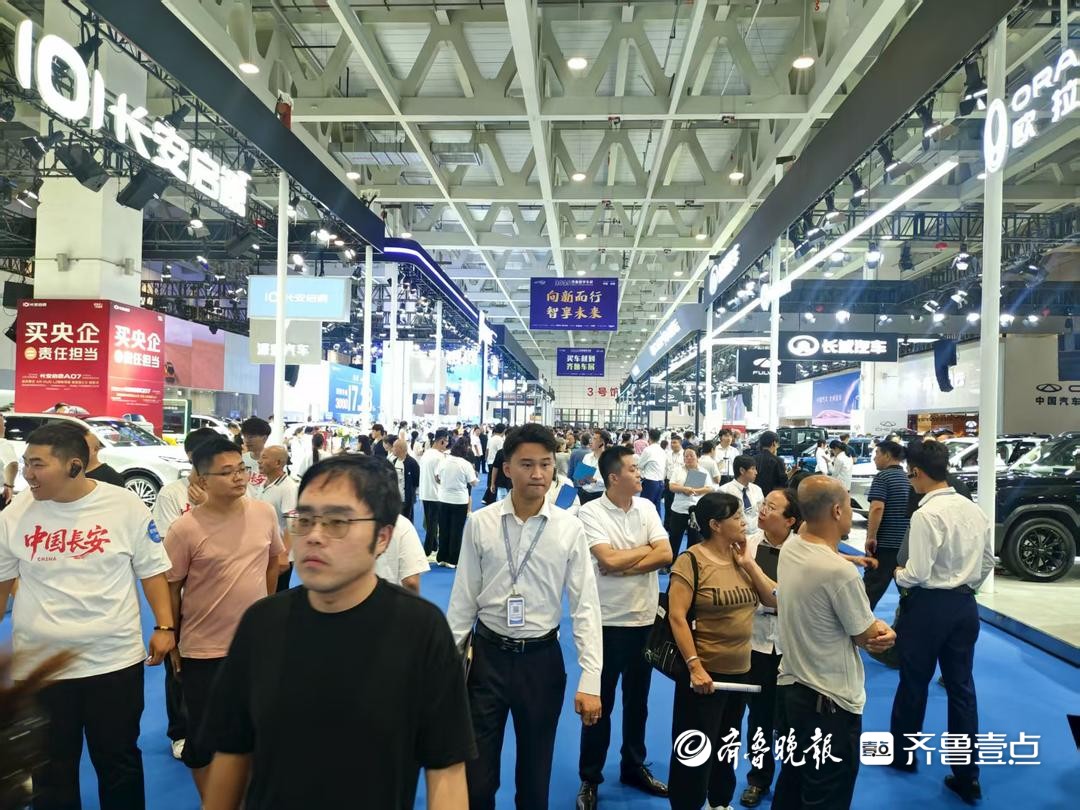
Core Insights - The article explores the hidden marketing strategies employed by supermarkets that influence consumer purchasing decisions, leading to impulse buying and increased spending [1][2]. Group 1: Marketing Strategies - Supermarkets utilize a carefully designed layout, with entrances on the right and exits on the left, to guide customers through the store and increase product exposure [3]. - Products with higher profit margins are strategically placed at eye level, as studies show that items at this height are 37% more likely to be chosen by consumers [4]. - Pricing strategies, such as ending prices with "9," can increase purchase intent by 23%, demonstrating the psychological impact of pricing on consumer behavior [5][6]. Group 2: Promotional Techniques - Bundling promotions like "buy two, get one free" lead 61% of consumers to purchase more than they need, exploiting the fear of missing out on deals [6][8]. - End-cap displays, located at the ends of aisles, can boost sales by 125% to 350%, making them prime locations for high-margin products [8]. - Sensory marketing, such as the use of enticing aromas in the bakery section, can increase food purchases by 35% [9]. Group 3: Consumer Behavior Insights - Background music in supermarkets can influence shopping pace, with slow music increasing dwell time and spending by 15% to 8% [11]. - Larger shopping carts, which have increased in size by 30% over the past decade, can lead to a 20% increase in average purchase volume due to the perception of needing to fill the cart [12]. - Consumers often overlook unit prices in favor of total prices on weight-based items, leading to potential overpayment [12]. Group 4: Checkout Strategies - Impulse items near checkout counters, which account for less than 2% of total products but contribute to 6% of sales, capitalize on consumers' relaxed state while waiting [15]. - Understanding these marketing tactics can empower consumers to make more rational purchasing decisions and avoid unnecessary spending [16][17].
杨紫直播引爆“理性消费”狂欢:从争议到破圈的24小时
Sou Hu Cai Jing· 2025-09-02 15:48
Core Insights - The article discusses the shift in celebrity endorsement dynamics, particularly focusing on Yang Zi's recent entry into the personal care market with her endorsement of the Yangyuanqing hair care series, which has gained traction due to its affordable pricing and backing from Yunnan Baiyao technology [1][3]. Group 1: Market Dynamics - The incident surrounding MK brand's endorsement crisis highlighted a change in consumer expectations, where the logic of celebrity endorsements has shifted from "traffic is king" to "value co-existence" as Gen Z becomes the main consumer force [1]. - Yang Zi's live streaming event showcased a significant sales boost, with the Yangyuanqing shampoo selling out within an hour and overall sales for the brand's product lines increasing by 470% year-on-year [3]. Group 2: Audience Engagement - The live stream revealed a generational divide in audience engagement, with younger fans focusing on Yang Zi's appearance while older consumers inquired about product safety and suitability for children, indicating a broader audience appeal and the importance of product efficacy [5]. - The live demonstration of a "three-second hair drying" experiment attracted over 8 million viewers, setting a new record for live streaming in the personal care category [5]. Group 3: Social Impact - The event sparked a social initiative by the China Youth Development Foundation, promoting the message of "rejecting appearance anxiety," which aligns with Yang Zi's statement that "confidence is the best filter" [7]. - The article notes a cultural shift in consumer behavior, where fans are now making purchasing decisions based on product ingredients rather than just celebrity endorsements, as evidenced by a 21% decrease in return rates and a 37% increase in repurchase rates for celebrity-endorsed products compared to three years ago [7].

拥抱C端 推低度产品 半年报后白酒亮出破局大招
Bei Jing Shang Bao· 2025-09-01 14:20
Core Insights - The Chinese liquor industry is undergoing a deep adjustment phase, with significant differentiation among companies, where leading brands are experiencing steady growth while many others face declining revenues and profits [1][4][7] Industry Overview - The overall performance of the liquor industry in the first half of 2025 shows a decline in the number of regulated enterprises, down to 887, a decrease of over 100 year-on-year [7] - The industry's production volume reached 1.9159 million kiloliters, a year-on-year decrease of 5.8%, while sales revenue slightly increased by 0.19% to 330.42 billion yuan, and profits fell by 10.93% to 87.687 billion yuan [7] Market Trends - The liquor market is experiencing a polarization in sales, with low-end and light bottle liquor performing relatively well, while mid to high-end products struggle due to changing consumer preferences and economic conditions [4][5][8] - The average inventory turnover days for the industry is 900 days, an increase of 10% year-on-year, with 60% of companies experiencing price inversion in their products [4] Consumer Behavior - Consumers are increasingly favoring lower-priced liquor options, particularly in the 100-300 yuan price range, which aligns with daily consumption needs, while high-end liquor sales are declining due to reduced demand for gifts and business consumption [5][8] - The shift in consumer habits is prompting companies to embrace direct-to-consumer strategies, with many launching low-alcohol products to attract younger consumers [9][10] Strategic Responses - Companies are responding to the changing market dynamics by launching low-alcohol products, which cater to health-conscious consumers and aim to break traditional consumption barriers [10] - Major brands like Wuliangye and Moutai are actively developing low-alcohol offerings to capture market share among younger demographics [9][10]
别让买车人纠结了
虎嗅APP· 2025-08-29 10:10
Core Viewpoint - The Chinese automotive market is transitioning from aggressive high-end marketing and price wars to a focus on value and practicality, indicating a maturation of the industry [2][6][20]. Group 1: Market Trends - Consumers are becoming fatigued with high-end marketing and flashy features, leading to a decline in the effectiveness of low-price competition [2]. - The automotive industry is moving towards a model where the focus is on delivering real value that meets consumer expectations, rather than just marketing gimmicks [2][20]. - Historical examples from the U.S., Germany, and Japan illustrate that automotive maturity is characterized by a focus on universal and rational value, which becomes a collective memory for consumers [6][20]. Group 2: Product Development - The launch of the Huawei and SAIC collaboration, the SUV "尚界 H5," achieved 50,000 orders within 18 hours, showcasing strong market demand [11]. - The "尚界 H5" emphasizes practical smart features, such as comprehensive driving assistance and parking capabilities, which enhance user experience and safety [11][13]. - The vehicle's design integrates traditional automotive strengths with modern technology, ensuring reliability and safety for everyday use [13][15]. Group 3: Consumer Behavior - The current consumer mindset prioritizes safety, space, and smart features over brand prestige or unique configurations, reflecting a shift towards rational consumption [20][22]. - The "尚界 H5" aims to reduce decision-making anxiety for families by offering a straightforward, value-driven purchasing experience [15][24]. - The vehicle's pricing strategy and participatory benefits are designed to enhance transparency and lower decision costs for consumers [17][20]. Group 4: Industry Implications - The transition towards rational consumption is seen as a pivotal moment in the automotive industry, where the focus shifts from storytelling to delivering high-frequency value [16][20]. - The "尚界 H5" aligns with historical automotive milestones by providing a comprehensive solution that meets everyday needs, thus establishing itself as a potential "symbolic vehicle" for the current era [22][23]. - The emphasis on practical features and user-friendly technology signifies a broader trend towards making smart and safe vehicles accessible to the general public [23][24].

断舍离后才发现:这些东西都是“消费陷阱”啊,别再乱花钱了!
Sou Hu Cai Jing· 2025-08-24 22:52
Group 1 - The article emphasizes the importance of "decluttering" and suggests that true decluttering should start from the source, encouraging consumers to think before purchasing [1] - It identifies various consumer traps, particularly focusing on single-function small appliances that often end up unused after a few uses [3][6] - The article highlights that many small appliances can be replaced by existing kitchen tools, indicating a need for consumers to be more discerning in their purchases [12] Group 2 - The article discusses the issue of excessive clothing purchases, noting that impulsive buying leads to a surplus of clothes that are rarely worn [15][17] - It points out specific categories of clothing that often become unnecessary, such as holiday-themed outfits and trendy items that quickly go out of style [18][20] - The article warns against the allure of cheap clothing, which often results in poor quality and wasted space in wardrobes [22] Group 3 - The article addresses the overuse of storage tools, which can lead to clutter rather than organization, suggesting that effective storage is about habits rather than the quantity of tools [24][30] - It mentions that excessive storage solutions can create visual clutter and consume time and energy [26][28] Group 4 - The article critiques the habit of stockpiling everyday items, which can lead to wasted space and expired products if not managed properly [31][34] - It advocates for rational purchasing based on actual needs to avoid the pitfalls of overstocking [36] Group 5 - The article highlights the hidden costs of membership cards, which can encourage unnecessary spending despite seeming beneficial [36][38] - It warns that some businesses may close, rendering prepaid memberships worthless, leading to financial loss [41] Group 6 - The article discusses the rapid turnover of electronic products, which can significantly increase living expenses and lead to unused items taking up space [43][45] - It advises against following trends in electronics and encourages consumers to make rational choices based on actual needs [48]