自动驾驶

Search documents
汽车周报:比亚迪闪充2.0对标HALO,GTC和小鹏VLA2.0有望科技催化-20260309
Shenwan Hongyuan Securities· 2026-03-09 06:28
Investment Rating - The report maintains a positive outlook on the automotive industry, particularly highlighting the advancements in technology and new product launches from key players like BYD and XPeng [2][13]. Core Insights - The report emphasizes the significant technological advancements in the automotive sector, including BYD's second-generation blade battery and fast-charging technology, which can charge from 10% to 70% in just 5 minutes [13][37]. - XPeng's second-generation VLA intelligent driving system aims to transition from L2 to L4 automation, enhancing the overall driving experience and safety [7][8]. - The North American tech giants have signed a self-powering agreement, indicating a growing demand for distributed power sources, which could benefit related industries [5]. Industry Updates - In February, the average daily retail sales of passenger cars in China reached 41,000 units, marking a 54% year-on-year increase [2]. - The automotive industry total transaction value for the week was 433.96 billion yuan, with a week-on-week increase of 26.69% [2]. - The report notes a divergence in the sales performance of new energy vehicle companies, with BYD's sales dropping by 41% year-on-year, while other brands like Zeekr and NIO saw increases [3][4]. Market Conditions - The automotive industry index closed at 7985.60 points, down 2.76% for the week, which is a greater decline compared to the Shanghai and Shenzhen 300 index [23]. - A total of 35 automotive stocks rose, while 234 fell, with the largest gainers being Changyuan Donggu and Feilong Shares, and the largest losers being Kailong High-Tech and Daimi Shares [29]. Investment Analysis - The report suggests focusing on companies that are leveraging AI and automation trends, particularly new energy vehicle manufacturers like BYD and XPeng, as well as traditional automakers undergoing reforms [2]. - It highlights the importance of companies with overseas business support for profitability, such as BYD and Geely [2]. - The report also recommends monitoring the performance of key players in the supply chain, particularly those involved in robotics and data center cooling technologies [2]. Key Events - The report outlines several significant events, including the release of new models by BYD and XPeng, and the signing of a self-powering agreement by major North American tech companies [5][6][13]. - It also mentions the upcoming annual report season, suggesting a focus on companies with strong earnings support [2].

浙江华远(301535) - 301535浙江华远投资者关系管理信息20260309
2026-03-09 05:30
Group 1: Company Overview and Market Position - Zhejiang Huayuan Automotive Technology Co., Ltd. aims to leverage the favorable business environment in Zhejiang to capture new economic growth points, striving for development leaps in the new economic transformation [2] - The company focuses on sensor components for autonomous driving, expanding its client base since last year, which is expected to enhance product penetration as smart driving becomes more prevalent [2] Group 2: Product Development and Innovations - The company is enhancing its product offerings in the automotive interior sector, particularly in luxury seating components, which are expected to increase vehicle value as new models adapt to the HarmonyOS ecosystem [2] - The "Cold Heading+" process is being utilized to optimize traditional manufacturing methods, with a focus on high material utilization and efficiency [3] Group 3: Financial Outlook and Strategies - The automotive industry is under pressure, but the company maintains a relatively low price sensitivity as a small parts supplier, with a focus on differentiated products that yield higher gross margins compared to peers [3] - Anticipated gross margin for 2026 is under pressure due to rising raw material costs, but the company plans to mitigate this through higher value-added products, optimization of low-margin businesses, continuous process improvements, and scale effects [3] Group 4: International Expansion Plans - The company established an international business department in early 2025, initially focusing on the European market, with plans to achieve 40%-50% of its business from overseas within 3-5 years [2] - A wholly-owned subsidiary was established in Singapore in 2024, with ongoing attention to acquisition opportunities for high-quality overseas targets [2] Group 5: Investor Communication and Compliance - The company ensured thorough communication with investors during the meeting, adhering to its information disclosure management system to guarantee the accuracy and completeness of disclosed information [3] - Investors were required to sign a research commitment letter, emphasizing the importance of risk control regarding performance expectations [3]
未知机构:长江通信电新20260308锐明技术推荐更新1公司2-20260309
未知机构· 2026-03-09 02:20
Summary of Conference Call Notes Company Overview - The company has started UPS (Uninterruptible Power Supply) OEM production in 2025 and has engaged in HVDC (High Voltage Direct Current) projects since Q3 2025. The prototype certification has been completed, and it is currently in the trial production stage, with mass production expected around mid-year and shipments aligned with customer needs in Q3. The company anticipates a significant increase in unit price and profit compared to UPS products [1][2][3]. Core Business and Revenue Streams - The company's main business focuses on edge visual AI products, primarily serving fleet IT service providers, with end users in freight, passenger transport, and mining sectors. Approximately 70% of the company's revenue is generated from overseas markets [1][2][3]. Growth Drivers - The company's growth is driven by: 1. Increased levels of autonomous driving and penetration rates, leading to rapid revenue growth from visual products. The Robobus, equipped with environmental perception hardware, is expected to commence operations within the year. 2. Expansion into new scenarios such as mining transportation, which presents additional revenue opportunities [1][2][3]. Research and Development Focus - The company has established a dedicated division and plans to enhance its R&D team, with a strong focus on the development of next-generation power supply technologies [1][2][3]. Additional Insights - The company is strategically positioning itself to leverage advancements in autonomous technology and expand its market presence in various transportation sectors, indicating a proactive approach to future growth [1][2][3].
蔚来、理想、特斯拉共同预警 汽车行业缺芯潮又要来了!
阿尔法工场研究院· 2026-03-09 00:05
Core Viewpoint - The ongoing chip shortage is significantly impacting the automotive industry, with predictions that the supply of storage chips may not meet demand for several years, particularly due to the rising needs from AI applications and smart vehicle technologies [3][4][10]. Group 1: Industry Insights - NIO's CEO Li Bin highlighted that rising memory prices are a major cost pressure for the industry, although currently manageable for NIO [3]. - Ideal Auto's supply chain VP Meng Qingpeng predicts that by 2026, the automotive industry's storage chip supply satisfaction rate may fall below 50% [4]. - Elon Musk stated that even considering all major storage chip suppliers, it is difficult to meet Tesla's demand, indicating a severe supply shortage exacerbated by increasing memory requirements for smart vehicles [5][6]. Group 2: Supply Chain Dynamics - Automakers are beginning to bypass Tier 1 suppliers and sign long-term supply contracts directly with memory manufacturers, as seen with Volkswagen, Hyundai, and Tesla [6][7]. - The chip shortage is not only affecting automakers but also stems from a previous misjudgment of market demand during the pandemic, leading to a shift in chip production towards consumer electronics [8][9]. Group 3: Market Competition - The AI boom has created a massive demand for chips, with companies like Google and Microsoft competing aggressively for DRAM capacity, often outbidding traditional automotive clients [11][12]. - The price of DDR4 chips surged by 172% in January, reflecting the intense competition for available memory [12]. Group 4: Future Projections - The chip shortage is expected to persist until around 2028, with significant capacity expansions planned by major suppliers like SK Hynix and Micron [13][16]. - Long-term, the automotive market is projected to grow significantly due to advancements in autonomous driving and smart cockpit technologies, which will require increasingly sophisticated memory solutions [15][16].


汽车上最贵的屏,快被撑破了
汽车商业评论· 2026-03-08 23:04
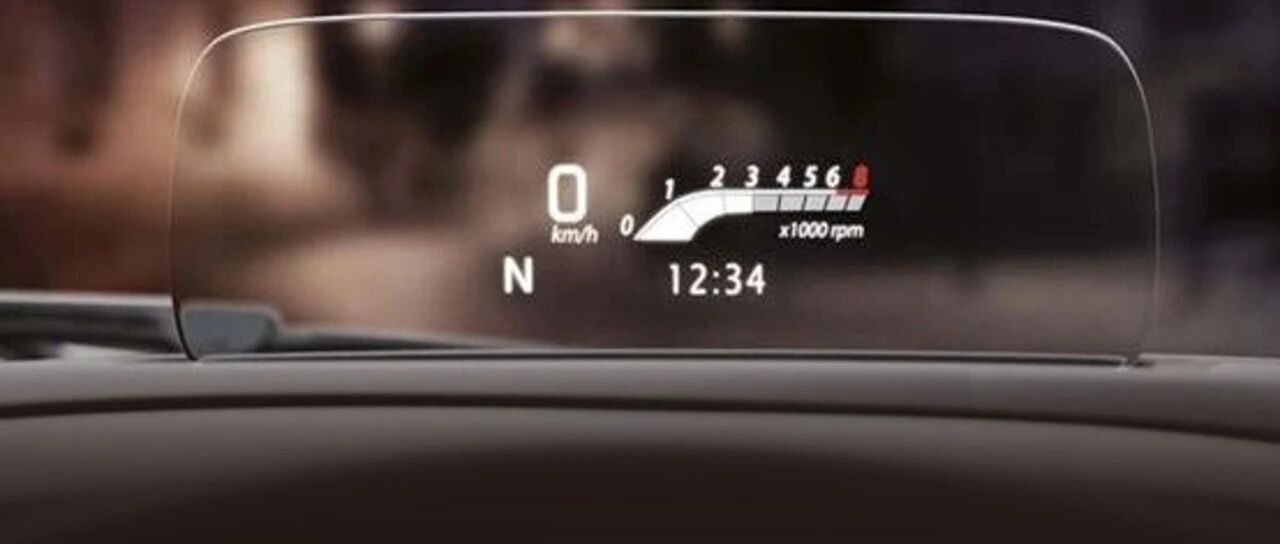
Core Viewpoint - The article discusses the evolution and future of Head-Up Display (HUD) technology in the automotive industry, emphasizing the need for manufacturers to simplify the information presented to enhance driver safety and experience [3][5][11]. Summary by Sections HUD Historical Development - The concept of HUD originated during World War II to assist pilots in obtaining radar information without diverting their gaze from the sky [6]. - The first true HUD was developed in 1958 for military aircraft, with the technology making its way into automobiles in 1965 [6][7]. - The evolution of HUD technology has seen three generations: C-HUD, W-HUD, and AR-HUD, with significant advancements in functionality and application [9][11]. Current Market Trends - By 2025, W-HUD is expected to penetrate mid-range vehicles with a market share of around 30%, while AR-HUD is projected to experience a growth rate of 70% [11]. - AR-HUD is becoming a crucial feature for enhancing the competitiveness of new energy vehicles in China, with penetration rates exceeding 80% in popular models by 2025 [11][12]. Cost and Technology - The HUD market has consolidated, with around 20 companies initially, but only about 10 are currently scaling effectively [15]. - The price of AR-HUD has decreased by 65% from 2021 to 2025, making it challenging for new players to enter the market [15]. - Innovations in HUD technology, such as eliminating the need for a wedge film in windshields, are being developed to reduce costs [17]. Future Directions - The AR-HUD market is expected to advance towards higher resolution, brightness, and integration with AI technologies [18]. - With the advent of L3 autonomous driving, AR-HUD is seen as essential for enhancing driver trust and safety by providing critical information directly in the driver's line of sight [20][22]. - The integration of entertainment features into AR-HUD systems is anticipated as the technology evolves, transforming the driving experience [24].
1.3万亿收购案背后,日本半导体被中国打醒
汽车商业评论· 2026-03-08 23:04
Core Viewpoint - Denso Corporation, a core supplier of Toyota Group, has proposed to acquire semiconductor manufacturer Rohm for an estimated valuation of 1.3 trillion yen (approximately 8.2 billion USD) to enhance its capabilities in high-end semiconductor research and development, particularly in electric vehicles and autonomous driving technologies, aiming to compete with Chinese firms [3][4][14]. Group 1: Acquisition Proposal - Denso's acquisition proposal for Rohm has led to an 18% surge in Rohm's stock price, marking the largest single-day increase in 26 years, with shares reaching 3,243 yen (approximately 141 RMB) [4][5]. - The acquisition, if successful, would create a competitive domestic giant in the power semiconductor sector, reflecting a shift from collaboration to consolidation in Japan's semiconductor industry [3][4][7]. - Denso's offer includes an 18% premium over Rohm's closing price prior to the proposal, with the total transaction size potentially reaching 1.3 trillion yen if Denso acquires over 95% of Rohm's circulating shares [9]. Group 2: Market Dynamics - The automotive industry's increasing reliance on power semiconductors for software, motor control, and battery management is driving aggressive strategies among Japanese automotive component manufacturers to secure chip supply chains [5][10]. - Analysts suggest that Denso's direct involvement as a leading downstream customer could catalyze a market-driven restructuring of the power semiconductor industry, which has historically faced slow consolidation due to power struggles among stakeholders [7][10]. Group 3: Financial Performance - Rohm is projected to report its first loss in 12 years for the fiscal year ending March 2026, with a net loss of 50 billion yen (approximately 2.18 billion RMB), a significant decline from a profit of 53.9 billion yen in the previous fiscal year [10]. - Despite expectations of a recovery to a net profit of 10 billion yen in the current fiscal year, Rohm's profitability remains in a recovery phase [10]. Group 4: Government and Industry Strategy - The Japanese government has been promoting consolidation in the power semiconductor industry to address challenges posed by Chinese competitors and overcapacity issues [14][16]. - Japan aims to achieve semiconductor sales of 40 trillion yen (approximately 253.5 billion USD) by 2040, positioning itself to capture opportunities in artificial intelligence and data centers [18][20]. - The government has introduced substantial subsidies and regulatory reforms to support the semiconductor sector, with a focus on establishing Japan as a global hub for advanced semiconductor research and production [20][21].
转债市场周报:高估值下抗跌性与跟涨性不佳-20260308
Guoxin Securities· 2026-03-08 11:30
Report Industry Investment Rating - Not mentioned in the report Core Viewpoints - The high valuation of the convertible bond market exacerbates asset volatility, and it fails to show the "traditional attributes" of being offensive and defensive. It is recommended to screen individual bonds based on price and premium rate. Pay attention to investment opportunities in AI computing power chains, embodied intelligence, autonomous driving, innovative drugs, two - wheeled vehicles, and the real estate chain [2][18] Summary by Directory Market Trends (2026/3/2 - 2026/3/6) - **Stock Market**: Geopolitical conflicts led to a decline in the A - share market at the beginning of the week, and a rebound in the second half. The oil and gas sector was strong, while high - level technology and precious metal sectors were under pressure. The Shenwan primary industries showed that most industries closed down, with oil and petrochemicals, coal, and public utilities leading the gains, and media, non - ferrous metals, and computers performing poorly [7][8] - **Bond Market**: Affected by geopolitical conflicts and market risk - aversion, bond yields declined slightly at the beginning of the week. After the government work report was released, the bond market was stable. The 10 - year Treasury bond rate closed at 1.781% on Friday, down 0.67bp from the previous week [8] - **Convertible Bond Market**: Most convertible bond issues closed down. The CSI Convertible Bond Index fell 2.07% for the week, the median price dropped 1.22%, and the arithmetic average parity decreased 3.38%. The overall market conversion premium rate increased 1.82% compared with the previous week. The top - rising convertible bonds were Hongbai, Hangyu, Yitian, Shengxun, and Outong, while the top - falling ones were Liyang, Songlin, Tianzhun, Fuxin, and Weidao. The total trading volume of the convertible bond market last week was 29.2381 billion yuan, with an average daily trading volume of 7.3095 billion yuan, an increase from the previous week [8][12][16] Views and Strategies (2026/3/9 - 2026/3/13) - The fermentation of the US - Iran conflict has disturbed market risk preferences and liquidity expectations. The high - valuation characteristic of the convertible bond market exacerbates asset volatility. In the week, it did not show the "traditional attributes". Most institutions reduced their convertible bond holdings in February. Currently, the overall allocation value of convertible bond assets is poor, and it is recommended to screen individual bonds. Pay attention to investment opportunities in semiconductor equipment and materials, computing power leasing, power equipment for computing power support in the AI computing power chain, embodied intelligence, autonomous driving, as well as the catch - up opportunities in innovative drugs, two - wheeled vehicles, and the real estate chain [2][18] Valuation Overview - As of March 6, 2026, for equity - biased convertible bonds, the average conversion premium rates in different price ranges are at high percentile values since 2010 and 2021. For debt - biased convertible bonds, the average YTM of bonds with a parity below 70 yuan is at a low percentile value. The average implied volatility of all convertible bonds and the difference between the implied volatility and the long - term actual volatility of the underlying stocks are at high percentile values [19] Primary Market Tracking - Last week, Changgao Convertible Bond was announced for issuance, and no convertible bonds were listed. Changgao Convertible Bond has a scale of 759 million yuan, and the funds are to be used for production base projects. Next week, no convertible bonds are announced for issuance or listing. Currently, there are 100 convertible bonds to be issued, with a total scale of 163.96 billion yuan [26][27]
乘用车需求有望边际改善,关注燃气发电链、优质整车及汽零
Orient Securities· 2026-03-08 07:13
Investment Rating - The report maintains a neutral investment rating for the automotive and parts industry [5] Core Insights - Passenger car demand is expected to marginally improve, with a focus on quality complete vehicles and auto parts companies [2][11] - The government emphasizes expanding domestic demand and promoting consumption, with specific measures to support the automotive sector, including a special bond of 250 billion yuan for consumer upgrades and a 100 billion yuan fund to stimulate demand [8][11] - The North American power shortage continues to validate the need for gas-fired power generation, with a growing demand for gas turbine and generator companies [12] - Recent financing trends indicate market confidence in the robotics industry, with the upcoming release of Tesla's Optimus V3 expected to catalyze growth in the robotics supply chain [13] Summary by Sections Investment Suggestions and Targets - Strong alpha auto parts companies are expected to withstand industry risks and achieve revenue and profit growth. Key sectors to watch include gas power generation, humanoid robotics, liquid cooling, and advanced driving technology [3][13] - Recommended stocks in the gas power generation sector include Silver Wheel Co., Ltd. and Weichai Power; in the liquid cooling sector, recommended stocks include Invec, Silver Wheel Co., Ltd., Top Group, and others; in the robotics sector, recommended stocks include New Spring Co., Ltd., Top Group, and others; in the advanced driving sector, recommended stocks include Jingwei Hirain Technologies and others; for complete vehicles, recommended stocks include BYD, SAIC Motor, and others [3][13] Sales Tracking - In February, brands such as Hongmeng Zhixing, Leap Motor, and NIO showed significant year-on-year sales growth, with Hongmeng Zhixing delivering 28,200 vehicles, a 31.1% increase year-on-year [14][40] - The overall passenger car market was weak in January-February due to policy transitions, but demand is expected to gradually release starting in March as subsidy details are announced [11][12] Market Trends - The automotive sector overall is under pressure, with the automotive index down 2.6%, underperforming the broader market [24] - Key companies showed mixed performance, with BYD up 4.81% while others like Silver Wheel Co., Ltd. saw an increase of 11.41% [25]



小鹏的2026,没有Plan B
虎嗅APP· 2026-03-08 03:04
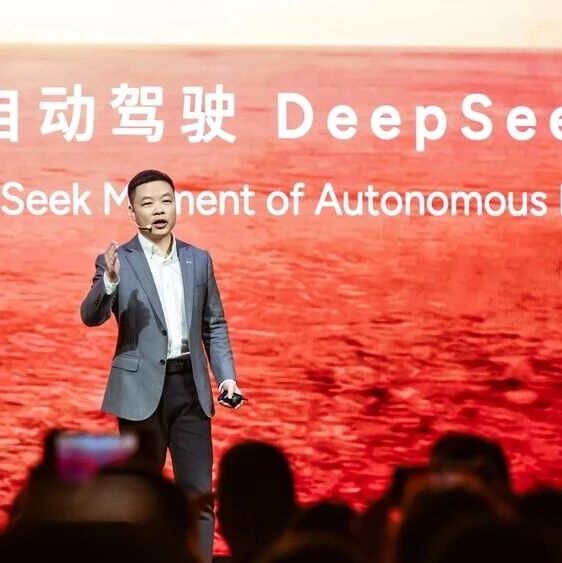
Core Viewpoint - Xiaopeng Motors is facing significant challenges in 2026, with fluctuating delivery volumes amid a market downturn and criticism of its L2-level autonomous driving technology, which the chairman describes as a "Frankenstein" solution. The company is urged to balance immediate consumer needs with long-term technological aspirations [2][3][10]. Market Conditions - The automotive market is experiencing a "淘汰赛" (elimination competition) phase, with consumer sentiment becoming increasingly conservative due to changes in subsidy policies and declining incentives for new energy vehicles. January 2026 saw a 13.9% year-on-year drop in retail sales, with February expected to hit a low point for the year [5][6]. - The shift from "增量竞争" (incremental competition) to "存量绞杀" (stock competition) indicates that maintaining monthly sales above 10,000 units is now a baseline requirement rather than a mark of success [6]. Xiaopeng's Performance - In February, Xiaopeng delivered 15,256 vehicles, significantly lower than competitors like Hongmeng Zhixing (28,212), Leap Motor (28,067), and Li Auto (26,421). NIO was the only company among the "蔚小理" trio to achieve a year-on-year growth of 57.6% [8]. - Despite a challenging sales environment, there are signs of recovery as interest in new models, such as the Xiaopeng X9, has increased following a recent technology launch [9]. Consumer Behavior - Consumers are increasingly focused on practical features rather than futuristic technologies. The market has shifted towards valuing immediate, tangible benefits over speculative advancements like flying cars or Robotaxis [10][20]. - A potential buyer expressed hesitation between Xiaopeng and Li Auto, highlighting the importance of practical features like in-car refrigerators for families, which Xiaopeng currently lacks in its SUV offerings [9]. Strategic Adjustments - Xiaopeng is responding to market pressures by introducing financing options and launching new models, including the second-generation VLA and the new Xiaopeng X9 electric version. The company plans to release seven models with advanced range-extending capabilities in 2026 [19]. - The chairman emphasizes that all technology must enhance current product experiences, indicating a shift towards more market-driven strategies rather than purely technological aspirations [19][20]. Industry Reflection - Xiaopeng's struggles reflect broader trends in the Chinese smart electric vehicle industry, where the focus is shifting from rapid growth to meticulous market engagement. The company must learn to balance technological ideals with commercial realities to survive in a competitive landscape [20].

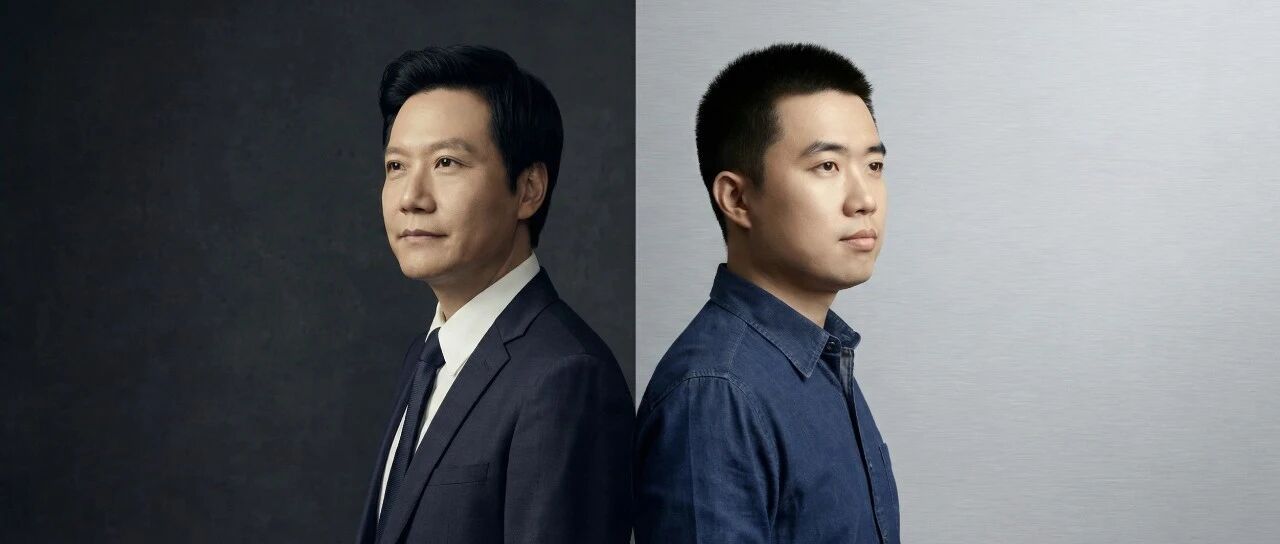
雷军与李想对自动驾驶实现时间不同看法影响小米理想打算造什么车
理想TOP2· 2026-03-07 14:34
Core Viewpoint - The article discusses the differing timelines and expectations for the realization of autonomous driving technology among key industry figures, particularly Lei Jun and Li Xiang, highlighting the impact of these views on company strategies and resource allocation. Group 1: Statements on Autonomous Driving Timelines - Lei Jun stated that within five years, limited areas would achieve autonomous driving, while full implementation would take longer [1] - Li Xiang expressed optimism for L4 autonomous driving to be realized in at least three years, with a more pessimistic view extending to five years [2] - Li Xiang later indicated internally that L4 would definitely be achieved by 2028 [1] Group 2: Impact of Leadership Views on Company Strategy - The differing timelines proposed by Lei Jun and Li Xiang will directly influence their companies' resource allocation, research mindset, and breakthroughs in technology [4] - The article notes that the leadership's belief in the feasibility of achieving autonomous driving in three years affects their perception of vehicle design, moving away from traditional aesthetics [7] Group 3: Historical Context and Company Development - Tesla's aggressive push for electric vehicle production without precedents has influenced other companies, including Li Xiang's realization of market opportunities leading to the founding of Li Auto in 2015 [6] - Xiaomi's entry into the automotive sector in 2021 focused on aesthetics and integrating mature solutions from the Chinese new energy industry [6] - The article emphasizes that the mainstream vehicles in the autonomous driving era will prioritize internal space and comfort over traditional fuel vehicle aesthetics [6]