
反内卷

Search documents
多家钢企实现生产“开门红” A股钢铁板块掀涨停潮
Shang Hai Zheng Quan Bao· 2026-02-25 17:28
Core Viewpoint - The steel industry is transitioning from a "cold winter" to a "warm spring" as production resumes post-Spring Festival and industry fundamentals improve, leading to a strong performance in the A-share steel sector with significant capital inflow [1][2] Group 1: Market Performance - On February 25, the A-share steel sector saw a collective rise of over 5%, with net capital inflow of 1.502 billion yuan, and all stocks in the sector closing in the green [1] - Notable stocks such as Baogang Co., Anyang Iron & Steel, and Linggang Co. reached their daily limit up, indicating strong market sentiment [1] Group 2: Production and Profitability - Several steel companies reported strong production results for January 2026, with Fangda Steel achieving production rates of 105.01% for pig iron, 110.63% for crude steel, and 110.71% for steel products [1] - Over half of the nearly 30 steel companies that released performance forecasts for 2025 expect positive net profits, with companies like Hualing Steel, Shougang Co., and Liugang Co. projecting net profits exceeding 500 million yuan [1] Group 3: Supply and Demand Dynamics - Steel social inventory continues to rise, but at a slower pace compared to previous years, indicating manageable inventory pressure for steel mills [2] - The demand is expected to gradually improve as workers return post-Lunar New Year, although full demand recovery will take time [2] Group 4: Policy Support - The steel sector benefits from supportive policies, including a joint plan by multiple government departments focusing on governance, supply optimization, transformation promotion, consumption expansion, and cooperation enhancement [2] - Specific measures include precise control of production capacity and promoting quality upgrades for bulk products [2] Group 5: Future Outlook - Multiple institutions express optimism for the steel industry, with China Galaxy Securities highlighting the improvement in supply-demand dynamics and industry profitability as key investment themes [3] - The upcoming peak season for industrial, infrastructure, and real estate activities in March and April is expected to further drive price increases in the steel and construction materials sectors [3]


2026年03月A股策略:3月市场热点或散乱,红利有望再受关注
Xiangcai Securities· 2026-02-25 12:23
Group 1 - The report predicts that both the macro short cycle and macro medium cycle in 2026 are likely to be in a bottom-up rising phase, forming an upward resonance pattern [2][14] - The GDP growth target for 2026 is expected to remain around 5%, with fiscal deficits and local special bonds likely to maintain levels similar to those in 2025 [18][20] - The upcoming National People's Congress and Chinese People's Political Consultative Conference in March 2026 will clarify fiscal and monetary policies for the year [18][22] Group 2 - The A-share market is expected to experience scattered hotspots in March 2026, with historical data from 2017 to 2025 indicating a generally downward trend in March [4][25] - The sectors that have shown significant performance in previous March months include professional services, fisheries, computer equipment, and IT services, which have low overlap with the technology and "anti-involution" sectors that performed well in early 2026 [4][30] - The report anticipates that the Hong Kong stock market will follow the A-share market and remain in a state of fluctuation due to various factors, including the expected stability of the RMB and the impact of the upcoming political meetings [5][36] Group 3 - The bond market is projected to show a "bear steepening" trend in March, supported by a continued moderately loose monetary policy and increased confidence from the political meetings [6][39] - In the commodity market, short-term volatility in crude oil prices is expected to increase due to geopolitical risks, while precious metals and strategic metals are still viewed positively [6][43] - The report highlights that the "anti-involution" and national security strategies are driving demand for strategic metals, which are becoming key production factors [43] Group 4 - Long-term investment strategies should focus on sectors benefiting from the "14th Five-Year Plan," particularly in new productive forces such as technology and environmental protection [7][44] - Short-term opportunities may arise in traditional sectors related to "anti-involution," while defensive long-term capital is expected to enter dividend-related sectors [7][45]

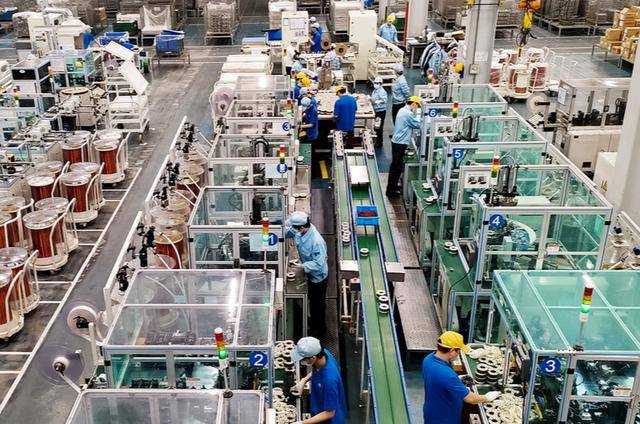
中国开始真反内卷了?这背后是一场产业革命级重构!
Sou Hu Cai Jing· 2026-02-25 11:52
Core Viewpoint - The manufacturing industry is facing intense price wars, leading to thinner profit margins and inadequate R&D investment, which in turn affects product quality. Despite impressive international surplus figures, increasing anti-dumping measures and tariffs from Europe and the U.S. pose significant challenges for domestic industries [2]. Group 1: Price Competition and Regulatory Actions - The Central Financial Committee's meeting on July 1, 2025, emphasized the need to regulate low-price competition and promote quality improvement while facilitating the exit of outdated production capacity [4]. - Major companies in the photovoltaic glass industry agreed to collectively reduce production by 30%, lowering supply to approximately 45 GW [5]. - The automotive industry introduced compliance guidelines for pricing, while the Ministry of Agriculture held discussions on capacity regulation in the pig farming sector [7]. Group 2: Capacity Reduction and Market Regulation - The governance of overcapacity is being effectively addressed, with companies in the photovoltaic glass sector reducing output through various methods, and the steel and cement industries adopting staggered production practices [12]. - Regulatory bodies are actively checking local financial subsidies, correcting violations, and ensuring that resources are concentrated in more efficient sectors [12][14]. - The exit of outdated capacity is being managed with precision, supported by industry associations providing cost reference data and regulatory enforcement against below-cost sales [14]. Group 3: Development of New Productive Forces - The shift from low-end price competition to high-quality development is being prioritized, with resources redirected towards key sectors such as chip manufacturing and quantum computing [16]. - Increased R&D investment and enhanced collaboration between academia and industry are accelerating the transformation of technological achievements [16]. - The manufacturing sector is experiencing marginal improvements in investment, with traditional industries undergoing digital transformation and emerging industries expanding [16]. Group 4: Economic and Market Implications - The combined efforts to combat internal competition and build a unified market are alleviating supply-demand mismatches, leading to moderate price increases and improved corporate profits [18]. - Structural policies are being precisely targeted at key areas, with macroeconomic policies maintaining a stable expansion, which is expected to enhance A-share corporate profit growth [19]. - The overall process aims to transition from a reliance on scale and low prices to a market-driven resource allocation, fostering a healthier industry ecosystem [21].

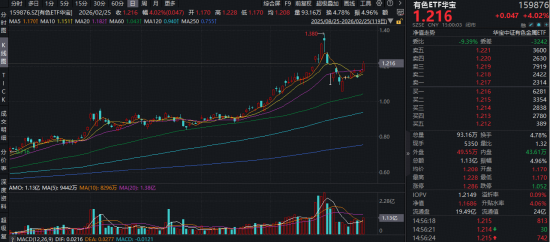
超245亿主力资金狂涌!有色ETF(159876)猛拉4%!“工业牙齿”钨一年暴涨220%,机构:后市还可能接着涨!
Xin Lang Cai Jing· 2026-02-25 11:26
Core Viewpoint - The non-ferrous metal sector has seen a significant inflow of over 24.5 billion in main funds, leading the market in capital absorption, with Northern Rare Earth topping the A-share capital absorption list [1][8]. Group 1: Macro Perspective - The U.S. government is utilizing the Pentagon's AI project to establish "reference prices" for critical minerals and build a global metal trading group, indicating a shift in the global metal market from "cost efficiency first" to "safety premium first" [3][10]. - According to Galaxy Securities, the prices of key mineral resources such as copper, tungsten, and rare earths are expected to rise due to the "safety premium" [3][10]. Group 2: Industry Perspective - Spot gold has approached 5,200 USD per ounce, while tungsten, known as the "industrial tooth," has experienced a strong upward trend since last year, with prices increasing over 220% throughout the year [3][10]. - Five Mining Securities believes that China's dominant position in the tungsten industry chain will remain unchallenged for the next 5-10 years [3][10]. - According to CICC, the global tungsten supply-demand gap is expected to continue to widen from 2026 to 2028, supporting a sustained increase in tungsten price levels [3][10]. Group 3: Performance Perspective - The non-ferrous ETF (159876) has seen over half of its constituent stocks disclose performance forecasts, with more than 80% of stocks expecting earnings growth and over 30% anticipating a doubling of earnings [3][10]. - Bank of China Securities suggests that as the market enters the second phase of a bull market—driven by profit growth—there will be opportunities for revaluation in the non-ferrous metal sector, supported by financial attributes and industry trends [3][10]. - The non-ferrous ETF covers a wide range of metals, including copper, aluminum, gold, rare earths, and lithium, allowing for effective exposure to the sector's beta trends [3][10].
“十五五”开局:告别“内卷”寻找新价值锚点
3 6 Ke· 2026-02-25 11:19
Core Viewpoint - The Chinese telecommunications industry is at a pivotal point as it transitions from "connecting everything" to "intelligent empowerment" during the 14th Five-Year Plan (14th FYP) to the 15th Five-Year Plan (15th FYP) [1] Group 1: Transition and New Challenges - The 15th FYP aims to address the complex "intelligent proposition" as the industry evolves from mere connectivity to integrating computing power as a foundational element [1] - The focus is on AI applications, emphasizing the importance of seizing the high ground in digital transformation to gain an advantage in the digital era [1] - Emerging industries such as low-altitude economy, quantum technology, and 6G are highlighted as key areas for future growth, necessitating proactive planning [1] Group 2: Addressing "Involution" in Competition - The central economic work meeting has identified the need to deeply address "involution" in competition as a key task for 2026, moving from a broad approach to a more focused one [2] - The telecommunications sector is at a historical turning point, shifting from price wars to value-driven competition, which is essential for high-quality development [2] Group 3: Impact of Price Wars - Intense competition in the government and enterprise market has led to unsustainable pricing strategies, with some bids below cost, creating a detrimental cycle [3] - Despite growth in the second revenue stream for major operators, the growth rate for cloud services has significantly decreased, dropping to 10%-15% in 2025 from nearly 30% in 2023 [3] - The personal communication market is characterized by aggressive pricing strategies, with low-cost packages dominating, leading to minimal improvements in network optimization [3] Group 4: Supply Chain Effects - The price pressures faced by operators are transmitted down the supply chain, adversely affecting the survival of integrators and small suppliers [4] Group 5: Regulatory and Market Changes - Since 2026, ultra-low-cost packages have been gradually disappearing, with marketing strategies shifting towards less aggressive promotions [7] - Regulatory actions have intensified, with local governments actively addressing issues related to pricing and service management in the telecommunications sector [7] Group 6: New Assessment Framework - The shift in assessment criteria by the State-owned Assets Supervision and Administration Commission (SASAC) emphasizes quality and cash flow over mere revenue growth, promoting a focus on sustainable profitability [8][10] - The new assessment framework allows for differentiated development among operators, enabling them to pursue unique paths for value creation [10] Group 7: Collaborative Models and Industry Restructuring - Collaborative models have proven effective in reducing costs and increasing efficiency, with significant savings achieved through shared infrastructure initiatives [12] - The potential for extending collaborative models to computing infrastructure and data centers is seen as a promising direction for the 15th FYP [13] Group 8: Future Opportunities - The telecommunications sector is undergoing a critical identity transformation, with opportunities arising from the "technology explosion" that can leverage traditional advantages into new competitive strengths [14] - The focus is shifting towards future industries, with telecommunications seeking new "value anchors" to drive growth during the 15th FYP [14]

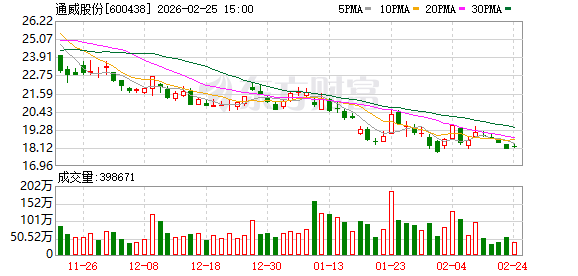
硅料行业大事件! 通威股份拟并购丽豪清能
Mei Ri Jing Ji Xin Wen· 2026-02-25 11:18
Core Viewpoint - The acquisition of Qinghai Lihua Qingneng Co., Ltd. by Tongwei Co., Ltd. is a significant move in the silicon material industry, aiming to enhance production capacity and optimize the industry structure amidst current challenges [2][4]. Group 1: Acquisition Details - Tongwei Co., Ltd. plans to acquire 100% of Qinghai Lihua Qingneng through a combination of issuing shares and cash payments, with the transaction currently in the planning stage [3][5]. - The acquisition is expected to increase Tongwei's silicon material production capacity to over 1 million tons annually, combining its existing capacity of over 900,000 tons with Lihua Qingneng's planned capacity of 200,000 tons [4][6]. Group 2: Strategic Implications - This merger is seen as a key initiative to address "involution" in the photovoltaic industry, promoting a more optimized industrial landscape [2][7]. - The integration of the two companies is expected to enhance operational synergy and cultural alignment, given the historical connections between the management teams [5][6]. Group 3: Financial Considerations - The acquisition strategy involves issuing shares and cash, which is anticipated to alleviate cash pressure and optimize the capital structure, ensuring stable cash flow [8]. - This strategic move is viewed as a long-term investment in high-quality assets and resources, positioning Tongwei for future growth despite current market challenges [8].

车企马年开工信:反内卷、AI、海外成关键词
Jing Ji Guan Cha Wang· 2026-02-25 11:09
Group 1: Industry Overview - The automotive industry is facing dual pressures of "involution" and "elimination," leading companies to adopt both common and unique strategic focuses [3][7]. Group 2: Geely Automotive - Geely Automotive emphasizes a strategy of "anti-involution," focusing on long-term goals in technology, quality, brand, service, and corporate ethics [4]. - The company plans to accelerate AI technology, with the G-ASD H7 solution to be integrated into multiple models by 2026, and aims to enhance the interactive capabilities of its AI assistant, Eva [4]. - Geely will launch a new generation of methanol hybrid vehicles in 2026, with a cost of approximately 0.2 yuan per kilometer, and aims to increase its refueling network coverage to 60% [4]. - The brand is also focusing on high-end products, with the Zeekr 8X set to debut, featuring a unique 900V high-voltage power system [5]. - Geely is transitioning from "international trade" to "product-oriented" strategies, aiming for localized product development to create global benchmark products [6]. Group 3: Changan Automobile - Changan's president emphasizes the need to confront the gap with top-tier companies and outlines six strategies to address market competition and internal efficiency [7][8]. - The company aims to enhance its AI capabilities and expand its overseas market presence, recognizing a limited window of opportunity for growth [8]. Group 4: XPeng Motors - XPeng Motors is positioning itself as a leader in the all-automated driving era, with plans to mass-produce robots, flying cars, and Robotaxis by 2026 [9]. - The company has ambitious overseas sales targets, aiming to double its international sales by 2026 and sell 1 million units by 2030 [9]. - XPeng plans to hire an additional 8,000 employees globally by 2026 to support its growth and enhance its supply chain capabilities [9]. Group 5: SAIC-GM-Wuling - SAIC-GM-Wuling's approach focuses on product innovation and manufacturing efficiency, aiming to meet changing consumer demands through a digital platform [10]. - The company plans to implement a "manufacturing island + digital island + intelligent island" system to enhance production capabilities and efficiency [11]. - The CEO highlights the challenges of the current automotive landscape, including rising raw material costs and the need for rapid product iteration [11].

“反内卷”背景下 韵达股份继续贯彻“全网一体、共建共享”发展理念
Quan Jing Wang· 2026-02-25 10:04
Core Viewpoint - The regulatory policies aimed at curbing "involution" competition are intensifying, with expectations for continued efforts to regulate the industry, particularly in the express delivery sector [1] Industry Summary - The central economic work meeting in December 2025 emphasized the need for a unified national market and the rectification of "involution" competition, with the 2026 postal work meeting signaling strong regulatory measures [1] - Under the "anti-involution" backdrop, express delivery prices are expected to rationally return, with a decrease in the trend of light and small packages, and stricter compliance regulations for e-commerce platforms likely to reduce the volume of express deliveries [1] - The expected growth rate for express delivery business volume is projected to decrease, with a forecast of 13.7% growth in 2025 and around 8% in 2026 [1] - The focus for express delivery companies will shift towards "cost reduction, quality improvement, and efficiency enhancement" to gain competitive advantages and market share [1] Company Summary - Yunda Holdings (002120.SZ) has fully transitioned to a new operational norm, emphasizing "stable, fast, and accurate" services to ensure timely collection and delivery of packages [1] - The company is committed to optimizing network layout, strengthening end management, and enhancing service capabilities through advanced technologies such as digitalization, automation, and unmanned vehicle technology [2] - Yunda's strategy includes "co-building and sharing" and collaborating with franchisees to enhance operational efficiency and service quality, aiming for sustainable growth [2] - In January 2026, Yunda reported a dual growth in express delivery revenue and volume, with revenue reaching 4.802 billion yuan, an increase of 18.01%, and a business volume of 2.231 billion packages, up by 10.83% [2] - The average revenue per package for Yunda was 2.15 yuan, reflecting a year-on-year increase of 6.44% [2] - Market share is expected to gradually concentrate on companies with superior service quality, stronger management capabilities, and healthier networks, with Yunda being closely monitored for its regulatory compliance and competitive strategies [2]

新春开工领涨!鹏华周期类ETF矩阵解锁石油化工复苏新机遇
Zhong Jin Zai Xian· 2026-02-25 08:55
Core Viewpoint - The A-share market experienced a strong start to the new year, particularly in the cyclical sectors, with the oil and petrochemical sector leading the gains at 5.53% [1] Group 1: Market Performance - The oil and petrochemical sector topped the Shenwan first-level industry rankings with a 5.53% increase, while the basic chemical sector ranked third with a 3.45% increase [1] - Institutional consensus indicates a positive outlook for cyclical assets post-holiday, with expectations of a market rebound supported by policy expectations and liquidity [1] Group 2: Investment Opportunities - Key investment themes include the "anti-involution" concept driven by improved supply-demand dynamics and industry profit recovery, with a focus on sectors benefiting from price increases such as precious metals, oil and petrochemicals, and basic chemicals [1] - The global landscape shows increased macro risks due to geopolitical tensions and tariff policies, prompting a focus on "weak dollar assets" like precious metals, non-ferrous metals, and oil and gas [1] Group 3: ETF Performance - Penghua Fund's oil ETF (159697) is the first in the market to track the National Oil and Gas Index, covering key companies in the oil and gas industry, with a one-year increase of 31.43% compared to the 19.34% rise of the CSI 300 index [2] - The chemical ETF (159870) tracks a refined chemical industry index, achieving a one-year growth of 51.79%, effectively capturing structural opportunities in the transition from traditional capacity to high-end and new energy materials [2] Group 4: Liquidity and Market Acceptance - As of February 13, 2026, the oil ETF (159697) and chemical ETF (159870) ranked first in their respective categories with sizes of 1.828 billion and 35.533 billion, indicating strong liquidity and market recognition [3] - These ETFs provide investors with low-cost, high-transparency, and risk-diversified investment tools, addressing the complexities and risks associated with direct investments in cyclical stocks [3]
航空机场2026年1月数据点评:春节错期导致1月数据平淡,春运数据表现良好
Dongxing Securities· 2026-02-25 08:45
航空机场 2026 年 1 月数据点评:春节错期 导致 1 月数据平淡,春运数据表现良好 事件:上市航司发布 2026 年 1 月运营数据。受春节错期影响,数据表现较为 平淡,但我们认为实际情况好于预期。 国内航线:春节错期导致 1 月运力投放同比下降,春运数据表现良好 2026 年 1 月上市公司国内航线运力投放同比下降约 4.3%,环比 25 年 12 月提 升约 5.8%。行业备战春运,运力投放环比有较明显提升。但由于 26 年春节较 25 年晚了近 3 周,春节错期导致今年 1 月运力投放同比是下降的。 客座率方面,1 月上市公司整体客座率较 25 年同期提升约 1.6pct,同比继续 改善;环比 12 月则下降 0.4pct。由于今年春节较晚,但航司的运力投放已经 提前部署,因此 1 月客座率表现环比看并不强势。我们认为这是正常现象,随 着春运逐渐发力,预计 2 月客座率环比会有较明显提升。 根据民航局数据,2 月 15 日起的 9 天春节假期期间,全国民航累计运输旅客 2205 万人次、保障航班 17.1 万班,日均 245 万人次、18956 班,分别较 2025 年春运同期增长 7.7%、4. ...