
下沉市场

Search documents
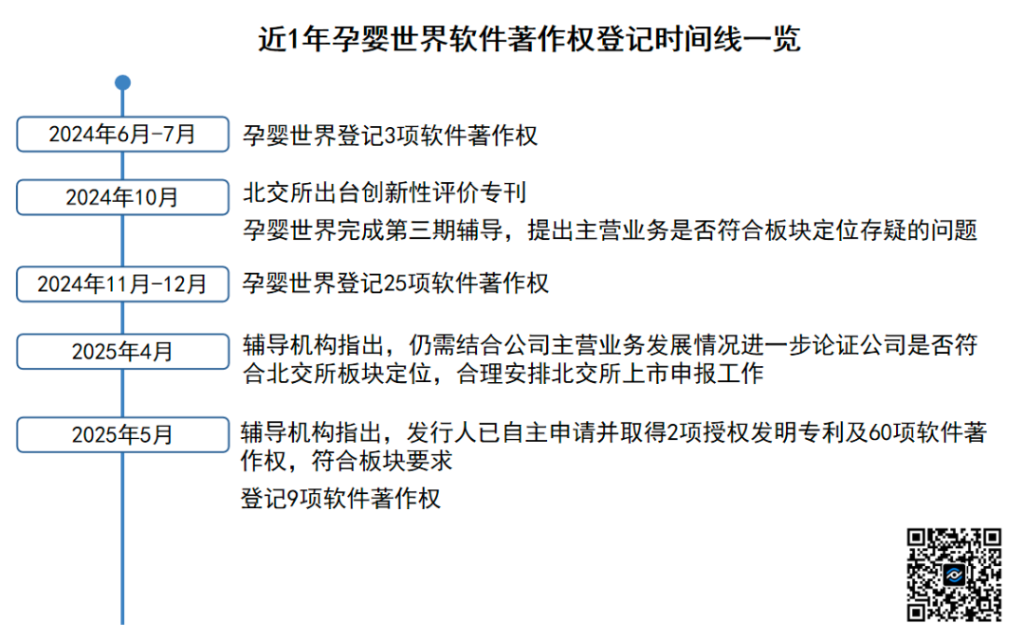
筹备北交所上市急凑创新指标?孕婴世界超3成著作权半个月内“突击登记”
Hua Er Jie Jian Wen· 2025-07-18 16:17
Core Viewpoint - Chengdu Yunyin World Co., Ltd. has received acceptance for its application to list on the Beijing Stock Exchange, potentially becoming the first chain franchise stock in the market, leveraging its unique business model focused on franchise stores for maternal and infant products [1][4]. Group 1: Business Model and Market Position - Yunyin World operates a franchise model, selling various maternal and infant products through over 2,200 franchise stores, which have increased from approximately 1,300 in early 2022 [3][11]. - The company's revenue has surpassed 1 billion yuan, with projected revenues and net profits for 2024 at 1.003 billion yuan and 120 million yuan, respectively [5]. - Yunyin World acts as a B2B intermediary, connecting numerous brand suppliers with franchisees, allowing for lower procurement costs and a gross margin of 12%, which is lower than competitors like Kidswant and Aiyingshi [8][10]. Group 2: Expansion Strategy - The company employs a low-threshold franchise model, charging an annual fee of 5,000 yuan per store, and allows franchisees to open multiple stores in specific regions [9]. - Yunyin World plans to use funds from its IPO to expand its sales service network, targeting the establishment of over 2,000 new franchise stores across various regions, with an expected annual profit increase of 35 million yuan from this expansion [18]. Group 3: Competitive Landscape - The company faces increasing competition as Kidswant has initiated a plan to open 500 franchise stores by 2025, intensifying the competition in the lower-tier market [20][21]. - Despite being in a lower-tier market, Yunyin World's store efficiency is competitive, with a store productivity of 10,400 yuan per square meter per year, comparable to industry peers [16]. Group 4: Innovation and Compliance Challenges - Yunyin World has focused on software copyrights to demonstrate innovation, with 69 copyrights, but over half were registered in the past year, raising questions about the sustainability of this approach [27][28]. - The company's R&D expenses from 2022 to 2024 were below 1% of revenue, failing to meet the Beijing Stock Exchange's requirements for innovation investment [26][25]. - There are concerns regarding whether Yunyin World meets the listing criteria of the Beijing Stock Exchange, particularly in terms of its business model and innovation metrics [33].

“华尔街收购之王”接近拿下“国潮汽水”大窑
Guan Cha Zhe Wang· 2025-07-17 06:30
Core Viewpoint - KKR is set to acquire an 85% stake in Vista International, which is linked to the beverage brand Dayao, indicating a significant move in the Chinese beverage market [1][3][4]. Transaction Overview - KKR will gain indirect control over the target company, Vista International, which operates in the beverage sector in China [3]. - The acquisition was approved by the Chongqing Municipal Market Supervision Administration on July 4, 2025 [1]. Company Background - Dayao, founded in the 1980s, has expanded its market presence since 2014, focusing on less developed northern regions of China [9]. - The company has seen significant revenue growth, with estimates suggesting revenues of around 10 billion in 2024, and possibly reaching 30 billion in 2023 [9][10]. Market Position and Strategy - Dayao has positioned itself as a strong player in the regional beverage market, with a sales increase of 4.35% year-on-year as of May 2023, and a market share growth exceeding 10 percentage points [10]. - The brand has effectively targeted the dining channel, with approximately 70-80% of its revenue coming from this sector [12]. Future Prospects - Analysts believe that KKR's investment could accelerate Dayao's transition from a regional brand to a national player, leveraging KKR's resources and management expertise [13]. - Dayao aims to continue its national expansion with the slogan "Big Soda, Drink Dayao," targeting broader consumer reach [12].

谁在为“毛孩子”买单?宠物经济背后的“它消费” | 观产业
高毅资产管理· 2025-07-16 09:30
Core Insights - The rise of the "pet economy" in China is driven by social changes, consumption upgrades, and technological empowerment, with pets increasingly viewed as family members rather than mere tools [2][6][10]. Group 1: Emotional Value Drivers - The demand for emotional companionship is growing, as pets provide significant comfort and reduce stress in modern society [8]. - Factors such as the increase in single-person households, an aging population (over 310 million aged 60 and above), and declining birth rates contribute to the rising need for emotional support from pets [9]. Group 2: Key Influencing Factors - Increased consumer spending power leads to a rise in demand for pets, with a positive correlation between pet industry growth and GDP per capita [10]. - Urbanization accelerates the pet market's development, especially in lower-tier cities where growth potential remains high [11]. - The aging population drives the expansion of the pet market, with older adults increasingly viewing pets as family members and investing in quality pet care [15]. - The single economy presents new growth opportunities for the pet industry, as pets become integral to family life amid low birth rates [17]. - Diverse family structures, including childless couples, elevate the demand for pets as emotional companions [19]. Group 3: Consumer Demographics - The primary consumer base for the pet market consists of individuals born in the 1990s and 2000s, who account for 67.7% of market share and prioritize pet quality and personalized needs [21]. - The elderly population is increasingly investing in pet care, with significant growth in spending on pet food and health management [24]. - First- and second-tier cities dominate the pet ownership landscape, but there is notable growth in pet ownership in lower-tier cities, with a 30% increase in 2023 [26]. Group 4: Market Size and Segmentation - The Chinese pet market surpassed 592.8 billion yuan in 2023 and is projected to reach 811.4 billion yuan by 2025 [30]. - Pet food and medical care are the two largest segments, with pet food accounting for 52.2% of the market, driven by a shift towards higher quality and specialized nutrition [35]. - The pet medical sector holds a 28.5% market share, with increasing demand for specialized care due to the aging pet population [36]. - Pet supplies and services are also growing, with smart pet products expected to reach nearly 7 billion yuan by 2024, reflecting a 13.9% annual growth rate [38]. Group 5: Future Trends - The trend of domestic brand preference is rising, with 32.9% of dog owners and nearly 35% of cat owners favoring local brands by 2024 [41]. - The pet industry is experiencing a dual empowerment of consumption upgrades and technological advancements, with a growing acceptance of high-end services and personalized pet care [44]. - The concept of "pet-friendly" spaces is becoming integral to urban development, with businesses increasingly catering to pet owners [46]. - The "silver economy" and lower-tier markets are emerging as new frontiers for the pet economy [47].

同程旅行(0780.HK):造梦大鱼 乘势腾盈
Ge Long Hui· 2025-07-14 11:25
Company Overview - Tongcheng Travel, a leading one-stop travel platform in China, was formed through the merger of two major online travel agencies, eLong and Tongcheng Network, focusing on the lower-tier markets [1] - The company has leveraged its strategic merger to achieve ecological synergy in traffic entry and supply chain, establishing itself as the third force in the OTA industry [1] - eLong, an early OTA platform, focused on accommodation bookings in second and third-tier cities, while Tongcheng initially specialized in B2B services before transitioning to a consumer-facing platform [1] OTA Industry - The tourism environment is experiencing a strong recovery, with domestic travel consumption showing resilience and outbound travel continuing to recover [1] - The OTA sector is benefiting from high demand resilience, the establishment of online booking habits, and an increasing share of young and independent travelers [1] - In 2021, the market shares of major players were 36% for Ctrip, 21% for Meituan, and 15% for Tongcheng, indicating a differentiated competitive landscape [1] Competitive Advantages - Tongcheng focuses on the lower-tier markets, benefiting from support from major shareholder Tencent in terms of traffic and inventory supply [1] - The company has established a robust supply chain, covering over 720 airlines, 390 million hotels, and various travel services, enhancing its resource availability [1] - The user base is expanding in lower-tier cities, with 70% of new paid users from non-first-tier cities, indicating significant growth potential in this segment [1] Growth Highlights - The company is deepening its supply chain resources through investments and acquisitions, particularly in the upstream tourism resource sector [1] - Tongcheng has established a hotel management business and is expanding its brand matrix, with over 2,500 hotels under management [1] - The acquisition of Wanda Hotel Management and travel agency business enhances its market positioning and capitalizes on the recovery of outbound travel [1]
白牌才是县城的“救世主”
创业邦· 2025-07-14 03:37
Core Viewpoint - The article emphasizes the dominance of "white label" products in county-level markets, highlighting their affordability, practicality, and local acceptance, which contrasts with the challenges faced by established brands in penetrating these markets [6][7][20]. Summary by Sections White Label Products in County Markets - White label products are favored in county markets due to their low prices and high cost-performance ratio, filling gaps left by established brands [6][7][29]. - Consumers in these areas often prioritize practicality over brand recognition, leading to a strong preference for local white label goods [20][21]. Case Studies of Local Merchants - Local merchants like Chen Jie and Xiao Xia prefer selling white label products due to higher profit margins compared to branded items, which often yield limited profits [9][11][15]. - Chen Jie reports that selling a case of local white label drinks can yield profits equivalent to selling multiple cases of branded drinks [11][36]. Challenges for Established Brands - Established brands struggle to penetrate county markets due to low brand recognition and high operational costs, leading to a reliance on local white label products [18][19][28]. - The article notes that many county consumers are not brand-conscious and focus on the value and quality of products instead [20][21]. Future of White Label Products - The rise of white label products has prompted traditional brands to reconsider their strategies for entering county markets, with some launching lower-priced product lines [31][32]. - Despite their current success, white label products face challenges such as quality inconsistency and competition from both established brands and e-commerce platforms [33][36]. Economic Impact - White label products are becoming a crucial economic support in county areas, catering to the needs of low-income consumers and driving local economies [27][29]. - The article suggests that the future of white label products will depend on their ability to improve quality and build consumer trust while navigating the competitive landscape [36].

同程旅行(00780):深度报告:造梦大鱼,乘势腾盈
Changjiang Securities· 2025-07-13 12:43
Investment Rating - The report assigns a "Buy" rating for the company [5][14]. Core Insights - The travel economy is thriving, with resilient consumer spending on travel, indicating significant growth potential in the tourism sector. The OTA industry is experiencing improved operational ecology and a more favorable competitive landscape. The strategic partnerships with major shareholders Tencent and Ctrip provide low-cost traffic and resource sharing, enhancing stability and growth prospects. The company is expanding its tourism value chain through acquisitions and developing its hotel management business as a second growth curve, benefiting from the recovery of outbound travel. The company's profitability is on an upward trajectory due to optimized user marketing strategies and improved ROI from outbound travel. The report anticipates revenue growth from 197 billion to 260 billion CNY from 2025 to 2027, with adjusted net profits increasing from 33 billion to 46 billion CNY during the same period [5][10][12]. Company Overview - The company, formed from the merger of two leading online travel platforms, has established itself as a dominant player in the OTA sector, particularly in lower-tier markets. The merger has allowed for a deep integration of user resources and supply chains, enhancing its competitive position against major rivals [9][22][25]. OTA Industry Analysis - The current tourism environment is robust, with domestic travel showing steady growth. The OTA sector is well-positioned to benefit from the high resilience of travel demand, the establishment of online booking habits, and the increasing preference for personalized travel experiences among younger consumers. The competitive landscape is stabilizing, with major players focusing on differentiated strategies to capture market share [10][35][44]. Competitive Advantages - The company leverages its partnerships with Ctrip for resource sharing and Tencent for low-cost customer acquisition through its ecosystem. It has a strong supply chain, covering over 720 airlines and 390 million hotels, which enhances its service offerings. The focus on lower-tier cities is expected to drive user growth, with a significant portion of new users coming from non-first-tier cities [11][29][36]. Growth Highlights - The company is deepening its supply chain through acquisitions and investments, particularly in hotel management and travel agency businesses. This strategy aims to capture growth opportunities in the recovering outbound travel market. The report highlights the potential for improved profitability as marketing strategies and operational efficiencies are optimized [12][66].
大河南“下沉市场” ,托起千亿“蜜雪冰城”
21世纪经济报道· 2025-07-12 00:10
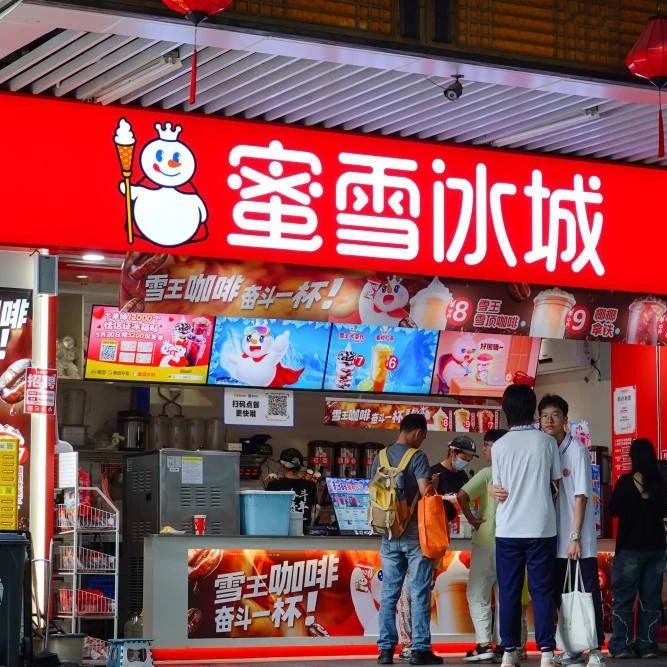
Core Viewpoint - Mixue Ice City, a tea beverage brand originating from Henan, has successfully expanded its market presence by leveraging its local roots and focusing on the lower-tier markets, achieving a market capitalization of 195.3 billion HKD as of July 11, 2025 [5][6]. Group 1: Company Background and Development - The founders of Mixue Ice City, Zhang Hongchao and Zhang Hongfu, are brothers from a rural background in Shangqiu, Henan, with Zhang Hongchao starting his entrepreneurial journey by selling shaved ice in 1997 [1][2]. - The brand officially launched in 1999 with its first physical store, initially offering shaved ice, Chinese, and Western cuisine, before focusing on ice cream in 2005, which became a hit product [3][4]. Group 2: Market Expansion and Strategy - Mixue Ice City has expanded significantly, with a notable presence in lower-tier cities, where over half of its 41,584 stores are located [26]. - The company’s headquarters in Zhengzhou serves as a strategic hub, benefiting from the city's transportation network and high foot traffic, with daily customer flow exceeding 350,000 at the nearby Zhengzhou East Station [12][19]. Group 3: Production and Infrastructure - The company has invested heavily in its production base in Henan, which spans approximately 342,000 square meters and has an annual production capacity of 1.21 million tons [13][14]. - Mixue Ice City is also developing a new training campus in Henan, which will enhance its operational capabilities and employee training [15][16]. Group 4: Market Position and Consumer Engagement - The brand's success is attributed to its focus on affordability and value, particularly in lower-income regions, where it has established a strong market presence [22][27]. - Mixue Ice City has effectively engaged local talent, with a significant percentage of potential employees expressing interest in working for the company, indicating a positive perception of job opportunities [26].
大河南下沉市场,托起千亿蜜雪丨消费新势力
2 1 Shi Ji Jing Ji Bao Dao· 2025-07-11 12:51
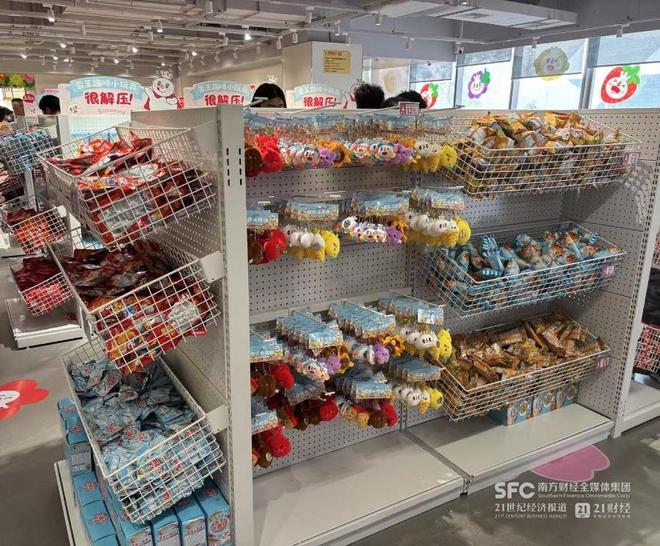
Core Insights - The article highlights the growth and strategic significance of Mixue Ice City, a tea beverage brand originating from Henan, China, emphasizing its successful expansion and market positioning in lower-tier cities [5][23]. Company Background - Mixue Ice City was founded by brothers Zhang Hongchao and Zhang Hongfu, who started with a small shaved ice stall in 1997 before officially launching the brand in 1999 [1][2][3]. - The company gained popularity with its 1 yuan ice cream in 2005, leading to rapid expansion and the establishment of independent stores [3][4]. Strategic Importance of Henan - Henan serves as a crucial hub for Mixue, with its headquarters located in Zhengzhou, which is strategically positioned near major transportation routes [6][13]. - The company has invested significantly in its headquarters and production facilities in Henan, with a production base capable of producing 1.21 million tons of food materials annually [9][10][14]. Market Positioning - Mixue has successfully tapped into the lower-tier market, with over half of its 41,584 stores located in third-tier cities and below, reflecting its strategy of offering affordable products [22][23]. - The brand's growth is supported by a strong local workforce, with many employees returning from larger cities to work at Mixue, indicating its appeal as an employer in the region [21][22]. Financial Performance - In 2024, Mixue reported revenue of 24.829 billion yuan, marking a year-on-year growth of 22.3%, driven largely by its presence in lower-tier markets [22].
深度*公司*同程旅行(00780.HK):下沉市场OTA龙头 拥抱大众旅游时代红利
Ge Long Hui· 2025-07-11 03:21
Company Overview - Tongcheng Travel is a leading OTA in China's lower-tier markets, benefiting from the tourism boom and backed by major shareholders Tencent and Ctrip, which provide significant traffic and supply chain advantages [1][2] - The company was formed from the merger of Tongcheng and eLong, positioning itself among the top three in the OTA industry [1] Financial Performance - In 2024, the company is expected to achieve revenue of 17.34 billion yuan, a year-on-year increase of 45.8%, and an adjusted net profit of 2.79 billion yuan, up 26.7% year-on-year [1] Industry Dynamics - The online travel market is projected to exceed 1 trillion yuan in 2024, driven by high demand in the cultural tourism sector and low penetration rates in lower-tier cities [1][2] - The current market structure is characterized by one dominant player (Ctrip) and several strong competitors (Tongcheng, Meituan, Fliggy) engaging in differentiated competition [2] Competitive Advantages - The company has over 80% of its users from non-first-tier cities, allowing it to capitalize on the growth potential in lower-tier markets [2] - Deep collaboration with Tencent and Ctrip enhances the company's customer acquisition and supply chain capabilities, providing a competitive edge [2] Future Growth Prospects - The company is actively expanding into hotel management and vacation services, as well as international markets, which are expected to contribute to revenue growth [2] - Projections indicate that the company will achieve net profits of 2.707 billion, 3.369 billion, and 4.082 billion yuan from 2025 to 2027, with corresponding P/E ratios decreasing over the years [2]
浙商证券25年社服行业中季报前瞻:线下调改升级 本地生活竞争加速
智通财经网· 2025-07-10 09:27
Group 1: Macro Economic Trends - The offline retail cycle is approaching, supported by macroeconomic factors, pricing, and consumer policies, with innovation driving this transformation and enhancing profitability [1] - In Q1 2025, domestic travel reached 1.794 billion trips, a year-on-year increase of 26.4%, with urban residents contributing 1.318 billion trips, up 22.4% [2] - The overall tourism market in 2025 is expected to focus on cost-effectiveness, with significant growth in lower-tier markets and county tourism [2] Group 2: Travel and Tourism Insights - Cross-border travel is rapidly recovering, with 160 million inbound and outbound trips in Q1 2025, a year-on-year increase of 15.3%, reaching 95.6% of 2019 levels [2] - A significant portion of travelers, 81%, prefer not to follow trends to popular destinations, indicating a shift towards personalized travel experiences [3] - The demand for better travel products and services is high among older travelers, with 84% expressing this desire [3] Group 3: OTA and Competition Landscape - The competitive landscape in the OTA sector remains stable, with expectations for revenue growth driven by enhanced monetization rates [4] - JD.com is increasing its investment in the hotel sector, while Tongcheng is tapping into lower-tier markets to boost revenue [4] - Ctrip is entering a rapid expansion phase, although it may impact overall profitability [4] Group 4: Retail and Consumer Behavior - Offline retail is expected to recover in Q4, with a year-on-year growth of 5% in retail sales from January to May 2025 [6] - The retail landscape is shifting from traffic acquisition to optimizing existing customer bases, with innovation being crucial for this cycle [6] - Various retail formats are showing signs of recovery, with department stores and specialty shops returning to positive growth [6] Group 5: Hospitality Sector - Hotel demand is recovering, with a projected 10% growth in GMV for Q2 2025, although supply expansion is putting pressure on RevPAR [7] - Economic hotels are performing better than mid-to-high-end hotels, reflecting ongoing trends in consumer preferences [7] Group 6: Local Lifestyle and E-commerce - Competition in local services is intensifying, with major players like Meituan, JD.com, and Alibaba increasing their market presence [8] - The instant retail market in China is projected to reach 780 billion yuan in 2024, growing at 20% year-on-year [8] - E-commerce platforms are expected to enhance their instant retail strategies to capture market share [8] Group 7: Investment Recommendations - Recommended stocks include Yonghui Supermarket, Chongqing Department Store, and Meituan for offline retail; Alibaba for e-commerce; and Ctrip for OTA platforms [9]
