软件定义汽车

Search documents
上市公司动态 | 科大讯飞预计上半年亏损减半,赛力斯上半年净利预增66%-97%,药明康德预计上半年净利增四成
Sou Hu Cai Jing· 2025-07-10 15:46
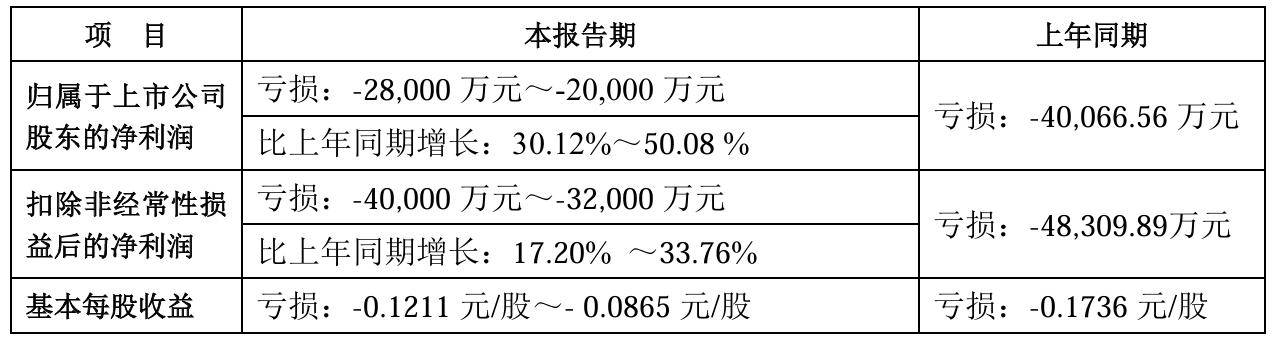
Group 1 - iFlytek expects a significant reduction in losses for the first half of 2025, with projected revenue growth of 15%-20% and net profit growth of 30%-50% compared to the same period last year [1][2] - The company anticipates a gross profit increase of over 600 million yuan, with total sales receipts around 10.3 billion yuan, reflecting a year-on-year increase of approximately 1.3 billion yuan [1][2] - iFlytek's strategic focus on artificial intelligence and continuous investment in R&D, which constitutes about 20% of revenue, has led to healthy growth in its core business, particularly in the consumer sector [2][3] Group 2 - Seres expects a net profit increase of 66.20% to 96.98% for the first half of 2025, with projected net profit between 2.7 billion to 3.2 billion yuan [4] - The company's performance is attributed to its commitment to a software-defined vehicle strategy and the successful launch of new products in the second quarter of 2025 [4] Group 3 - WuXi AppTec anticipates a 44.43% increase in adjusted net profit for the first half of 2025, with expected revenue of approximately 20.8 billion yuan, a year-on-year growth of about 20.64% [5][6] - The growth is driven by the company's focus on its integrated CRDMO business model and the successful sale of part of its stock in WuXi XDC Cayman Inc., contributing an estimated gain of 3.21 billion yuan [6] Group 4 - China Shipbuilding expects a net profit increase of 98.25% to 119.49% for the first half of 2025, with projected net profit between 2.8 billion to 3.1 billion yuan [10] - The company has benefited from improved order structures and effective cost control, leading to significant revenue growth [10] Group 5 - Huadian Power anticipates a net profit increase of 62.62% to 70.22% for the first half of 2025, with projected net profit between 642 million to 672 million yuan [20] - The growth is attributed to effective cost reduction strategies and stable production processes [20] Group 6 - Lotus Holdings expects a net profit increase of 58.67% to 68.59% for the first half of 2025, with projected net profit between 160 million to 170 million yuan [21] - The company's new product development and sales have shown significant results, particularly in the new retail sector [21] Group 7 - Dongyangguang anticipates a net profit increase of 157.48% to 192.81% for the first half of 2025, with projected net profit between 583 million to 663 million yuan [28] - The company is accelerating its strategic layout in the intelligent computing and humanoid robot sectors, which has begun to yield revenue [28] Group 8 - Walden Materials expects a net profit of 545 million to 587 million yuan for the first half of 2025, reflecting a year-on-year growth of 30% to 40% [29] - The growth is driven by increased market demand across various product lines, including electronic materials and new energy vehicles [29] Group 9 - Sanmei Holdings anticipates a net profit increase of 146.97% to 171.67% for the first half of 2025, with projected net profit between 948 million to 1.042 billion yuan [30] - The company benefits from a favorable competitive landscape and rising demand for its fluorinated refrigerants [30]



赛力斯:2025年半年度净利预增66.20%-96.98%
news flash· 2025-07-10 10:23
Core Viewpoint - Company expects a significant increase in net profit for the first half of 2025, projecting a growth of 66.20% to 96.98% compared to the previous year [1] Financial Performance - Estimated net profit attributable to shareholders is projected to be between 2.7 billion yuan and 3.2 billion yuan [1] - Non-recurring net profit is expected to range from 2.23 billion yuan to 2.73 billion yuan, reflecting a year-on-year growth of 55.13% to 89.92% [1] Strategic Initiatives - The growth is attributed to the company's strategy of software-defined vehicles and user-defined markets [1] - New product launches are driving sales growth and enhancing profitability [1] - Continuous improvement in operational quality is also a contributing factor [1]
欧洲汽车“软”实力有救了?
Zhong Guo Qi Che Bao Wang· 2025-07-10 08:33
Core Insights - European automotive manufacturers and tech companies have formed a software alliance to develop and share advanced automotive software platforms, aiming to regain control over the digital architecture of future vehicles in areas like autonomous driving and connected cars [3][5][12] - The initiative is primarily driven by German automotive industry leaders, with most members being German companies, and it seeks to create an open-source core software stack by 2026 [4][5] - The shift towards "software-defined vehicles" (SDV) is seen as crucial for enhancing vehicle performance and creating new revenue streams for automakers, especially with the integration of AI technologies [5][7] Group 1 - The software alliance includes major automotive manufacturers and suppliers, such as Volkswagen, BMW, Mercedes-Benz, Bosch, and Valeo, and aims to deliver a core software stack by 2026 and start mass production of vehicles based on this stack by 2030 [3][4][5] - The alliance is negotiating with the French automotive association to attract more members and accelerate the transition to SDV while reducing rising R&D costs [5][12] - The development process will follow new standards for open-source technology, focusing on a "code-first" strategy to enhance efficiency and quality in software development [6][10] Group 2 - European automakers have faced significant challenges in software development, with companies like Volkswagen's CARIAD experiencing delays and substantial financial losses, highlighting the difficulties in transitioning to a software-driven model [7][8][11] - The automotive industry in Europe has historically prioritized hardware over software, leading to a lack of focus on software capabilities and a reliance on external suppliers for software development [10][11] - The shortage of software talent in Europe, compounded by a weak consumer software ecosystem compared to the US and China, poses a significant barrier to the development of competitive automotive software solutions [11][12] Group 3 - The formation of the software alliance represents a proactive attempt by the European automotive industry to enhance its influence in the digital automotive landscape and address its software shortcomings [12] - European automakers are also collaborating with Chinese tech companies to bolster their software capabilities, recognizing the advanced state of software development in China [12]

杰兰路最新报告出炉 问界以“超强信心”领跑行业 问界M9拿下车型净推荐值榜首
Zhong Guo Chan Ye Jing Ji Xin Xi Wang· 2025-07-10 05:40
Core Insights - The article highlights the strong market performance and brand potential of the AITO brand, which is a collaboration between Seres (601127) and Huawei, showcasing a new path for brand value development in the era of new energy vehicles [1][3]. Brand Confidence Index - AITO ranked first in the "Development Confidence Index" in the 2025 semi-annual research, receiving an "Ultra Strong Confidence" rating for the second consecutive time since the second half of 2024 [3]. - The brand has delivered over 700,000 vehicles in 40 months, reflecting high consumer confidence in its future development [3]. Brand Awareness - AITO's brand awareness remains stable at 90%-95%, comparable to traditional luxury brands like BMW, Benz, and Audi [6]. - The brand's "Preference Index" stands at 41, ranking fifth and surpassing traditional luxury brands, indicating a consensus on its new luxury positioning of "traditional luxury + technological luxury" [6]. Brand Tier Index - AITO's brand tier index has risen from "mid-high-end" to "high-end" since the first half of 2023, aligning it with traditional luxury brands [7]. - The launch of the AITO M9 SUV, priced in the 500,000 range, has significantly contributed to this brand tier elevation, with over 200,000 units delivered [7]. Smart Luxury Redefined - AITO defines luxury through its "software-defined vehicle" approach, emphasizing smart technology and user experience [9]. - The brand achieved a Net Promoter Score (NPS) of 82.0 in the second half of 2024, ranking first among 67 mainstream new energy brands, and maintained a score of 74.8 in the first half of 2025, ranking second [9]. Overall Brand Growth - AITO's core indicators have shown consistent growth, reflecting systematic brand building and the rapid growth of the new energy sector [12]. - The brand is expected to consolidate its advantages and move deeper into the luxury brand segment based on its positive development trajectory and market reputation [12].
2025中国汽车零部件行业年中观察
Zhong Guo Qi Che Bao Wang· 2025-07-08 02:04
Core Insights - The Chinese automotive parts industry has shown resilience and vitality amidst a challenging market environment, with growth in vehicle production and sales, while facing intensified competition and higher demands for transformation and upgrading [2][3] - The industry is experiencing new challenges such as deteriorating international trade conditions, tightening regulations on intelligent driving, and increased software failure risks, which are reshaping development paths [3][4] - The introduction of new standards and regulations is driving profound changes in the industry, pushing for safety, green initiatives, and intelligent transformation [11][15] Group 1: Market Dynamics - The automotive parts industry benefits from the continuous growth of the new energy and intelligent vehicle market, while also facing unprecedented challenges [3] - The U.S. tariff policy has created uncertainty in the supply chain, prompting companies to diversify markets and adopt flexible trade methods [3][4] - The tightening of regulations in the intelligent driving sector has led to a collective adjustment in marketing strategies among automotive companies [4][5] Group 2: Technological Advancements - The complexity and quantity of automotive software have increased significantly, necessitating a shift towards a new development model that balances safety and efficiency [5][16] - AI technology is becoming a key driver in the automotive parts industry, influencing various sectors from intelligent driving to battery technology [16][17] - The industry is witnessing a trend of "reverse output," where Chinese suppliers are playing a crucial role in global collaborations, showcasing their technological strengths [10] Group 3: Regulatory Changes - The introduction of new mandatory standards is reinforcing the technical barriers in the industry, promoting a shift towards safer and greener practices [11][14] - Recent regulatory changes aim to enhance the safety performance of automotive components, particularly in areas like battery safety and collision protection [13][14] - The implementation of new payment regulations is expected to improve supply chain resilience and foster a collaborative environment among suppliers and manufacturers [8][9] Group 4: Emerging Trends - The automotive parts industry is increasingly exploring cross-industry opportunities, such as eVTOL and humanoid robots, leveraging existing manufacturing capabilities [17][19] - The shift towards electric and intelligent vehicles is reshaping the industry landscape, with a focus on high-quality development and innovation [8][16] - The collaboration between automotive companies and technology firms is leading to advancements in smart vehicle technologies and enhancing overall market competitiveness [10][19]

上半年汽车行业自主品牌市占率再创新高
Zhong Guo Chan Ye Jing Ji Xin Xi Wang· 2025-07-07 22:50
Core Insights - The Chinese automotive market in the first half of 2025 shows significant growth driven by policy guidance, technological innovation, and strategic adjustments by companies, characterized by "total growth, structural optimization, and energy transition" [1] Sales Performance - Major automakers achieved year-on-year sales growth, with domestic brands and new energy vehicles being the primary growth engines, capturing over 68% of the market share [2] - BYD led the industry with total sales of 2.146 million units, a 33.04% increase year-on-year, achieving 39% of its annual target [2] - SAIC Motor reported sales of 2.053 million units, up 12.4%, with its own brands contributing 1.304 million units, a 21.1% increase [3] - Geely's sales reached 1.409 million units, a 47% increase, with its new energy vehicle sales surging 126% [3] - Changan Automobile's sales hit 1.355 million units, marking an 8-year high, with new energy vehicle sales growing 48.8% [3] - Chery Group sold 1.26 million units, a 14.5% increase, with new energy vehicle sales up 98.6% [4] Technological and Strategic Shifts - The automotive industry is transitioning from price competition to technology competition, focusing on smart and globalized strategies [1][7] - Companies are investing in core areas such as battery life, smart driving, and vehicle systems, entering a new phase of "cost reduction and efficiency enhancement" [7] - The trend of "software-defined vehicles" is emerging, with AI integration in manufacturing and improved user experience becoming key purchase factors [7] Global Expansion - Chinese automakers are shifting from "single export" to "overseas factories and localized supply chains," with BYD and Chery establishing production bases abroad [8] - BYD's overseas sales reached 470,000 units, with other companies also increasing their overseas sales proportions [8] Market Outlook - The market is expected to become more competitive and vibrant in the second half of the year, with new models and enhanced production capacities from overseas factories [8]




荷兰半导体巨头牵手零跑,在华设6大研发中心
2 1 Shi Ji Jing Ji Bao Dao· 2025-07-07 13:04
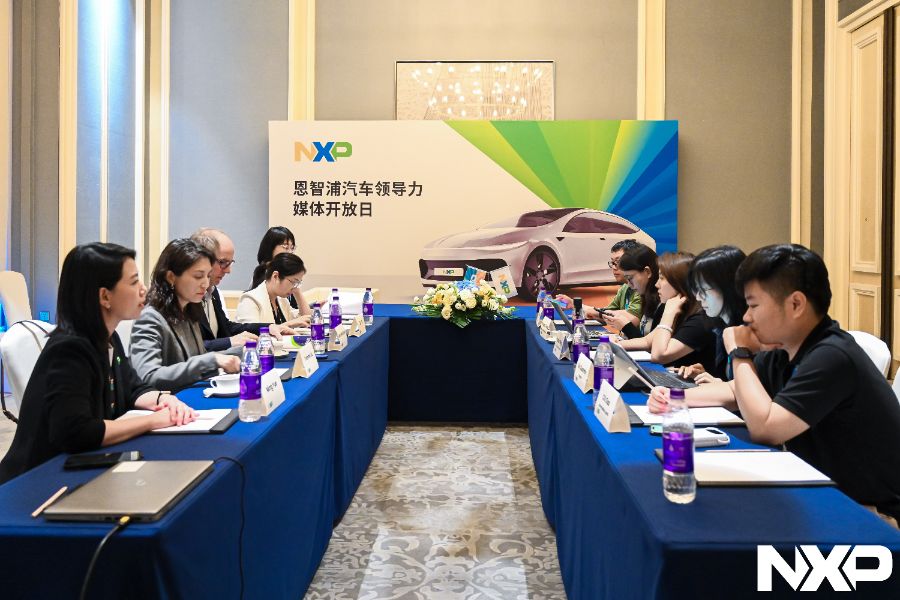
Core Insights - NXP Semiconductors is enhancing its strategy in China, focusing on "localized innovation" and "intelligent technology implementation" in the automotive sector [2][3] - The company has established a China division to improve local responsiveness and product offerings, with a workforce of 6,000 employees and 1,600 engineers in the country [2][3] - NXP's products manufactured in China contribute approximately 18% to its revenue, with one-third of its sales coming from the Chinese market [3][7] Market Dynamics - The automotive market in China is experiencing a compound annual growth rate (CAGR) of over 10%, indicating significant growth potential [3] - NXP has announced collaborations with various partners, including Leap Motor and Great Wall Motors, to enhance its product offerings and innovation capabilities [3][6] Product Development - NXP's CoreRide platform is designed to facilitate scalable innovation, allowing for customized solutions that cater to diverse automotive needs [4][5] - The company is focusing on developing hardware that is compatible with various software solutions, emphasizing the importance of both hardware and software in modern automotive applications [5][6] Strategic Acquisitions - The acquisition of TTTech Auto is aimed at enhancing NXP's software capabilities, particularly in middleware solutions that integrate with various hardware platforms [6][7] - NXP plans to operate TTTech Auto as an independent entity, allowing for flexibility in integrating its software with both NXP and non-NXP hardware [7] Local Manufacturing and R&D - NXP is committed to increasing local manufacturing and R&D efforts in China, with advanced packaging and testing facilities already established [7][8] - The company is collaborating with local foundries, including TSMC and SMIC, to strengthen its manufacturing capabilities in the region [8] Safety and Compliance - NXP is focusing on functional safety in its products, with a trend towards offering ASIL C certified solutions for less critical applications, reflecting the growing importance of safety in automotive systems [11]

欧洲车市攻守战:特斯拉在欧销量下滑,比亚迪们逆势突围
2 1 Shi Ji Jing Ji Bao Dao· 2025-07-03 12:41
Core Viewpoint - Tesla's global vehicle deliveries in Q2 were approximately 384,000, representing a 14% year-over-year decline, marking the second consecutive quarter of negative growth. However, the delivery figures exceeded market pessimistic forecasts, leading to a nearly 5% increase in Tesla's stock price and a market capitalization increase of $48.1 billion in one day [1] Group 1: Delivery Performance - Tesla's Shanghai factory achieved its first year-over-year delivery growth in 2025, with June deliveries from Shanghai reaching 71,599 vehicles, a 0.8% increase year-over-year and a 16% increase month-over-month [1] - In the U.S., the "Big and Beautiful" bill proposed by the Trump administration may lead to a reduction of 100,000 vehicles in Tesla's annual sales due to cuts in clean energy spending and electric vehicle subsidies [1] - Tesla's sales in Europe have been declining for five consecutive months, with market share dropping from 1.8% to 1.2% year-over-year [3] Group 2: Market Challenges - In key European markets, Tesla's sales have seen significant declines, with a 45% year-over-year drop in the UK and a 67% decline in France in May [3][4] - The overall automotive market in the EU saw a 0.6% decline in total sales, while registrations for battery electric vehicles (BEV), plug-in hybrid electric vehicles (PHEV), and hybrid electric vehicles (HEV) increased by 26.1%, 15%, and 19.8% respectively [3] - Tesla's reliance on a single model has put it at a disadvantage, as competitors are launching new hybrid models that address infrastructure limitations in Europe [4] Group 3: Competitive Landscape - Chinese automaker BYD's sales in Europe surged by 397% in May, surpassing Tesla's sales for the first time [7] - Chinese brands collectively saw an 85% increase in sales in Europe, with a market share rising from 2.9% to 5.9% year-over-year [7] - The shift towards hybrid models has allowed Chinese automakers to navigate EU tariffs on pure electric vehicles, as hybrids are not subject to the same tariffs [8] Group 4: Future Outlook - Tesla's introduction of the Robotaxi service is seen as a potential game-changer, but regulatory hurdles in Europe may delay its rollout [5] - Despite recent sales rebounds in some European countries, Tesla continues to face challenges in markets like France, Sweden, Denmark, and Italy, where sales have declined for six consecutive months [6] - The competitive landscape in Europe is becoming increasingly crowded, with both local and Chinese manufacturers ramping up their hybrid offerings [9]

上半年汽车行业生态加速重塑 自主品牌市占率再创新高
Zheng Quan Ri Bao· 2025-07-02 17:01
Core Insights - The Chinese automotive market is experiencing significant growth driven by policy guidance, technological innovation, and strategic adjustments by companies, characterized by "total increase, structural optimization, and energy conversion" [1][2] Sales Performance - Major automotive companies have achieved year-on-year sales growth, with new energy vehicles (NEVs) leading the market, and domestic brands reaching a record market share of over 68% [3] - BYD's sales reached 2.146 million units in the first half of the year, a 33.04% increase, achieving 39% of its annual target of 5.5 million units [3] - SAIC Motor's sales totaled 2.053 million units, up 12.4%, with its own brand contributing 1.304 million units, a 21.1% increase [3] - Geely's sales reached 1.409 million units, a 47% increase, with NEV sales surging 126%, prompting an upward revision of its annual target from 2.71 million to 3 million units [4] - Changan's sales hit 1.355 million units, marking an 8-year high, with NEV sales growing 48.8% [4] - Chery's sales reached 1.26 million units, a 14.5% increase, with NEV sales growing 98.6% [4] New Forces and Market Dynamics - New energy-driven market transformation is accelerating the shift towards high-quality development in the Chinese automotive sector [2] - New forces and niche brands are showing a "stable top and chasing tail" trend, with companies like Leap Motor and Li Auto leading in sales among new entrants [5] - Leap Motor sold 222,000 units, while Li Auto sold 203,900 units in the first half of the year [5] Industry Transformation - The automotive industry is undergoing profound changes in policy, technology, and globalization, with a focus on optimizing industry structure and enhancing product consistency [7] - The competition is shifting towards technological advancements, with companies investing in battery life, smart driving, and vehicle systems [8] - Globalization is advancing, with companies like BYD and Chery establishing overseas production bases, marking a shift from simple exports to localized supply chains [8] Strategic Adjustments - Companies are integrating and transforming their marketing strategies, with NIO consolidating R&D resources and Geely privatizing its smart technology unit [9] - The release of new models and the expansion of overseas factory capacities are expected to intensify market competition in the second half of the year [9]
苹果 CarPlay Ultra 初体验:它很好,但却被车企「集体抵制」
3 6 Ke· 2025-07-02 06:45
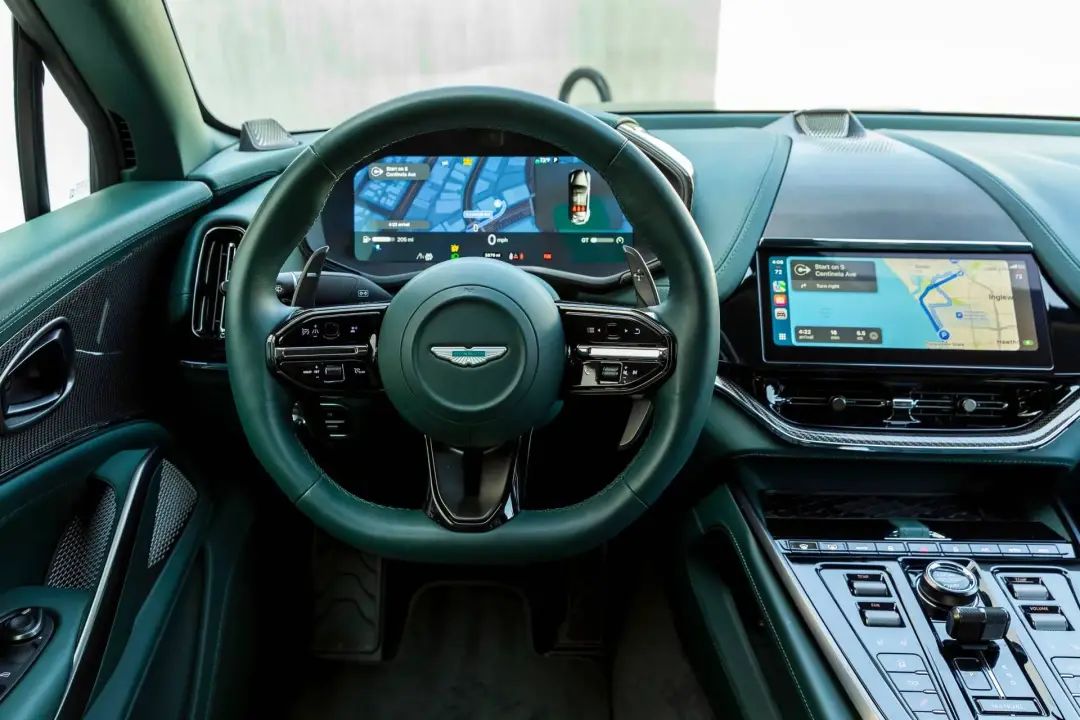
Group 1 - The article presents two contrasting narratives regarding Apple's CarPlay Ultra, with positive reviews from media outlets like The Verge and Top Gear, while major automotive brands express resistance to the system [1][20]. - Aston Martin is the first to adopt CarPlay Ultra, citing a direct response to core user demands, emphasizing the seamless integration and familiarity it offers to owners of multiple luxury vehicles [4][17]. - The integration of CarPlay Ultra allows for real-time communication between the vehicle and the system, enhancing user experience through features like pop-up notifications for vehicle settings [5][15]. Group 2 - The dashboard innovation in CarPlay Ultra allows users to switch between various display modes, enhancing the driving experience with customizable interfaces [7][11]. - CarPlay Ultra operates as a powerful plugin rather than intruding on vehicle data, maintaining a clear boundary between vehicle systems and Apple's software [15][12]. - The system's ability to evolve with each iOS update addresses the common issue of digital experiences becoming outdated, providing a long-term value proposition for vehicle owners [17][19]. Group 3 - Major automotive brands, including Mercedes-Benz, Audi, and Volvo, have publicly stated their resistance to integrating CarPlay Ultra, citing concerns over brand uniqueness and control over user experience [22][24]. - The shift towards software and subscription services is a key focus for automotive companies, as they seek to create sustainable revenue streams beyond hardware sales [24][25]. - A significant consumer preference for vehicles supporting CarPlay or Android Auto creates a dilemma for automakers, balancing market demands with their strategic intentions [27][30]. Group 4 - The emergence of CarPlay Ultra represents a complex competition over control, brand identity, data, and revenue within the automotive industry, reflecting broader tensions between technology companies and traditional automakers [30].