即时零售

Search documents
济南今年将引进大型演唱会、音乐节20场以上
Qi Lu Wan Bao· 2026-01-19 06:39
Core Viewpoint - The report emphasizes the need to fully activate the consumption market potential in Jinan, focusing on expanding both goods and service consumption, and introducing new consumption models and scenarios [1] Group 1: Consumer Market Activation - The government aims to steadily expand commodity consumption and accelerate the replacement of old consumer goods, particularly in automobiles, home appliances, and home furnishings [1] - There is a plan to enhance service consumption by developing the performance economy, event economy, exhibition economy, and ticket economy, with a target of hosting over 20 large concerts and music festivals, more than 40 significant sports events, and 140 exhibition activities including a national auto parts trade fair [1] Group 2: New Consumption Models - The initiative includes actively exploring new business formats and models, fostering the growth of the first-release economy and digital consumption, with a goal of attracting over 100 brand flagship stores [1] - The development of instant retail, social e-commerce, and live e-commerce is prioritized, alongside the activation of the "artificial intelligence + consumption" sector and the innovation of time-honored brands [1] Group 3: Urban Commercial Development - The report outlines plans to upgrade commercial areas such as Quancheng Road and the Old Business District, and to establish and open a Sam's Club [1] - The creation of 1-2 distinctive commercial streets is also part of the strategy, along with the continuous development of the "Quancheng Shopping" brand and the organization of over 1,000 promotional activities related to commerce, culture, and sports [1]
中产为什么还没放弃山姆?
创业邦· 2026-01-19 04:34
Core Viewpoint - The competition in the domestic food delivery market is showing signs of cooling, with a focus on broader instant retail rather than just food delivery, driven by major players like Meituan, Taobao Shanguo, and JD [6][7]. Group 1: Market Dynamics - The State Administration for Market Regulation is investigating the competitive landscape of food delivery platforms, indicating a regulatory focus on the sector [6]. - Instant retail, which encompasses a larger market than traditional food delivery, is becoming a battleground for major players, including Walmart's Sam's Club [6][7]. Group 2: Sam's Club Performance - Sam's Club in China has shown strong growth, with double-digit increases in transaction volume in Q2 and Q3 of 2025, and the total number of stores reaching 63 after opening 10 new locations [7]. - Despite facing negative publicity, such as product quality issues and management changes, Sam's Club continues to see rising sales and membership renewal rates, indicating strong brand loyalty among consumers [10][20]. Group 3: Consumer Trust and Brand Positioning - The brand's ability to maintain consumer trust is crucial, as evidenced by the willingness of consumers to pay membership fees for perceived quality and value [12][14]. - Sam's Club's pricing strategy, such as offering a down-market down jacket at a competitive price, has resonated with middle-class consumers, reinforcing its position as a preferred shopping destination [12][20]. Group 4: Competitive Landscape - Current competitors in the retail space, such as Dingdong Maicai and Hema, focus on different consumer segments and do not effectively meet the needs of Sam's Club's core demographic [22][29]. - Other international brands like Costco and Aldi have not been able to replicate Sam's Club's scale and market penetration in China, further solidifying Sam's Club's unique position [26][29]. Group 5: Expansion Strategy and Challenges - Sam's Club has accelerated its expansion since 2016, with a significant increase in new store openings, but this rapid growth has led to quality control issues [30][34]. - The company is navigating the challenges of maintaining product quality while expanding its footprint, particularly as it seeks to enter lower-tier cities with high-income consumers [37].


社区团购,倒在了2026年?
3 6 Ke· 2026-01-19 02:30
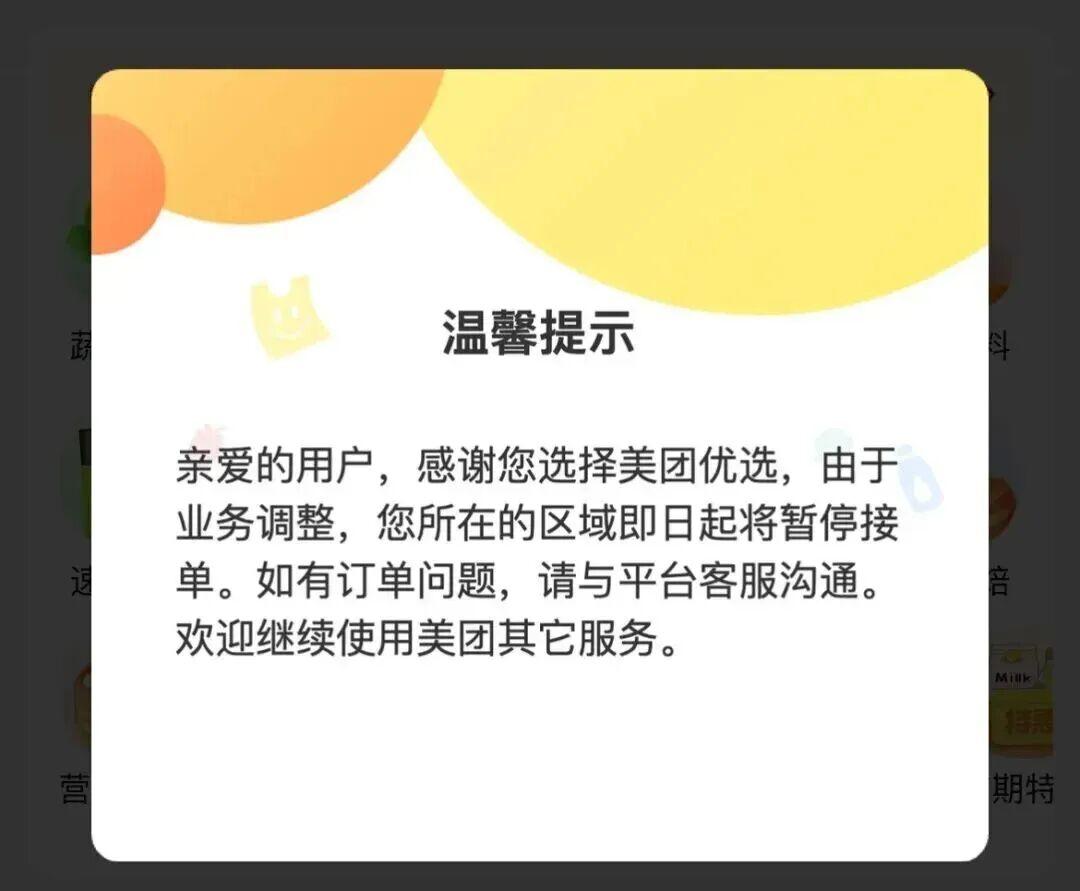
Core Insights - The community group buying sector has rapidly transitioned from explosive growth to a collective retreat, with major players like Alibaba's Taocai Cai, Didi's Orange Heart Selection, and Meituan exiting the market, leaving only Pinduoduo's Duoduo Maicai remaining [1][2] Group 1: Market Dynamics - In 2020, internet giants heavily invested in community group buying, with total financing reaching hundreds of billions and over 200 companies involved, leading to a fierce competition [2] - Regulatory scrutiny began in December 2020, with the introduction of new rules aimed at preventing unfair competition, marking a turning point for the industry [2] - By 2021, the bubble burst, leading to a wave of bankruptcies and significant business reductions among major players, including Didi and JD [3] Group 2: Business Model Challenges - The community group buying model has faced fundamental profitability issues since its inception, relying on heavy subsidies and unsustainable pricing strategies that failed to yield long-term profits [4] - The high loss rates and low margins associated with fresh produce further exacerbated the profitability challenges, leading to long-term losses for many platforms [4] Group 3: Competitive Pressures - The sector faced intense competition, with numerous platforms vying for market share, resulting in resource wastage and increased market saturation [7] - The rise of alternative retail formats, such as discount stores and instant retail, diminished the competitive advantages of community group buying, leading to a decline in market space [7] Group 4: Shift to Instant Retail - Instant retail has emerged as a new battleground for major players, with projections indicating that the market could exceed 1 trillion yuan by 2026 [8] - Changing consumer preferences towards immediate gratification have rendered the community group buying model less appealing, as consumers now prioritize convenience and speed [8] - Major companies are investing heavily in instant retail, with Alibaba, JD, and Meituan all planning significant financial commitments to capture market share [9]




酒行业周度市场观察-20260118
Ai Rui Zi Xun· 2026-01-18 05:08
Investment Rating - The report does not explicitly provide an investment rating for the industry Core Insights - The liquor industry is undergoing a transformation with the rise of instant retail, prompting companies to adapt their strategies for full-chain competition [2] - The market for loose liquor is expected to grow significantly, from 800 billion yuan in 2024 to over 1 trillion yuan in 2025, driven by community consumption and the appeal to younger consumers [2] - The trend of low-alcohol liquor is gaining traction, with major brands launching products to cater to the preferences of younger consumers, although challenges remain in maintaining flavor and stability [5] - The white liquor market is experiencing a shift from high-end to mid-range products, with a focus on value and quality rather than brand prestige [6] - The concept of "user co-creation" is emerging as a key strategy for brands to engage consumers and enhance brand loyalty [13] Industry Environment - Instant retail is becoming a new frontier for liquor sales, with leading brands exploring online channels and innovative models like live streaming [2] - The loose liquor market is being targeted by several well-known brands as a response to inventory pressures and price discrepancies [2] - The high-end liquor segment is facing challenges with declining sales and inventory issues, prompting brands to adjust their strategies [9] - The 400-600 yuan price range for liquor is disappearing in many markets, with actual transaction prices dropping to 300-400 yuan [9] - The wedding market is seeing a resurgence, but overall liquor consumption is declining due to economic pressures [14] Top Brand Dynamics - Wuliangye is implementing a "youthful and scenario-based" strategy with the opening of a cultural experience center in Hangzhou [21] - Shede Liquor is collaborating with high-end dining experiences to showcase the value of premium liquor [22] - The introduction of light-flavored liquor by Niulanshan aims to attract younger consumers and adapt to changing market demands [22] - The report highlights the success of Jinjiao liquor in appealing to young female consumers, marking a shift in the health liquor market [28] - Muddy Pit Liquor is achieving growth through a focus on quality and brand empowerment during the industry's downturn [25]





叮咚买菜连开两城;沃尔玛联名小红书开“玛薯店”
Sou Hu Cai Jing· 2026-01-16 18:59
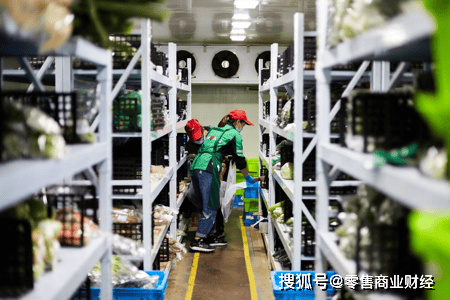
Group 1: Dingdong Maicai Expansion - Dingdong Maicai has accelerated its market penetration by opening new warehouses in Taizhou and Yancheng, Jiangsu, enhancing its fresh food delivery services [1] - The platform launched a "True Assurance Fish" series during the Spring Festival, offering free processing services and over 300 low-GI and organic products [1] - The new warehouses will leverage the existing supply chain capabilities validated in the Jiangsu-Zhejiang-Shanghai region, focusing on differentiated competition in the fresh food sector [1] Group 2: Walmart and Xiaohongshu Collaboration - Walmart has partnered with Xiaohongshu to launch a co-branded retail experience called "Mashi Store" in Shenzhen, featuring over ten new products [2] - The collaboration emphasizes simple ingredients and fresh experiences, utilizing Walmart's global supply chain and Xiaohongshu's community insights for product development [2] - This initiative represents Walmart's innovative approach in the instant retail sector, combining online and offline channels to engage younger consumers [2] Group 3: Linli Tea Brand Financing - Linli, a lemon tea chain, has secured tens of millions in Series A funding, with a valuation nearing 1 billion [4] - The funds will be allocated for brand development, supply chain upgrades, and organizational optimization, as the brand aims to strengthen its supply chain capabilities [4] - Linli plans to expand its product matrix and enhance its emotional connection with consumers through a "tea + IP" model [4] Group 4: Meituan Black Pearl Restaurant Guide Expansion - Meituan's Black Pearl Restaurant Guide will expand to four new cities in 2026, including Nantong, Qingdao, Shijiazhuang, and Shenyang [5] - The new cities will help explore local culinary landmarks and representative restaurants, with the updated list to be released on January 27 [5] - The Black Pearl Guide has been increasing its city coverage annually since 2023, aiming to grow from 19 to 32 cities by 2026 [5] Group 5: Hema Fresh Store Openings - Hema Fresh has opened its first store in Shanxi, covering over 4,000 square meters with more than 7,000 product offerings [7] - The brand's community supermarket, "Chao He Suan NB," is set to open two new locations in Dongguan on January 23, 2026 [7] Group 6: New Product Launches - San Yuan Dairy has introduced a new "Beijing Yogurt" line with four flavors, emphasizing natural ingredients and high protein content [11] - The new yogurt products are available for purchase on JD.com, priced at 29.9 yuan for a pack of four [11] Group 7: Corporate Developments - China Resources Beverage has appointed a new executive director and chairman, with Gao Li taking over leadership roles [14] - The company has established a stable governance system and operational resilience to adapt to market cycles [12]



宜家上海宝山店清仓销售火爆,为转型提供参考
Sou Hu Cai Jing· 2026-01-16 15:44
Core Insights - IKEA is closing seven physical stores in China, including the Baoshan store, starting February 2, 2026, focusing on smaller stores and instant retail development [1] - The Baoshan store's clearance sale served as a significant "stress test," providing direct consumer feedback on IKEA's transformation strategy [1] Group 1: Consumer Behavior - The clearance sale featured over 800 small furniture items with discounts as low as 30%, indicating a strong demand for affordable, practical home goods [2] - Consumers are increasingly targeting small daily necessities rather than large furniture, reflecting a shift in shopping habits towards convenience and design [2] - The popularity of small items like kitchenware and storage solutions suggests that IKEA's role is evolving from a "furniture destination" to a "supplier of affordable design daily necessities" [2] Group 2: Experience and Engagement - The IKEA restaurant saw long lines, with many customers visiting primarily for the dining experience, indicating a shift towards a multi-faceted consumer experience [3] - The integration of dining options like Swedish meatballs and ice cream serves as a "traffic anchor," transforming IKEA into a composite destination for shopping, dining, and leisure [3] - Future small stores need to maintain engaging elements like a coffee corner or signature meals to enhance customer loyalty and emotional connection [3] Group 3: Market Positioning and Strategy - The closure of the Baoshan store leaves a market gap in North Shanghai, highlighting the existing customer base and demand in the area [5] - With Shanghai facing significant population aging, IKEA has explored products and services tailored for older adults, making the Baoshan store a pilot for such initiatives [5] - Future store locations could prioritize the Baoshan area as a "North Shanghai Living Solutions Center," focusing on daily home goods and enhancing services for older adults [5]

菜市场卖猪肉起家,姐姐卖房支持弟弟创业!钱大妈要IPO了,开近3000家店,年入117亿
2 1 Shi Ji Jing Ji Bao Dao· 2026-01-16 13:38
Core Viewpoint - Qian Dama, a leading community fresh food chain in China, has submitted its IPO application to the Hong Kong Stock Exchange after four years of speculation, aiming to capitalize on its rapid growth and market position [1]. Company Overview - Qian Dama has expanded from 100 stores to nearly 3,000 in 10 years, achieving a revenue of 11.74 billion RMB in 2023 [1][5]. - The company has completed five rounds of financing with notable investors including Qiheng Capital and Taikang Insurance [5]. - As of September 30, 2025, Qian Dama operates 2,938 stores across 14 provinces and regions, with 98.6% being franchise stores [5]. Market Context - The community fresh food chain market in China has grown from 240.6 billion RMB in 2019 to a projected 616.2 billion RMB by 2024, with a compound annual growth rate (CAGR) of 20.7% [5]. - The market is expected to continue growing at a CAGR of 15.5%, reaching 1.2664 trillion RMB by 2029 [5]. Business Model and Strategy - Qian Dama employs a "discount day clear" sales model, ensuring all fresh products are sold on the same day to minimize waste [6]. - The company offers a tiered discount system starting at 7 PM, with products being given away for free by 11:30 PM if unsold, effectively controlling waste to around 5% [6]. - Qian Dama has established 16 comprehensive warehouses with a total area exceeding 220,000 square meters, achieving a product turnover time of less than 12 hours [6]. Financial Performance - Qian Dama's revenue is projected to increase slightly from 11.744 billion RMB in 2023 to 11.788 billion RMB in 2024, but a decline is noted in the first nine months of 2025 [7]. - The company's net profit margin fluctuated, with 1.4% in 2023, 2.4% in 2024, and a decrease anticipated in 2025 [7]. - Adjusted net profit for the first three quarters of 2025 is reported at 215.34 million RMB [9]. Competitive Landscape - The fresh food delivery market is highly competitive, with major players like Dingdong Maicai and Meituan entering the space, posing threats to independent community fresh food stores [11]. - Qian Dama's strategy focuses on leveraging its extensive network of community stores to enhance customer experience and maintain market share [13]. Regional Market Dynamics - Qian Dama's stores are primarily located in the South China region, which accounts for 68.6% of its total stores and 65.9% of its revenue [13]. - The company aims to expand strategically into East, Central, and Southwest China, using its success in South China as a benchmark [13].

全场景服务能力获认可,顺丰同城荣获“China PowerBrand in Delivery Services”
Quan Jing Wang· 2026-01-16 12:10
Core Insights - SF Express City has been awarded the "China PowerBrand in Delivery Services" at the 9th PowerBrand Awards 2024/2025, recognizing its service quality and technological innovation in the instant delivery sector [1] Group 1: Company Achievements - SF Express City is the largest third-party instant delivery platform in China, covering a comprehensive business matrix that includes food delivery, local retail, near-field e-commerce, and local services [1] - The company has achieved significant financial performance, with its revenue surpassing 10.236 billion yuan in the first half of 2025, marking a year-on-year growth of 48.8%, and a net profit of 160 million yuan, up 139.0% year-on-year [2] Group 2: Strategic Initiatives - The company is enhancing its business presence in the Hong Kong and Macau regions through the SoFast brand, providing all-scenario, round-the-clock services and collaborating with SF Group to strengthen local service networks [3] - SF Express City is focused on leveraging technology and customer-centric approaches to drive quality and efficiency in the industry, contributing to the evolution of the commercial ecosystem [3]
三全食品(002216) - 2026年1月15日投资者关系活动记录表
2026-01-15 13:26
Group 1: Core Initiatives and Product Adjustments - The company has embraced customization in direct channels, enhancing product quality and customer response speed, leading to a continuous increase in customized product SKUs and improved profitability [2] - New product launches include "China Good Dumplings," "Duo Duo Series" dumplings, and "Golden Ratio Dumplings," which cater to diverse consumer needs and have performed well in the market [2][3] - The company has optimized its distribution structure, supporting weaker regional clients and matching high-growth customers with dedicated service personnel [2] Group 2: Future Growth Opportunities - The company is strategically expanding its instant retail business by deepening collaborations with major platforms like Taobao, Meituan, and JD.com, aiming to accelerate home delivery and flash warehouse operations [3] - Plans to enhance service capabilities for chain restaurant clients and co-develop products to meet evolving customer demands are in place [3] - The company is actively pursuing overseas market opportunities, having obtained necessary investment certifications and completed registrations for subsidiaries in Hong Kong, Cayman Islands, and Australia [3] Group 3: Dividend Considerations - Future dividends will be determined based on the company's development stage, profitability, funding needs, and shareholder returns, aiming for a balanced approach to long-term, stable, and sustainable shareholder returns [3]

爱逛不爱买,宜家该怪谁?
远川研究所· 2026-01-15 13:04
Core Viewpoint - IKEA is undergoing significant changes in the Chinese market, including the closure of several large stores and a shift towards smaller, more efficient store formats while also adjusting pricing strategies to remain competitive in a rapidly evolving retail landscape [3][4][26]. Group 1: Store Closures and Transformations - In early 2026, IKEA announced its largest contraction in China in 28 years, closing seven large stores in cities like Shanghai and Guangzhou [3]. - The company plans to focus on smaller store formats in key markets like Beijing and Shenzhen, with over ten new stores that are one-third the size of traditional locations [4]. - IKEA is investing 160 million RMB to reduce prices on over 150 core products, indicating a strategic shift to attract more customers [4][26]. Group 2: E-commerce Challenges - IKEA's late entry into the e-commerce space has been a significant challenge, with the company only launching its flagship store on Taobao in 2020, despite earlier suggestions to develop an online presence [5][6]. - By 2024, IKEA's sales contribution from China dropped to 3.5%, down from 6% in previous years, highlighting the impact of its delayed digital transformation [7]. - The furniture market has shifted towards online platforms, with competitors leveraging logistics and e-commerce to capture market share, leaving IKEA at a disadvantage [13][15]. Group 3: Standardization and Market Dynamics - IKEA's business model is built on standardization, allowing for efficient production and lower costs, but this has also made it vulnerable to competition from local brands that can replicate its designs at lower prices [17][21]. - The concept of "democratic design" has been challenged by the rise of local manufacturers who can produce similar products at significantly reduced prices, undermining IKEA's market position [21][23]. - The changing dynamics of consumer preferences and the oversupply of standardized products have eroded IKEA's competitive edge, leading to a decline in brand loyalty [23][24]. Group 4: Future Outlook - Despite the challenges, IKEA views the Chinese market as a critical testing ground for its transformation strategies, including the introduction of smaller stores and enhanced online fulfillment [26]. - Local brands are rapidly expanding their presence, with companies like Genji Mu Yu increasing their store count from under 100 to 1,300, indicating a shift in consumer behavior towards more accessible retail experiences [26].