定价权

Search documents
中信证券:近期的出口管制和出口许可制,可能成为有助于对外挺价、对内加速出清落后产能的举措
Zheng Quan Shi Bao Wang· 2025-10-12 09:03
Core Insights - The report from CITIC Securities emphasizes that when a country has significant influence over global supply, it should convert its share advantage into global pricing power and profits to prevent undervaluation of quality resources and waste of industrial capacity [1] - The long-term capital expenditure growth in non-tech industries globally has been persistently low, and traditional industrial sectors in China are also showing signs of a slowdown in capital expenditure amid a trend against "involution" [1] - Leading companies in traditional manufacturing can continue to generate profits even at low points in the economic cycle, and the valuation levels of these sectors are not high at the bottom of profit margins, providing conditions for Chinese manufacturing to gradually convert share advantages into pricing power [1] Industry Trends - Recent export controls and licensing systems are aimed at closing loopholes and improving regulations to protect national interests, while also helping to stabilize prices externally and accelerate the elimination of outdated capacity internally [1] - Companies with compliance capabilities and global operational experience may gain more stable overseas market shares and better profitability [1] - The current focus remains on upstream resource sectors and traditional manufacturing, balancing short-term profit realization, mid-term economic recovery, and long-term narrative logic [1]

《国企要参》海外视点丨中国展示铁矿石购买力可能为时已晚
Xin Lang Cai Jing· 2025-10-11 12:37
Group 1 - The rise of China has been closely linked to the steel industry, starting from the establishment of Baosteel in the late 1970s, which utilized Japanese technology and Australian iron ore to produce steel products that fueled significant global economic growth [2] - By the early 21st century, China became Australia's largest customer for steelmaking raw materials, with iron ore from Pilbara supplying steel furnaces in Tangshan [2] - Despite the low iron ore prices, Australian mining giants like BHP and Rio Tinto have remained profitable, while Chinese steel mills have faced prices consistently above $80 per ton over the past decade [2] Group 2 - Beijing has long attempted to shift the pricing power balance by funding overseas mines and establishing pricing benchmarks, but these efforts have seen limited success [2] - The establishment of China Mineral Resources Group (CMRG) in 2022 aims to negotiate collectively with major global mining companies to enhance China's influence in the market [2] - Recent disputes between CMRG and BHP over iron ore pricing indicate that CMRG is testing its strength in negotiations without jeopardizing relationships with mining companies [2] Group 3 - Although CMRG maintains a dominant market position, with China purchasing about three-quarters of seaborne iron ore last year, this position is becoming increasingly precarious [3] - India is experiencing a construction boom and is developing its own steel supply chain, which poses a competitive threat to China's dominance in the iron ore market [3] - Geopolitical factors are increasingly affecting trade, leading to higher costs and risks associated with shipping routes [3] Group 4 - Domestically, China is shifting from large-scale economic stimulus projects in construction and heavy industry to advanced manufacturing and services, resulting in reduced demand for steel [4] - While CMRG may assist China in making more informed procurement decisions, it cannot fully mitigate the deeper underlying impacts of this shift [5]




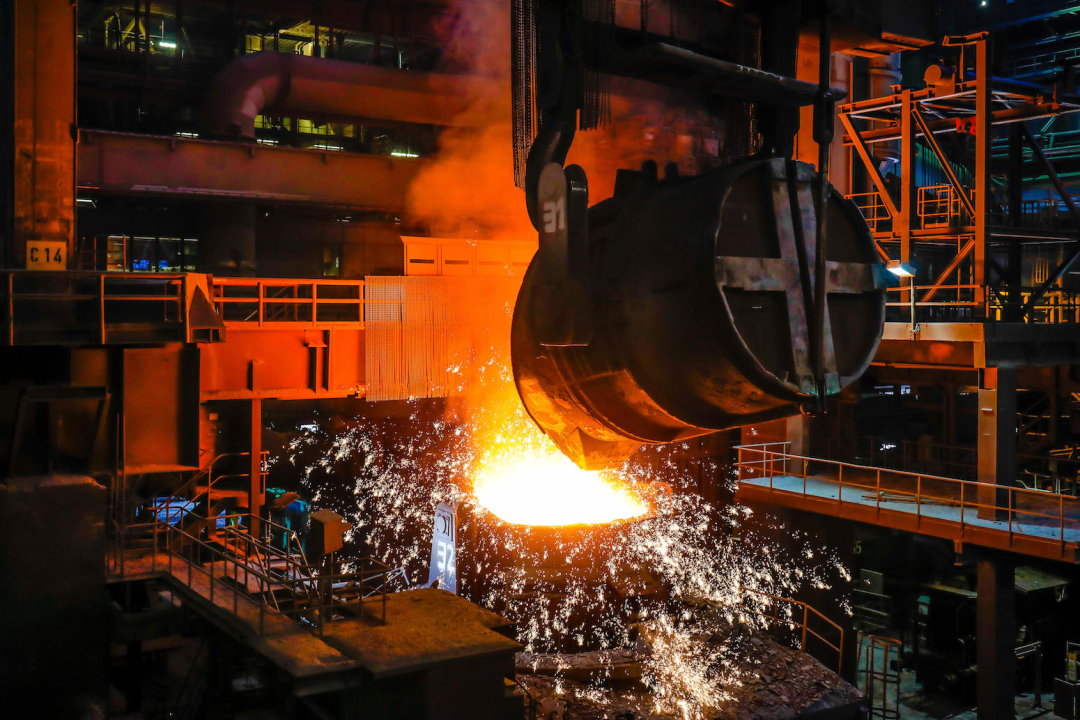
暂停美元采购!中国矿企与澳大利亚铁矿巨头博弈定价权与人民币结算
Sou Hu Cai Jing· 2025-10-08 19:44
Core Viewpoint - The recent decision by China Mineral Resources Group to suspend the purchase of iron ore from BHP Billiton priced in US dollars has significant implications for both the Australian mining industry and the global commodity pricing system, indicating a potential shift in the dominance of the US dollar in international trade [1][3][18]. Group 1: Market Reaction - Following the announcement, BHP's stock price dropped sharply, resulting in a market capitalization loss of nearly 12 billion AUD, equivalent to approximately 57 billion RMB [1]. - The Australian mining sector is facing pressure with nearly 100 billion RMB worth of iron ore inventory becoming burdensome, as the supply chain struggles to find alternative markets [1][8]. Group 2: Negotiation Dynamics - The failure of the recent China-Australia trade talks, where China proposed to switch to RMB pricing for long-term contracts while BHP insisted on maintaining USD pricing with a 15% markup, highlights the ongoing struggle for pricing power and currency dominance [3][5]. - The negotiation reflects a broader contest over who defines value and sets the terms of trade, with China seeking to transition from a passive follower to an active rule-maker in the pricing structure [5][18]. Group 3: Dependency Analysis - China relies heavily on Australia for iron ore, importing about 60% of its needs from the country, while Australia is even more dependent, with approximately 85% of its iron ore exports going to China [7][8]. - The suspension of USD-denominated purchases allows China to exert more control over the transaction dynamics, while Australia faces the reality of its reliance on a single major buyer [7][8]. Group 4: Structural Factors - Australia's competitive advantage in iron ore mining stems from its high-grade deposits and efficient extraction methods, which have historically allowed it to command higher prices in the market [9][12]. - The long-standing pricing practices, which have favored Australian exporters, have resulted in significant financial gains for them, amounting to nearly 700 billion RMB from the Chinese market over the past decade [12][18]. Group 5: Strategic Shifts - China is actively diversifying its sources of iron ore and building a network of storage facilities to mitigate supply risks and enhance its bargaining position [14][15]. - The establishment of a centralized procurement platform by China Mineral Resources Group aims to consolidate orders from various steel mills, thereby increasing negotiating power against global mining giants [15][26]. Group 6: Currency and Financial Implications - The insistence on USD pricing by BHP is not only a matter of tradition but also a strategy to leverage financial tools and currency fluctuations for profit [16][18]. - China's push for RMB settlement is part of a broader strategy to reduce reliance on the US dollar and establish a domestic currency ecosystem for international trade [18][19]. Group 7: Future Outlook - Potential outcomes of the current situation include BHP making concessions on pricing and currency, Australia seeking alternative buyers, or China continuing to enhance its supply chain resilience [25][26]. - The recent developments signal a shift in the negotiation landscape, prompting both parties to reconsider their strategies regarding pricing mechanisms and currency choices in future discussions [26].
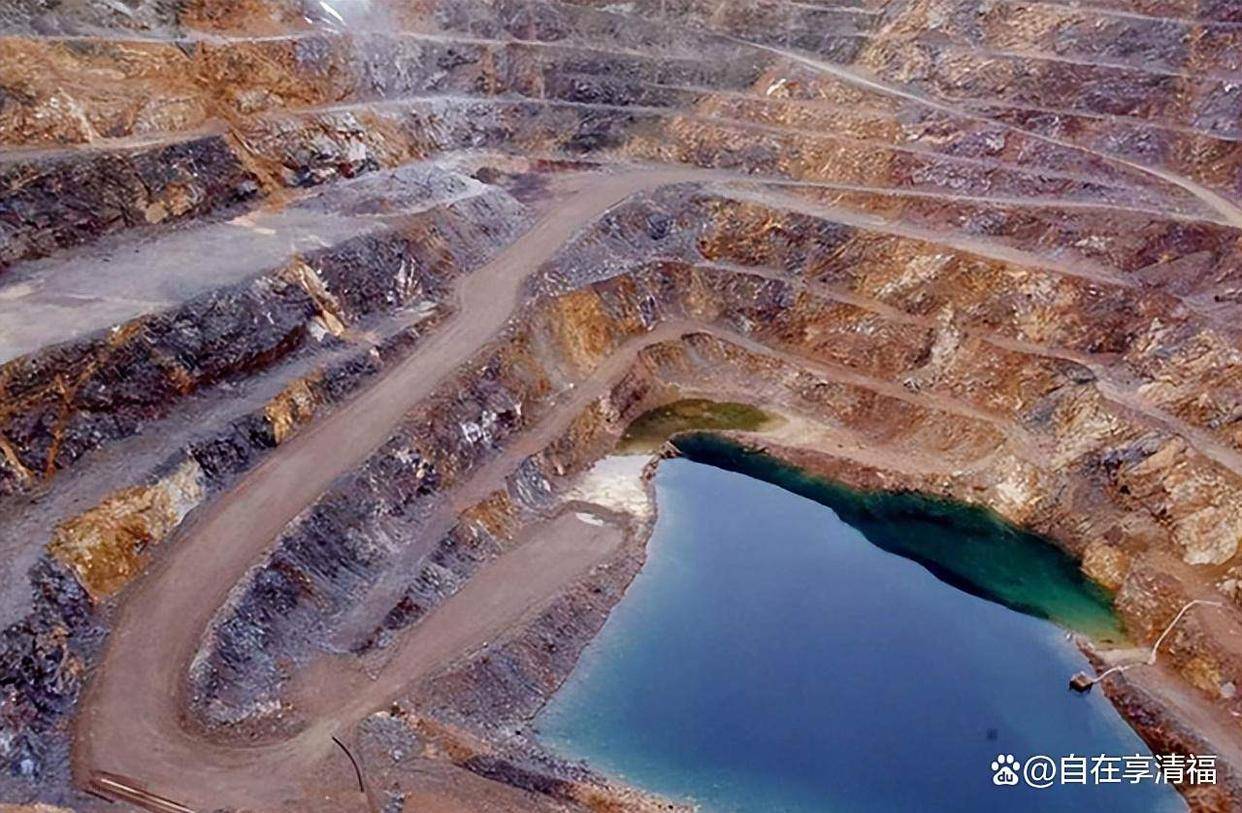
中国开始全面反击:暂停澳铁矿石进口!大豆与铁矿关键被中国抓住
Sou Hu Cai Jing· 2025-10-08 18:12
Core Viewpoint - The suspension of iron ore purchases by China Mineral Resources Group from BHP is a strategic move aimed at negotiating pricing power, shifting from USD to RMB settlements and adjusting the pricing cycle from quarterly to monthly [1][3][12]. Group 1: Market Dynamics - The pricing of iron ore has historically followed the Platts index plus a premium, which has favored sellers during upturns, leading to increased costs for Chinese steel mills [2][12]. - The shift to RMB settlements aims to eliminate exchange rate risks and align purchasing closer to market fluctuations, providing buyers with more flexibility [3][12]. Group 2: Responses from Stakeholders - Australian Prime Minister Albanese expressed disappointment over the suspension, indicating a challenge to the established order where resources have been used as diplomatic leverage [5][13]. - BHP's stock fell by 1.7% following the announcement, reflecting market concerns, although the overall market remained stable due to China's sufficient iron ore inventory [5][18]. Group 3: Broader Implications - The suspension of iron ore contracts coincided with China's halt on new contracts for Australian soybeans, signaling a broader strategy of leveraging trade relationships [7][11]. - Australia's heavy reliance on iron ore exports, particularly to China, raises concerns about its economic stability in light of changing buyer strategies [13][20]. Group 4: Negotiation Strategies - The negotiation tactics employed by China involve creating uncertainty to pressure sellers into reconsidering contract terms, such as the frequency of pricing and currency used [16][19]. - The focus on technical barriers, like quality assessments for soybeans, serves as a subtle reminder of the interconnectedness of trade and the need for compliance from both parties [7][11]. Group 5: Future Outlook - The ongoing negotiations will likely revolve around whether to accept monthly pricing cycles and the potential for dual currency settlements, which could reshape the terms of trade [19][21]. - China's diversification of supply sources, including projects in Guinea and Brazil, aims to enhance its bargaining position and reduce dependency on Australian iron ore [15][21].
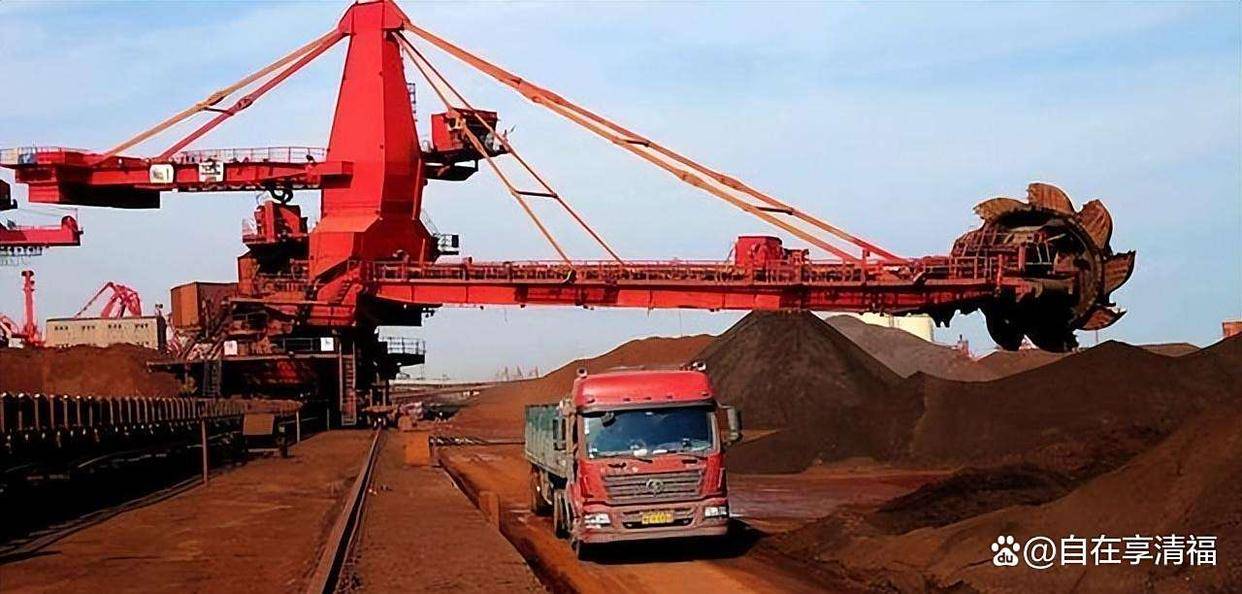
中国停购澳大利亚铁矿石,理由很“硬气”
Sou Hu Cai Jing· 2025-10-07 16:39
Core Viewpoint - The article discusses how China, as the largest consumer of iron ore, is seeking to gain more bargaining power against Australian suppliers, particularly BHP and Rio Tinto, who dominate the market and have significant pricing power [1][4][5]. Group 1: China's Iron Ore Consumption and Import Dependency - China consumes approximately 75% of the global seaborne iron ore imports, with an import volume of 1.237 billion tons in 2024, accounting for 60.2% of the global total [2]. - The import dependency on Australia is high, with 720 million tons imported from BHP and Rio Tinto, representing 85% of Australia's iron ore exports [2]. Group 2: Bargaining Power Dynamics - Australia's significant control over pricing is evident, as China's reliance on Australian iron ore limits its negotiating power [4]. - In the 2019-2020 fiscal year, Australia's iron ore export revenue was $102 billion, with $84.9 billion (approximately 548.5 billion RMB) coming from China, highlighting China's limited influence on pricing [5]. Group 3: China's Strategic Response - China has initiated a halt in purchasing iron ore from BHP, demanding a shift from annual pricing to a quarterly pricing mechanism linked to the spot market, aiming to save approximately $20 billion annually [8][9]. - The move is also intended to challenge the dominance of the US dollar in trade settlements, as BHP insists on dollar transactions while other suppliers have begun accepting RMB [9]. Group 4: Alternative Supply Sources - Brazil has increased its iron ore exports to China, with a 20.7% year-on-year increase in the first two months of 2024, providing a reliable alternative supply [10]. - China has also secured mining rights in Guinea and has access to high-grade iron ore from Russia, which further strengthens its position [11][15]. Group 5: Implications for Australia - The Australian Prime Minister expressed concern over the potential impact of China's purchasing halt, emphasizing the importance of iron ore exports to both economies [16].
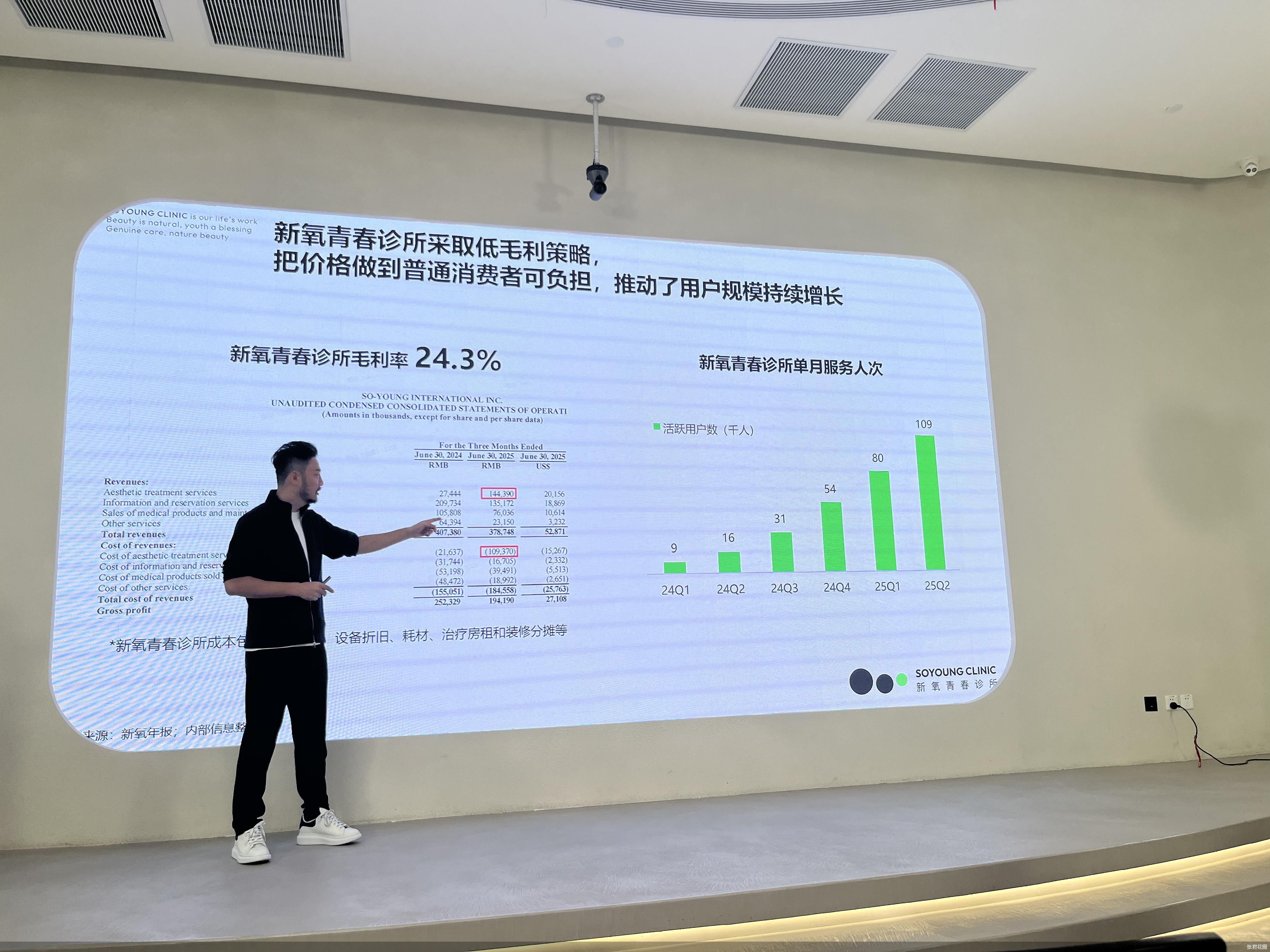
新氧童颜针跌破3000元,“青春诊所”距离盈利还要多久
Bei Jing Shang Bao· 2025-09-24 13:17
Core Viewpoint - The launch of the new "Miracle Tongyan 3.0" by Xinyang at a price of 2999 yuan marks a significant price drop in the market for Tongyan injections, which typically exceed 10,000 yuan, establishing a new low price point in the industry [1][4]. Pricing Strategy - Xinyang's pricing strategy is based on obtaining pricing authority from upstream manufacturers, allowing them to offer competitive prices [6][7]. - The previous versions of Tongyan injections were priced at 4999 yuan and 5999 yuan, indicating a trend of progressively lowering prices [4][9]. Market Context - The current market for Tongyan injections includes several high-priced products, with manufacturers like Saint Boma and Kanjie Pharmaceuticals pricing their products between 12,800 yuan and 14,800 yuan [4][9]. - The trend of decreasing prices for Tongyan injections is expected to continue, driven by market demand and product effectiveness [5]. Company Performance - Xinyang's clinics have achieved monthly profitability at the store level, although overall profitability is still pending due to the costs associated with middle and back-end operations [9]. - The company plans to expand its clinic network significantly, aiming for over 50 locations by the end of 2025, with a long-term goal of establishing a presence in 100 cities [9]. Financial Growth - Xinyang reported a substantial increase in revenue from its light medical beauty chain business, with a year-on-year growth of 551.4% in Q1 2025, reaching 98.8 million yuan [10]. - In Q2 2025, revenue from beauty treatment services also saw a significant increase of 426.1%, totaling 144.4 million yuan [10].

Allegion plc (ALLE) Presents at Morgan Stanley's 13th Annual Laguna Conference
Seeking Alpha· 2025-09-10 23:50
Group 1 - The access control industry has significant pricing power and premium margins, with a consolidated market structure limiting new entrants [1] - There are primarily two major players in North America capable of providing a comprehensive suite of products for building outfitting, which contributes to the industry's high configuration and specification requirements [1] - The company influences demand by engaging with architects and end-users, which helps in creating a sticky installed base and strong customer relationships [2] Group 2 - The sticky end-user relationships established through demand creation provide the company with pricing power and the ability to maintain long-term customer relationships [2]


底仓再审视(二):如何做到攻守兼备配底仓
Guoxin Securities· 2025-08-26 14:48
1. Report Industry Investment Rating No information about the industry investment rating is provided in the report. 2. Core Views - Layout of the bottom - position is as important as flexible offense. A basket of "high - dividend × low - volatility" dividend assets can provide a natural "shock absorber" for the portfolio, and the combination can withstand extreme market conditions by suppressing volatility with stable cash flows and low β and then capturing market mismatches with the remaining positions [3]. - To amplify returns in the dividend pool, a dual - screening approach is more reliable than relying solely on the "high - dividend" indicator. Adding a second filter such as low - volatility, earnings quality, or institutional holdings can eliminate potential risks and further increase the returns of general dividend assets [3]. - On top of the dividend bottom - position, there are systematic excess opportunities from the left - to - right shift of the industrial cycle. Priority should be given to companies with stable cash flows despite pressured profits. Industries such as cement, silicone, and phosphate chemicals are currently in the preferred range, while the photovoltaic chain is still in a state of "double losses in profit and cash flow". The overall allocation strategy involves initially establishing an observation position, increasing the position after confirming the leading indicators of the profit inflection point, and exiting when profits weaken again or the gross margin is inverted [3]. 3. Summary by Relevant Catalogs 3.1 Bottom - Position Allocation Necessity: "Pure Left" and "Pure Right" Are Not Desirable - In a market with an increasing industry rotation center, it is crucial to build a long - term core position first. A 15 - year quarterly rotation experiment on 31 Shenwan primary industries shows that both extreme left - side bottom - fishing and extreme right - side chasing result in single - digit annualized returns and significant drawdowns. In contrast, a dividend portfolio characterized by "high - dividend × low - volatility" can provide double - digit annualized returns and keep drawdowns within an acceptable range. Therefore, increasing the exposure of "high - dividend + low - β" in the bottom - position can provide a safety cushion for the portfolio [7]. - Dividend assets are the optimal core bottom - position in terms of return - to - drawdown. Historical stress tests show that the dividend index has shallower drawdowns, a stable 3 - year rolling Sharpe ratio, and does not require market timing in the long - term perspective. It also has higher probabilities of achieving positive returns in different holding periods compared to most broad - based and style indices [10][12][21]. 3.2 Dividend Yield Single - Factor Trap - Selecting stocks based solely on the "high - dividend" factor often leads to choosing high - volatility stocks with limited return increases and large drawdowns. Adding a second filter such as low - volatility or earnings quality can improve the overall cost - effectiveness. Statistical regression shows that the dividend yield alone has a weak explanatory power for future returns [29]. - Several case studies illustrate different types of "false high - dividend" traps. For example, some companies rely on one - time gains to support high dividends, some have high dividends due to falling stock prices rather than improved profitability, and some have high dividends at the peak of the business cycle or due to high leverage. To avoid these traps, specific financial and operational criteria need to be set [37][40][44]. 3.3 High - Dividend Smart - Beta's Distortion Risk - Modified dividend indices such as "Dividend Quality" and "Dividend Potential" have larger fluctuations and deeper drawdowns than the CSI Dividend Index. Their style drift and uncontrolled risk exposure lead to higher volatility, especially in bear markets. The main reasons are their high - concentration weighting, high - valuation requirements, and frequent chasing of market highs [60][64]. - The CSI Dividend Index selects 100 stocks based on a three - year dividend yield with a diversified weighting, while the Dividend Quality and Dividend Potential indices select 50 stocks by adding factors such as ROE and EPS growth, with a more concentrated and high - chasing weighting. As a result, they are more likely to suffer from double - kills of earnings and valuation when the market weakens [64]. 3.4 Potential Ways to Enhance Dividend Low - Volatility - **Dividend + Pricing Power Approach**: Traditional high - dividend indices have several drawbacks, including style drift, inclusion of high - risk high - dividend stocks, and right - side trading characteristics. A comprehensive scoring system based on pricing power, price - to - earnings ratio, and stability can be used to select the top 20 stocks for a portfolio. A ten - year back - test shows that this combination has better performance in terms of cumulative return, annualized return, and drawdown control compared to the CSI Dividend Index [83][84]. - **Considering Institutional Participation Rate**: Incorporating institutional holdings into high - dividend screening reveals that stocks with high institutional participation (≥20%) from stable - cash - flow industries have better risk - return profiles, including higher cumulative returns, greater upside potential, and controlled drawdowns. In contrast, stocks with low institutional participation (<20%) from cyclical industries perform less well. Therefore, combining high - dividends with institutional recognition can build a safer and more sustainable dividend portfolio [89]. 3.5 Bottom - Position Is Not Just Dividends: Quality Low - Volatility and Cash Cows - The "quality + low - volatility" dual - screened bottom - position established in June 2020 can achieve a balance between offense and defense. By filtering out high - leverage and low - resilience companies and compressing risk thresholds, it has achieved a five - year rolling net value increase of about 1.6 times, with stable single - digit annualized returns and significantly reduced volatility and drawdowns compared to ordinary low - volatility strategies [94]. - The long - term returns of dividend assets mainly come from stable dividends and profits rather than valuation increases. From 2014 - 2025, the annualized total returns of Dividend Low - Volatility and CSI Dividend after reinvestment were 13.9% and 13.2% respectively, with dividend contributions exceeding 9 percentage points and accounting for over 70% of the total returns [98]. - The cash - cow enhancement framework uses six dimensions to examine potential risks in high - dividend portfolios and provides corresponding enhancement measures. These measures include equal - weighting industries and quality sorting to address concentration risks, using free - cash - flow and growth thresholds to eliminate "high - dividend traps", and implementing valuation gates and hedging strategies to manage valuation risks [108]. 3.6 Industrial Cycle Reversal: From Left to Right - At the inflection point of the industrial cycle, multi - dimensional indicators such as fundamentals, inventory, price, valuation, and funds often show concurrent inflection points. The consistency in the industry dimension, from raw material prices to mid - stream production and downstream demand, can improve the reliability of inflection - point signals. For example, the anti - involution market rhythm is often in line with this "consistency chain" [111][112]. - At the company level, by dividing samples into leading, mid - stream, and tail companies, monitoring the second - order derivatives of 10 key indicators can help identify the acceleration of marginal improvements in demand, pricing, or cash flows. When at least three indicators in any two of the three sample layers show positive second - order derivatives, it can be regarded as a company - level consistency inflection point [114]. - The industrial cycle reversal framework uses a "three - light" approach to determine investment opportunities. When the three conditions of valuation repair, profit - cash flow resonance improvement, and completion of inventory reduction and demand expansion are met simultaneously, it indicates a three - dimensional resonance of supply - demand, profit, and sentiment, and investors can make aggressive investments. Otherwise, they should continue to hold the dividend bottom - position [115].
Bud Light stock just collapsed
Finbold· 2025-07-31 09:54
Core Viewpoint - Anheuser-Busch InBev reported mixed second-quarter results with a revenue growth of 3.0% to $15.004 billion and normalized EBITDA gains of 6.5%, but missed expectations on beer volumes, leading to a 9.1% decline in stock price in pre-market trading, the worst session since the COVID-19 pandemic [1][4]. Financial Performance - Revenue increased by 3.0% to $15.004 billion and normalized EBITDA rose by 6.5% with margin expansion of 116 basis points to 35.3% [1][6]. - Despite the volume challenges, the company demonstrated pricing power by growing revenues while selling less beer [6]. Volume Performance - Beer volumes declined by 1.9% year-over-year, significantly worse than the 0.3% decline forecasted by analysts [5]. - The decline in volumes was primarily driven by significant drops in China (7.4%) and Brazil (6.5%), with the company acknowledging underperformance in China and attributing Brazil's decline to tough comparisons and adverse weather conditions [6]. Market Outlook - The average target price for BUD stock is $82.67 for the next 12 months, with optimistic predictions reaching as high as $91.00 and bearish outlooks at $72.00 [7]. - All six analysts covering the stock maintain Strong Buy ratings, with no Hold or Sell recommendations [9].


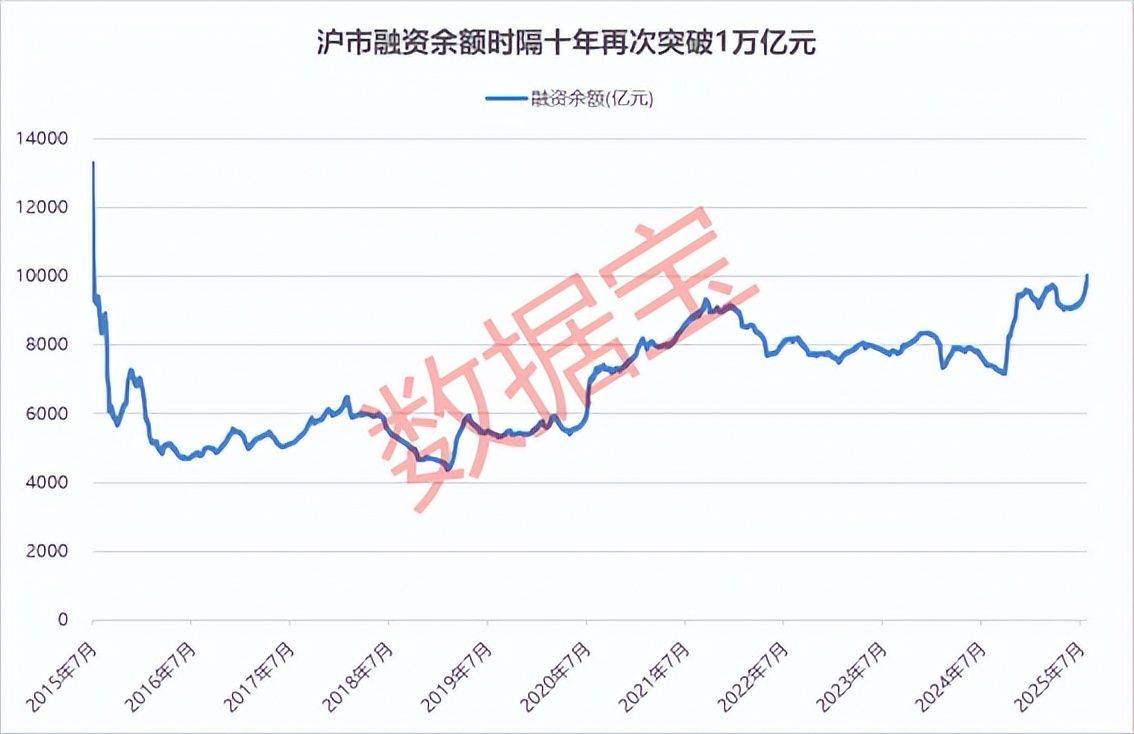
沪市融资额超1万亿,击鼓传花还有多久?
Sou Hu Cai Jing· 2025-07-30 14:47
Core Insights - The financing balance in the Shanghai market has surpassed 1 trillion yuan, marking a nearly ten-year high, which superficially indicates strong market confidence [2] - However, this high level of financing also suggests speculative funds are involved, raising concerns about the suitability for retail investors [2] Group 1: Anxiety in Retail Investors - Despite the record high in financing balance, retail investors continue to experience anxiety regarding their investment decisions, often second-guessing their actions whether to sell, switch, take profits, or cut losses [3] - This pervasive anxiety is advantageous for institutional investors, as it allows them to capitalize on retail investors' indecision and potentially exploit them [3] Group 2: Pricing Power Dynamics - The performance of stocks like "Shengtun Mining" and "Qifeng New Materials" illustrates the disparity in market reactions to earnings forecasts, highlighting the importance of pricing power rather than just positive news [4][6] - Institutional investors leverage retail investors' fixation on concepts and good news to manipulate stock price movements [6] Group 3: Quantitative Insights - Long-term trading behavior data and models reveal distinct characteristics of trading activities, particularly the "institutional inventory" data that reflects institutional investor activity [7] - Active "institutional inventory" data correlates with rising stock prices, while inactivity suggests potential declines [11] Group 4: Understanding Financing Balance - The significance of the record financing balance lies in the direction of the funds; if they flow into quality stocks favored by institutions, the market may improve, but if they are driven by retail sentiment, risks may accumulate [12] - In an era of information overload, the ability to discern market fundamentals is crucial, and quantitative data can help reveal the market's true nature [12]