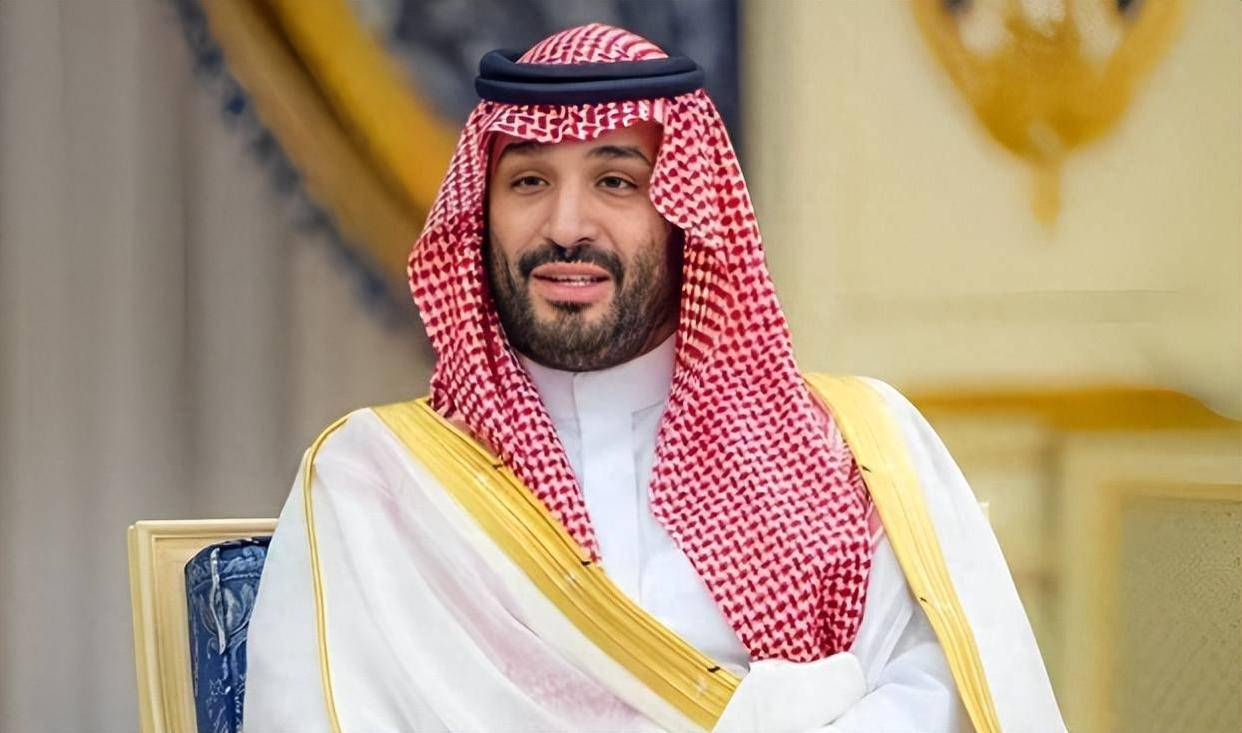
石油美元

Search documents
FXGT:2026开年金价高位震荡
Xin Lang Cai Jing· 2026-01-06 10:12
Group 1 - The global financial market has entered a period of volatility driven by geopolitical factors as 2026 begins, with FXGT indicating that gold is at a critical "momentum transition" window, closely linked to the oil market in the short term [1][3] - Geopolitical events are reshaping market risk preferences and directly altering the pricing logic of energy and safe-haven assets, although the fundamental logic supporting a long-term bullish trend for gold remains intact despite potential technical pullbacks in January [1][3] - In 2025, the gold market delivered impressive results, with FXGT noting that even a slight price correction at year-end should be viewed as a self-digestion of bullish forces, clearing overheated market sentiments and paving the way for a new upward movement in 2026 [1][3] Group 2 - On the macroeconomic front, the Federal Reserve's policy shift remains a core driving force, with FXGT suggesting that the nomination of new Fed leadership by the White House will be a key variable influencing interest rate direction [2][4] - The uncertainty surrounding new policy directions enhances gold's role as a tool against policy risks, while the U.S. efforts to solidify the "petrodollar" position further highlight gold's hedging role amid fluctuations in the dollar credit system [2][4] - Technical analysis indicates that both gold and silver are showing signs of fatigue after previous strong rallies, with FXGT observing that weekly momentum indicators suggest the market has entered a consumptive top area, likely leading to a period of consolidation rather than a direct breakout [2][4]


陆前进:以“AI美元”复刻“石油美元”霸权,能成吗
Sou Hu Cai Jing· 2026-01-05 23:10
Core Viewpoint - The discussion around whether artificial intelligence (AI) could become a new anchor asset for US dollar hegemony, similar to oil, is gaining traction in US strategic and industrial circles. Despite the ongoing dominance of the dollar as the primary international reserve currency, there are increasing speculations about the US attempting to leverage "AI dollars" to maintain its dollar supremacy [1]. Group 1: Historical Context of Dollar's International Role - The evolution of the dollar's role as an international currency can be divided into four stages: the Bretton Woods system where the dollar was pegged to gold, the "petrodollar" era where oil transactions were dollar-denominated, the financial derivatives phase where dollar-denominated financial products dominated, and the current phase where the dollar seeks to integrate with AI and stablecoins [2][3][4]. - The Bretton Woods system established the dollar's international currency status by linking it to gold, which led to a significant increase in demand for dollars among other countries [2]. - The "petrodollar" system emerged after the collapse of the Bretton Woods system, where oil transactions were conducted in dollars, further solidifying the dollar's position in international trade and finance [3]. Group 2: Current Developments and Future Prospects - Currently, the US is attempting to bind AI technology and digital currencies to the dollar to maintain its international monetary dominance, with initiatives like the "GENIUS Act" aimed at establishing rules for stablecoins and integrating cryptocurrencies into the financial system [4][5]. - The rise of AI and cryptocurrencies presents new challenges and opportunities for the dollar's international role, as the US seeks to leverage its technological advantages to reinforce the dollar's status [5][6]. - However, the feasibility of replicating the "petrodollar" system with AI is questioned due to the lack of unique characteristics that oil possesses, such as irreplaceability and concentrated supply chains [7]. Group 3: Global Monetary System Dynamics - The trend towards a diversified international monetary system is accelerating, with increasing calls for alternatives to the dollar as the sole reserve currency, as evidenced by the growing roles of the euro and the renminbi in global trade and finance [8][9]. - The dollar's dominance is being challenged by its "weaponization" and the negative effects of over-reliance on a single currency, prompting a global reassessment of the international monetary landscape [9].
美国为何盯上马杜罗?
首席商业评论· 2026-01-05 05:04
Core Viewpoint - The article discusses the recent military action by the United States against Venezuela, leading to the capture of President Maduro, and highlights the implications for Venezuela's vast natural resources and geopolitical dynamics [3][5][20]. Group 1: Military Action and Its Implications - On January 3, 2026, the U.S. military conducted a three-hour operation that resulted in the capture of Venezuelan President Maduro, marking a significant shift in the country's political landscape [3][6]. - The operation is described as a culmination of a ten-year strategy by the U.S. to exert pressure on Maduro's regime, which has been characterized by severe economic collapse and humanitarian crises [7][15]. - The U.S. aims to control Venezuela's vast oil reserves, which are estimated at 303 billion barrels, representing about 17% of the world's total, and surpassing those of Saudi Arabia [21][23]. Group 2: Economic and Humanitarian Crisis in Venezuela - Under Maduro's leadership, Venezuela has faced hyperinflation reaching 1.3 million percent, a GDP contraction of nearly 75%, and over 8 million people displaced, with 80% of the population living below the poverty line [7][9]. - The government's response to the economic crisis has included a food distribution program that ties basic needs to political loyalty, demonstrating a manipulation of humanitarian needs for political control [13][15]. Group 3: Geopolitical Context and Reactions - The U.S. military action is framed as part of a broader strategy to reassert dominance in Latin America, with Trump emphasizing the Monroe Doctrine and the need for U.S. influence in the region [25][31]. - The operation has sparked protests within the U.S. and condemnation from various international leaders, highlighting the contentious nature of U.S. interventionist policies [29][31]. - The article suggests that the geopolitical stakes are high, as controlling Venezuela could provide the U.S. with a strategic military foothold in the region, impacting future U.S. foreign policy [25][27]. Group 4: Resource Wealth and Future Implications - Venezuela's wealth in natural resources, including oil, gas, and various minerals, is seen as both a blessing and a curse, with the potential for exploitation by foreign powers [20][21]. - The article warns that the focus on oil may shift towards strategic metals essential for future technologies, indicating a changing landscape in global resource competition [33][35]. - Ultimately, the article posits that the true value lies not in the resources themselves but in the creativity and resilience of the people, which is crucial for sustainable development and avoiding the resource curse [35].
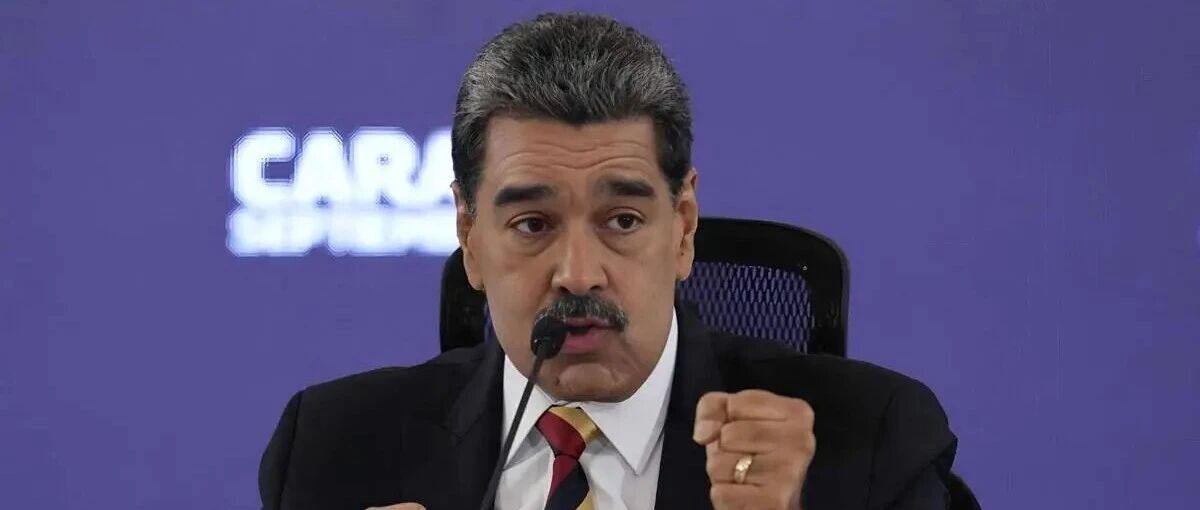
美国突袭委内瑞拉的火线点评
2026-01-04 15:35
Summary of Conference Call on U.S. Military Action in Venezuela Industry/Company Involved - The discussion primarily revolves around the geopolitical implications of U.S. military actions in Venezuela, particularly focusing on the oil industry and its global impact. Core Points and Arguments 1. **Unexpected Military Action**: The U.S. military action against Venezuela, including the kidnapping of President Maduro, exceeded market expectations, marking a significant geopolitical event at the start of 2026 [2][3]. 2. **Internal and External Pressures**: The Trump administration's decision was influenced by declining support from key political factions, including MAGA supporters, cryptocurrency advocates, and traditional Republican factions, alongside external pressures from geopolitical conflicts [2][4]. 3. **Strategic Objectives**: The U.S. aims to control Venezuela's vast oil reserves to stabilize the petrodollar and counterbalance the influence of major powers like China and Russia. This action also serves to reassure U.S. allies and deter adversaries [3][4][6]. 4. **Political Uncertainty in Venezuela**: Following Maduro's kidnapping, Vice President Rodriguez has assumed presidential duties, with upcoming elections creating uncertainty. Trump has expressed no support for opposition leader Machado, complicating the political landscape [7][8]. 5. **Geopolitical Risks**: The situation in Venezuela could lead to increased instability in the Middle East and South Asia, with potential repercussions for U.S. foreign policy and military commitments [8][9]. 6. **Impact on Global Oil Prices**: Short-term oil prices may rise due to supply disruptions, but if the U.S. gains control over Venezuelan oil, it could lead to increased supply and lower prices in the long term [9][12]. 7. **Effects on the Dollar and Gold**: The military action may temporarily boost confidence in the U.S. dollar, but long-term geopolitical instability could undermine its strength. Conversely, gold prices may rise in the medium term as a reaction to these developments [13]. 8. **Chain Reactions from U.S. Intervention**: U.S. intervention in Venezuela could provoke similar actions from other nations, particularly Russia, regarding their interests in other countries [14]. 9. **Return to Monroe Doctrine**: The U.S. intervention reflects a retreat to a more isolationist stance, indicating a relative decline in U.S. global power and a shift towards regional focus [15]. 10. **Tactical vs. Strategic Outcomes**: While the military action may provide short-term political gains for Trump, the long-term effectiveness of such tactics in addressing strategic disadvantages remains questionable [16]. 11. **China's Response**: China should focus on its core strategic interests and adapt to changes in the geopolitical landscape, maintaining confidence in its financial markets despite potential volatility [18]. Other Important but Overlooked Content - The potential for U.S. actions to create a ripple effect in Latin America, affecting countries like Panama, Peru, and Brazil, should be monitored closely [9]. - The discussion emphasizes the need for a nuanced understanding of the geopolitical dynamics at play, particularly in light of the increasing complexity of international relations [4][18].
委内瑞拉遭袭对国际油价影响有限,短期不改供应过剩局面
Xin Lang Cai Jing· 2026-01-04 09:41
Core Viewpoint - The U.S. military operation in Venezuela aims to take control of the country's oil industry, which may have limited immediate impact on international oil prices but could strengthen the role of the petrodollar in the long term [1][3]. Group 1: Venezuela's Oil Industry - Venezuela possesses the largest oil reserves globally and is a founding member of OPEC, but its oil production has dwindled to about 1 million barrels per day, significantly lower than Saudi Arabia and Russia [1]. - The country's oil output has been severely affected by aging infrastructure, U.S. sanctions, and lack of investment, leading to its minimal contribution to international oil supply [1][2]. - Analysts predict that the U.S. operation may not significantly affect oil prices due to the ongoing loose supply conditions and Venezuela's long-standing low production levels [1][2]. Group 2: International Oil Prices - Following the escalation of U.S.-Venezuela tensions, international oil prices saw a brief rebound, but investor enthusiasm remains low, with expectations of only a slight increase in Brent crude prices [2]. - The International Energy Agency (IEA) forecasts that global oil production growth will exceed demand, contributing to a bearish outlook for oil prices [2]. - OPEC+ discussions about gradually restoring production could further loosen the global supply-demand balance, putting additional downward pressure on prices [2]. Group 3: Geopolitical Implications - If the U.S. successfully controls Venezuela's oil industry, it could increase global supply and potentially disrupt OPEC's pricing power, thereby reinforcing the petrodollar system [2][3]. - The petrodollar system, established in the 1970s, has solidified the dollar's dominance in global oil trade, providing the U.S. with significant economic advantages [3]. - Recent geopolitical shifts, including the abandonment of dollar pricing by some oil-producing countries, indicate a gradual weakening of the petrodollar system [4].
抓总统、控石油!特朗普为何对委内瑞拉下狠手?
Guo Ji Jin Rong Bao· 2026-01-04 09:00
Core Viewpoint - The U.S. military action against Venezuela, including the capture of President Maduro, marks a significant escalation in U.S. foreign policy and reflects a shift towards a more aggressive stance in the region, particularly regarding Venezuela's oil resources [1][5][10]. Group 1: U.S. Military Action and Political Implications - The U.S. has initiated military action against Venezuela, leading to widespread condemnation from multiple countries, including China and Russia, which view it as a violation of international law and Venezuelan sovereignty [1][7]. - The U.S. government has characterized its actions as necessary for regional security and has indicated a willingness to escalate military involvement if deemed necessary [1][5]. - The Venezuelan government has declared a national emergency in response to the U.S. actions and has called for an urgent meeting of the United Nations Security Council to address the situation [7][11]. Group 2: Energy and Economic Interests - Venezuela possesses the largest proven oil reserves globally, estimated at approximately 300 billion barrels, which is about 17% of the world's total, making it a strategic target for U.S. interests [13][14]. - The U.S. aims to control Venezuela's oil resources, which are crucial for its refining industry, particularly for heavy crude oil that is essential for producing diesel and asphalt [14][15]. - The U.S. military actions are seen as a means to secure energy dominance and enhance U.S. energy security, while also potentially benefiting American oil companies through investments in Venezuela's oil infrastructure [13][16]. Group 3: Market Reactions and Oil Price Implications - The military actions are expected to create short-term volatility in the oil market, with potential price increases due to geopolitical risk premiums [18][19]. - Despite the immediate concerns, analysts suggest that Venezuela's current oil production levels are relatively low, and any supply disruptions may not significantly impact the global oil market in the long term [19][20]. - The future trajectory of oil prices will largely depend on the political stability in Venezuela and the ability of any new regime to restore oil production capacity [20][21].
一文梳理 | 美国“闪击”委内瑞拉对大宗商品的影响
对冲研投· 2026-01-04 06:35
欢迎加入交易理想国知识星球 来源 | 财信期货研究 编辑 | 杨兰 审核 | 浦电路交易员 事件: 当地时间2026年1月3日凌晨,美军空袭委内瑞拉,抓获委内瑞拉总统。特朗普在随后的新闻发布会表示,将组建团队管理委内瑞拉,美国大 型石油公司将进入委内瑞拉。短期地缘风险爆发,市场波动将放大。 一、 美国、委内瑞拉两国关系历史回顾 19 世纪初,委内瑞拉独立后,美国通过 "门罗主义" 将其纳入势力范围,1902 年以债务纠纷对委实施海军封锁,强化了委的反美情绪。 20 世纪初,委内瑞拉发现石油,美国资本迅速涌入,美孚等公司控制其石油工业,形成 "资源控制 — 政治依附" 的模式,委成为美国重要 石油供应地。 二战后至冷战中期,美国长期扶持亲美政府,深度介入委石油业,将其视为拉美 "后院" 核心资产,双方保持合作但不平等的关系。 2、转向对抗时期 1998 年查韦斯当选总统,推行 "21 世纪社会主义",收回石油主权、反美反霸,美委关系彻底转向对抗。 2002 年 4 月,委发生短暂政变,查韦斯迅速复位,指责美国情报部门支持政变,成为双边关系恶化的关键节点。 2006 年,小布什政府以反恐不配合为由禁止向委出口武器 ...
特朗普不装了?紧急宣布美大型石油公司进入,“赚钱”!国际油价要涨?
Xin Lang Cai Jing· 2026-01-04 00:18
中新经纬 美国东部时间3日上午11时40分左右(北京时间4日零时40分左右),美国总统特朗普在佛罗里达州海湖 庄园举行新闻发布会,披露更多关于军事打击委内瑞拉、抓走委总统马杜罗的细节。 特朗普说,将让美国大型石油公司进入委内瑞拉,投入数十亿美元,修复严重破损的基础设施,尤其是 石油基础设施,并开始创造收益,"开始为委内瑞拉赚钱"。 特朗普称,对委内瑞拉所有石油的禁运仍完全有效。特朗普表示,美国将让石油"恢复正常供应",确保 委内瑞拉人民得到"妥善照顾"。 特朗普还称,"美国在西半球的主导地位再也不会受到质疑"。 火线解读!国际油价面临"跳涨"压力 美国总统特朗普当地时间3日凌晨称,美军对委内瑞拉实施大规模军事打击。委内瑞拉政府在声明中 称,美国发动攻击的目的是夺取委内瑞拉的石油和矿产资源。 美国袭击委内瑞拉可以说是一次重大能源地缘政治事件,因为委内瑞拉是全球探明石油储量规模最大的 国家,在世界石油市场格局中具有重要战略地位。短期内,全球重质原油供应可能显著收缩,并有可能 导致国际油价出现跳涨。从长期来看,全球石油市场格局有可能产生重大变化。 此外,炼厂原料的失衡也将对全球炼油行业带来严重挑战。特别是那些高度依 ...
被美国盯上的下场?委内瑞拉石油公司遭强制拍卖,中国立场引关注
Sou Hu Cai Jing· 2025-12-09 15:16
Group 1 - Venezuela has the largest proven oil reserves in the world, totaling 303 billion barrels, despite a current production rate of only 1 million barrels per day [5][6] - The heavy crude oil from Venezuela is particularly suited for U.S. Gulf Coast refineries, making it a critical supplier for the U.S. market [7] - The U.S. has been using drug trafficking as a pretext for military actions against Venezuela, despite reports indicating that Venezuela is not a major source of U.S. drug imports [9][11] Group 2 - Venezuela has responded to U.S. threats with military exercises and has sought support from OPEC and other nations to counter U.S. actions [13][17] - A coalition of over 20 countries has publicly condemned the U.S. for violating Venezuela's sovereignty, indicating a growing international support for Venezuela [19][21] - The ongoing conflict has severely impacted Venezuela's economy, with a significant reduction in international flights and a drastic decline in tourism and healthcare supplies [29][32] Group 3 - The situation in Venezuela is affecting the global energy market, with potential disruptions to oil supply that could lead to increased prices and inflation in the U.S. and Europe [34][36] - The conflict is part of a broader trend of resource nationalism in Latin America, where countries are increasingly asserting control over their natural resources [38][40] - Venezuela's move towards non-dollar oil transactions is challenging the dominance of the "petrodollar" system, indicating a shift in global economic power dynamics [42]
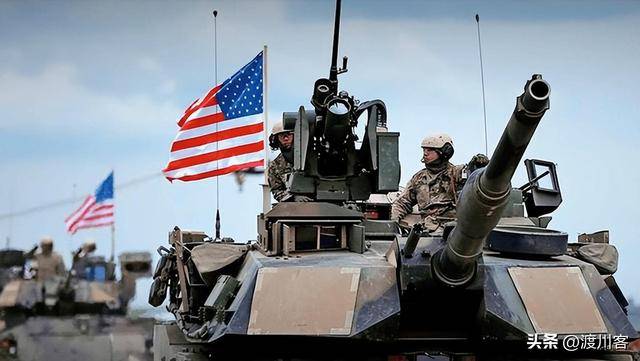
突发特讯!沙特通告全球:对美国投资增至1万亿美元,引爆国际舆论
Sou Hu Cai Jing· 2025-11-19 07:51
Group 1 - The core announcement from Saudi Crown Prince Mohammed bin Salman is the increase of Saudi investments in the U.S. from $600 billion to an unprecedented $1 trillion, signaling a significant shift in international economic relations [1][2]. - This investment is not merely a financial maneuver but is underpinned by three strategic layers: strengthening U.S.-Saudi relations, accelerating Saudi Arabia's Vision 2030, and positioning Saudi Arabia within the geopolitical landscape [2][3]. - The investment serves as a "super adhesive" to solidify the alliance between Washington and Riyadh, reminiscent of the "petrodollar" agreements of the 1970s, creating a mutually beneficial relationship based on economic interdependence [2][3]. Group 2 - The $1 trillion investment is viewed as a catalyst for Saudi Arabia's transition away from oil dependency, facilitating access to advanced technologies in various sectors such as AI, renewable energy, biotechnology, and semiconductors [2][3]. - This move also reflects a strategic positioning in the geopolitical chess game, indicating Saudi Arabia's continued alignment with Western powers amidst a rapidly changing Middle Eastern landscape [3][4]. - The investment highlights the dual nature of U.S. dollar dominance, reinforcing its status while simultaneously exposing systemic risks associated with over-reliance on dollar assets, as global economies seek diversification [5][6]. Group 3 - The announcement signifies a broader trend of "Global South" countries seeking a dynamic balance between traditional alliances and new partnerships, moving away from binary choices in international relations [5][6]. - The implications of this investment extend beyond immediate financial impacts, suggesting a reconfiguration of global power dynamics and the emergence of new economic orders [8][10]. - The investment is a reminder that national interests drive international actions, with pragmatic calculations often overshadowing ideological considerations in global affairs [8][10].