Workflow
量化紧缩
icon
Search documents
建信期货农产品周度报告-20251017
Jian Xin Qi Huo· 2025-10-17 11:05
1. Report Industry - The report focuses on the agricultural products industry, specifically covering sub - sectors such as pigs, corn, soybean meal, eggs, and sugar [1] 2. Core Views Pigs - Supply side: Planned pig出栏量 in sample enterprises may continue to increase significantly in October, with large supply pressure. Long - term, pig出栏量 may maintain a slight increase until the first half of next year. - Demand side: Secondary fattening has some replenishment demand, and terminal consumption may increase with cooler weather, but overall incremental demand is limited. - Overall: Spot prices may be volatile and weak, with a slight rebound due to secondary fattening demand. Futures contracts 2511 and 2601 may be weak due to spot weakness and secondary fattening出栏 expectations [56] Corn - Supply side: New crops are expected to increase in yield. With new corn harvest in October, supply increases, and costs decrease. Substitute advantages weaken, and future imports may remain low. - Demand side: Feed demand is good due to growing pig存栏, but inventory - building willingness is low. Deep - processing enterprises have turned profitable, with increased开工 rates and slightly higher inventories. - Overall: Spot prices may be volatile and weak, and futures contracts may oscillate around planting and collection costs [96][97] Soybean Meal - External market: The US government shutdown has led to a lack of information, and the external market may be in low - level oscillation. - Domestic market: High inventory is a reality, but there are potential positive factors such as reduced US soybean imports and potential yield adjustments. It is difficult to form a unilateral trend in the short - to - medium term [101][102] Eggs - Spot: After a sharp decline, prices rebounded slightly, but the rebound height and strength are limited. - Futures: After a sharp decline, they are in low - level oscillation, and overall, they are treated as a rebound with a short - bias. The fundamental inflection point may appear in early next year [136] Sugar - International market: Brazilian production data is slightly higher than expected, and with factors like falling oil prices and real depreciation, sugar prices are prone to fall. - Domestic market: New beet sugar is on the market, imports are expected to be high, and downstream demand is weak. Futures and spot prices are both weak [183][184] 3. Summary by Directory Pigs 1. Market Review - Spot: After the National Day and Mid - Autumn Festival, demand declined, prices were weak in the first half of the week, and then rebounded due to factors such as consumption recovery and secondary fattening. The national average pig出栏 price was 11.02 yuan/kg, with a week - on - week decrease of 7.32%, a month - on - month decrease of 16.20%, and a year - on - year decrease of 38.74%. - Futures: The main contract LH2601 of live hog futures fell, closing at 11905 yuan/ton, a week - on - week decrease of 2.14%, with a basis of - 905 yuan/ton [7][8] 2. Fundamental Overview - Long - term supply: The price of二元 sows may be slightly adjusted. National能繁母猪存栏 shows different trends in different data sources, and theoretical pig出栏量 is estimated accordingly [15][17] - Medium - term supply: The price of 15kg piglets decreased. Sample enterprise小猪存栏 increased, and theoretical pig出栏量 is expected to increase slightly in the medium term [31][32] - Short - term supply: Sample enterprise大猪存栏 increased. The proportion of pigs over 140 kg increased, and the secondary fattening sales ratio increased slightly in early October [33][35] - Current supply: In September, the actual出栏 completion rate was 96.5%, and the planned出栏量 in October may increase by 5.14%. The average出栏 weight decreased slightly. The proportion of small - weight pigs increased slightly, and the proportion of large - weight pigs decreased [40][41] - Import supply: In August, China's pork imports were 80,000 tons, a month - on - month decrease of 10,000 tons and a year - on - year decrease of 10,000 tons. From January to August 2025, the total import was 710,000 tons, a year - on - year increase of 2.9% [48] - Demand: In early October, secondary fattening had sporadic entries, and the utilization rate of fattening pens decreased. The slaughter enterprise开工 rate was 32.38%, a week - on - week decrease of 2.15 percentage points and a year - on - year increase of 5.07 percentage points [50][52] Corn 1. Market Review - Spot: Corn prices showed a seasonal decline. In the northeast, new corn was concentrated for listing; in the north, prices were weak; in the selling areas, prices oscillated and declined. - Futures: The main contract 2601 of Dalian corn futures rose 10 yuan/ton, a week - on - week increase of 0.47% [60] 2. Fundamental Analysis - Supply: The national autumn grain harvest progress is slow. As of October 10, the northern port inventory was 930,000 tons, a week - on - week decrease of 220,000 tons, and the southern port inventory was 387,000 tons, a week - on - week increase of 55,000 tons [63] - Domestic substitutes: Wheat prices were oscillating and strengthening. The price difference between corn and wheat was 260 yuan/ton [65] - Import substitute grains: From January to August 2025, China's total grain imports decreased by 19.5% year - on - year. Imports of various grains such as corn, wheat, and barley showed different trends [69][70] - Feed demand: In August 2025, the national industrial feed production was 29.36 million tons, a month - on - month increase of 3.7% and a year - on - year increase of 3.8%. The average inventory time of sample feed enterprises was 24.44 days, a week - on - week decrease of 0.2% [80][86] - Deep - processing demand: The corn starch enterprise开机率 increased. The national corn processing volume was 581,700 tons, and the starch production was 293,500 tons. The processing profit of starch enterprises improved, and the inventory of deep - processing enterprises increased [89][90] - Supply - demand Balance Sheet: In the 2025/26 season, China's corn production is expected to increase slightly, consumption is basically flat, and imports are reduced by 100 million tons to 6 million tons [94][95] Soybean Meal 1. Weekly Review and Operation Suggestions - Spot: Coastal soybean meal prices showed mixed changes, with prices ranging from 2920 to 3020 yuan/ton. - Futures: The external market was in low - level oscillation due to the government shutdown. The domestic market was relatively weak compared to the external market, and it is difficult to form a unilateral trend in the short - to - medium term [100][102] 2. Core Points - Soybean planting: The USDA September report adjusted new - season US soybean planting and production data. The US soybean harvest is in progress, and the Brazilian soybean planting progress is fast [103][105] - US soybean exports: As of September 18, new - season US soybean exports were at a historically low level, and subsequent exports depend on Sino - US agreements [112] - Domestic soybean imports and crushing: As of October 16, the crushing profit was negative. The开机率 and crushing volume are expected to remain high and then decrease in the fourth quarter. September soybean imports increased, and the port inventory will be seasonally reduced in the fourth quarter [117][118] - Soybean meal transactions and inventory: As of October 10, the domestic main oil mill soybean meal inventory decreased by 11.2% week - on - week. Terminal demand is relatively good, and overall demand is positive [125] - Basis and inter - month spread: As of October 16, the basis of the 01 contract increased slightly, and the 11 - 1 spread was - 23, with a change of 6 yuan. The 11 - 1 spread may oscillate weakly in the future [129] - Domestic registered warrants: As of October 16, the domestic soybean meal registered warrants were 43,122 lots, at a relatively high level in the same period [134] Eggs 1. Weekly Review and Operation Suggestions - Spot: After a sharp decline, prices rebounded slightly, but the rebound is limited. - Futures: After a sharp decline, they are in low - level oscillation, and are treated as a rebound with a short - bias. The fundamental inflection point may appear in early next year [136] 2. Data Summary - Inventory and replenishment: As of the end of September, the national laying hen inventory was 1.368 billion, a month - on - month increase of 0.2%. In September, the egg - chick hatch volume decreased, and the medium - term inventory may decline slightly [138] - Cost, income, and breeding profit: As of October 16, egg prices, feed costs, and egg - chick prices were at different levels, and the breeding profit was at a historically low level [155] - Culled hens: The culling volume increased recently, the culling age was stable at 499 days, and the culled hen price was at a low level in the same period [163] - Demand, inventory, and pig prices: As of October 16, egg sales were at a low level, inventory was high, and pig prices were at a low level in the same period [171] Sugar 1. Market Review - International market: The raw sugar index fell and then stabilized above 15 cents. Supply pressure and other factors made sugar prices prone to fall. - Domestic market: The Zhengzhou sugar index fell below 5400. New beet sugar was on the market, imports were expected to be high, and downstream demand was weak [183][184] 2. Data Analysis - Spot: Sugar spot prices in Guangxi, Yunnan, and Shandong decreased. The basis of the 01 and 05 contracts increased slightly. - Futures: The 1 - 5 spread changed little, and the number of warrants decreased. - Brazilian production: In the second half of September, Brazilian sugar production was slightly higher than expected. As of October 1, the cumulative production in the 25/26 season showed different trends. - Export and inventory: The number of ships waiting to load sugar in Brazilian ports increased, and the inventory in different ports changed. The inter - period spread between London and New York sugar futures decreased. - Import profit: The import processing profit of raw sugar increased significantly. The non - quota and quota import profits of Brazilian raw sugar increased [187][203]
沥青周度报告-20251017
Zhong Hang Qi Huo· 2025-10-17 10:04
Report Summary Industry Investment Rating No industry investment rating is provided in the report. Core Viewpoints - In the short term, cold and rainy weather in the north will disrupt terminal construction, potentially leading to a situation where the peak season is not prosperous. As asphalt terminal demand gradually enters the off - season, the fundamentals face weakening pressure. The current fundamentals provide limited support for the market, and with high production plans, the weakening of asphalt fundamentals may suppress prices. - Currently, the influencing factors of crude oil are generally bearish. With OPEC+ continuing to increase production, supply - side pressure is gradually increasing, while the demand side is under pressure as refined oil enters the off - season. The expectation of supply surplus is strengthening, which will suppress prices in the medium and long term. Geopolitical tensions easing and macro - level disturbances increase the market's downward pressure, and the cost - side support for asphalt weakens. - Overall, in the short term, asphalt lacks upward momentum, and crude oil will continue to dominate the market trend, which is expected to remain weakly volatile. [7][50] Summary by Catalog 1. Market Focus and Key Data - **Market Focus**: Sino - US trade tensions have intensified; the IEA monthly report has raised the supply growth forecast and lowered the demand growth forecast; the Fed's latest "Beige Book" shows that the US labor market remains stable overall, but demand is still weak [7]. - **Key Data**: As of October 15, the operating rate of domestic asphalt sample enterprises was 35.8%, up 1.3 percentage points from the previous statistical period; as of October 17, the weekly output of domestic asphalt was 62.4 tons, an increase of 0.6 tons from the previous week; as of October 17, the factory inventory of domestic asphalt sample enterprises was 72.7 tons, an increase of 3.7 tons from the previous week; as of October 17, the social inventory of domestic asphalt sample enterprises was 105.1 tons, a decrease of 0.7 tons from the previous week [7]. 2. Bull and Bear Focus - **Bullish Factors**: Macro - economic improvement [10]. - **Bearish Factors**: High refinery production plans and OPEC+ production increase [10]. 3. Macro - analysis - **Fed's Expected Rate Cut**: Powell hinted at a possible rate cut in October due to weak employment. The financial market generally bets that the Fed will cut interest rates again at the October 28 - 29 meeting. As of October 16, the probability of the Fed maintaining the interest rate unchanged in October was 2.7%, and the probability of a 25 - basis - point rate cut was 97.3% [11]. - **IEA's Adjustment of Crude Oil Forecast**: The IEA monthly report raised the 2025 global crude oil supply growth forecast by 300,000 barrels per day to 3 million barrels per day and lowered the demand growth forecast by 30,000 barrels per day to 710,000 barrels per day, maintaining the expectation of supply surplus [12]. - **Geopolitical Situation**: A cease - fire agreement in Gaza has been reached, but its implementation may be repeated. There is still great uncertainty in the Russia - Ukraine conflict, and attacks on energy infrastructure may affect crude oil supply and support oil prices [13]. 4. Supply and Demand Analysis - **Supply**: As of October 17, the weekly output of domestic asphalt was 62.4 tons, an increase of 0.6 tons from the previous week. The output of major refineries was basically flat, and that of local refineries increased slightly. The operating rate of major refineries may have reached its peak, and the output is in a seasonal decline trend, so the supply pressure is expected to decrease. As of October 15, the operating rate of domestic asphalt sample enterprises was 35.8%, up 1.3 percentage points from the previous statistical period, with a significant increase in the East China region. It is expected that as major refineries enter seasonal maintenance, the refinery operating rate may decline, and attention should be paid to whether the inflection point will be earlier than expected [14][22]. - **Demand**: As of October 17, the weekly shipment volume of domestic asphalt was 39.3 tons, a decrease of 10.3 tons from the previous statistical date. Due to terminal rush - work and pre - holiday stockpiling, the weekly shipment volume of asphalt increased before the National Day holiday, but as demand enters the off - season, the shipment volume is under pressure to decline. As of October 17, the weekly capacity utilization rate of domestic modified asphalt was 12.6%, a decrease of 1.43 percentage points from the previous week, and it is expected to face downward pressure in the fourth quarter [23][26]. - **Inventory**: As of October 17, the factory inventory of domestic asphalt sample enterprises was 72.7 tons, an increase of 3.7 tons from the previous week, with large increases in North China and East China. Cold and rainy weather in the north has hindered terminal construction, and factory inventory shipments are not smooth. As downstream demand enters the off - season, the pressure of inventory accumulation increases. As of October 17, the social inventory of domestic asphalt was 105.1 tons, a decrease of 0.7 tons from the previous week, continuing the inventory - reduction trend since August, but the reduction speed has slowed down [34][39]. - **Price Difference**: As of October 17, the weekly profit of domestic asphalt processing dilution was - 349.1 yuan/ton, up 160.6 yuan/ton from the previous week. The domestic asphalt basis was 338 yuan/ton, and as of October 15, the asphalt - to - crude - oil ratio was 55.75 [48]. 5. Future Market Judgment - The current fundamentals provide limited support for the market. As downstream demand enters the off - season and there are high production plans, the weakening of asphalt fundamentals may suppress prices. Crude oil factors are generally bearish, and the cost - side support for asphalt weakens. The market is expected to remain weakly volatile. It is recommended to focus on the BU2601 contract in the range of 3050 - 3200 yuan/ton and look for short - selling opportunities on rebounds. [50]
每日机构分析:10月17日
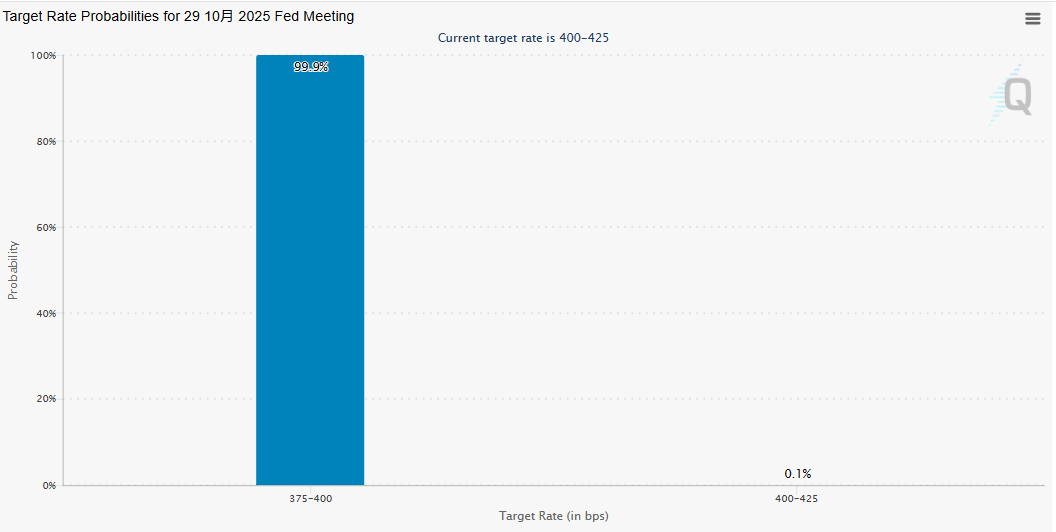
Xin Hua Cai Jing· 2025-10-17 08:31
Group 1: Malaysia Economic Outlook - Malaysia's economy recorded a surprising 5.2% growth in Q3, but growth momentum is expected to weaken in the coming quarters due to multiple pressures, including falling commodity prices and weak global demand [1] - The Malaysian central bank is anticipated to have at least one more rate cut available to support the economy, given the slowing growth outlook and expected moderate inflation [1] Group 2: Singapore Export Performance - Singapore's non-oil domestic exports (NODX) showed signs of resilience despite a year-on-year contraction in Q3, with a rebound observed in September [2] - The export outlook remains cautious due to ongoing risks from U.S. tariffs, although the current impact has been somewhat controlled [2] Group 3: Developed Markets Debt Challenges - Fitch Ratings highlighted that sovereign debt levels in developed markets have surpassed $71 trillion, with refinancing costs rising, exacerbating sustainability challenges [2] - The U.S. accounts for half of the total debt in developed markets and has contributed over 60% of the total increase since 2007 [2] Group 4: U.S. Job Market Trends - Initial jobless claims in the U.S. are expected to decrease from 235,000 to 217,000, indicating a short-term decline in applications [4] - Despite this decline, the overall job market remains weak, with many job seekers still unemployed, reflecting a decrease in employment momentum [4] Group 5: Eurozone Economic Recovery - The Eurozone's economic recovery is expected to be slow, supported by the lagging effects of monetary policy easing and gradual fiscal policy implementation [4][5] - Key factors to monitor include the EU's ability to implement structural reforms and the sustainability of consumer spending, which is currently influenced by high savings rates [5]
鲍威尔关于美联储资产负债表最新演讲,终于,他坐不住了
Sou Hu Cai Jing· 2025-10-17 00:49
Core Viewpoint - The Federal Reserve, led by Chairman Powell, may soon halt its balance sheet reduction, indicating a potential shift in monetary policy that could impact global markets [1][3][10]. Group 1: Federal Reserve's Balance Sheet - As of October 8, the Federal Reserve's total liabilities stood at $6.5 trillion, with $2.4 trillion in Federal Reserve notes, $3.0 trillion in reserves, and approximately $800 billion in the Treasury's general account [3]. - The asset side of the balance sheet is primarily composed of $4.2 trillion in U.S. Treasury securities and $2.1 trillion in government-backed mortgage securities [3][4]. - The Fed's balance sheet played a crucial role during the pandemic, increasing its securities holdings by $4.6 trillion to nearly $9 trillion to support credit flow to households and businesses [5][7]. Group 2: Market Reactions - Powell's recent statements led to immediate market reactions, with the dollar declining and gold prices reaching new highs, reflecting expectations of a more liquid environment [10]. - The S&P 500 and Nasdaq showed mixed responses, with tech stocks, particularly in the AI sector, facing pressure due to concerns over competition and market bubbles, while the Dow Jones saw gains from companies like Walmart [12]. Group 3: Economic Outlook - Powell emphasized that inflation risks remain, with the core PCE price index rising 2.9% year-over-year, above the Fed's 2% target, partly due to tariff impacts [13][15]. - The Fed is navigating a complex economic landscape, balancing weak labor market conditions with persistent inflation, and is expected to maintain a moderate easing stance in the coming months [15].
'Fast Money' traders talk recent spike in market volatility
Youtube· 2025-10-16 21:56
Market Sentiment and Volatility - The current market volatility and declining yields indicate a perceived flight to quality, suggesting deeper concerns may be present beneath the surface [1][11] - The VIX index, which measures market volatility, is considered misaligned at 25 given the recent market movements, indicating potential underlying issues [1][3] Banking Sector Concerns - There are early signs of stress in the regional banking sector, but the situation may not be as severe as in previous crises, with some support expected [4][5] - Smaller banks are showing numbers that do not suggest systemic risk, but the potential for failures remains a concern, especially if the situation extends beyond previous timelines [5][12] Investor Behavior and Cash Reserves - Investors appear to be looking for reasons to sell, particularly after a strong market performance this year, leading to potential profit-taking [6][8] - Large amounts of cash are still on the sidelines from institutional investors, who are waiting for a correction to invest further [7][8] Interest Rates and Economic Indicators - The market is reacting to expectations of lower interest rates and the end of quantitative tightening (QT), with the 10-year yield dropping below the Fed funds rate, which is an unusual occurrence [9][10] - The bond market's behavior suggests that investors are concerned about economic conditions, as indicated by movements in gold prices [11][12] Banking Environment and M&A Activity - The current environment for large money center banks should theoretically benefit smaller banks, yet the performance of smaller banks does not reflect this expectation [12]
'VERY DISRUPTIVE': China warns US of retaliation over Trump's new tariff threat
Youtube· 2025-10-16 13:15
Trade Tensions and Economic Impact - The U.S.-China trade tensions are escalating, with President Trump threatening to block Chinese cooking oil imports following China's halt on American soybean purchases [1] - An additional 100% tariff on Chinese goods has been announced, alongside new export controls on critical software, in retaliation for China's restrictions on rare earth exports [2][3] Economic Risks and Monetary Policy - Federal Reserve Governor Steven Myron indicated that trade uncertainty is adding "new tail risks" to the economy, making it urgent for the Fed to consider rate cuts [3][5] - Myron does not foresee a recession but acknowledges that if trade threats materialize, it could negatively impact economic growth [4][5] - The current restrictive monetary policy, combined with potential trade shocks, could exacerbate negative economic consequences [5][6] Inflation and Housing Market - Myron expects inflation to decline, driven by decreases in shelter inflation, which is influenced by migration flows affecting housing prices [13][16] - The recent changes in migration policy are viewed as disinflationary, helping to stabilize the housing market [16] Fed's Rate Cut Expectations - Investors anticipate that the Fed will cut rates again, with expectations of three 25 basis point cuts this year, totaling 75 basis points [8][9] - Myron suggests that a 50 basis point cut would be more appropriate, but expects only a 25 basis point reduction [8][9] Manufacturing and Economic Growth - Increased manufacturing and investment in the U.S. are seen as positive for economic activity, potentially boosting the economic outlook [27][28] - The Fed's recent comments indicate a close approach to ending quantitative tightening, which could stabilize short-term interest rates [30][31] Future Economic Projections - Economic growth is projected to be around 2% for 2025, with various tailwinds and headwinds influencing the outlook [38][40] - The resolution of trade uncertainties with China could significantly impact economic growth in the near future [41][42]
每日机构分析:10月16日
Xin Hua Cai Jing· 2025-10-16 09:54
Group 1: Japan's Economic Outlook - SMBC Nikko Securities economists indicate that despite comments from Bank of Japan policy committee member Naoki Tamura suggesting a tightening stance, the market's view that immediate rate hikes are very difficult is unlikely to change. The uncertainty in Japan's political landscape poses a key challenge to current monetary policy [1] - The market is particularly concerned about the smooth communication between the government and the Bank of Japan, with these worries becoming increasingly prominent [1] Group 2: Thailand's Banking Sector - Fitch Ratings analysts predict that by 2026, the asset quality of Thailand's banking sector may remain weak but stable. Thai banks are actively reducing exposure to high-risk assets and have sufficient capacity to write off impaired loans, enhancing their resilience against non-performing asset pressures [1] - Despite overall economic growth being weak, a sustained low unemployment rate and a declining interest rate environment will help alleviate repayment pressures on borrowers, supporting loan repayments [1] - Thai banks' pre-provision operating profits are expected to remain strong enough to allow for additional loan loss provisions if necessary, thereby cushioning potential asset quality deterioration [1] Group 3: Australia's Monetary Policy Challenges - The Reserve Bank of Australia is increasingly caught in a dilemma, with price stability and full employment pulling in opposite directions. Inflation may exceed expectations while the labor market is weaker than anticipated, complicating policy decisions [2] - KPMG analysts suggest that the Reserve Bank of Australia should consider lowering interest rates at the upcoming meeting to a more stimulative level to support business investment and household spending, thereby bolstering the weak labor market [2] - HSBC analysis indicates that AI appears to be exerting downward pressure on hiring activities, with Australian businesses potentially accelerating cost-cutting measures amid an economic slowdown, increasing the number of at-risk positions [2] Group 4: U.S. Federal Reserve's Policy Outlook - Barclays Bank notes that Powell's comments suggest the FOMC is closer to ending the balance sheet reduction than previously indicated by recent officials. The forecast for the end of the Fed's balance sheet reduction has been significantly advanced from Q1 2026 to December 2024 [2] - TD Securities expects the Fed to announce the end of balance sheet reduction at the October 29 policy meeting, significantly earlier than previously anticipated, with the balance sheet potentially restarting expansion by 2026 due to year-end liquidity pressures [2] Group 5: Global Interest Rate Trends - Goldman Sachs has revised its forecast for the end of the Fed's balance sheet reduction from March 2026 to February 2026, expecting an official announcement in January 2026 [3] - Evercore ISI analysts state that the Fed's Beige Book reinforces the view that the economic outlook has not changed significantly since the September Fed meeting, with signs of economic growth slowing and weak labor demand solidifying expectations for further rate cuts [3] - Citigroup economists highlight that the proposed $350 billion U.S. investment fund agreement by South Korea is expected to be finalized soon, with market expectations shifting significantly regarding the agreement's prospects [4] Group 6: Singapore's Real Estate Market - Citigroup analysts indicate that Singapore's private residential market is expected to see a significant rebound in October after a sharp decline in September, where developer sales fell to only 255 units, an 88% drop from over 2,100 units in August due to a severe shortage of new supply [5]
风险偏好回落 股指高位震荡
Qi Huo Ri Bao· 2025-10-15 22:47
Group 1: Economic Indicators - In September, the CPI decreased by 0.3% year-on-year and increased by 0.1% month-on-month, while the PPI fell by 2.3% year-on-year, with a narrowing decline of 0.6 percentage points compared to the previous month [2] - Core CPI rose by 1% year-on-year, marking the first increase in 19 months, indicating a strengthening internal consumption driven by subsidy policies [2] - Food prices dropped by 4.4% year-on-year, primarily due to a 31.3% decline in pork prices, while non-food prices remained stable, with industrial consumer goods prices rising by 0.5% month-on-month [2] Group 2: Trade Performance - In September, exports grew by 8.3% year-on-year, surpassing market expectations of 5.7%, while imports increased by 7.4%, significantly exceeding expectations of 1.4% [3] - Exports to Africa saw a remarkable growth of 56.4%, with double-digit growth in exports to the EU, ASEAN, and Latin America, while exports to the US continued to decline [3] - High-end product exports accelerated, with notable increases in general machinery (24.9%), integrated circuits (32.7%), automobiles (10.9%), and ships (42.7%) [3] Group 3: External Environment and Market Sentiment - The external environment remains uncertain, with the US imposing 100% tariffs on certain Chinese exports and implementing export controls on key software, which has impacted market risk appetite [4] - Following the recent trade tensions, A-shares quickly stabilized after digesting the impact, while the Federal Reserve's dovish stance suggests a high probability of a rate cut in October [4] - The upcoming important meetings and expectations for new policies are likely to provide strong support for stock indices, although fluctuations are anticipated until clearer policy signals emerge [4]
Fed's beige book: Economic activity little changed from previous report
Youtube· 2025-10-15 18:52
Economic Activity - The Federal Reserve's Beige Book indicates that economic activity changed little from the prior report, with three districts reporting modest growth, five districts showing no change, and five experiencing slight softening [2] - Consumer spending on retail goods has decreased, with significant differences noted across income groups [2][3] Sector Performance - Demand for electric vehicles has increased due to auto sales, while leisure and hospitality sectors have seen a decline in international traveler spending [3] - Manufacturing has been negatively impacted by higher tariffs and waning demand, with agriculture, energy, and transportation sectors also generally down [4] Employment Trends - Employment levels remain stable, but labor demand is muted, with many employers reducing headcounts through layoffs and attrition [5] - There is a strain in labor supply across hospitality, agriculture, construction, and manufacturing sectors, potentially due to recent immigration policies [5] Wage and Inflation Dynamics - Wages are growing at a moderate pace, but health insurance expenses are driving up overall labor costs [6] - Prices have continued to increase, with input costs rising at a faster pace, and there is variability in how businesses pass on tariff costs to final prices [6][7] Federal Reserve Policy - The Fed is considering ending quantitative tightening and is focused on finding the right level of reserves in the system, with no current plans to revert to quantitative easing [8][9]
美联储米兰:在不太遥远的未来结束量化紧缩是合适的。
Sou Hu Cai Jing· 2025-10-15 17:26
美联储米兰:在不太遥远的未来结束量化紧缩是合适的。 来源:滚动播报 ...