
资产荒

Search documents
公募基金资产净值突破35万亿元
Zheng Quan Ri Bao· 2025-08-26 16:42
Group 1 - As of July 2025, the total net asset value of public funds in China reached 35.08 trillion yuan, marking a 2.01% increase from the end of June 2025, and setting a new historical record for the tenth consecutive month since 2024 [1] - Open-end funds are the primary driver of growth in public fund assets, with their net asset value totaling 31.33 trillion yuan as of July 2025, while closed-end funds accounted for 3.74 trillion yuan [1] - The growth in open-end funds includes increases in scale, shares, and number, with respective increases of 710.61 billion yuan, 158.90 billion shares, and 108 new funds compared to the end of June 2025 [1] Group 2 - Among various fund types, money market funds saw significant growth in July 2025, with an increase of 381.38 billion yuan in scale and 379.69 billion shares [2] - Equity funds and mixed funds also experienced notable growth, with stock funds increasing by 192.59 billion yuan and mixed funds by 138.56 billion yuan by the end of July 2025 [2] - Despite the growth in equity funds, their shares decreased, with stock funds down by 11.47 billion shares and mixed funds down by 3.71 billion shares compared to the end of June 2025 [2] Group 3 - Recent demand-side support policies in areas such as fertility, consumption, and infrastructure are expected to show positive effects in the medium to long term, with improvements in financial data indicating active policy implementation [3] - The market shows strong demand for high-return assets, driven by factors such as the ongoing "technology narrative" and the coexistence of high growth in household savings and "asset scarcity" [3]
中金公司-A股策略:存款搬家如何影响A股表现?(2)
中金· 2025-08-26 13:23
Investment Rating - The report indicates a positive outlook for the A-share market, suggesting that the trend of "deposit migration" is likely to continue, which could lead to further market activity and investment opportunities [6]. Core Insights - The report highlights that the A-share market has seen increased activity, with the Shanghai Composite Index surpassing 3800 points, marking a 10-year high. The average daily trading volume reached approximately 2.6 trillion yuan, with a turnover rate of nearly 5% [1]. - A significant factor contributing to this market activity is the trend of "deposit migration," where residents are shifting their savings from traditional bank deposits to non-bank financial institutions and the stock market. From 2022 to 2024, residents added a total of 48.7 trillion yuan in savings, with a growth rate of 47.6% [1][2]. - The report identifies three main drivers of this deposit migration: a relatively loose macro liquidity environment, the attractiveness of the A-share market amid an "asset shortage," and a recovering market that has begun to show positive returns for investors [2]. Summary by Sections Deposit Migration Trends - The report notes a decrease in new resident deposits by 0.8 trillion yuan year-on-year in July, while non-bank financial institution deposits increased by 1.4 trillion yuan, reflecting a shift in savings behavior [1][2]. - The growth rate of demand deposits has rebounded to 6.8% as of July 2025, while the growth rate of time deposits has declined from 14.9% to 11.5% [1]. Historical Market Performance - Historical analysis shows that during periods of deposit migration, the A-share market generally trends upward, with notable examples in 2009 and 2014-2015. The report emphasizes that while some periods may show smaller gains, specific sectors can outperform the broader market [4][21]. - The report also indicates that the market's response to deposit migration often exhibits a lag, with significant investor participation typically occurring after initial market gains are observed [4]. Future Market Outlook - The report estimates that the potential funds from resident deposits entering the market could range from 5 to 7 trillion yuan, depending on various macroeconomic factors and policy expectations [6]. - Recommended sectors for investment include high-growth areas such as AI, innovative pharmaceuticals, and non-bank financial services, which are expected to benefit from increased market activity [6].

A股连续第10个交易日成交破2万亿
2 1 Shi Ji Jing Ji Bao Dao· 2025-08-26 08:08
Market Overview - The trading volume of the Shanghai and Shenzhen stock markets exceeded 2 trillion yuan for the 10th consecutive trading day, with a total volume of 2.71 trillion yuan on August 26, down by 462.1 billion yuan from the previous trading day [1][2] - The A-share market has seen significant trading days above 2 trillion yuan, with 18 days in 2024 and 12 days so far in 2025 [2] Index Performance - The Shanghai Composite Index closed at 3868.38, down by 15.18 points (-0.39%) [2] - The Shenzhen Component Index rose by 32.11 points (+0.26%) to 12473.17 [2] - The ChiNext Index fell by 20.86 points (-0.76%) to 2742.13 [2] Sector Performance - Consumer electronics showed strong performance, with stocks like Silan Microelectronics and Huasheng Tiancheng hitting the daily limit [3] - The low-altitude economy sector saw a surge, with Wan Feng Ao Wei briefly hitting the daily limit following a significant purchase order worth 3 billion yuan for eVTOL aircraft [5] Economic Insights - The high trading volume is attributed to a combination of policy support and market dynamics, with increased capital inflow from both domestic savings and foreign investments [8] - Recent macroeconomic conditions, including lower interest rates and a shift in savings towards capital markets, have enhanced the attractiveness of A-shares [8] - The market's upward trend is supported by a favorable policy environment and improved investor sentiment, indicating a potential bull market [10]


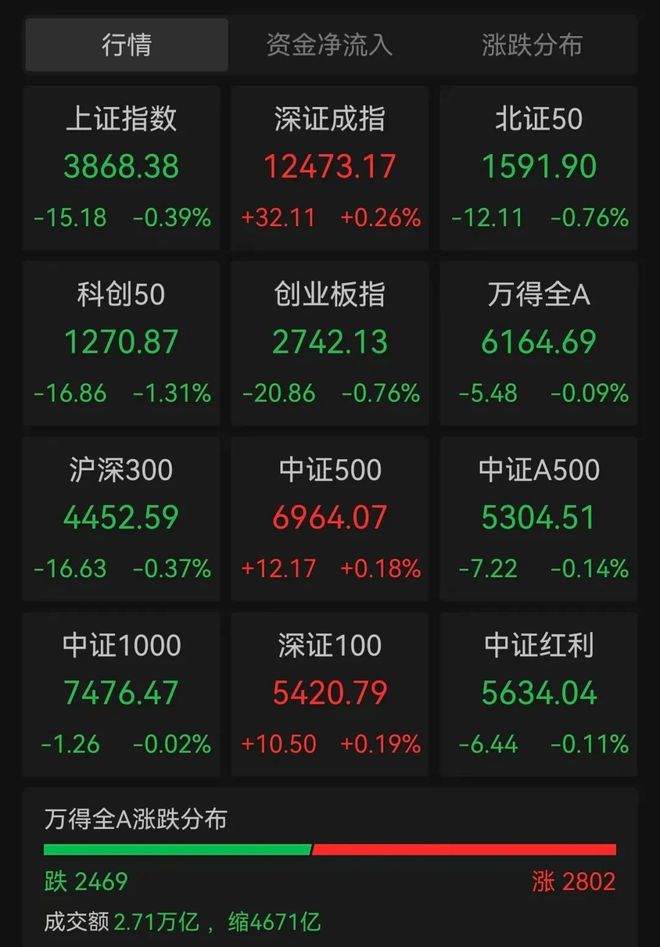
A股连续第10个交易日成交破2万亿
21世纪经济报道· 2025-08-26 08:00
Core Viewpoint - The significant increase in trading volume in the A-share market is attributed to a combination of policy support and market dynamics, with a notable shift of household savings into capital markets and continued foreign capital inflow [8][9]. Trading Volume and Market Performance - On August 26, the trading volume of the Shanghai and Shenzhen stock markets exceeded 2.71 trillion yuan, marking the 10th consecutive trading day above 2 trillion yuan, although it decreased by 462.1 billion yuan from the previous trading day [1][2]. - The A-share market has seen a total of 18 days with trading volumes exceeding 2 trillion yuan in 2024, and 12 days in 2025 so far. On August 25, the trading volume peaked at 3.18 trillion yuan, setting a new record for the year [3]. Sector Performance - Consumer electronics showed strong performance on August 26, with notable rebounds in chip stocks. Companies like Silan Microelectronics and Huasheng Tiancheng reached their daily limit up [3][5]. - Low-altitude economy concept stocks also experienced significant gains, with Wan Feng Ao Wei briefly hitting the daily limit up [5]. Market Sentiment and Economic Indicators - Economists suggest that the current high trading volume reflects a synergy between policy and market conditions, with a shift in household savings and foreign capital inflow contributing to market vitality [8]. - Recent reports indicate that the macro liquidity environment is relatively loose, with a decline in long-term bond yields and a drop in one-year LPR to 3%, which encourages the movement of savings into the stock market [8][9]. Market Trends and Future Outlook - The upward trend in trading volume is viewed as healthier compared to previous peaks, with a gradual increase in trading activity observed from April to August [9]. - Analysts believe that the current market conditions indicate a bullish sentiment, with increased trading enthusiasm and a rising risk appetite among investors [11].



以中长期制度建设打造资本市场安全垫
Di Yi Cai Jing Zi Xun· 2025-08-26 00:47
Core Viewpoint - The A-share market is experiencing a strong upward trend, with significant patience from investors, driven by monetary policy support and a shift of funds from savings to equities [2][3]. Group 1: Market Performance - As of July 25, the A-share market has surged, approaching a new high of 3900 points, with trading volume exceeding 3 trillion yuan [2]. - Since June 23, the Chinese stock market has shown strength for over two months, with valuations reaching new highs and sectors rotating upward [2]. Group 2: Monetary Policy Impact - The People's Bank of China has implemented over a trillion yuan in reverse repos and restarted interest rate cuts, lowering key rates by 10 basis points [2][3]. - These monetary policies have effectively reduced market interest rates, impacting institutional investors and leading to a concentration of investments in the equity market [2]. Group 3: Fund Flow Dynamics - As of July, domestic residents' deposits reached 162 trillion yuan, with a decrease of 1.11 trillion yuan in July, indicating an early stage of funds moving to the stock market [3]. - The ongoing asset shortage in the market limits investment choices, suggesting that the current market strength lacks robust support from corporate fundamentals [3]. Group 4: Investor Behavior - The current market trend reflects a risk-averse behavior among investors, with both insurance funds and household savings seeking stable returns [4]. - The influx of risk-averse capital into the equity market necessitates institutional safeguards to prevent mismatches between risk appetite and risk assets [4][5]. Group 5: Future Market Strategies - To support the transition of savings into the equity market, it is crucial to strengthen the economic fundamentals of the stock market through reforms that enhance market freedom and transparency [4]. - Long-term institutional reforms are needed to improve market attractiveness and ensure fair competition, including better information disclosure and protection of investor rights [4][5].

A股疯狂吸金:保证金规模大增 部分机构减持债券加仓股票
2 1 Shi Ji Jing Ji Bao Dao· 2025-08-25 15:56
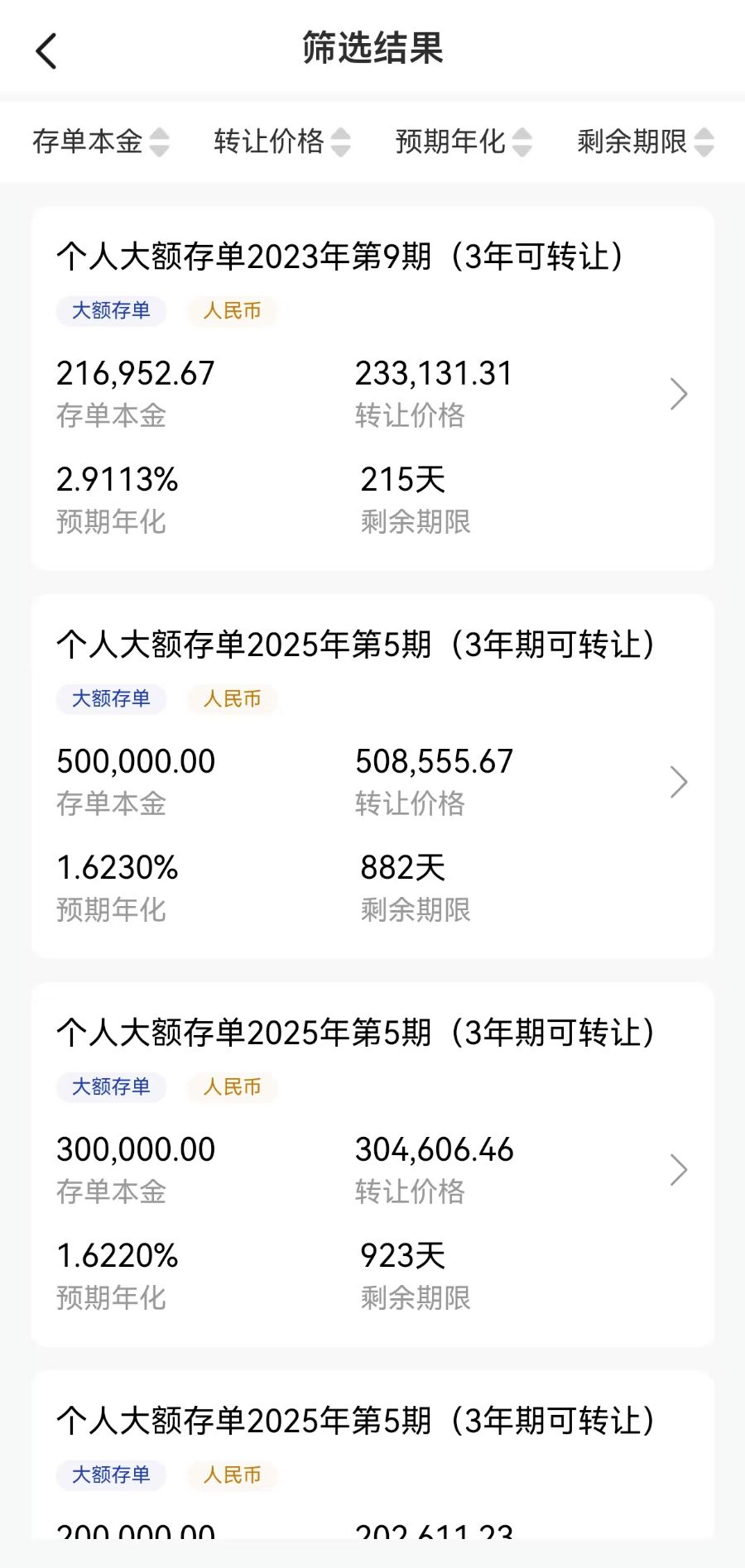
Group 1 - The core viewpoint of the articles indicates a significant influx of funds into the stock market, with the Shanghai Composite Index rising by 1.51% to close at 3883.56 points on August 25, marking a new high [1][10] - There has been a notable increase in margin trading, with several brokerage firms reporting a rise in client margin balances [1][10] - The trading volume in the Shanghai and Shenzhen markets exceeded 3 trillion yuan, setting a new record for the year [2] Group 2 - Many investors are transferring large-denomination certificates of deposit (CDs) despite sacrificing some interest income, with current rates for new CDs generally below 1.6% [1][2] - Some banks are seeing transfers of CDs with expected annual yields around 3%, indicating a strong demand for higher returns [2] - The trend of "deposit migration" is evident, with non-bank financial institutions' deposits increasing by 2.14 trillion yuan in July, while household deposits decreased by 1.11 trillion yuan [10] Group 3 - Institutional investors, including insurance funds and other capital, are actively entering the market due to a scarcity of high-yield assets amid low interest rates [11] - Regulatory changes have allowed insurance companies to increase their equity asset allocation, further driving institutional investment in the stock market [11] - Asset management firms are adjusting their strategies, increasing equity allocations in response to favorable market conditions, with some shifting from fixed-income products to diversified asset allocations [12] Group 4 - The popularity of ETFs among retail investors is growing, with ETF shares reaching 27.44 billion, a year-on-year increase of 19.23%, and total net assets rising by 69.48% to 4.59 trillion yuan [12][13] - The stock-type ETF scale reached 3.37 trillion yuan by August 25, reflecting an increase of 486.06 billion yuan, or 16.83%, since the beginning of the year [12]
资金涌入A股,有人2.6万元利息也不要了,紧急转让大额存单
21世纪经济报道· 2025-08-25 14:16
Core Viewpoint - The article highlights a significant influx of funds into the stock market, driven by both retail and institutional investors, with a notable increase in trading volume and a shift in investment strategies towards equities and high-yield assets [1][3][11]. Group 1: Market Trends - On August 25, the Shanghai Composite Index rose by 1.51%, closing at 3883.56 points, marking a new high, with increased market enthusiasm and a surge in margin trading [1]. - The trading volume in the Shanghai and Shenzhen markets exceeded 3 trillion yuan, setting a new record for the year [3]. - Retail investors are showing a more rational approach compared to previous years, with many opting for ETFs to enter the market rather than direct stock purchases [1][12]. Group 2: Institutional Investment - Institutional investors, including insurance funds and other financial entities, are actively seeking high-yield investment opportunities due to a scarcity of attractive assets, a phenomenon referred to as "asset scarcity" [11]. - Recent regulatory changes have allowed insurance companies to increase their equity asset allocation, encouraging them to invest in high-dividend stocks, particularly in the Hong Kong market [11]. - Asset management firms are adjusting their strategies, increasing equity allocations in response to favorable market conditions, with some shifting from fixed-income products to diversified asset strategies [12]. Group 3: Savings and Deposits - There is a notable trend of "deposit migration," with non-bank financial institutions seeing a record increase of 2.14 trillion yuan in deposits in July, while household deposits decreased by 1.11 trillion yuan [9]. - Many investors are willing to sacrifice interest income to transfer large-denomination certificates of deposit (CDs) for better yields, with some transfers showing expected annualized rates around 3% [3][6].

一财社论:以中长期制度建设打造资本市场安全垫
Di Yi Cai Jing· 2025-08-25 13:02
Core Viewpoint - The article emphasizes the need for long-term institutional reforms to support the equity market and ensure that both resident deposits and insurance capital can safely invest in this market, breaking the cycle of "short bull and long bear" [1][5]. Group 1: Market Performance and Trends - The A-share market has shown significant strength, reaching new highs and exceeding a trading volume of 3 trillion yuan, indicating a strong upward trend since June 23 [1]. - The current market rally is characterized by patience, supported by the central bank's monetary policies, including a series of interest rate cuts that have lowered market rates [1][2]. - There is a notable shift of resident savings towards the stock market, although this transition is still in its early stages, as evidenced by a decrease in resident deposits and an increase in non-bank financial institution deposits [2]. Group 2: Investment Behavior and Risks - The influx of insurance capital into the equity market reflects a broader trend of risk-averse investors seeking stable returns, highlighting the need for a secure investment environment [2][4]. - The current market sentiment is influenced by a desire to avoid losses, with both insurance capital and resident deposits being inherently risk-averse [2][3]. - The article warns that mismatching risk-averse capital with high-risk assets could lead to systemic instability in the financial market [2]. Group 3: Recommendations for Market Improvement - Strengthening the economic fundamentals of the stock market is crucial, which involves implementing reforms that enhance market participants' operational freedom and ensure effective government services [3]. - Long-term institutional reforms should focus on improving risk pricing mechanisms and ensuring fair competition in the market, including better information disclosure and investor protection measures [3][4]. - Regulatory bodies must recognize the capital market as a risk trading and allocation venue, allowing risk-averse investors to operate securely within it, which is essential for establishing long-term investment value [4][5].
A股疯狂吸金:保证金规模大增,部分机构减持债券加仓股票
2 1 Shi Ji Jing Ji Bao Dao· 2025-08-25 12:48
Market Overview - The Shanghai Composite Index rose by 1.51% on August 25, closing at 3883.56 points, marking a new high [1] - There has been a significant influx of capital into the market, with trading volume in the Shanghai and Shenzhen markets exceeding 3 trillion yuan, a record for the year [2][10] Investor Behavior - Many investors are willing to sacrifice interest income to transfer large-denomination certificates of deposit (CDs), with some transfers showing expected annual yields around 3% [1][2] - Retail investors are entering the market more rationally compared to the previous year, utilizing tools like ETFs for indirect market participation [1][12] Institutional Investment - Institutional investors, including insurance funds and other capital, are actively entering the market due to a scarcity of high-yield assets, driven by low interest rates [11] - The proportion of insurance capital entering the market has been increased, with regulatory changes allowing for a higher allocation to equity assets [11] Asset Management Trends - Asset management companies are adjusting their portfolios, increasing equity allocations in response to favorable market conditions, with a notable shift from fixed income to diversified asset strategies [12] - The total assets under management for stock ETFs reached 3.37 trillion yuan by August 25, reflecting a 16.83% increase since the beginning of the year [12]
【西街观察】机构市比散户市更“牛”
Bei Jing Shang Bao· 2025-08-25 12:43
Core Viewpoint - The current market trend is driven by institutional investors rather than retail investors, indicating a more rational and sustainable investment approach [1][2][3] Group 1: Market Characteristics - The A-share market is experiencing a significant rally, with the Shanghai Composite Index approaching 3900 points and trading volume exceeding 3 trillion yuan [1] - There is a clear distinction between institutional and retail markets, with institutional investors focusing on macro policies and industry trends, leading to a more defined investment logic [1][2] - The current market features two main categories of core assets: high-dividend bank stocks and chip stocks representing new productive forces [1] Group 2: Investment Behavior - Institutional investors dominate with long-term capital, adhering to strict risk control and investment discipline, favoring value investment and long-term holdings [2] - Retail investors tend to engage in speculative trading, leading to significant volatility and a lack of sustainable performance in the market [2] - The performance of small-cap and underperforming stocks has lagged behind the broader market, indicating a shift towards more institutional-like investment strategies [2] Group 3: Capital Market Dynamics - The institutional market provides opportunities for traditional industries to transition by investing in emerging sectors, enhancing capital efficiency [3] - The optimization of market capital allocation favors technology assets, benefiting both primary and secondary markets in the tech industry [3] - The process of "institutionalization" in the A-share market is accelerating, supported by policy guidance and market choices, promoting a "slow bull" rather than a "fast bull" market [3]