
中美贸易战

Search documents
被市场大跌吓到“改口”?特朗普称无意解雇鲍威尔 美股美元应声反弹
智通财经网· 2025-04-23 00:18
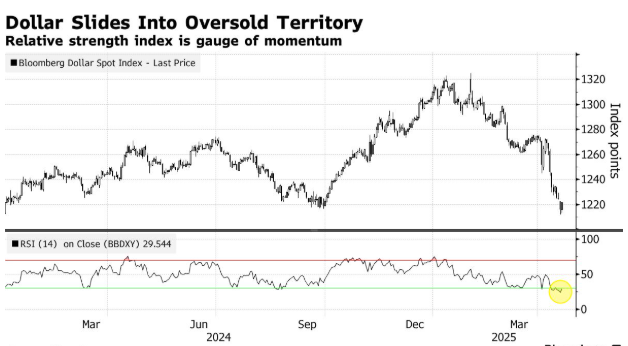
智通财经APP获悉,美国总统特朗普表示,他无意解雇美联储主席鲍威尔,尽管他对美联储没有更快地 降息感到失望。特朗普周二对记者说:"从来没有(打算解雇鲍威尔)。媒体总是把事情搞得一团糟。我 希望看到他在降低利率的想法上更积极一些。" 上周五,白宫国家经济委员会主任凯文·哈塞特告诉记者,特朗普正在研究他是否能够解雇鲍威尔的问 题;在此之前,特朗普在社交媒体上发表了一系列批评美联储的帖子和公开评论。上周,就在欧洲央行 将基准利率下调25个基点至2.25%(约为美联储利率4.25-4.5%的一半)之前,特朗普发表了一篇针对鲍威 尔的"长篇批文",他在Truth Social上的一篇文章中说,"鲍威尔被解雇的速度再快都不为过!" 特朗普一再抱怨美联储降息速度不够快。特朗普周二重申了这一批评,尽管他坚称,他的言论引发的争 议——这些言论扰乱了市场——被夸大了。特朗普说:"我们认为现在是降低利率的完美时机,我们希 望看到我们的主席提前或准时,而不是迟到(降息)。" 本周,在特朗普威胁解雇鲍威尔和美国经济衰退风险引发"抛售美国"交易后,投资者抛售美国股票、债 券和美元,金价飙升至历史新高;周一,美元跌至2023年12月以来的 ...

中美关税战将如何演绎?|宏观经济
清华金融评论· 2025-04-22 10:36
文/广开首席产业研究院首席经济学家 连平 在关税问题上,美方针对中国的态度在一个月之内从极限施压和竭力孤立 迅速地转变为高举白旗寻求谈判,美方的葫芦里究竟卖的什么药?中美之 间的贸易战将如何演进?我方应怎样积极应对? 2025年,特朗普执政后不久就面向全球开打关税牌,中国则是其关税大棒的主要目标。自4月初以来,美国针对全世界实施"对等关税"。针对中国的税率 在两次加征10%之后,又加征34%的"对等关税"。在受到中国反制后,又匪夷所思地将从中国进口商品的关税提高至100%以上,最终成为荒唐的数字游 戏。近日美方又戏剧性表示中美之间可以进行关税谈判,甚至可以在较短时间内达成协议。在关税问题上,美方针对中国的态度在一个月之内从极限施压 和竭力孤立迅速地转变为高举白旗寻求谈判,美方的葫芦里究竟卖的什么药?中美之间的贸易战将如何演进?我方应怎样积极应对?笔者将谈些看法。 "脱钩"模式下美方将难有所获并陷入困境 特朗普政府高举关税大棒不可能无的放矢。 加征关税既是手段,也是目的。 一般认为,美国加征关税的短中期动机,一是削减贸易逆差。目前美国对世 界各国的贸易逆差在2024年达到1.2万亿美元。在特朗普看来,贸易逆差即 ...
金油神策:4.22晚评黄金行情分析、原油操作建议
Sou Hu Cai Jing· 2025-04-22 09:44
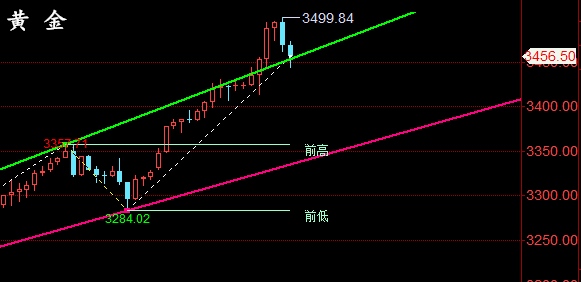
现货黄金: 消息面:金价在周一上涨3%后,周二延续创纪录涨势。美国总统特朗普对美联储主席鲍威尔的攻击以 及对美国金融稳定的担忧继续推动金价上涨。展望未来,金价可能会出现短暂的回调,因为交易员可能 会套现多头头寸,为本周即将公布的引人注目的美国财报做准备。然而,黄金价格的任何回落都可能被 视为一个好的买入机会,因为中美贸易战的升级和对美联储独立性的担忧将继续困扰市场。 技术面:日线RSI仍高于70,显示黄金短线过热,回调风险上升。4小时MACD严重顶背离,行情随时 会下跌调整!技术指标显示,尽管短期回调风险存在,但金价上行动能依然强劲。如果黄金出现回调, 金价可能挑战欧盘中高点3443美元/盎司;一旦跌破该位,3430美元/盎司可能会发挥支撑作用。个人预 计:高空低多为主。GOLD分水岭:3443美元/盎司! WTI原油: 消息面:美国对伊朗的压力,欧佩克及其减产同盟国对前期超产补偿计划,意味着全球原油供应趋紧, 油价继续强劲反弹。欧佩克周三在网站上发布消息说,已收到伊拉克、哈萨克斯坦和其他国家进一步减 产的最新计划,以弥补以前超过配额的产量。据计算,最新计划要求七个国家从现在到2026年6月期 间,每月额外减 ...
瑞达期货集运指数(欧线)期货日报-20250422
Rui Da Qi Huo· 2025-04-22 09:26
Report Summary 1. Investment Rating - Not provided in the report. 2. Core View - On Tuesday, the freight index (European Line) futures prices mostly declined, with the main contract down 4.24% and far - month contracts down 1 - 4%. The escalation of the Sino - US trade war has dampened foreign trade demand and restricted freight rates. The latest SCFIS European Line settlement freight rate index rose 7.6% week - on - week. Trump's statements may lead to a decrease in US commodity imports and a subsequent decline in shipping demand. The eurozone's manufacturing PMI in March was in the contraction zone, and the German manufacturing slump may pressure the eurozone economy. In the short term, panic and risk - aversion sentiment may dominate the market, increasing the volatility of the freight index (European Line) futures. In the long - term, it depends on global economic resilience and export substitution effects. If China - EU trade volume increases or US tariffs on Europe are better than expected, far - month futures prices may outperform near - month contracts. Investors are advised to be cautious and pay attention to subsequent US policies towards Europe and China - EU foreign trade data [1]. 3. Summary by Category Futures Market Data - EC main contract closing price: 1456.800, down 64.5; EC sub - main contract closing price: 1625, down 75.60. - EC2506 - EC2508 spread: - 168.20, up 22.60; EC2506 - EC2510 spread: 164.80, down 46.10. - EC contract basis: + 65.20, up; EC main contract open interest: 38691, down 118 [1]. Spot Market Data - SCFIS (European Line) (weekly): 1508.44, up 106.09; SCFIS (US West Coast Line) (weekly): 1368.41, down 219.43. - SCFI (composite index) (weekly): 1370.58, down 24.10; container ship capacity: 1227.97 (in ten thousand TEUs), unchanged. - CCFI (composite index) (weekly): 1110.94, up 3.66; CCFI (European Line) (weekly): 1486.14, down 9.31. - Baltic Dry Index (daily): 1261.00, down 20.00; Panamax Freight Index (daily): 1273.00, down 35.00. - Average charter price (Panamax ship): 11777.00, up 119.00; average charter price (Cape - size ship): 12059.00, down 218.00 [1]. Industry News - China's financial market has shown resilience after short - term fluctuations due to the US "reciprocal tariff" policy. - The Trump administration may scale back US activities in Africa and close many embassies. - Trump claims that Powell should cut interest rates, and the Fed should do so to benefit the US [1]. Key Data to Watch - France's April manufacturing PMI flash on April 23 at 15:15. - Germany's April manufacturing PMI flash on April 23 at 15:30. - Eurozone's April manufacturing PMI flash on April 23 at 16:00. - UK's April manufacturing PMI flash on April 23 at 16:30. - US April S&P Global manufacturing PMI flash on April 23 at 21:45 [1].

软商品日报-20250421
Guo Tou Qi Huo· 2025-04-21 12:17
| 《》 国投期货 | | 教商品日报 | | --- | --- | --- | | | 操作评级 | 2025年04月21日 | | 棉花 | ななな | 曹凯 首席分析师 | | 纸浆 | ☆☆☆ | F03095462 Z0017365 | | 白糖 | ☆☆☆ | 黄维 高级分析师 | | 苹果 | ななな | F03096483 Z0017474 | | 木材 | ななな | | | 天然橡胶 | ★☆☆ | 胡华舒 高级分析师 | | 20号胶 | ★☆★ | F0285606 Z0003096 | | 丁二烯橡胶 ★☆☆ | | 010-58747784 | | | | gtaxinstitute@essence.com.cn | 【棉花&棉纱】 今天郑棉小悟上涨,整体仍维持窄幅震荡;国产棉现货交投平淡,现货基差较为坚挺,部分贸易雨够下调寄合杂品种基层;纯 棉纱市场交投不佳,下游则需采购。 国内3月份进口格花7.37万吨,同比(39.7万吨)降$2.33万吨。3月份,服装、鞋帽、针 线 织品类商品实售额为1240亿元,同比增长3.6%,1-3月累计零售额为3869亿元,同比增长3.4%,国内内 ...
集运指数(欧线)期货日报-20250421
Rui Da Qi Huo· 2025-04-21 11:09
Report Summary 1) Report Industry Investment Rating No investment rating information is provided in the report. 2) Core View of the Report - Monday's freight index (European line) futures prices showed mixed trends, with the main contract closing down 2.12% and far - month contracts down between 1 - 3%. The escalation of the Sino - US trade war dampens foreign trade demand and restricts freight rates. The latest SCFIS European line settlement freight rate index is 1508.44, up 106.09 points from last week, a 7.6% week - on - week increase. The panic - hedging sentiment caused by Sino - US tariff hikes may dominate the market in the short term, increasing the volatility of the freight index (European line) futures. In the medium to long term, it depends on global economic resilience and the export substitution effect. If Sino - European trade volume increases or the US tariff rate on Europe is better than expected, far - month futures prices may perform better than near - month contracts. Investors are advised to be cautious, pay attention to the operation rhythm and risk control, and closely monitor US policies towards Europe and Sino - European foreign trade data [1]. 3) Summary by Relevant Catalog Market Data - **Futures Prices**: The EC main contract closed at 1522.000, down 33.0; the EC sub - main contract closed at 1712.8, up 44.10. The EC2506 - EC2508 spread was - 190.80, down 70.00; the EC2506 - EC2510 spread was 210.90, down 22.40. The EC contract basis was - 13.56, up 117.09. The main contract's open interest was 37752 lots, down 37 [1]. - **Spot Indices**: SCFIS (European line) (weekly) was 1508.44, up 106.09; SCFIS (US West line) (weekly) was 1368.41, down 219.43. SCFI (composite index) (weekly) was 1370.58, down 24.10. CCFI (composite index) (weekly) was 1110.94, up 3.66; CCFI (European line) (weekly) was 1486.14, down 9.31. The Baltic Dry Index (daily) was 1261.00, down 20.00; the Panamax Freight Index (daily) was 1273.00, down 35.00 [1]. - **Charter Rates**: The average charter price for Panamax ships was 11777.00, up 119.00; for Cape - size ships was 12059.00, down 218.00 [1]. Industry News - The US Trade Representative's Office announced the final measures of the 301 investigation into China's logistics, maritime and shipbuilding sectors. China's Ministry of Commerce and industry associations urged the US to correct its wrong practices, stating that the US measures are unilateral, protectionist, discriminatory, and violate WTO rules [1]. - A German economic research institute's report shows that in the next four years, US "reciprocal tariff" measures may cause Germany to lose 290 billion euros and the EU to lose 1.1 trillion euros, bringing global trade war risks and negative impacts on the global economy [1].
赵兴言:黄金已瞄准3400历史新高点!回撤上车的机会已经不远
Sou Hu Cai Jing· 2025-04-21 10:07
早盘我们来简单的做个解析。首先昨天趋势方面我们强调价格3300上做多看上升,而早间直接开盘暴涨并没有给到回撤机会,直接上前走大规模突破,那 么意味着是否开启了多头的上升?3400难道要直接突破了吗? 美元持续走弱,黄金迎来新高! 由于特朗普激进的关税政策和美国经济增长放缓削弱了投资者信心,并威胁到美元长期以来的全球主导地位,美元将大幅下跌。对美国贸易战略和经济放 缓日益增长的担忧,正给美元的强势蒙上阴影,不断恶化的经济指标,加上关税的不断扩大,正在削弱全球对美元的信心。 由于美国总统特朗普正在考虑是否能够解雇美联储主席鲍威尔,周一抛售美元的交易势头增强。 对于今天黄金走势的看法! 对中美贸易战升级和美联储独立性的担忧将美元推至三年低点。金价恢复创纪录反弹走势,并接近3400美元/盎司。在亚洲假期交易清淡的情况下,美元 兑几乎所有主要货币均走弱。美元普遍走软,避险需求增加,继续预示着传统避险黄金价格的好兆头。 因为在日线节奏当中好不容易出现的回撤直接被打破,按照当前的节奏来说4小时是持续性走阳,那么这种连阳行情当中就会担心有阴线的出来。所以恐 高也是在这不可避免的。只有出现阴线修正之后,可能才会继续看涨,所以早 ...
中美贸易战反复下,中间价仍是汇率锚
Nan Hua Qi Huo· 2025-04-21 02:44
南华外汇(美元兑人民币)周报 中美贸易战反复下,中间价仍是汇率锚 周骥 (投资咨询证号:Z0017101) 投资咨询业务资格:证监许可【2011】1290号 2025年4月21日 主要观点 综合通胀、关税政策、美元流动性三个维度的评估,接下来市场的定价逻辑或呈现下述特征:短期交 易窗口或聚焦关税政策的衰退传导效应与持续发酵的美债市场流动性压力;而在中长期维度,投资者或重 新评估美元信用体系稳定性、全球贸易架构及地缘政治格局的潜在重构路径。这种多时间维度的风险定价 机制,折射出全球资本对既有经济秩序可持续性的深层焦虑。因此,在上述时空交叠的定价逻辑演变下, 本质上体现了国际货币体系的结构性隐忧——当短期政策冲击与长期秩序重构形成共振压力,美元体系的 边际承载能力正遭遇系统性拷问。我们认为,接下来的关键点就在于经济,即在当前全球经济的"韧性锦 标赛"中,美元霸权能否维系的核心密钥,或将取决于美国经济能否在这场多维压力测试中保持最后的安 全边际。近期美元兑人民币即期汇率与美元指数的背离走势持续强化,显示人民币汇率形成机制对单一美 元波动的敏感度下降。而随着近期关税事件对汇率形成的压力有所减缓,在稳汇率政策框架(中间 ...
大湾区青年企业家大会下周举行
Shen Zhen Shang Bao· 2025-04-19 16:47
Group 1 - The Fourth Greater Bay Area Youth Entrepreneurs Conference will be held in Shenzhen on April 24-25, focusing on cutting-edge fields such as AI robotics, low-altitude economy, cross-border e-commerce, new media, and new consumption [1][2] - The event aims to create a platform for young entrepreneurs to exchange ideas, stimulate innovation, and promote high-quality development in the Greater Bay Area [1] - A special activity will honor 45 outstanding young entrepreneurs in recognition of the 45th anniversary of the Shenzhen Special Economic Zone, showcasing leaders from specialized small giant enterprises, unicorn companies, and listed firms [1] Group 2 - The conference will feature industry experts as mentors for young entrepreneurs, providing guidance and support for their growth [2] - Keynote speeches will include topics such as "New Productive Forces and the Mission of Bay Area Youth" and an analysis of the US-China trade war, addressing opportunities and challenges for young entrepreneurs in a complex international economic environment [2] - An innovation and entrepreneurship product showcase will highlight innovative products in AI, smart manufacturing, new energy, biotechnology, and cultural creativity, demonstrating the appeal of Shenzhen's innovative brands [2]
凌霄泵业(002884) - 2025年4月18日投资者关系活动记录表
2025-04-19 09:06
Group 1: Sales and Revenue - In 2024, the company's export business accounted for 53% of total receivables, with a gross profit margin of 39.13% [1][2] - The net profit for 2024 was 442 million yuan, representing a year-on-year growth of 15.30% [6] - The sales revenue from the U.S. market is uncertain, with expectations for 2025 indicating a potential decline of 15% to an increase of 5% [9] Group 2: Market Strategy and Competition - The company is focusing on expanding its market presence in Europe, Asia, the Middle East, and Southeast Asia to mitigate the impact of U.S. tariffs [1][5] - There is no plan for overseas production capacity at this time, despite the challenges posed by U.S. tariffs [5][12] - The company emphasizes that its products differ from those of its affiliate, Lingheng Electric, thus avoiding direct competition [2][4] Group 3: Product Development and Innovation - The company has developed a range of new products, including stainless steel pumps and specialized pumps for various applications [5][14] - Continuous training programs are conducted to enhance the technical skills of employees, ensuring ongoing innovation [5] - The company aims to maintain a focus on high-efficiency, energy-saving, and intelligent product development [8][9] Group 4: Financial Management and Shareholder Relations - The company is committed to maximizing shareholder value through a long-term profit distribution policy [2][6] - There are no current plans for share buybacks or significant shareholding increases by major shareholders [9][10] - The company actively manages financial risks and costs to ensure sustainable growth [5][9]
