
中美关系

Search documents
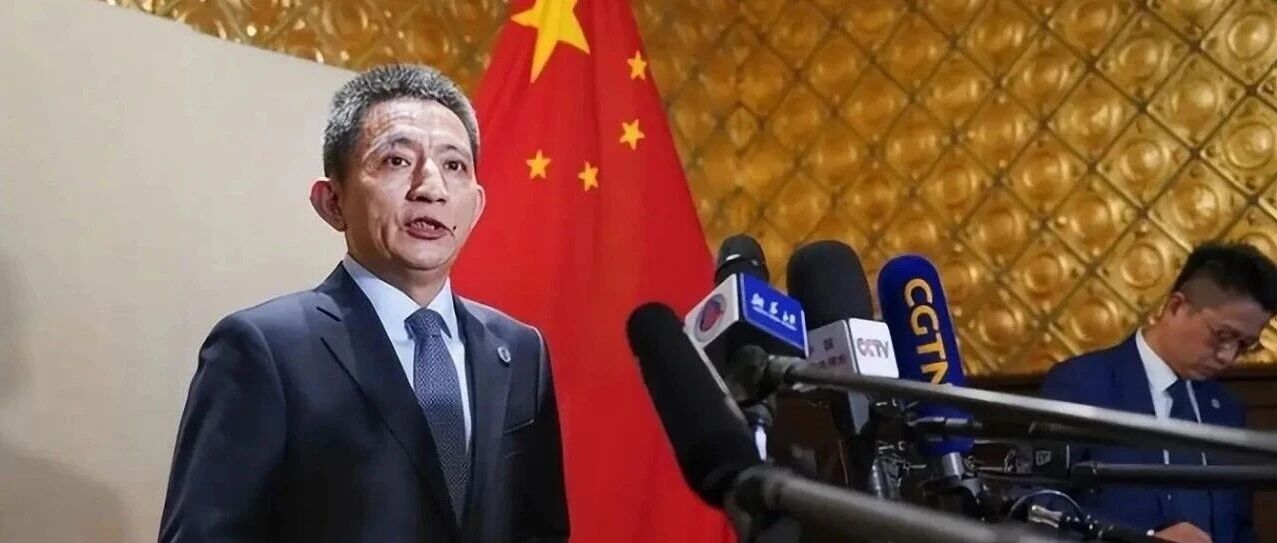
中联部副部长陆慷会见美中关系全国委员会代表团
Xin Lang Cai Jing· 2025-10-27 07:53
10月23日,中共中央对外联络部副部长陆慷会见由美军前太平洋总部司令、美前国家情报总监布莱尔率 领的美中关系全国委员会代表团,双方就中美关系等共同关心的问题交换看法。(中联部网站) ...
关税、中美关系、美联储、人工智能,这场中美学者的对话亮点满满!
Sou Hu Cai Jing· 2025-10-27 07:43
Core Viewpoint - The dialogue between Huang Yiping and former U.S. Treasury Secretary Robert Rubin at the 2025 Bund Summit highlighted concerns over U.S. tariffs, employment, inflation, and the challenges of artificial intelligence, reflecting differing perspectives on U.S. economic policies and their global implications [3][4][6]. Group 1: U.S. Tariffs and Economic Policy - Rubin criticized the U.S. tariffs as a misguided policy that undermines economic efficiency and raises prices, with a Goldman Sachs study indicating that approximately 82% of the tariff costs will be borne by Americans [4][5]. - He emphasized that the "America First" policy should align with an open trade system, arguing that globalization has historically benefited the U.S. economy, and current job losses are due to ineffective policy responses to trade liberalization [3][4]. - Rubin described tariffs as a regressive tax that disproportionately affects the poor, making them undesirable from both economic growth and social equity perspectives [5]. Group 2: U.S. Economic Outlook and Monetary Policy - Despite acknowledging the challenges posed by the Trump administration's policies, Rubin expressed long-term optimism about the U.S. economy, highlighting the need for reforms to address the unsustainable debt trajectory [6]. - He suggested eliminating the debt ceiling to prevent crises, while cautioning that this does not resolve the underlying issues of fiscal sustainability [6]. - Rubin noted that Federal Reserve Chairman Jerome Powell has successfully maintained the independence of the Fed amid political pressures, although he refrained from predicting future monetary policy actions [6]. Group 3: Artificial Intelligence and International Cooperation - The discussion on artificial intelligence underscored its potential to impact economic development, national security, and social structures, with Rubin advocating for international cooperation, particularly between the U.S. and China, to address governance challenges [7]. - Huang pointed out the contradictions in U.S. policy, where attempts to limit China's technological advancements coexist with a desire to access the Chinese market, leading to unintended consequences [7]. - Rubin warned that the current U.S. policy direction is heavily influenced by individual decision-makers, increasing uncertainty and unpredictability in both domestic and international contexts [8].


航运衍生品数据日报-20251027
Guo Mao Qi Huo· 2025-10-27 06:49
Report Summary 1. Report Industry Investment Rating - Not provided in the given content 2. Core View of the Report - The current sanctions have little impact on the European shipping routes, which are in the regular year - end price - holding stage. The first round of price - holding in late October to stop the price decline has shown initial results, and it has entered the second round in early November. There will be multiple rounds of price - holding in the next two months, so the seasonal expectations are in advance. The report suggests a wait - and - see strategy as the short - term peak - season price increase cannot be disproven, and the market is in a relatively strong and volatile state. Future attention should be paid to Sino - US relations, end - of - month loading conditions, and November's empty - sailing situation [6][7] 3. Summary by Relevant Catalogs Shipping Derivatives Data - **China Export Container Freight Rates**: The SCFI - US West index increased by 6.27%, SCFI - US East by 7.11%, SCFI - Northwest Europe by 11.21%, SCFI - Mediterranean by 8.25%, while the comprehensive index SCFI decreased by 1.60%, and SCFIS - US West decreased by 100.00% (the reason for this extreme decrease needs further investigation). The SCFIS - Northwest Europe decreased by 1.43% [3] - **Contract Data**: For contracts such as EC2506, EC5602, etc., the price change rates range from - 0.06% to 1.59%. Regarding the contract positions, for example, EC2606's position increased from 1399 to 1402, while EC2410's position decreased from 5583 to 4818. The month - to - month spreads like 10 - 12, 12 - 2, and 12 - 4 also have corresponding changes [3][4] Market News and Observations - US Treasury Secretary Scott Bessent reached a "very substantial framework agreement" with Chinese Vice - Premier He Lifeng, which will avoid 100% US tariffs on Chinese products and extend China's rare - earth export controls [5] - US President Donald Trump is confident in reaching an agreement with Chinese leaders after the preliminary consensus reached in the Sino - US high - level economic officials' trade consultations [5] - Shipping companies like CMA CGM, Maersk, and MSC are re - flagging some ships to India, indicating the strong future growth potential of the Indian market and the effectiveness of India's maritime development strategy, in contrast to the relatively weak results of the US maritime revitalization in 2025 [5] - The Suez Canal Authority expects its 2026 revenue to reach about $8 billion, up from the current approximately $4 billion [5] - The US and Vietnam have reached an agreement on a "reciprocal, fair, and balanced trade framework agreement" to strengthen bilateral economic relations [5] EC Market - **Market Condition**: The market is in a volatile state. The spot prices vary in late October and early November. In late October, prices range from 1350 to 2600, and in early November, they range from 1350 to 2800 [6] - **Logic**: Sanctions have little impact on the European routes. The routes are in the year - end price - holding stage, with the first round of price - holding in late October showing initial results and entering the second round in early November [6] - **Strategy**: The recommended strategy is to wait and see, as the short - term peak - season price increase cannot be disproven, and the market is in a relatively strong and volatile state [7]
中辉有色观点-20251027
Zhong Hui Qi Huo· 2025-10-27 02:51
Report Industry Investment Rating - Gold: High-level adjustment ★★ [1] - Silver: High-level adjustment ★★ [1] - Copper: Long-term holding ★★ [1] - Zinc: Rebound ★ [1] - Lead: Strong ★ [1] - Tin: Rebound ★ [1] - Aluminum: Strong ★★ [1] - Nickel: Rebound ★ [1] - Industrial Silicon: Rebound ★ [1] - Polysilicon: Cautiously bullish ★ [1] - Lithium Carbonate: Bullish ★★ [1] Report's Core View - The long-term upward logic of gold remains unchanged, benefiting from global monetary easing, declining US dollar credit, and geopolitical restructuring. Short-term fluctuations are affected by factors such as Sino-US relations and geopolitical situations [1][3]. - Copper is recommended to hold long positions, with cautious chasing of highs. In the long term, copper is optimistic due to its strategic importance and potential demand growth [1][7]. - Zinc is expected to have limited upside after the short-term macro - policy stimulus fades, and it is recommended to sell on rallies in the medium - to - long term [1][10]. - Aluminum prices are expected to remain strong in the short term due to factors such as inventory depletion and cost support [1][14]. - Nickel and stainless steel are recommended to be on the sidelines for now, waiting for downstream consumption improvement [1][18]. - Lithium carbonate's fundamentals have improved, and it is recommended to hold long positions [1][22]. Summary by Related Catalogs Gold and Silver - **Market Review**: Sino-US relations eased, market risk aversion subsided, and gold and silver prices continued to adjust [2]. - **Basic Logic**: Sino-US negotiations achieved results, US data supported further interest rate cuts, geopolitical issues such as the Russia - Ukraine situation and the French political crisis were complex, and gold is expected to have a long - term bull market [3]. - **Strategy Recommendation**: The long - term upward logic remains unchanged. Short - term attention should be paid to the opportunity to enter the market when gold and silver stop falling. Domestic gold pays attention to the 930 support, and silver pays attention to the effectiveness of the 11000 support [4]. Copper - **Market Review**: Shanghai copper oscillated at a high level overnight, and the center of gravity continued to move up [6]. - **Industrial Logic**: Overseas copper mine supply disturbances increased, domestic electrolytic copper production was expected to decline in the fourth quarter, and downstream demand was affected by factors such as real estate and infrastructure [6]. - **Strategy Recommendation**: In the super macro week, it is recommended to continue to hold copper long positions, be cautious about chasing highs, and use trailing stop - loss protection. In the medium - to - long term, copper is still optimistic [7]. Zinc - **Market Review**: Zinc oscillated narrowly overnight, with insufficient upward momentum [9]. - **Industrial Logic**: Domestic zinc concentrate supply was loose, demand was weak, and overseas LME zinc inventory increased slightly [9]. - **Strategy Recommendation**: Zinc continued to rebound, but the overall demand was weak. In the medium - to - long term, it is still a short - side allocation in the sector [10]. Aluminum - **Market Review**: Aluminum prices continued to rise, and alumina prices stabilized [12]. - **Industrial Logic**: Overseas macro - interest rate cut expectations continued. The inventory of electrolytic aluminum decreased, and the alumina market was in an oversupply pattern [13]. - **Strategy Recommendation**: It is recommended to buy on dips in the short term for Shanghai aluminum, paying attention to the changes in the downstream processing enterprise's operating rate [14]. Nickel - **Market Review**: Nickel prices rebounded in the short term, and stainless steel also showed a rebound trend [16]. - **Industrial Logic**: Overseas nickel ore supply disturbances weakened, domestic pure nickel inventory increased significantly, and stainless steel market inventory increased, with weak downstream demand [17]. - **Strategy Recommendation**: It is recommended to wait and see for nickel and stainless steel, paying attention to the improvement of downstream consumption [18]. Lithium Carbonate - **Market Review**: The main contract LC2601 opened slightly higher, encountered resistance and fell back after rising to 81,000, and the gains narrowed at the end of the session [20]. - **Industrial Logic**: The fundamentals improved significantly, with continuous inventory reduction for 10 weeks, strong terminal demand, and a positive feedback loop in the industry was expected to form [21]. - **Strategy Recommendation**: Hold long positions in the 2601 contract within the range of [78800 - 82000] [22].
大越期货油脂早报-20251027
Da Yue Qi Huo· 2025-10-27 01:29
证券代码:839979 油脂早报 2025-10-27投资咨询部 分析师: 王明伟 从业资格号: F0283029 投资咨询号: Z0010442 TEL: 0575-85226759 每日观点 豆油 1.基本面:MPOB报告显示,MPOB月报显示马棕8月产量环比减少9.8%至162万吨,出口环比减少14.74%至 149万吨,月末库存环比减少2.6%至183万吨。报告中性,减产不及预期。目前船调机构显示本月目前马 棕出口数据环比增加4%,后续进入减产季,棕榈油供应上压力减小。中性 2.基差:豆油现货8380,基差186,现货升水期货。偏多 3.库存:9月22日豆油商业库存118万吨,前116万吨,环比+2万吨,同比+11.7% 。偏空 4.盘面:期价运行在20日均线下,20日均线朝下。偏空 5.主力持仓:豆油主力多减。偏多 6.预期:油脂价格震荡整理,国内基本面宽松,国内油脂供应稳定。中美关系僵持,美豆新豆出口受挫, 价格承压。马棕库存偏中性,需求有所好转,印尼B40促进国内消费,26年预计实施B50计划。国内油脂 基本面偏中性,进口库存稳定。豆油Y2601:8000-8400附近区间震荡 每日观点 近期利 ...
中美“舌战”吉隆坡,成果几何?
水皮More· 2025-10-26 12:27
Core Viewpoint - The recent trade talks between China and the U.S. in Kuala Lumpur highlighted the ongoing tensions and the need for both sides to build mutual trust and manage differences, with a focus on various trade issues including tariffs and fentanyl cooperation [2][5][6]. Group 1: Trade Negotiation Context - The fifth round of trade negotiations took place in Kuala Lumpur, with Chinese Vice Premier He Lifeng expressing hope for mutual efforts to build trust and manage differences [2]. - Key discussion topics included U.S. maritime logistics and shipbuilding industry measures, extension of the "reciprocal tariff" suspension, fentanyl tariffs and enforcement cooperation, agricultural trade, and export controls [2]. - Chinese Commerce Ministry representative Li Chenggang noted that both sides had in-depth and candid discussions, leading to a preliminary consensus [2]. Group 2: U.S. Stance and Historical Context - Li Chenggang indicated that the U.S. maintained a hardline stance throughout the negotiations, reflecting a consistent approach since the first round in Geneva [5]. - The article draws attention to the symbolic meanings of the negotiation locations, suggesting a pessimistic outlook on the negotiations [5]. - The U.S. has engaged in disruptive activities prior to the Kuala Lumpur talks, with Treasury Secretary Yellen reportedly expressing critical views towards Chinese representatives [5]. Group 3: Future Outlook and Strategic Positioning - China is positioned to counter U.S. hegemonic practices, while the U.S. has shown insincerity in negotiations, particularly regarding tariffs and fentanyl, which are seen as tools rather than genuine negotiation points [6]. - The article suggests that maintaining normal diplomatic relations and avoiding extreme opposition is crucial, with trade cooperation possible in mutually acceptable areas [6]. - The notion that U.S.-China relations cannot return to previous states is acknowledged, emphasizing the need for both sides to work towards a new, equitable relationship [6].
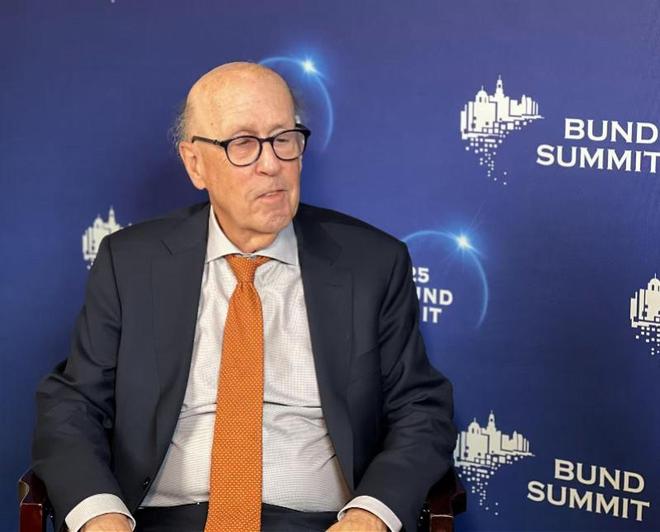
对话美国经济学家罗奇:让居民更有安全感,提高其自主消费
Nan Fang Du Shi Bao· 2025-10-25 13:57
Core Insights - The core viewpoint emphasizes the need to boost consumer confidence in order to stimulate consumption in China [2][3] Group 1: Consumer Confidence - Stephen Roach highlights that enhancing consumer confidence is essential for increasing autonomous consumption [3] - He points out that excessive precautionary savings driven by future uncertainties must be addressed to stimulate consumer spending [3] Group 2: Savings Comparison - Current household savings rates in China are significantly higher than the average rates in OECD countries and far exceed those in the United States [3] Group 3: Policy Recommendations - Roach suggests that improving social security systems, particularly in pensions and healthcare, is a practical measure to alleviate public concerns about the future [3] - He notes that discussions on expanding consumption in China have been ongoing for many years, indicating a need for more focused policies to boost consumption [3]
赵一德会见美国俄勒冈州参议长瓦格纳
Shan Xi Ri Bao· 2025-10-24 22:32
Core Points - The meeting between Zhao Yide, Secretary of the Provincial Party Committee, and Oregon Senate President Wagner highlights the importance of enhancing cooperation between Shaanxi Province and the United States, particularly in areas such as trade, technology innovation, and cultural exchanges [1] Group 1: Economic and Trade Cooperation - Shaanxi Province is actively working to integrate into a new development pattern and aims to become a highland for reform and opening-up, focusing on developing an open economy [1] - The meeting serves as an opportunity to implement the important consensus reached by the leaders of China and the United States, emphasizing the potential for cooperation in investment, trade, and modern agriculture [1] Group 2: Cultural and Educational Exchanges - There is a strong emphasis on enhancing cultural, educational, and tourism exchanges, particularly among the youth, to foster mutual understanding and benefit the people of both regions [1] - Wagner expressed appreciation for Shaanxi's rich history and culture, indicating a desire to strengthen communication and collaboration in various sectors [1]
特朗普开启亚洲之行,中美元首会谈压轴,谈完就从韩国返回美国
Sou Hu Cai Jing· 2025-10-24 19:10
从外部观察者的角度来看,这样的安排既显得别具匠心,也透露出特朗普政府对当前中美关系严峻形势的危机感。近期,中美之间的贸易摩擦加剧, 双方在稀土、半导体等战略性资源上不断施压,彼此间的言辞也变得更加尖锐。在此背景下,特朗普希望通过高层对话,寻找缓解紧张局势的可能 性。然而,放在行程末尾的会谈,也许更是在无形中传递了美国在中美关系中的不安与期待。 选择韩国作为会谈地点,似乎也蕴含着深远的地缘政治考量。韩国,可以被视为东西方力量对峙中的一种"缓冲地带",既不是日本这个传统盟友,也 受制于中国的经济现实。李在明政府的配合,不仅显示出了对中美关系微妙变化的敏感,也折射出韩国在国际舞台上越发重要的角色。李政府呼吁中 韩关系"全面恢复与发展",这无疑是对中美两国争霸博弈中的一种平衡姿态的彰显。 在这种情况下,亚太地区的未来合作或许并不是单纯的零和博弈。随着各国在多边合作中对自身利益的重新评估,区域内各国或许会寻求超越大国竞 争的政治生态,以实现共同利益。从这一角度来看,韩国政府的策略甚至可以说是一种"智慧型外交",试图在两大强国之间找到自己的立足点。 特朗普此次行程的最大亮点无疑是将中美元首会谈安排在最后一站,这样的"压轴 ...
美国彼得森国际经济研究所杰弗里·肖特:全球贸易体系面临两大核心挑战|2025外滩年会
Guo Ji Jin Rong Bao· 2025-10-24 05:01
Core Insights - The 2025 Bund Summit will be held from October 23 to 25 in Huangpu District, Shanghai, focusing on the theme "Embracing Change: New Order, New Technology" [1] Group 1: Global Trade Dynamics - Jeffrey J. Schott, a senior researcher at the Peterson Institute for International Economics, emphasized the importance of "trust" and "enforcement" in the global trade system, which he views as core challenges [3] - Schott highlighted that the stability of U.S.-China relations and the multilateral trade mechanism relies on predictable policies and ongoing dialogue [3][4] - He noted that uncertainty in bilateral relations increases operational costs for businesses and creates political risks, advocating for a reduction in uncertainty to facilitate normal trade and investment [5] Group 2: U.S.-China Relations - Schott stated that restoring basic trust is essential for resolving U.S.-China trade tensions, which he believes is a long-term process [5] - He pointed out that even in areas of significant disagreement, communication should be maintained due to the profound impact that policy changes from either country can have on the global economy [3][5] - Schott expressed skepticism about the U.S. rejoining the Comprehensive and Progressive Agreement for Trans-Pacific Partnership (CPTPP) in the short term [5] Group 3: Multilateral Trade Agreements - Schott described the CPTPP as a beneficial complement to the World Trade Organization (WTO) rather than a replacement, noting that the U.S. withdrawal from the Trans-Pacific Partnership (TPP) was a mistake [5] - He mentioned that China's potential accession to the CPTPP would be a cautious and gradual process, with limited short-term progress expected [5] Group 4: WTO and Sanctions - Schott denied claims of WTO marginalization, asserting that it still plays a crucial role but requires updates to reflect contemporary technological and trade dynamics [6] - He differentiated between the quantity of sanctions and their policy impact, stating that current sanctions do not significantly threaten the dollar's status as the world's primary reserve currency [6] - Schott warned that long-term instability in U.S. domestic economic policy could lead to questions about the future of the dollar, similar to the historical decline of the pound [6] Group 5: Service Trade - Schott criticized the U.S. public discourse for often overlooking the significant contributions of service trade, which he considers a vital component of modern globalization [7]
