情绪价值

Search documents
4000亿市值!泡泡玛特的底层商业原理
混沌学园· 2025-09-04 11:58
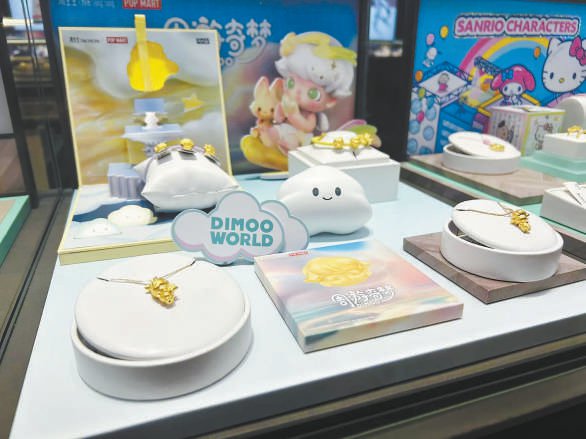
Core Viewpoint - The article discusses the recent stock price fluctuations of Pop Mart, highlighting its resilience and growth potential despite a temporary pullback, and emphasizes the importance of understanding its underlying business model to unlock value creation in the new consumption era [1]. Group 1: Market Dynamics - Pop Mart's market capitalization has increased from over 300 billion to over 400 billion, illustrating significant market interest and volatility [1]. - The founder, Wang Ning, notes that a daily fluctuation of two percentage points can lead to a change of 100 billion in market value, reflecting the dramatic nature of stock price movements [1]. Group 2: Business Model Insights - The article emphasizes the need for companies to address challenges related to overcapacity and consumer repurchase behavior in a market characterized by excess supply [1]. - Zhang Le, a key figure in the article, suggests that understanding consumer behavior and creating a sustainable business model is crucial for overcoming price competition [1]. Group 3: Course Content Overview - The course aims to dissect core issues in the consumption era, including strategies for companies to navigate from scarcity to overcapacity and the essence of generational consumption differences [6]. - It will explore the steps for "small but beautiful" brands to seize opportunities in the current market landscape [6]. Group 4: Learning Outcomes - Participants will learn how to quantify "emotional value" and apply it to product development [10]. - The course will provide tools to understand the emotional purchasing motivations of younger generations [8]. - Insights will be shared on the premium logic of "useless items" and how to drive repeat purchases [9].


天价“痛金”到底值不值?
Bei Jing Wan Bao· 2025-09-04 07:44
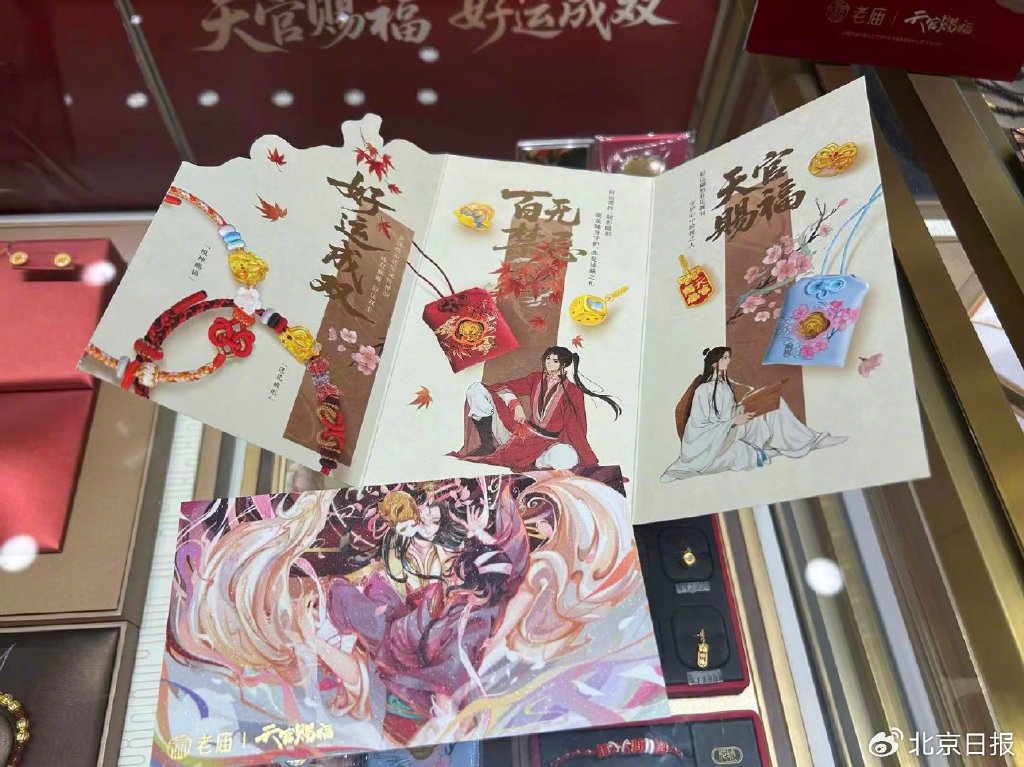
Core Insights - The rise of "pain gold" jewelry, which combines elements from anime, games, and other IPs, has gained significant popularity among young consumers, with prices reaching as high as 2,600 yuan per gram [1][7][10] Group 1: Market Trends - Traditional gold retailers like Chow Tai Fook, Lao Miao, and others are shifting focus from conventional gold items to "pain gold" products, which feature collaborations with popular IPs [4][5] - The sales of "pain gold" items have been strong, with pre-sales for certain collections receiving deposits in the tens of thousands of yuan, indicating high demand among fans [6][10] Group 2: Pricing and Valuation - "Pain gold" products are typically sold at fixed prices rather than by weight, leading to significant price premiums over standard gold prices, with some items showing over 100% markup compared to the market gold price [7][8] - For example, a gold banknote weighing only 0.2 grams is priced at 520 yuan, equating to 2,600 yuan per gram, which is more than double the market rate [7][10] Group 3: Consumer Behavior - Retail staff employ emotional marketing strategies to connect with young consumers, emphasizing the sentimental value of the products, which often leads to higher sales [5][8] - The concept of "value retention" is heavily promoted, with claims that these items are not only collectibles but also investment-worthy, despite evidence suggesting significant depreciation upon resale [8][10] Group 4: Challenges and Concerns - The resale market for "pain gold" items often reveals substantial depreciation, with buyback prices from retailers being significantly lower than original purchase prices, sometimes as low as 35% of the original price [10][11] - There are concerns regarding transparency in marketing, as many retailers do not disclose critical information about the weight and resale conditions of "pain gold" products, potentially misleading consumers [12]


单克高达2600元,年轻人热捧的“痛金”值吗?
Bei Jing Ri Bao Ke Hu Duan· 2025-09-04 04:58
Core Viewpoint - The rising popularity of "pain gold" jewelry, which features designs inspired by anime and other pop culture elements, is driven by young consumers' willingness to pay for emotional value, but there are concerns about its long-term value retention as market hype may fade [1][9]. Group 1: Market Trends - "Pain gold" products are becoming the main attraction in gold stores, replacing traditional items like bracelets and charms [2]. - Major brands such as Chow Tai Fook, Lao Miao, and Chao Hong Ji are actively promoting "pain gold" items, with a significant portion of their displays dedicated to these collaborations [2][4]. - The emotional connection to characters from popular series like "Tian Guan Ci Fu" is a key driver for purchases, with consumers willing to spend large amounts on these items [4][5]. Group 2: Pricing and Valuation - "Pain gold" products are typically sold at fixed prices, often significantly higher than traditional gold pricing, with examples including a Chow Tai Fook Stitch bracelet priced at 5340 yuan and a Lao Miao "Tian Guan Ci Fu" bracelet at 1520 yuan [5][6]. - The pricing strategy often obscures the actual gold weight, leading to high premiums; for instance, a gold note weighing only 0.2 grams is priced at 520 yuan, equating to 2600 yuan per gram [6][10]. - The premium pricing is justified by sellers citing the complexity of production and the costs associated with IP licensing [8]. Group 3: Consumer Behavior and Risks - Consumers face significant depreciation when attempting to resell "pain gold" items, with buyback offers often being a fraction of the original price [10][11]. - The marketing of "pain gold" emphasizes emotional and investment value, but there are concerns about transparency regarding actual gold weight and resale conditions [12]. - Many consumers report feeling misled about the value retention of these products, leading to dissatisfaction when they attempt to sell them [10][12].


“蜘蛛侠”邀你“玩乐不停”,和“一饭封神”主厨面对面:沪上金秋消费解锁跨界新体验
Sou Hu Cai Jing· 2025-09-03 08:58
Group 1: Consumer Market Trends - The Shanghai consumer market is entering the traditional peak season of "Golden September and Silver October," characterized by vibrant consumption driven by financial policies and innovative collaborations [1] - A series of cross-industry integrations and scene innovations are emerging, enhancing the consumption landscape in Shanghai [1] Group 2: Financial Policies and Consumer Loans - The implementation of the national personal consumption loan interest subsidy policy is rapidly benefiting citizens, with significant actions taken by major enterprises like Bailian Group and SPD Bank [2][4] - The collaboration between Bailian Group and SPD Bank effectively connects macro policy benefits to the consumer end, marking a successful model of "commercial + financial" dual-driven approach [4] Group 3: Dining Experience Innovations - The dining sector is seeking new growth points through the integration of popular variety shows, such as the collaboration between the food competition show "One Meal to Fame" and Meituan [5] - Post-broadcast, restaurants featured in the show experienced a 166% increase in total exposure and a 42% rise in transaction users, indicating a successful online-offline fusion [7] Group 4: Global Brand Collaborations - International brands are injecting new vitality into Shanghai's autumn consumption market through significant IP collaborations, such as LEGO's partnership with actor Tom Holland for the "Play Without Limits" global brand campaign [9] - This collaboration aims to promote the idea that play is a form of self-expression, regardless of age, aligning with the needs of family consumers and the "Kidult" demographic [11]


第三届特昂节圆满举办&36氪「CITYFORCE年度品牌」揭晓
36氪· 2025-09-02 13:34
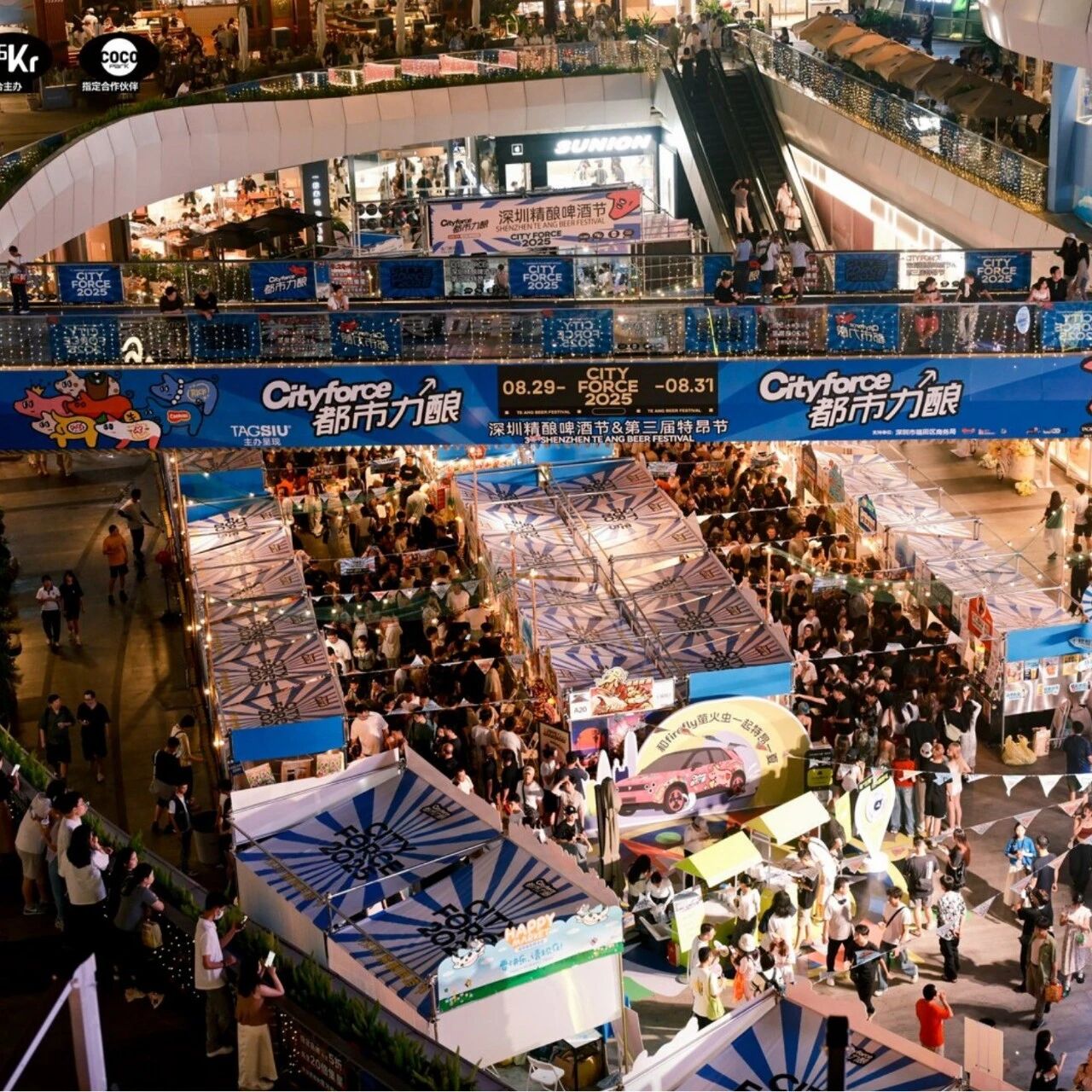
Core Viewpoint - The article emphasizes the importance of innovation and brand strength in driving new consumption patterns and enhancing urban consumer experiences, particularly in the context of the Shenzhen Urban Craft Beer Festival and the Third Shenzhen Teao Festival [5][10][14]. Group 1: Event Overview - The Shenzhen Urban Craft Beer Festival and the Third Shenzhen Teao Festival were held in collaboration with 36Kr and TAGSIU, aiming to explore new consumption scenarios and promote night economy development [3][5]. - The event featured various activities, including live music, robot performances, and social gatherings, designed to create engaging consumer experiences [10][11]. Group 2: Consumer Trends - The article notes a shift from "consumption downgrade" to "consumption grading," highlighting that consumers now prioritize quality-price ratios and are willing to pay for emotional value [6][8]. - Consumers are increasingly seeking innovative solutions and unique experiences rather than just products, indicating a demand for deeper emotional connections with brands [8][9]. Group 3: Innovation and Brand Strength - Innovation is described as essential for survival and growth, serving as a driver for differentiation in a competitive market [8]. - Brand strength is identified as a critical factor that amplifies the value of innovation, fostering consumer trust and loyalty [9]. - The relationship between innovation and brand strength is characterized as interdependent, where each element enhances the other, facilitating a brand's evolution from being known to being loved [9]. Group 4: Recognition of Brands - 36Kr recognized 32 representative brands from over 300 submissions, focusing on their core attributes of value depth and innovation strength [14][15]. - These brands span various sectors, including basic consumption, cultural entertainment, and new consumption fields, reflecting a comprehensive approach to consumer needs [16][17]. Group 5: Future Directions - The festival aims to integrate technology, culture, and commerce, establishing a sustainable business ecosystem that continues to observe and adapt to consumer trends beyond the event [21].
最难被AI替代的职业出现了,把无数内耗人哄成胚胎
创业邦· 2025-09-02 10:08
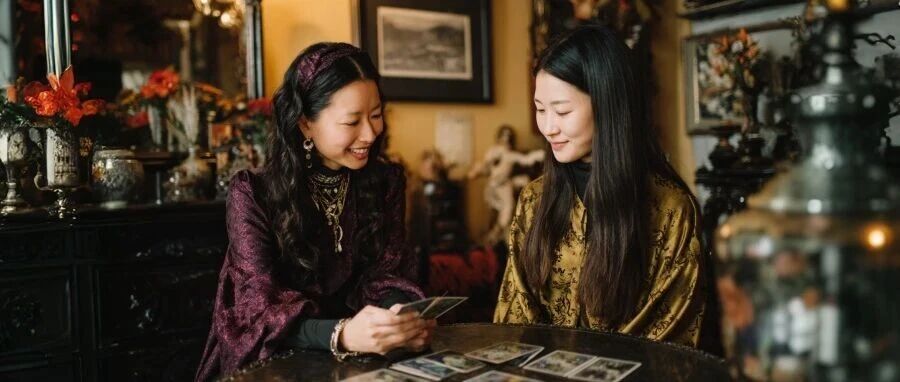
以下文章来源于Vista看天下 ,作者朱昱桥 图源丨Midjourney 如果说算塔罗是当代年轻人的心理咨询平替,那从最近互联网上热门塔罗视频来看,大家疯得真不 轻。 Vista看天下 . 一个永远理解你的朋友 来源丨 Vista看天下(ID:vistaweek) 作者丨 朱昱桥 原以为一副塔罗牌,算来算去也就是"三个月内会不会出现新桃花""这次考试能不能顺利通过",或 者"最近该不该离职换工作",能翻出什么新花样来? 直到算法带着我见识到抽象派的塔罗占卜视频,我的第一反应是:这手机一定中病毒了。 从未想象过 这届网友竟能设想出如此奇怪刁钻的问题,连奥数出题老师看了都得甘拜下风: "上海东方明珠对蜜雪冰城有什么看法?"、"《年轮》更愿意被汪苏泷还是张碧晨唱?"、"数学被那 么多人讨厌是什么感觉?"、" 滕子京 看到《岳阳楼记》后有啥想法?"…… @啵丝肉卷 已经没有人能管得了网友们无限打开的脑洞,翻开塔罗博主的评论区,我还以为误入了什么猎奇故事会 投稿,全是网友希望博主解答各种离谱问题的留言。那些问其他任何人都可能惨遭白眼、被觉得莫名其 妙的想法,只有塔罗博主愿意宠着大家、煞有介事地耐心解答。 都知道"塔罗占 ...
SIAL西雅国际食品展(深圳)开幕 赋能食品饮料行业出海
Sou Hu Cai Jing· 2025-09-01 14:53
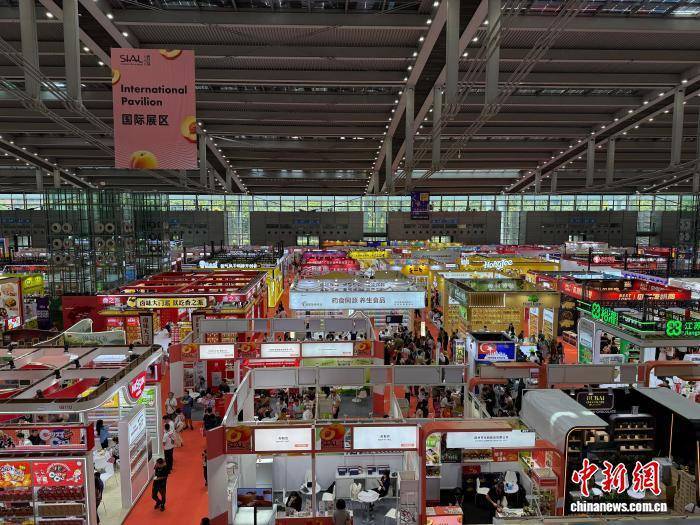
Core Insights - The SIAL International Food Exhibition (Shenzhen) opened on September 1, 2023, at the Shenzhen Convention Center, aiming to empower international food and beverage trade in South China and facilitate product exports to Southeast Asia [1][3]. Industry Overview - The exhibition is organized by the French Comexposium Group, Beijing Aibo SIAL Exhibition Co., Ltd., and Aibo SIAL Exhibition (Shenzhen) Co., Ltd., reflecting the dynamic changes in Shenzhen and the rapid growth of the Chinese food industry, which emphasizes quality, health, traceability, and innovation [1][3]. Exhibition Highlights - This year's exhibition features fourteen thematic areas, including imported foods, snacks, health foods, dairy products, high-end beverages, new tea drinks, grains and condiments, convenience foods, fresh and frozen meats, seafood, prepared dishes, frozen ingredients, alcoholic beverages, regional specialty foods, and processing and packaging [3]. - Over 1,100 exhibitors from more than 50 countries and regions are participating, showcasing unique food and beverage products alongside well-known Chinese brands, creating a dual trade channel of "global flavors + Chinese quality" [3][5]. Product Trends - Exhibited products emphasize trends such as reduced sugar, zero additives, and nutritional enhancement. For instance, a Shenzhen company introduced a healthy snack series made solely from fruits, while a Qingdao company showcased a unique soda water with long-lasting bubbles [5]. - The influence of "Generation Z" consumer habits is evident, with trends like "social currency," "emotional value," and "punk health" driving companies to adapt to consumer preferences that prioritize not just taste but also engagement and fun [5].
2025年秋季策略会速递:新模式、新场景,重塑消费新生态
HTSC· 2025-09-01 11:06
Core Insights - The report highlights the structural opportunities in the consumer sector driven by new demands, scenarios, and models, emphasizing emotional and personalized upgrades in consumer needs, particularly in high emotional value categories like trendy toys and beauty products [2][9] - The medical beauty industry is entering a new phase, with light medical beauty gaining traction due to its low risk and quick recovery, while domestic beauty brands are expected to accelerate their growth through innovative business models and enhanced channel efficiency [3][13] - The trend of emotional consumption is reshaping the market, with consumers increasingly motivated by personal connection and emotional resonance rather than mere necessity, leading to a shift in purchasing behavior [27] Consumer Sector Trends - The consumer market is experiencing a profound transformation, with service consumption becoming a primary growth engine, contributing significantly to overall consumption growth [4][28] - The service sector is evolving towards standardization and digitalization, with a focus on enhancing customer experience and operational efficiency, which is expected to drive industry consolidation [4][31] - The report anticipates three major trends in the consumer sector: simultaneous growth in high-end quality and cost-effective consumption, the rise of emotional value as a key decision factor, and the penetration of niche concepts like "green consumption" [10][28] Medical Beauty and Domestic Brands - The light medical beauty market is projected to grow at a CAGR of 10.9% from 2025 to 2028, driven by its appealing characteristics to price-sensitive consumers [13] - Domestic beauty brands are rapidly gaining market share, with a notable increase in the importance of content e-commerce channels, and are expected to leverage scientific narratives to strengthen consumer recognition [17][18] Trendy Toys and IP Economy - The trendy toy market is expanding across all age groups, with significant growth expected in the doll category, projected to increase from 26.8 billion in 2024 to 71.7 billion by 2029, reflecting a CAGR of 23.7% [22][23] - The industry is witnessing a shift towards immersive experiences and innovative marketing strategies, enhancing consumer engagement and loyalty [26][27] Service Consumption Evolution - Service consumption is transitioning from a supplementary role to a core driver of economic growth, with a significant increase in the proportion of service spending in total consumer expenditure [4][28] - The report identifies four key trends in the service sector: supply chain innovation, demand segmentation, ecological layout, and globalization, which are expected to reshape the competitive landscape [31][36]
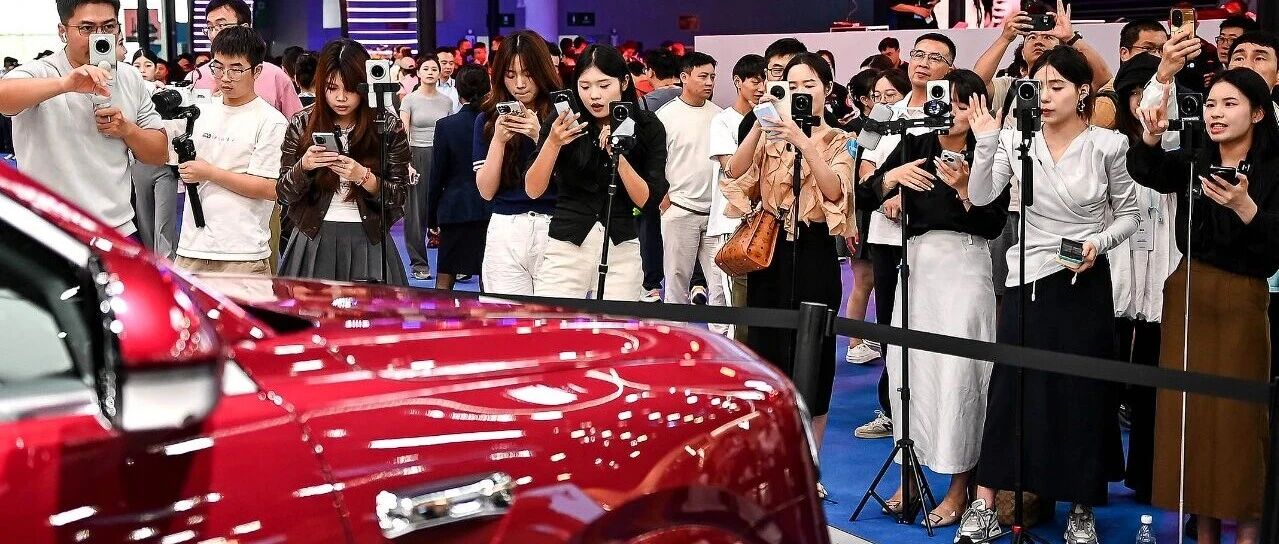
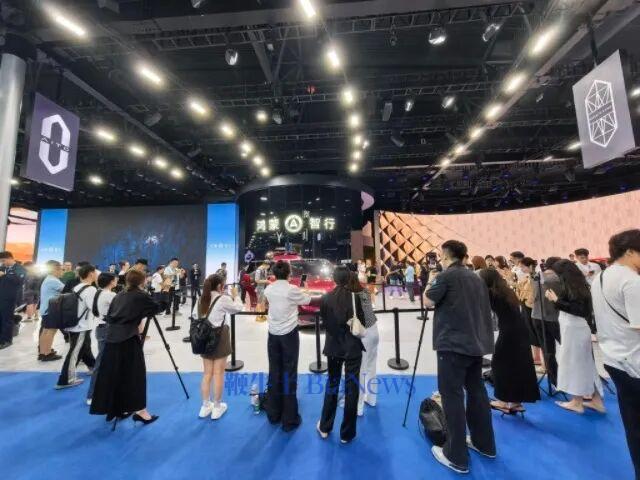
成都车展上20个主播围着拍华为,20个销售排队卖小米
Di Yi Cai Jing· 2025-09-01 10:29
Core Insights - The 2025 Chengdu Auto Show, despite a decrease in participating car manufacturers, remains a significant event for the automotive market, serving as a barometer for the development of the automotive market in Central and Western China and marking the beginning of the peak sales season [1][2] Group 1: Event Overview - The Chengdu Auto Show featured 120 participating car manufacturers, with a notable absence of ultra-luxury brands and a 10-company reduction compared to the previous year [1] - The event's focus has shifted towards sales rather than mere exhibition, with companies prioritizing customer engagement and order conversion [2][4] Group 2: Marketing Strategies - Self-owned brands are emphasizing their technological partnerships, particularly with Huawei, using terms like "Huawei full-stack" to attract attention [2][5] - Various brands are employing different marketing tactics, such as live streaming with influencers to create a lively atmosphere and attract consumers [4][8] - Some brands, like BYD, are focusing on emotional value in their marketing, showcasing innovative features and engaging directly with consumers [9][10] Group 3: Consumer Engagement - The presence of influencers at the event has become a focal point, with many brands utilizing them to enhance consumer interaction and drive traffic to their booths [4][8] - The event coincided with the Qixi Festival, leading to a focus on visually appealing car designs and colors to attract female consumers, reflecting a shift in the demographic landscape of car buyers [10]
成都车展上20个主播围着拍华为,20个销售排队卖小米
第一财经· 2025-09-01 10:11
Core Viewpoint - The Chengdu Auto Show reflects the strategies of 120 participating car companies, emphasizing "sales over exhibition" as the main theme, with a focus on attracting consumer attention through various marketing tactics, including live streaming and celebrity endorsements [3][5][10]. Group 1: Event Overview - The Chengdu Auto Show, held for 10 days, is the first major A-level auto exhibition in the second half of the year and serves as a barometer for the development of the automotive market in Central and Western China [3]. - Despite a decrease of 10 participating car companies compared to last year, the show remains significant for initiating the peak sales season in the automotive industry [3]. Group 2: Marketing Strategies - Car companies are increasingly prioritizing customer engagement and order conversion at the show, with a focus on sales personnel from 4S stores rather than company executives [5][6]. - The use of live streaming and social media influencers has become a prominent strategy, with numerous influencers gathering around popular models to create a lively atmosphere and attract consumers [6][10]. Group 3: Brand Competition - Domestic brands are heavily promoting their collaboration with Huawei's technology, using terms like "Huawei full family bucket" and "Huawei's intelligent driving systems" to enhance their appeal [5][8]. - In contrast, foreign brands appear less vibrant, with some adopting a more traditional sales approach, such as offering limited-time discounts to attract customers [7][10]. Group 4: Consumer Engagement - Emotional value is increasingly recognized as a key factor in consumer purchasing decisions, with companies like BYD emphasizing the importance of emotional experiences in their marketing strategies [10][11]. - The trend of high-level executives personally delivering vehicles to customers has gained popularity, enhancing the emotional connection between brands and consumers [11]. Group 5: Demographic Shifts - The automotive market is witnessing a shift in demographics, with an increase in female consumers, particularly those aged 25-38, who are more focused on design and value [12]. - Data indicates that the proportion of female consumers in the new energy vehicle market has risen to 26.5%, with a notable demand for spacious SUV models [12].