
产品创新

Search documents
星巴克四季度财报:中国市场净营收、同店销售、经营利润率连续稳健增长
Xin Lang Cai Jing· 2025-10-31 09:53
Core Insights - Starbucks China reported strong performance in Q4 of FY2025, with revenue growth and improved profit margins, indicating a successful recovery trajectory in the market [1][2] Financial Performance - Revenue for Q4 increased by 6% year-on-year, reaching $831.6 million, while total revenue for FY2025 grew by 5% to $3.105 billion [1] - Same-store sales rose by 2%, with a 9% increase in transaction volume, and operating profit margins remained in double digits [1] Growth Drivers - The growth in same-store sales is attributed to multi-dimensional innovation, including product innovation, expansion of the delivery channel, and enhanced membership benefits [1] - The newly launched tea latte series and breakfast sandwich offerings have contributed to increased sales, particularly during afternoon hours [1] Store Expansion - In Q4, Starbucks opened 183 new stores and entered 47 new county-level markets, totaling 415 new stores for FY2025 [2] - As of the end of FY2025, Starbucks operates 8,011 stores across 1,091 county-level cities in China [2] Operational Efficiency - New stores have maintained high profitability levels, with new openings contributing above-average same-store sales within two years [3] - The CEO emphasized the company's commitment to sustainable high-quality growth in the Chinese market, supported by over 60,000 partners delivering exceptional service [3]


买下年入220亿的星巴克中国,是笔好生意吗
2 1 Shi Ji Jing Ji Bao Dao· 2025-10-31 09:44
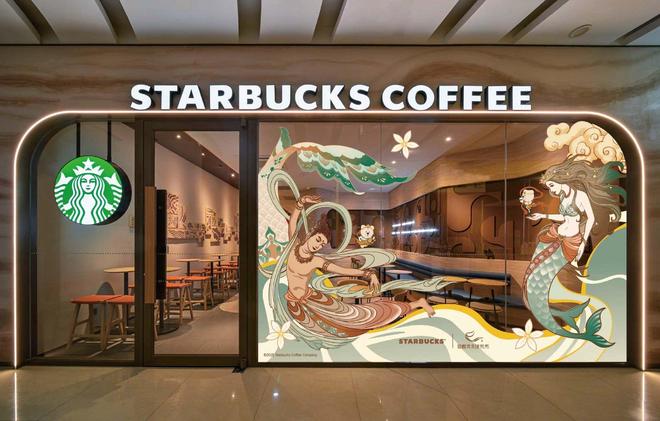
Core Insights - Starbucks China reported a revenue growth of 6% year-on-year to $831.6 million (approximately RMB 5.913 billion) for the fourth quarter of fiscal year 2025, with a full-year revenue increase of 5% to $3.105 billion (approximately RMB 22.077 billion) [2] - The operating profit margin for Starbucks China has remained in double digits, with operating profit and margin improving for four consecutive quarters [2] Revenue and Sales Performance - Same-store sales in Starbucks China grew by 2% year-on-year, with transaction volume increasing by 9%, although average transaction value decreased by 7% [8] - The company opened 8,011 stores across 1,091 county-level cities by the end of fiscal year 2025, maintaining high profitability levels for new stores [8] Pricing Strategy and Promotions - The core driver of growth in Starbucks China is attributed to price adjustments, with significant price reductions on key products starting June 10, resulting in a notable increase in sales for iced tea and tea latte products [7] - Starbucks has also engaged in various promotional activities, including leveraging social media trends to launch limited-time products that achieved record daily sales [7] Market Position and Competition - Starbucks is currently in the process of selling equity in its China operations, with potential valuations exceeding $4 billion, and possibly over $10 billion when including franchise fees [11] - Competitors like Luckin Coffee are rapidly expanding, with a reported 47.1% year-on-year revenue growth, highlighting the competitive landscape in the Chinese coffee market [14] Strategic Partnerships and Local Adaptation - Starbucks is enhancing its local operations by empowering its Chinese team, allowing for more localized decision-making and product offerings [8][9] - The company is also collaborating with platforms like Xiaohongshu to transform its stores into themed community spaces, aiming to attract a broader customer base [8] Future Outlook - Starbucks CEO expressed confidence in retaining a significant portion of equity in the Chinese market while recognizing the long-term growth potential [12] - The ongoing changes in Starbucks' operational strategy reflect a need to adapt to the evolving market dynamics in China, balancing its global brand identity with local market demands [15]

三季度营收净利同比增长,汤臣倍健靠什么突围?
Nan Fang Du Shi Bao· 2025-10-31 09:32
Core Viewpoint - The leading dietary supplement company, Tongrentang, reported significant growth in Q3 2023, with revenue reaching 1.383 billion yuan, a year-on-year increase of 23.45%, and net profit attributable to shareholders at 170 million yuan, up 861.91% [1] Financial Performance - In Q3 2023, Tongrentang achieved a revenue of 1.383 billion yuan, marking a 23.45% increase year-on-year - The net profit attributable to shareholders was 170 million yuan, reflecting an 861.91% increase year-on-year - The non-recurring net profit was approximately 133 million yuan, showing a 652.64% year-on-year growth - For the first nine months of 2023, the net profit attributable to shareholders increased by 4.45% compared to the same period last year, while the non-recurring net profit rose by 2.44% [1] Product Innovation - Tongrentang launched 71 new products in the first three quarters of 2023, with new product sales accounting for over 20% for the first time - The company is focusing on user needs, with 68% of consumers under 35 preferring products based on "scenario-based functions" rather than brand alone [3] - The new "multi-layer tablet" product achieved sales of over 10 million yuan within 45 days of launch, showcasing effective market positioning [3] - The company is adapting to industry innovation trends, shifting from merely adding new ingredients to ensuring scientific validation and scenario relevance [4] Channel Reconstruction - Tongrentang is addressing the common industry issue of online and offline channel conflicts by implementing separate inventory strategies for each channel - The offline strategy targets the mass market with high cost-performance products, while the online strategy focuses on professional, niche, and high-end products [7] - The company is enhancing channel service by training pharmacy staff to become "health consultants," improving both user experience and store revenue [8] Industry Insights - The dietary supplement (VDS) industry is experiencing a "Matthew Effect," where leading brands are gaining market share through R&D and channel strategies, while smaller brands struggle with price competition [9] - The market share of the top five brands in the VDS industry is projected to increase to 38% by 2025, up 6 percentage points from 2023 [10] - Tongrentang's international business has become a new growth point, with overseas revenue reaching 720 million yuan, a year-on-year increase of 13.64% [10] Future Outlook - The company plans to adopt a "re-entrepreneurial" mindset over the next five years, focusing on long-term brand investment despite short-term profit sacrifices [11] - Tongrentang emphasizes the importance of responding quickly to user needs and maintaining operational quality to sustain growth in a challenging market [13]


有友食品(603697):经典沉淀,创新品类拓新程
CMS· 2025-10-31 09:04
Investment Rating - The report gives a "Strong Buy" rating for Youyou Food [2] Core Insights - Youyou Food is a leading enterprise in the marinated food sector, focusing on product innovation and channel expansion to drive growth. The company aims to optimize its supply chain and improve operational efficiency, which is expected to stabilize and enhance profitability. The projected net profits for 2025-2027 are 230 million, 280 million, and 330 million respectively, with a corresponding PE of 18 times in 2026 [1][7][8] Company Overview - Youyou Food has over 30 years of experience in the marinated chicken feet market, with its core product, spicy marinated chicken feet, leading the industry. The company is actively innovating flavors and developing new products to meet changing consumer demands [7][12] - The company has established a stable shareholding structure, with the chairman holding 49.73% of the shares, ensuring consistent management and strategic direction [21][24] Financial Performance - The total revenue for Youyou Food is projected to grow from 966 million in 2023 to 1.609 billion in 2025, with a compound annual growth rate (CAGR) of 36% [8] - The net profit is expected to increase from 116 million in 2023 to 225 million in 2025, reflecting a CAGR of 43% [8] Market and Industry Trends - The snack food industry in China is projected to exceed 1.15 trillion yuan by 2026, with spicy snacks leading the growth at a rate of 9.6% [26][28] - The marinated chicken feet market is also experiencing growth, with the market size increasing from 29.6 billion in 2018 to 43.8 billion in 2021, reflecting a CAGR of 13.1% [26] Growth Opportunities - Youyou Food is expanding its product matrix with new offerings such as deboned duck feet and sour soup double crispy snacks, which are expected to drive additional revenue [7][49] - The company is actively pursuing new retail channels, including membership-based supermarkets and discount stores, to enhance market penetration and sales [7][31][42] Supply Chain and Production - Youyou Food has invested in production capacity, with a new facility expected to add 30,800 tons of annual capacity, enhancing its ability to meet growing demand [54][55] - The company is focusing on optimizing its supply chain by increasing domestic sourcing, which helps mitigate raw material price fluctuations [64][65]

宝立食品(603170):25Q3业绩表现稳健,空刻保持快速增长:——宝立食品(603170.SH)2025年三季报点评
EBSCN· 2025-10-31 08:42
Investment Rating - The report maintains an "Accumulate" rating for the company [1] Core Insights - The company reported a steady performance in Q3 2025, with revenue and net profit for the first three quarters reaching 2.133 billion and 192 million yuan, respectively, representing year-on-year growth of 10.5% and 10.6% [4] - In Q3 2025, the company achieved revenue and net profit of 753 million and 75 million yuan, respectively, with year-on-year growth of 14.6% and 15.7% [4] - All business segments experienced revenue growth, with significant acceleration in the South China, Southwest, and Northwest regions [5] Revenue Performance - For Q3 2025, revenue growth by product was as follows: compound seasoning +9.7%, light cooking solutions +25.0%, and beverage dessert ingredients +3.7% [5] - By region, Q3 2025 revenue growth was: East China +12.0%, South China +101.2%, North China +14.6%, Central China -4.9%, Northeast +16.4%, Southwest +38.0%, Northwest +92.1%, and overseas -20.2% [5] Sales Model - In Q3 2025, direct sales and non-direct sales generated revenues of 610 million and 120 million yuan, respectively, with year-on-year growth of 17.7% and 5.2% [6] - The company has expanded its distribution network, increasing the number of distributors to 517, a net increase of 14 from Q2 2025 [6] Profitability and Cost Control - For the first three quarters of 2025, the company's gross margin was 33.3%, up 1.5 percentage points year-on-year, attributed to changes in revenue structure and improved production efficiency [6] - The net profit margin for the first three quarters of 2025 was 9.0%, remaining stable year-on-year [6] Long-term Growth Potential - The company is expected to maintain strong growth momentum, particularly in the C-end revenue driven by the expansion of light cooking solutions, while the B-end will focus on acquiring new customers and maximizing existing customer potential [7] - The company is actively innovating its product matrix and expanding into new channels, indicating robust long-term growth potential [7] Financial Forecasts - The company’s projected net profits for 2025-2027 are 264 million, 307 million, and 337 million yuan, respectively, with corresponding EPS of 0.66, 0.77, and 0.84 yuan [7] - The current stock price corresponds to a PE ratio of 22x for 2025, 19x for 2026, and 17x for 2027 [7]

汤臣倍健(300146):推新加速 业绩亮眼
Xin Lang Cai Jing· 2025-10-31 04:42
Core Insights - The company reported a revenue of 4.92 billion yuan for the first three quarters of 2025, a year-on-year decrease of 14.3%, while the net profit attributable to shareholders was 910 million yuan, an increase of 4.5% [1] - In Q3 2025, the company achieved a revenue of 1.38 billion yuan, a year-on-year increase of 23.5%, and a net profit of 170 million yuan, a significant increase of 861.9% [1] - The company expects continued high revenue growth in Q4 2025, driven by new product launches and improved operational efficiency [2] Revenue Performance - For the first three quarters of 2025, the company reported a revenue of 4.92 billion yuan, down 14.3% year-on-year, while the net profit attributable to shareholders was 910 million yuan, up 4.5% [1] - In Q3 2025, the revenue was 1.38 billion yuan, reflecting a 23.5% year-on-year increase, with the net profit reaching 170 million yuan, marking an 861.9% increase [1] - The revenue breakdown for Q3 2025 showed online and offline channels generating 700 million yuan and 670 million yuan, respectively, with year-on-year growth of 11.2% and 39.4% [1] Profitability and Cost Management - The gross margin improved by 3.2 percentage points to 68.6% in Q3 2025, attributed to high-quality development and changes in product structure [2] - The company reduced its sales, management, R&D, and financial expense ratios, leading to a net profit margin increase of 14.7 percentage points to 13.1% [2] - The company is focusing on product innovation and enhancing user asset management to drive sales conversion and revenue growth in the upcoming quarters [2] Future Outlook - The company anticipates maintaining high revenue growth in Q4 2025, supported by a low base and ongoing product innovation [2] - In 2026, the company plans to adopt a "re-entrepreneurship" mindset, focusing on product innovation and global market expansion [2] - The profit forecast for 2025-2027 has been slightly adjusted, with expected net profits of 790 million yuan, 920 million yuan, and 1.03 billion yuan, reflecting year-on-year growth of 20.4%, 16.9%, and 11.7% respectively [3]
2025第二届全球肉类产业博览会在郑州举办 双汇携旗下近200种产品参展
Zhong Guo Xin Wen Wang· 2025-10-31 04:39
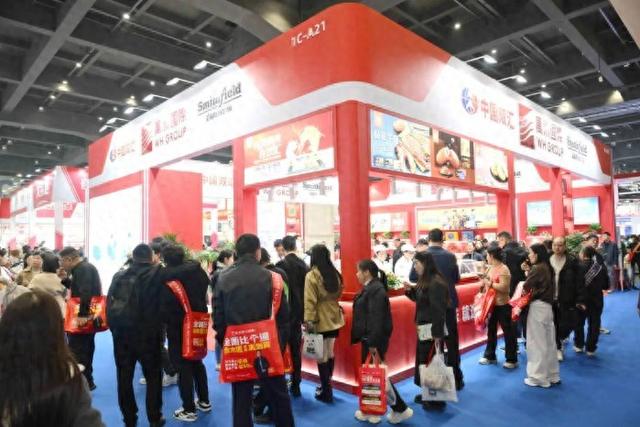
Core Viewpoint - The 2025 Second Global Meat Industry Expo is being held in Zhengzhou, focusing on the theme "Meeting in Central China for New Development," showcasing various meat products and innovations in the industry [2][3]. Company Development - Shuanghui Development, founded in 1958, has evolved from a cold storage facility to a leading meat processing company, emphasizing innovation and quality in the meat industry [5][7]. - The company has consistently focused on the meat industry, introducing cold chain production and sales models in 2000, which have become industry standards [7]. Product Innovation - Shuanghui utilizes modern slaughtering technology to produce over 200 different products from a single pig, catering to diverse consumer needs [9]. - The company emphasizes product innovation, with over 10% of annual sales coming from new products, resulting in a diverse portfolio of over 1,000 meat products [11]. Packaging and Preservation - Shuanghui showcases fresh meat products using modified atmosphere packaging, which extends shelf life and maintains freshness by controlling the gas composition within the packaging [9]. - The company has invested in technology to ensure the quality and safety of its products, particularly in the fresh meat segment [9]. Market Trends - The company is responding to consumer demand for nutritious, safe, and trendy meat products, with a focus on both traditional and modern flavors [12]. - The launch of the "Lufu Zhai" series reflects a blend of traditional Chinese culinary techniques with contemporary design, appealing to modern consumers [12]. Future Outlook - Shuanghui aims to continue its commitment to the meat industry, addressing the growing consumer demand for meat products and contributing to the healthy development of China's meat sector [13].

海尔冷柜Q3线上54.7%线下40.1%均第一
Jin Tou Wang· 2025-10-31 04:33
Core Insights - The domestic freezer market is experiencing increased brand concentration, with Haier Freezer leading both offline (54.7%) and online (40.1%) market shares, reflecting comprehensive channel coverage and strong brand recognition [1][2] - Consumer expectations for health preservation, smart control, and convenience are rising due to changes in family structure and improved living standards, driving innovation and digital collaboration as key strategies for Haier Freezer [1] - Full-process digitization is crucial for optimizing operational efficiency, with Haier Smart Home's digital strategy significantly enhancing supply chain responsiveness and improving service quality for consumers [1] - Product innovation is closely linked to market performance, with Haier Freezer achieving breakthroughs in key indicators such as ingredient preservation cycles and freezing efficiency through proprietary technologies [1] - The upcoming Double 11 shopping season presents a growth opportunity for the freezer market, with Haier Freezer expected to further consolidate its leading position and continue to guide market development [2]

酒鬼酒:第三季度营收与净利同比改善
Zhong Zheng Wang· 2025-10-31 04:00
Core Viewpoint - The report highlights that despite a challenging market environment, the company has shown signs of improvement in revenue and reduced losses in the third quarter, driven by innovative marketing strategies and product development [1][2][3] Financial Performance - For the first three quarters, the company achieved a revenue of 760 million yuan, with a net profit attributable to shareholders of -9.8 million yuan [1] - In the third quarter alone, the company reported a revenue of 198 million yuan, with a reduction in losses by nearly 20% quarter-on-quarter and over 70% year-on-year [1] Market Conditions - The white liquor market remains weak, with cautious customer expectations leading to discrepancies between receivables and actual sales [1] - The company is facing pressure on performance due to the ongoing deep adjustment period in the white liquor industry and intensified competition [1] Marketing Strategies - The company has implemented a BC linkage marketing model, focusing on three annual themes: graduation, weddings, and sports events, which has led to improved sales performance [1][2] - A notable increase in the banquet market was observed, with graduation banquets in Hunan rising by 21% year-on-year, and significant growth in specific regions such as Xiangxi [2] Product Development - The company is actively responding to market changes by developing a "2+2+2" product matrix and advancing a "two low, one small" product strategy to cater to younger and self-drinking consumers [2] - New products have been launched in collaboration with local supermarkets, targeting the younger demographic with lower alcohol content offerings [2] Industry Outlook - Analysts suggest that the current adjustment phase in the white liquor industry is nearing its end, and companies like the one in focus, which are innovating in products and channels, may lead the recovery [3] - The company aims to enhance channel construction and promote terminal sales to improve operational performance [3]

一鸣食品Q3净利增35.92%:门店提效、产品创新、渠道拓展驱动盈利回暖
Mei Ri Jing Ji Xin Wen· 2025-10-31 03:18
Core Insights - The company reported a revenue of 744 million yuan for Q3 2025, marking an 8.52% year-on-year increase, and a net profit of 14.19 million yuan, reflecting a 35.92% growth, indicating robust performance amidst a challenging market environment [1] Store Network - The number of operating stores increased from 1864 to 1902, with a net addition of 38 stores in Q3, showcasing a strategic shift from a decline to growth in store count [2] - The company implemented a tiered market strategy focusing on mature, developing, and nurturing markets, enhancing brand image and customer experience in mature markets while expanding coverage in developing and nurturing markets [2] - The company is transitioning from a "scale-driven" approach to an "efficiency-driven" model, focusing on opening new high-efficiency stores in core East China markets and potential areas [2] Product Innovation - The company is pursuing a dual strategy of high-end and functional product innovation, launching lactose-free high-calcium milk and organic milk series, with the latter winning an award at the China International Agricultural Products Trade Fair [3] - In 2025, the company plans to introduce A2 milk and functional probiotic drinks, targeting high-quality and functional dairy product demands [3] - The company is also expanding into specialized nutrition products for the elderly and children, enhancing its product matrix [3] Channel Expansion - Digitalization of store management is a key focus for the company in 2025, with the completion of retail business platform reconstruction and optimization of the milk bar mini-program to enhance user experience [4] - The company has deployed vending machines in industrial parks and high-traffic areas, creating a complementary sales network with its stores [4] - An intelligent ordering system has been implemented to optimize inventory management, significantly reducing stockouts and excess inventory [4] Conclusion - The company's strategic adjustments across store network, product innovation, and channel expansion demonstrate its proactive and effective approach to adapting to changing consumer markets, establishing a unique competitive advantage for sustainable future growth [6]
