
供应紧张

Search documents
国际现货白银、黄金:银价涨2.5%逼近55美元,金价近4200美元
Sou Hu Cai Jing· 2025-11-28 15:15
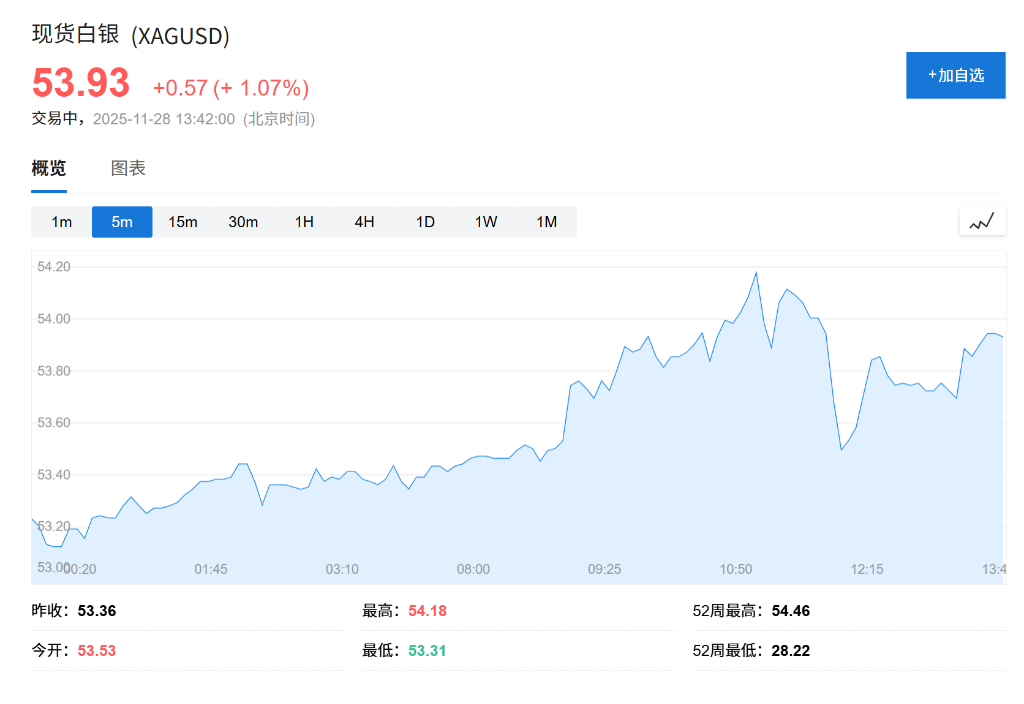
Core Viewpoint - On November 28, international spot silver prices surged over 2.5%, reaching a peak of approximately $54.84 per ounce, surpassing the historical high set in October [1] Group 1: Price Movement - International spot silver prices increased significantly, with a rise of 2.5% [1] - The price approached $55 per ounce, exceeding the historical high recorded in October [1] - International spot gold also maintained an upward trend, nearing $4200 per ounce [1] Group 2: Contributing Factors - Expectations for a Federal Reserve interest rate cut in December have increased, contributing to the rise in silver prices [1] - Inflows into ETFs have supported the price increase of silver [1] - Ongoing supply constraints have also played a role in the upward movement of silver prices [1]
白银期货创新高,中国库存位于近十年低位
Hua Er Jie Jian Wen· 2025-11-28 06:11
Core Viewpoint - Silver is becoming a new focus in the commodity market, with futures prices reaching new highs due to tightening supply signals [1][4]. Supply Concerns - The direct cause of the price increase is heightened market concerns over supply, with silver inventory on the Shanghai Gold Exchange dropping by 58.83 tons to 715.875 tons, the lowest since July 3, 2016 [4]. - Although there was a slight increase of 21.3 tons in inventory on November 25, it remains at a near ten-year low [4]. - China's silver exports surged to over 660 tons in October, marking a historical high, which is directly linked to the rapid consumption of domestic silver inventory [5][6]. Cross-Border Trade Dynamics - Due to concerns over tariffs affecting cross-border shipping costs, commodities like gold, silver, and copper have seen a phenomenon of "cross-border migration" arbitrage ahead of tax implementation [4][6]. - The price of New York commodities often exceeds that of London and other regions due to statistical tax premiums, creating arbitrage opportunities that prompt traders to transport goods to U.S. warehouses [6]. Macroeconomic Support - The entire precious metals market is supported by macroeconomic conditions, with traders betting on a potential interest rate cut by the Federal Reserve in December, enhancing the appeal of non-yielding assets like silver [4][7]. - Fed officials' dovish comments have reinforced expectations for a rate cut, further supporting precious metal prices [7]. Industrial Metal Market - The theme of supply tightness is also emerging in the industrial metals market, particularly copper, with predictions of a supply gap expanding to 316,000 tons next year [8]. - Demand for copper is driven by ongoing investments in data centers and power grids, while supply growth is hindered by production disruptions and declining ore grades [8].

供应紧张叠加美联储降息概率增加 铜价上涨
Ge Long Hui· 2025-11-25 03:16
Core Insights - Recent supply tightness and rising expectations for a Federal Reserve rate cut next month have led to a slight increase in copper prices [1] Group 1: Price Movements - Copper futures rose to approximately $10,860 per ton, remaining stable from the previous trading day [1] - The spread between spot copper prices and three-month futures surged to over $20 per ton, reaching a new high in about five weeks [1] Group 2: Market Sentiment - Confidence in further monetary easing has strengthened following comments from Federal Reserve Governor Waller regarding a weak U.S. labor market [1] - Traders are willing to pay higher prices for immediate supply, indicating strong demand amid supply constraints [1]
锌产业周报-20251123
Dong Ya Qi Huo· 2025-11-23 01:57
Core View - Bullish factors: Supply shortage due to reduced production in northern mines supports zinc prices, and increased downstream demand is driven by smelters' active procurement of domestic ore and lower processing fees [3] - Bearish factors: Hawkish remarks from the Federal Reserve suppress rate - cut expectations, leading to a collective correction in metals, and an increase of about 2000 tons in LME zinc inventory last week restricts the upside potential of prices [3] - Trading advice: Short - term focus on the support of tight mine supply for zinc prices, no future strategy provided [3] Processing and Terminal Demand - Data presented on galvanized coil market sentiment index, inventory, production, net exports, die - cast zinc alloy net imports, color - coated sheet net exports, zinc oxide net exports, real estate development investment and progress, sales and unsold area, land transaction area, and commercial housing transaction volume [4][7][10][12][14] Supply and Supply - side Profits - Data on zinc concentrate monthly import volume, TC, zinc ingot monthly production, production profit and processing fees, raw material inventory days, and various zinc inventories including LME, SHFE, and exchange inventories are provided [18][20][21][23][24] Futures and Spot Market Review - Information on the trends of domestic and foreign zinc prices, trading volume and open interest of Shanghai zinc futures, LME zinc closing price vs. US dollar index, LME zinc premium, and zinc ingot basis in different regions is presented [26][27][28][30][35]
特朗普新制裁重塑油市:印度退出或导致150万桶/日供应阶段性撤出市场,炼厂转向中东与拉美竞价
Hua Er Jie Jian Wen· 2025-10-23 13:21
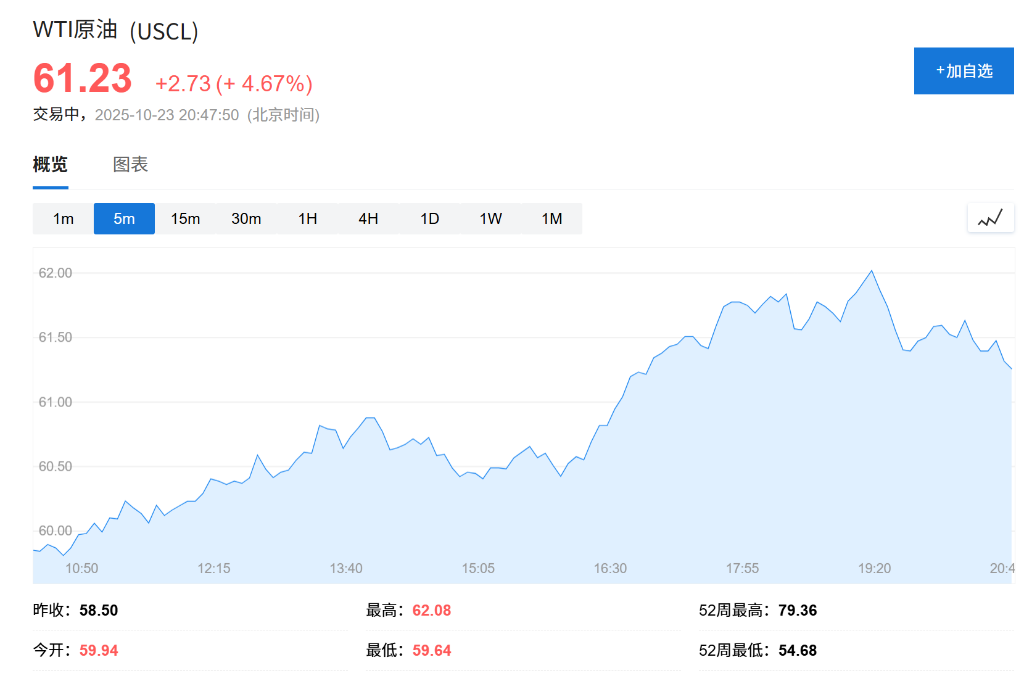
Group 1 - The core point of the news is that new U.S. sanctions against two major Russian oil companies threaten to remove a significant amount of crude oil from the global market, potentially reshaping global energy trade flows and driving oil prices higher [1] - The U.S. Treasury Department announced sanctions against Russian oil companies and their subsidiaries, affecting entities with 50% or more ownership by these companies [1] - Indian refiners indicated that the latest sanctions would make it "almost impossible" to continue purchasing Russian oil, marking a significant shift as India had been importing approximately 1.5 million barrels of Russian crude daily [1][4] Group 2 - The potential halt of Russian oil purchases by India could lead to a search for new buyers for the 1.5 million barrels per day, posing challenges for Moscow in finding alternative markets [4] - The sanctions represent a shift from previous policies aimed at limiting Russian oil revenue while maintaining supply stability, now moving towards measures that could directly disrupt supply [4] - Global refiners may need to adjust their procurement strategies, looking towards Middle Eastern and Latin American oil producers, which could intensify competition and support global oil prices [4] Group 3 - Market sentiment is shifting as the sanctions may force traders to adjust their positions to neutral or bullish, reflecting a renewed focus on supply-side risks [5] - Despite the significant supply shock risk from the sanctions, the market's reaction has been notable but not extreme, with oil prices only partially recovering from a 13% decline since late September [6] - The timing of the sanctions coincides with expectations of a global oil supply surplus, with the International Energy Agency predicting an increase in global oil production by 550,000 barrels per day this quarter [6] Group 4 - There is uncertainty regarding the effectiveness of the new sanctions and their actual impact on Russian oil exports, as Russia has experience in circumventing sanctions [8] - The sanctions may open the door for more severe measures in the future, indicating a shift in the U.S. stance towards Russia [8]
高盛预警白银后市:实物交割困难为本轮大涨推手,未来1-2周或迎剧烈调整
Hua Er Jie Jian Wen· 2025-10-10 13:48
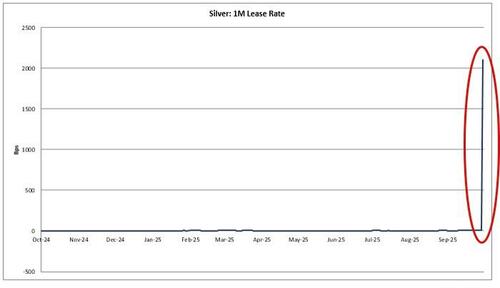
Core Viewpoint - The London Bullion Market Association (LBMA) silver price has surpassed $50 per ounce, reaching a historical high, but Goldman Sachs warns of potential market adjustments due to physical delivery difficulties expected to ease in the next 1-2 weeks [1][3]. Group 1: Supply Tension - The current supply tension in the silver market is reflected in the extreme leasing rates, with one-month rates soaring to -21% and daily rates hitting -200%, indicating severe physical supply constraints in the London spot market [1][3]. - The LBMA spot price has notably diverged from the COMEX futures price, with a rare premium of $2.7 for LBMA over COMEX [3]. - Strong ETF buying and high retail demand in India ahead of the Diwali festival are key drivers of the supply tension, alongside a tight LBMA inventory due to increased imports related to U.S. tariffs [4]. Group 2: Delivery Challenges - The logistics of delivering silver from the U.S. to London face significant hurdles, requiring 2-3 weeks to gather metal from various delivery warehouses, and not all COMEX brands meet LBMA delivery standards [5]. - The uncertainty surrounding the timing of physical delivery for December COMEX longs adds to financing costs and complicates the decision-making for LBMA shorts [5]. Group 3: Market Adjustments - Goldman Sachs anticipates that a significant influx of physical silver from China and the U.S. will alleviate the LBMA market tension in the next 1-2 weeks, although the adjustment process is expected to be highly volatile [7]. - The current demand significantly exceeds available supply, suggesting that supply-demand dynamics will ultimately dictate price movements, with market participants needing to prepare for imminent volatility [7].
宝城期货贵金属有色早报(2025年10月9日)-20251009
Bao Cheng Qi Huo· 2025-10-09 02:48
Group 1: Report Industry Investment Ratings - No industry investment ratings are provided in the report. Group 2: Core Views of the Report - Gold is expected to have a long - term upward trend, with short - term and medium - term increases and an intraday view of being oscillating strongly, driven by the start of interest rate cuts and intensified geopolitical situations [1][3] - Copper is expected to maintain a long - term upward trend, with short - term, medium - term and intraday increases, due to a macro - loose background, renewed mining end disturbances and a rapid rise in capital attention [1][5] Group 3: Summaries by Related Catalogs Gold - **Price Performance**: During the 2025 National Day holiday (October 1 - 8), international gold prices continuously rose. New York gold futures and London gold broke through the $4000/ounce key psychological level, with a holiday increase of over 4% and a year - to - date increase of over 50% [3] - **Core Driving Factors**: There are three main driving factors. Firstly, the surge in避险需求 is dominated by government shutdown and geopolitical conflicts. The US federal government shutdown since October 1 has raised concerns about US fiscal sustainability and debt credit, and historical data shows that gold has positive returns when the government shutdown exceeds 10 days. Geopolitical events such as the Russia - Ukraine conflict, Middle - East conflicts, Japanese political changes and French prime minister's resignation have also weakened sovereign currency confidence. Secondly, in terms of monetary policy expectations, interest rate cut trading and damaged US dollar credit are at play. Trump's interference in the Fed's independence and rising US debt risks have accelerated the "de - dollarization" trend. Thirdly, there is a structural influx of funds, with central banks and ETFs buying gold together, and the global central bank net gold - buying wave continues [3] Copper - **Price Performance**: During the National Day holiday, the London Metal Exchange (LME) copper price broke through $10500 and reached $10800, hitting a new high for the year [5] - **Core Driving Factors**: There are three main factors. Supply is tight due to double squeezes at the mining and smelting ends. The major accident at the Grasberg copper mine in Indonesia and previous production cuts in Chilean copper mines have tightened the global copper concentrate supply. From a macro and financial perspective, there are expectations of Fed interest rate cuts and a weakening US dollar. The Fed cut interest rates in September, and further cuts are expected, which will boost market risk sentiment and may weaken the US dollar, benefiting copper prices. There is also a link between risk - aversion sentiment and the sector. The US government shutdown and global geopolitical turmoil have driven up the gold price, which has a positive impact on copper. On the demand side, there is demand resilience. In the domestic "Golden September and Silver October" traditional peak season, the copper product industry's operating rate has rebounded, and grid investment, air - conditioning and motor industries have stable demand. In the long - term, global energy transformation, especially AI computing center construction and grid investment, strongly supports copper demand [5]
铜价这次走高有啥不一样?
Di Yi Cai Jing· 2025-10-09 02:08
Core Viewpoint - Copper prices have surged significantly before the National Day holiday, reaching new highs, driven by macroeconomic policies, supply-demand fundamentals, and market sentiment. The outlook for copper prices post-holiday remains optimistic, although caution is advised regarding potential corrections [3][4][5]. Supply and Demand Dynamics - The tight supply of copper is a major focus, with disruptions in major mines like Freeport-McMoRan's Grasberg mine in Indonesia exacerbating the situation. Despite some production increases due to high prices, actual output remains constrained [4][6]. - In September, the average price of 1 copper in China was 80,775 yuan/ton, a 2.11% increase from August, and a 7.99% increase year-on-year. On September 30, the price surged to 83,140 yuan/ton, marking a significant rise [5]. - Global copper mine supply has been impacted by incidents in Indonesia and production cuts in Chile, leading to a tightening of copper concentrate supply [6][7]. Market Sentiment and Future Outlook - Analysts predict that copper prices will continue to show strength in the fourth quarter, with the Shanghai copper futures expected to trade between 79,000 and 85,000 yuan/ton. Factors supporting this include ongoing supply constraints and robust demand from sectors like electric grids and new energy vehicles [11]. - The financial attributes of copper have become more pronounced, with speculative buying increasing due to concerns over economic stagnation in the U.S. following interest rate cuts [7][8]. Impact on Industry Players - The rise in copper prices will have differentiated impacts on upstream and downstream companies. Companies with their own mining resources are likely to benefit the most, while those reliant on purchased raw materials may face margin pressures [9][10]. - Downstream companies are advised to utilize copper futures and options to hedge against rising costs, while upstream firms need to align their sales strategies with price movements to mitigate risks [12][13]. Investment Strategies - Investors are encouraged to look for buying opportunities after price corrections, while remaining vigilant about macroeconomic data and policy changes that could lead to volatility [12][13].

供应紧张价格大涨,节后铜价又将如何演绎?
Di Yi Cai Jing· 2025-10-09 00:14
Core Viewpoint - Copper prices have surged significantly ahead of the National Day holiday, with expectations for continued volatility post-holiday due to supply constraints and macroeconomic factors [1][2][4]. Supply and Demand Dynamics - Copper supply is tight, primarily due to disruptions at major mines like Freeport-McMoRan's Grasberg mine in Indonesia, which has declared force majeure, exacerbating supply issues [1][3][4]. - In September, the average price of 1 copper in China was 80,775 yuan/ton, reflecting a 2.11% increase from August and a 7.99% year-on-year rise [2]. - The production of refined copper in China is expected to decline further due to ongoing maintenance at smelters and tight supply of anode plates [4]. Price Trends and Market Sentiment - The Shanghai copper futures market saw a significant increase, with the main contract reaching a high of 83,820 yuan/ton, marking a 3.4% rise since September 25 [2][4]. - The London Metal Exchange (LME) copper price also hit a 16-month high, reaching $10,800/ton, with a cumulative increase of over 3% during the National Day holiday [2][3]. Investment Implications - Companies with their own mining resources and strong cost control are expected to benefit the most from rising copper prices, while those reliant on purchased raw materials may face margin pressures [7][9]. - The financial attributes of copper are becoming more pronounced, with increased speculative buying following the Federal Reserve's interest rate cuts, reminiscent of inflationary periods in the 1970s [5][6]. Future Outlook - Analysts predict that copper prices will continue to exhibit a strong oscillating pattern in the fourth quarter, with the main contract expected to trade between 79,000 and 85,000 yuan/ton [9]. - The ongoing geopolitical risks and domestic policies aimed at stabilizing growth are likely to support copper demand, particularly in sectors like electric grids and new energy vehicles [9][10].
供应紧张价格大涨 铜价这次走高有啥不一样?
Di Yi Cai Jing· 2025-10-08 13:17
Core Viewpoint - Copper prices have surged significantly before the National Day holiday, with expectations for continued volatility post-holiday due to supply constraints and macroeconomic factors [1][2][10]. Group 1: Price Movements - On September 30, copper futures reached a new high of 83,820 yuan/ton, marking the highest level since May 31 of the previous year [1]. - The average price of 1 copper in September was 80,775 yuan/ton, reflecting a month-on-month increase of 2.11% and a year-on-year increase of 7.99% [2]. - The London Metal Exchange (LME) copper price hit a 16-month high of $10,800/ton on October 6, with a cumulative increase of over 3% during the National Day holiday [2]. Group 2: Supply Constraints - Global copper supply is under pressure, particularly due to disruptions at major mines like Freeport-McMoRan's Grasberg mine in Indonesia, which has declared force majeure [1][3]. - The processing fees for copper concentrate have dropped significantly, indicating that smelters are facing financial strain, which may lead to reduced refined copper output [3][4]. - China's electrolytic copper production in September was 1.121 million tons, down 4.31% month-on-month, with further declines expected in October [4]. Group 3: Demand Dynamics - The demand for copper remains resilient, supported by traditional consumption peaks in the "golden September and silver October" period, alongside government policies promoting investment in infrastructure and renewable energy [4][10]. - The financial attributes of copper have become more pronounced, with speculative buying increasing following the U.S. Federal Reserve's interest rate cuts [5][6]. Group 4: Market Outlook - Analysts predict that copper prices will continue to exhibit a strong oscillating pattern in the fourth quarter, with the main contract expected to fluctuate between 79,000 and 85,000 yuan/ton [10]. - There is a potential for a price correction if downstream demand does not keep pace with high prices, which could create buying opportunities [8][10]. Group 5: Impact on Industry Players - Companies with their own mining resources and strong cost control are likely to benefit the most from rising copper prices, while those reliant on purchased raw materials may face margin pressures [7][10]. - Downstream industries, such as home appliances and automotive, are advised to use copper futures and options to hedge against rising costs [10][11].