多边合作

Search documents
AMRO何东:多边合作是区域经济稳健发展的关键|连线2026
2 1 Shi Ji Jing Ji Bao Dao· 2026-01-06 17:02
Core Insights - The global economy is at a historical turning point, with increasing differentiation in growth, inflation uncertainties, and geopolitical tensions, impacting the economic landscape significantly [1] - The ASEAN+3 region has shown strong resilience amidst global economic challenges, supported by investment inflows, technological innovation, and sound policies [1][2] Economic Performance - The ASEAN+3 region's economic performance remains robust, with an upward revision of growth forecasts compared to earlier in the year [3] - Despite concerns over high tariffs imposed by the U.S., the region benefits from active investment in artificial intelligence and semiconductor exports, which have seen growth rates exceeding 20% [3][6] Policy Support - The region's economic stability is bolstered by effective policy measures, with approximately half of the central banks lowering interest rates and targeted fiscal policies providing support [3] - The trade policy uncertainty index has decreased significantly from previous peaks, indicating improved conditions for trade negotiations among ASEAN economies and the U.S. [4] Investment and Integration - Future growth in the region will hinge on investment-driven integration, continuous investment in artificial intelligence, and deepening multilateral cooperation [2][8] - China’s rapid advancements in green technology present significant investment and technological collaboration opportunities for ASEAN countries, enhancing regional production networks [6][7] Financial Integration - Financial integration is crucial for supporting economic development, although it may introduce certain vulnerabilities [8] - The Chiang Mai Initiative Multilateralization aims to strengthen regional financial safety nets, facilitating deeper financial integration [8] China's Role - China, as the world's second-largest economy with a GDP of approximately $19 trillion, plays a pivotal role in regional cooperation and economic dynamics [10] - To solidify its position, China must enhance domestic demand, particularly in consumption, while maintaining its export competitiveness [10] Future Outlook - The ASEAN+3 region's growth prospects are tied to a strong consensus on promoting regional integration as a means to enhance economic resilience [12] - A pragmatic approach to multilateral cooperation is essential for advancing specific policy goals and avoiding fragmentation in global economic relations [12]
RCEP为全球多边合作提供示范样本
Sou Hu Cai Jing· 2026-01-01 23:00
Core Viewpoint - The Regional Comprehensive Economic Partnership (RCEP) has significantly contributed to regional integration, economic growth, and global economic confidence since its implementation on January 1, 2022, amidst rising unilateralism and geopolitical tensions [1] Trade and Investment - RCEP has enhanced trade resilience within the region, with the total goods trade volume expected to reach $5.83 trillion in 2024, marking an 18.7% increase from 2021, and accounting for 29.1% of global goods trade [2] - China's trade with RCEP member countries constitutes over 30% of its total imports and exports, with trade value reaching 12.54 trillion yuan in 2025, including 6.82 trillion yuan with ASEAN, reflecting an 8.5% year-on-year growth [2] Economic Cooperation and Supply Chain - RCEP has simplified customs procedures and enhanced trade facilitation, surpassing the WTO's Trade Facilitation Agreement, which has improved trade liberalization benefits [3] - The agreement has led to a significant increase in foreign direct investment (FDI) inflows, projected to reach $320 billion in 2024, with RCEP countries attracting over 30% of global FDI [4] - The implementation of RCEP has fostered deeper integration of supply chains, allowing for more efficient production networks and a new ecosystem of regional manufacturing and sales [4][5] Multilateral Cooperation - RCEP serves as a model for multilateral cooperation, balancing economic integration with political diversity, and providing a pragmatic framework for global economic collaboration [6] - The agreement's inclusivity has attracted interest from additional economies, with formal applications for membership from Hong Kong, Sri Lanka, and Chile [6] China's Role - As the largest economy in RCEP, China plays a crucial role in promoting high-level compliance, enhancing connectivity, and facilitating mechanism construction [7] - China aims to transition RCEP from a focus on "scale advantages" to "quality advantages," emphasizing internal deepening, new area expansion, and external enlargement [8]
美方承认犯下大错!特朗普之前真的没想到,中国敢跟美国这么打
Sou Hu Cai Jing· 2025-12-31 10:03
Group 1 - The core viewpoint of the articles highlights the misjudgment of the U.S. regarding China's economic resilience and strategic capabilities, particularly in the context of trade tariffs imposed by the Trump administration [2][6][20] - The U.S. underestimated China's ability to respond to tariffs, leading to a significant miscalculation in the trade negotiations, as evidenced by China's immediate countermeasures [4][10][22] - The trade war has revealed a shift in the global economic landscape, with China enhancing its technological independence and market resilience, making U.S. pressure tactics ineffective [6][18][20] Group 2 - The articles emphasize that the U.S. trade policies aimed at protecting domestic industries inadvertently stimulated China's technological advancements and self-sufficiency [6][10][16] - The trade conflict has led to a re-evaluation of the U.S. strategy, as internal pressures from market volatility and rising costs prompted a shift towards dialogue and reduced tariffs [10][11][22] - China's strategic response to the trade war has strengthened its global influence and highlighted the importance of multilateral cooperation over unilateral actions [13][18][22] Group 3 - The articles indicate that the U.S. trade strategy was based on outdated assumptions about China's economic structure and capabilities, failing to account for China's shift from an export-driven to a consumption-driven economy [8][14][20] - The trade war has resulted in a realignment of global trade patterns, with China diversifying its export markets and minimizing reliance on the U.S., thus reducing the impact of tariffs [14][18][20] - The lessons learned from this trade conflict are expected to influence future U.S.-China interactions, promoting more rational and cooperative dialogue [22]


就任韩国总统后首次访华,李在明中国行有何看点?
Zhong Guo Xin Wen Wang· 2025-12-31 05:49
Group 1 - The visit of South Korean President Yoon Suk-yeol to China from January 4 to 7, 2026, is significant as it marks his first state visit to China and the first visit by a foreign head of state in the new year, highlighting the importance of China-South Korea relations [1][2] - The economic delegation accompanying President Yoon includes over 200 leaders from major South Korean companies such as Samsung Electronics, SK Group, Hyundai Motor, and LG Group, indicating strong interest in the Chinese market and potential for enhanced cooperation in emerging sectors [2][3] - The bilateral trade relationship is underscored by the fact that China has been South Korea's largest trading partner for several years, and both countries have formed a high degree of complementarity in key industries such as semiconductors and batteries [2][3] Group 2 - The discussions between the two leaders are expected to focus on promoting peace and stability in Northeast Asia, particularly regarding the denuclearization of the Korean Peninsula, reflecting a shared stance on regional security [3] - The upcoming visit is anticipated to facilitate collaboration on multilateral platforms, especially as China takes over the APEC host role from South Korea in 2025, enhancing policy coordination and cooperation on various issues [3]
非洲在变局中发出更响亮声音
Xin Hua Wang· 2025-12-27 10:51
Group 1 - Africa is increasingly becoming a focal point in international affairs, with significant events such as coups and conflicts highlighting its challenges and potential [1][4] - The G20 summit in Johannesburg emphasized multilateral cooperation and support for developing countries, marking a pivotal moment for Africa's role in global governance [2][3] - The African Continental Free Trade Area is making substantial progress, with 48 countries having ratified the agreement, which is expected to boost intra-African trade significantly by 2045 [3] Group 2 - African nations face severe challenges including armed conflicts, political instability, and external pressures, which hinder their development [4][5] - There is a growing recognition among African countries that strategic autonomy and regional integration are essential for overcoming governance challenges and achieving sustainable development [5] - The recent initiatives, such as the first African summit in Ghana, aim to unify African voices and enhance their influence in global affairs [5] Group 3 - China continues to strengthen its trade relations with Africa, with trade volume surpassing $300 billion in 2025, maintaining its position as Africa's largest trading partner [7][8] - Infrastructure projects like the TAZARA railway are being revitalized to enhance regional connectivity and trade, which are crucial for economic growth [6][7] - The ongoing collaboration between China and African nations is seen as a model for global South cooperation, promoting mutual development and cultural exchange [7][8]
【环球财经】拉美经济在风高浪急中前行
Xin Hua She· 2025-12-26 07:05
Economic Growth Outlook - The economic growth of Latin America and the Caribbean is projected to be 2.4% in 2025 and 2.3% in 2026, continuing a trend of low growth over the past four years [2] - Consumption, historically a major driver of economic growth in the region, is expected to decline in contribution due to weak external demand and slowing employment growth [2] - South America is expected to grow by 2.9% in 2025, primarily driven by Argentina, Bolivia, and Ecuador recovering from a contraction in 2024 [2] Regional Economic Performance - Central America and Mexico are forecasted to have a growth rate of only 1%, with Mexico's central bank lowering its growth forecast from 0.6% to 0.3% [2] - The Caribbean region is expected to grow by 5.5%, largely due to the rapid expansion of the oil industry in Guyana, while tourism remains a key growth driver for other Caribbean economies [3] External Pressures - The external environment is a significant constraint on Latin American economies, with the U.S. imposing tariffs that intertwine trade policies with immigration and security issues, impacting economic stability [4] - Mexico is particularly affected by U.S. tariffs, with a notable decline in industrial production and a forecasted economic performance that is "significantly below expectations" for Q3 2025 [4] - Brazil faces severe impacts from U.S. tariffs, with a projected GDP decline of approximately 0.2 percentage points and the loss of around 138,000 jobs in industrial and service sectors [4] Multilateral Cooperation - In response to external pressures, Latin American countries are accelerating multilateral cooperation, exemplified by a free trade agreement between the Southern Common Market and the European Free Trade Association [5] - This agreement aims to create a free trade area covering approximately 300 million people and an economic output exceeding $4.3 trillion, seen as a step to mitigate external risks [5] China-Latin America Trade Relations - China remains a crucial trade partner for Latin America, with expectations of a 5% increase in goods exports from the region in 2025, and a 7% increase in exports to China [6] - Brazil's exports to China have shown significant growth, with a 41% year-on-year increase in November 2025, despite challenges posed by U.S. tariffs [6] - New direct air routes between China and Argentina are expected to enhance trade efficiency, allowing for quicker delivery of products like cherries and salmon [6] Infrastructure and Investment - China and Latin American countries are advancing collaborative projects, including significant infrastructure developments like the solar power plant in Mexico and the bridge in Guyana, which are expected to boost trade and local economies [7] - The integration of Chinese electric vehicles into public transport systems in Brazil and Chile highlights the ongoing investment and technological collaboration between China and Latin America [7] Connectivity Improvements - The opening of the Chancay Port in Peru has rapidly enhanced its capacity and export functions, becoming the third-largest port in the country and facilitating smoother trade between Latin America and Asia [8]
特朗普心心念念的东西,中方转头给了别国,美国专家直呼拿中国没辙了
Sou Hu Cai Jing· 2025-12-16 23:35
Group 1 - The article discusses the renewed trade policies under Trump's second term, focusing on aggressive tariffs and sanctions aimed at China, particularly in sectors like semiconductors and high-end manufacturing [1][11] - Trump's administration aims to leverage tariffs as a negotiation tool to gain an upper hand in trade discussions, believing that economic pressure will force China to concede on issues like intellectual property and market access [1][11] - The response from China has been measured, with a focus on diversifying its export markets and strengthening regional partnerships, indicating a shift in its economic strategy away from reliance on the U.S. [1][11] Group 2 - The article highlights the impact of tariffs on U.S. consumers, noting that prices for various goods have increased by 10% to 20%, contributing to inflation concerns [1][11] - Despite the imposition of tariffs, China's export performance remains strong, with significant growth in exports to ASEAN, the EU, and the Middle East, suggesting a reduced dependency on the U.S. market [1][11] - The article points out that the U.S. trade deficit with China has decreased, but the overall trade deficit has widened, indicating structural issues within the U.S. economy [1][11] Group 3 - The article emphasizes the long-term strategic differences between the U.S. and China, with the U.S. focusing on short-term gains through tariffs while China invests in technology and infrastructure for future growth [1][11] - It notes that the U.S. is losing its position as the sole rule-maker in global trade, as other countries are increasingly seeking multilateral cooperation over unilateral actions [1][11] - The narrative suggests that the ongoing trade tensions are not just about tariffs but reflect deeper ideological differences regarding economic governance and global trade practices [1][11]
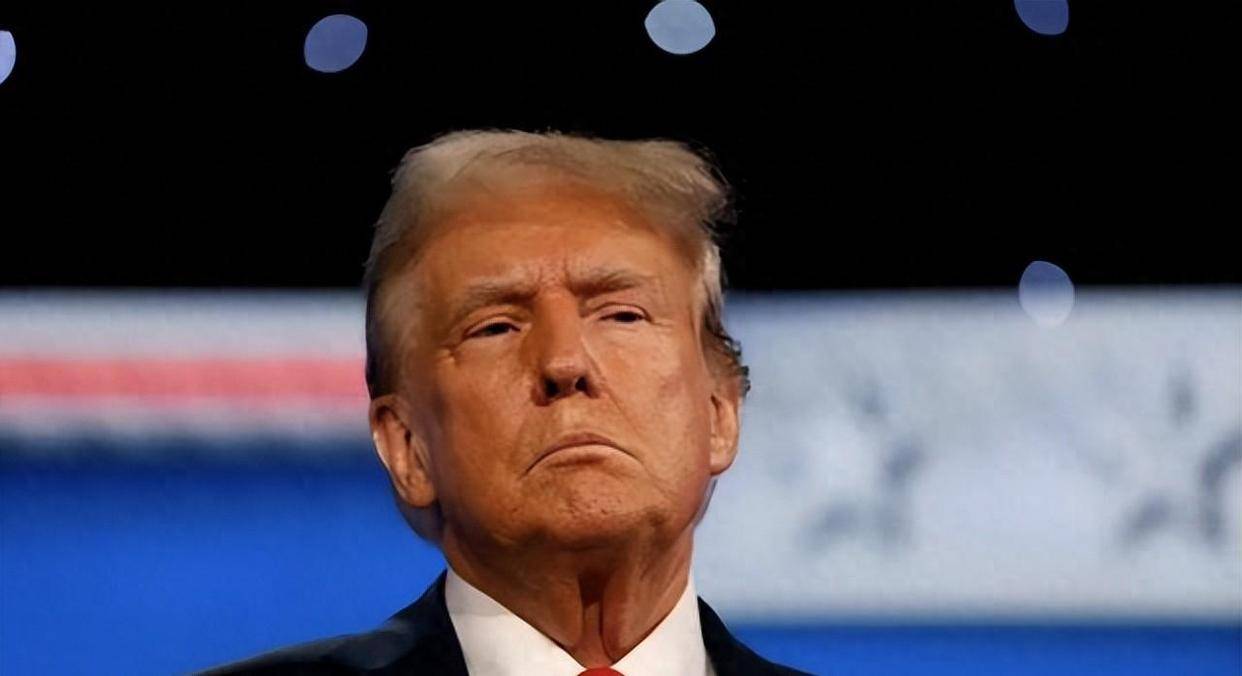
共话中国经济新机遇丨专访:中国制度型开放举措给各国企业带来多重机遇——访塞尔维亚国际政治经济研究所副所长拉杰瓦茨
Xin Hua She· 2025-12-16 04:04
Core Viewpoint - China's institutional opening measures, exemplified by the Hainan Free Trade Port, provide multiple opportunities for enterprises worldwide and contribute to stable expectations for global economic growth [3][4]. Group 1: China's Institutional Opening Measures - The Hainan Free Trade Port is set to officially start its full island closure on December 18, marking a significant step in China's commitment to high-level opening and the construction of an open world economy [3]. - The Hainan Free Trade Port is expected to attract investments from various countries and regions, particularly in sectors such as tourism, service trade, digital economy, biomedicine, and cosmetics [3]. Group 2: Economic Relations and Benefits - Serbia maintains a strong economic relationship with China, importing numerous products and exporting competitive goods to China, benefiting significantly from the trade exchanges [3]. - The development of China is seen as a crucial opportunity for economic transformation and upgrading for emerging markets and developing countries [3]. Group 3: Global Trade and Cooperation - China advocates for a more equitable international trade system, receiving widespread support from global southern countries, and positions itself as a beacon for multilateral cooperation [4]. - The continuous push for high-level opening by China aims to foster joint development among nations, providing opportunities for a more stable future [4].

美国贸易逆差大降五年最低,多国经济遭重创,真实原因曝光
Sou Hu Cai Jing· 2025-12-12 17:08
黄金撑起的短期幻觉 小李注意到,近期美国贸易领域传来一则捷报,9月贸易逆差骤降11%至528亿美元,创下五年来最低水 平,这一数据远超市场预期,瞬间成为白宫宣传"美国优先"贸易议程的有力注脚。 但拨开数据的迷雾不难发现,这场狂欢的核心推手并非制造业复苏或出口结构优化,而是非货币性黄金出 口的反常暴涨,单月黄金出货增量就占据出口总增量的七成以上。 在全球经济不确定性加剧的背景下,黄金作为传统避险资产,其出口激增往往与国际资本的避险情绪直接 相关,而非美国本土产业竞争力的实质性提升。 这种短期的出口红利更像是一笔意外之财,难以形成可持续的增长动力。 最近美国贸易圈炸出大新闻:贸易逆差直接降到五年最低,按说这该是经济向好的信号,可小李发现,全 球多个国家却接连陷入经济困境,有的产业停滞,有的就业锐减。 一边是美国的"贸易捷报",一边是多国的"经济寒冬",这看似矛盾的两件事,真的有关联吗? 美国逆差大降的背后,到底藏着什么不为人知的操作?为啥偏偏在这个节点,多国经济会集中遭重创? 今天小李就带大家扒一扒这背后的核心逻辑,看看这场贸易数据的狂欢,到底是谁的红利,又是谁的劫 难。 在小李看来,白宫将这份暂时性数据归功于关 ...
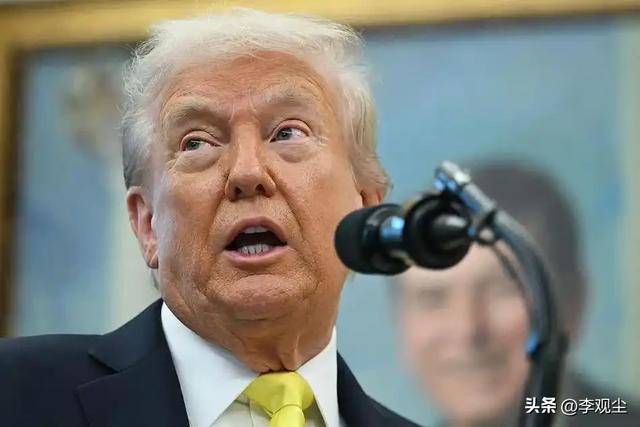
郑永年:深圳的故事就是我们国家改革开放的故事
2 1 Shi Ji Jing Ji Bao Dao· 2025-12-11 09:55
"深圳是我国开放的典型,深圳的故事就是我们国家改革开放的故事。"12月11日,香港中文大学(深圳)前海国际事务研究院院长 郑永年说。 "无论是改革开放,还是全球化浪潮都深刻塑造了这座城市,深圳的经验说明开放与产业能力如何相互促进。"他说。 21世纪经济报道记者李金萍深圳报道 郑永年表示,中国作为世界第二大经济体持续扩大开放,这本身就是对亚太经合组织(APEC)成员最好的公共产品。全球化对中 国及世界经济发展至关重要。全球化进程不会停滞,而是需要通过调整方式实现更公平的"动态优化"。 他认为,中国明确表态将持续推行全球化,在实践层面坚持不将自身意志强加于人的原则,而是以自主、平等的姿态提供国际 公共品,推动多边合作形成合力。 本月11日至12日,2026年APEC非正式高官会在深圳举行。这是中国担任2026年APEC东道主主办的首场活动,也是深圳在APEC 下的首次正式亮相。 ...