智能化

Search documents
比亚迪电子(00285)发布年度业绩,股东应占溢利35.15亿元 同比减少17.61%
Zhi Tong Cai Jing· 2026-03-27 12:05
Core Viewpoint - BYD Electronics reported a revenue of RMB 179.48 billion for the year ending December 31, 2025, representing a year-on-year increase of 1.22%. However, the net profit attributable to shareholders decreased by 17.61% to RMB 3.515 billion, with earnings per share at RMB 1.56 and a proposed final dividend of RMB 0.156 per share [1] Group 1: Financial Performance - The company achieved a revenue of RMB 1794.77 billion, with a net profit of RMB 35.15 billion, reflecting a decrease of 17.61% year-on-year [1] - Earnings per share were reported at RMB 1.56, with a proposed final dividend of RMB 0.156 per share [1] Group 2: Business Development - Despite global economic challenges, the company demonstrated resilience and continued to expand its market presence while enhancing operational efficiency [1] - The company is focusing on strengthening its leadership position in the high-end product supply chain and expanding collaborations with domestic and international clients [1] Group 3: Smart Terminal Business - The smart terminal business generated revenue of RMB 1515.07 billion, with component revenue at approximately RMB 293.31 billion and assembly revenue at about RMB 1221.76 billion [2] - The company maintained its leadership position in the supply chain for high-end flagship smartphones while expanding cooperation in wearable and smart home sectors [2] Group 4: New Energy Vehicle Sector - The new energy vehicle segment reported revenue of approximately RMB 270.27 billion, accounting for 15.06% of the total revenue, with a year-on-year increase of about 27.69% [3] - The company has established a significant technological advantage in smart cockpit systems, smart driving systems, and other related fields, benefiting from the growth of the new energy vehicle market [3]



零跑A10:女性客户占比80%,油车置换客户最能被智驾吸引
车fans· 2026-03-27 00:29
Core Viewpoint - The launch of the Leap A10 has exceeded expectations in terms of pricing and features, positioning it as a competitive option in the smart SUV market. Pricing and Availability - The Leap A10 is available in four variants with ranges of 403 km and 505 km, priced between 65,800 to 86,800 yuan [3][4] - The pricing is considered attractive, with the low-end model being 10,000 yuan lower than expected and the high-end model priced at 86,800 yuan, which was anticipated to be above 90,000 yuan [4] Customer Interest and Demographics - The dealership has seen an average of 8-10 customer groups visiting daily, with about 30% specifically interested in the Leap A10 [14] - The primary customer demographic consists of women aged 25-35, including working professionals, young couples, and mothers [14] Key Features and Selling Points - The Leap A10 is positioned as a smart, long-range SUV with three core selling points: extended range, spacious interior, and advanced smart features [11] - It offers nearly 100 km more range compared to major competitors, and the interior design includes practical features like a wash-friendly trunk and storage compartments [11] - The vehicle is equipped with Qualcomm 8295 chips for smooth operation and advanced driving assistance features, including laser radar for navigation [11][20] Competitive Analysis - The main competitors identified are BYD Yuan UP and Geely Xingyuan, with secondary competitors including MG4, Arcfox T1, and Wuling Bingo [18] - The Leap A10's advantages include long range, spaciousness, and smart driving capabilities, while its battery brand (Guoxuan High-Tech and Jiangsu Zhengli) is perceived as less reputable compared to competitors like CATL [18] Financial Policies - The vehicle comes with a financing option of 43,000 yuan at zero interest for two years, with a monthly payment of approximately 1,792 yuan [22] Market Timing - The current market conditions are favorable for purchasing the Leap A10, as the pricing is competitive and there is a recovery in customer interest following a period of low traffic [23] - It is suggested that potential buyers may consider waiting 3-4 months to see if prices stabilize, although the current pricing is seen as sincere [23] Sales Insights - The driving experience of the Leap A10 has improved significantly compared to older models, with a stable feel during driving [27] - The vehicle's storage design has received positive feedback, particularly from customers with specific needs, such as fishing enthusiasts [27] - The vehicle's acceleration and performance have exceeded expectations, with a nominal power rating of 90 kW [27]

海尔智家去年营收首破3000亿元,家电行业在存量竞争中加速洗牌
Di Yi Cai Jing· 2026-03-26 14:54
Core Viewpoint - The home appliance industry is experiencing a divergence in performance among listed companies, with leading firms becoming stronger amid increasing uncertainties such as trade tariffs and rising costs [1] Company Performance - Haier Smart Home (600690.SH) reported its revenue for 2025 exceeded 300 billion yuan, reaching 302.347 billion yuan, a year-on-year increase of 5.715% [3] - The net profit attributable to shareholders was 19.553 billion yuan, reflecting a year-on-year growth of 4.39% [3] - The net cash flow from operating activities was 26.003 billion yuan, and the company proposed a dividend of 8.867 yuan per 10 shares, totaling 8.248 billion yuan [3] Market Trends - According to AVC, the retail sales of all home appliance categories (excluding 3C) in China for 2025 were 893.1 billion yuan, a year-on-year decline of 4.3%, with the second half of the year seeing a 16% drop [3] - The "silver economy" is creating new opportunities in the aging population segment for home appliances [3] - Euromonitor data indicates a stable global home appliance market with structural differentiation, where developed markets remain stable while emerging markets show strong growth [3] Product Performance - Haier's air conditioning and water appliance segments saw revenue growth of around 10%, while refrigerator, washing machine, and kitchen appliance segments experienced stable growth [3] - Domestic revenue for Haier was 146 billion yuan, up 3.05% year-on-year, while overseas revenue reached 154.5 billion yuan, growing 8.15% [3] Strategic Initiatives - Haier is developing three growth curves: traditional white goods, HVAC (heating, ventilation, and air conditioning), and the aging industry, while seizing opportunities in globalization and smart technology [4] - The company has established new production facilities for air conditioners in Thailand and water heaters in Russia, focusing on regional depth, multi-point layout, and self-control in its globalization strategy [5] - Haier is integrating home appliances with robotics, showcasing various robots at AWE, including companion, cleaning, and household robots, along with aging-friendly products [5] Competitive Landscape - In contrast to leading companies like Haier, smaller kitchen appliance firms faced performance challenges, with Joyoung Co., Ltd. (002242.SZ) reporting a revenue decline of 7.23% to 8.2 billion yuan and a net profit drop of 3.85% to 118 million yuan [5] - Joyoung is working to optimize its product structure amid intensified competition in the home appliance market, focusing on high-end products and expanding into new categories [5]

标准引领,构建新型能源体系,《2026年能源行业标准计划立项指南》发布
仪器信息网· 2026-03-26 09:02
Core Viewpoint - The National Energy Administration has released the "2026 Energy Industry Standard Plan Project Guide," focusing on eight key areas to promote digitalization, intelligence, and green transformation in the energy sector [2]. Group 1: Key Areas of Focus - The guide emphasizes the construction of a new energy system and the assurance of energy security and green low-carbon transformation as its core tasks [2]. - The standardization efforts are shifting from traditional engineering construction to deeper areas such as digitalization, intelligence, and green low-carbon initiatives [2]. - Eight key areas for standardization have been identified: electricity, nuclear power, coal, oil and gas, new energy, new energy storage and hydrogen energy, refining and chemical, and energy carbon management [2][3]. Group 2: Electricity Sector - The electricity sector focuses on safety and digital intelligence, covering power system analysis, fault defense, grid-source coordination, and the safety of new energy generation [3]. - Key initiatives include enhancing coal power efficiency, heat transformation, and carbon capture, utilization, and storage (CCUS) [3]. - The sector also emphasizes high-voltage transmission, smart substations, and microgrids [3][4]. Group 3: New Energy and Storage - The post-market for new energy is emerging, particularly in wind and solar power, which includes upgrading old power stations and recycling wind turbine components [5]. - New energy storage encompasses various technologies such as electrochemical, compressed air, and flywheel systems, along with intelligent operations [5]. - Hydrogen energy is being developed across the entire industry chain, from production to storage, transportation, refueling, and power generation [5]. Group 4: Carbon Management and Integration - Energy carbon management is highlighted, focusing on carbon emission accounting and evaluation across all energy categories, including electricity, coal, and oil and gas [6]. - The integration of artificial intelligence with energy and the fusion of energy with other industries are emerging as new highlights, involving data integration and application capability assessments [6]. Group 5: Traditional Energy Sector - In the coal sector, the focus is on green mining, gas management, and monitoring, as well as the digitalization and intelligence of coal mines [7]. - The oil and gas sector emphasizes deep earth and deep sea exploration, digital storage and transportation, and CCUS technology [8]. - Refining focuses on the digitalization of facilities, green low-carbon transformation, and the establishment of standards for green fuels such as biodiesel and green ammonia [8]. Group 6: Market Opportunities - Scientific instrument manufacturers are encouraged to align with the standardization efforts and proactively engage in high-growth areas such as carbon monitoring, hydrogen safety, and new energy recycling [8]. - The transition from "passive procurement" to "active compliance" in the instrument market is expected to create structural growth opportunities as relevant standards are implemented [8].

中国新四大豪华势力出炉
汽车商业评论· 2026-03-25 23:07
Core Viewpoint - The article discusses the emergence of a new luxury automotive segment in China, represented by companies like Huawei, NIO, Li Auto, and Zeekr, which are challenging traditional luxury brands such as BMW, Mercedes-Benz, Audi, and Porsche in the electric vehicle market [3][5][12]. Traditional Luxury Brands - In 2025, traditional luxury brands in China are projected to have the following sales: BMW 62.55 million units (down 12.5%), Mercedes-Benz 57.5 million units (down 19%), Audi 61.75 million units (down 5%), and Porsche 4.19 million units (down 26.3%) [4][5]. - The total sales for these brands will be approximately 185.99 million units, a decrease of about 260,000 units compared to 2024, returning to levels seen in 2017 [5]. New Luxury Brands - The new luxury brands, including Huawei's HarmonyOS, Li Auto, NIO, and Zeekr, are expected to achieve total sales of 154.55 million units in 2025, with NIO at 32.6 million units (up 46.9%), Li Auto at 40.63 million units (down 18.8%), and Zeekr at 22.41 million units (up 0.9%) [5][12]. - The new luxury segment is gaining traction, with Huawei's HarmonyOS leading the way with 58.91 million units sold [4][5]. Price Wars - In early 2026, traditional luxury brands initiated a price war, with BMW reducing prices on 31 models by over 10%, including a significant drop of 30.1 million yuan for its flagship model [7][9]. - Mercedes-Benz and Audi followed suit with substantial discounts on various models, indicating a shift in pricing strategies due to sales pressures [9][10]. Changing Consumer Preferences - The average age of luxury car consumers in China is significantly lower at 35 years, with 62% of luxury car purchases made by individuals under 35, who prioritize technology and experience over brand heritage [15][16]. - Young consumers are redefining luxury, focusing on smart features, comfort, and performance rather than traditional brand prestige [16]. Competitive Landscape - Traditional luxury brands are adapting by collaborating with Chinese tech companies to enhance their smart vehicle offerings, indicating a shift in strategy to compete with new entrants [18][20]. - Despite the challenges posed by new luxury brands, traditional players still hold advantages in mechanical reliability and global supply chain management [20][22]. Financial Performance - New luxury brands are beginning to achieve profitability, with NIO and Zeekr reporting quarterly profits in late 2025, while Li Auto faced a loss during its transition to pure electric vehicles [20][22]. - The financial sustainability of new luxury brands remains a concern, as they navigate the challenges of a rapidly evolving market [22].



王鹤棣都在骑的雅迪电动车,背后是一次行业换代
36氪· 2026-03-25 13:56
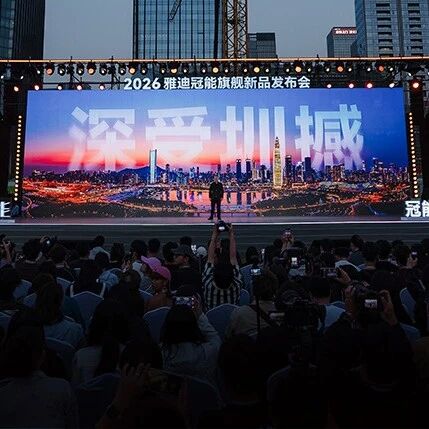
Core Viewpoint - The article emphasizes the transformation of the two-wheeled electric vehicle industry from a focus on basic functionality to a more sophisticated integration of smart technology, enhancing user experience and daily convenience [2][4][8]. Group 1: Industry Evolution - The two-wheeled electric vehicle industry has evolved from a simple mode of transportation to a mature market characterized by technological sophistication and competitive scaling [4][42]. - As the gap in core metrics like range and power narrows, the industry is shifting from parameter-driven growth to a focus on user experience [4][39]. - The emergence of younger consumers is changing the role of electric scooters from mere transportation tools to lifestyle devices that offer both experience and utility [4][8]. Group 2: Smart Technology Integration - Yadea's new product line, including the Yadea Crown Shark II, Starship II, and i7, aims to integrate safety, smart interaction, and daily convenience into the riding experience [7][21]. - The concept of "Extreme Smart Partner" highlights the importance of vehicles understanding user needs rather than just showcasing advanced features [12][20]. - Yadea's approach focuses on seamless integration of smart technology into the riding experience, making it intuitive and user-friendly [11][20]. Group 3: Product Launch and Features - The Yadea Crown Shark II incorporates high-end features like a 72V21Ah battery, full-color smart screen, and vehicle-grade navigation, all within an affordable price range [24][29]. - The Yadea Crown Starship II emphasizes performance and control, enhancing the riding experience through improved acceleration and braking stability [30][32]. - The Yadea Crown i7 targets younger consumers with customizable features and a design that serves as a mobile expression of identity [33][36]. Group 4: Market Position and Future Outlook - Yadea has achieved significant market success, with over 20 million units sold in the Crown series, establishing itself as a leading brand in the industry [42]. - The company’s long-term investment in technology and innovation positions it to define industry standards and enhance user experience [42][43]. - The future of the industry is expected to involve a shift towards integrated systems that encompass battery, energy networks, and data services, moving beyond individual product capabilities [43][44].

电动两轮车创新实践手册
亚马逊云科技· 2026-03-25 11:21
Investment Rating - The report indicates a positive investment outlook for the electric two-wheeler industry, highlighting significant growth potential driven by technological advancements and increasing consumer demand for sustainable transportation solutions [3][19]. Core Insights - The electric two-wheeler industry is experiencing unprecedented growth opportunities due to the global shift towards green mobility and sustainable development. The sector is evolving towards smart and high-end products, with new national standards promoting innovation and safety [3][19]. - By 2030, the global electric two-wheeler market is projected to reach $118.657 billion, with a compound annual growth rate (CAGR) of 10.5%. This growth reflects the increasing adoption of electric two-wheelers as a viable green transportation solution [19][20]. - The report emphasizes the importance of digital transformation in the industry, leveraging cloud computing, big data, and AI technologies to enhance operational efficiency and market competitiveness [4][54]. Summary by Sections 1. Definition and Product Classification - The report covers various products within the electric two-wheeler category, including electric bicycles, electric scooters, and electric motorcycles, catering to short-distance transportation and innovative recreational experiences [13][11]. 2. Global Market Trends - The electric two-wheeler market is rapidly expanding across regions, with North America expected to grow from $3.24 billion in 2023 to $7.47 billion by 2029. Europe leads the market, with a projected increase from $3.14 billion in 2021 to $7 billion by 2029. In China, sales reached 58.8 million units in 2023, marking a 4.8% year-on-year growth [24][25]. - Southeast Asia is identified as a fast-growing market, with electric motorcycle sales reaching 300,000 units in 2023, driven by policies promoting the transition from gasoline to electric [25][22]. 3. Opportunities and Challenges in the Industry - The report identifies opportunities in the market, such as the shift towards high-end and personalized electric two-wheelers, with consumers increasingly seeking stylish and functional designs [30][31]. - The rise of shared electric bikes is highlighted as a new growth avenue, with significant increases in deployment from 150,000 units in 2017 to 4.95 million in 2022 in China [35][37]. - Challenges include the need for rapid product iteration to meet evolving consumer demands, the stability and reliability of smart features, and the integration of smart manufacturing processes to enhance efficiency [39][42][45]. 4. Amazon Cloud Technology Solutions for the Industry - Amazon Cloud Technology aims to empower the electric two-wheeler industry through a comprehensive smart platform that supports vehicle connectivity, real-time data analysis, and remote control functionalities [50][54]. - The platform enhances product design efficiency and operational management, enabling companies to respond quickly to market demands and improve customer experiences [60][63]. 5. Sustainability and Regulatory Compliance - The report emphasizes the importance of sustainability in the electric two-wheeler sector, with regulations like the EU Battery Regulation and Carbon Border Adjustment Mechanism driving the need for reduced carbon footprints [97][98]. - Amazon Cloud Technology provides solutions to help companies track and manage sustainability data, contributing to their environmental goals [97][98].
电动化、智能化、全球化电动两轮车创新实践手册
亚马逊云科技· 2026-03-25 10:24
Investment Rating - The report indicates a positive investment outlook for the electric two-wheeler industry, highlighting significant growth potential driven by technological advancements and increasing consumer demand for sustainable transportation solutions [3][19]. Core Insights - The electric two-wheeler industry is experiencing unprecedented growth opportunities due to the global shift towards green transportation and sustainability. The sector is evolving towards smart and high-end products, with new national standards promoting innovation and safety [3][19]. - By 2030, the global electric two-wheeler market is projected to reach $118.657 billion, with a compound annual growth rate (CAGR) of 10.5%. This growth reflects the increasing adoption of electric two-wheelers as a viable green transportation solution [19][20]. - The report emphasizes the importance of digital transformation in the industry, leveraging cloud computing, big data, and AI technologies to enhance operational efficiency and customer experience [4][54]. Summary by Sections 1. Definition and Product Classification - The report covers various products within the electric two-wheeler category, including electric bicycles, electric scooters, and electric motorcycles, catering to short-distance transportation and innovative recreational experiences [13][11]. 2. Global Market Trends - The electric two-wheeler market is rapidly expanding across regions, with North America expected to grow from $3.24 billion in 2023 to $7.47 billion by 2029. Europe leads the market, with a projected increase from $3.14 billion in 2021 to $7 billion by 2029 [24]. - In China, sales reached 58.8 million units in 2023, marking a 4.8% year-on-year increase, driven by the implementation of new national standards and strong export growth [24][25]. 3. Opportunities and Challenges - The industry faces opportunities in high-end and personalized products, with consumers seeking stylish and functional electric two-wheelers. The rise of shared electric bikes is also transforming urban mobility, with significant growth in China [30][35]. - Challenges include rapid market changes, the need for faster product iterations, and the integration of smart technologies. Companies must enhance their data analysis capabilities to better understand consumer trends [39][42]. 4. Amazon Cloud Technology Solutions - Amazon Cloud Technology aims to empower the electric two-wheeler industry through a comprehensive digital platform that supports vehicle connectivity, real-time data analysis, and remote control features [50][54]. - The platform enhances product design efficiency and enables smart manufacturing processes, contributing to the industry's digital transformation [60][93]. 5. Sustainability Initiatives - The report highlights the importance of sustainability in the electric two-wheeler sector, with regulations on battery emissions and carbon footprints driving the need for eco-friendly practices [97][98].
中集环科(301559):25Q4新签订单环比高增
HTSC· 2026-03-25 08:09
Investment Rating - The investment rating for the company is maintained at "Buy" with a target price of RMB 17.91 [6]. Core Insights - The company reported a revenue of RMB 2.389 billion for 2025, a year-on-year decrease of 28.65%, and a net profit attributable to shareholders of RMB 113 million, down 62.91% year-on-year [1][11]. - In Q4 2025, the company achieved a revenue of RMB 639 million, which represents a year-on-year decrease of 35.78% but a quarter-on-quarter increase of 19.00% [1]. - The company signed new orders worth RMB 2.664 billion in 2025, with Q4 new orders reaching RMB 1.051 billion, a quarter-on-quarter increase of 96.8%, indicating a potential recovery in demand for tank containers [4]. Business Segment Summary - The tank container business generated RMB 1.790 billion in revenue for 2025, a decline of 34.89% year-on-year, primarily due to insufficient operations in the downstream chemical industry and weak logistics demand [2]. - The medical equipment components segment saw revenue of RMB 253 million, reflecting a steady growth of 5.02% year-on-year [2]. - The aftermarket business generated RMB 148 million in revenue, with a slight increase of 0.22% year-on-year [2]. Financial Performance Summary - The company's gross margin for 2025 was 14.00%, down 2.67 percentage points year-on-year, attributed to weak demand in the tank container industry and increased competition [3]. - The total expense ratio for 2025 was 9.21%, an increase of 4.63 percentage points year-on-year, driven by higher foreign exchange losses and financial expenses [3]. - The company forecasts a net profit of RMB 316.83 million for 2026, representing a significant recovery of 181.08% year-on-year [9].
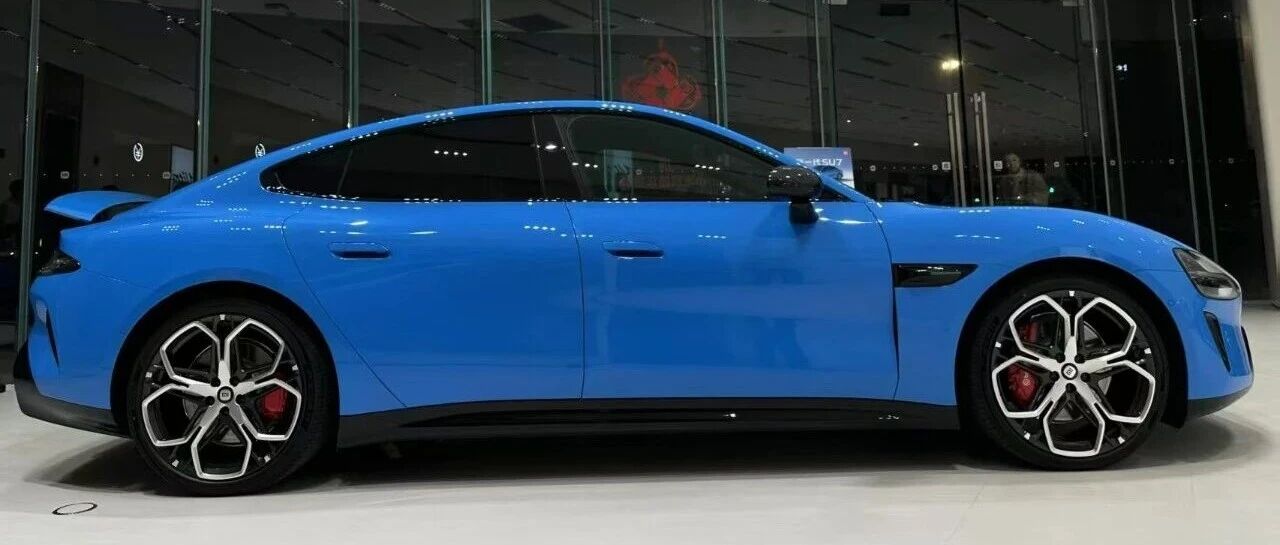
新款小米SU7 新车上市一线销售周报
车fans· 2026-03-25 01:07
Group 1: Order Situation - The average store locked orders reached 75 units, with a new store visit increase of 60-70% and a visit rate of 85% [5][8] - After the launch, customers found the new model's pricing to be in line with expectations, leading to a peak in orders on the launch night and a second peak over the weekend, totaling 35,000 locked orders, with store feedback exceeding expectations [8] - Display vehicles arrived about 10 days before the launch, and customers noted significant improvements in interior quality and test drive experience, resulting in a high direct order rate post-launch [8] Group 2: Customer Profile - The primary customer demographic is aged 25-30, with a female proportion of 45% and a replacement purchase ratio of 60-70% [7][11] - Young couples and newlywed families are the main buyers, valuing aesthetics and smart features, with an increase in replacement purchases driven by family growth, contributing to a younger and more female customer base [11] - Due to increased vehicle ownership, customer word-of-mouth has positively impacted terminal sales, with a conversion rate of 30-40% for old recommendations and retained customers [11] Group 3: Configuration Preferences - 45% of customers chose the SU7 standard version priced at 219,900, 30% opted for the SU7 PRO version at 249,900, and 25% selected the SU7 MAX version at 303,900 [12] - Most customers preferred to customize their new vehicles, showing confidence in the new model's delivery timeline, with a relatively even distribution of configurations, particularly higher MAX ratios in first- and second-tier cities [14] - The main exterior color chosen was "Indigo Green," while the popular interior colors were "Misty Purple" and "Sandstone Beige," with customers expressing satisfaction with the quality improvements [14] Group 4: Competitive Comparison - Among customers visiting stores, 70% did not consider other brands, with 20% comparing to Tesla Model 3, 10% to NIO ET5, and 10% to Mercedes-Benz C-Class [16] - Most customers comparing with Tesla were families looking to upgrade, and after experiencing the new Xiaomi SU7, they rated its overall quality and smart features higher, indicating a strong competitive advantage [16]