中性利率

Search documents
火堆未灭,美联储敢降息吗?
伍治坚证据主义· 2025-08-27 04:55
Core Viewpoint - The article discusses the uncertainty surrounding the Federal Reserve's potential interest rate cuts, emphasizing concerns about persistent inflation despite market expectations for a rate decrease in September [2][6][11]. Summary by Sections Federal Reserve's Interest Rate Outlook - Market speculation suggests a 90% probability of a rate cut in September, but Chicago Fed President Austan Goolsbee expresses concerns about inflation not being fully under control [2][5]. - Current U.S. benchmark interest rates are between 4.25% and 4.5%, with ongoing debates about the Fed's monetary policy direction [5][6]. Inflation Concerns - Goolsbee highlights that inflation has remained above target for over four years, with recent signs of rising service sector prices indicating that inflationary pressures may still exist [6][10]. - He warns against the "temporary inflation" narrative that misled experts in 2021, stressing the importance of addressing underlying inflation risks [6][10]. Employment Market Stability - Goolsbee presents the "four horsemen" indicators (unemployment rate, hiring rate, layoff rate, and job vacancy rate) to illustrate that the U.S. job market remains stable [6][9]. - The latest unemployment rate stands at 4.2%, indicating a low level of unemployment post-COVID [9]. Market Reactions and Financial Conditions - The article notes that despite claims of tight monetary policy, financial conditions appear loose, with stock markets reaching new highs [9][10]. - Goolsbee cautions that premature rate cuts could lead to a repeat of past mistakes, particularly regarding the impact of tariffs on long-term price levels [10][11]. Long-term Interest Rate Expectations - The article discusses the shift in perceptions of the "neutral interest rate," suggesting that higher long-term rates may persist due to rising fiscal deficits and global debt levels [10][11]. - Investors are advised to be cautious with long-duration bonds and to reassess stock valuations, especially for high-growth, interest-sensitive stocks [10][11]. Investment Strategies - The article suggests that investors should seek structural opportunities amid macroeconomic uncertainties, rather than following market trends blindly [11][12]. - A stable job market could support consumer spending, indicating potential resilience in certain sectors [11][12].

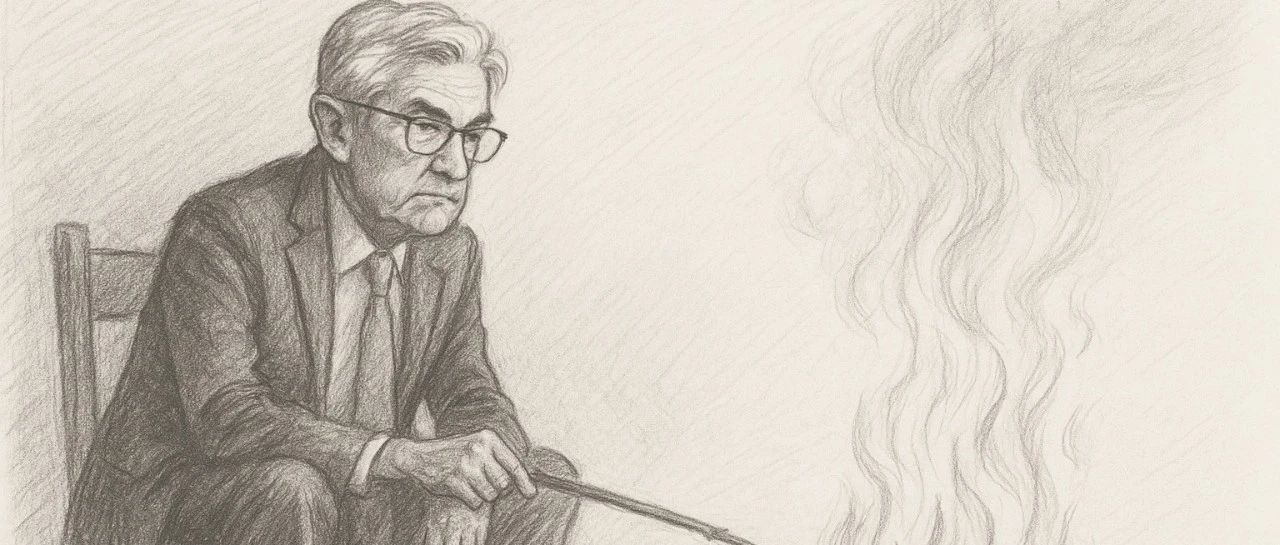
美联储内部激辩中性利率走向 降息窗口渐启与缩表收官并行
Xin Hua Cai Jing· 2025-08-26 06:40
Group 1 - The Federal Reserve is engaged in a heated debate regarding the neutral interest rate (r-star) amidst challenges of weakening economic momentum and liquidity management [1][2] - New York Fed President John Williams indicated that structural factors limiting long-term interest rates remain strong, suggesting that the natural equilibrium rate of the U.S. economy is still hovering at pre-pandemic lows [1][2] - The current target range for the federal funds rate is maintained at 4.25%-4.5%, with median forecasts for the neutral rate around 3%, reflecting significant internal divergence among policymakers [2] Group 2 - Fed Chair Jerome Powell acknowledged that employment concerns have become a key consideration, opening the door for a potential rate cut in September due to rising unemployment [3] - The Fed's balance sheet reduction process is entering a critical phase, with Dallas Fed President Lorie Logan warning of potential temporary pressures in the money market [4] - The current reserve balance in the banking system stands at $3.3 trillion, indicating substantial room before reaching the estimated "minimum adequate level" of $2.7 trillion [4] Group 3 - Lorie Logan emphasized the need for reform in communication mechanisms within the Fed, proposing changes to the presentation of the Summary of Economic Projections (SEP) to enhance policy transparency [5] - Analysts predict that the Fed will face three major challenges in the coming months: the debate over the magnitude of rate cuts due to differing views on neutral rates, precision in liquidity management during the balance sheet reduction phase, and maintaining policy continuity amid leadership transitions [6] Group 4 - Goldman Sachs' chief economist expects the Fed may implement an unconventional 50 basis point cut in September if the labor market deteriorates faster than anticipated [7] - UBS Wealth Management's investment director highlighted two critical moments for investors to watch: the September FOMC meeting's guidance on rate cuts and market reactions when reserve levels exceed $3 trillion in the fourth quarter [7]
KVB怎么样:美联储“三把手”为何坚信低利率时代尚未终结?
Sou Hu Cai Jing· 2025-08-26 06:31
Core Viewpoint - The discussion around "R-Star," or the neutral interest rate, highlights a significant divergence in views within the Federal Reserve regarding future monetary policy and economic conditions [1][3]. Group 1: Neutral Interest Rate Perspectives - John Williams, the President of the New York Fed, suggests that the neutral interest rate in the U.S. may remain low for an extended period [1]. - There is a contrasting view that the global economy has fundamentally changed post-pandemic, potentially leading to a permanently higher neutral interest rate due to factors like supply chain restructuring and rising inflation [3]. - Williams argues that long-term determinants of interest rates, such as aging populations and weak investment demand, continue to exert downward pressure on rates [3]. Group 2: Implications for Monetary Policy - If Williams' perspective holds, it implies that once inflation stabilizes around the 2% target, the Fed may have grounds to lower interest rates, possibly even to historically low levels near zero [3][4]. - This viewpoint provides a theoretical framework for a future return to low interest rates, suggesting that the current restrictive rate levels may not be sustainable [4]. - However, Williams emphasizes the uncertainty in estimating the neutral interest rate and advises against over-reliance on specific numerical values, framing it instead as a conceptual anchor for broader economic judgment [4]. Group 3: Economic Structure and Future Outlook - The ongoing debate about R-Star reflects deeper considerations about the future shape of the economy, with Williams' stance indicating that the structural impacts of the pandemic have not altered the underlying economic landscape [4]. - The macroeconomic environment is expected to continue facing low growth and low interest rates, reinforcing the notion that the economy is still in a low-rate era [4].
为更多降息铺路?美联储“三把手”:低利率时代远未结束!
Jin Shi Shu Ju· 2025-08-26 06:19
Core Viewpoint - The U.S. economy's neutral interest rate may not differ significantly from pre-pandemic levels, as structural factors that suppressed rates have not disappeared [2][3]. Group 1: Neutral Interest Rate Insights - Williams stated that the global trends in population and productivity growth that previously lowered the neutral rate (r*) have not reversed [3]. - The estimated neutral interest rate for early 2025 shows no significant rebound, indicating that the era of low r* is far from over [3]. - The Federal Reserve's median estimate for the neutral rate is currently at 3%, higher than the pre-pandemic level of 2.5%, with a range between 2.5% and nearly 4% [3]. Group 2: Monetary Policy and Rate Decisions - Market consensus indicates an over 80% probability of a 25 basis point rate cut in September, with upcoming data likely to influence the trajectory of future rate cuts [4]. - Analysts speculate that the median dot plot for 2025 may suggest only two rate cuts for the year, but changes in risk dynamics could lead to a downward adjustment in the median point, indicating a total cut of 75 basis points by year-end [4]. - Williams previously indicated that a moderate restrictive monetary policy stance is appropriate due to inflation threats from tariffs [4].
美联储“三把手”:低中性利率时代“似乎远未结束”
Sou Hu Cai Jing· 2025-08-26 00:41
Core Viewpoint - The Federal Reserve's "number three," New York Fed President Williams, indicated that the structural factors limiting interest rates have not yet disappeared, suggesting that the neutral interest rate for the U.S. economy may be similar to pre-pandemic levels [1] Group 1 - Williams' comments highlight ongoing concerns regarding the structural limitations on interest rates [1] - The potential alignment of the neutral interest rate with pre-pandemic levels could have implications for monetary policy and economic growth [1]
低通胀低利率时代央行货币政策操作的思考
Jin Rong Shi Bao· 2025-08-25 01:35
Group 1: Monetary Policy Challenges - The central theme of the central bank's annual meeting is "Monetary Policy and Its Challenges," focusing on the dual objectives of full employment and price stability faced by the Federal Reserve [1] - The Federal Reserve has been committed to achieving its dual mandate from Congress, aiming for sustainable economic growth in the U.S. [1][2] - The U.S. economy has entered its longest recorded growth cycle, with a significant decrease in unemployment rates and stable inflation around 2% until 2019 [2][3] Group 2: Historical Context and Economic Phases - The analysis framework divides U.S. economic development since World War II into three significant periods, each facing critical issues [3][4] - The first period (1950-1982) dealt with the challenge of maintaining price stability amidst economic fluctuations and inflation pressures [4][5] - The second period (1983-2009) saw a transition from "Great Moderation" to "Great Recession," raising concerns about financial excesses and the sustainability of economic growth [6][8] - The third period (2010-2019) is characterized by a new normal, with low inflation and interest rates, posing challenges for the Federal Reserve in achieving its dual objectives [9][10] Group 3: Key Issues in Monetary Policy - The first key issue is whether central banks can resist inflationary pressures while maintaining their inflation targets, with the Federal Reserve successfully keeping average inflation below 2% over the past 25 years [10][11] - The second issue revolves around whether long-term economic prosperity supported by monetary policy inevitably leads to financial excesses, highlighting the need for vigilant risk management [11][12] - The third issue focuses on how the Federal Reserve can achieve full employment and price stability in a low-inflation, low-interest-rate environment, emphasizing the importance of a robust monetary policy framework [12][13] Group 4: Trade Policy Uncertainty - Incorporating trade policy uncertainty into the monetary policy framework presents a new challenge, as trade policy is primarily determined by Congress and the federal government [13][14] - The Federal Reserve will closely monitor the impact of trade policy uncertainty on macroeconomic conditions, particularly in light of global economic slowdowns and low inflation [14][15] Group 5: Reevaluation of Monetary Policy Framework - The need to reassess the monetary policy framework arises from significant changes in the macroeconomic and financial landscape since the 2008 financial crisis [15][16] - Discussions are ongoing regarding the implications of low-interest-rate policies, the use of different policy tools in normal versus crisis periods, and improving communication mechanisms related to monetary policy [15][16]
跟鲍威尔唱反调 美联储明年票委仍对降息持谨慎态度
智通财经网· 2025-08-22 23:15
Core Viewpoint - Cleveland Fed President Harmack maintains a cautious stance on interest rate cuts as long as inflation remains a threat, emphasizing the need for moderate tightening to bring inflation back to target levels [1] Group 1: Inflation Concerns - Harmack stated that inflation has been above target for four consecutive years and must be controlled [1] - She expressed concerns about prematurely shifting to a loose monetary policy, which could reignite inflation pressures [1] Group 2: Market Sentiment - This viewpoint contrasts sharply with market sentiment, as Fed Chair Powell indicated that current conditions "may require" policy easing, leading to a significant market bet on a rate cut in September [1] - According to the CME FedWatch tool, traders estimate a nearly 90% probability of a rate cut by the FOMC in September [1] Group 3: Neutral Interest Rate - Harmack revealed her assessment of the so-called "neutral interest rate" is higher than that of most Fed officials [1] - As a former Goldman Sachs executive, she will not have voting rights on the FOMC until 2026 [1] Group 4: Other Hawkish Voices - Kansas City Fed President Schmid also expressed skepticism about rate cuts in a recent interview [1] - Schmid is a voting member of the FOMC this year but will not have voting rights again until 2028 [1]
鲍威尔杰克逊霍尔“告别演讲”暗示9月降息 就业风险成关注焦点
智通财经网· 2025-08-22 23:15
Core Viewpoint - Federal Reserve Chairman Jerome Powell indicated a potential interest rate cut in September, while cautioning about rising risks in the labor market, which is a central theme of the current economic discussions [1][2]. Group 1: Interest Rate Outlook - Powell's remarks suggest that the Fed's policy remains in a restrictive range, with a shift in risk balance potentially necessitating a policy adjustment [1]. - The probability of a 25 basis point rate cut in September has risen to approximately 86%, according to the CME FedWatch tool [1]. - Powell emphasized that monetary policy does not have a preset path, leaving the extent and pace of any rate cuts for future discussion [1][2]. Group 2: Labor Market Concerns - Powell warned of increasing downside risks in the employment sector, which could manifest as a wave of layoffs if the trend continues [2]. - The average monthly increase in non-farm payrolls for July was only 35,000, significantly below the expected 168,000 for 2024 [1][2]. Group 3: Economic Conditions and Inflation - Powell noted that the current interest rate levels are closer to neutral than they were a year ago, suggesting that the restrictive nature of monetary policy has eased [2]. - Concerns were raised regarding the impact of tariffs from the Trump administration, which could lead to increased price pressures in the coming months, complicating the Fed's dual mandate [2]. - The market may be disappointed if it expects a rapid return to a low interest rate environment, as Powell implied that even if a rate cut occurs in September, it may not signal the start of a new easing cycle [2].
黄金,如期大涨,一步到位还是多头开启?
Sou Hu Cai Jing· 2025-08-21 02:32
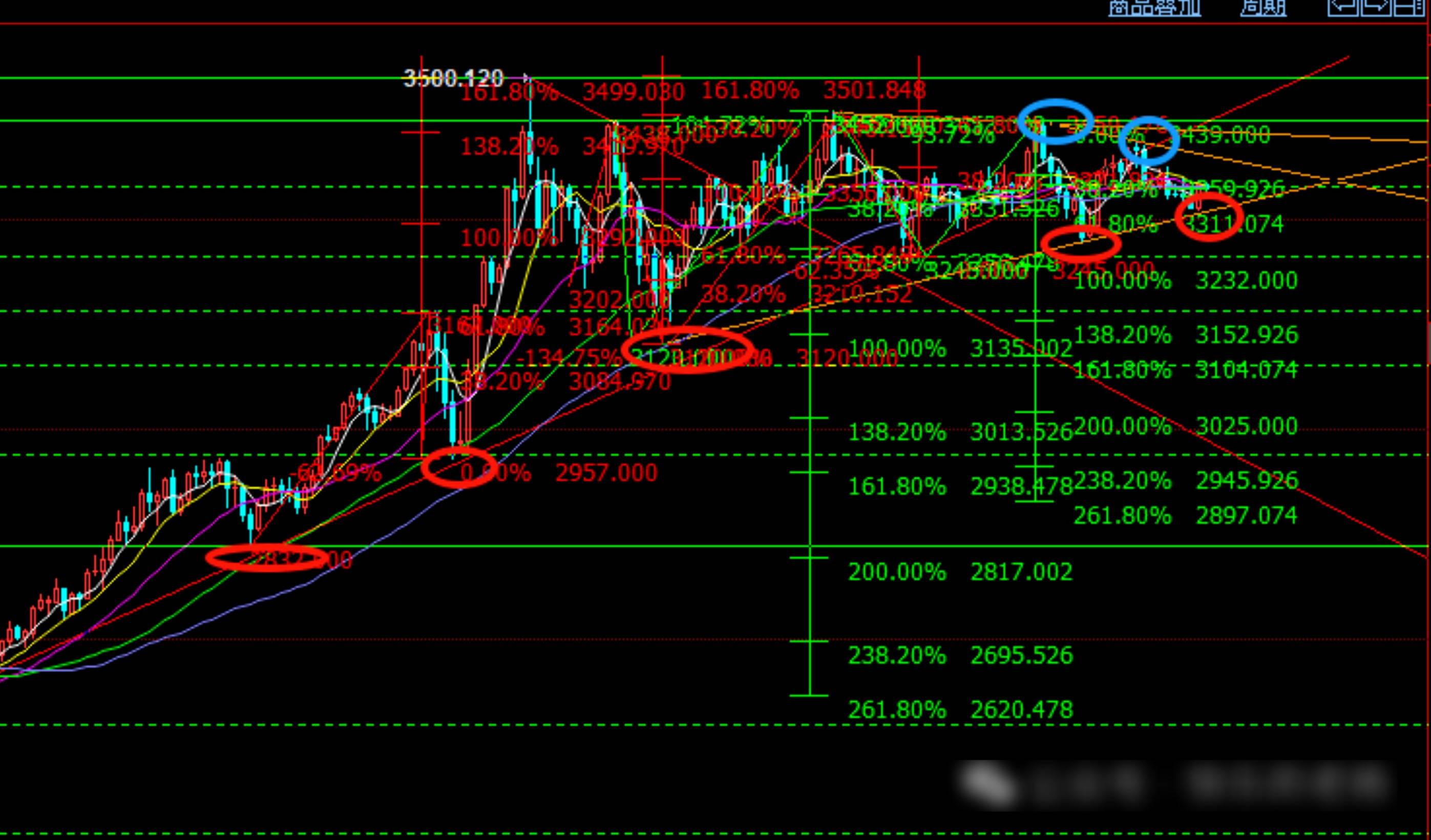
Group 1 - The article discusses Trump's influence on the Federal Reserve, particularly his call for the resignation of Fed Governor Cook, indicating potential legal implications for Cook [1] - The minutes from the Federal Reserve's July meeting reveal that inflation risks have overshadowed concerns about the labor market, leading to internal divisions regarding interest rate policies [1] - NATO member countries reaffirmed their support for Ukraine during a recent video conference, emphasizing the importance of achieving a just and lasting peace [1] Group 2 - Gold prices experienced a significant increase, rising from around 3311 to a peak of 3351, driven by Trump's demands regarding the Federal Reserve [2] - The market's reaction to the Fed's meeting minutes was anticipated, with gold showing a bullish engulfing pattern on the daily chart [2] - Despite the recent bullish trend, the medium-term outlook for gold remains bearish, with targets set at 3245 and potentially down to 3000-2950 [5] Group 3 - Upcoming economic data releases, including initial jobless claims and manufacturing statistics for August, are expected to influence market sentiment [6] - The market is at a critical juncture, with potential resistance levels identified at 3358-60 and 3370-75, while support is seen at 3330 and 3320 [7] - The overall market behavior suggests a pattern of initial declines followed by recoveries, with traders preparing for potential volatility as the September Fed meeting approaches [9]
深度专题 | 美联储的“政治危机”与美债风险的“重估”(申万宏观·赵伟团队)
赵伟宏观探索· 2025-08-20 16:04
Group 1 - The article discusses the political crisis surrounding the Federal Reserve, particularly in the context of President Trump's influence on interest rate expectations and the potential nomination of a "shadow Fed chair" [3][4][10] - Market expectations for the next Fed chair are focused on candidates with dovish monetary policy stances, including current Fed Governor Waller and NEC Director Hassett [10][16] - The article highlights that the Federal Reserve can set but not manipulate policy rates or the yield curve, emphasizing that interest rates are endogenous and influenced by macroeconomic factors [5][47] Group 2 - The article suggests a shift in policy from "loose fiscal + loose monetary" to "tight fiscal + loose monetary" as a necessary adjustment for the U.S. government to manage its debt and fiscal deficit [7][9] - It notes that the U.S. government's fiscal and debt situation resembles a "wartime state," necessitating fiscal consolidation through either economic growth or budget cuts [9][19] - The article emphasizes that sustainable fiscal consolidation can lead to a decrease in long-term interest rates, with historical data indicating that a 1% reduction in the fiscal deficit can lower 10-year Treasury yields by 12-35 basis points [7][9]