新消费

Search documents
2025《财富》中国500强峰会在上海举行
财富FORTUNE· 2025-11-11 14:37
Core Insights - The 2025 Fortune China 500 Summit was held in Shanghai, focusing on the theme "Navigating Trends: The Next 25 Years of the 21st Century" [1] - In 2024, the total revenue of the companies on the Fortune China 500 list reached $14.2 trillion, with a net profit of $756.4 billion, marking a growth of approximately 7% compared to the previous year [1] - The total revenue of the 500 companies accounts for about three-quarters of China's GDP, which is projected to be $18.75 trillion in 2024 [1] Group 1: Summit Overview - The summit gathered leaders from top companies and innovative enterprises to discuss how to lead and define a future path that integrates intelligence, resilience, and sustainability [1] - The event featured discussions on eight core topics, including CEO vision dialogues, globalization vs. localization, and the future of green and intelligent industries [4] - Five parallel sessions were held, covering themes such as the next phase of the global energy revolution and the new era of Chinese manufacturing [5] Group 2: Key Participants and Events - Notable speakers included executives from Procter & Gamble, Schneider Electric, and FedEx, among others, who shared insights on industry trends and challenges [6] - The summit also hosted the Most Powerful Women (MPW) breakfast meeting, focusing on overcoming internal competition and seeking growth [8] - The 40 Under 40 lunch event highlighted young leaders driving innovation and industry influence in sectors like AI and green technology [9]


港股收评:探底回升!新消费股涨势继续,半导体股低迷
Ge Long Hui· 2025-11-11 08:45
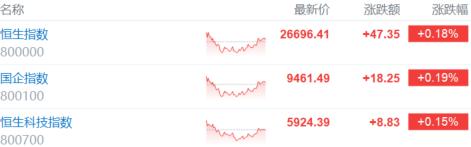
Market Overview - The Hong Kong stock market showed a rebound after hitting a low, with the Hang Seng Index closing up 0.18% at 26,696 points, the Hang Seng China Enterprises Index up 0.19%, and the Hang Seng Tech Index up 0.15% [1][2] - Overall market sentiment remained stable, with various sectors experiencing mixed performances [1] Sector Performance - Large tech stocks had mixed results, with Baidu rising over 2%, while Alibaba, Bilibili, and Meituan fell over 1% [4] - Consumer stocks, including retail, pork, and dining sectors, continued to rise, while semiconductor stocks generally performed weakly [2][4] - The film industry saw significant gains, with Huayi Brothers rising over 16% and Cat's Eye Entertainment up over 5%, driven by upcoming film releases [6][7] Investment Insights - The AI technology investment landscape is growing, with expectations for significant capital expenditure increases among major tech firms [4] - New consumption trends are emerging, focusing on brand expansion, emotional value, functional value, and channel transformation [5] - The aviation sector is expected to enter a super cycle, with high passenger load factors and low ticket prices driving profitability [9] Notable Stock Movements - Xpeng Motors surged over 17%, while other new consumption stocks like Nayuki Tea and Xiaomi also saw gains [6][5] - Property management and real estate stocks strengthened, with Kaisa Group rising over 5% [8] - Semiconductor stocks faced declines, with Huahong Semiconductor down over 3% and SMIC down over 2% [10] Capital Flows - Southbound funds recorded a net inflow of HKD 4.467 billion, indicating strong interest in Hong Kong stocks [12] Future Outlook - Analysts suggest that the Hong Kong market may reach new highs in the medium term, driven by increased capital inflows and the concentration of quality assets [13]
探索“平衡态”新消费 百联与进博共赴“开放之约”
Zhong Guo Jin Rong Xin Xi Wang· 2025-11-11 07:13
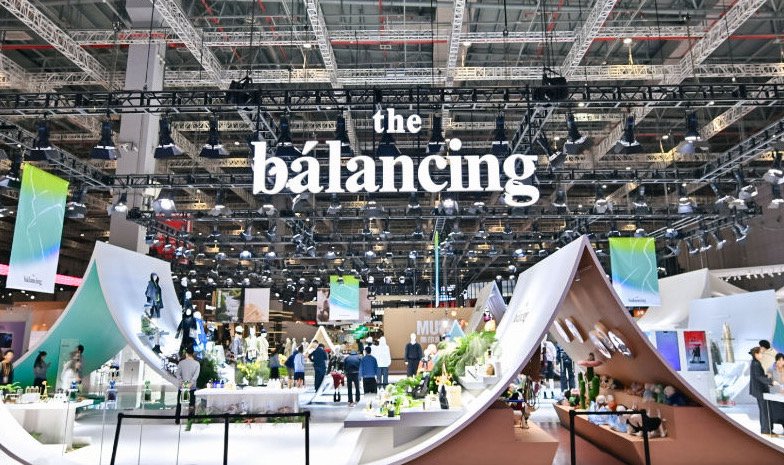
Core Viewpoint - The company is actively creating a "balanced state" in the new consumption era by bridging global and local markets, leveraging technology while maintaining a human touch, and innovating business formats to serve diverse customer groups [15]. Group 1: Global and Local Balance - The Import Expo serves as a platform for introducing products and acts as a "super connector" for dual empowerment [3]. - The company showcased over 80 pieces of craftsmanship in collaboration with the UK, blending traditional and avant-garde designs [5]. - The procurement amount exceeded 90 million USD, marking a growth of over 10% compared to the previous year [5]. Group 2: Diverse Customer Engagement - The company has demonstrated precise insights into customer management, attracting Generation Z through innovative projects [6]. - The aging population in Shanghai is expected to surpass 40%, presenting a significant opportunity for the silver economy [6]. - A one-stop silver-age lifestyle space was launched, featuring over 1,000 SKUs and a membership system to link customers with products and services [10]. Group 3: Technology and Humanity Balance - An AI interactive installation showcased at the expo transforms audience emotions into dynamic visual scenes, enhancing the shopping experience [12]. - The company emphasizes the importance of data, experiential scenarios, and AI in the new consumption era, aiming to create a value network that benefits brands and consumers [14].

共话国际资本投资并购新机遇 上交所国际投资者大会将于11月12日开幕
Zhong Zheng Wang· 2025-11-11 06:01
Core Points - The Shanghai Stock Exchange International Investor Conference will be held from November 12 to 13, focusing on "Value Leading Open Empowerment - New Opportunities for International Capital Investment and Mergers and Acquisitions" [1] - This marks the seventh consecutive year the Shanghai Stock Exchange has hosted this conference, providing a platform for foreign institutions to engage with domestic regulatory bodies, exchanges, listed companies, and financial institutions [1] Group 1: Conference Overview - The opening remarks will be delivered by representatives from the China Securities Regulatory Commission, Shanghai Municipal Government, and the Shanghai Stock Exchange on the first day of the conference [1] - Discussions will include topics such as capital market institutional opening, investment and merger opportunities in the Chinese market, and value investing [1] Group 2: Sub-forums - The first sub-forum will focus on investment topics, including asset allocation in China, ESG, new consumption industry development, exchange-traded funds (ETFs), and the bond market, along with the release of cross-border index investment cooperation results [1] - The second sub-forum will address the development and reform of the Chinese merger and acquisition market and cross-border mergers and acquisitions [1] Group 3: Day Two Highlights - The second day will showcase the latest developments in the Sci-Tech Innovation Board, emphasizing the investment value of high-quality Chinese assets [1] - Discussions will revolve around industries such as artificial intelligence, biomedicine, and high-end equipment manufacturing, featuring industry leaders and representatives from Shanghai-listed companies and domestic and foreign financial institutions [1]
共享投资并购新机遇 上交所国际投资者大会即将开幕
Zhong Guo Jing Ying Bao· 2025-11-11 04:36
Core Viewpoint - The Shanghai Stock Exchange International Investor Conference will take place on November 12-13, focusing on "Value Leading Open Empowerment - New Opportunities for International Capital Investment and Mergers and Acquisitions" [1] Group 1: Conference Overview - The opening remarks will be delivered by leaders from the China Securities Regulatory Commission (CSRC), Shanghai Municipal Government, and the Shanghai Stock Exchange [1] - The conference will feature discussions on capital market institutional openness, investment and merger opportunities in the Chinese market, and value investing [1] Group 2: Sub-forums - The first sub-forum will focus on investment topics such as asset allocation in China, ESG, new consumption industry development, exchange-traded funds (ETFs), and the bond market, along with the release of cross-border index investment cooperation results [1] - The second sub-forum will address the development and reform of the Chinese merger and acquisition market, as well as cross-border mergers and acquisitions [1] Group 3: Industry Focus - The second day of the conference will highlight the latest developments in the Sci-Tech Innovation Board, showcasing the investment value of high-quality Chinese assets [1] - Discussions will center around industries such as artificial intelligence, biomedicine, and high-end equipment manufacturing, featuring industry leaders and representatives from domestic and international financial institutions [1] Group 4: Historical Context - This year marks the seventh consecutive year that the Shanghai Stock Exchange has hosted the International Investor Conference, establishing it as a significant platform for communication among foreign investment institutions, domestic regulatory bodies, exchanges, listed companies, and financial institutions [1]
上交所国际投资者大会11月12日-13日举行 共话国际资本投资并购新机遇
Xin Lang Zheng Quan· 2025-11-11 02:46
Core Insights - The Shanghai Stock Exchange International Investor Conference will take place on November 12-13, 2025, focusing on "Value Leading, Open Empowerment - New Opportunities for International Capital Investment and Mergers" [1] - This marks the seventh consecutive year the Shanghai Stock Exchange has hosted this conference, providing a platform for foreign institutions to engage with domestic regulatory bodies, exchanges, listed companies, and financial institutions [1] Group 1: Conference Overview - The opening day will feature speeches from leaders of the China Securities Regulatory Commission, Shanghai Municipal Government, and the Shanghai Stock Exchange [1] - Discussions will cover topics such as capital market institutional openness, investment and merger opportunities in the Chinese market, and value investing [1] Group 2: Sub-forums - The first sub-forum will focus on investment, addressing topics like asset allocation in China, ESG, new consumption industry development, exchange-traded funds (ETFs), and the bond market, along with the release of cross-border index investment cooperation results [1] - The second sub-forum will concentrate on mergers and acquisitions, discussing the development and reform of the Chinese M&A market and cross-border mergers [1] Group 3: Industry Focus - The second day of the conference will highlight the latest developments in the Sci-Tech Innovation Board, showcasing the investment value of high-quality Chinese assets [2] - Key industries such as artificial intelligence, biomedicine, and high-end equipment manufacturing will be discussed, featuring industry leaders and representatives from Shanghai-listed companies and domestic and foreign financial institutions [2]
上交所国际投资者大会明日开幕 共话国际资本投资并购新机遇
Zheng Quan Shi Bao Wang· 2025-11-11 01:54
Core Points - The Shanghai Stock Exchange International Investor Conference will take place on November 12, focusing on "Value Leading Open Empowerment - New Opportunities for International Capital Investment and Mergers and Acquisitions" [1] - This marks the seventh consecutive year the SSE has hosted this conference, aimed at providing a platform for foreign investment institutions to communicate with domestic regulatory bodies, listed companies, and financial institutions [1] Group 1: Conference Overview - The opening remarks will be delivered by officials from the China Securities Regulatory Commission (CSRC), Shanghai Municipal Government, and the SSE [1] - Key discussions will include topics such as capital market institutional openness, investment and merger opportunities in the Chinese market, and value investing [1] Group 2: Sub-forums - The first sub-forum will focus on investment topics, including asset allocation in China, ESG, new consumption industry development, exchange-traded funds (ETFs), and the bond market, along with the release of cross-border index investment cooperation results [1] - The second sub-forum will address the development and reform of the Chinese merger and acquisition market, as well as cross-border mergers and acquisitions [1] Group 3: Day Two Highlights - The second day will showcase the latest developments in the Sci-Tech Innovation Board, emphasizing the investment value of high-quality Chinese assets [1] - Discussions will revolve around industries such as artificial intelligence, biomedicine, and high-end equipment manufacturing, featuring industry leaders and representatives from Shanghai-listed companies and domestic and foreign financial institutions [1]
消费赛道复苏预期升温 多只消费股估值具备优势
Zheng Quan Shi Bao· 2025-11-10 23:10
Core Viewpoint - The consumer sector is experiencing a collective rebound, driven by government policies aimed at boosting consumption and supporting key industries [1][3]. Group 1: Market Performance - As of November 10, 2023, various consumer indices, including food and beverage, beauty care, and retail, have shown less than 10% growth year-to-date, underperforming the Shanghai Composite Index [2]. - The food and beverage sector has been the weakest performer, with its index in a downward trend for the year [2]. Group 2: Institutional Outlook - Institutions are becoming increasingly optimistic about the future performance of the consumer sector, with several brokerages identifying potential investment opportunities [3]. - Open Source Securities notes that the food and beverage sector is nearing a bottom, with recovery expectations rising as negative factors have largely been released and policy impacts are slowing [3]. - Huachuang Securities highlights that service consumption is in a transformative phase, with strong policy support expected to make it a key investment theme [3]. - Galaxy Securities emphasizes the importance of enhancing consumer power and expanding quality consumption supply during the 14th Five-Year Plan period, as new consumption trends emerge [3]. Group 3: Valuation and Stock Performance - Many consumer stocks are currently seen as undervalued, with 123 stocks having a rolling P/E ratio below 30 and underperforming the Shanghai Composite Index year-to-date [4]. - Notable large-cap stocks include Kweichow Moutai, Midea Group, and Wuliangye, among others [4]. - 23 stocks have seen a cumulative decline of over 10% this year, with Ganyuan Food experiencing the largest drop at 33.79% [4]. Group 4: Future Growth Potential - From an institutional perspective, 43 of the 123 identified consumer stocks have an upside potential exceeding 20% based on consensus target prices [5]. - Proya Cosmetics leads with a projected upside of 49.05%, supported by its international expansion plans [5]. - Xueda Education follows with an expected upside of 48.6%, driven by its clear business expansion strategy in personalized education [5][6].






消费赛道复苏预期升温多只消费股估值具备优势
Zheng Quan Shi Bao· 2025-11-10 18:20
Core Viewpoint - The consumer sector is experiencing a collective rebound, driven by government policies aimed at boosting consumption and supporting key industries [1][3]. Group 1: Market Performance - As of November 10, 2023, various consumer indices, including food and beverage, beauty care, and retail, have shown less than 10% growth year-to-date, underperforming the Shanghai Composite Index [2]. - The food and beverage sector has been the weakest performer, with its index in a downward trend for the year [2]. Group 2: Institutional Optimism - Institutions are gradually becoming optimistic about the future performance of the consumer sector, with several brokerages identifying potential investment opportunities [3]. - Open Source Securities notes that the food and beverage sector is nearing a bottom, with recovery expectations rising as negative factors have largely been released and policy impacts are slowing [3]. - Huachuang Securities highlights that service consumption is in a transformative phase, supported by strong policy guidance, making it a promising investment focus [3]. - Galaxy Securities emphasizes the importance of enhancing consumer power and expanding quality supply during the 14th Five-Year Plan period, with new consumption trends emerging as key growth points [3]. Group 3: Valuation Advantages - Many consumer stocks currently exhibit valuation advantages, with 123 stocks having a rolling P/E ratio below 30 and underperforming the Shanghai Composite Index year-to-date [4]. - Notable large-cap stocks include Kweichow Moutai, Midea Group, and Wuliangye, among others [4]. - 23 stocks have seen a cumulative decline of over 10% this year, with Ganyuan Food experiencing the largest drop at 33.79% [4]. Group 4: Upside Potential - From an institutional perspective, several consumer stocks with low rolling P/E ratios have significant upside potential, with 43 stocks projected to rise over 20% [5]. - Proya Cosmetics leads with a projected upside of 49.05%, supported by its international expansion plans [5]. - Xueda Education follows with an expected increase of 48.6%, driven by its clear business expansion strategy in personalized education [5][6].
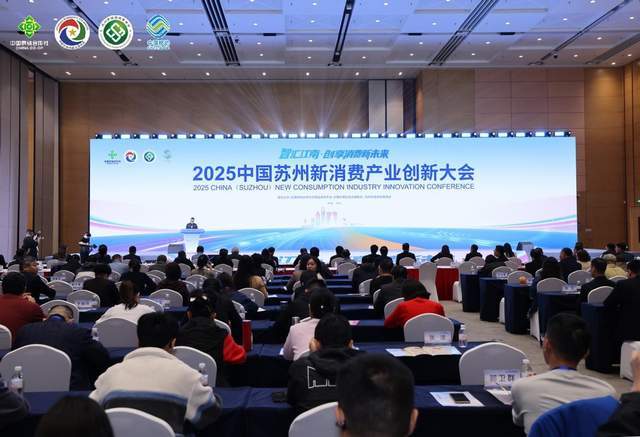
聚势赋能新消费!2025中国苏州新消费产业创新大会成功举办
Sou Hu Cai Jing· 2025-11-10 16:54
Core Insights - The "2025 China Suzhou New Consumption Industry Innovation Conference and New Consumption Quality Goods Supply and Marketing Franchise Exhibition" was successfully held from November 8 to 9, focusing on the theme "Intelligent Integration of Jiangnan: Creating a New Future for Consumption" [1] - The event featured three parallel forums discussing key topics such as "Digitalization of Consumption and Supply Chain Upgrades," "Brand Innovation and Sustainable Development," and "Green Supply Chains and Healthy Consumption," with insights from industry experts [1] Group 1 - The exhibition area covered 6,000 square meters, showcasing hundreds of quality brands including China Mobile, Supply and Marketing Cooperatives, and New World Chain Supermarket, highlighting the innovative strength and industrial vitality of "Suzhou Products" [3] - The event attracted hundreds of professional buyers and facilitated over a hundred preliminary cooperation intentions, effectively promoting resource integration and business collaboration across the industry chain [3] - Interactive activities and consumer vouchers in the public consumption area engaged tens of thousands of citizens, achieving a perfect blend of professional exchange and consumer engagement [3] Group 2 - The conference awarded outstanding enterprises and brands in the new consumption sector and included a signing ceremony for the wine brand "Feihong," showcasing the vibrancy and appeal of the new consumption industry [5] - The event was co-hosted by the National Supply and Marketing Cooperative Daily Goods Procurement Platform, the China Daily Goods Circulation Association, and the Suzhou Chain Operation Chamber of Commerce, promoting deep industry exchanges and the integration of local brands with the national supply chain [7] - Suzhou aims to continue deepening innovation practices in the new consumption sector, collaborating with various sectors to explore new consumption scenarios and build a new industrial ecosystem [9]