
消费信心

Search documents
安德玛公布FY2026Q1财报,预计FY2026Q2营收延续下降
Shanxi Securities· 2025-08-11 14:25
Investment Rating - The report maintains an investment rating of "Synchronize with the market - A" for the textile and apparel industry [1]. Core Insights - The textile and apparel industry has shown mixed performance, with Under Armour reporting a 4% year-on-year revenue decline in FY2026Q1, amounting to $1.1 billion, and a net loss of $2.612 million [2][17]. - The North American market saw a 5% revenue decline to $670 million, while the international market's revenue decreased by 1% to $470 million, with EMEA market revenue increasing by 10% [3][17]. - Adidas reported a 14% year-on-year revenue growth in H1 2025, while HUGO BOSS and Ralph Lauren showed varied performance, with HUGO BOSS experiencing a 1% revenue increase in Q2 2025 and Ralph Lauren achieving a 14% revenue growth [6][59]. Summary by Sections 1. Company Performance - Under Armour's FY2026Q1 revenue decreased by 4% to $1.1 billion, with a net loss of $2.612 million compared to a loss of $30.5 million in the previous year [2][17]. - HUGO BOSS reported a 1% revenue increase in Q2 2025, while EBIT grew by 15% [6][57]. - Ralph Lauren's net revenue increased by 14% to $1.7 billion, with a net profit growth of 30.7% [59][60]. 2. Market Trends - The textile and apparel sector saw a 4.23% increase in the SW textile and apparel index, outperforming the Shanghai Composite Index by 3 percentage points [19]. - The SW textile manufacturing PE-TTM is at 21.66 times, while the apparel and home textile PE-TTM is at 28.86 times, indicating varying valuation levels across sub-sectors [22]. 3. Regional Performance - North America experienced a 5% revenue decline, while EMEA markets grew by 10% [3][4]. - The Asia-Pacific market saw a 10% revenue decline, with Latin America declining by 15% [3][4]. 4. Consumer Behavior - The retail sales of sports and entertainment products grew by 22.2% year-on-year in the first half of 2025, indicating strong demand in this segment [11]. - The overall retail sales in China for June 2025 reached 4.23 trillion yuan, growing by 4.8% year-on-year, but showing a decline compared to previous months [48][49]. 5. Future Outlook - For FY2026Q2, Under Armour expects a revenue decline of 6%-7%, with a projected gross margin decrease of 3.4-3.6 percentage points [4][18]. - The report suggests a cautious outlook for the textile and apparel industry, with varying performance expected across different regions and product categories [4][18].

望远镜系列13之DeckersFY2026Q1经营跟踪:收入表现超预期,价格上调预计Q2受益
Changjiang Securities· 2025-08-06 23:30
Investment Rating - The industry investment rating is "Positive" and maintained [6] Core Insights - In FY2026Q1 (April 1, 2025 - June 30, 2025), Deckers achieved revenue of $960 million, a year-on-year increase of 17%, exceeding Bloomberg's consensus estimate of $900 million [2][4] - Gross margin decreased by 1.1 percentage points to 55.8%, primarily due to strong growth in low-margin distribution channels, while net margin benefited from cost control, increasing by 0.4 percentage points to 14.4% [2][4] Revenue Breakdown - By brand, UGG and HOKA revenues increased by 18.9% and 19.8% respectively, while other brands saw a decline of 19.0%, with revenues of $270 million, $650 million, and $50 million respectively [5] - By channel, Direct-to-Consumer (DTC) and distribution channel revenues grew by 0.5% and 26.7% respectively, reaching $310 million and $650 million, with DTC facing short-term pressure due to limited offline retail presence and reliance on e-commerce [5] - By region, revenues in the U.S. decreased by 2.8% to $500 million, while other regions saw a significant increase of 49.7% to $460 million, with EMEA contributing notably and Asia-Pacific maintaining strong growth [5] Inventory and Pricing Strategy - As of FY2026Q1, the company's inventory increased by 13% year-on-year to $850 million, with efforts underway to manage old inventory [5] - The company has begun raising prices since July 1, 2025, with most products already adjusted, which is expected to positively impact FY2026Q2 revenue [5] Performance Guidance - For FY2026Q2, revenue is expected to be between $1.38 billion and $1.42 billion, representing a year-on-year growth of 5.2% to 8.3%, with HOKA anticipated to grow around 10% and UGG expected to see mid-single-digit growth [5]
复旦大学张军:中国老百姓存款多,不是因为有钱,而是因为没钱
Sou Hu Cai Jing· 2025-07-30 22:49
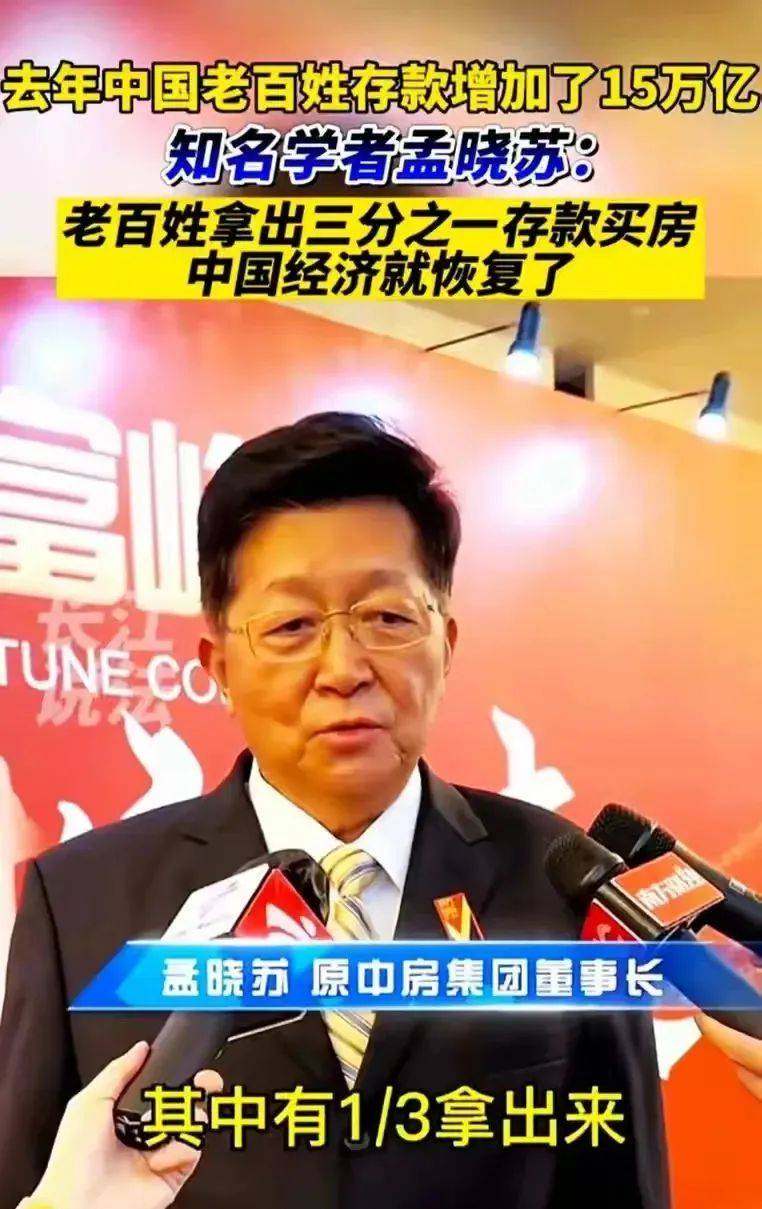
Core Viewpoint - The article discusses the reasons behind the high savings rate among Chinese households, emphasizing that it stems from a lack of confidence in financial stability rather than wealth accumulation. Group 1: Economic Context - Chinese economist Chen Hao states that the average family asset is 3 million, and if one-third of the increased savings of 15 trillion in 2022 were used for housing and consumption, the economy could recover [1][3] - Zhang Jun from Fudan University highlights that the high savings are due to fear of unexpected expenses, not because people are wealthy [3][4] Group 2: Financial Pressures - Young people are burdened with long-term mortgage debts, making it difficult to spend freely [6] - The cost of marriage, including dowries and housing, adds significant financial pressure, especially in major cities where expenses can reach millions [6][8] - Rural farmers face unpredictable income due to weather conditions, necessitating savings for emergencies [8][10] Group 3: Employment and Education Costs - Office workers experience intense competition and job insecurity, leading to minimal disposable income after basic expenses [10][12] - Parents are compelled to save for their children's education to ensure they do not fall behind, which requires substantial financial resources [10][12] Group 4: Health and Safety Concerns - Medical expenses, even for minor ailments, can be burdensome, prompting families to save for health-related costs [10][12] - The pandemic has reinforced the importance of being prepared for emergencies, leading to increased savings as a precautionary measure [12][14] - Overall, the lack of social safety nets and support systems drives individuals to rely on personal savings for financial security [12][14]


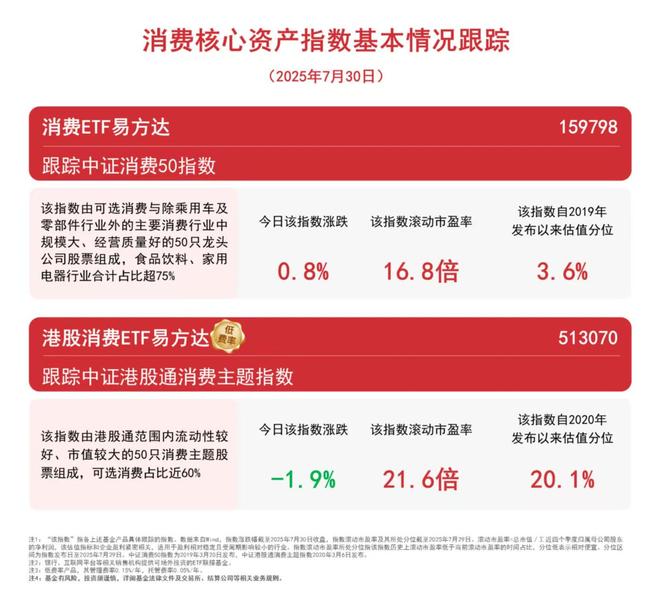
生育刺激政策加速落地,关注消费ETF易方达(159798)、港股消费ETF易方达(513070)等投资价值
Mei Ri Jing Ji Xin Wen· 2025-07-30 13:04
Group 1 - The core viewpoint of the news is the implementation of a national childcare subsidy policy, which will provide a subsidy of 3,600 yuan per child per year until the child reaches three years old, starting from January 1, 2025 [1] - The policy aims to stimulate birth rates and consumer confidence, with expectations that local governments will accelerate their responses to the central government's initiatives [1] - The increase in newborn population is anticipated to boost demand in the maternal and infant sectors, benefiting related industries [1] Group 2 - The CSI Consumer 50 Index rose by 0.8%, while the CSI Hong Kong Stock Connect Consumer Theme Index fell by 1.9% [2] - The CSI Consumer 50 Index consists of 50 leading companies in major consumer sectors, with over 75% of its composition in food and beverage, and home appliances [2] - The rolling price-to-earnings ratio of the CSI Consumer 50 Index is 16.8 times, with a valuation percentile of 3.6% since its inception in 2019 [2]
社服与消费视角点评6月国内宏观数据:经济表现稳步修复,消费信心仍待进一步提振
Bank of China Securities· 2025-07-17 09:11
Investment Rating - The industry investment rating is "Outperform the Market" [1][36] Core Viewpoints - Economic performance is steadily recovering, but consumer confidence still needs further boosting. In June 2025, the total retail sales of consumer goods reached 4.2 trillion yuan, with a year-on-year increase of 4.8%. The GDP for the first half of 2025 was 66.05 trillion yuan, reflecting a year-on-year growth of 5.3% [1][3] - The overall economic operation in the first half of 2025 was stable, with consumption playing a significant supporting role. The total retail sales for the first half of 2025 reached 24.55 trillion yuan, a year-on-year increase of 5.0% [3][4] Summary by Sections Economic Performance - The GDP growth for the first half of 2025 was 5.3%, with contributions from the primary, secondary, and tertiary industries at 3.6%, 36.2%, and 60.2% respectively. The growth pace aligns with the annual target of 5% [3][4] - The retail sales of goods increased by 5.1%, while restaurant income grew by 4.3% in the first half of 2025. The service retail sales also saw a year-on-year growth of 5.3% [3][4] Consumer Confidence - The average urban unemployment rate in the first half of 2025 was 5.2%, showing stability, but consumer confidence has not significantly improved. The consumer confidence index was at 88.0 in May, indicating a low level of confidence [3][4] Investment Recommendations - The report suggests focusing on companies likely to benefit from the recovery in tourism and travel demand, such as Lingnan Holdings and Tongcheng Travel. Other recommended companies include those in the business and exhibition sectors, as well as various hospitality and entertainment firms [3][4]
北京消费结构与趋势|北京商业经济学会会长王成荣:多措并举增强消费动力,为扩大消费释放新空间
Bei Jing Shang Bao· 2025-07-14 06:33
Core Insights - The transformation of China's consumption structure is characterized by a shift from single to diversified and from basic to high-quality consumption, requiring systematic policies and precise actions to stimulate market vitality and support high-quality economic development [1][3][5] Consumption Structure Dynamics - China's consumption structure has undergone significant changes, evolving through several stages from basic needs to more complex consumption patterns, with a notable shift towards service and cultural consumption [3][4] - The decline in food expenditure and the rise in spending on clothing and home appliances mark the first structural leap in consumption [3] - The current market shows that service and cultural consumption are growing faster than traditional goods, particularly in economically developed regions like Beijing [3][4] Industry Data - Specific sectors such as gold jewelry, sports entertainment products, and cosmetics are experiencing rapid growth, with retail sales in these categories increasing by 41.0%, 9.9%, and 11.9% respectively [4] - Conversely, the automotive and communication sectors are facing declines, with retail sales for communication equipment down by 22.2% and automotive sales down by 21.1% [4] Consumer Dynamics - Consumer motivation is influenced by two key factors: consumption capacity and consumer confidence, both of which are interrelated and essential for stimulating demand [6] - Improving consumption capacity relies on real income growth and optimizing savings structures, while consumer confidence is tied to expectations about future economic conditions [6] Collaborative Efforts - To boost consumption demand and market vitality, a multi-dimensional approach is necessary, including the integration of cultural, commercial, and tourism sectors [7][9] - The development of innovative consumption scenarios in areas like health, sports, and culture is crucial for activating the market [7][8] Experience Diversification - There is a growing trend for diverse consumer experiences, with different age groups seeking immersive and emotional experiences [8] - Businesses should tailor their offerings to meet the specific preferences of target demographics, particularly focusing on the needs of vulnerable groups [8] Digital Consumption - The cultivation of digital consumption is essential, emphasizing the need for internet platform upgrades and the use of AI to enhance physical retail environments [8] Optimizing Consumption Environment - An open and flexible policy approach is recommended for major consumption areas like housing and automobiles, alongside support for traditional brands to innovate and attract both domestic and international consumers [9]

供给侧改革会卷土重来吗?
Hu Xiu· 2025-07-14 02:41
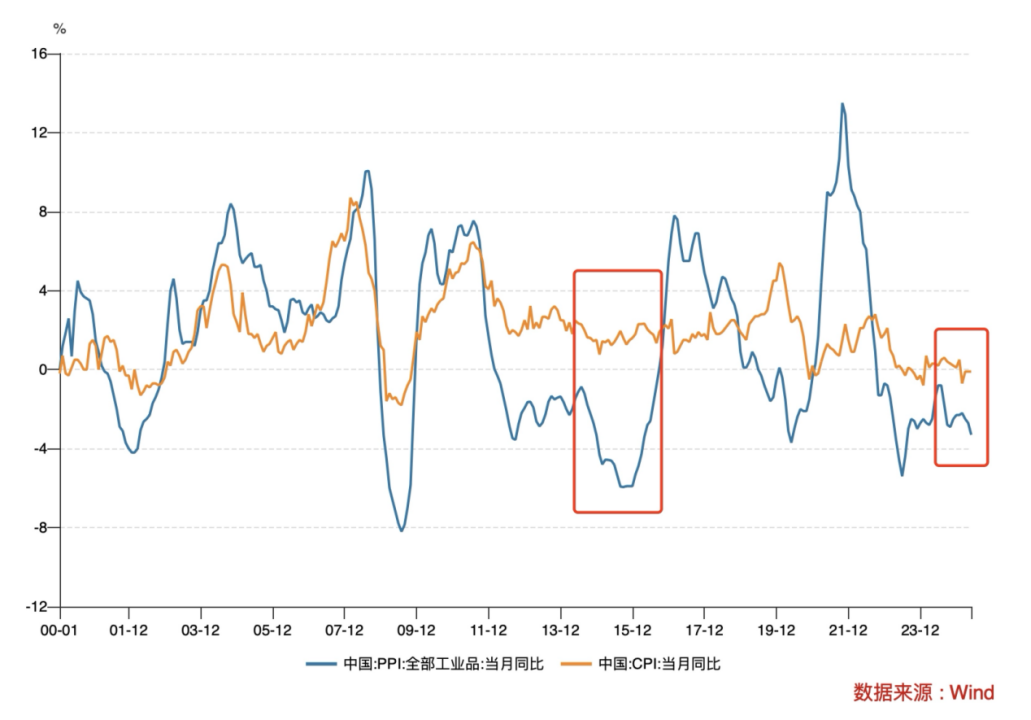
Group 1 - The current economic situation is more complex than a decade ago, with issues extending from production to consumption, affecting PPI and CPI [3][5][6] - The decline in consumer confidence is linked to deteriorating asset-liability balances due to real estate downturns and corporate profit declines, leading to increased unemployment and suppressed consumption [5][11][12] - The need for reform is recognized, but a straightforward approach to reduce production capacity may not be feasible due to the current macroeconomic conditions [10][11][60] Group 2 - The shift in economic structure has led to a decrease in the demand for labor, with the service sector's share of GDP increasing significantly over the past nine years [12][14] - Demand-side reforms are considered more effective than supply-side reforms, as increasing demand is seen as a better solution than merely cutting production [15][39] - The current economic model shows a structural imbalance between consumption and investment, with a significant portion of economic benefits not reaching the average consumer [37][38] Group 3 - Stimulating consumer confidence is crucial, as current policies like subsidies may only provide temporary relief without addressing underlying issues [41][43] - The distribution of wealth and consumer spending power is highlighted as a key factor in improving consumption levels, with a focus on creating a more balanced distribution mechanism [43][49] - The stock market's potential to improve consumer sentiment is noted, as an increase in stock market participation could enhance the perception of economic stability [64][65]
18小时锁单24万台,“YU7现象”折射中国经济新预期
Huan Qiu Shi Bao· 2025-07-10 11:29
Core Insights - The Xiaomi YU7 electric SUV has achieved a remarkable milestone by securing over 240,000 orders within 18 hours of its launch, marking a significant event in the automotive industry [1][4][6] - The phenomenon surrounding the YU7 transcends mere product sales, reflecting broader trends in technological innovation, market potential, and consumer confidence in China's economic future [3][10] Group 1: Sales Performance - The YU7 was launched on June 26, and within just 3 minutes, it received 200,000 pre-orders, ultimately surpassing 240,000 orders in 18 hours, setting a new global record in the automotive industry [4][6] - During the first 72 hours post-launch, the average order volume per store across 335 Xiaomi automotive outlets was between 800 to 900 units, with a lock-in rate of 75% to 80% [6][10] Group 2: Consumer Engagement - The YU7 has sparked significant consumer enthusiasm, with reports of some stores experiencing up to 800 test drive appointments in a single day, indicating high demand and interest [6][10] - The average age of customers placing orders for the YU7 is 33 years, with 30% being female and 52.4% being Apple users, showcasing a diverse consumer base [10][12] Group 3: Industry Impact - The success of the YU7 has prompted other electric vehicle manufacturers to offer incentives for customers to switch from competing brands, indicating a competitive response within the industry [7][10] - Tesla has responded to the YU7's launch by upgrading its Model 3 and Model Y vehicles in China, suggesting that the YU7's success has influenced market dynamics [7][10] Group 4: Economic Implications - The YU7's sales reflect a broader trend of consumer optimism and willingness to invest in innovative products, which is crucial for stimulating domestic demand in China's economy [12][14] - The automotive sector accounts for approximately 10% of Chinese household consumption, making it a vital area for economic growth and development [13][14] Group 5: Innovation and Market Dynamics - Xiaomi's approach with the YU7 emphasizes quality and innovation over low pricing, positioning it as a model for high-quality development in the automotive industry [13][14] - The YU7's pricing strategy, starting at over 250,000 yuan, challenges the traditional dominance of luxury brands in this price segment, indicating a shift in consumer preferences towards innovative domestic electric vehicles [12][14]

中国人民银行等六部门:支持居民就业增收,增强消费信心
news flash· 2025-06-24 09:07
Group 1 - The core viewpoint emphasizes the support for employment and income growth for residents, aiming to enhance consumer confidence [1] - Financial services will be strengthened for private and small micro enterprises, as well as individual businesses that have strong employment absorption capabilities [1] - The implementation of entrepreneurial guarantee loan policies will be deepened, encouraging local adaptations to relax application conditions and simplify approval processes for eligible individuals and enterprises [1] Group 2 - Innovative financial products will be developed to meet family wealth management needs, while regulating resident investment and wealth management activities to increase property income [1]
纺织服装行业周报:电商“618”大促落幕,老铺黄金海外首店6月21日于新加坡开业-20250623
Shanxi Securities· 2025-06-23 12:07
Investment Rating - The report maintains an investment rating of "A" for the textile and apparel industry, indicating a performance in line with the market [1]. Core Insights - The e-commerce "618" shopping festival saw a total sales volume of 855.6 billion yuan, representing a year-on-year growth of 15.2% [3][19]. - The overall transaction volume across major platforms during the "618" period increased by 10.4%, with notable growth in beauty products and significant performance from platforms like Douyin and Kuaishou [4][12]. - The textile and apparel sector's retail sales showed a recovery, with a year-on-year increase of 6.4% in May 2025, and a cumulative growth of 3.3% from January to May 2025 [12][54]. Summary by Sections E-commerce "618" Sales Data - The total e-commerce sales during the "618" festival reached 855.6 billion yuan, with instant retail sales at 29.6 billion yuan and community group buying at 12.6 billion yuan [3][19]. - Major platforms like Taobao, JD, Douyin, Pinduoduo, and Kuaishou reported year-on-year growth rates of 9.2%, 9.0%, 15.2%, 8.9%, and 10.6% respectively [4][19]. - The beauty segment on major platforms achieved a total GMV of 65.9 billion yuan, with Taobao maintaining a 41.3% market share [4][20]. Market Performance - The SW textile and apparel sector experienced a decline of 5.12% in the week of June 16-20, 2025, underperforming the broader market [9][22]. - The PE-TTM ratios for various sub-sectors indicate that textile manufacturing is at 19.36 times, apparel and home textiles at 25.64 times, and jewelry at 30.22 times, reflecting varying levels of valuation [30][22]. Industry Dynamics - The textile and apparel retail sector is showing signs of recovery, with a notable increase in retail sales and a strong performance in sports and entertainment products, which grew by 25.7% year-on-year [12][55]. - The report highlights the collaboration between Uniqlo and Pop Mart's IP "THE MONSTERS," indicating a trend towards brand collaborations to enhance market presence [7][65]. Company Highlights - The report notes that Lao Pu Gold, referred to as the "first stock of ancient gold," is expanding globally with its first overseas store opening in Singapore [11][69]. - The report emphasizes the significant growth in sales for brands like FILA, which surpassed Nike in the sports outdoor sector during the "618" sales period [12][20].