
生物燃料

Search documents
传可再生燃料生产商怡斯莱考虑香港IPO上市 计划募资约10亿美元
Zhi Tong Cai Jing· 2026-01-09 05:57
Core Viewpoint - EcoCeres, a green unicorn incubated by Hong Kong and specializing in environmental biofuels, is reportedly planning an IPO in Hong Kong to raise approximately $1 billion, with the earliest date being this year [1] Group 1: IPO Plans - EcoCeres has engaged Deutsche Bank, HSBC, Morgan Stanley, and UBS to explore the potential Hong Kong IPO [1] - The IPO plans are still uncertain, with possible changes in scale and timing [1] - Initially, EcoCeres considered listing on the London Stock Exchange, aiming to raise between $500 million and $1 billion, with a valuation of around $5 billion [1] Group 2: Business Focus - EcoCeres' core business involves converting biomass waste into biofuels, biochemicals, and biomaterials, focusing on the commercial production of Hydrotreated Vegetable Oil (HVO), Sustainable Aviation Fuel (SAF), and cellulosic ethanol [1] - As a leading biomass refining platform in Asia, EcoCeres aims to become a key player in the biofuel sector through technological innovation and capital support [1]
航运星球周报第32期-20251231
漫航观察· 2025-12-31 06:39
Investment Rating - The report indicates a positive investment outlook for the cross-border logistics sector, with a noted increase in the sector's performance by 1.16% this week [7][55]. Core Insights - The shipping sector shows a rise in various indices: the China Export Container Freight Index (CCFI) is at 1146.67 points, up by 1.95% week-on-week; the Shanghai Container Freight Index (SCFI) is at 1,656.32 points, up by 6.66%; and the Ningbo Container Freight Index (NCFI) is at 1060.86 points, up by 10.23% [5]. - In air freight, the global air cargo index (BAI) reports a decline, with BAI at 2495 points, down by 3.33%, and BAI80 at 5821 points, down by 8.60% [5]. - Significant developments include MSC's order for six 11,400 TEU container ships at a Chinese shipyard and the opening of new shipping routes to enhance trade efficiency [5][17]. Summary by Sections 1. Global Cross-Border Logistics News - Thailand and Laos postal services have signed a cooperation agreement to enhance e-commerce and cross-border trade [13]. - Amazon has terminated its drone delivery project in Italy due to regulatory challenges [13]. - China plans to adjust certain import tariff rates starting January 1, 2026, to enhance market dynamics [13]. 2. Cross-Border Logistics Data Changes - The shipping sector's weekly leading data shows an increase in freight rates, with the CCFI and SCFI indices reflecting positive trends [5][9]. - Air freight volumes are experiencing a decline, as indicated by the BAI index [5][10]. 3. Capital Market Perspective on Cross-Border Logistics - The cross-border logistics sector has seen a 1.16% increase this week, with a cumulative increase of 2.53% since the beginning of the year [7][55]. - Individual stock performance in the cross-border logistics sector has remained stable overall [7].


菜籽类市场周报:通关政策收紧提振,菜系品种同步收涨-20251226
Rui Da Qi Huo· 2025-12-26 08:59
Report Industry Investment Rating - Not provided in the report Core Viewpoints - This week, rapeseed oil futures rebounded from a low level, and the closing price of the 05 contract was 9,046 yuan/ton, up 302 yuan/ton from the previous week. Rapeseed meal futures fluctuated and closed higher, with the 05 contract closing at 2,391 yuan/ton, up 68 yuan/ton from the previous week [8][10]. - The supply - demand situation of Canadian rapeseed has improved significantly, and the end - of - season inventory in the 2025/26 period has increased, which continues to restrain its market price. The high - frequency data shows that the production of Malaysian palm oil has declined in the first 25 days, and the export data has improved, but there are doubts about the implementation progress of Indonesia's B50 plan. In the domestic market, oil mills are still shut down, and rapeseed oil is in a destocking mode, which supports its price. The possible tightening of soybean customs clearance policies has boosted the domestic oil market. However, with the arrival of Australian rapeseed and the expected improvement in China - Canada trade relations, the long - term supply pressure has increased [8]. - During the US soybean export season, the supply is abundant, and Brazil has a high expectation of a soybean bumper harvest. The US faces competition from cheaper Brazilian soybeans in the global market. China is moving forward steadily towards its goal of purchasing 1.2 billion tons of US soybeans. In the domestic market, the import of Canadian rapeseed and rapeseed meal in the near term is still restricted. The supply is tight due to the shutdown of oil mills, and there are concerns about the possible tightening of soybean customs clearance policies. However, with the arrival of Australian rapeseed and the expected improvement in China - Canada trade relations, the long - term supply pressure has increased. At the same time, the substitution advantage of soybean meal is good, which weakens the demand expectation for rapeseed meal. The rapeseed meal market is in a situation of weak supply and demand [10]. Summary by Directory 1. Week - to - Week Summary Rapeseed oil - **Market review**: This week, rapeseed oil futures rebounded from a low level, and the closing price of the 05 contract was 9,046 yuan/ton, up 302 yuan/ton from the previous week [8]. - **Market outlook**: The supply - demand situation of Canadian rapeseed has improved, and the end - of - season inventory has increased. The high - frequency data of Malaysian palm oil shows a decline in production and an improvement in exports, but there are doubts about Indonesia's B50 plan. Domestically, oil mills are shut down, and rapeseed oil is destocking, which supports the price. The possible tightening of soybean customs clearance policies has boosted the domestic oil market. However, the arrival of Australian rapeseed and the expected improvement in China - Canada trade relations increase long - term supply pressure [8]. Rapeseed meal - **Market review**: This week, rapeseed meal futures fluctuated and closed higher, with the 05 contract closing at 2,391 yuan/ton, up 68 yuan/ton from the previous week [10]. - **Market outlook**: During the US soybean export season, there is abundant supply, and Brazil has a high expectation of a soybean bumper harvest. The US faces competition from Brazilian soybeans. China is approaching its goal of purchasing US soybeans. Domestically, the import of Canadian rapeseed and rapeseed meal in the near term is restricted, and oil mills are shut down, resulting in tight supply. There are concerns about the possible tightening of soybean customs clearance policies. However, the arrival of Australian rapeseed and the expected improvement in China - Canada trade relations increase long - term supply pressure. The substitution advantage of soybean meal weakens the demand expectation for rapeseed meal, and the market is in a situation of weak supply and demand [10]. 2. Futures and Spot Markets Futures price trends - This week, rapeseed oil futures fluctuated and closed higher, with a total open interest of 192,235 lots, down 15,944 lots from last week. Rapeseed meal futures also fluctuated and closed higher, with a total open interest of 650,686 lots, up 52,198 lots from last week [15]. Top - 20 net open interest changes - This week, the top - 20 net open interest of rapeseed oil futures was - 27,854, and last week it was - 27,499, with little change in net short positions. The top - 20 net open interest of rapeseed meal futures was - 32,331, and last week it was - 74,459, with a significant reduction in net short positions [21]. Futures warehouse receipts - The registered warehouse receipts of rapeseed oil were 3,456 lots, and those of rapeseed meal were 0 lots [25]. Spot prices and basis trends - The spot price of rapeseed oil in Jiangsu was reported at 9,690 yuan/ton, significantly rebounding from last week. The basis between the active contract futures price of rapeseed oil and the spot price in Jiangsu was + 644 yuan/ton. The rapeseed meal price in Nantong, Jiangsu was reported at 2,460 yuan/ton, slightly rebounding from last week. The basis between the spot price in Jiangsu and the active contract futures price of rapeseed meal was + 69 yuan/ton [34][40]. Futures inter - month spread changes - The 5 - 9 spread of rapeseed oil was + 32 yuan/ton, at a medium level in the same period in recent years. The 5 - 9 spread of rapeseed meal was - 54 yuan/ton, also at a medium level in the same period in recent years [46]. Futures - to - spot ratio changes - The ratio of the 05 contract of rapeseed oil to rapeseed meal was 3.783, and the average spot price ratio was 3.94 [49]. Rapeseed oil - soybean oil and rapeseed oil - palm oil spread changes - The spread of the 05 contract of rapeseed oil - soybean oil was 1,210 yuan/ton, and the spread narrowed and fluctuated and widened this week. The spread of the 05 contract of rapeseed oil - palm oil was 478 yuan/ton, and the spread narrowed and fluctuated this week [58]. Soybean meal - rapeseed meal spread changes - The spread of the 05 contract of soybean meal - rapeseed meal was 399 yuan/ton. As of Thursday, the spot spread of soybean meal - rapeseed meal was reported at 670 yuan/ton [64]. 3. Industry Chain Situation Rapeseed - **Supply**: As of the end of the 51st week of 2025, the total inventory of imported rapeseed in China was 60,000 tons, the same as last week, compared with 819,000 tons in the same period last year, with a five - week average of 50,000 tons. As of December 5, the estimated arrival volumes of rapeseed in December 2025, January 2026, and February 2026 were 150,000 tons, 450,000 tons, and 420,000 tons respectively. As of December 25, the spot crushing profit of imported rapeseed was + 1,254 yuan/ton. As of the 51st week of 2025, the rapeseed crushing volume of major coastal oil mills was 0 tons, the same as last week, with an operating rate of 0%. In November 2025, the total import volume of rapeseed was 200 tons, a decrease of 70,590 tons compared with 70,790 tons in the same period last year, a year - on - year decrease of 99.72%, and the import volume in the previous month was 0 tons [68][72][76][80]. Rapeseed oil - **Supply**: As of the end of the 51st week of 2025, the inventory of imported and crushed rapeseed oil in China was 358,000 tons, a decrease of 26,000 tons compared with 384,000 tons last week, a month - on - month decrease of 6.74%. In November 2025, the total import volume of rapeseed oil was 170,000 tons, a decrease of 30,000 tons compared with 200,000 tons in the same period last year, a decrease of 15%, and an increase of 30,000 tons compared with 140,000 tons in the previous month [84]. - **Demand**: As of October 31, 2025, the monthly output of edible vegetable oil was reported at 427,600 tons. As of the end of November, the monthly retail sales of social consumer goods in the catering industry were reported at 605.7 billion yuan. As of the end of the 51st week of 2025, the contract volume of imported and crushed rapeseed oil in China was 53,000 tons, a decrease of 1,000 tons compared with 54,000 tons last week, a month - on - month decrease of 2.17% [88][92]. Rapeseed meal - **Supply**: As of the end of the 51st week of 2025, the inventory of imported and crushed rapeseed meal in China was 0 tons, the same as last week. In November 2025, the total import volume of rapeseed meal was 214,700 tons, an increase of 122,600 tons compared with 92,200 tons in the same period last year, a year - on - year increase of 132.96%, and a month - on - month decrease of 5,900 tons compared with 220,600 tons in the previous month [96][100]. - **Demand**: As of November 30, 2025, the monthly output of feed was reported at 2.9779 million tons [104]. 4. Option Market Analysis - As of December 26, this week, rapeseed meal fluctuated and closed higher. The implied volatility of the corresponding option was 18.08%, a rebound of 1.59% from 16.49% last week, at a medium level of the 20 - day, 40 - day, and 60 - day historical volatility of the underlying asset [108].

德国批准生物燃料法草案
Zhong Guo Hua Gong Bao· 2025-12-24 04:08
Core Viewpoint - The German federal cabinet has approved a draft biofuel law that allows the continued use of food and feed crops as raw materials for biofuel production, marking a policy shift in the country [1] Group 1: Policy Changes - The new draft maintains the current level of food and feed raw material usage, reversing the previous government's plan to phase out such materials [1] - Starting in 2027, the use of palm oil will not count towards emission reduction targets due to environmental concerns related to palm oil production [1] Group 2: Regulatory Adjustments - The draft includes a key provision to limit the "double counting" practice for certain biofuel raw materials, which allows specific advanced or waste-based biofuels to earn double credits when meeting compliance targets [1] Group 3: Industry Impact - The German biofuel program aims to reduce greenhouse gas emissions from road traffic by blending biodiesel and bioethanol with fossil fuels, with oil companies required to meet reduction targets partially through biofuel usage [1] - The new draft is expected to support prices, as the continued use of food-related raw materials is seen as reassuring, while the end of "double counting" is viewed as a positive signal by German oilseed traders [1] Group 4: Legislative Process - This draft is part of the implementation of the EU Renewable Energy Directive into German domestic law, affecting sectors such as transportation, electricity, and heating [1] - The text of the draft has been delayed multiple times and is now submitted to the German Bundestag for approval [1]
高库存压制 油脂震荡格局难打破
Qi Huo Ri Bao· 2025-12-18 00:39
Group 1: Oilseed Market Overview - The oilseed sector remains in a volatile pattern, with differentiated performance among various oil types. Since late November, canola oil prices have been on a downward trend, while soybean and palm oil prices have shown some resilience [1] - The U.S. Department of Agriculture (USDA) reported a significant increase in U.S. soybean oil exports, indicating a structural shift in the global vegetable oil market driven by policy and trade [2] Group 2: U.S. Soybean Oil Supply and Demand - The USDA maintained the U.S. soybean oil ending stocks forecast for the 2025/2026 season at 1.726 billion pounds, with a stocks-to-use ratio of 5.65%. This stability is supported by strong crushing demand and robust export sales [3] - U.S. soybean crushing reached a record high in October, with a volume of 237 million bushels, reflecting a month-on-month increase of 15.6% and a year-on-year increase of 9.9% [3] - U.S. soybean oil inventories rose to 1.781 billion pounds by the end of October, up 1.95% month-on-month and 11.87% year-on-year, indicating that strong crushing capacity is outpacing consumption and export [3] Group 3: Global Soybean Oil Market Dynamics - The USDA raised the global soybean oil ending stocks forecast for 2025/2026 to 5.891 million tons, an increase of 198,000 tons from the previous report. Despite a relaxed global soybean supply, soybean oil's unique industrial properties and policy drivers are expected to create a relatively independent market trend [4] Group 4: Palm Oil Supply Issues - Malaysia's palm oil inventory surged by 13% to 2.84 million tons by the end of November, exceeding market expectations and reaching the highest level since April 2019. This increase is attributed to high production levels and a sharp decline in exports [5] - November palm oil exports fell by 28.1% month-on-month to 1.21 million tons, marking a new low for the year, primarily due to weak demand from China and India [5] Group 5: Indonesian Palm Oil Production Challenges - Indonesia's palm oil production may face contraction due to severe flooding impacting infrastructure, although the Indonesian Palm Oil Association claims no significant production losses. However, logistical issues are expected to delay at least 40% of December's export volume [6] - The Indonesian government's crackdown on illegal land use is affecting palm oil plantations, with significant penalties imposed on companies, potentially leading to operational disruptions for 3-6 months [6] Group 6: Domestic Oilseed Market Conditions - As of December 12, domestic commercial inventories of soybean, palm, and canola oils totaled 2.1186 million tons, a decrease of 3.42% week-on-week, but still 9.83% higher year-on-year, indicating high supply levels that continue to pressure oil prices [7] - The price gap between soybean and palm oil has narrowed to 500 yuan per ton, with palm oil blending demand being suppressed due to high inventory levels [8]
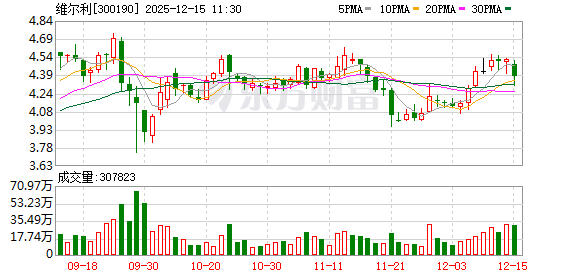
维尔利:公司在江苏南通合作设立的预处理工厂已投产,设计年处理能力约5万吨
Mei Ri Jing Ji Xin Wen· 2025-12-15 04:15
Core Viewpoint - The company is focusing on the waste cooking oil (UCO) business and is expanding its upstream raw material layout for bio-jet fuel (SAF) production, leveraging its experience in kitchen waste treatment [2] Group 1: Business Operations - The company has established a pre-treatment factory in Nantong, Jiangsu, with an annual processing capacity of approximately 50,000 tons [2] - Plans are in place to add 3 to 4 more pre-treatment factories, aiming to increase overall processing capacity to 300,000 tons per year in the future [2] Group 2: Industry Engagement - The company is committed to monitoring global biofuel industry policy dynamics and aims to deepen cooperation with downstream enterprises to seize industry development opportunities [2]


菜籽类市场周报:海关严查非转进口,推动菜油低位反弹-20251212
Rui Da Qi Huo· 2025-12-12 09:21
1. Report Industry Investment Rating No relevant content provided. 2. Core Views of the Report 2.1 Rapeseed Oil - This week, rapeseed oil futures first declined and then rose. The closing price of the 05 contract was 9,347 yuan/ton, a decrease of 60 yuan/ton from the previous week. The Canadian rapeseed production increase and export decline restrain the market price, but the change in German regulations boosts rapeseed oil biodiesel consumption. The increase in Malaysian palm oil inventory and weak exports drag down palm oil prices. In China, the supply of imported rapeseed is structurally tightened, and rapeseed oil will continue to be in a destocking mode. Customs inspections on non - GMO rapeseed oil imports support its price. However, the arrival of Australian rapeseed and abundant soybean oil supply limit rapeseed oil demand. The short - term trend is expected to be volatile [8]. 2.2 Rapeseed Meal - This week, rapeseed meal futures fluctuated narrowly and closed lower. The closing price of the 05 contract was 2,347 yuan/ton, a decrease of 30 yuan/ton from the previous week. The ample supply of US soybeans during the export season and competition from Brazilian soybeans, along with the uncertainty of China's soybean purchases, cause US soybean prices to decline. In China, the import of Canadian rapeseed and rapeseed meal is restricted, but the arrival of Australian rapeseed, weakening aquaculture demand due to lower temperatures, and the substitution advantage of soybean meal lead to a situation of weak supply and demand. The market is affected by the decline in US soybean prices, and attention should be paid to China's soybean purchase situation [10]. 3. Summary According to the Directory 3.1 Weekly Highlights Summary 3.1.1 Rapeseed Oil - **Market Review**: The 05 contract of rapeseed oil futures closed at 9,347 yuan/ton, down 60 yuan/ton from the previous week [8]. - **Market Outlook**: Canadian rapeseed production increased by 13.3% to 21.8 million tons. German policy changes boost biodiesel consumption. Malaysian palm oil inventory increased by 13.04% to 2.84 million tons. In China, supply is tightened, and customs inspections support prices, but the arrival of Australian rapeseed and abundant soybean oil limit demand. Short - term trend is volatile [8]. 3.1.2 Rapeseed Meal - **Market Review**: The 05 contract of rapeseed meal futures closed at 2,347 yuan/ton, down 30 yuan/ton from the previous week [10]. - **Market Outlook**: Ample US soybean supply, competition from Brazilian soybeans, and uncertainty of China's purchases affect prices. In China, supply is restricted, but demand is weak due to the arrival of Australian rapeseed, lower temperatures, and soybean meal substitution. The market is affected by US soybean price decline [10]. 3.2 Futures and Spot Market 3.2.1 Futures Market - **Rapeseed Oil**: This week, rapeseed oil futures fluctuated and closed lower. The total open interest was 171,027 lots, an increase of 40,771 lots from last week. The net short position of the top 20 futures holders decreased slightly to - 2,529 from - 6,768 last week. The registered warehouse receipts were 3,476 lots [15][21][25]. - **Rapeseed Meal**: This week, rapeseed meal futures fluctuated narrowly and closed lower. The total open interest was 581,668 lots, an increase of 86,710 lots from last week. The net short position of the top 20 futures holders increased significantly to - 70,504 from - 56,560 last week. The registered warehouse receipts were 0 lots [15][21][26]. 3.2.2 Spot Market - **Rapeseed Oil**: The spot price in Jiangsu was 9,890 yuan/ton, with little change from last week. The basis between the active contract futures price and the Jiangsu spot price was + 543 yuan/ton [35]. - **Rapeseed Meal**: The spot price in Nantong, Jiangsu was 2,410 yuan/ton, a slight increase from last week. The basis between the Jiangsu spot price and the active contract futures price was + 63 yuan/ton [41]. 3.2.3 Other Market Indicators - **Futures Month - to - Month Spread**: The 5 - 9 spread of rapeseed oil was + 79 yuan/ton, at a medium level in recent years. The 5 - 9 spread of rapeseed meal was - 52 yuan/ton, also at a medium level in recent years [47]. - **Futures - to - Spot Ratio**: The ratio of the 05 contract of rapeseed oil to rapeseed meal was 3.982; the average spot price ratio was 4.10 [50]. - **Price Spread between Oils and Meals**: The 05 contract spread between rapeseed oil and soybean oil was 1,353 yuan/ton, with narrow fluctuations this week. The 05 contract spread between rapeseed oil and palm oil was 795 yuan/ton, with a narrow and expanding spread this week. The 05 contract spread between soybean meal and rapeseed meal was 423 yuan/ton, and the spot spread was 650 yuan/ton as of Thursday [59][65]. 3.3 Industry Situation 3.3.1 Rapeseed - **Supply**: As of the end of the 49th week of 2025, the domestic imported rapeseed inventory was 65,000 tons. The estimated arrival volumes in December, January, and February 2025 were 150,000 tons, 450,000 tons, and 420,000 tons respectively. The import volume in October 2025 was 0 tons. The spot crushing profit was + 1,278 yuan/ton as of December 11. The coastal oil mill crushing volume was 0.0 tons in the 49th week of 2025, with an operating rate of 0.0% [71][75][79][83]. 3.3.2 Rapeseed Oil - **Supply**: As of the end of the 49th week of 2025, the domestic imported and crushed rapeseed oil inventory was 406,000 tons, a decrease of 19,000 tons from last week, a 4.47% month - on - month decline. The import volume in October 2025 was 140,700 tons, a 10.11% year - on - year decrease and a 1.59 - ton month - on - month decrease [87]. - **Demand**: As of October 31, 2025, the monthly output of edible vegetable oil was 427,600 tons, and the monthly catering revenue was 519.9 billion yuan. As of the end of the 49th week of 2025, the contract volume of imported and crushed rapeseed oil was 50,000 tons, an increase of 1,000 tons from last week, a 0.81% month - on - month increase [91][95]. 3.3.3 Rapeseed Meal - **Supply**: As of the end of the 49th week of 2025, the domestic imported and crushed rapeseed meal inventory was 0.0 tons, unchanged from last week. The import volume in October 2025 was 220,600 tons, a 27.99% year - on - year decrease and a 63,000 - ton month - on - month increase [99][103]. - **Demand**: As of October 31, 2025, the monthly output of feed was 2,957,000 tons [107]. 3.4 Option Market Analysis - As of December 12, this week, rapeseed meal fluctuated and closed lower. The implied volatility of the corresponding options was 17.2%, a decrease of 0.08% from 17.28% last week, at a medium level compared to the 20 - day, 40 - day, and 60 - day historical volatility of the underlying asset [111].
《农产品》日报-20251204
Guang Fa Qi Huo· 2025-12-04 01:49
1. Report Industry Investment Ratings - No industry investment ratings are provided in the reports. 2. Report Core Views Oils and Fats Industry - Palm oil may face a risk of weakening and falling after a short - term rebound, maintaining a near - strong and far - weak view. Domestic Dalian palm oil futures were boosted by Malaysian palm oil in the early session. - For soybean oil, the demand from the US renewable fuel industry remains resilient, but the international crude oil decline may drag down CBOT soybean oil. In the domestic market, the short - term market may be dragged down, but the import cost of soybeans will support the market and limit the decline of the basis. - The supply of domestic soybean meal remains loose overall, but the supply in some regions is tightening, and the basis has short - term support. The unilateral market is unlikely to show an upward trend, and it is expected to maintain a volatile pattern [1]. Pig Industry - The supply - side pressure may be less than previously expected, but the demand lacks highlights. The price of pigs is expected to maintain a volatile and weak structure. The strategy of inter - month reverse arbitrage can continue to be held, and the unilateral price is expected to continue to bottom out [3]. Meal Industry - The domestic soybean meal market remains in a loose pattern, but the supply in some regions is tightening, providing short - term support for the basis. It is difficult to see an upward trend in the unilateral market. The market should continue to focus on domestic purchases of US and Brazilian soybeans, and soybean meal is expected to maintain a volatile trend with light short - term trading [6]. Corn and Corn Starch Industry - In the short term, the futures price is strong and hits a new high due to tight supply and strong spot prices. Attention should be paid to the rhythm of corn supply and inventory changes. If they recover, it will limit the price increase space [8]. Sugar Industry - ICE raw sugar futures closed lower, and the raw sugar remains in a weak trend. Zhengzhou sugar is expected to maintain a volatile and weak trend [12]. Cotton Industry - In the short term, the cotton price will fluctuate within a range. ICE cotton futures closed slightly lower, supported by the weakening US dollar. In the domestic market, the purchase price of seed cotton is falling, and Zhengzhou cotton faces hedging pressure, but the support below is still strong [13]. Egg Industry - The supply pressure is expected to ease marginally, but overall pressure still exists. The market trading is light, and the terminal consumption is weak. The futures price is expected to maintain a weak pattern at the bottom [15]. 3. Summary by Related Catalogs Oils and Fats Industry - **Soybean Oil**: The spot price in Jiangsu is 8620 yuan/ton, the futures price of Y2601 is 8286 yuan/ton, and the basis is 334 yuan/ton. - **Palm Oil**: The spot price in Guangdong is 8720 yuan/ton, the futures price of P2601 is 8730 yuan/ton, and the basis is - 10 yuan/ton. The盘面 import cost in Guangzhou Port in January is 9195.1 yuan/ton, and the盘面 import profit is - 465 yuan/ton. - **Rapeseed Oil**: The spot price in Jiangsu is 10050 yuan/ton, the futures price of Ol601 is 9711 yuan/ton, and the basis is 330 yuan/ton [1]. Pig Industry - **Futures Market**: The price of the main contract of live pigs is 11925 yuan/ton, the price of the January contract is 11490 yuan/ton, and the price of the May contract is 11925 yuan/ton. - **Spot Market**: The spot prices in different regions such as Henan, Shandong, and Sichuan range from 11100 - 12410 yuan/ton. The sample slaughter volume increased by 0.25% to 210037, the weekly white - strip price decreased by 0.38% to 18.21 yuan/kg, and the weekly price of piglets decreased by 2.86% to 17.00 yuan/kg [3]. Meal Industry - **Soybean Meal**: The spot price in Jiangsu is 3060 yuan/ton, the futures price of M2601 is 3046 yuan/ton, and the basis is 14 yuan/ton. The盘面 import profit for Brazilian soybeans in February is 53 yuan/ton. - **Rapeseed Meal**: The spot price in Jiangsu is 2400 yuan/ton, the futures price of RM2601 is 2408 yuan/ton, and the basis is - 8 yuan/ton. The盘面 import profit for Canadian rapeseed in January is 670 yuan/ton [6]. Corn and Corn Starch Industry - **Corn**: The price of the January contract is 2259 yuan/ton, the Pingcang price in Jinzhou Port is 2300 yuan/ton, and the basis is 41 yuan/ton. The north - south trade profit is 59 yuan/ton, and the import profit is 352 yuan/ton. - **Corn Starch**: The price of the January contract is 2562 yuan/ton, the spot price in Changchun is 2590 yuan/ton, and the basis is 28 yuan/ton. The profit of Shandong starch is 1 yuan/ton [8]. Sugar Industry - **Futures Market**: The price of the January contract is 5366 yuan/ton, the price of the May contract is 5297 yuan/ton, and the price of ICE raw sugar is 14.92 cents/pound. - **Spot Market**: The spot prices in Nanning and Kunming are 5420 yuan/ton and 5400 yuan/ton respectively. The cumulative national sugar production increased by 12.03% to 1116.21 million tons, and the cumulative sales increased by 9.17% to 1048.00 million tons [12]. Cotton Industry - **Futures Market**: The price of the January contract is 13780 yuan/ton, the price of the May contract is 13750 yuan/ton, and the price of ICE US cotton is 64.45 cents/pound. - **Spot Market**: The arrival price of Xinjiang cotton is 14862 yuan/ton, and the CC Index is 15005 yuan/ton. The commercial inventory increased by 24.2% to 363.97 million tons, and the industrial inventory increased by 4.9% to 93.14 million tons [13]. Egg Industry - **Futures Market**: The price of the January contract is 3138 yuan/500KG, and the price of the February contract is 3052 yuan/500KG. - **Spot Market**: The egg price in the producing area is 3.05 yuan/jin, the egg - to - feed ratio is 2.32, and the breeding profit is - 27.35 yuan/feather. The theoretical in - laying hen inventory in December is expected to decline [15].
油脂数据日报-20251202
Guo Mao Qi Huo· 2025-12-02 03:40
Report Industry Investment Rating - Not provided in the report Core View - Southeast Asian floods have limited impact on palm oil, with potential negative expectation gaps [2] Summary by Related Catalogs Spot Price - On December 1, 2025, the spot price of 24 - degree palm oil in Tianjin, Zhangjiagang, and Huangpu remained unchanged compared to November 28, 2025, at 8710, 8670, and 8570 respectively [1] - The spot price of first - grade soybean oil in Tianjin, Zhangjiagang, and Huangpu increased by 50 on December 1, 2025, compared to November 28, 2025, reaching 8470, 8610, and 8620 respectively [1] - The spot price of fourth - grade rapeseed oil in Zhangjiagang, Wuhan, and Chengdu decreased by 30 on December 1, 2025, compared to November 28, 2025, reaching 10080, 10130, and 10330 respectively [1] Futures Data - On December 1, 2025, the spread between the main contracts of soybean oil and palm oil was - 364, an increase of 18 compared to November 28, 2025 [1] - The spread between the main contracts of rapeseed oil and soybean oil was 1482, a decrease of 31 compared to November 28, 2025 [1] - The palm oil warehouse receipts remained unchanged at 352; the soybean oil warehouse receipts increased by 5469 to 5469; the rapeseed oil warehouse receipts decreased by 110 to 3855 [1] Important Information - Indonesia - Indonesia's GAPKI believes that floods in Sumatra have not had a significant impact on palm oil production [1] - From January to October 2025, Indonesia exported a total of 19.49 million tons of crude and refined palm oil, a 7.83% increase compared to the same period last year. In October, 1.91 million tons of palm oil were exported, up from 1.38 million tons in September [1] Important Information - Malaysia - According to SPPOMA, the average yield per unit of palm oil in Malaysia in November decreased by 0.2% compared to the same period last month [1] - According to ITS, from November 1 - 30, Malaysian palm oil exports decreased by 19.7% compared to the same period last month; from November 1 - 20, exports decreased by 20.5%; from November 1 - 15, exports decreased by 15.5%; from November 1 - 10, exports decreased by 12.8% [1] - According to AmSpec, from November 1 - 30, Malaysian palm oil exports decreased by 15.9% compared to the same period last month; from November 1 - 20, exports decreased by 14%; from November 1 - 15, exports decreased by 10%; from November 1 - 10, exports decreased by 10% [1] Other Information - In September, the U.S. usage of soybean oil for biofuel production rose to 1.053 billion pounds, up from 1.041 billion pounds in August [1] - In the 2025/26 season, the overall growth of Brazilian soybeans indicates that the yield potential in most regions will be lower than in the 2024/25 season. The current sowing progress is 86.97%, compared to 89.54% in the same period last year and a five - year average of 85.13% [2] - As of the week ending October 16, the net sales of U.S. soybeans for the 2025/2026 season were 1.108 million tons, in line with expectations, up from 0.785 million tons the previous week; the net sales for the 2026/2027 season were 0 tons, down from 0.1 million tons the previous week. The export shipments of U.S. soybeans for the 2025/2026 season were 1.73 million tons, up from 0.693 million tons the previous week [2]
《农产品》日报-20251202
Guang Fa Qi Huo· 2025-12-02 01:38
Report Industry Investment Rating - No information is provided in the given content about the report industry investment rating. Core Viewpoints Oils and Fats - The domestic soybean oil fundamentals remain bearish, but the high cost of imported soybeans, weak performance of soybean meal, and reluctance of oil mills to lower basis quotes will keep basis quotes stable. The final decision of the US EPA on the biofuel obligation in 2026 will be a key factor affecting the long - term demand for soybean oil. Palm oil prices are under pressure from potential inventory growth due to increased production and slow exports. The Dalian palm oil futures will choose a new breakthrough direction, and the trend of Malaysian palm oil will have an impact on it [1]. Meals - The domestic soybean meal supply remains loose. Although downstream feed enterprises are replenishing their inventories from January to March and there is continuous procurement of US soybeans, it is difficult to see an upward trend in the market. The impact of domestic policy - based procurement on US soybeans is uncertain, and the soybean meal market is expected to remain volatile with dull short - term trading [2]. Pigs - At the beginning of the month, the supply from the breeding side decreased, and there was reluctance to sell, but the downstream slaughter volume was limited, resulting in a basically balanced market supply and demand. In December, the supply is expected to increase, and the pig price is expected to maintain a weak and volatile structure. The market should pay attention to the rhythm of pressure release at the end of the year. The price of large pigs is not promising, and second - round fattening should enter the market cautiously. The strategy of inter - month reverse arbitrage can continue to be held, and the single - side price is expected to continue to bottom out [4]. Corn - In the short term, due to the mismatch between supply and demand, the futures price remains firm, but the supply pressure has not been released, so the price increase is limited, and the overall performance is a narrow - range oscillation. Attention should be paid to the subsequent rhythm of corn supply [7]. Sugar - Affected by the supply outlook and weak technical aspects, the ICE raw sugar futures fell sharply. The new sugar in Guangxi has entered the market, driving down the price of Yunnan sugar. Although processed sugar and beet sugar are impacted to some extent, their prices are relatively firm, providing support for the price of new sugar in Guangxi. After the pre - sold sugar sources are sold out, the market is expected to rise, and Zhengzhou sugar is expected to maintain a bottom - oscillating pattern [11]. Cotton - The ICE cotton futures fell. The Zhengzhou cotton futures face hedging pressure when rising, but the pressure is not concentrated. The demand - side textile enterprises' procurement of cotton is dull, but the pre - sold cotton is being delivered successively, which eases the short - term supply pressure. The basis of spot sales is firm, and the Zhengzhou cotton has strong support below. In the short term, the cotton price may oscillate in a slightly stronger range [12]. Eggs - The number of newly - laid hens remains low, and the number of old hens being slaughtered has increased significantly. As a result, the inventory of laying hens has entered a downward channel, and the production capacity is shrinking. The market supply pressure has been improved. The egg price has dropped to a phased low, and downstream buyers are replenishing their stocks. The spot price of eggs may rebound slightly, but considering the overall pressure, the futures price is expected to maintain a bottom - oscillating pattern [15][16]. Summary by Related Catalogs Oils and Fats - **Soybean Oil**: The current price in Jiangsu is 8560 yuan, up 50 yuan or 0.58% from the previous value; the futures price of Y2601 is 8288 yuan, up 44 yuan or 0.53%; the basis of Y2601 is 322 yuan, up 6 yuan or 1.90%. The US used 1053 million pounds of soybean oil for biofuel production in September [1]. - **Palm Oil**: The current price of 24 - degree palm oil in Guangdong is 8570 yuan, unchanged from the previous value; the futures price of P2601 is 8652 yuan, up 26 yuan or 0.30%; the basis of P2601 is - 82 yuan, down 26 yuan or 46.43%. The import cost of palm oil in Guangzhou Port in January is 9077 yuan, up 82 yuan or 0.91% [1]. - **Rapeseed Oil**: The current price of third - grade rapeseed oil in Jiangsu is 10080 yuan, down 30 yuan or 0.30%; the futures price of OI601 is 9770 yuan, up 13 yuan or 0.13%; the basis of OI601 is 310 yuan, down 43 yuan or 12.18% [1]. - **Spreads**: The soybean oil inter - month spread (01 - 05) is 202 yuan, down 2 yuan or 0.98%; the palm oil inter - month spread (01 - 05) is - 52 yuan, up 6 yuan or 11.54%; the soybean - palm oil spread of 2601 is - 612 yuan, up 26 yuan or 4.08%; the rapeseed - soybean oil spread in the spot market is 1470 yuan, down 80 yuan or 5.16%; the rapeseed - soybean oil spread of 2601 is 1482 yuan, down 31 yuan or 2.05% [1]. Meals - **Soybean Meal**: The current price of soybean meal in Jiangsu is 3060 yuan, up 30 yuan or 0.99%; the futures price of M2601 is 3039 yuan, down 5 yuan or - 0.16%; the basis of M2601 is 21 yuan, up 35 yuan or 250.00%. The Brazilian 2 - month shipping schedule's盘面 import profit is 22 yuan, up 8 yuan or 57.1% [2]. - **Rapeseed Meal**: The current price of rapeseed meal in Jiangsu is 2420 yuan, down 40 yuan or - 1.63%; the futures price of RM2601 is 2423 yuan, down 29 yuan or - 1.18%; the basis of RM2601 is - 3 yuan, down 11 yuan or - 137.50%. The盘面 import profit of Canadian rapeseed with a 1 - month shipping schedule is 664 yuan, down 26 yuan or - 3.77% [2]. - **Soybeans**: The current price of soybeans in Harbin is 3940 yuan, unchanged; the futures price of the main soybean contract is 4126 yuan, up 18 yuan or 0.44%; the basis of the main soybean contract is - 186 yuan, down 18 yuan or - 10.71%. The current price of imported soybeans in Jiangsu is 3950 yuan, unchanged; the futures price of the main soybean - two contract is 3766 yuan, up 6 yuan or 0.16%; the basis of the main soybean - two contract is 184 yuan, down 6 yuan or - 3.16% [2]. - **Spreads**: The soybean meal inter - month spread (01 - 05) is 204 yuan, up 5 yuan or 2.51%; the rapeseed meal inter - month spread (01 - 05) is 20 yuan, down 17 yuan or - 45.95%; the oil - meal ratio in the spot market is 2.81, down 0.011 or - 0.40%; the oil - meal ratio of the main contract is 2.73, up 0.019 or 0.70%; the soybean - rapeseed meal spread in the spot market is 640 yuan, up 70 yuan or 12.28%; the soybean - rapeseed meal spread of 2601 is 616 yuan, up 24 yuan or 4.05% [2]. Pigs - **Futures Indicators**: The basis of the main contract of live pigs 2605 is 11925 yuan, down 10 yuan or - 0.08%; the basis of live pigs 2601 is 11495 yuan, up 30 yuan or 0.26%; the spread between live pigs 1 - 5 is - 430 yuan, up 40 yuan or 8.51%. The position of the main contract is 101740, down 5802 or - 5.40% [4]. - **Spot Prices**: The spot price of live pigs in Henan is 11400 yuan, up 50 yuan; in Shandong is 11550 yuan, up 200 yuan; in Liaoning is 11300 yuan, up 100 yuan; in Guangdong is 12310 yuan, up 900 yuan; in Hunan is 11210 yuan, up 300 yuan; in Hebei is 11450 yuan, up 50 yuan [4]. - **Spot Indicators**: The daily slaughter volume of sample points is 208687, down 1528 or - 0.73%; the weekly white - strip price is 18.28 yuan/kg, unchanged; the weekly piglet price is 17.00 yuan, down 0.5 yuan or - 2.86%; the weekly sow price is 32.47 yuan, unchanged; the weekly average slaughter weight is 129.22 kg, up 0.4 kg or 0.32%; the weekly self - breeding profit is - 148 yuan/head, down 12.1 yuan or - 8.90%; the weekly profit of purchasing piglets for breeding is - 249 yuan/head, down 14.2 yuan or - 6.05%; the monthly inventory of fertile sows is 39900000 heads, down 450000 heads or - 1.12% [4]. Corn - **Corn**: The futures price of corn 2601 is 2236 yuan, down 8 yuan or - 0.36%; the basis of the Jinzhou Port flat - warehouse price is 2290 yuan, unchanged; the spread between corn 1 - 5 is - 37 yuan, down 5 yuan or - 15.63%. The Shekou bulk grain price is 2440 yuan, unchanged; the north - south trade profit is 54 yuan, unchanged; the CIF price is 2022 yuan, down 1 yuan or - 0.03%; the import profit is 418 yuan, up 1 yuan or 0.15%. The number of remaining vehicles in Shandong's deep - processing enterprises in the morning is 819, up 145 or 17.70%; the inventory is 2235598, up 27399 or 1.24%; the number of warehouse receipts is 60215, unchanged [7]. - **Corn Starch**: The futures price of corn starch 2601 is 2542 yuan, down 24 yuan or - 0.94%; the spot price in Changchun is 2590 yuan, unchanged; the spot price in Weifang is 2800 yuan, unchanged; the basis is 48 yuan, up 24 yuan or 100.00%. The spread between corn starch 1 - 5 is - 74 yuan, down 11 yuan or - 17.46%; the spread between the starch - corn 01 contract on the disk is 306 yuan, down 16 yuan or - 4.97%; the profit of Shandong's starch enterprises is - 6 yuan, down 7 yuan or - 700.00%. The position is 326685, down 3818 or - 1.16%; the number of warehouse receipts is N/A [7]. Sugar - **Futures Market**: The futures price of sugar 2601 is 5405 yuan, up 5 yuan or 0.09%; the futures price of sugar 2605 is 5333 yuan, up 6 yuan or 0.11%; the ICE raw sugar main contract is 14.74 cents/pound, down 0.47 cents or - 3.09%. The spread between sugar 1 - 5 is 72 yuan, down 1 yuan or - 1.37%. The position of the main contract is 350573, down 10944 or - 3.03%; the number of warehouse receipts is 0; the number of valid forecasts is 183, unchanged [11]. - **Spot Market**: The spot price in Nanning is 5440 yuan, down 10 yuan or - 0.18%; the spot price in Kunming is 5430 yuan, down 10 yuan or - 0.18%. The basis in Nanning is 107 yuan, down 16 yuan or - 13.01%; the basis in Kunming is 97 yuan, down 16 yuan or - 14.16%. The price of imported Brazilian sugar (within the quota) is 4172 yuan, up 15 yuan or 0.36%; the price of imported Brazilian sugar (outside the quota) is 5289 yuan, up 18 yuan or 0.34%. The spread between imported Brazilian sugar (within the quota) and Nanning is - 1268 yuan, up 25 yuan or 1.93%; the spread between imported Brazilian sugar (outside the quota) and Nanning is - 151 yuan, up 28 yuan or 15.64% [11]. - **Industry Situation**: The cumulative national sugar production is 1116.21 million tons, up 119.89 million tons or 12.03%; the cumulative national sugar sales is 1048.00 million tons, up 88.00 million tons or 9.17%. The cumulative sugar production in Guangxi is 646.50 million tons, up 28.36 million tons or 4.59%; the monthly sugar sales in Guangxi is 26.66 million tons, down 18.68 million tons or - 41.20%. The cumulative national sugar sales rate is 93.90%, down 2.51 percentage points or - 2.60%; the cumulative sugar sales rate in Guangxi is 93.90%, up 4.30 percentage points or 4.80%. The industrial sugar inventory in the US is 68.21 million tons, down 47.79 million tons or - 41.20%; the industrial sugar inventory in Guangxi is 44.21 million tons, up 17.07 million tons or 62.90%; the industrial sugar inventory in Yunnan is 33.65 million tons, up 7.07 million tons or 26.60%. The sugar import volume is 55.00 million tons, up 15.00 million tons or 37.50% [11]. Cotton - **Futures Market**: The futures price of cotton 2601 is 13765 yuan, up 40 yuan or 0.29%; the futures price of cotton 2605 is 13725 yuan, up 40 yuan or 0.29%; the ICE US cotton main contract is 64.64 cents/pound, down 0.09 cents or - 0.14%. The spread between cotton 5 - 1 is - 40 yuan, unchanged. The position of the main contract is 546943, down 1275 or - 0.21%; the number of warehouse receipts is 2403, down 5; the number of valid forecasts is 1884, up 1621 [12]. - **Spot Market**: The Xinjiang arrival price of 3128B cotton is 14763 yuan, up 40 yuan or 0.27%; the CC Index: 3128B is 14896 yuan, up 40 yuan or 0.27%. The FC Index:M: 1% is 12956 yuan, up 21 yuan or 0.16%. The spread between 3128B and the 01 contract is 1038 yuan, unchanged; the spread between 3128B and the 05 contract is 998 yuan, unchanged; the spread between CC Index:3128B and FC Index:M: 1% is 1930 yuan, up 19 yuan or 0.97% [12]. - **Industry Situation**: The commercial inventory is 363.97 million tons, up 70.91 million tons or 24.2%; the industrial