电动化转型

Search documents
泰国电动车市场是蓝海还是红海
Zhong Guo Qi Che Bao Wang· 2025-06-09 03:41
Core Insights - The International Energy Agency's report recognizes China's leading position in the electric vehicle (EV) market and highlights the significant role of Chinese EV exports in expanding into emerging markets, particularly in Thailand, where Chinese products hold a 75% market share [4][5][8] - Despite the high production capacity of over 500,000 EVs planned in Thailand, the annual registration of EVs is only around 70,000, indicating a potential oversupply issue for Chinese automakers in the Thai market [4][8][9] Industry Overview - Thailand is solidifying its status as a major EV manufacturing hub in Southeast Asia, with production capacity exceeding 500,000 units, largely due to the active investments of Chinese automakers [5][6] - The Thai government has implemented various incentives, including the EV 3.0 policy, which reduces import tariffs by up to 40% to encourage local production and aims for 30% of vehicle production to be electric by 2030 [5][6] Company Developments - Several Chinese automakers, including BYD, Neta, GAC Aion, Changan, and Great Wall, have established manufacturing facilities in Thailand, with planned capacities exceeding 600,000 units [5][6][7] - BYD's factory in Thailand is set to produce 150,000 units, primarily the Dolphin model, while GAC Aion's facility will start with a capacity of 50,000 units, expanding to 100,000 [6][7] - Changan's factory has an initial capacity of 100,000 units, with plans to increase to 200,000, and it will also produce various models including hybrids and fuel vehicles [6][7] Market Challenges - The Thai automotive market is experiencing a decline, with a projected 2024 vehicle sales drop of 26.09% to 572,700 units, and a 20% decrease in production, marking a four-year low [8][9] - The electric vehicle registration in Thailand is expected to decline by 8.1% in 2024, marking the first drop since 2020, despite the strong performance of Chinese brands like BYD [8][9] Future Outlook - Industry experts warn of a potential oversupply crisis in the Thai EV market, with production capacity expected to exceed market demand by over 60% [9][10] - However, there is optimism regarding the long-term potential of the Thai and Southeast Asian markets, with predictions of a 1.5% to 2.5% growth in automotive production and sales in 2024 [9][11] - Chinese automakers are encouraged to deepen localization efforts beyond just establishing factories, focusing on long-term strategies that include product planning and supply chain development [11][12]



精锻科技(300258):精密齿轮行业龙头,布局减速器卡位机器人核心部件
Soochow Securities· 2025-06-09 00:15
Investment Rating - The report assigns a "Buy" rating for the company, marking the first coverage of the stock [1]. Core Views - The company is a leader in the precision gear industry, focusing on the automotive sector and expanding into the robot reducer market, which is expected to drive future growth [7][12]. - The company has a strong market position in the differential gear segment, with a significant market share and a growing revenue stream from its complete differential assembly business [12][22]. - The transition towards electric vehicles is creating new opportunities for the company, particularly in lightweight aluminum components and robot joint technology [57][69]. Summary by Sections 1. Company Overview - Established in 1992 and listed in 2011, the company specializes in precision gears for automotive applications, including differential gears and transmission components [12]. - The company has a diverse customer base, including major domestic and international automotive manufacturers [18]. 2. Financial Performance - The company reported total revenue of 20.25 billion yuan in 2024, a decrease of 3.7% year-on-year, with a net profit of 1.60 billion yuan, down 32.8% [20]. - Revenue is projected to grow to 23.06 billion yuan by 2025, with net profit expected to reach 2.41 billion yuan [1]. 3. Market Position - The company holds the largest market share in the differential gear sector in China, benefiting from high entry barriers in the capital-intensive industry [42][43]. - The market for differential assemblies is expected to grow significantly, with projections of 71.51 billion yuan by 2025 [54]. 4. Product Development - The company is expanding its product offerings to include lightweight aluminum components, which are crucial for meeting the demands of electric vehicles [57][69]. - The company has initiated projects to produce aluminum alloy parts, with planned capacities of 700,000 and 800,000 units for steering knuckles and control arms, respectively [71]. 5. Strategic Initiatives - The company is actively pursuing partnerships in the robotics sector, having established a joint venture to develop precision reducers for robotic applications [12][56]. - The company is enhancing its production capabilities through capital increases and convertible bonds to support its growth in the differential assembly market [55].

日系三杰需要“断舍离”
Xin Lang Cai Jing· 2025-06-07 01:54
Core Viewpoint - Japanese automakers are facing significant challenges in the Chinese market, with declining sales and increased competition from electric vehicles, leading to drastic price cuts and structural adjustments [5][6][9]. Group 1: Market Performance - Japanese cars held nearly a quarter of the Chinese market share in 2020, but by 2024, their overall market share has dropped by over 10 percentage points compared to 2020 [4][5]. - Nissan's sales in China for January to April 2023 were 167,600 units, a decline of 24.6% year-on-year, while Honda's sales were 202,000 units, down 28% [6][8]. - The new models from Nissan and Honda, such as the N7 and S7, have seen poor sales performance, with retail numbers of 665 and 373 units respectively in their first month [11]. Group 2: Strategic Adjustments - Nissan announced a global workforce reduction of 20,000 employees by the 2027 fiscal year, representing 15% of its total workforce, and plans to reduce its global factories from 17 to 10 [8]. - Honda has also initiated large-scale layoffs, affecting over a thousand employees, as part of its restructuring efforts [9]. - Toyota's sales in the same period were 530,100 units, a 7.7% increase, but this growth is seen as unsustainable due to heavy discounting on key models [9][10]. Group 3: Consumer Perception and Product Development - Consumers express dissatisfaction with Japanese cars, citing a lack of innovation and technology compared to domestic brands, which are perceived as more aligned with modern preferences [10][14]. - Japanese automakers are attempting to localize production and technology by partnering with Chinese companies like CATL and Huawei to enhance their electric vehicle offerings [15][16]. - Despite efforts to adapt, there is skepticism about the commitment to electric vehicle development, as seen in Honda's recent decision to cut its electric vehicle investment plan [16][17].


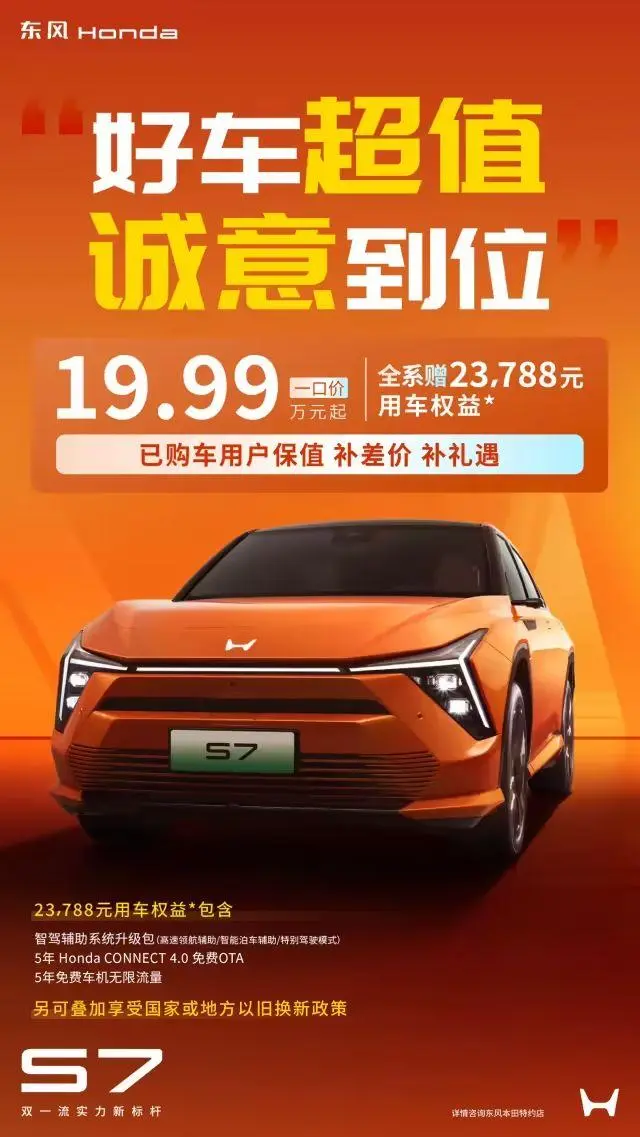
跨国巨头重拾内燃机
Zhong Guo Qi Che Bao Wang· 2025-06-03 02:17
Core Viewpoint - The shift of multinational automakers towards internal combustion engines is driven by ongoing losses in electric vehicle (EV) businesses and the impact of U.S. tariffs under President Trump, leading companies like General Motors and Honda to refocus on more profitable segments like trucks and SUVs [2][4]. Group 1: General Motors - General Motors announced an investment of $888 million to produce a new generation of V8 engines at its Tonawanda plant, marking the largest single investment in its engine facilities [3]. - The new V8 engine is set to be deployed in various full-size trucks and SUVs starting in 2027, with improvements in performance, fuel efficiency, and emissions [3]. - This investment reflects GM's commitment to U.S. manufacturing and job creation, as stated by CEO Mary Barra [3]. Group 2: Honda - Honda plans to reduce its investment in electrification from 10 trillion yen to 7 trillion yen due to a slowdown in the EV market and trade uncertainties, pausing its Canadian EV and battery factory plans [4][6]. - The company aims to focus on hybrid vehicles, targeting global sales of 3.6 million units by 2030, with 2.2 million being hybrid models [5]. - Honda's decision is influenced by a significant drop in net profit, which fell by 24.5% year-on-year for the fiscal year 2024 [6]. Group 3: Other Automakers - Toyota, Mazda, and Subaru have committed to continuing investments in internal combustion engine technology, integrating it with electrification and green fuels [7]. - European automakers like Mercedes-Benz, Ford, and Volkswagen are adjusting their electric strategies while maintaining investments in internal combustion engines [10][11]. - Stellantis plans to invest $6 billion in South America for new vehicle development, including flexible fuel engines, indicating a broader trend among automakers to balance electrification with traditional fuel technologies [11].


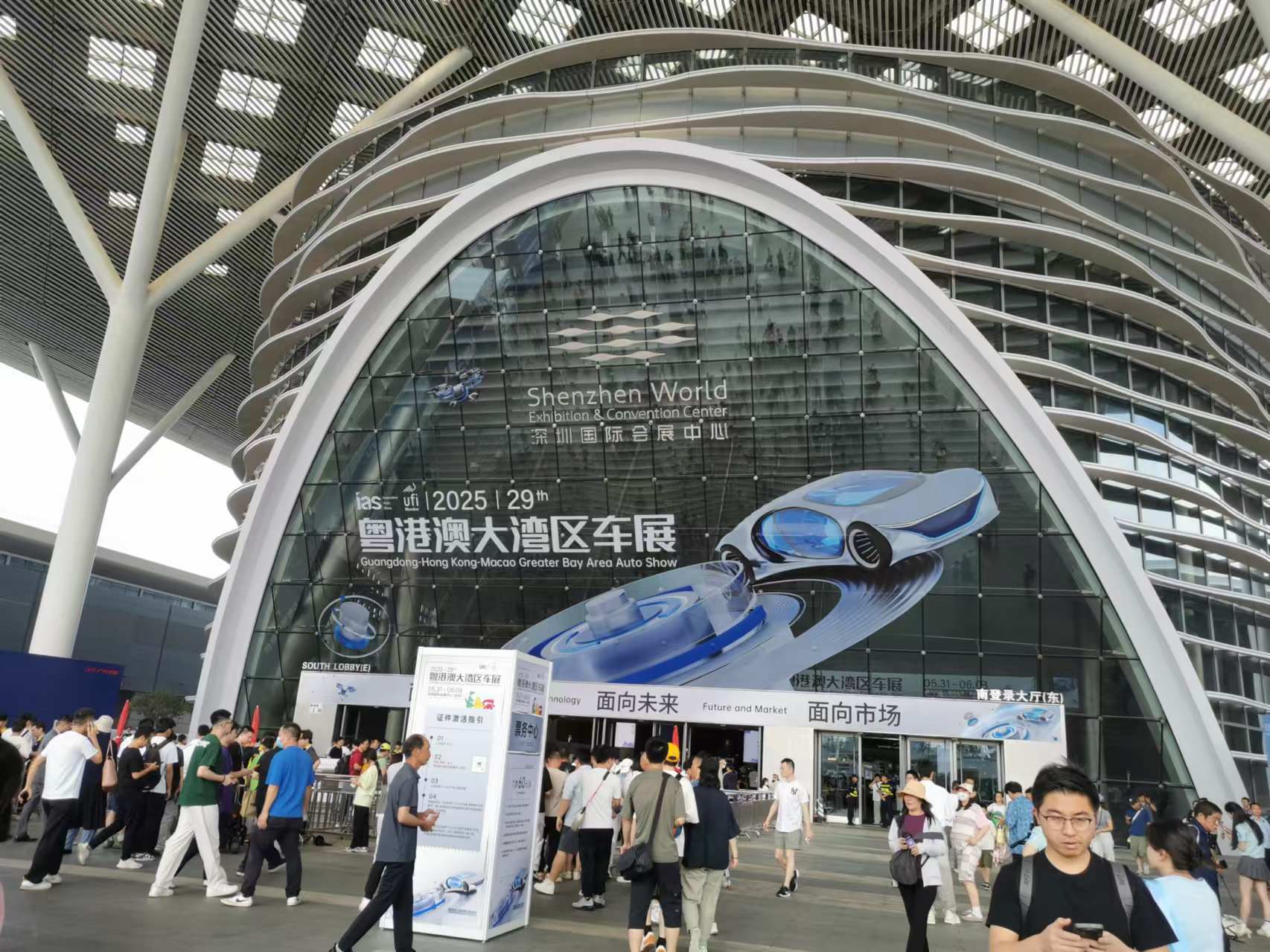
直击2025粤港澳大湾区车展:千余款车型亮相,自主豪车风头无两,车企大佬热议“价格战”
Mei Ri Jing Ji Xin Wen· 2025-05-31 13:23
Core Viewpoint - The 2025 Guangdong-Hong Kong-Macao Greater Bay Area Auto Show showcases over 1000 models, emphasizing technological advancements in the automotive industry, particularly in electric and intelligent vehicles [1][2]. Group 1: Event Overview - The auto show spans over 260,000 square meters, featuring more than 80,000 square meters dedicated to outdoor activities and test drives [1]. - Nearly 100 global brands are participating, presenting a wide array of vehicles including concept cars and premieres [1]. Group 2: Technological Innovations - BYD and Huawei have established dedicated pavilions, highlighting their latest technologies and products, including the launch of the "Megawatt Flash Charging" initiative [4][5]. - BYD plans to build over 10,000 "Megawatt Flash Charging" stations in collaboration with partners [4]. - Huawei's pavilion showcases its digital solutions integrated into vehicles, with over 20 brands adapting its QianKun ADS 4 driving system [7]. Group 3: Foreign Brands Collaboration - Foreign brands are increasingly collaborating with local tech companies to accelerate their transition to electric and intelligent vehicles, exemplified by Audi's partnership with Huawei [8][11]. - The Audi Q6L e-tron family, featuring an 800V battery with a maximum range of 765 km, is a key product of this collaboration [11]. Group 4: Domestic Luxury Brands - Domestic luxury brands are gaining prominence, with models like the Zun Jie S800 and the Yang Wang U8L priced over 1 million yuan [16][19]. - The Mengshi M817, developed in partnership with Huawei, is highlighted as a new flagship model featuring advanced driving technologies [17]. Group 5: Industry Discussions on Pricing - The China Automobile Industry Association has issued an initiative against "price wars," advocating for fair competition and product quality [20]. - Industry leaders emphasize the importance of innovation and maintaining product value over engaging in price reductions [21].
瑞典千亿车企中国销量五年新低,全球裁员后“手术刀”挥向何处?
3 6 Ke· 2025-05-28 23:45
Core Viewpoint - Volvo Cars is implementing a global layoff plan as part of a cost-cutting initiative aimed at enhancing resilience amid significant challenges in the automotive industry. The plan involves a total cost reduction of 18 billion Swedish Krona (approximately 1.35 billion RMB), with most effects expected to be realized by 2026 [1][4]. Group 1: Cost-Cutting and Layoffs - The cost-cutting initiative includes creating a more streamlined and efficient organization, resulting in an estimated reduction of about 3,000 positions globally, with 1,200 of those in Sweden [1][4]. - The company anticipates incurring one-time restructuring costs of up to 1.5 billion Swedish Krona, which will impact financial performance in the second quarter of 2025 and extend into 2026 [1][4]. Group 2: Sales Performance - In 2024, Volvo Cars reported global sales of 763,400 units, an 8% increase year-on-year, primarily driven by a 25% increase in European sales [2][3]. - However, sales in other markets, including China and the U.S., experienced declines, with China down 8% to 156,400 units and the U.S. down 3% to 125,200 units [2][3]. - In the first quarter of 2025, global sales fell by 8% to 82,100 units, with a notable 12% decrease in the Chinese market [4][2]. Group 3: Financial Performance - For 2024, Volvo Cars reported revenues of 400.2 billion Swedish Krona, a slight increase of 0.2%, and an EBIT of 27 billion Swedish Krona, up 6% [3]. - In contrast, the first quarter of 2025 saw revenues drop by 11.71% to 82.9 billion Swedish Krona, with EBIT decreasing by 27.58% to 1.874 billion Swedish Krona [3][4]. Group 4: Leadership Changes - In March 2025, Volvo Cars reappointed Hakan Samuelsson as CEO, following the departure of Jim Rowan, who had been in charge during a challenging period for the company [6][8]. - The board emphasized the need for experienced leadership to navigate the rapidly changing automotive landscape and enhance the company's focus on safety, sustainability, and technology [8]. Group 5: Electric Vehicle Strategy - Volvo Cars adjusted its electric vehicle sales targets due to slower-than-expected market conditions, aiming for electric vehicles to account for 50% to 60% of sales by 2025 and at least 90% by 2030 [7][8]. - In 2024, electric vehicle sales reached 352,800 units, representing 46% of total sales, with pure electric vehicles accounting for 175,200 units, or 23% of total sales [6][7]. Group 6: Market Challenges - The company faces challenges in key markets like the U.S. and China, with potential tariffs on EU goods posing risks to pricing and competitiveness [9][10]. - In China, electric vehicle sales accounted for only 10% of total sales, highlighting the need for improved product competitiveness amid declining overall sales [10][12].
半年后,Stellantis有了新的CEO
Sou Hu Cai Jing· 2025-05-28 11:30
菲洛萨于1999年加入菲亚特集团,担任巴西贝廷工厂厂长和拉丁美洲地区采购负责人。自2016年起,他 担任阿根廷市场负责人,并于2018年担任菲亚特克莱斯勒汽车拉丁美洲地区首席运营官。 2021年,菲洛萨被任命为新成立的Stellantis集团的南美区首席运营官;2023年,他被任命为Jeep品牌全 球CEO;2024年10月,又被任命为Stellantis集团北美区首席运营官,并继续担任Jeep品牌CEO一职。 【文/观察者网 潘昱辰 编辑/高莘】5月28日,Stellantis集团宣布,董事会全票通过了任命安东尼奥·菲洛 萨(Antonio Filosa)为集团新任首席执行官(CEO)的决议。 Stellantis集团将在未来几天内召开一次特别股东大会,以选举菲洛萨进入集团董事会,并担任集团执行 董事。自6月23日起,菲洛萨将正式行使Stellantis集团CEO的权力。 安东尼奥·菲洛萨Stellantis集团 2024年12月,菲洛萨被任命为Stellantis集团美洲区首席运营官。今年1月,他兼任Stellantis集团首席质量 官。 Stellantis集团Stellantis Stellantis ...


利润少了28亿瑞典克朗,沃尔沃宣布裁员3000人
Jin Rong Jie· 2025-05-28 09:27
Core Viewpoint - Volvo, traditionally seen as financially stable, has announced a significant layoff of 3,000 employees, primarily affecting office staff, which raises concerns about its financial health [1][3]. Financial Performance - In Q1, Volvo reported a profit of approximately 1.9 billion Swedish Krona, down from 4.7 billion Swedish Krona in the same period last year, marking a decline of 2.8 billion Swedish Krona [1][3]. - Revenue for Q1 was 82.9 billion Swedish Krona, an 11.7% decrease from 93.9 billion Swedish Krona year-over-year [3]. - Operating profit fell nearly 60%, from 4.7 billion Swedish Krona in Q1 last year to 1.9 billion Swedish Krona this year [3]. Layoff and Restructuring Costs - The layoffs are expected to incur a one-time restructuring cost of up to 1.5 billion Swedish Krona, averaging about 500,000 Swedish Krona (approximately 370,000 RMB) per employee [3]. - Volvo aims to save 18 billion Swedish Krona (approximately 13.5 billion RMB) by 2026 through various cost-cutting measures, including optimizing procurement and reducing capital expenditures [3]. Sales and Market Performance - Global sales in Q1 totaled 172,200 units, a 6% decline compared to 182,700 units in the same period last year [4]. - Sales in China dropped by 12%, while European sales decreased by 8% [4]. - The sales of electrified vehicles fell by 15%, with the best-selling model, XC60 PHEV, selling only 4,665 units compared to 32,697 units for the gasoline version, highlighting the struggle in the transition to electric vehicles [5][7]. Industry Context - The automotive industry is facing unprecedented market headwinds, with even leading luxury brands like BMW and Audi experiencing double-digit profit declines in Q1 [7]. - The shift towards electrification requires substantial investment, and Volvo's reliance on traditional fuel vehicles remains a significant challenge as the market evolves [5][7].
日产考虑出售总部大楼!日本7大车企集体渡劫
Zhong Guo Qi Che Bao Wang· 2025-05-28 01:39
Group 1 - Nissan is considering selling its global headquarters building in Yokohama, Japan, estimated to be worth over 100 billion yen (approximately 5.03 billion RMB), to cover high costs associated with structural reforms such as factory closures [1] - The seven major Japanese automakers, including Toyota, Honda, and Nissan, have reported a collective profit decline of over 20% for the 2024 fiscal year, with Nissan posting a net loss of 670.8 billion yen (approximately 33.7 billion RMB) [2] - Toyota's net profit for the 2024 fiscal year is expected to drop by 35% to 3.1 trillion yen, marking its largest decline in nearly a decade, largely due to new tariffs imposed by the U.S. [6][7] Group 2 - Honda plans to reduce its investment in electrification and software from 10 trillion yen to 7 trillion yen due to a slowdown in the electric vehicle market and trade uncertainties [5] - The U.S. tariffs on imported vehicles and parts have significantly impacted Japanese automakers, with Nissan estimating a loss of 450 billion yen due to these tariffs [7] - Japanese automakers are facing challenges in transitioning to electric and smart vehicles, with high R&D costs and uncertain market demand, leading to adjustments in their product strategies [10] Group 3 - In the Chinese market, Japanese automakers have experienced declining sales, with Toyota's sales down 6.9%, Honda's down 30.9%, and Nissan's at their lowest since 2008, down 12.2% [12][13] - Increased promotional expenses in the North American market are squeezing profits for Japanese automakers, as competition intensifies [13]

【忠阳车评】大众上汽提前续约彰显中国信心
Jing Ji Ri Bao· 2025-05-27 09:38
Group 1 - Volkswagen Group and SAIC Motor Corporation signed an agreement to extend their joint venture until 2040, making it the longest-running joint venture between a multinational corporation and a Chinese company in the automotive sector [2] - The joint venture, SAIC Volkswagen, was established in 1984 and has played a significant role in the development of China's automotive parts industry and modernization of the automotive sector [2] - The extension reflects the recognition of the achievements from 40 years of cooperation and highlights the importance of the Chinese market in the global strategies of multinational automotive companies [2] Group 2 - The European and American automotive markets have reached saturation, while China's automotive market continues to grow, maintaining its position as the world's largest automotive market since 2009 [3] - In 2022, China's automotive production and sales both exceeded 30 million units, showcasing the resilience and potential of the Chinese automotive industry [3] - The rise of electric and intelligent vehicles in China has led to unprecedented innovation, with the country becoming a global center for technological innovation in the new energy vehicle sector [3] Group 3 - Major multinational automotive companies like BMW and Mercedes-Benz are increasing their investments in the Chinese market, indicating their commitment and confidence in the future of the Chinese automotive industry [4] - BMW announced an investment of 20 billion yuan in its Shenyang production base, while Mercedes-Benz plans to invest 14 billion yuan to enhance its local product offerings [4] - The investments from these companies reflect their belief in the growth potential of the Chinese automotive market despite challenges faced by joint ventures [4] Group 4 - The Chinese automotive market is becoming increasingly competitive, with domestic brands gaining market share, particularly in the new energy vehicle segment [5] - Multinational companies are experiencing declining profits due to challenges in sales and performance in China, as the market shifts towards electric vehicles [5] - The transition to electric vehicles is a necessary but painful process for traditional automakers, emphasizing the need for collaboration with local partners to accelerate the transition [5]