滞胀

Search documents
世行警告:全球经济或现60年来最差十年 华尔街大佬:美国经济或很快“恶化”
Sou Hu Cai Jing· 2025-06-12 09:14
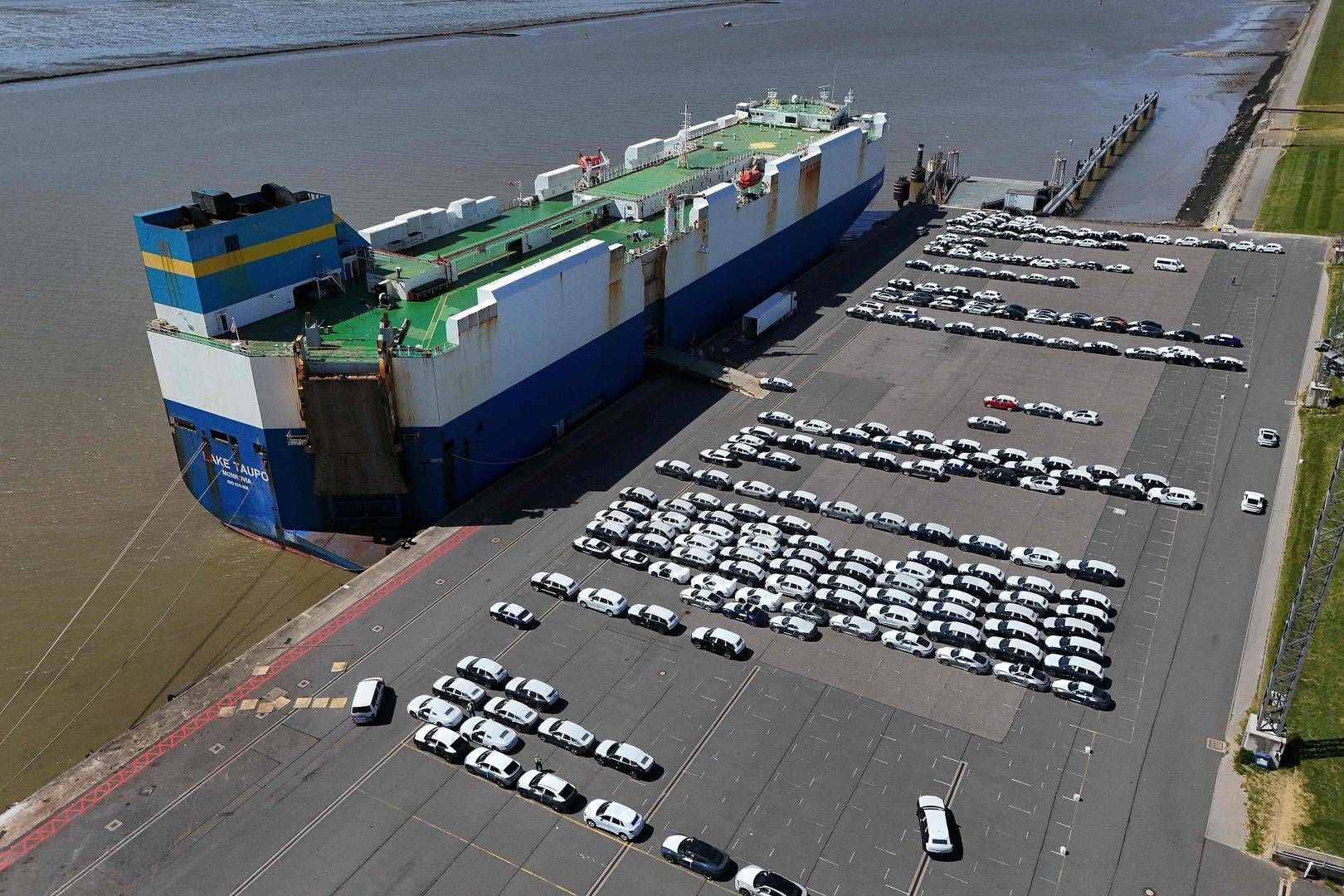
据环球网财经报道,6月10日,世界银行发布最新《全球经济展望》报告,将2025年全球经济增长预期从1月预测的2.7%下调至2.3%。这一增速仅优于2009 年金融危机和2020年疫情衰退时期,预示2020年代可能成为自上世纪60年代以来经济表现最差的十年。 无独有偶,华尔街顶级大佬、摩根大通首席执行官杰米·戴蒙在当地时间11日警告称,随着特朗普颁布的关税措施持续产生影响,美国的经济数据可能很快 就会变得令人担忧。戴蒙称,"美国真实的数据会很快急剧恶化。" 世行: 华尔街大佬: 美国经济面临滞胀风险,市场现在过于乐观 与世界银行的预测相呼应,摩根大通首席执行官杰米·戴蒙在6月11日接受采访时警告,美国经济可能很快"恶化"。他特别提到,特朗普政府的高关税和移民 驱逐政策可能推高通胀,同时抑制经济增长,增加"滞胀"风险(即经济停滞与高通胀并存)。戴蒙表示,尽管5月消费者价格指数显示通胀有所降温,但此 时关税的全面影响尚未显现,"企业投资和消费者信心可能在未来几个月受到重创。" ▲当地时间5月20日,德国埃姆登港,大众汽车集团的新车。 根据世界银行对关税战影响的测算,如果2026年和2027年的全球经济增长态势也符合 ...


黄金超越欧元成为全球第二大储备资产,黄金ETF(518880)、黄金股票ETF(159321)双双上涨
2 1 Shi Ji Jing Ji Bao Dao· 2025-06-12 03:49
Group 1 - The current spot gold price has surpassed $3,370 per ounce, attracting market attention, with gold ETFs showing active trading and significant gains [1] - According to the European Central Bank's annual report, gold has replaced the euro as the world's second-largest reserve asset, following the dollar, with gold's share in global reserves reaching 20% in 2024, compared to the euro's 16% [1] - Global central banks have increased gold purchases for three consecutive years, exceeding 1,000 tons annually, which is double the average level of the 2010s, with total gold reserves now at 36,000 tons, nearing historical highs [1] Group 2 - Recent fluctuations in gold prices are attributed to global macro risks, policy dynamics, and funding behaviors, with a recommendation for short-term trading strategies and long-term investment in gold as a hedge against systemic risks [2] - The Federal Reserve's decision to maintain interest rates aligns with expectations, while concerns over tariffs and stagflation risks suggest that rate cuts are unlikely in the short term [2] - The ongoing geopolitical conflicts and the trend of de-dollarization are driving central banks to continue increasing their gold holdings, which is expected to boost gold ETF purchases [2]
美国5月CPI点评:美国通胀的反弹斜率及持久性尚待观察
KAIYUAN SECURITIES· 2025-06-12 02:45
Group 1: Inflation Trends - The overall CPI in the US increased by 2.4% year-on-year in May 2025, with a month-on-month increase of 0.1%, which was below market expectations[2] - Core CPI rose by 2.8% year-on-year and 0.1% month-on-month, also falling short of market expectations[2] - Energy inflation continued to decline, with a year-on-year decrease of 3.5% in May, while food prices increased by 2.9% year-on-year[3] Group 2: Core Inflation Insights - Core inflation remained stable, indicating that the impact of tariffs on US inflation may be less than anticipated[3] - The month-on-month growth rate of core CPI was lower than expected, which may alleviate market concerns about inflation[3] - The contribution of core goods to inflation is increasing, with core goods year-on-year growth rising to 0.28% in May[3] Group 3: Tariff Impact - Tariffs are expected to have a gradual impact on inflation, with evidence of businesses passing costs onto consumers[4] - Less than 30% of businesses chose not to pass on tariff costs, with most completing cost transfers within three months[4] - The potential for "stagflation" is currently low, as stable oil and food prices help anchor inflation expectations[5] Group 4: Future Outlook - The Federal Reserve is cautious about interest rate cuts, with the first potential cut expected in Q4 2025, possibly fewer than anticipated[5] - Ongoing monitoring of inflation trends and tariff policies is essential, especially with upcoming FOMC meetings and tax legislation[5]
“降息一个百分点”,特朗普施压!美股震荡加剧
21世纪经济报道· 2025-06-11 15:11
| W | KINDLY MD | | | | --- | --- | --- | --- | | | NAKA.O | | | | | 15 ♀1 ○ 量94.12万 股本602万 市盈-21.9 | | 万得 | | | +4.310 +37.16% 换 15.63% 市值9581万 市净62.66 | | | | 日 | 五日 日K 周K 月K 更多 | | | | 叠加 | 卖1 16.000 | | 356 | | 16.950 | 44.40% 买1 15.900 | | 200 | | | 10:20 15.910 | | 13 | | 11.600 | 10:20 15.910 0.00% | | 5 | | | 10:20 15.910 | | 27 | | | 10:20 15.910 | | 75 | | | 10:20 15.910 134 | | | | | 10:20 15.910 | | 32 | | 6.450 09:30 | -44 40% 10:20 15.910 16:00 | | 34 | | | | 10:20 15.910 | 4 | 据央视新闻报道,当地时间6月1 ...

机构看金市:6月11日
Xin Hua Cai Jing· 2025-06-11 03:52
Group 1 - The long-term bullish trend for precious metals is expected to continue, supported by economic uncertainty and geopolitical tensions [1] - The World Bank has lowered its global GDP growth forecast for 2025 from 2.7% to 2.3%, indicating the weakest decade of global growth since the 1960s [1] - The current complex global trade and financial environment, along with trends of "de-globalization" and "de-dollarization," enhance the allocation and hedging value of gold [1] Group 2 - There is still a divergence in the market regarding gold, influenced by the easing of trade conflicts, the hawkish stance of the Federal Reserve, and reduced central bank gold purchases [2] - Wells Fargo forecasts that gold prices will reach $3,600 per ounce by 2026, driven by ongoing geopolitical conflicts and economic uncertainty [2] - Central banks currently account for 21% of global gold demand, and their continued purchases are expected to support gold prices [2] Group 3 - Capitalight Research anticipates that the gold market may remain in a consolidation phase throughout the summer, but a retest of April's historical highs is likely [3] - Economic uncertainty and geopolitical turmoil are expected to support gold prices in a stagflation environment over the next two years [3] - The expansion of central bank balance sheets is also expected to support gold prices, regardless of Federal Reserve interest rate policies [3]

金价震荡!上金所紧急提醒
Sou Hu Cai Jing· 2025-06-10 14:18
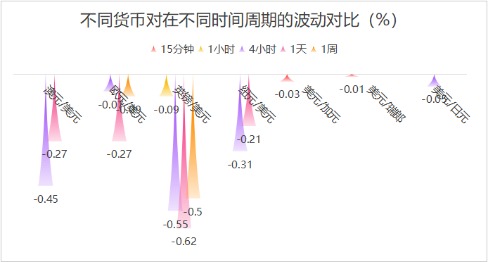
Group 1 - International spot gold prices experienced significant volatility, dropping to $3301 per ounce before rebounding to $3333 per ounce [1] - Domestic gold jewelry prices have also declined, with brands like Chow Tai Fook reporting a drop of 7 yuan per gram, bringing the price to 978 yuan per gram [3] - The Shanghai Gold Exchange issued a notice emphasizing the need for market risk control due to recent instability and urged members to enhance risk awareness and maintain market stability [3] Group 2 - There has been a notable shift in consumer preferences towards smaller weight gold jewelry to mitigate risks associated with price fluctuations [5][6] - The popularity of traditional gold, enamel, and intricately carved products has increased among consumers [6] - The "old for new" and recycling business for gold items is thriving, with many consumers opting to exchange old gold for new pieces or cash in on high prices [6] Group 3 - The People's Bank of China has continued to increase its gold reserves, accumulating 1.03 million ounces over the past seven months, although the pace of purchases has slowed [8] - Analysts suggest that the ongoing geopolitical and economic changes may lead to a prolonged period of rising gold prices, reducing the necessity to pause gold purchases for cost control [8] - A survey by the World Gold Council indicates that 69% of central banks expect the share of gold in global reserves to increase over the next five years, contrasting with a decline in the share of US dollar reserves [8][9] Group 4 - The World Gold Council believes that gold prices still have potential for growth, as global trade tensions and rising tariffs have not yet significantly increased inflation [9] - Economic slowdowns may pressure stock markets and cyclical commodities, positioning gold as one of the few resilient assets in a stagflation environment [9]
汇市观察 | 美元强势反弹,日元承压、英镑大幅回落
Xin Hua Cai Jing· 2025-06-10 11:43
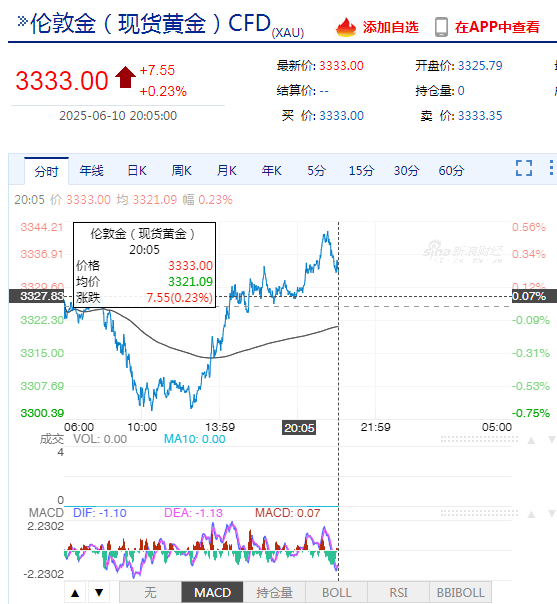
Core Viewpoint - The article discusses the fluctuations in currency markets, particularly focusing on the performance of the British pound against the US dollar, and highlights the impact of US inflation data and trade negotiations on global currency movements [1][2]. Currency Fluctuations - During the Asian trading session, the British pound showed significant negative volatility against the US dollar, with a decline of -0.62% over one day, the largest among major currencies [2][3]. - The Australian dollar and euro also experienced negative fluctuations, with the Australian dollar declining by -0.27% against the US dollar over one day [2]. British Pound Analysis - There is an increased demand for bearish options on the British pound, with the implied volatility for one-week and two-week put options at 7.6% and 7.7% respectively, following disappointing wage data [4]. - The UK Office for National Statistics reported a decrease in wage growth to 5.2%, the lowest since Q3 of the previous year, which was below economists' expectations of 5.3% [4][6]. Employment and Economic Policies in the UK - In May, the UK saw a reduction of 109,000 jobs, the largest monthly decline since May 2020, which exceeded expectations [6]. - The UK government has raised corporate wage taxes and minimum wage standards, effective from April, which may alleviate inflationary pressures by controlling rising prices [6]. Japanese Yen Performance - The Japanese yen experienced slight negative volatility of -0.05% over four hours, with the USD/JPY pair reaching a high of 145.28, the highest in over a week [7]. - The Bank of Japan's Governor indicated a delay in interest rate hikes due to insufficient confidence in achieving the 2% inflation target, which has weakened market expectations for policy normalization [7]. Australian and New Zealand Dollar Trends - Both the Australian and New Zealand dollars showed negative volatility patterns, reflecting cautious market sentiment towards risk assets amid ongoing trade negotiations and US inflation data [8].
华尔街大佬:别盯着CPI了 逻辑核心已发生转变!
Jin Shi Shu Ju· 2025-06-10 09:47
Group 1 - The core viewpoint is that despite the upcoming CPI data release, the U.S. stock market may continue to rise, contrasting sharply with the pessimistic atmosphere observed during the market's drop to a 52-week low on April 8 [1] - The current logic shift is attributed to the delayed impact of tariffs, with businesses planning to pass on tariff costs by August, potentially leading to concentrated inflation pressure in Q3 [1] - Derivative traders are betting that the core CPI monthly rate will rise from 0.2% in April to 0.4% in August, before falling back below 0.2% by year-end, although these figures may not fully capture the risks of a wage-inflation spiral or economic recession [1] Group 2 - Barclays analysts noted that signs of stagflation have "quietly crept" into the data, with the upcoming inflation report possibly showing "concrete evidence of tariff-induced price increases" [2] - Gang Hu's predictions regarding inflation have been validated multiple times, and he now views tariffs as a double-edged sword that could either trigger a recession or compel the Federal Reserve to maintain interest rates between 4.25% and 4.5%, leading to a highly bifurcated economic outlook [2] - The significant market volatility this year reflects this uncertainty, with the S&P 500 and Nasdaq experiencing both record highs and lows within a short timeframe, indicating that the market may remain stable even amid uncertainty [2]
美国商界情绪逆转!CEO调查:经济衰退预期骤降 增长预期升温
智通财经网· 2025-06-10 07:29
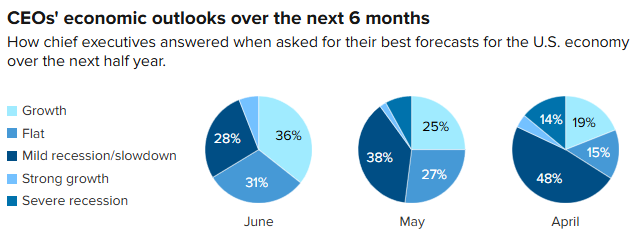
Chief Executive Group最新发布的数据表明,美国企业界领导人的看法正在发生转变,因为他们正在密 切关注特朗普关税政策的不断变化。许多大型企业并未改变其盈利预期,他们指出,对于总统最终的贸 易政策会包含哪些内容以及不会包含哪些内容,目前仍存在不确定性。 特朗普在 4 月份公布了一项针对众多国家和地区实施大规模且高额征税的计划,此举导致美国金融市场 大幅波动。市场参与者担心这会抑制消费者支出。不过,他随后暂停了其中许多征税措施,这使得市场 得以部分挽回损失。在这一暂缓措施即将于下月初到期之际,白宫一直在与各国进行谈判。例如,特朗 普政府已与英国达成协议。 智通财经APP获悉,周一公布的数据表明,美国商界领袖对美国经济衰退的预期有所减弱,此前在特朗 普宣布加征关税后,这种预期曾一度飙升。根据Chief Executive Group上周对超过 270 位首席执行官 (CEO)进行的调查,不到 30% 的CEO预计未来六个月会出现轻度或重度经济衰退。这一比例低于 5 月 份的 46% 和 4 月份的 62%。 本月接受调查的CEO中,预计美国经济将出现一定程度增长的比例也飙升至 40% 以上,这一比 ...
Chartbook 第1期 | 一文全览:关税对美国经济的影响(申万宏观·赵伟团队)
申万宏源宏观· 2025-06-10 03:59
Core Viewpoint - The main contradiction in the US economy for the second half of the year revolves around tariff data, with a short-term focus on the direction of inflation [2]. Tariff Status and Economic Effects - After the May 12 US-China agreement, global trade uncertainty has decreased but remains at historically high levels, with the average US import tariff rate around 16% and China's rate at 27%. The suspension periods for US tariffs on China will end on July 9 and August 12 [2]. - The sectors with the highest US import tariffs as of the end of May include clothing and metals, with slow progress in tariff negotiations with other economies [2]. - The economic effects of tariffs on inflation and growth are expected to manifest over time. A surge in US container bookings indicates a new round of "import grabbing," but this may be hindered by inventory accumulation and weakening domestic demand as tariff suspensions approach [2]. - Tariffs have already begun to exert upward pressure on US inflation, although the effect is not yet significant. A potential inflationary period may occur in Q3 and Q4 [2]. - Indicators such as manufacturing PMI, capital expenditure willingness, and real estate sales suggest weaker private investment, while consumer purchasing intentions have declined despite a temporary boost in household income [2]. - Employment data, including unemployment claims, show signs of deterioration, raising concerns about rising unemployment rates [2]. Dynamic Economic Impact - The impact of tariffs on the economy may shift from "stagflation" to "slowdown," depending on how tariff conflicts evolve. In the next 1-2 quarters, the market may grapple with issues of stagnation versus inflation and whether to expect a slowdown or recession [3]. - By Q4 of this year, if the rate of price increases slows while economic downturns persist, the main contradictions in economic fundamentals, asset classes, and policies may transition from "stagflation" to "slowdown," with the possibility of "recession panic" [3]. Global Trade Predictions - The United Nations has revised its predictions for global trade growth rates, with a forecast of 1.5% growth in trade volume for Q2 2025, driven primarily by industrial production data [4][5]. Sector-Specific Tariff Data - As of May 2025, the highest effective import tariff rates in the US are in the textile and clothing manufacturing sectors, reaching 52.8% and 52.6%, respectively. In contrast, sectors like oil, coal, and chemicals have significantly lower tariff rates [6]. Retail Price Trends - Since March, US retail prices have increased significantly, reflecting retailers' proactive price hikes following tariff impositions. However, prices for goods from Mexico have been declining since April, indicating expectations surrounding tariff negotiations [11][12]. - A survey by the Richmond Fed indicated that 72% of surveyed companies have taken action in response to tariffs, with a majority planning to raise prices [14][15]. Investment Implications - The impact of tariffs on US investment is expected to be more pronounced than on consumer spending, as the proportion of private investment reliant on imports is significantly higher (38%) compared to consumer spending (9%) [16].