关税战

Search documents
美国疯狂出招背后:关税战只是幌子,真正战场早已转移!
Sou Hu Cai Jing· 2026-02-11 07:30
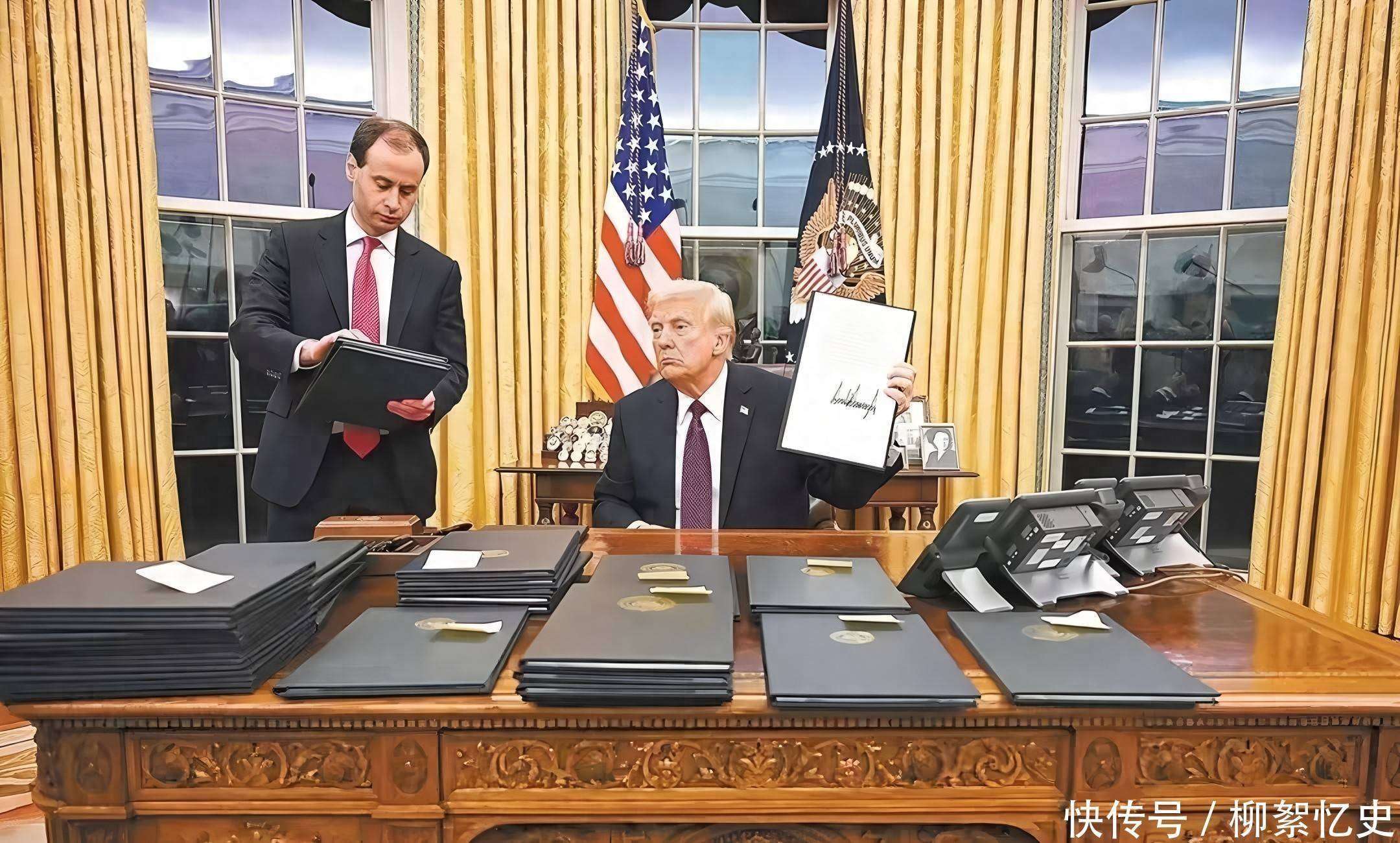
自从特朗普执政以来,他便一直热衷于发起关税战,尤其是在对中国的政策上表现得尤为突出。对于特朗普这一系列的关税举措,很多人都认为这更多的是 他在缺乏其他有效手段的情况下不得已为之的表现。毕竟,现如今,特朗普几乎只有加征关税这一途径,而中国方面似乎并没有受到太大的影响。 然而,深入分析美国加征关税的背后,我们可以看到更深层次的战略意图。关税战只是表面上的一个幌子,真正的战场早已悄然转移到了另一个方向。加 税,不过是为了为下一步的真正较量增加筹码而已。 ★★ ★ ★ * ★ t PHIN 实际上,无论是特朗普的关税战,还是他推动的效率部门改革,根本目的是为了钱。关税战启动后,虽然美国民众的生活变得更加艰难,但美国政府从中却 收获了可观的财政收入。正如特朗普所言,为了美国至上,牺牲是不可避免的。在他看来,牺牲民众的生活,换取政府更多的资金用于更宏大的计划,是完 全值得的。 从特朗普一系列行动的背后,我们可以看出,关税战并非美国的最终目标。比如,特朗普最近发布的政策,要求对中国船只在美国港口收取额外费用,而使 用美国船只则能享受部分费用豁免,这一政策显然并不单纯为了延续关税问题。此外,美国在俄乌冲突中的表现,要求乌克兰 ...

关税战,中国打了漂亮一仗,外媒:美国海关公布豁免清单
Sou Hu Cai Jing· 2026-02-10 04:56
| Heading/ Subheading | | Rates of Duty | | | | --- | --- | --- | --- | --- | | | Article Description | 1 | | 2 | | | | General | Special | | | "9903.01.25 | Except for products described in | The duty | The duty | The duty | | | headings 9903.01.26-9903.01.33, and | provided in the | provided in the | provided in | | | except as provided for in heading | applicable | applicable | the applicable | | | 9903.01.34, articles the product of | subheading + | subheading + | subheading | | | any country, except fo ...
特朗普出手仅一天,印度突然反水,5000亿交易落空,美国沦为笑柄
Sou Hu Cai Jing· 2026-02-08 13:28
特朗普强抢印度5000亿订单仅一天,就领教到了莫迪的厉害。 印度新德里当地时间2月4日,直接参与美印贸易谈判的印度商业和工业部部长皮尤什·戈亚尔,向国会议员们承诺将把"保障印度14亿人能源安全"放在首 位,他还保证莫迪政府会确保农业和乳制品行业"拥有光明的未来"。 戈亚尔这番"印度优先"的表态又给美印关税战增添了不确定性。 1天前特朗普刚在社交媒体上宣布"我最亲密朋友"莫迪,承诺采购超过5000亿美元的美国能源、农产品等商品,美国准备将针对印度的关税降至18%。 那么,这份"订单换关税"的协议还能达成吗? 美印关系走到今天这步特朗普必须负主要责任,高举"美国优先"大旗的特朗普非但不把印度这个印太战略盟友放在眼里,反而在制裁俄油的问题上拿印度立 威。 2025年8月特朗普宣布对印度输美商品加征25%"对等关税",以及25%"俄油关税",这笔高达50%的惩罚性关税彻底宣判美印友谊死刑。 首先,特朗普急需推动委内瑞拉石油"销赃"。委内瑞拉临时政府已经批准石油改革法案,特朗普为了尽快抢夺该国3000多亿桶石油资源,已经将之前扣押的 一艘油轮返还给委方。 2025年印度是全球第三大石油进口国,再加上最近印度和欧盟达成了 ...
博科尼大学分析欧洲对抗特朗普的最佳工具
Shang Wu Bu Wang Zhan· 2026-02-07 04:49
(原标题:博科尼大学分析欧洲对抗特朗普的最佳工具) 美国最大的弱点在于其对外国投资者融资的依赖,美国的财政赤字预计今年将达到GDP的6%左 右。欧洲持有约6万亿美元债务——其中约3万亿为美国国债,3万亿为美国国债担保的美国住房机构债 务。美国持有的欧洲资产规模约为欧洲的一半,而且欧盟经常账户盈余,欧洲各国政府无需依赖外国买 家来弥补其(规模小得多的)财政赤字。理论上,这使美国处于弱势地位。特朗普曾表示,任何抛售美 国国债的欧洲国家都将遭到"严厉报复"。欧盟可以停止在其金融市场监管法规中将美国政府债券视为无 风险资产,持有美国资产的成本就会增加,对机构投资者的吸引力也会降低,由此增加美国赤字再融资 的成本。 《爱尔兰观察者报》1月29日报道博科尼大学欧洲政策研究所所长丹尼尔·格罗斯分析报告。报告指 出,欧盟在应对特朗普挑起的关税战中并非没有反击能力。美国和欧盟跨大西洋贸易不仅包括大量的商 品贸易,还包括大量的服务和资本交流。如果欧盟放弃征收进口关税,转而选择对美国未征收进口关税 的产品如药品、荷兰ASM公司生产的用于制造微芯片(尤其是最先进的芯片)的设备等征收出口关 税,美国可能会遭受更大的打击。美国对欧盟服务 ...
从“经济奇迹”到民生承压:特朗普“关税神话”的B面真相
Feng Huang Wang Cai Jing· 2026-02-06 14:20
Group 1 - The article discusses the impact of the U.S. tariff war initiated by Trump, highlighting claims of economic growth and reduced trade deficits, while questioning the validity of these statistics [1][2][3] - Trump's assertion of an "economic miracle" includes a projected GDP growth of 4.4% and a 77% reduction in monthly trade deficits, but these figures are scrutinized for their accuracy and context [1][3] - The report indicates that while imports from China have decreased, the overall trade deficit with Asia has increased, suggesting a shift rather than a reduction in consumption [3][4] Group 2 - The article points out that the tariffs have led to increased consumer prices, with a reported average increase of 26% in holiday gift prices, impacting middle-class households significantly [2][3] - It mentions that the tariffs have resulted in an average additional expenditure of $130 per household during the holiday season, totaling $28 billion across the U.S. [2] - The analysis suggests that the tariffs have not successfully revived U.S. manufacturing but have instead created structural challenges, such as high production costs and supply chain disruptions [5][10] Group 3 - The article highlights the struggles of companies like TSMC and Foxconn in the U.S., with TSMC facing costs 4 to 5 times higher than in Asia and Foxconn's Wisconsin plant failing to meet investment commitments [5][6] - It emphasizes that the U.S. manufacturing sector is facing a "hollowing out" effect, where the return of factories does not equate to a robust manufacturing ecosystem [6][10] - The report also discusses the geopolitical implications of Trump's tariff policies, which are seen as a means of exerting pressure on allies and reshaping international trade relationships [7][9][11]

中美北京谈判在即,特朗普掀桌失败,美国大豆中国说不买就不买了
Sou Hu Cai Jing· 2026-02-03 04:50
Group 1 - The trade of soybeans between China and the U.S. is facing significant uncertainty, with Chinese importers signing contracts for at least 25 shipments of Brazilian soybeans for delivery in March and April, coinciding with Trump's planned visit to China [1] - Brazilian soybeans are cheaper and more abundant than U.S. soybeans, leading to a shift in Chinese purchasing behavior, as they have recently stopped buying U.S. soybeans in favor of Brazilian options [3] - The U.S. is experiencing severe weather conditions that have increased logistics costs for transporting soybeans, while Brazil is expected to achieve record soybean production due to favorable weather [3] Group 2 - The U.S. Treasury Secretary praised China's commitment to fulfilling soybean and rare earth supply agreements, but later indicated potential tariffs on China if trade agreements exceed previously announced terms [3] - China's recent support for Cuba, including the donation of rice and solar power equipment, may become a bargaining chip in future negotiations with the U.S. regarding soybean orders [5] - The cost difference between Brazilian and U.S. soybeans is becoming more pronounced, with Brazilian soybeans facing a 3% tariff compared to a 13% tariff on U.S. soybeans, further complicating U.S. market competitiveness [3]
征税25%!特朗普亲自要债,3500亿不给也得给,喊话韩国兑现承诺
Sou Hu Cai Jing· 2026-01-31 07:23
1月26日,特朗普发文通知李在明,他要对韩国商品加税了。 韩国汽车、木材等输美产品,面临的关税将从原本的15%,增加到25%。 理由很粗暴,说是韩国国会还没有批准落实此前美韩达成的贸易协议。 根据此前敲定的贸易协议,李在明政府要想美国在半导体、汽车等领域放韩国一马,就需要对美投资3500亿美元。 当时美韩商定,只要韩国兑现承诺,汽车输美关税可以降到15%。 而现在特朗普加税的决定,意味着李在明上台之后在美国那边付出的努力全都白费,一朝回到解放前。 无独有偶,这两天被特朗普威胁加税的还有加拿大。 特朗普说,他可能要对加拿大征收100%的商品关税。 为啥呢?因为加拿大在靠近中国。 特朗普警告称,只要加拿大和中国达成了自由贸易协定,这100%的关税就加定了。 美国又来加关税了,25%到100%,各有各的标准,但有一个共同点,那就是都来过中国并且达成了合作,特朗普的目的已经呼之欲出了。 不仅如此,中国可能也会面临"惩罚"。 这种赤裸裸的威胁,我们已经见怪不怪,那特朗普在这个时候对盟友重拳出击,到底是为啥呢?难道是新一轮"关税战"又要开始了? 原因其实很简单。 第一,对盟友杀鸡儆猴。 最近这段时间,美国跟盟友的关系很差 ...
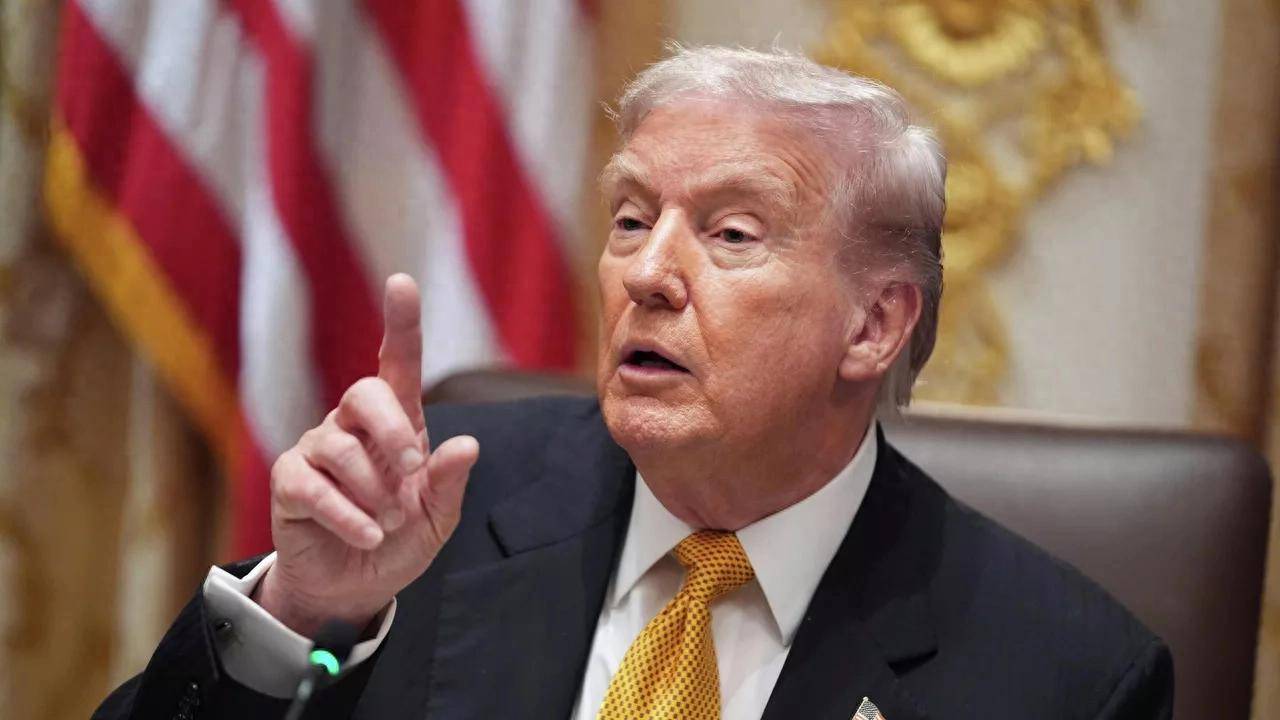
周小川:关于地缘经济的三个问题
Jing Ji Guan Cha Wang· 2026-01-28 01:56
Group 1 - The core viewpoint of the article emphasizes the shift in economic policy goals under the influence of geopolitical considerations, where resource allocation is increasingly influenced by geopolitical objectives rather than purely economic development [3][4][5] - The article discusses the historical context of resource allocation optimization, highlighting the negative consequences of policies driven by geopolitical motives, which can lead to long-term economic inefficiencies and reduced national competitiveness [4][5] - The current tariff war is identified as a significant aspect of geopolitical economics, with the U.S. implementing both universal tariffs and differential tariffs based on political and economic interests, which contradicts established international trade principles [7][8][10] Group 2 - The article critiques the U.S. approach to tariffs as a monetary policy tool aimed at addressing trade imbalances, noting that such measures can lead to resource misallocation and may provoke retaliatory actions from other countries [8][10] - It highlights the challenges faced by multilateral trade rules, particularly in the context of the WTO, which is currently hindered by U.S. opposition and limited progress in reform discussions [13][14] - The discussion includes the need for reforming the origin certification process in trade, suggesting that the current system is outdated and can lead to unintended consequences, advocating for a shift towards value-added methods for managing tariffs [15][16]
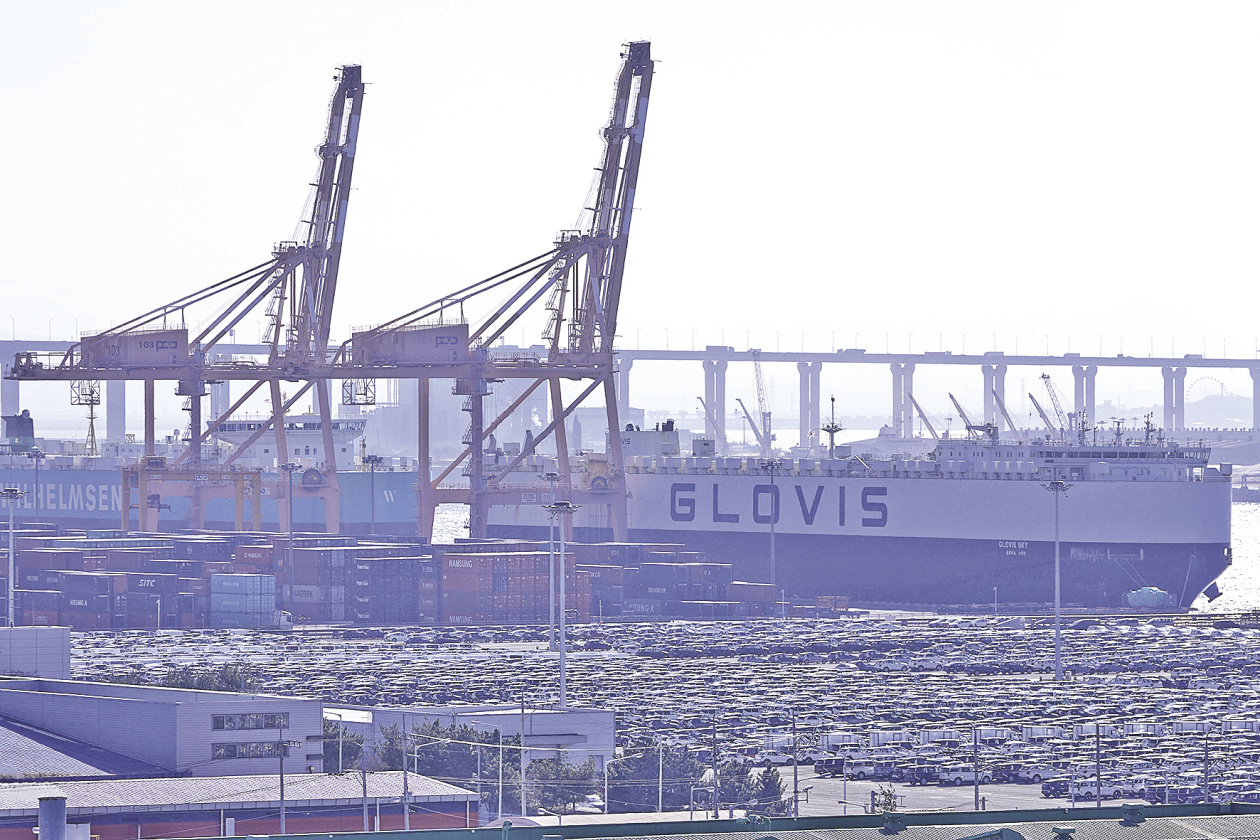
加税动机引诸多猜测!特朗普“关税突袭”,韩国强烈不安
Huan Qiu Shi Bao· 2026-01-27 22:57
Group 1 - The core point of the article is that President Trump announced an increase in tariffs on South Korean goods, including automobiles, from 15% to 25%, citing the South Korean National Assembly's failure to approve a trade agreement with the U.S. [1][3] - The South Korean government expressed confusion and concern over the lack of formal notification from the U.S. regarding the tariff increase, indicating that they would communicate their intent to fulfill the trade agreement [1][3][5] - Experts believe that the U.S. is using tariff threats as leverage to accelerate South Korea's investment commitments, which were agreed upon last November, where South Korea pledged to invest $350 billion in the U.S. [5][6] Group 2 - The announcement has caused significant anxiety among South Korean businesses, as they had previously settled tariff issues through negotiations, and this sudden increase has created uncertainty in the investment environment [6][7] - Trump's use of tariffs as a diplomatic tool has raised doubts among allies about the stability of U.S. trade policies, with concerns that such unpredictable actions could disrupt global trade [5][8] - The article highlights that Trump's tariff threats are not isolated to South Korea, as he has also threatened other countries, indicating a broader strategy to use tariffs for political leverage ahead of upcoming elections [7][8]
金融大家评 | 周小川:关于地缘经济的三个问题
清华金融评论· 2026-01-27 10:15
Core Viewpoint - The article discusses the evolving landscape of geopolitical economics and its impact on economic policy objectives, emphasizing the need for a careful analysis of resource allocation and the potential long-term consequences of prioritizing geopolitical goals over economic efficiency [4][5][6]. Group 1: Geopolitical Economic Context - China is facing unprecedented external challenges due to rising unilateralism and protectionism, as highlighted in the "14th Five-Year Plan" [4]. - Zhou Xiaochuan, former governor of the People's Bank of China, provided insights on the three key dimensions of geopolitical economics during a closed-door seminar, offering new perspectives on the current situation [4]. Group 2: Changes in Economic Policy Objectives - Economic policies have shifted from primarily focusing on development to incorporating geopolitical considerations, which may lead to suboptimal resource allocation [5]. - Historical examples, such as the Cold War, illustrate how prioritizing geopolitical goals can adversely affect a nation's economic strength in the long run [5][6]. Group 3: Resource Allocation and Economic Efficiency - The article presents a microeconomic example from China in the late 20th century, where tariff distortions led to overcapacity in the textile industry, demonstrating the importance of optimal resource allocation [6][7]. - Measures taken for geopolitical reasons, such as tariffs, can result in significant resource misallocation and long-term competitiveness issues [7][9]. Group 4: Current Tariff Wars - The U.S. tariff strategy includes both a general tariff rate and differential tariffs based on product or country, which contradicts established international trade rules [9][10]. - The imposition of tariffs can lead to resource misallocation and may provoke retaliatory measures from other countries, undermining overall economic efficiency [9][10]. Group 5: Multilateral Rules and Challenges - The article emphasizes the importance of multilateralism and the need to support reforms within the World Trade Organization (WTO) to address current challenges in international trade [12][13]. - The concept of origin certification is discussed, highlighting its limitations in the context of globalized supply chains and the need for reform to better reflect value addition [14][15].