
全球化

Search documents
2025年《财富》中国500强峰会圆满落幕,精彩观点连连看
财富FORTUNE· 2025-11-12 13:04
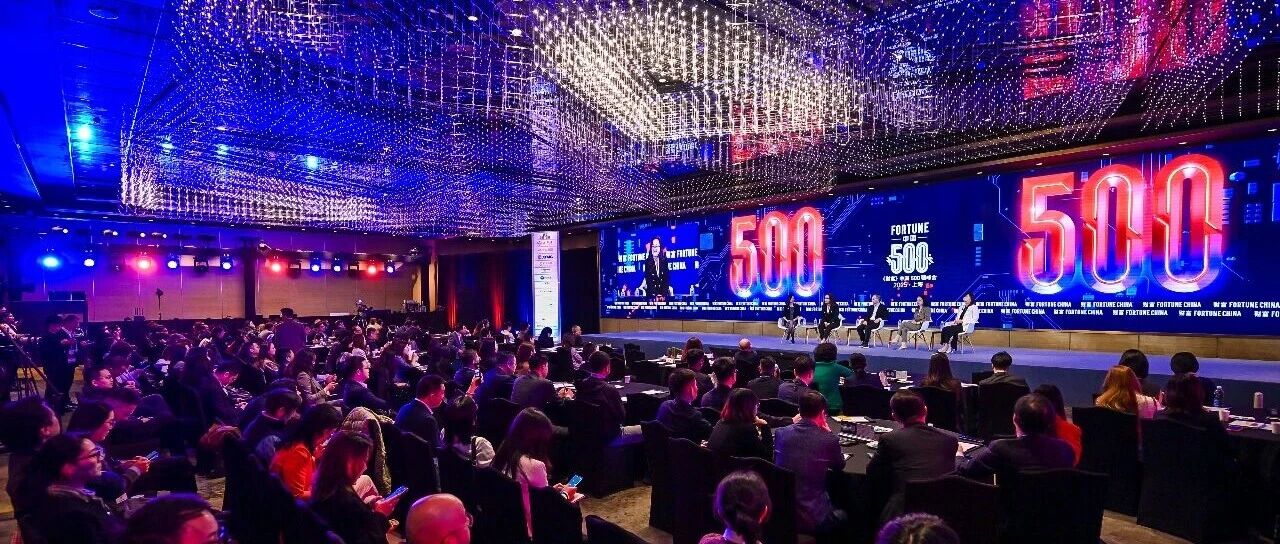
Core Insights - The 2025 Fortune China 500 Summit held in Shanghai focused on the theme "Harnessing Momentum, Expanding Frontiers: The Next 25 Years of the 21st Century," bringing together leaders from top companies to discuss how to navigate the new order shaped by intelligence, resilience, and sustainability [1][3]. Group 1: Key Themes and Discussions - Five parallel sessions were held, covering topics such as the next phase of the global energy revolution, the new maritime era of Chinese manufacturing, the path to building high-end brands, AI-enabled digital innovation for long-term growth, and the technology and capital driving high-quality future living [3][43][53]. - The summit included discussions on the importance of adapting to efficiency in logistics, emphasizing flexibility and rapid resource allocation to create value and achieve sustainability [9]. - The banking sector's digital transformation over the past two decades has created opportunities and challenges, particularly with the rise of generative AI, which banks must leverage through organizational restructuring [11]. Group 2: Globalization and Localization - Globalization presents new opportunities for Chinese companies, allowing them to showcase their brand, management, and social value on the world stage despite challenges [12]. - Effective globalization requires extreme localization, ensuring that companies adapt to local markets while maintaining their global strategies [17]. - The future of Chinese enterprises going global involves deeper participation in global value chains rather than merely exporting products [20]. Group 3: Industry Innovations and Trends - The automotive industry is highly competitive, with Chinese companies excelling in scale, speed, and cost, while European firms offer deep expertise in quality and safety [25]. - The demand for smarter products necessitates a focus on material innovation and collaboration across the supply chain to achieve integrated solutions [26]. - The consumer goods sector is evolving, with brands needing to balance rational spending with emotional value, reflecting consumers' increasing expectations [36][39]. Group 4: Technology and Sustainability - The integration of AI in industries is seen as a means to overcome challenges and drive new value, with a focus on combining technology with specific applications to ensure return on investment [77][83]. - The healthcare sector is embracing technology to create a comprehensive ecosystem that addresses health and wellness needs, emphasizing the importance of data and compliance [89][92]. - The energy sector is shifting towards quality over quantity, with a focus on sustainable practices and the assetization of distributed solar power to create a win-win scenario for stakeholders [96].

36氪冯大刚对话博彦科技创始人王斌:全球化、「田忌赛马」与AI破局
3 6 Ke· 2025-11-12 12:40
Core Insights - The article discusses the strategic dilemma faced by IT service companies in China, particularly focusing on 博彦科技 (Boyan Technology), which is transitioning from a scale-driven approach to a strength-driven model in response to the evolving market dynamics influenced by generative AI and geopolitical factors [1][5]. Company Background - 博彦科技 was founded in 1995 and quickly gained prominence by securing significant contracts, such as localizing Microsoft Windows 95, leveraging scarce technical skills [2]. - The company has grown to over 30,000 employees, but its founder, 王斌 (Wang Bin), acknowledges the challenges of maintaining profitability in a highly competitive and fragmented industry [2][3]. Industry Challenges - The IT service industry in China is characterized by low profit margins, with companies often forced to compete on price, leading to a "low-end" service model [3]. - Wang Bin categorizes IT service players into product companies, which tend to consolidate, and service companies, which remain more fragmented and client-focused [2]. Strategic Shift - 博彦科技 is redefining its positioning as a global provider of consulting, industry solutions, and digital technology services, moving from a reactive to a proactive approach in client engagement [5][6]. - The company aims to transition from providing manpower to delivering value-added consulting services, reflecting a significant shift in its operational model [6]. Globalization Strategy - Wang Bin prefers the term "globalization" over "going abroad," emphasizing the company's historical role in helping multinational corporations enter the Chinese market [7]. - 博彦科技 plans to target Southeast Asia and "Belt and Road" markets, where demand for localized consulting and risk management services is growing, while competing against larger Indian IT firms [7][8]. AI and Talent Evolution - The company recognizes the importance of AI as a foundational technology for achieving its strategic goals, with a focus on evolving its workforce to include more innovative talent [9][10]. - Wang Bin highlights the need for a balance between traditional execution-focused employees and innovative thinkers to adapt to the AI-driven landscape [9]. Long-term Vision - The founder expresses a pragmatic belief in the long-term potential of the company, emphasizing the importance of sustainability and adaptability in the face of industry changes [11].


安踏集团出席《财富》中国500强峰会
Zheng Quan Ri Bao Wang· 2025-11-12 09:12
Core Insights - The 2025 Fortune China 500 Summit was held in Shanghai, focusing on building sustainable competitive advantages and the role of technological transformation [1] - Anta Sports Products Co., Ltd. was awarded the 2025 Fortune China 500 certificate, highlighting its status among leading enterprises [1] Group 1: Globalization and Localization - Anta's Vice President Li Ling discussed the company's practices in business innovation and globalization during a roundtable forum [1] - Anta has redefined the distance between brands and consumers through a Direct-to-Consumer (DTC) business model, allowing for real-time insights into consumer demand [1] - The company emphasizes the importance of global thinking combined with localized operations, selecting products from its multi-brand matrix that best suit local consumer needs [1] Group 2: Global Strategy and Core Competencies - Anta has developed a unique "brand + retail" business model through years of international brand acquisitions and global operations [2] - The company has cultivated three core capabilities for future global competition: multi-brand collaborative management, multi-brand retail operation, and global operation and resource integration [2] - Li Ling stated that globalization presents new opportunities for Chinese enterprises, aiming to bring international brands to China while promoting Chinese brand value globally [2]

36氪冯大刚对话博彦科技创始人王斌:全球化、「田忌赛马」与AI破局
36氪· 2025-11-12 09:10
Core Insights - The article discusses the fundamental paradox in China's IT services industry, where the relentless pursuit of scale often sacrifices value, leading to a fragmented competitive landscape characterized by price wars and low profit margins [2][4] - 博彦科技, founded in 1995, has evolved from a small startup to an industry giant with over 30,000 employees, but its founder acknowledges that the era of reckless growth is ending, necessitating a strategic shift towards becoming a stronger, more value-driven company [2][4][6] - The company is transitioning from a passive order-taking model to an active consulting approach, aiming to provide valuable insights and solutions rather than just manpower [8][9] Industry Context - The IT services industry in China faces unique challenges, including high customization demands from large clients and a fragmented service provider landscape, which limits bargaining power and leads to a focus on low-end services [6] - The article highlights the importance of scale for risk management and organizational development, but emphasizes that scale should not be the ultimate goal [6][9] Strategic Shift - 博彦科技 has redefined its positioning as a global provider of consulting, industry solutions, and digital technology services, focusing on leading clients rather than merely following their needs [8][9] - The company has successfully implemented a benchmark project with Singapore's Changi Airport, showcasing its shift from traditional outsourcing to a comprehensive value delivery model [9][10] Globalization Strategy - 博彦科技 prefers the term "globalization" over "going abroad," leveraging its experience with multinational companies to assist Chinese enterprises in expanding internationally [11][12] - The company aims to target Southeast Asia and "Belt and Road" markets, where demand for localized consulting and risk management services is growing, while competing against larger Indian IT firms [11][12] AI and Organizational Evolution - The integration of AI is seen as a crucial factor for 博彦科技's strategic transformation, with a focus on evolving the workforce to include more innovative and adaptable talent [14][15] - The company recognizes the need to balance its existing workforce with new talent capable of driving innovation in the AI era [14][15] Long-term Vision - 博彦科技's founder expresses a pragmatic belief in the long-term potential of the company, emphasizing the importance of creating jobs and helping businesses succeed internationally [16]
福布斯中国发布2025出海全球化榜单 万兴科技跻身出海全球化领军品牌TOP30
智通财经网· 2025-11-12 09:08
Core Insights - The "2025 Forbes China Going Global 30 & 30" list has recognized Wondershare Technology (300624.SZ) as the only representative from China's digital creative software sector, highlighting its growth potential and innovation direction on an international scale [1][5] - Forbes emphasizes that going global has transformed from a temporary choice for Chinese companies to a structural opportunity that will shape the global competitive landscape over the next decade [2] Company Overview - Wondershare Technology is a leading A-share listed company in China's digital creative software field, with a broad product range and significant revenue, operating in over 200 countries and regions [2] - The company is often referred to as the "Chinese version of Adobe," with flagship products including Wondershare Filmora, Wondershare Meitu, and Wondershare MindMaster [2] Global Expansion Strategy - The company has been actively expanding into North America, Europe, Japan, and emerging markets in the Middle East and Southeast Asia since its inception, with overseas revenue consistently exceeding 90% [3] - Wondershare Filmora has over 400 million active users globally and has been recognized as a leader in the AI video editing sector [3] AI and Ecosystem Development - Wondershare Technology is advancing its global strategy from product export to an "AI + ecosystem" approach, focusing on large model research and development [4] - The company has launched the ToMoviee 2.0 AI model, achieving top rankings in global assessments for key performance indicators [4] Talent Acquisition and Recruitment - The company is ramping up its global campus recruitment for 2026, offering competitive salaries, with average annual salaries for new graduates reaching 500,000 yuan and up to 1 million yuan for R&D talent [4] Future Outlook - The recognition by Forbes underscores the increasing global influence of Chinese brands, with Wondershare Technology aiming to leverage AI and creativity to connect global creators and redefine content creation paradigms [5]


经济学家梁国勇:弥合数字鸿沟,积极推动全球化 中国理念成“稳定器”
Zhong Guo Xin Wen Wang· 2025-11-12 07:03
Core Insights - The article discusses the importance of bridging the digital divide and promoting globalization, highlighting China's role as a stabilizer in the global economy [1][3]. Group 1: Digital Economy and Global Governance - China's digital economy is now among the largest globally, serving as a model for other developing countries in terms of digitalization and sustainable development [4]. - There is a significant digital divide between developed and developing countries, particularly in digital infrastructure and skills, necessitating capacity building in the digital economy and artificial intelligence [4]. - The concept of building a community of shared future in cyberspace is emphasized as crucial in addressing the imbalances in global network development [4]. Group 2: Foreign Investment in China - Despite challenges in attracting foreign investment, China's foreign investment market shows resilience and unique advantages [5]. - The current economic transformation in China has led to a decrease in foreign investment in low-end manufacturing, but there is growth in high-tech manufacturing sectors [5]. - China's strong international competitiveness in manufacturing, supported by infrastructure, a large market, and recovering consumer potential, continues to attract market-oriented foreign investment [5]. Group 3: Globalization and De-Globalization Trends - Some countries are exhibiting tendencies towards de-globalization, which can be attributed to institutional adjustments [6]. - The shift of capital and production from developed to emerging markets has led to a call for re-industrialization in developed countries, as they face trade deficits and industrial hollowing [6]. - Despite the challenges posed by protectionism and unilateralism, technological advancements and institutional resilience are expected to continue driving globalization forward [7].
跌光1873亿,网红汽车炸雷了
首席商业评论· 2025-11-12 05:15
Core Viewpoint - Polestar, once a prominent player in the Chinese electric vehicle market, is now facing severe challenges, including a warning from NASDAQ regarding potential delisting due to its stock price falling below $1 for an extended period [5][26]. Financial Performance - In the first half of 2025, Polestar sold over 30,000 vehicles, generating revenue of $1.423 billion, but incurred a net loss of $1.193 billion, marking a 119.4% increase in losses compared to the previous period [5][25]. - As of June 2025, Polestar's total liabilities reached $7.909 billion, with total assets of $3.643 billion, resulting in an alarming debt-to-asset ratio of 217% [10][25]. Market Position and Strategy - Polestar's market capitalization has plummeted from a peak of $28 billion to approximately $1.7 billion, indicating a loss of over $26.3 billion in value [7][26]. - The company has shifted its sales strategy in China from physical stores to online sales, closing its last direct store in Shanghai [5][25]. Historical Context - Polestar was established in 2017 as a collaboration between Volvo and Geely, aiming to create a global electric vehicle brand that could compete with Tesla [11][15]. - Initially, Polestar was seen as a strong contender in the electric vehicle market, with high expectations for its global expansion [11][15]. Recent Developments - In 2024, Polestar's performance deteriorated significantly, with a 40% drop in delivery volume in the first quarter and a revenue decline of 36% year-on-year [24]. - The company has faced criticism for its management structure, which has been described as disconnected from the Chinese market, leading to operational inefficiencies [18][20]. Future Outlook - Polestar is currently under pressure to comply with NASDAQ regulations within 180 days to avoid delisting, while also attempting to expand its presence in the U.S. market [26][28]. - The company is exploring new strategies to adapt to the rapidly changing consumer demands in China, despite the challenges it faces [25][28].

迪士尼IP新游上线在即,青瓷游戏步入全球化发展新阶段
Zhi Tong Cai Jing· 2025-11-12 02:11
Core Insights - The gaming industry is experiencing a resurgence due to favorable policies and recovering consumer demand, leading to increased market attention on gaming stocks [1] - Qingci Games has entered a three-year licensing agreement with Disney and Pixar to develop and publish the game "Disney: Book of Legends," expected to launch in 2026 across multiple regions [1] - This collaboration is anticipated to enhance brand recognition among family and youth demographics, contributing to market expansion [1] Group 1: Market Trends and Opportunities - The overseas market has become a significant revenue source for Chinese gaming companies, with a reported overseas revenue of $9.501 billion in the first half of 2025, marking an over 11% year-on-year growth [2] - Predictions indicate that China's self-developed games will surpass $20 billion in overseas revenue for the entire year of 2025, highlighting the industry's growing global role [2] - Government initiatives are supporting the gaming industry's international expansion, including the establishment of special funds to alleviate financial pressures on game development teams [2] Group 2: Qingci Games' Global Strategy - Qingci Games has accelerated its global business layout, with overseas revenue contributing over 40% to its total income, marking it as a key growth driver [3] - The flagship product "The Strongest Snail" has performed well in various international markets, including Japan and Vietnam, showcasing the company's effective localization strategies [3] - Upcoming releases, including the Korean version of "The Strongest Snail" and the licensed game "Cardcaptor Sakura: Memory Key," are expected to further enhance the company's market presence [3] Group 3: Operational Excellence and User Engagement - Qingci Games has developed a systematic and localized overseas distribution system, which is crucial for expanding its revenue sources [4] - As of June 30, 2025, the company has surpassed 100 million registered players, with a 7.56% year-on-year increase, indicating strong user engagement [5] - The flagship game "The Strongest Snail" has seen a significant increase in average revenue per paying user (ARPPU), rising from approximately 200 yuan to nearly 300 yuan during its anniversary event [5] Group 4: Future Product Pipeline - The company is preparing to launch several new titles, including the strategic self-developed game "Project E," which is expected to enter a broader testing phase in Q4 2025 [6] - Additional games based on popular IPs, such as "Project W" and "Project HA," are slated for release in 2026 and 2027, respectively, further diversifying the product portfolio [6] - The strategic focus on high-quality, sustainable growth through both new releases and refined operations positions the company for future profitability [7]

券商晨会精华 | 应用商业化加速 寻找AI对各行业赋能和改造的投资机会
智通财经网· 2025-11-12 00:36
Market Overview - The market experienced fluctuations with the three major indices opening high but closing lower, with the Shanghai Composite Index down by 0.39%, the Shenzhen Component Index down by 1.03%, and the ChiNext Index down by 1.4% [1] - The trading volume in the Shanghai and Shenzhen markets was below 2 trillion, a decrease of 180.9 billion compared to the previous trading day [1] AI Industry Outlook - CITIC Securities forecasts that by 2026, AI investment opportunities will focus on two main areas: 1) Investment opportunities around computing power, emphasizing leading companies, new technology upgrades, and local industrial clusters [2] - The report highlights the rapid growth in revenue from companies like OpenAI, indicating a shift towards commercializing AI applications across various industries [2] Coal-to-Gas Industry - Tianfeng Securities notes that the coal-to-gas sector is entering a new phase of industrial catalysis due to improved market pricing mechanisms and fair access for coal-to-gas companies [3] - There are currently 12 projects planned in China with a total capacity of 44 billion cubic meters per year, supported by abundant coal resources in Xinjiang and advancements in coal chemical technology [3] Automotive Industry Trends - Guosen Securities states that the Chinese automotive industry is transitioning from a growth phase to a mature phase, with annual sales growth slowing down and structural changes occurring due to the rise of new energy vehicles [4] - The report emphasizes the importance of brand development and globalization as key strategies for automotive companies to navigate the competitive landscape, alongside the significant market potential for smart driving applications [4]



国信证券:汽车产业迈向品牌化、全球化、智能化 迎接AI浪潮下的产业升级机遇
智通财经网· 2025-11-11 22:35
Group 1 - The domestic automotive industry in China is transitioning from a growth phase to a mature phase, with annual sales growth slowing down and single-digit growth becoming the norm [1] - The increase in market share of new energy vehicles (NEVs) is leading to overcapacity in traditional fuel vehicles and rapid expansion in NEV production, indicating a structural shift in the industry [1] - By 2025, under the influence of tax incentives and subsidies, wholesale sales (including exports) are expected to exceed 34 million units, with NEV passenger vehicle and overall passenger vehicle export growth rates projected at 23% and 15% respectively [1] Group 2 - Brand building and globalization are identified as key strategies for automotive companies to maintain their market position amid intense competition in the NEV sector [2] - The domestic automotive supply chain has a strong foundation, with capabilities in production processes and cost control, which can support the expansion into new markets such as North America, Mexico, Europe, and Southeast Asia [2] - The advent of intelligent driving technology is expected to reshape the automotive industry, with significant market potential due to the large user base of 1.4 billion vehicles globally [2] Group 3 - The robotics industry is anticipated to follow a path from specialized to general applications, with smart vehicles being a key category within this sector [3] - The year 2026 is projected to be significant for the robotics industry, marking the mass production of Tesla's Gen3 robot and the listing of domestic manufacturers [3] - Investment opportunities are expected to arise in various segments of the robotics supply chain, driven by major players and technological advancements [3]