
资产配置

Search documents
方正证券首席经济学家燕翔:2026年资产配置可重点关注三大方向
Sou Hu Cai Jing· 2025-12-26 10:15
央广网北京12月26日消息(记者 冯方)12月26日,方正富邦基金举行2026年投资策略会,探讨"十五 五"开局之年的投资机遇和挑战。在会上,方正证券研究所副所长、首席经济学家燕翔表示,2026年我 国经济将进入以结构优化和创新驱动为核心的新阶段,资本市场或将启新程。 在扩大内需方面,燕翔认为,中央经济工作会议已明确将扩大内需、提振消费摆在优先位置,服务消 费、银发经济、文化IP消费等新兴领域潜力巨大,有望成为下一阶段消费扩容的重要突破口。 2025年,我国科技创新成果集中涌现。"从商业航天到量子计算,从固态电池到合成生物,多项'从0到 1'的突破正在转化为现实生产力。"燕翔认为,2026年科技政策将进一步加码,推动创新链与产业链深 度融合,科技创新不再是实验室里的概念,而是实实在在的增长引擎。 关于资产配置问题,燕翔认为,2026年可重点关注三大方向:一是科技成长资产的长期产业趋势机会, 二是供需失衡驱动下具备较强涨价弹性的顺周期板块,三是契合长期配置型资金偏好的红利资产。此 外,燕翔认为,港股经过此前调整有望再度迎来布局良机,可以关注以恒生科技为代表的补涨机会。 燕翔指出,2026年作为"十五五"规划的开 ...

突发!人民币“破7”大关 | 市场观察
私募排排网· 2025-12-26 10:00
Core Viewpoint - The article discusses the recent strengthening of the Renminbi (RMB) against the US dollar, highlighting the factors contributing to this trend and its implications for the capital market and investment opportunities in China [4][6]. Group 1: Reasons for RMB Strengthening - The recent appreciation of the RMB is attributed to a combination of external and internal factors. Externally, the weakening of the US dollar has acted as a catalyst, driven by expectations of a shift towards looser monetary policy from the Federal Reserve, leading to a decline in the dollar index since mid-December [7]. - Internally, the supply and demand dynamics for foreign exchange have supported the RMB. High trade surpluses and seasonal demand for currency exchange towards the year-end and Chinese New Year have historically resulted in a strong RMB [7][8]. Group 2: Implications for Capital Markets - From a mid-term perspective, the macroeconomic fundamentals of China may become relatively favorable compared to the US, as the US economy shows signs of slowing growth while China maintains clear growth targets [9]. - The strengthening of the RMB may enhance the attractiveness of RMB-denominated assets for foreign investors, potentially improving market sentiment and risk appetite in the domestic capital market [9]. Group 3: Investment Opportunities - Core A-shares and high-dividend sectors are highlighted as areas of interest, with stable exchange rates likely to improve risk preferences and attract foreign investment. Key indices such as the CSI 300 and related ETFs are recommended [12]. - Domestic demand-driven sectors, including consumption, healthcare, and utilities, are suggested as suitable for long-term investment, given their alignment with RMB-denominated asset performance [13]. - Technology growth assets, particularly in areas like artificial intelligence and renewable energy, are noted for their high investment value during a weak dollar period, with specific funds recommended for consideration [14][15].


FOF基金量质双升:规模突破2366亿元,理财FOF却“大降温”
Hua Xia Shi Bao· 2025-12-26 09:35
Core Insights - The FOF (Fund of Funds) market is experiencing a stark contrast, with public FOFs seeing a strong recovery while FOF wealth management products are facing a downturn [2][11] - Public FOFs have surged nearly 80% in scale this year, reaching a record high of 2366.51 billion yuan, recovering losses from the past three years [3][4] - In contrast, only 9 new FOF wealth management products were launched this year, marking a significant decline in issuance compared to previous years [10][11] Public FOF Performance - As of December 25, 2025, the public FOF market consists of 546 funds managed by 82 fund managers, with a total scale of 2366.51 billion yuan, surpassing the 2360 billion yuan mark [3][8] - The public FOF market has seen a year-on-year increase of 1035.01 billion yuan, representing a growth rate of 77.73% [3][4] - The number of new public FOFs established this year reached 89, with an issuance volume of 827.16 million units, second only to the 2021 peak [3][7] Factors Driving Public FOF Recovery - The recovery of public FOFs is attributed to a favorable market environment, strong performance of equity assets, and a design that aligns with investor risk preferences [2][5] - Public FOFs have shifted from merely selecting fund managers to a multi-asset allocation strategy, which helps in risk diversification and meets the demand for stability among investors [5][6] - Institutional capital influx has also contributed to the growth of public FOF issuance, reversing the downward trend observed in the previous three years [2][5] Disparity Between Public FOFs and FOF Wealth Management Products - The stark difference in performance between public FOFs and FOF wealth management products is attributed to their operational models and market conditions [11] - FOF wealth management products have seen a significant drop in issuance, with only 9 new products launched in 2025, compared to a peak of 123 products issued between 2020 and 2022 [10][11] - The decline in FOF wealth management products is linked to liquidity constraints and unmet investor expectations due to regulatory impacts [11] Market Concentration and Competitive Landscape - The public FOF market exhibits a "Matthew Effect," where approximately 12% of fund managers control nearly 60% of the market share, indicating a trend towards concentration [8][9] - Leading fund managers benefit from strong research teams and established asset allocation frameworks, making it difficult for smaller institutions to compete [8][9] - The dominance of top managers is reinforced by regulatory advantages and the ability to attract long-term capital through products like pension-targeted FOFs [9]

房不再是人生“必选”,钱要怎么配置才能保值增值?
天天基金网· 2025-12-26 09:24
Core Viewpoint - The article discusses the changing dynamics of wealth management in light of declining interest rates and increased market volatility, emphasizing the need for strategic asset allocation rather than mere trading [1][3]. Group 1: Investment Philosophy - The concept of "quality assets" is highlighted, defined by sustained demand and relatively limited supply, which applies to both traditional consumer goods and emerging sectors like AI and semiconductors [3]. - The importance of returning to the fundamentals of supply and demand and maintaining independent judgment is emphasized as a key strategy for navigating market cycles [3]. Group 2: Asset Management Strategies - The discussion includes the significance of asset allocation, advocating for a gradient strategy that starts with defensive assets before moving to more aggressive investments [5]. - The "pyramid accumulation strategy" is introduced, where investors gradually increase their positions in risk assets during market downturns, with specific thresholds for adding to positions to manage risk [6]. Group 3: Market Dynamics - The article contrasts the regulatory environments of A-shares and Hong Kong stocks, noting that Hong Kong's more accommodating regulations allow for greater innovation and the emergence of significant companies [7][8]. - The impact of anti-involution policies on industry development is discussed, particularly in the context of the photovoltaic industry, where government intervention is seen as necessary to alleviate competitive pressures [10].
埃德·亚德尼论“咆哮的二十年代”:黄金和标普500指数将双双冲向10000点
Zhi Tong Cai Jing· 2025-12-26 06:36
Group 1 - Ed Yardeni is optimistic about the market, predicting the S&P 500 will reach 7,700 by 2026 and 10,000 by 2029, with gold potentially hitting $10,000 per ounce by the end of the decade [1][2] - The S&P 500's path to 10,000 is based on projected earnings growth, with expected earnings per share rising from approximately $270 this year to around $500 by 2030, applying a price-to-earnings ratio of about 20 [2][10] - Yardeni emphasizes the resilience of the economy and productivity improvements driven by the digital revolution and AI, which he believes will support higher profitability [3][4] Group 2 - Yardeni advises against over-allocating to technology stocks, suggesting a balanced approach with diversification into sectors like healthcare, industrials, and financials [6][10] - He has shifted his stance on gold, now viewing it as a strategic diversification tool due to increased central bank purchases and demand from key regions like China and India [7][8] - The relationship between gold and the S&P 500 is noted, with both potentially trending upward simultaneously, reflecting a strategic hedge in a politically and economically uncertain environment [9][10] Group 3 - Key variables that could support Yardeni's bullish outlook include avoiding recession, measurable productivity gains from AI, and managing market concentration risks through sector rotation [10][11][12] - The overall narrative suggests that while the path to 10,000 points for the S&P 500 may involve volatility and cyclical shifts, sustained earnings growth and reasonable valuation multiples are crucial [13]
对银行理财业务高质量发展的思考
Sou Hu Cai Jing· 2025-12-26 03:29
Core Viewpoint - The banking wealth management business is facing challenges, including insufficient participation in the new economy and declining returns on pure fixed-income products. Institutions need to develop competitive "fixed-income plus" products and enhance trust among distributors and investors to adapt to economic transformation and capitalize on opportunities in capital markets [1][2][5]. Group 1: Necessity of Wealth Management Business Transformation - The attractiveness of fixed-income products is declining, necessitating the creation of more competitive offerings. The average monthly yield of wealth management products is projected to drop to around 2.0% by Q3 2025, down from 2.65% in 2024, indicating a decrease of 65 basis points [2]. - In contrast, equity assets are showing increasing returns, with the annual growth of the Wind All A index at 10.0% in 2024 and 26.4% from January to October 2025. The historical annualized return for the index over the past 20 years is 12.0%, suggesting that increasing equity allocations can enhance long-term returns for wealth management products [2]. Group 2: Investment Strategy for Wealth Management - The transformation of fixed-income products should focus on credit exploration, duration strategies, and leverage strategies to enhance portfolio returns while managing risk preferences of investors [6]. - Diversifying into equity assets can theoretically improve overall portfolio returns. Historical data shows that holding the Wind All A index over 20 years yields an annualized return of 12.0%, compared to 4.0% for the China Bond Composite Index [8][9]. Group 3: Timing and Selection Strategies - Timing strategies can further enhance portfolio returns by adjusting asset allocations based on economic cycles. A constructed economic cycle indicator shows a positive correlation with GDP growth and a negative correlation with bond yields [13][16]. - Implementing a timing strategy based on economic cycles can improve returns, with a simulated portfolio yielding an average annualized return of 5.08%, significantly outperforming a pure bond portfolio [16][18]. Group 4: Liability Side Transformation - The transformation on the liability side focuses on enhancing recognition and trust in "fixed-income plus" products among distribution channels and investors. This requires a dual approach of improving investment strategies and making necessary adjustments on the product side [22]. - Lengthening the investment duration of "fixed-income plus" products can help reduce loss risks and improve returns. Data indicates that extending the investment period from 9 months to 15 months leads to higher median returns and lower loss probabilities across various strategies [23][24]. Group 5: Overall Transformation Strategy - The transformation of the banking wealth management business is a lengthy process that requires enhancing investment capabilities through asset allocation, timing, and selection strategies to develop competitive "fixed-income plus" products. Additionally, building trust among distribution channels and investors is crucial for scaling these products [25].
离岸人民币兑美元升破7.0大关!对普通人有哪些影响?一文读懂
Sou Hu Cai Jing· 2025-12-26 02:12
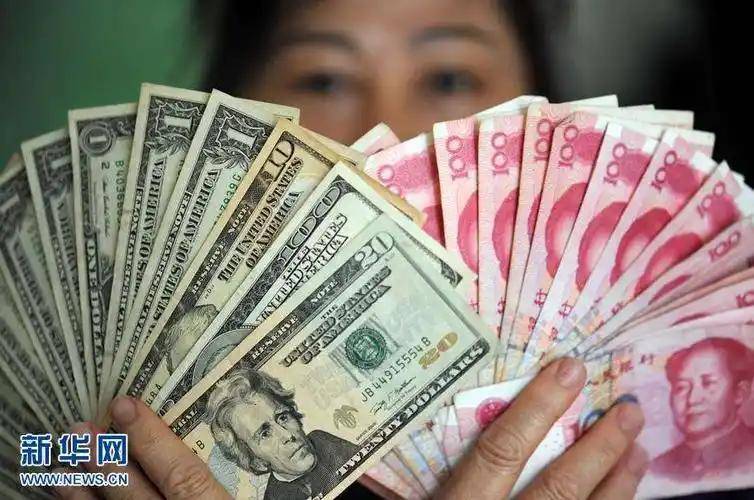
离岸人民币兑美元汇率一举升破7.0关口,创下2024年9月以来新高。这一变化不仅刷屏财经圈,更与每个普通人的钱包息息相关。人民币为何大幅升值?未 来走势如何?普通人该如何应对?一文说清! 美元走弱成主因 美联储降息预期升温,美元指数跌破100,带动非美货币普遍升值。市场对2026年美联储继续降息的押注,进一步削弱美元吸引力。 中国经济韧性支撑 出口超预期增长、贸易顺差扩大至1万亿美元,叠加资本市场对国际资本的吸引力增强,为人民币提供基本面支撑。 年末结汇潮推波助澜 外贸企业年底集中将美元收入兑换成人民币,短期需求激增加速汇率上行。 1. 换汇成本大降,留学生家庭迎来利好 2. 美元存款"倒亏钱",理财需谨慎 留学、旅游更省钱:当前换10万美元比6月节省约1.7万元,赴美留学、旅游开支显著降低。 海淘党狂喜:进口商品价格下降,电子产品、奢侈品性价比提升。 杭州张凯年初存8400美元,到期后人民币计价反亏1033元;购买美国国债的收益也被汇率波动吞噬。 建议:持有美元资产者可考虑分批换回人民币,或配置黄金、A股等对冲风险。 人民币购买力提升,核心城市房产、黄金等抗通胀资产可能吸引更多资金流入。 注意:央行强调"房 ...
国际金价“疯涨”破纪录,普通人买黄金是稳赚还是血亏?
Sou Hu Cai Jing· 2025-12-26 00:49
Core Viewpoint - The recent surge in gold prices has raised questions about whether ordinary individuals can still invest in gold amidst these high prices, highlighting gold's role as a stable asset in uncertain economic times [3][5]. Group 1: Gold Price Trends - International gold prices have reached new highs, with COMEX gold surpassing $4,500 per ounce, reflecting a 70% increase since the beginning of the year [3][4]. - Domestic gold prices have also seen significant increases, rising over 60% from approximately 600 yuan per gram to over 900-1,000 yuan [4]. - The market has recorded over 30 historical highs in 2024 and more than 50 in 2025, indicating a strong upward trend in gold prices [4]. Group 2: Investment Considerations - Gold is recognized for its dual stability as both a physical asset and a value store, making it a globally accepted "store of value" [5][8]. - Unlike fiat currencies, gold is not subject to devaluation from government actions or corporate failures, providing a hedge against inflation and crises [5][8]. - The current high prices of gold may signal a risk accumulation, as market sentiment can lead to speculative bubbles, which could result in significant corrections if underlying economic conditions change [8][11]. Group 3: Strategic Positioning - For most individuals, gold should be viewed as a stabilizer within an asset portfolio rather than a tool for short-term profit [9]. - Proper asset allocation involving gold can reduce overall portfolio volatility and enhance risk management [9]. - The strategy should focus on long-term investment, with opportunities to buy during price corrections rather than chasing short-term highs [9][11].

震荡市里,谁在悄悄跑赢?—CTA策略的配置价值再现
私募排排网· 2025-12-26 00:00
Core Viewpoint - The equity market has shifted to a high volatility and weak trend oscillation pattern since the third quarter, leading to reduced profitability for investors, highlighting the increased value of CTA strategies that can participate in multiple assets and directions [2] Market Environment - The recent trend characteristics of the equity market are weakening, with major indices like the Shanghai Composite and CSI 300 showing increased volatility since September, indicating a lack of consistent upward movement [8] - The commodity market is experiencing significant differentiation, with certain commodities like gold, silver, lithium carbonate, and copper showing clear upward trends despite overall limited gains in commodity indices [10][11] CTA Strategy Performance - Historical data indicates that CTA strategies provide stable and independent returns across various market environments, particularly excelling in years when equity and commodity performances are weak [16][19] - In years of strong equity performance, such as 2017, 2019, and 2020, CTA strategies performed well but were not the top performers, serving as a complementary strategy to equity assets [17][18] CTA Strategy Characteristics - In 2025, CTA strategies are expected to operate in an environment characterized by trends and volatility, with potential for structural trends in the commodity market due to global liquidity conditions and geopolitical factors [23] - The correlation of CTA strategies with equity indices is relatively low, indicating their role as stabilizers in asset allocation, providing positive contributions without significantly increasing portfolio correlation [22]

黄金价格持续走高,现在还能买吗?
Sou Hu Cai Jing· 2025-12-25 22:55
Group 1 - The core viewpoint of the articles highlights the recent surge in gold prices, driven by increased investment demand, geopolitical tensions, and expectations of further interest rate cuts by the Federal Reserve [1][2] - Gold jewelry prices have risen significantly, with some brands quoting over 1400 yuan per gram for pure gold, while the buyback price for 999 gold is nearing 1000 yuan per gram [1] - The World Gold Council's report indicates that factors contributing to the strong rise in gold prices through 2025 include heightened geopolitical and economic uncertainties, a weakening dollar, and the momentum of rising gold prices [1] Group 2 - The Shanghai Gold Exchange has issued a notice to enhance market risk control due to recent volatility in precious metal prices, urging members to improve risk awareness and maintain market stability [2] - Industry experts emphasize the importance of understanding the volatility of the gold market and developing rational investment strategies to avoid impulsive trading [2] - The World Gold Council forecasts that the gold market will enter a new phase of dynamic balance by 2026, influenced by ongoing geopolitical uncertainties, structural demand from investors and central banks, and potential pressures from global economic recovery and interest rate changes [2]