财政政策

Search documents
国债期货延续低位震荡
Bao Cheng Qi Huo· 2025-09-29 09:14
1. Report's Industry Investment Rating - No relevant information provided 2. Core View of the Report - Today, Treasury bond futures fluctuated and sorted out, with a slight decline. The central bank's third - quarter regular meeting signaled flexible monetary policy, reducing the possibility of an overall interest rate cut in the short term. Future attention should be paid to the synergy of monetary and fiscal policies. Due to the weak economic data in August and the Fed's interest rate cut in September, the pressure on the RMB exchange rate has been greatly reduced. There is a high possibility of a loose monetary policy in the future, and Treasury bond futures have strong support below. In general, both the upward momentum and the downward space are limited in the short term, and it is expected that Treasury bond futures will mainly be in a low - level shock consolidation in the short term [2] 3. Summary According to Relevant Catalogs 3.1 Industry News and Related Charts - On September 29, the People's Bank of China carried out 288.6 billion yuan of 7 - day reverse repurchase operations through a fixed - rate and quantity - tendering method. The central bank's Monetary Policy Committee held its 2025 third - quarter regular meeting, emphasizing the implementation of a moderately loose monetary policy, strengthening counter - cyclical adjustment, better leveraging the dual functions of the total amount and structure of monetary policy tools, and increasing the coordinated cooperation of monetary and fiscal policies to promote stable economic growth and keep prices at a reasonable level [4] 3.2 Related Charts - The report includes charts such as the trends of TL2512, T2512, TF2512, TS2512, the Treasury bond maturity yield curve, and the central bank's open - market operations, with data sources from iFinD and Baocheng Futures Research Institute [5][7][10]
四季度债市能否突破震荡走势?
Southwest Securities· 2025-09-29 06:43
1. Report Industry Investment Rating No information provided in the content. 2. Core Viewpoints of the Report - The bond market may break through its downward space in the fourth quarter. After experiencing multiple "stress tests" in the third quarter, the bond market has shown strong resilience. With the improvement of the bond market's adaptability to the strengthening of the equity market and the decline of the excessive trading of long - term bonds, a more rational pricing logic may dominate the market again, and the stable allocation demand will become the "ballast stone" for the interest rate to decline. The interest rate is expected to be in a "moderate" downward state [8][46]. 3. Summaries Based on Relevant Catalogs 3.1 Can the Bond Market Break Through the Sideways Trend in the Fourth Quarter? 3.1.1 The Bond Market Fluctuated Widely in September, with Bulls and Bears in a Fierce Battle and a Wavy Uptrend - The valuation yield of the 10 - year treasury bond has basically completed the anchoring to the "new bond". The spread between the new bond (250016) and the old bond (250011) is basically stable at 5 - 8BP, and the yield - to - maturity compensation due to value - added tax is about 2.8% - 4.5% [1][11]. - The capital interest rate fluctuated significantly due to the cross - quarter effect, and the central level increased to some extent. The increase in the central level of the capital interest rate led to an upward trend in the bond market interest rate and a compression of the Carry space, resulting in bond market selling pressure [1][14]. - The bond cashing demand of the bank's OCI account is one of the factors pressuring the bond market. From September 1st to 26th, joint - stock banks, city commercial banks, and rural commercial banks were the main sellers in the bond market [2][18]. - Regulatory policy adjustments and the increasing expectation of restarting treasury bond trading also drove the bond market trend. The "new rule" led to a rapid correction in the bond market in early September, while the increasing expectation of the central bank restarting treasury bond trading supported the rebound in mid - September [2][21]. 3.1.2 The Bond Market May Break Through the Downward Space in the Fourth Quarter - The "see - saw" effect between stocks and bonds weakened in September. If the equity market turns into a slow - bull pattern in the fourth quarter, the suppression on the bond market from the equity market may ease [3][23]. - The price level is still in the repair stage, with PPI bottoming out and rising, but CPI has not shown signs of recovery. If the economic recovery slope is lower than expected or Sino - US economic and trade relations deteriorate unexpectedly, there is still a possibility of another interest rate cut this year [5][28]. - From the supply side, the fourth quarter is usually the "off - season" for government bond supply, but attention should be paid to the possible advance issuance of the special bonds for replacing hidden debts in 2026. Even if the supply pressure increases, the impact on the market may be relatively controllable, and the central bank may use open - market operations for hedging [6][33]. - From the demand side, even if the "new rule" is implemented in the fourth quarter, its impact on the bond market is likely to be short - term and frictional, not a trend - based decline in demand. The demand from core bond - market allocators such as wealth management and insurance remains strong [7][40]. 3.2 Important Matters - The net MLF injection was 300 billion yuan in September. On September 25th, the central bank conducted a 600 - billion - yuan MLF operation, with a maturity scale of 300 billion yuan in September [48]. 3.3 Money Market 3.3.1 Open - Market Operations and Capital Interest Rate Trends - From September 22nd to 26th, the central bank injected a total of 2.4674 trillion yuan through reverse repurchase operations, with a maturity of 1.8268 trillion yuan, and the net injection was 640.6 billion yuan. It is expected that 516.6 billion yuan of base money will be recalled from September 29th to 30th [50]. - The inter - bank liquidity was tight first and then loose last week, mainly due to the central bank's protection of liquidity. As of September 26th, R001, R007, DR001, and DR007 changed by - 16.49BP, 3.78BP, - 14.62BP, and 2.17BP respectively compared with September 19th [54]. 3.3.2 Certificate of Deposit Interest Rate Trends and Repurchase Transaction Situations - In the primary market, commercial banks' inter - bank certificates of deposit showed a net outflow, with a net financing scale of - 188.79 billion yuan last week. The issuing scale of state - owned banks was the largest, but they also had the largest net outflow [59][63]. - The issuing interest rate of inter - bank certificates of deposit increased last week. In the secondary market, the yields of inter - bank certificates of deposit at all maturities showed an upward trend [64][67]. 3.4 Bond Market - In the primary market, the supply of interest - rate bonds was relatively small last week. The total actual issuance was 60.834 billion yuan, with a maturity of 9.2 billion yuan and a net financing of 51.634 billion yuan [68]. - In the secondary market, the bond market sentiment was relatively weak last week, showing an upward trend in the shock, and the curve shape became steeper. The average daily turnover rates of the 10 - year treasury bond and 10 - year CDB bond active bonds decreased, and the liquidity premium of the 10 - year treasury bond active bond increased [68][77]. 3.5 Institutional Behavior Tracking - The institutional leverage ratio increased seasonally in August but was at a seasonal low year - on - year. The average daily trading volume of inter - bank pledged repurchase decreased last week, with an average of about 7.27 trillion yuan [94][99]. - In the cash bond market, state - owned banks increased their purchases of treasury bonds within 5 years and 5 - 10 years; rural commercial banks continued to sell but with a reduced intensity; insurance institutions continued to increase their holdings of treasury bonds and local bonds over 10 years; securities firms and funds sold significantly [104]. - The current average cost of major trading desks for adding positions in 10 - year treasury bonds is around 1.85% [107]. 3.6 High - Frequency Data Tracking - Last week, the settlement prices of rebar and wire rod futures decreased, while those of cathode copper, cement, and glass increased. The CCFI index decreased, and the BDI index increased [117]. - In terms of food prices, the pork wholesale price decreased, and the vegetable wholesale price increased. The settlement prices of Brent and WTI crude oil futures increased [117]. - The central parity rate of the US dollar against the RMB was 7.12 last week [117].
文字早评2025-09-29:宏观金融类-20250929
Wu Kuang Qi Huo· 2025-09-29 06:27
Report Industry Investment Ratings No relevant information provided. Core Views of the Report - For the stock index, after a continuous rise, high - level hot sectors like AI have seen divergences, with funds switching between high - and low - level stocks and rapid rotation, reducing market risk appetite. Short - term index faces uncertainty due to shrinking trading volume, but in the long - run, with policy support for the capital market unchanged, the strategy is to go long on dips [4]. - For treasury bonds, in Q4, the supply - demand pattern may improve. The market may oscillate under the intertwined situation of weak domestic demand recovery and improved inflation expectations. Attention should be paid to the stock - bond seesaw effect, and if the stock market cools and allocation forces increase, the bond market may recover [7]. - For precious metals, short - term interest rate cut expectations are frustrated, but the Fed's mid - term easing pattern remains unchanged. It is recommended to go long on dips, especially paying attention to the rising opportunity of silver prices [9]. - For non - ferrous metals, most metals are expected to have a certain degree of support in price, with some showing a trend of shock - strengthening or shock - running, mainly affected by factors such as Fed interest rate policies, trade situations, and industry supply - demand [12][14][16]. - For black building materials, steel prices are under downward pressure due to weak demand, and the iron ore price may adjust downward if the downstream situation weakens after the festival. Glass and soda ash are expected to oscillate, and manganese - silicon and ferrosilicon are likely to follow the black sector's trend [31][33][39]. - For energy and chemicals, different products have different trends. For example, rubber is weak in the short - term but bullish in the medium - term; crude oil has short - term uncertainties; and methanol's fundamentals are improving [52][54][56]. - For agricultural products, the supply - demand situation varies. For example, the pig price is weak, the egg price may stabilize after a small decline. Bean and rapeseed meal are under short - term pressure, and the price of edible oils may strengthen in the medium - term [74][76][81]. Summaries by Relevant Catalogs Macro - financial Stock Index - **行情资讯**: The central bank aims to maintain ample liquidity and guide financial institutions to increase credit supply. The NDRC plans to build a new computing power network infrastructure. Eight - department issued a plan for the non - ferrous metal industry. The SASAC held a symposium on the economic operation of state - owned enterprises. The new energy storage market is short of cores [2]. - **期指基差比例**: IF, IC, and IM show different negative basis ratios for different contract periods, while IH has positive basis ratios in some cases [3]. - **策略观点**: Short - term uncertainty exists, but long - term strategy is to go long on dips [4]. Treasury Bonds - **行情资讯**: On Friday, the main contracts of TL, T, TF, and TS had different changes. In August, industrial enterprise profits increased year - on - year. Eight - department issued a plan for the non - ferrous metal industry [5]. - **流动性**: The central bank conducted reverse repurchase operations on Friday, with a net injection of 4115 billion yuan [6]. - **策略观点**: The bond market may oscillate in Q4, and attention should be paid to the stock - bond relationship [7]. Precious Metals - **行情资讯**: Domestic and foreign precious metals had different price changes, and the positions of precious metal futures and ETFs increased significantly [8]. - **策略观点**: It is recommended to go long on dips, especially for silver [9]. Non - ferrous Metals Copper - **行情资讯**: Copper prices declined, with changes in inventory and basis. Import losses and refined - waste spreads also had corresponding changes [11]. - **策略观点**: Short - term copper prices may continue to oscillate strongly [12]. Aluminum - **行情资讯**: Aluminum prices declined, with changes in inventory and basis [13]. - **策略观点**: Aluminum prices have strong support below [14]. Zinc - **行情资讯**: Zinc prices declined, with changes in inventory and basis [15]. - **策略观点**: Short - term zinc prices may be weak [16]. Lead - **行情资讯**: Lead prices increased slightly, with changes in inventory and basis [17]. - **策略观点**: Short - term lead prices may be strong [17]. Nickel - **行情资讯**: Nickel prices oscillated, with changes in spot prices and costs [18]. - **策略观点**: Short - term observation is recommended, and long on dips can be considered if prices fall enough [18]. Tin - **行情资讯**: Tin prices oscillated, with changes in supply, demand, and inventory [19]. - **策略观点**: Tin prices may continue to oscillate, and observation is recommended [20]. Carbonate Lithium - **行情资讯**: Carbonate lithium prices had different changes, and the price of lithium concentrate was stable [21]. - **策略观点**: Carbonate lithium futures may oscillate within a range [22]. Alumina - **行情资讯**: Alumina prices declined, with changes in inventory and basis [23]. - **策略观点**: Observation is recommended, and attention should be paid to relevant policies [24]. Stainless Steel - **行情资讯**: Stainless steel prices declined, with changes in inventory and basis [25]. - **策略观点**: Stainless steel prices may oscillate in the short - term [26]. Cast Aluminum Alloy - **行情资讯**: Cast aluminum alloy prices declined, with changes in inventory and basis [27]. - **策略观点**: Futures may be weaker than spot, with support from scrap aluminum prices [28]. Black Building Materials Steel - **行情资讯**: Rebar and hot - rolled coil prices declined, with changes in inventory and basis [30]. - **策略观点**: Steel prices may be weak and volatile, and attention should be paid to the policies of the Fourth Plenary Session [31]. Iron Ore - **行情资讯**: Iron ore prices declined, with changes in inventory and basis [32]. - **策略观点**: Short - term iron ore prices may be strong, but may adjust downward after the festival if downstream demand weakens [33]. Glass and Soda Ash - **行情资讯**: Glass and soda ash prices declined, with changes in inventory and basis [34][36]. - **策略观点**: Glass can be considered slightly bullish in the short - term, and soda ash is expected to oscillate [35][37]. Manganese - Silicon and Ferrosilicon - **行情资讯**: Manganese - silicon and ferrosilicon prices declined, with changes in inventory and basis [38]. - **策略观点**: They are likely to follow the black sector's trend, and manganese - silicon may have potential driving factors [39][40]. Industrial Silicon and Polysilicon - **行情资讯**: Industrial silicon prices declined, and polysilicon prices had a small increase, with changes in inventory and basis [41][44]. - **策略观点**: Industrial silicon may oscillate in the short - term, and polysilicon prices may decline in the short - term [43][45]. Energy and Chemicals Rubber - **行情资讯**: Rubber prices were weak, with factors such as expected state reserve sales and weather affecting the market [47]. - **策略观点**: Mid - term bullish, short - term weak, and observation is recommended after the festival [52]. Crude Oil - **行情资讯**: Crude oil and related product prices increased, with changes in inventory [53]. - **策略观点**: Short - term uncertainties exist, and it is recommended to take profits on long positions and observe [54]. Methanol - **行情资讯**: Methanol prices had small changes, with changes in basis [55]. - **策略观点**: The fundamentals are improving, and short - term long positions can be considered on dips [56]. Urea - **行情资讯**: Urea prices declined slightly, with changes in basis [57]. - **策略观点**: Low - valuation and weak - driving, long positions can be considered on dips [57]. Pure Benzene and Styrene - **行情资讯**: Pure benzene prices were stable, and styrene prices declined, with changes in inventory and basis [58]. - **策略观点**: Styrene prices may stop falling, and observation is recommended [59]. PVC - **行情资讯**: PVC prices declined, with changes in inventory and basis [60]. - **策略观点**: The supply - demand situation is poor, and short - term long positions on dips can be considered [61]. Ethylene Glycol - **行情资讯**: Ethylene glycol prices declined, with changes in inventory and basis [62]. - **策略观点**: In the short - term, inventory may be low, but it will accumulate in the fourth quarter, and short - term long positions on dips can be considered [63]. PTA - **行情资讯**: PTA prices declined, with changes in inventory and basis [64]. - **策略观点**: The supply - demand situation is complex, and observation is recommended [65]. Para - Xylene - **行情资讯**: PX prices declined, with changes in inventory and basis [66]. - **策略观点**: PX may accumulate inventory, and observation is recommended [67]. Polyethylene (PE) - **行情资讯**: PE prices declined, with changes in inventory and basis [68]. - **策略观点**: PE prices may oscillate upward [69]. Polypropylene (PP) - **行情资讯**: PP prices declined, with changes in inventory and basis [70]. - **策略观点**: PP is in a situation of weak supply and demand, and the inventory pressure is high [71]. Agricultural Products Pigs - **行情资讯**: The pig price fluctuated slightly, with most areas seeing a decline [73]. - **策略观点**: The pig price may be weak, and short - term short positions on near - month contracts and reverse spreads are recommended [74]. Eggs - **行情资讯**: The egg price was stable with a small decline in some areas [75]. - **策略观点**: The egg price may stabilize after a small decline, and short - term observation is recommended [76]. Bean and Rapeseed Meal - **行情资讯**: The price of US soybeans oscillated, and the domestic bean meal price was stable. The supply - demand situation was complex [77]. - **策略观点**: Short - term pressure exists, and in the medium - term, the market is expected to oscillate [78]. Edible Oils - **行情资讯**: The price of edible oils rebounded, and the supply - demand situation in Malaysia and Indonesia had different changes [79][80]. - **策略观点**: The price of edible oils may strengthen in the medium - term, and long positions can be considered on dips [81]. Sugar - **行情资讯**: The sugar price declined slightly, and the supply - demand situation in major producing areas is expected to change [82]. - **策略观点**: The sugar price is expected to decline in the long - term, and observation is recommended before the festival [83]. Cotton - **行情资讯**: The cotton price declined, and the supply - demand situation was complex [84][85]. - **策略观点**: The cotton price is affected by multiple factors, and short - term observation is recommended [86].
当前债市配置价值突出:利率周报(2025.9.22-2025.9.28)-20250929
Hua Yuan Zheng Quan· 2025-09-29 06:01
1. Report Industry Investment Rating There is no specific industry investment rating mentioned in the report. 2. Report's Core View The current bond market has prominent allocation value. The monetary policy has added the statement of "continuous efforts and timely intensification", emphasizing counter - cyclical adjustment, maintaining ample liquidity and reducing social financing costs. The economic data in July and August were lower than expected. From January to August 2025, the profits of industrial enterprises above designated size turned from decline to an increase of 0.9% year - on - year, with the single - month profit growth rate in August soaring to 20.4%. The consumer side showed differentiation this week, indicating cautious consumer sentiment. Against the backdrop of economic pressure, there are still expectations of monetary policy easing. The bond market's performance in September deviated from the capital and economic fundamentals. Bond yields may fluctuate downward, and the 10Y Treasury yield may drop to 1.65% in the fourth quarter [2][10][80]. 3. Summary by Relevant Catalogs 3.1 Macro News - **Central Bank's Monetary Policy Meeting**: The third - quarter meeting of the central bank's monetary policy committee in 2025 added "continuous efforts and timely intensification" to the overall description of monetary policy. It removed "more risk hidden dangers" in the domestic economic description and "continuous" from the description of prices. The new statement "implement and refine the moderately loose monetary policy" was added, and "deepening the structural reform of the financial supply - side" was removed [12]. - **Industrial Enterprise Profits**: From January to August, the profits of industrial enterprises above designated size turned from a year - on - year decline of 1.7% to an increase of 0.9%. In August, the single - month profit growth rate rebounded significantly to 20.4%, driven by policy effects, low - base support, and industry structure optimization. However, nearly half of the industries still had negative year - on - year profit growth [18][19]. - **US Tariff and PCE Data**: The US will impose a new round of high - tariffs on multiple imported products starting from October 1. The US PCE price index in August increased by 2.7% year - on - year and 0.3% month - on - month, both in line with expectations. The probability of the Fed cutting interest rates by 25BP in October rose above 80% [4][22]. 3.2 Meso - level High - frequency Data - **Consumption**: As of September 21, the daily average retail and wholesale volumes of passenger cars increased by 9.4% and 5.8% year - on - year respectively. As of September 19, the total retail volume of three major household appliances increased by 10.2% year - on - year, while the total retail sales decreased by 12.9% year - on - year [24][28]. - **Transportation**: As of September 21, the weekly container throughput at ports increased by 12.9% year - on - year, postal express pick - up volume increased by 19.4% year - on - year, railway freight volume increased by 2.7% year - on - year, and highway truck traffic increased by 20.7% year - on - year. As of September 27, the average subway passenger volume in first - tier cities decreased by 8.5% year - on - year [34][39][41]. - **Industrial Operating Rates**: As of September 24, the blast furnace operating rate of major steel enterprises increased by 3.2 percentage points year - on - year. As of September 25, the average asphalt operating rate increased by 3.0 percentage points year - on - year, the soda ash operating rate increased by 7.5 percentage points year - on - year, and the PVC operating rate decreased by 0.7 percentage points year - on - year [44][46]. - **Real Estate**: As of September 27, the total commercial housing transaction area in 30 large and medium - sized cities in the past 7 days increased by 3.6% year - on - year. As of September 19, the second - hand housing transaction area in 9 sample cities increased by 78.4% year - on - year [51][53]. - **Prices**: As of September 26, the average wholesale price of pork decreased by 25.0% year - on - year and 2.2% compared with 4 weeks ago; the average wholesale price of vegetables decreased by 21.2% year - on - year and increased by 2.6% compared with 4 weeks ago. The average spot price of rebar decreased by 7.5% year - on - year and 1.9% compared with 4 weeks ago, while the average spot price of iron ore increased by 8.4% year - on - year and 2.4% compared with 4 weeks ago [54][60]. 3.3 Bond and Foreign Exchange Markets - **Short - term Interest Rates**: On September 28, the overnight Shibor was 1.31%, down 9.90BP from September 23. On September 26, R001, DR001, and IBO001 decreased, while R007, DR007, and IBO007 increased compared with September 22 [63]. - **Bond Yields**: On September 26, most Treasury yields rose. The 1 - year/5 - year/10 - year/30 - year Treasury yields were 1.39%/1.62%/1.88%/2.22% respectively, with changes of flat/+0.5BP/+0.3BP/+1.8BP compared with September 19. The yields of China Development Bank bonds and local government bonds also showed different changes [68][70]. - **Foreign Exchange**: On September 26, the central parity rate and spot exchange rate of the US dollar against the RMB were 7.12/7.13, up 24/220 pips compared with September 19 [76]. 3.4 Institutional Behavior The median duration of medium - and long - term interest - rate bond funds estimated on September 26 was about 4.5 years, down about 0.04 years from last week. The median and average durations of medium - and long - term credit bond funds estimated on September 26 were about 2.9 years, down about 0.2 years from last week [76][79]. 3.5 Investment Recommendations The current bond market has prominent allocation value. The bond market's performance in September deviated from the capital and economic fundamentals. Bond yields may fluctuate downward. Although the bond market may be disturbed by the stock market's risk appetite in the short term, its allocation value is prominent supported by the fundamentals. The 10Y Treasury yield may drop to 1.65% in the fourth quarter [80][83].
四季度还有戏!机构预测央行或单独下调5年期LPR 房贷利率有望再降?
Sou Hu Cai Jing· 2025-09-28 08:40
Core Viewpoint - The anticipated interest rate cuts in China have not materialized, with the Loan Prime Rate (LPR) remaining stable for four consecutive months, while the Federal Reserve has initiated a new easing cycle with a 25 basis point cut [1][2][5] Group 1: Monetary Policy Context - The People's Bank of China (PBOC) has maintained the 1-year and 5-year LPR at 3.0% and 3.5% respectively, reflecting a cautious approach amid various economic pressures [1][5] - The Fed's recent rate cut to a range of 4.00%-4.25% marks the beginning of a new easing cycle, with expectations of further cuts in the fourth quarter [1][2] Group 2: Economic Conditions - Domestic economic conditions, including weak inflation and pressures in the real estate market, have led to expectations for a follow-up rate cut in China to stabilize the RMB and stimulate economic recovery [2][5] - The banking sector is facing significant pressure on net interest margins, which have dropped to approximately 1.45%, limiting the scope for further rate reductions [5] Group 3: Real Estate Market Challenges - The stability of the real estate market is under threat, with 69 out of 70 major cities reporting a decline in second-hand housing prices, particularly in first-tier cities [6][9] - The core issues in the real estate market extend beyond financing costs, highlighting structural problems in supply and demand [7][9] Group 4: Policy Recommendations - To address the real estate market's challenges, a combination of fiscal policy and structural adjustments is recommended, including optimizing market supply and enhancing demand through employment and income stability [9][11] - The government is encouraged to pause new land auctions and repurchase undeveloped land to alleviate supply pressures, aligning with recent policy directions [9][11] Group 5: Future Outlook - The potential for new monetary policy actions, including further rate cuts, is anticipated as the Fed's easing opens up more operational space for the PBOC [9][11] - The overall expectation is that with the gradual release of policy effects and ongoing economic recovery, the real estate market may stabilize over time [11]


万腾外汇:四大原因将可能导致通胀飙升
Sou Hu Cai Jing· 2025-09-28 01:25
Core Viewpoint - The macro research firm TSLombard presents a contrasting view to the prevailing narrative of resilience in the U.S. economy, suggesting that the economy may be heading towards a stagflation scenario reminiscent of the 1970s, characterized by a rebound in inflation [1]. Economic Conditions - Stagflation is described as a "thorny problem" where economic growth stagnates while inflation remains high, limiting the Federal Reserve's policy options [3]. - Mainstream forecasting institutions view stagflation as a "marginal risk," supported by recent moderate inflation data and strong economic growth, which together diminish concerns about stagflation [3]. Federal Reserve Actions - The Federal Reserve has officially restarted its rate-cutting cycle, a decision viewed by TSLombard's global macro head, Dario Perkins, as a "wrong start" [3]. - Perkins argues that the Fed's concerns about a potential slowdown in the labor market, amidst fears that tariffs may push inflation above target, are significantly exaggerated [3]. Inflation Outlook - Perkins indicates that the anticipated cooling of inflation in 2025 is not due to endogenous economic factors but rather a result of "significant negative supply shocks" within the economic system [3]. - He emphasizes that the current demand weakness is "temporary," with demand likely to accelerate again in 2026, leading to a rebound in consumer prices [3]. Factors Supporting Demand Rebound - **Release of Suppressed Demand**: The easing of tariff policies and uncertainties in the job market is expected to lead to a resurgence in previously postponed consumer plans, with Perkins predicting a demand rebound in 2026 [4]. - **Transmission Effects of Fed's Easing**: The immediate impact of monetary policy easing is evident in interest-sensitive sectors, such as real estate, where new home sales surged by 20% month-on-month in August, indicating a recovery in demand [4]. - **Global Central Bank Coordination**: The collaborative easing measures by multiple central banks over the past year are expected to support global economic growth, which will, in turn, boost U.S. external demand [4]. - **Fiscal Policy Initiatives**: Stimulus measures from the Trump administration and recent fiscal plans from major economies like Germany are anticipated to enhance domestic demand, further strengthening the recovery momentum [4]. Inflation Risks - Perkins warns that if demand rebounds as expected and the Fed continues to cut rates, inflation could shift from "moderate" to "sticky," potentially accelerating again [5].

删除“加力实施增量政策” 央行这场常规例会有哪些不寻常?
2 1 Shi Ji Jing Ji Bao Dao· 2025-09-27 06:05
Core Viewpoint - The recent monetary policy meeting indicates a shift towards maintaining policy continuity and stability while enhancing flexibility and foresight, moving away from aggressive incremental policy implementations [1][6]. Economic Outlook - The meeting acknowledged a complex external environment with weakening global economic growth, increased trade barriers, and uncertain inflation trends, while noting that China's economy is progressing steadily despite challenges such as insufficient domestic demand and low price levels [2][4]. Price Trends - The description of prices changed from "continuously low" to "low," reflecting recent positive signals in price data. The Producer Price Index (PPI) showed a month-on-month stabilization after eight months of decline, while the Consumer Price Index (CPI) remained flat month-on-month but showed a year-on-year decline of 0.4% [4][6]. Monetary Policy Strategy - The meeting emphasized the need for proactive monetary policy adjustments, focusing on the effective implementation of existing policies and enhancing the coordination of monetary and fiscal policies to support economic stability and reasonable price levels [5][13]. Structural Policy Tools - There is a new focus on using structural monetary policy tools to support small and micro enterprises and stabilize foreign trade, indicating a commitment to targeted financial support [10]. Long-term Interest Rates - The meeting continued to highlight the importance of monitoring long-term interest rates, with a consistent approach over the past seven quarters, reflecting ongoing concerns about the bond market dynamics [10][11]. Financial Market Stability - The meeting reiterated the importance of maintaining stability in the foreign exchange, capital, and real estate markets, with specific measures to enhance market resilience and prevent excessive fluctuations [13].
俄罗斯央行以保守降息回应市场
Jing Ji Ri Bao· 2025-09-26 21:49
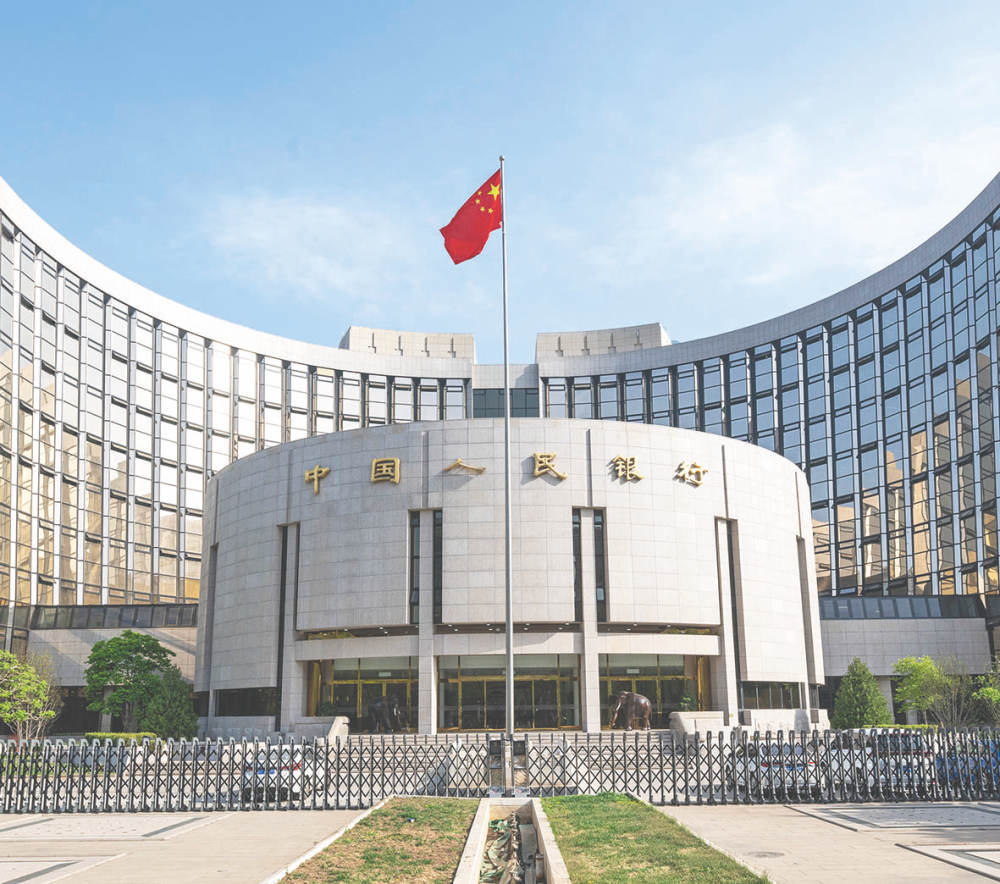
近日,俄罗斯银行(央行)董事会决定将关键利率下调100个基点,降至年化17%。当前俄罗斯经济继 续回归平衡增长轨道,消费者价格指数(CPI)增速有所放缓。俄罗斯银行表示,将继续维持货币条件 的必要紧缩程度。此次降息1个百分点,既是对市场降息呼声的回应,也体现出央行在货币政策方面的 保守与审慎态度。 俄罗斯银行行长纳比乌琳娜在新闻发布会上指出,自年初以来,通货膨胀已显著下降,外部需求和经济 活动也有所放缓。这为利率下调设定了一个总体方向。数据显示,俄罗斯的年通货膨胀率已连续第5个 月下降,8月CPI降至2024年4月以来的最低水平。但总体而言,价格增长仍远高于央行设定的4%目标。 俄罗斯央行实行的严格货币政策产生了较为显著的抗通胀效果。纳比乌琳娜表示,基础通胀指标近几个 月一直保持在4%至6%的区间内。央行实施的货币政策已促使基础通胀自年初以来显著下降,但仍需时 间以巩固通胀下降趋势。 俄罗斯总统普京在近日的经济问题会议上表示,通胀回落趋势已相当明显。7月份消费者价格指数同比 上升8.8%,8月份涨幅为8.1%。尽管当前通胀下降的幅度低于政府和俄罗斯央行的预测,但降低通胀的 努力正在取得成效。普京指出,维持适度 ...
现代经济研究院将今年韩国经济增长率预测值提高至1.0%
Shang Wu Bu Wang Zhan· 2025-09-26 16:20
据韩联社9月14日报道,现代经济研究院14日发表报告书,预测今年韩国经济增长率为1.0%,比四 月预测值提升0.3个百分点,预计明年的经济增长率为1.9%。研究院认为,今年下半年韩政府积极的财 政政策、经济心理恢复以及出口预期转好等将成为经济转换的动力。从趋势来看,预计韩国经济明年上 半年同比增长2.3%,下半年同比增长1.5%,将出现上高下低的趋势。 研究院预测,以明年政府预算案为基准,积极扩张的财政将对景气恢复产生积极影响。但有人担心 明年的货币政策可能会使财政政策效果减半。韩国央行比起核心经济变数"增长和物价"更重视次要变 数"房地产市场和家庭负债",因此有可能维持消极应对经济的政策基调。 研究院强调,2026年很可能成为韩国经济重新回归潜在增长水平的一年。为了抓住这次艰难创造的 经济恢复机会,需要运用与财政政策扩张基调相吻合的货币政策,还要扩大企业投资。 (原标题:现代经济研究院将今年韩国经济增长率预测值提高至1.0%) ...
央行不只是印钱!降息、当最后贷款人,都是它救经济的招
Sou Hu Cai Jing· 2025-09-26 06:54
Economic Situation - The local economy is experiencing a significant downturn, with businesses like tea shops seeing a drastic drop in sales and factories operating at reduced capacity [1] - There is a noticeable lack of consumer demand, leading to a halt in production and a rise in unemployment [4][6] Policy Responses - The central bank and finance ministry have opted for Keynesian policies to stimulate demand, emphasizing the need for government intervention to avoid prolonged high unemployment [6] - The central bank has implemented a 50 basis point interest rate cut, which has led to a positive market response, encouraging investments and consumer spending [11] Banking Sector Challenges - There is a concerning trend of increased bank deposits as residents choose to save rather than spend, which could lead to a vicious cycle of reduced consumption and further economic decline [7] - The banking sector is facing operational difficulties due to low loan demand, impacting their ability to generate profits [7] Monetary Tools - The central bank is utilizing various monetary tools, including interest rate cuts and open market operations, to inject liquidity into the economy and stabilize banking operations [12][14] - The reserve requirement ratio is highlighted as a critical tool for managing the money supply, with potential adjustments having significant implications for market liquidity [14] Long-term Strategies - The central bank is cautious about using unconventional tools like quantitative easing, recognizing the potential long-term risks associated with excessive liquidity [17] - It is acknowledged that while monetary policy can address immediate liquidity issues, fiscal policy is essential for directly boosting consumer demand and economic activity [20]