
宏观审慎管理体系

Search documents
潘功胜发表署名文章
财联社· 2025-12-03 23:35
Core Viewpoint - The article emphasizes the importance of constructing a scientific and robust monetary policy system and a comprehensive macro-prudential management system as strategic measures for promoting high-quality financial development and building a strong financial nation during the 14th Five-Year Plan period [3]. Group 1: Importance of Monetary Policy and Macro-Prudential Management - The dual goals of maintaining currency stability and financial stability are foundational for the central bank's macro-management tools, which are essential for supporting the construction of a financial powerhouse [4]. - The construction of these systems is a necessary requirement for accelerating the establishment of a high-level socialist market economy and addressing the imbalances in development [4]. - The need for a robust financial system has become more pressing as the economy transitions from high-speed growth to high-quality development, necessitating a shift from extensive expansion to intensive development [5]. Group 2: Building a Scientific and Robust Monetary Policy System - The monetary policy system aims to achieve a dynamic balance among currency stability, economic growth, full employment, and balance of payments [7]. - Key relationships to manage include the short-term versus long-term dynamics, the balance between growth and risk prevention, and the internal versus external economic relationships [8]. - Major tasks for constructing this system include optimizing the mechanism for basic currency issuance, enhancing market-oriented interest rate formation, and improving structural monetary policy tools [9][10]. Group 3: Comprehensive Macro-Prudential Management System - The macro-prudential management system aims to observe, assess, and respond to financial risks from a macro and counter-cyclical perspective, preventing systemic financial risks that could destabilize the macroeconomic environment [11]. - The system must cover the interconnections between macroeconomic operations and financial risks, focusing on key areas such as credit markets, capital markets, and real estate [12]. - Key tasks include strengthening the monitoring and assessment of systemic financial risks, implementing preventive measures in critical sectors, and enriching the policy toolbox for macro-prudential management [14][15].

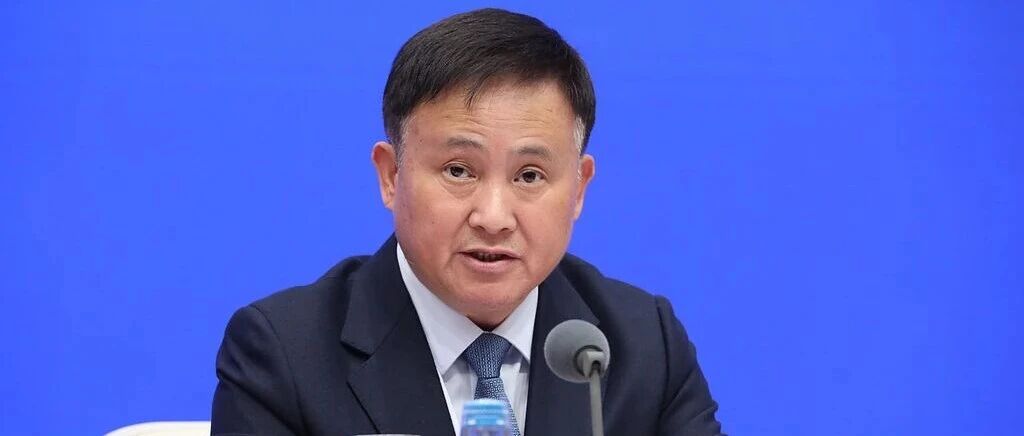
潘功胜:不断完善人民币汇率形成机制
Xin Lang Cai Jing· 2025-12-03 23:33
Core Viewpoint - The article emphasizes the need to continuously improve the RMB exchange rate formation mechanism, highlighting the importance of market forces in determining exchange rates and maintaining flexibility [1] Group 1: Monetary Policy - The People's Bank of China aims to create favorable conditions for the independent and effective implementation of monetary policy by enhancing the role of exchange rates as automatic stabilizers for the macroeconomy and international balance of payments [1] - The article advocates for a scientific and robust monetary policy system that aligns with the spirit of the 20th National Congress of the Communist Party of China [1] Group 2: Exchange Rate Management - The article stresses the importance of maintaining exchange rate flexibility and preventing excessive fluctuations to safeguard economic stability [1] - It calls for a bottom-line thinking approach and stronger expectation management to mitigate risks associated with exchange rate adjustments [1]
构建科学稳健的货币政策体系和覆盖全面的宏观审慎管理体系
Xin Lang Cai Jing· 2025-12-03 23:22
Group 1 - The core viewpoint emphasizes the construction of a scientific and robust monetary policy system and a comprehensive macro-prudential management system as strategic measures for promoting high-quality financial development and accelerating the establishment of a financial power during the 15th Five-Year Plan period [1][15] Group 2 - The importance of constructing a scientific and robust monetary policy system and a comprehensive macro-prudential management system is highlighted as essential for maintaining currency stability and financial stability, which are the dual goals of the central bank [2][16] - This construction is necessary for accelerating the establishment of a high-level socialist market economy and addressing issues of unbalanced and insufficient development [2][16] - It is also crucial for promoting high-quality financial development and transitioning from extensive to intensive growth in the financial sector [3][17] Group 3 - The monetary policy system and macro-prudential management system are identified as core components of the modern central banking system, which need to be complementary and supportive of each other [4][18] - The 2008 financial crisis underscored that price stability does not equate to financial stability, necessitating a robust macro-prudential management framework [4][18] Group 4 - The construction of a scientific and robust monetary policy system aims to achieve a dynamic balance among currency stability, economic growth, full employment, and balance of international payments [5][19] - Key relationships to manage include the short-term versus long-term dynamics, growth versus risk prevention, and internal versus external economic conditions [6][20] Group 5 - The main tasks for constructing a scientific and robust monetary policy system include optimizing the basic currency issuance mechanism, improving the market-oriented interest rate formation and transmission mechanism, and enhancing the structural monetary policy tool system [7][21] - Continuous improvement of the RMB exchange rate formation mechanism and ensuring effective transmission of monetary policy are also emphasized [8][22] Group 6 - The comprehensive macro-prudential management system aims to prevent and mitigate systemic financial risks, observing and responding to financial risks from a macro and counter-cyclical perspective [9][23] - The system should cover the interconnections between macroeconomic operations and financial risks, as well as key areas in financial markets and activities [10][24] Group 7 - The tasks for building a comprehensive macro-prudential management system include strengthening the monitoring and assessment of systemic financial risks, implementing risk prevention measures in key areas, and enriching the policy toolbox for macro-prudential management [11][26] - Establishing a financial stability guarantee system and enhancing financial security capabilities in line with the level of openness are also critical [13][28]
潘功胜人民日报撰文:构建科学稳健的货币政策体系和覆盖全面的宏观审慎管理体系
Hua Er Jie Jian Wen· 2025-12-03 23:03
Group 1 - The article emphasizes the importance of accurately understanding the connotations and requirements of a scientifically sound monetary policy [1] - It highlights the need to grasp the strength, timing, and rhythm of monetary policy, focusing on cross-cycle and counter-cyclical adjustments [1] - The article stresses the alignment of monetary conditions with the support for potential economic growth and basic price stability [1] Group 2 - It calls for enhancing the adaptability and precision of financial support for economic structural adjustments and high-quality development [1]
张一:建议在需求端推出更多结构性货币政策
和讯· 2025-11-19 09:07
Economic Challenges - China's economy is facing challenges of insufficient total demand and increasing downward pressure on prices [2] - The "14th Five-Year Plan" emphasizes expanding domestic demand, with a target for household consumption to increase from 39.9% of GDP in 2024 to 43%-45% by 2030, but current consumption recovery remains weak [2] Inflation and Price Trends - In October 2025, the CPI rose by 0.2% year-on-year, compared to a decrease of 0.3% the previous month, with a cumulative year-on-year decline of 0.1% from January to October [2] - The PPI fell by 2.1% year-on-year in October, down from a decline of 2.3% the previous month, with a cumulative year-on-year decline of 2.7% from January to October [2] Investment Structure - Investment remains heavily focused on traditional infrastructure and real estate, while investment in manufacturing and new productive forces is growing but requires time to form systemic support [2] - Fiscal policy is supporting local investment through a 500 billion yuan limit, but a shift from "investment in objects" to "investment in people" requires institutional breakthroughs [2] Policy Recommendations - To boost consumption over the next five years, macroeconomic policy should focus on collaboration between fiscal and monetary policies [2] - Structural monetary policies should be introduced to address the weak credit demand despite ample liquidity [3][4] Financial Sector Insights - The current 7-day reverse repo rate is at 1.4%, indicating room for interest rate cuts, with total monetary policy not yet exhausted [3][4] - The focus of financial work in the next five years will be on deepening supply-side structural reforms in finance and improving the monetary policy transmission mechanism [4] Risk Management - Addressing risks such as real estate downturns, local debt defaults, and failures of small financial institutions is crucial for maintaining economic growth [3][9] - The current economic contradiction of "ample liquidity but weak credit demand" stems from insufficient total demand rather than issues with the monetary policy transmission mechanism [14] Future Outlook - The interest rate corridor is expected to narrow to around 50 basis points, with the ten-year government bond yield fluctuating around 1.7% in the short term [4][18] - The focus of fiscal policy should be on expanding investment to stabilize income expectations and enhance potential growth capacity [20]

金融行业周报:货币政策执行报告发布,三部门宣讲四中全会精神-20251117
Ping An Securities· 2025-11-17 10:25
Investment Rating - The industry investment rating is "Outperform" with an expectation that the industry index will perform better than the CSI 300 index by more than 5% within the next six months [44]. Core Insights - The People's Bank of China (PBOC) has emphasized a balanced approach in monetary policy, focusing on short-term and long-term growth, risk prevention, and the health of the banking system while maintaining a moderately loose monetary policy to support economic recovery and structural transformation [2][10]. - The financial statistics report for October indicates a decline in new RMB loans by 280 billion yuan year-on-year, with a total of 220 billion yuan added in October 2025, reflecting a shift in credit structure and a natural decrease in financial growth rates as the economy transitions to high-quality development [14][17]. - The recent meetings by the PBOC, the China Securities Regulatory Commission (CSRC), and the National Financial Regulatory Administration highlighted the commitment to enhancing financial stability, risk prevention, and supporting high-quality economic development [3][19]. Summary by Sections Monetary Policy Execution Report - The PBOC's third-quarter monetary policy execution report indicates a GDP growth of 5.2% year-on-year, with a focus on maintaining liquidity and optimizing credit structure to support key sectors and strategic transformations [11][12]. - The report outlines measures to lower the comprehensive financing costs and maintain a stable exchange rate while ensuring the effectiveness of monetary policy tools [12][17]. Financial Statistics Report - The October financial statistics report shows a total social financing increment of 0.82 trillion yuan, with a year-on-year growth rate of 8.5%, indicating a robust financial environment despite a decrease in new loans [14][15]. - The report also notes that M2 growth was at 8.2%, reflecting a slight decrease from the previous month, while the overall financial volume remains reasonable [17]. Market Performance - The banking, securities, insurance, and fintech indices experienced changes of +1.70%, -1.01%, +2.63%, and -2.11% respectively, with the banking sector showing resilience amid market fluctuations [21]. - The average daily trading volume for stock funds was reported at 24,965 billion yuan, indicating a slight decrease from the previous week [32][36]. Regulatory Developments - The PBOC and other financial regulatory bodies are focused on enhancing the central bank system, improving monetary policy frameworks, and ensuring effective risk management to support the financial sector's stability and growth [19][20].
央行三季度货币政策报告7大信号:专栏的信息量大
GOLDEN SUN SECURITIES· 2025-11-12 12:13
Monetary Policy Insights - The central bank maintains a stance of "appropriate monetary easing" and emphasizes the need for consistency in macro policies[1] - The report highlights the importance of "counter-cyclical and cross-cyclical adjustments" in monetary policy[5] - The weighted average interest rate for new loans in September was 3.24%, down 0.05 percentage points from June, with corporate loans at 3.14% and personal housing loans unchanged at 3.06%[6] Global Economic Concerns - The central bank expresses ongoing concerns about global economic growth, citing insufficient momentum and the impact of tariff policies on certain economies[2] - Geopolitical conflicts are identified as potential risks to economic and financial stability[2] - The report indicates a decrease in concerns regarding global inflation, with a noted divergence in inflation trends among major economies[4] Domestic Economic Outlook - The central bank is optimistic about domestic economic performance, citing strong production supply, released consumption potential, and proactive macro policies as key support factors[3] - The report stresses the need for a development model driven by domestic demand and consumption[3] - The central bank acknowledges the complex and uncertain environment for domestic development, urging confidence and strategic focus[3]
综合运用多种工具 保持社融相对宽松
Zhong Guo Zheng Quan Bao· 2025-11-11 20:09
Monetary Policy Implementation - The People's Bank of China emphasizes the need for a moderately accommodative monetary policy to maintain relatively loose social financing conditions [1][2] - The report highlights the importance of balancing short-term and long-term goals, supporting economic growth while managing risks, and ensuring internal and external equilibrium [1][2] Financial Environment and Tools - The report calls for the use of various monetary policy tools to ensure ample liquidity and to guide banks in maintaining stable credit support [2][3] - It stresses the need for a scientific approach to financial total indicators, shifting focus from loans to social financing scale due to changes in financing structure and economic transformation [2][3] Interest Rate and Market Mechanisms - The report advocates for deepening interest rate marketization reforms to enhance the transmission channels of monetary policy [2][3] - It emphasizes the importance of maintaining reasonable interest rate relationships to improve the effectiveness of monetary policy and reduce arbitrage opportunities [3] Structural Monetary Policy Tools - As of September, the balance of structural monetary policy tools supporting key areas was 3.9 trillion yuan, with loan growth in related sectors exceeding 10% [4] - The report highlights the rapid growth of loans in the pension industry, approaching 60%, indicating a diverse range of covered subjects [4] Financial Risk Management - The report outlines the need for a comprehensive macro-prudential management system and mechanisms for systemic financial risk prevention and resolution [4][5] - It calls for enhancing the macro-prudential management of systemically important financial institutions and expanding the coverage of additional regulatory measures to non-bank sectors [5]
央行:实施好适度宽松的货币政策 保持社会融资条件相对宽松
Sou Hu Cai Jing· 2025-11-11 09:42
Core Viewpoint - The People's Bank of China emphasizes the implementation of a stable yet progressive monetary policy, aiming to balance economic growth with risk prevention while enhancing the financial system's robustness and openness [1] Group 1: Monetary Policy Strategy - The central bank will maintain a reasonable growth of financial aggregates and implement a moderately loose monetary policy to ensure social financing conditions remain relatively relaxed [2] - The focus will be on using various monetary policy tools to maintain ample liquidity and align the growth of social financing and money supply with economic growth and price level expectations [2] Group 2: Financial Support and Development - The central bank aims to enhance the guiding role of monetary and credit policies by promoting technology finance, green finance, inclusive finance, and digital finance, supporting key national strategies and sectors [3] - There will be a focus on improving financial support mechanisms for small and micro enterprises, enhancing credit systems, and promoting consumption through financial measures [3] Group 3: Interest and Exchange Rate Management - The central bank will deepen interest rate marketization reforms and improve the transmission channels of monetary policy, ensuring that market-driven interest rates reflect true lending costs [4] - A managed floating exchange rate system will be maintained, with measures to stabilize the RMB exchange rate and enhance the resilience of the foreign exchange market [4] Group 4: Financial Market Development and Openness - The development of a multi-tiered bond market will be accelerated, with a focus on supporting private technology enterprises and enhancing the legal framework for bond issuance [5] - The central bank will promote the internationalization of the RMB and expand its use in cross-border trade and investment [5] Group 5: Risk Prevention and Management - A comprehensive macro-prudential management system will be established to monitor and mitigate systemic financial risks, with an emphasis on enhancing the oversight of systemically important financial institutions [6] - The central bank will explore innovative financial tools and strengthen cross-border regulatory cooperation to maintain market stability [6]
完善中央银行制度 “双支柱”调控护航经济行稳致远
Zhong Guo Zheng Quan Bao· 2025-11-06 20:15
Core Viewpoint - The "14th Five-Year Plan" emphasizes the need to improve the central bank system, establish a robust monetary policy framework, and enhance macro-prudential management to support high-quality economic development [1][7]. Monetary Policy Framework - The People's Bank of China (PBOC) aims to create a scientific and robust monetary policy system to achieve a balance among price stability, economic growth, full employment, and international balance of payments [1][2]. - The PBOC will focus on optimizing the mechanism for basic currency issuance and monetary supply control, ensuring reasonable growth in total financial volume [2][3]. - The PBOC will avoid excessive liquidity injection and will utilize tools like reverse repos and Medium-term Lending Facility (MLF) to maintain liquidity based on economic conditions [2][3]. Macro-Prudential Management - A comprehensive macro-prudential management system is essential for preventing systemic financial risks and maintaining financial stability [4][5]. - The PBOC will enhance monitoring and assessment of systemic financial risks, improve risk prevention measures for key institutions and sectors, and expand the macro-prudential management toolbox [4][5]. - The management system will also include a focus on cross-market and cross-institutional risk monitoring and regulation of shadow banking [5]. Monetary Policy Transmission Mechanism - Improving the transmission mechanism of monetary policy is crucial for enhancing financial services to the real economy [6]. - The PBOC will promote interest rate marketization, strengthen the guiding role of policy rates, and optimize the transmission paths from financial institutions to the real economy [6]. - Transparency in monetary policy and effective communication of policy intentions will be key to ensuring market understanding and enhancing the effectiveness of policy implementation [6]. Future Outlook - The "14th Five-Year Plan" provides clear direction for the central bank's priorities over the next five years, with expectations for a stable monetary and financial environment to support high-quality economic development [7].