
绿色转型

Search documents
首批国家级零碳园区名单公布,建成后预计产值3.54万亿元
Xin Lang Cai Jing· 2025-12-27 03:17
Core Insights - The National Development and Reform Commission (NDRC) has released the first batch of national-level zero-carbon park construction lists, including 52 parks, achieving full coverage across 31 provinces and regions, as well as the Xinjiang Production and Construction Corps [1] Group 1: Zero-Carbon Parks Overview - Zero-carbon parks are critical for China's economic activities, energy consumption, and carbon emissions, serving as a breakthrough for green transformation and low-carbon development [2][4] - Existing national and provincial parks exceed 3,000, hosting over 80% of industrial enterprises, consuming about 60% of national energy, and accounting for over 30% of direct carbon emissions [2] Group 2: Expected Outcomes and Industry Focus - The 52 selected parks primarily focus on low-energy, low-pollution, and high-value-added industries, including new energy equipment manufacturing and advanced equipment manufacturing, with an expected output value of 3.54 trillion yuan [5][13] - Upon completion, these parks are projected to have a combined annual energy consumption exceeding 60 million tons of standard coal and carbon emissions below 15 million tons [13] Group 3: Innovation and Development - The construction of zero-carbon parks is seen as a testing ground for accelerating the establishment of a new energy system, enhancing the local consumption of renewable energy [13][16] - Emphasis is placed on technological innovation, institutional innovation, and business model innovation to achieve carbon reduction while also lowering costs and increasing efficiency [16]

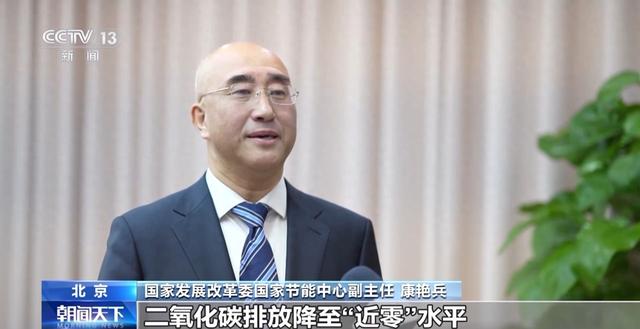
52项标准赋能轻工业以旧换新与绿色转型
Xin Jing Bao· 2025-12-26 12:43
Core Insights - The light industry in China has completed the revision of 52 key recommended national standards, promoting the industry's transformation towards greening, intelligence, and circularity, thereby supporting consumption upgrades and high-quality industrial development [1][2] Group 1: Industry Performance - From January to October, the light industry achieved operating revenue of 19 trillion yuan and profits of 1.14 trillion yuan, accounting for 13% of national industrial assets and contributing nearly 20% of national industrial profits, demonstrating strong development resilience [1] - The implementation of the 52 light industry standards aligns with industry upgrades and consumer demands, with 38 standards related to the "old-for-new" policy for home appliances [1] Group 2: Standards and Impact - The "old-for-new" policy has led to the replacement of over 128 million home appliances, generating sales exceeding 2.5 trillion yuan [1] - Nine standards related to recycling have been established, clarifying the recycling process for household appliances and enhancing the recycling rate of old appliances, with approximately 86 million units processed in the first ten months of the year [2] - Five low-carbon transition standards have been introduced, helping companies identify high-carbon segments and optimize emission reduction paths, with an example from Jingdezhen showing potential annual CO2 reductions of about 84,000 tons through upgrades [2]
舍得酒业绿色转型加速,“魏家营废水处理中心”投运进入倒计时
Bei Ke Cai Jing· 2025-12-26 11:36
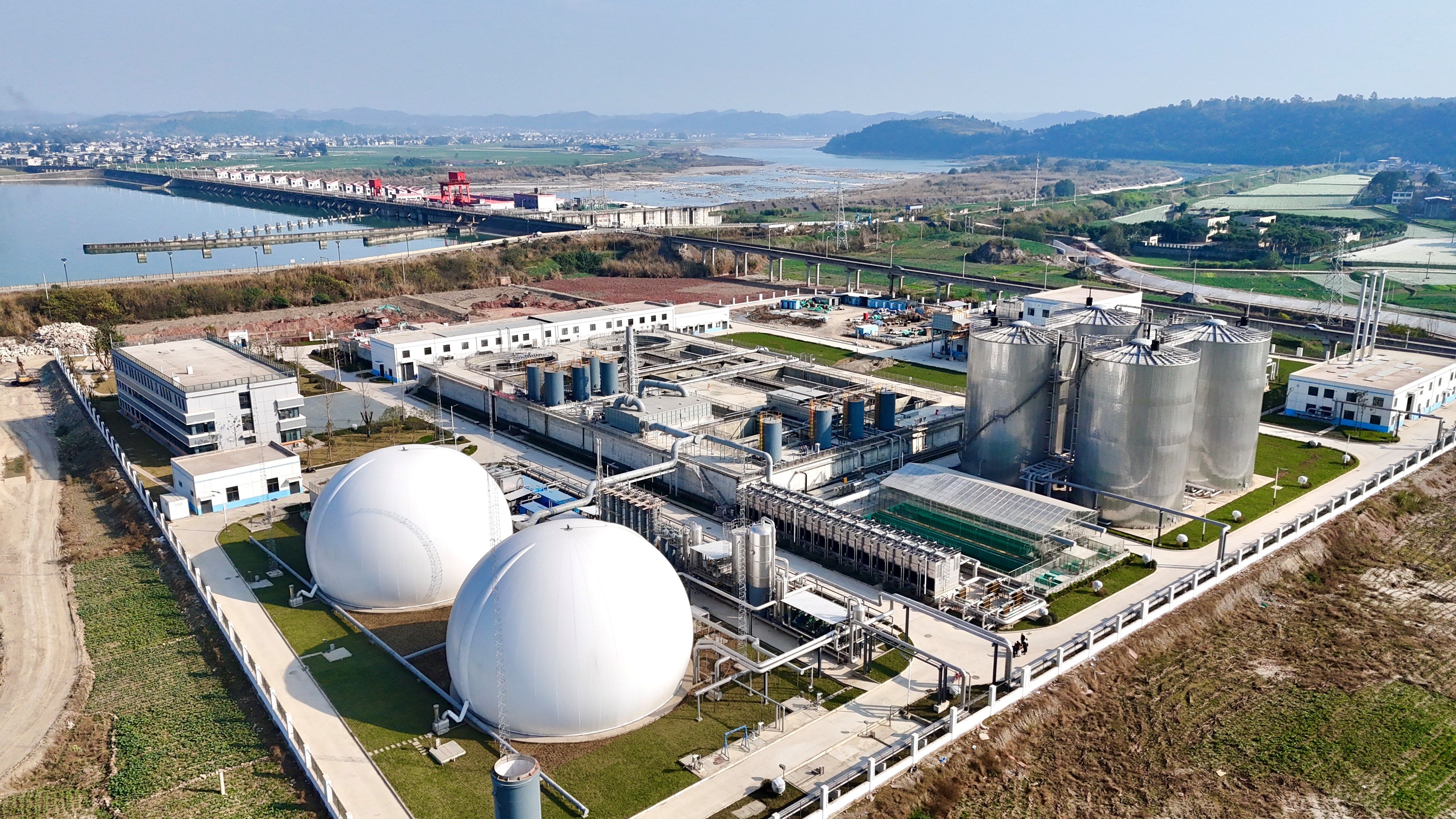
Core Viewpoint - The article emphasizes the commitment of Shede Distillery to green development as a key aspect of China's modernization, highlighting its efforts in ecological brewing and sustainable practices to promote regional economic growth and environmental protection [1]. Group 1: Environmental Initiatives - Shede Distillery is accelerating the construction of the Weijia Ying Wastewater Treatment Center, with a total investment of approximately 390 million yuan, expected to be operational by January next year, capable of treating 12,000 tons of wastewater daily, and up to 18,000 tons in the long term [2]. - The Weijia Ying Wastewater Treatment Center is a core supporting project for Shede Distillery's production expansion, benefiting from comprehensive policy support from local governments [4]. - The design of the wastewater treatment center saves 6,500 square meters of land and achieves energy cascading utilization, making the project a low-carbon model [5]. Group 2: Technological Advancements - The center features an AI control system that significantly enhances the precision of chemical dosing in wastewater treatment, improving response speed by 300 times compared to traditional methods [5]. - The project includes a biogas purification system that can convert methane generated during wastewater treatment into bio-natural gas, with an annual utilization capacity of approximately 10 million cubic meters, reducing carbon dioxide emissions by 19,500 tons [6]. Group 3: Resource Utilization and Circular Economy - The project addresses sludge disposal challenges through low-temperature belt drying technology, controlling sludge moisture content below 30%, thus facilitating resource reuse [8]. - The Weijia Ying Wastewater Treatment Center will not only handle Shede Distillery's wastewater but also accept wastewater from other enterprises in the park, contributing to regional ecological protection [9]. Group 4: Industry Impact and Recognition - The project aligns with China's dual carbon goals and represents a significant step in the green transformation of the liquor industry, showcasing Shede Distillery's leadership in sustainable development [10]. - The project has been approved by the World Bank as part of China's renewable energy promotion project, indicating international recognition of Shede Distillery's ESG practices [11]. - The establishment of this "environmental fortress" supports Shede Distillery's long-term strategy and enhances local ecological protection and cultural tourism development [12].

和音:从吸引外资结构变化看中国高质量发展
Ren Min Ri Bao· 2025-12-26 09:40
Group 1 - The core viewpoint is that China is becoming a crucial hub for global investment, with foreign companies viewing success in the Chinese market as essential for global competitiveness [1] - In November, China's actual foreign investment usage increased by 26.1% year-on-year, with 61,207 new foreign-invested enterprises established in the first 11 months, marking a 16.9% increase [1] - By mid-2023, China had achieved a cumulative actual foreign investment of $708.73 billion during the "14th Five-Year Plan" period, surpassing the $700 billion target six months ahead of schedule [1] Group 2 - There is a noticeable trend of foreign capital flowing into industries that represent China's economic transformation, with high-tech industries attracting 221.26 billion RMB in actual foreign investment, significantly contributing to the total [2] - Specific sectors such as e-commerce services, medical equipment manufacturing, and aerospace manufacturing saw foreign investment growth rates of 127%, 46.5%, and 41.9% respectively [2] - Foreign companies are increasingly recognizing opportunities in China, with significant investments in artificial intelligence, renewable energy, biomedicine, and green transformation [2] Group 3 - The attractiveness of foreign investment in China is rooted in its innovative ecosystem, complete industrial system, and rich application scenarios, leading to an increase in regional headquarters and global R&D centers established by multinational companies [3] - From 2013 to 2023, R&D expenditures by multinational companies in China grew by 86.5%, reflecting a shift from technology transfer to joint R&D and co-building industrial ecosystems [3] - The "14th Five-Year Plan" aims to create new advantages for attracting foreign investment, with ongoing policy benefits and an improved business environment expected to provide broader opportunities for foreign enterprises [3]
西藏:清洁能源燃起高原暖冬
Yang Guang Wang· 2025-12-26 08:36
Group 1 - The core viewpoint of the articles emphasizes the acceleration of economic and social development through a comprehensive green transformation in Tibet, leveraging local resources for clean heating projects to enhance the quality of life for residents [1][2][3] Group 2 - Tibet has established seven pilot projects for clean energy heating, including a significant geothermal heating project in Naqu City, which covers approximately 1.45 million square meters and is expected to reduce carbon dioxide emissions by nearly 300,000 tons annually [1][2] - The implementation of clean heating has been supported by substantial funding, with 4.105 billion yuan from the central budget and 3.775 billion yuan from social capital, benefiting over 900,000 residents across various cities and towns [3] - The goal is to achieve full coverage of heating and oxygen supply facilities in towns above 3,000 meters and in pastoral areas above 4,500 meters, marking a significant step towards a clean and low-carbon energy system in high-altitude regions [3]
田智宇:零碳园区要瞄准打造“绿色转型高地”丨美丽中国·零碳洞察
中国能源报· 2025-12-26 07:55
国家发改委能源研究所能源可持续发展研究中心主任田智宇表示,零碳园区建设要依托 可行的技术方案、可落地的工程项目,结合绿电直供等创新举措,实现零碳园区建设的 系统效益最大化,瞄准打造"绿色转型高地"目标。 1 2月26日,首批国家级零碳园区建设名单重磅出炉,优中选优纳入52个园区。在国家发 改委能源研究所能源可持续发展研究中心主任田智宇看来,园区是实现我国"双碳"目标的 重点和难点,在节能降碳、可再生能源、储能等技术持续进步、产业不断壮大的积极态势 下,园区迎来深度降碳的有利时机。从国内园区的普遍实践看,不少园区在强化节能降 碳、谋划零碳发展等方面具备良好条件和基础。"十五五"时期"建成100个左右国家级零 碳园区"目标可期。 田智宇在接受《中国能源报》记者采访时特别指出,零碳园区建设不能"好高骛远",而是 要依托可行的技术方案、可落地的工程项目,结合绿电直供等创新举措,实现零碳园区建 设的系统效益最大化,瞄准打造"绿色转型高地"目标,而非形成"政策洼地"。 园区深度降碳已具备有利条件 中国能源报: 首批建设名单的出炉是否达到预期效果?从本次申报情况看,我国目前零 碳园区建设基础如何? 田智宇: 园区能源消耗和 ...
调整2035“燃油车禁售令” 欧盟减碳进程受产业现实阻滞
Jing Ji Ri Bao· 2025-12-26 03:22
Core Viewpoint - The European Commission has adjusted its "Automotive Industry Package," changing the 2035 ban on combustion engine vehicles to a target of 90% reduction in carbon emissions compared to 2021 levels, allowing for the continued sale of certain non-pure electric vehicle models in the EU market, marking a significant revision of the EU's green transportation transition plan [1] Group 1: Policy Adjustments - The new proposal allows for the sale of various traditional powertrain technologies, including plug-in hybrid vehicles, range-extended electric vehicles, mild hybrid vehicles, and internal combustion engine vehicles that meet specific low-carbon fuel standards [1] - A more flexible transitional reduction target is set for 2030 to 2032, aiming to balance emission reductions with industry sustainability [1] Group 2: Economic Impact - The automotive industry contributes 7% to the EU's GDP and provides nearly 14 million jobs, highlighting its significance to the EU economy [2] - The adjustments are seen as a way to enhance the competitiveness of the automotive sector and create demand for cleaner commercial vehicles, thereby strengthening the EU's manufacturing and supply chains [2] Group 3: Industry Reactions - Some major European automakers support the proposal, viewing the relaxation of a single technology route as beneficial for addressing market pressures, with companies like Volkswagen and BMW acknowledging the feasibility of internal combustion technology in the near future [3] - Conversely, some manufacturers, such as Volvo, criticize the reversal of any bans as a betrayal, arguing it undermines confidence in future regulations [3] Group 4: Environmental Concerns - Environmental groups criticize the adjustment as a retreat from the EU's leadership in climate policy, arguing that the 90% reduction target undermines the push for electric vehicle adoption and could slow down emission reduction efforts [4] - The proposal has sparked mixed reactions among EU member states, with countries like Germany and Italy welcoming it, while Spain opposes it due to its ongoing transition to electric vehicles [4] Group 5: Future Considerations - The plan must undergo review by the EU Council and European Parliament before becoming law, a process expected to take months and likely to involve further discussions and revisions on details such as compensation mechanisms and market regulation [5] - The adjustments reflect a policy balancing act between climate goals and industrial realities, highlighting the tension between long-term policy commitments and immediate industry pressures [5]
长江有色:汇率东风引热钱金属配置逻辑生变 26日锡价或涨跌不大
Xin Lang Cai Jing· 2025-12-26 02:36
Group 1 - The core viewpoint is that the tin market is experiencing unprecedented structural forces, driven by supply constraints from key producing regions and a demand revolution fueled by AI, renewable energy, and photovoltaic applications [2] - Supply growth is facing rigid bottlenecks due to policy, geopolitical issues, and resource depletion in major production areas like Myanmar, Indonesia, and the Democratic Republic of Congo, exposing the fragility of the traditional supply system [2] - A fundamental rebalancing of supply and demand is pushing industry profits and market focus towards companies with resource and high-end manufacturing capabilities, such as China's Xiyu Co., Indonesia's PT Timah, and Huaxin Nonferrous [2] Group 2 - Tin has transitioned from a common industrial metal to a key strategic material essential for the global digital economy and green transition, with short-term prices expected to fluctuate between 330,000 and 340,000 yuan/ton [3] - The market is entering a new phase where pricing is determined by both resource scarcity and technological demand, reflecting the ongoing tension between long-term supply anxiety and emerging demand realities [3] - Multiple favorable factors are resonating in the context of macro liquidity turning accommodative and a weakening dollar, contributing to sustained high price levels for tin [2]


险资的2025年: 在支持科创、服务民生中展现“耐心”
Jin Rong Shi Bao· 2025-12-26 02:01
Group 1 - The year 2025 is identified as a critical year for enhancing the quality and efficiency of financial services to the real economy, with insurance funds playing a significant role due to their large scale, long duration, and strong stability [1] - Insurance funds are increasingly aligning with national strategic needs, focusing on key areas such as technological innovation, social welfare, and green transformation, thereby injecting lasting momentum into high-quality economic development [1][10] - By the end of Q3 2025, the equity investment scale of life and property insurance companies reached 5.59 trillion yuan, an increase of 1.49 trillion yuan or 36.18% from the beginning of the year, highlighting the active role of insurance funds in the capital market [2][3] Group 2 - A series of supportive policies have been implemented to facilitate the entry of insurance funds into the market, including measures to remove barriers and enhance investment channels [3] - The regulatory authorities have raised the investment ratio limit for equity assets, allowing insurance funds to expand their allocation in the equity market [3] - Insurance funds have been actively participating in long-term investment reforms, with a total approved funding scale of 222 billion yuan for pilot projects aimed at supporting the real economy and technological innovation [3] Group 3 - Insurance funds have been particularly active in equity stakes, with 37 instances recorded this year, involving 14 insurance companies, primarily in sectors like renewable energy and high-end manufacturing [4] - The diversification of investment methods includes increased allocations to public REITs, various industry funds, and long-term equity investment funds, enhancing the stability of the capital market and supporting the real economy [4] Group 4 - Insurance funds are increasingly directed towards technological innovation, with significant investments in the entire chain of technology development, providing stable financial support for key technological breakthroughs and emerging industries [6][7] - By the end of 2024, the insurance industry had invested 680 billion yuan in strategic emerging industries, reflecting a 17% year-on-year increase, and supported self-reliance in technology with 880 billion yuan, a 107% increase [7] Group 5 - In the realm of social welfare, insurance funds are focusing on addressing urgent public needs, particularly in the elderly care sector, by investing in high-quality elderly care projects across multiple cities [8][9] - Major insurance companies are actively developing integrated elderly care communities, combining living, medical, rehabilitation, and entertainment services to enhance the quality of life for the elderly [8] Group 6 - Insurance funds are also involved in green transformation and energy security projects, demonstrating their commitment to long-term capital investment in key sectors [10]
南方电网经营区域1~11月用电量同比增长5.4%
Zhong Guo Dian Li Bao· 2025-12-26 01:56
Core Insights - Southern Power Grid's total electricity consumption reached 16,496 billion kWh from January to November, marking a 5.4% year-on-year increase, indicating stable growth [1] - In November, total electricity consumption was 1,447 billion kWh, with significant increases in the tertiary industry and urban residents' electricity usage, growing by 6.7% and 8.8% respectively [1] Group 1: Industry Performance - In November, electricity consumption in the instrument manufacturing and specialized equipment manufacturing sectors exceeded an 8% increase, while the automotive manufacturing sector saw a 4.4% growth [1] - Guangdong's high-tech and equipment manufacturing industries experienced a 5.1% year-on-year increase in electricity consumption, with the automotive manufacturing sector's consumption growth reaching 13.7% [1] - Shenzhen's electric vehicle manufacturing sector reported a remarkable 76.8% year-on-year increase in electricity consumption [1] Group 2: Green Transition - The demand for green transformation among enterprises is accelerating, with the establishment of the first green electricity certificate service center in western China, connecting with 1,212 companies' green energy needs [1] - Guangxi Guanglan Cable Co., Ltd. is expected to reduce energy costs by nearly 5% annually through optimized production schedules and participation in green electricity trading, enhancing its competitiveness [1] - The electric vehicle charging and swapping service sector saw a 49.1% year-on-year increase in electricity consumption, with Shenzhen's growth rate reaching 55.8%, reflecting the rapid adoption of electric vehicles [1] Group 3: Consumer Sector - The logistics sector's electricity demand increased due to consumption peaks during events like "Double Eleven," with year-on-year growth in railway transportation (5.1%), air transportation (6.6%), and loading and unloading/storage (4.5%) [2] - In Dongguan, a key logistics hub, the road transportation sector's electricity consumption grew by 12.3% in November, supported by the presence of major e-commerce logistics companies [2] - The daily package processing volume in Dongguan surpassed 3.35 million, with express delivery volume increasing by approximately 11% compared to previous years [2]