资产配置

Search documents
渣打中国王昕杰:个人投资者可在资产组合中配置5%左右的黄金
2 1 Shi Ji Jing Ji Bao Dao· 2026-02-18 00:09
(文章来源:21世纪经济报道) 渣打中国财富方案部首席投资策略师王昕杰在接受南方财经全媒体记者采访时表示:"我们仍然超配黄 金的资产。对个人投资者来讲的话,我们当前的配置大概是5%-6%是黄金。黄金上涨到一定程度之后会 有个尽头,但是目前来看,在央行没有太好的其他避险资产的选择上来讲,黄金大体上仍然是央行会去 选择作为美元资产分散的标的,我们仍然认为黄金其实还有进一步上涨的动能。所以我们觉得价格上涨 本身是我们愿意更长期持有黄金的因素之一。如果从投资组合的角度上看,黄金它可以对抗风险事件来 临的风险,可以去对冲你投资权益类的资产、债券类的资产价格出现波动的情况,黄金有反向的作 用。" ...
全球秩序重构下的“慢牛”与配置主线 | 策马点金
Qi Huo Ri Bao· 2026-02-17 23:45
Core Viewpoint - The global financial market is at a critical juncture, with the long-term debt cycle under pressure and a restructuring of global order and reserve assets expected to influence market trends in 2026 [1][2]. Macro Context - The current global economy is at the tail end of a long-term debt cycle, with government debt as a percentage of GDP at historically high levels and diminishing marginal effects of traditional monetary policy [2][3]. - The international monetary system dominated by the US dollar faces challenges, with international trade shifting from globalization to regionalization and increased protectionism of key technologies and resources [2]. Commodity Market Outlook - The downward pressure on the commodity market is expected to ease, with prices gradually rising, although sector differentiation will continue [2][4]. - Gold is anticipated to maintain a strong oscillating pattern due to ongoing diversified purchases by central banks and geopolitical uncertainties [4]. - Copper and aluminum are seen as leading indicators of structural market trends, driven by demand from infrastructure upgrades related to electric grids and new energy vehicles [4]. - The oversupply pressure in the oil market is gradually being digested, with OPEC's production increase slowing down, which may push oil prices higher [4]. Agricultural Products - Agricultural prices are likely to continue a pattern of oscillation, with current prices at low levels and cost support gradually emerging [5]. A-Share Market - The A-share market is expected to exhibit a "low volatility, slow bull" characteristic in 2026, with opportunities arising from three main lines: upstream resource companies benefiting from fiscal expansion, companies achieving breakthroughs in key technologies, and undervalued defensive sectors [6][8]. Investment Strategy - The asset allocation strategy for 2026 should focus on flexibility and structure, moving from traditional balanced approaches to more aggressive strategies [10]. - Long-term opportunities in the commodity market, particularly in gold, copper, and aluminum, are highlighted as core investment options [10]. Differentiated Investment Strategies - Conservative investors should focus on high-grade bonds, deposits, and money market funds, with limited exposure to equities and commodities [12]. - Moderate investors are advised to balance their portfolios with a tilt towards equities, while aggressive investors should increase their allocations to stocks and commodities [12].


全球秩序重构下的“慢牛”与配置主线
Qi Huo Ri Bao· 2026-02-17 23:41
编者按 辞蛇岁,迎马年。在2026年新春佳节之际,期货日报邀请各大机构研究大咖及相关专家,盘点当前大类资产市场态势,掘金新一年核心配置机会与优质投 资赛道。 2026年,全球金融市场站在新旧周期交替的关键路口——长期债务周期尾部承压,全球秩序与储备资产重构,政策转向发力。多重变量交织下,投资者该 如何布局? 近日,期货日报记者就马年宏观格局、各类资产走势及差异化配置策略采访了平安期货研究所所长李晨阳,为投资者拆解周期密码、布局方向。 宏观底色:债务尾部与秩序重构 理解马年资产配置,必须先看清当下市场所处的周期位置。李晨阳表示,当前全球处于长期债务周期尾部,政府债务占GDP的比重普遍处于历史高位,传 统货币政策边际效应递减。与此同时,美元主导的国际货币体系正面临多元挑战,国际贸易从全球化走向区域化,关键技术和资源品保护加剧。 "全球秩序与储备资产的重构将是马年金融市场走势的关键背景。"他说。 李晨阳表示,2026年欧美央行仍处于降息周期,且通胀尚未形成明显的上行压力。经济有韧性,货币与财政政策相对友好,这种组合对权益市场和大宗商 品市场形成支撑。 大宗商品市场:下行压力缓解,价格重心或逐步上移 在李晨阳看来,马 ...

每日钉一下(如何做好管理,让投资不变形?)
银行螺丝钉· 2026-02-17 13:01
文 | 银行螺丝钉 (转载请注明出处) 基金定投是非常适合懒人的投资方式,但是如何才能聪明地做好基金定投? 定投前要准备什么?如何制定好定投计划? 4种定投方法,哪个更适合你?如何止盈? 这里有一门限时免费的福利课程,能帮助你搞清楚这些问题。 想要获取这门课程,可以扫下方二维码添加 @课程小助手 ,回复「 基金定投 」领取哦~ 更有课程笔记、思维导图,帮您快速搞懂课程脉络,学习更高效。 螺丝钉之前也写过相应的资产配置文章, 大家在公众号底部对话框里回复「资产配 置」就有介绍。 比如说,用「100-年龄」,来分配股票、 债券类资产。 假如年龄是40岁,可以配置60%到股票类 资产,40%到债券类资产。 如何之能做好意会示要? 一长按添加@课程小助手,回复「基金定投」 免费领取《基金定投指南》课程 更有课程笔记、思维导图 帮你学会如何制定好一个基金定投计划 und #螺丝钉小知识 银行螺丝钉 如何做好管理,让投资不变形? 对个人投资者来说,是有一些好的技巧。 其中最好用的一个技巧,就是在做投资之 前,把自己投资的方案,列在纸面上。 个好的投资方案,包括: · 如何分配存量资金、增量资金; ·什么情况下买入; ·什 ...

邀请函|国泰海通非银&银行&地产3月专题论坛
国泰海通证券研究· 2026-02-16 23:56
Group 1 - The forum discusses the new trends in the REITs market expected by 2026, highlighting the importance of real estate investment [5][6] - There is a focus on the development and business opportunities of digital RMB, indicating a shift in financial transactions and investments [5] - The outlook for interest rates and investment trends for 2026 is presented, emphasizing the need for strategic asset allocation from institutions to individual investors [6] Group 2 - The banking sector's operational outlook for 2026 is analyzed, with insights into financial market business prospects [6] - The forum includes discussions on the high-quality development of the real estate sector during the 15th Five-Year Plan, indicating a strategic focus on sustainable growth [6] - The event is organized by Guotai Junan Securities, showcasing their commitment to providing research and analysis in non-bank financial services, banking, and real estate [5][6]


自己有国库,为何我国还将600吨黄金存入美国,万一赖账怎么办?
Sou Hu Cai Jing· 2026-02-16 19:30
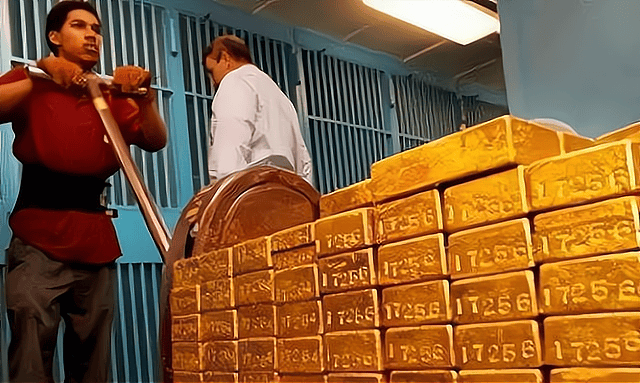
美国纽约曼哈顿,这座繁华都市的心脏地带,隐藏着一座令人难以置信的金库。这里不仅是全球最大的黄金储存地,更是一个国际金融的缩 影,汇集了超过六十个国家高达八千三百余吨的黄金储备,其总价值更是突破了令人咋舌的两千亿美元大关。在这巨量的黄金中,中国赫然 占据了约六百吨的份额,占该地黄金总量的百分之八。然而,近年来,美国一系列资产冻结的举动,无疑侵蚀了其在全球金融舞台上的公信 力。此举令一些国家心生警惕,纷纷向美国递交申请,意图将自己存放在彼邦的黄金运送回国。 首先,中美之间长期存在的巨额贸易顺差,使得中国积累了海量的美元资产。然而,美元汇率的起伏不定,如同水中月,镜中花,始终难以 令人完全安心。为了分散风险,避免"将所有鸡蛋放在同一个篮子里"的顾虑,中国便将一部分外汇储备转化为黄金,并选择存放在美国,这 是一种审慎的资产配置策略。 其次,这六百吨黄金,正是从美国黄金交易市场购得。若要将其运回国内,不仅耗费巨大的运输成本,更要承担漫长运输过程中潜在的风 险。而一旦将来有需要,再将黄金运往国外进行交易,同样免不了额外的支出和隐患。因此,将黄金留在美国,可以有效规避往返运输的成 本与风险。 最后,美国拥有全球最为庞大且活 ...
中国减持美债引关注,外资资金流向变化,FDI数据揭示新趋势
Sou Hu Cai Jing· 2026-02-16 02:43
咱们先聊聊这美债。 中国减持美债这事儿,早就不是什么新鲜新闻了,老话讲"未雨绸缪",这其实是一场持续了十来年的战略调整。 回过头看,咱们持有美债的巅峰是在2013年,那时候手里的美债那叫一个阔绰,在那之后虽然有过起伏,但整体趋势就是四个字:且卖且走。 到了去年,这个数额更是跌破了7000亿美元的大关。 与此同时,日本和英国倒是反其道而行之,日本的持仓已经奔着1.2万亿美元去了,快赶上咱们当年的最高点,英国也成了美债的第二大海外"债主"。 这就很有意思了,大家都在同一个地球村里住着,有人在拼命存,有人在加速取,这说明大家对风险的嗅觉和资产的配置逻辑完全不在一个频道上。 对于咱们来说,抛售美债并不是心血来潮,更不是为了斗气。 随着咱们在国际贸易里越来越多地直接用人民币结算,手里其实并不需要囤积那么多美元来应急。 再加上现在美债的信用和风险确实让人心里打鼓,与其把鸡蛋都放在一个随时可能漏底的篮子里,不如优化一下储备资产。 这就好比以前咱们习惯往存折里存钱,现在发现买点实物资产或者换种货币更稳妥,这是理财观念的升级。 再说说外资减持人民币债券这事儿。 2025年底,外资机构手里的中国银行间债券跌到了3.46万亿元,比 ...
黄金跌价了,2026年2月15日中国黄金最新价格,人民币黄金最新价
Sou Hu Cai Jing· 2026-02-15 19:32
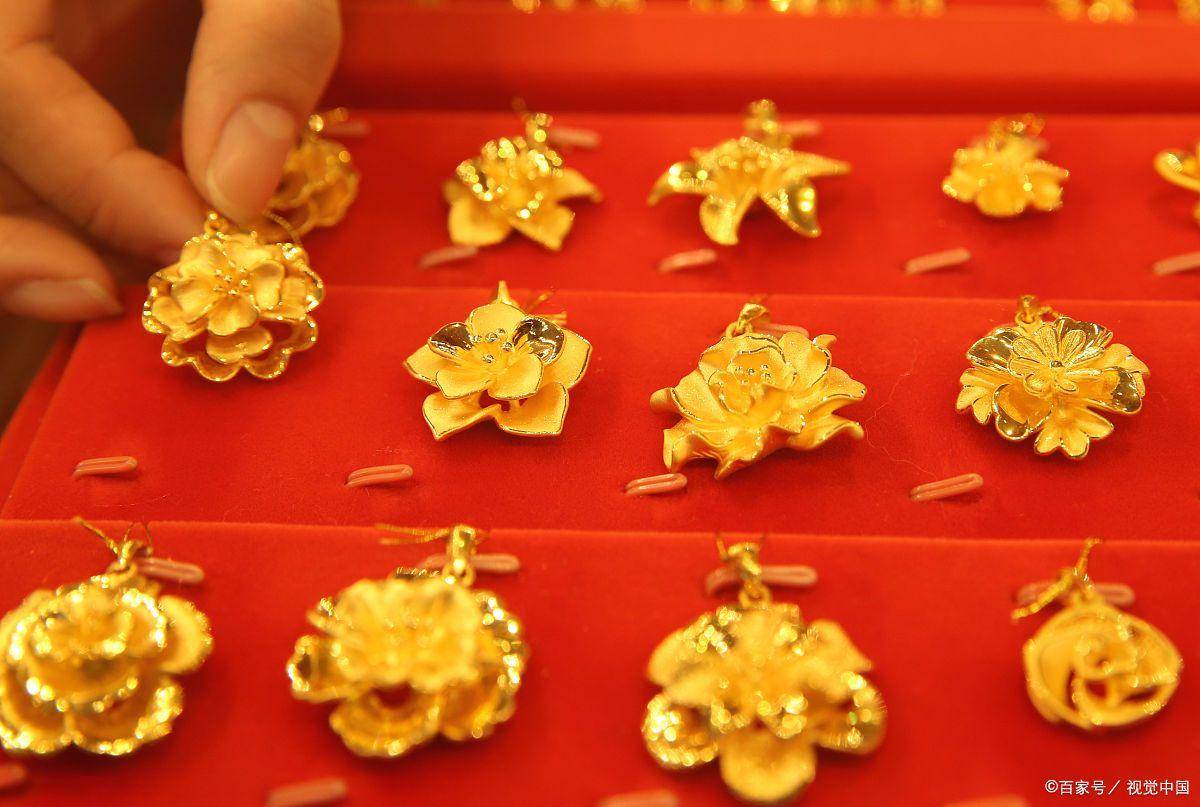
Core Viewpoint - Domestic gold prices are experiencing fluctuations at high levels, with AU9999 around 1109 RMB per gram and retail gold jewelry prices ranging from 1300 to 1548 RMB per gram, indicating a significant premium over raw material prices [1][4]. Group 1: Domestic Gold Pricing - The core reference prices for domestic gold include AU9999 at approximately 1109 RMB per gram and Shanghai gold futures at about 1110 RMB per gram, with retail gold jewelry prices significantly higher due to brand, craftsmanship, and channel costs [1]. - Bank gold bars are priced around 1144 RMB per gram, reflecting a premium between raw material prices and jewelry prices [1]. - Major brands like Chow Tai Fook and Chow Sang Sang have gold prices around 1529 to 1548 RMB per gram, indicating a competitive pricing structure among leading brands [4]. Group 2: Silver Pricing - The current price of silver is approximately 19.2 RMB per gram, with jewelry prices typically higher due to processing and retail markups [2]. Group 3: Price Variability and Market Dynamics - The coexistence of different prices on the same day is normal, emphasizing the importance of distinguishing between usage for consumption versus investment [3]. - The recent fluctuations in recovery prices indicate sensitivity to short-term market changes, with recovery prices showing a notable increase from 1030 RMB per gram to 1067 RMB per gram within ten days [10]. Group 4: International Gold Prices - The international gold price is approximately 5038.52 USD per ounce, translating to about 1118.96 RMB per gram, which shows an increase compared to the previous day [9]. - The disparity between international and domestic prices is influenced by factors such as exchange rates, trading hours, and market sentiment [9]. Group 5: Market Trends and Investment Insights - The World Gold Council reported an increase in gold outflows from the Shanghai Gold Exchange, with a monthly increase of approximately 126 tons, alongside significant net inflows into Chinese gold ETFs [11]. - The gold market is characterized by strong demand driven by geopolitical uncertainties and changes in domestic interest rate expectations, with a recommendation for investors to adopt a disciplined approach to investment [13][14].

1月“存款搬家”现象,背后发生了什么?
Xin Lang Cai Jing· 2026-02-15 19:04
智通财经记者 陈月石 今年1月,人民币存款同比大幅多增,居民存款则同比少增,非银存款同比多增,"存款搬家"现象在1月 持续。 中国人民银行公布的1月金融数据显示,1月人民币存款增加8.09万亿元。其中,住户存款增加2.13万亿 元,非金融企业存款增加2.61万亿元,财政性存款增加1.55万亿元,非银行业金融机构存款增加1.45万 亿元。 浙商证券指出,1月人民币存款同比多增3.8万亿,存款开门红增长势头较好;其中,非银存款新增1.5万 亿,同比多增2.6万亿,主因年初权益市场牛市行情;居民存款新增2.1万亿,同比少增3.4万亿,存款搬 家现象持续。 本 期 编 辑 邢潭 中金公司在报告中指出,1月居民存款增加2.13万亿元,同比少增3.39万亿元,非银存款增加1.45万亿 元,同比多增2.56万亿元,低利率下居民投资更偏向理财产品;1月企业存款增加2.61万亿元,同比多增 2.82万亿元,企业结汇规模较高支撑企业存款增长。1月M1同比增速从去年12月的3.8%升至4.9%,企业 结汇叠加春节偏晚影响,M1同比增速有所回升;1月M2同比增速从去年12月的8.5%升至9.0%,受企业 结汇和非银存款支撑,广义货币 ...
ARK Invest:四大趋势正提升比特币价值
Xin Lang Cai Jing· 2026-02-15 12:40
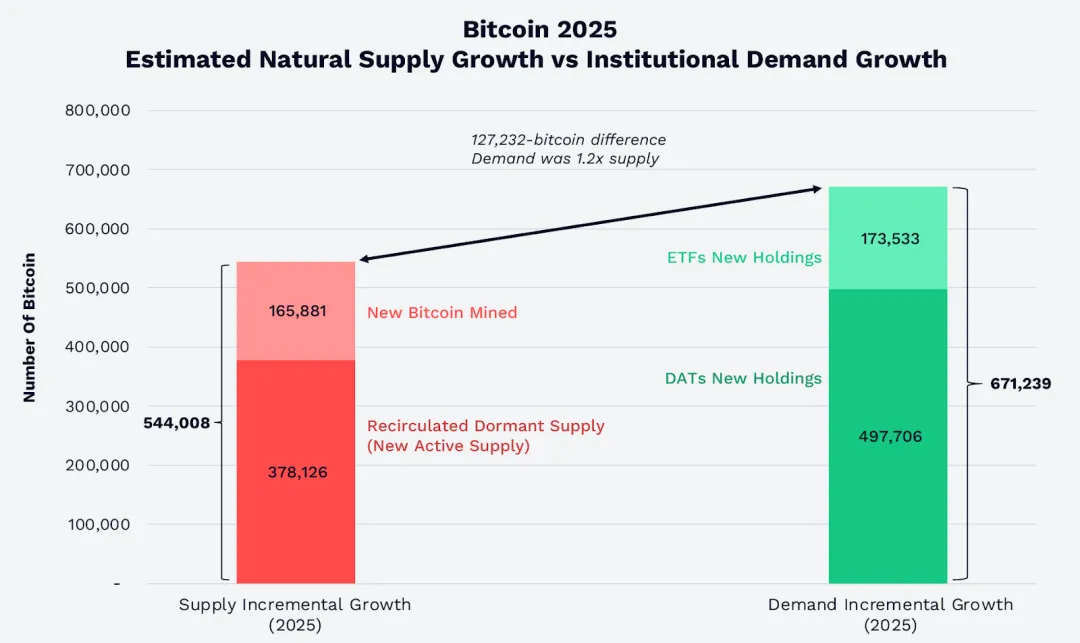
Core Viewpoint - ARK Invest identifies four major trends enhancing Bitcoin's value, suggesting it is evolving from an "optional" asset to a strategic asset in institutional portfolios [1] Group 1: 2026 Macroeconomic Background - The macro landscape is changing as the U.S. ends its quantitative tightening (QT) and enters an early stage of interest rate cuts, with over $10 trillion in low-yield money market funds and fixed-income ETFs potentially rotating into risk assets [2] Group 2: Policy and Regulatory Normalization - Regulatory transparency is both a constraint and a catalyst for institutional adoption, with policymakers advancing frameworks to clarify digital asset regulations, custody, trading, and disclosure processes [3] - The U.S. government is addressing Bitcoin-related issues, including discussions on incorporating Bitcoin into national reserves [4] Group 3: Structural Demand: ETFs and DATs - The expansion of spot Bitcoin ETFs is reshaping market supply and demand, with ETFs and Digital Asset Trusts (DATs) projected to hold more Bitcoin than newly mined and dormant Bitcoin combined by the end of 2025 [5] - By the end of 2025, ETFs and DATs are expected to hold over 12% of the circulating Bitcoin supply, despite a price drop influenced by external factors [8] Group 4: Bitcoin and Gold as Value Storage - In 2025, gold prices surged by 64.7% due to inflation concerns, while Bitcoin prices fell by 6.2%, indicating a divergence in their responses to macroeconomic narratives [11] - The cumulative net inflows into Bitcoin ETFs have reached levels that took gold ETFs over 15 years to achieve, suggesting growing recognition of Bitcoin as a value storage and diversification tool [13] Group 5: Market Structure and Investor Behavior - Bitcoin's volatility has decreased over time, with maximum drawdowns not exceeding 50% in the current cycle, indicating a more resilient market due to increased participation and liquidity [16] - Historical data shows that holding period and position size are more critical than timing for Bitcoin investors, with long-term holders benefiting from focusing on Bitcoin's value proposition [19][21] Group 6: Strategic Issues for Bitcoin - In 2026, the narrative around Bitcoin has shifted from survival to its role in diversified portfolios, characterized as a scarce, non-sovereign asset amid evolving global monetary policies [22] - Bitcoin is viewed as a high-beta extension of traditional value storage assets like gold, with regulatory advancements facilitating access to global liquidity [24]