新零售

Search documents
太平鸟: 2025年半年度报告
Zheng Quan Zhi Xing· 2025-08-21 16:27
Core Viewpoint - The company reported a significant decline in revenue and profit for the first half of 2025, indicating challenges in the retail environment and a need for strategic adjustments to enhance brand value and operational efficiency [2][11]. Company Overview and Financial Indicators - The company, Ningbo Peacebird Fashion Co., Ltd., experienced a revenue of approximately 2.90 billion RMB, a decrease of 7.86% compared to the same period last year [2][11]. - The total profit for the period was approximately 107.71 million RMB, down 53.37% year-on-year, with net profit attributable to shareholders at approximately 77.71 million RMB, reflecting a 54.61% decline [2][11]. - The company's total assets decreased by 15.94% to approximately 7.08 billion RMB, while net assets attributable to shareholders fell by 2.55% to approximately 4.39 billion RMB [2][11]. Business Model and Strategy - The company focuses on becoming the preferred fashion brand for Chinese youth, utilizing a multi-brand strategy to cater to diverse consumer segments [3][12]. - The operational model emphasizes consumer value creation through digital retail innovation, integrating product development, supply chain management, and retail processes [3][4]. - The company employs data-driven approaches in product development, leveraging big data and AI to identify market trends and consumer preferences [4][12]. Industry Context - The domestic retail market showed a growth of 5.0% in the first half of 2025, with the apparel sector growing by 3.1%, indicating a recovering consumer confidence [5][6]. - The apparel industry is transitioning from rapid expansion to optimization, focusing on brand strength, product quality, and operational efficiency [6][11]. - The company aims to adapt to these industry changes by enhancing brand value and operational quality, aligning with the broader market trends towards sustainable growth [6][11]. Operational Performance - The company has been optimizing its store layout and closing underperforming locations to improve profitability and brand image [11][12]. - The retail performance was impacted by a decline in sales, with a notable drop in cash flow from operating activities, indicating challenges in maintaining liquidity [11][12]. - The company is actively expanding its online presence and exploring new retail channels, including social media platforms, to engage with consumers [4][12].

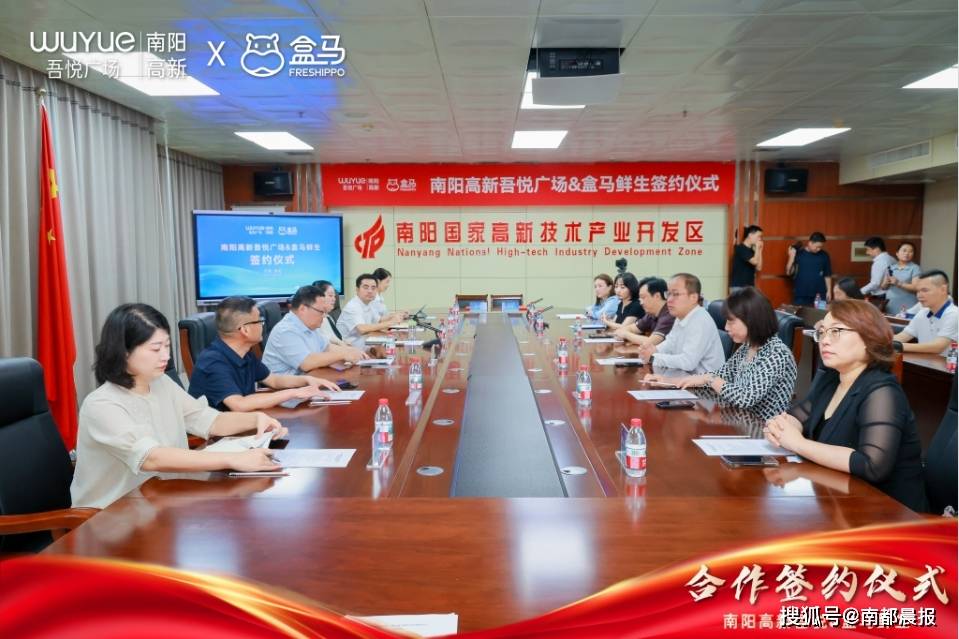
盒马鲜生豫南首店落子南阳!高新吾悦广场喜迎“首进”,2025年开业倒计时
Sou Hu Cai Jing· 2025-08-21 13:40
Core Insights - The signing ceremony between Gaoxin Wuyue Plaza and Hema Fresh marks the entry of a leading new retail brand into Nanyang, enhancing the city's commercial landscape and elevating consumer spending levels [1][5]. Group 1: Event Details - The signing ceremony took place on August 21, 2025, at 10 AM, in the Nanyang High-tech Zone Management Committee [1]. - Key officials from Nanyang's Business Bureau and the High-tech Zone attended the event, including Li Jiangping and Li Qiong [3][5]. - The ceremony included a detailed presentation on the project’s leasing progress and operational strategies by the management team of Gaoxin Wuyue Commercial Management [3]. Group 2: Strategic Importance - The introduction of Hema Fresh is expected to significantly diversify the supermarket offerings in Nanyang, catering to the diverse and high-quality consumption needs of residents [5]. - The High-tech Zone aims to continuously improve the business environment and provide quality services to support Hema Fresh's growth in the region [5]. Group 3: Commercial Development - Gaoxin Wuyue Plaza aims to establish itself as a high-end urban commercial complex, having already attracted numerous well-known brands such as Haidilao and Huawei [8]. - The addition of Hema Fresh will enhance the plaza's business mix and increase the influence of the Gaoxin Wuyue commercial area [8]. Group 4: New Retail Model - Hema Fresh is recognized as a pioneer in new retail, integrating e-commerce, premium supermarkets, specialty dining, and efficient logistics to provide a smart shopping experience within a 3-5 km radius [10]. - The partnership is expected to enrich the commercial essence of the complex, leading Nanyang residents towards a more convenient and high-quality lifestyle [10]. Group 5: Future Outlook - The collaboration between Gaoxin Wuyue Plaza and Hema Fresh represents a significant milestone in the revitalization of Nanyang's urban commerce [12]. - This partnership is anticipated to create a new urban landmark that combines high-quality consumption with futuristic experiences, contributing to the city's development and commercial prosperity [12].

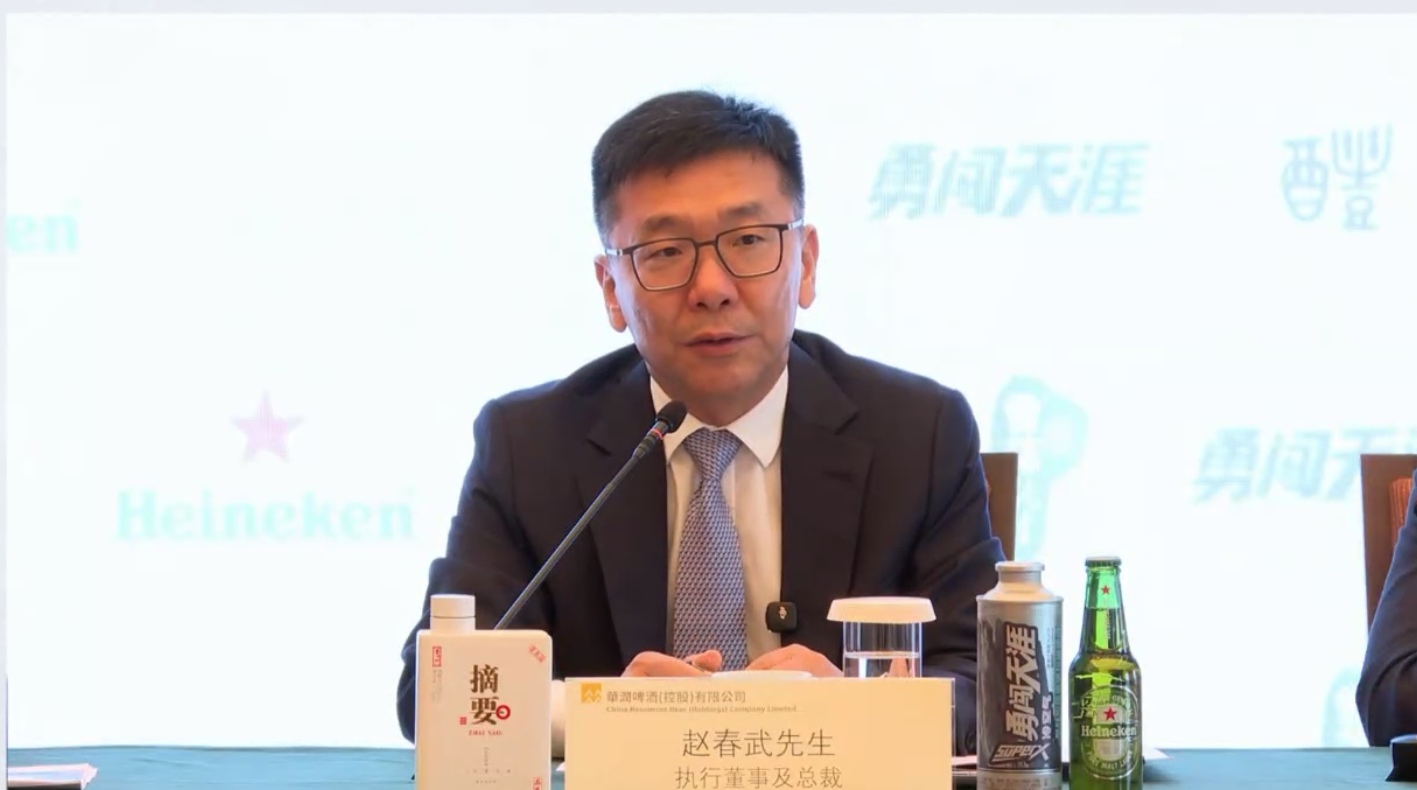
华润啤酒总裁赵春武:啤酒要由“大”变“小”
2 1 Shi Ji Jing Ji Bao Dao· 2025-08-21 13:37
Core Viewpoint - The beer market is not shrinking significantly despite the reduction in bottle sizes and the closure of breweries, as evidenced by stable sales figures and the performance of major players like China Resources Beer [1][3] Group 1: Market Trends - The capacity of beer bottles has decreased from 500ml to smaller sizes like 330ml and 250ml, indicating a shift in consumer preferences [1] - National Bureau of Statistics data shows that major beer producers sold 19.04 million kiloliters of beer in the first half of the year, with a year-on-year decline of only 0.3% [1] - Beer consumption has remained stable, with annual sales fluctuations of less than 1% in recent years [1] Group 2: Company Performance - China Resources Beer reported a revenue of 23.9 billion yuan in the first half of the year, a 0.8% increase year-on-year, and a net profit of 5.78 billion yuan, up 23% [3] - The company achieved a 2% increase in sales volume, reaching approximately 6.5 million kiloliters, despite a slight industry-wide decline [3] - For the first time, China Resources Beer surpassed Budweiser APAC in revenue and profit in the Asia-Pacific market [3][4] Group 3: Competitive Landscape - Budweiser APAC experienced a significant decline in revenue and profit, with a nearly 10% drop in sales in China, which is much worse than the industry average [4] - Other beer companies like Yanjing Beer and Chongqing Beer showed varying performance, with Yanjing's net profit increasing by 45% [4] Group 4: Strategic Shifts - The beer industry is shifting from a focus on large single products to catering to niche, diverse, and premium consumer demands [2][3] - China Resources Beer is leveraging data to better understand consumer preferences, allowing for quicker product development and adaptation [9] - The rise of regional beer brands is linked to cultural confidence and consumer loyalty, with some brands experiencing significant sales growth [9][10] Group 5: Retail Dynamics - The proportion of beer sales through retail channels has increased, with retail now accounting for 60% of sales, while the share from dining channels has decreased [10][12] - The company is capitalizing on the opportunities presented by new retail formats, contrasting with Budweiser APAC's struggles in the dining sector [10][12]

我在小红书上卖家具:家私企业如何布局“种草经济”?
2 1 Shi Ji Jing Ji Bao Dao· 2025-08-21 09:39
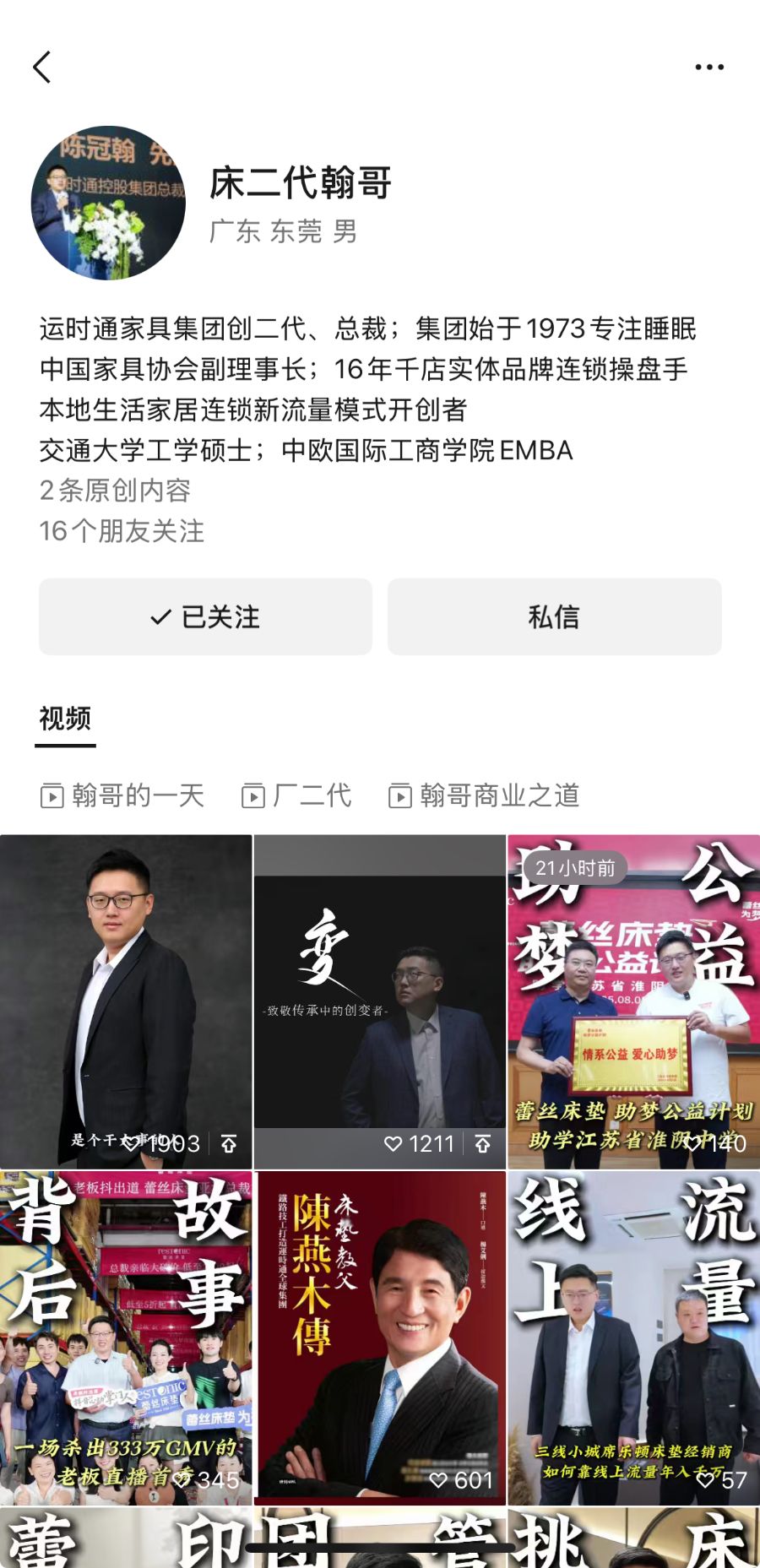
Core Insights - The furniture industry is undergoing significant transformation due to changes in consumer demand and the impact of the real estate market, leading companies to innovate their sales strategies and branding efforts [1][4][5] Group 1: Industry Challenges and Changes - The furniture industry has faced severe challenges in the past two years, with many companies going bankrupt, largely due to the downturn in the real estate sector [1][2] - Traditional sales models are being disrupted as companies shift towards multi-channel strategies, emphasizing service and emotional value over mere functionality [1][2][5] - The shift from a focus on B2B to B2C and now to interest-based and live-streaming e-commerce reflects changing consumer preferences [5][7] Group 2: New Sales Models and Strategies - Companies are increasingly adopting new sales models, such as live streaming and online platforms, to enhance customer engagement and service delivery [3][6][10] - Collaboration with service platforms has enabled businesses to overcome logistical challenges, allowing them to serve previously neglected markets [3][4] - The emphasis on building personal and brand IP is becoming crucial for attracting new customers and enhancing market presence [6][10][11] Group 3: Future Directions and Innovations - The industry is exploring innovative approaches to channel transformation, including the establishment of brand collective stores that integrate various values [11] - Companies are focusing on digital economy measures, design innovation, and brand building to navigate the complexities of international trade and domestic demand [10][11] - The creation of new brands, such as "悦莱" by 长实, signifies a strategic pivot towards domestic market engagement and brand differentiation [10][11]
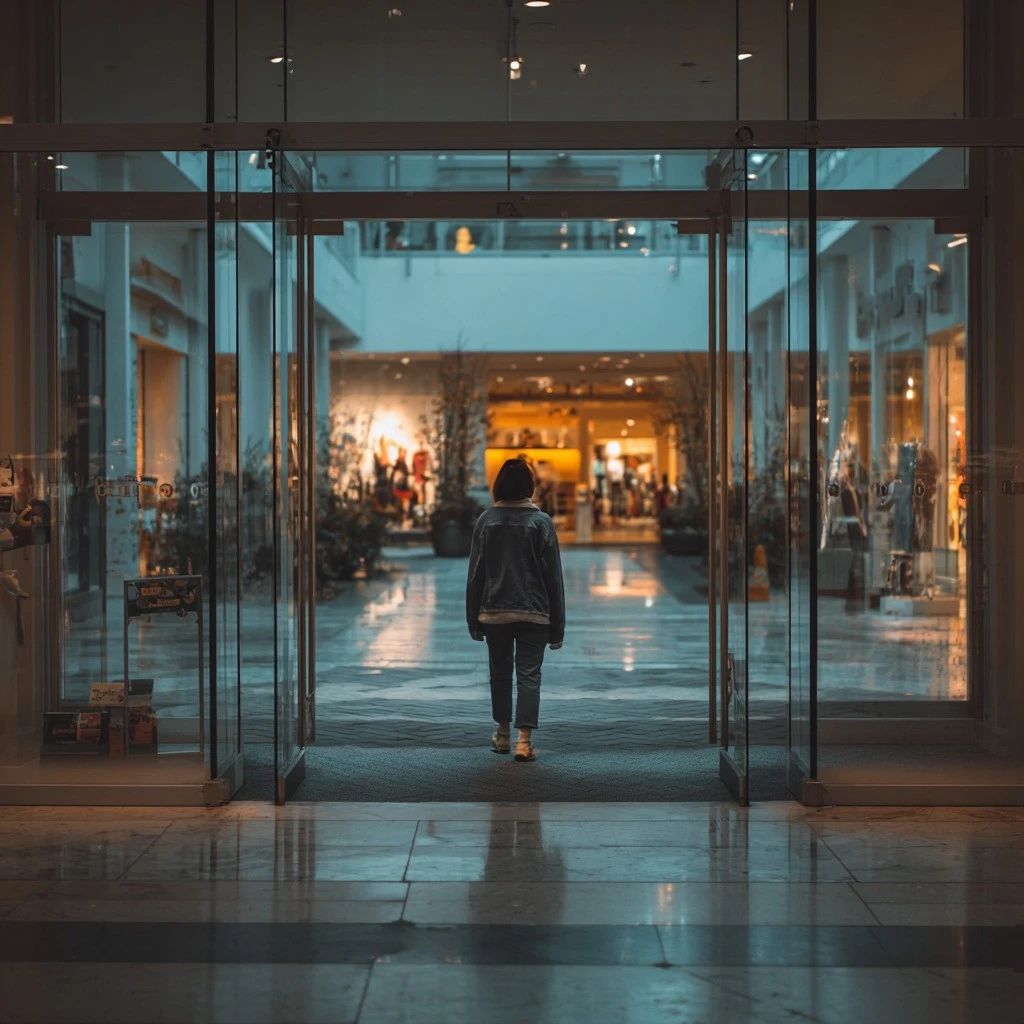
听说大量商场正在倒闭?
投中网· 2025-08-21 06:48
Core Viewpoint - The retail landscape in China is undergoing a profound transformation, with traditional shopping malls facing significant decline while new commercial formats and county-level shopping centers are emerging and thriving [30]. Group 1: Decline of Traditional Malls - Many shopping malls across China are experiencing closures, with at least 38 malls shutting down in 2024, 76% of which had been operating for over 10 years [11]. - Major cities like Shanghai and Beijing are witnessing negative growth in retail sales, with Shanghai's social retail sales declining by 3.1% and Beijing by 2.7% in 2024 [12]. - High-end malls, such as Beijing SKP, have seen significant drops in sales, with a 17% decrease reported in 2024 [13]. Group 2: Factors Contributing to Decline - Consumer downgrade is a primary factor, as middle and lower-income groups face reduced income and spending power, leading to a decline in high-end mall patronage [12][13]. - The rise of new retail formats, particularly instant retail, is capturing market share from traditional malls, with the instant retail market projected to exceed 2 trillion yuan by 2030 [14]. - Internal issues such as lack of differentiation and oversaturation of similar brands in malls contribute to their declining attractiveness [16]. Group 3: Emergence of New Commercial Formats - Despite the decline of traditional malls, some shopping centers are thriving by innovating and adapting to consumer preferences, with over 73% of shopping centers reporting sales growth in 2024 [22]. - Unique shopping experiences, such as those offered by high-end centers like Chengdu's Taikoo Li and Beijing's SKP, are attracting consumers [22]. - The rise of independent supermarkets and convenience stores is also reshaping the retail landscape, with convenience store sales increasing by 4.7% in 2024 [24]. Group 4: Growth of County-Level Commercial Centers - In contrast to urban malls, county-level commercial centers are proliferating, driven by rising consumer demand and urbanization, with retail sales in rural areas growing faster than in urban centers [28][29]. - Developers are increasingly investing in county-level commercial projects, recognizing the potential for growth in these markets [29]. - The shift in consumer behavior towards experiential and brand-oriented shopping is evident in the success of county-level malls that cater to these needs [30].

华致酒行发布上半年业绩 持续瘦身强体后成效初显
Zheng Quan Zhi Xing· 2025-08-20 07:06
Core Viewpoint - The company, Huazhi Wine, reported a significant decline in revenue and net profit for the first half of 2025, attributed to industry cyclicality, macroeconomic conditions, and structural shifts in consumer demand [1][3]. Group 1: Financial Performance - In the first half of 2025, Huazhi Wine achieved revenue of 3.949 billion yuan, a year-on-year decrease of 33.55%, and a net profit attributable to shareholders of 56.21 million yuan, down 63.75% year-on-year [1]. - The company recognized asset impairment provisions totaling 61.18 million yuan, significantly impacting current profits, with inventory impairment accounting for 55.77 million yuan [1]. Group 2: Industry Challenges - The Chinese liquor distribution industry is facing three main pressures: demand contraction, structural shifts in consumption, and channel transformation [3]. - According to the China Alcoholic Drinks Association, 59.70% of liquor companies and distributors experienced declining profit margins in the first half of 2025, with over 60% of companies in the 800-1500 yuan price range facing price inversion [3]. Group 3: Strategic Adjustments - Huazhi Wine has implemented a series of strategic adjustments, including inventory reduction, which resulted in a 13.39% decrease in overall inventory, from 3.259 billion yuan at the end of 2024 to 2.822 billion yuan [4]. - The company is focusing on enhancing customer engagement through diverse promotional activities and optimizing the in-store experience, while also leveraging online data for targeted marketing [4]. Group 4: Structural Changes - The company is actively restructuring its product offerings to include younger, lower-alcohol, and high-cost-performance products, while also launching customized services to meet new consumer demands [5]. - Huazhi Wine has initiated a "Five-Star Pass" assessment system and a "Fire Plan" for nurturing young talent, aimed at improving team capabilities and market responsiveness [5]. Group 5: Operational Efficiency - The company has closed six subsidiaries to enhance operational efficiency and significantly reduce costs, resulting in a 293.70% year-on-year increase in net cash flow from operating activities and a reduction in the debt-to-asset ratio from 54.13% to 41.83% [7]. Group 6: Channel Innovation - Huazhi Wine is reshaping its channel ecosystem with a focus on a "3+" business model that integrates products, services, online and offline channels, and in-store and out-of-store experiences [8]. - The company has launched three collaborative business formats: Huazhi Wine stores, Huazhi Famous Wine Library, and Huazhi Preferred, to cater to different consumer needs and enhance market presence [8]. Group 7: Long-term Vision - The company emphasizes the importance of maintaining long-term value and authenticity while navigating short-term challenges, aiming to transition from traditional distribution to a value hub connecting production and consumption [9]. - By strengthening its supply chain, innovating channel formats, and deepening digital applications, Huazhi Wine is redefining the value of liquor distribution and pursuing sustainable high-quality development [9].


精彩回顾· 消费+金融篇|国泰海通2025研究框架培训“洞察价值,共创未来”
国泰海通证券研究· 2025-08-20 05:24
Group 1 - The article discusses the evolution of retail channels in China, highlighting the rise of new retail models and the impact of e-commerce on consumer behavior [4][5]. - It notes that e-commerce revenue has increased by 70% year-on-year, now accounting for 5% of total consumer goods revenue [4]. - The article emphasizes the importance of brand strength and user acquisition strategies for companies looking to expand internationally [5]. Group 2 - Historical context is provided, mentioning the establishment of key companies such as Yonghui Supermarket in 2001 and the listing of the company on the Shanghai Stock Exchange in 2010 [3]. - The article outlines the factors contributing to the fragmented supply and demand in Japan, which may serve as a comparative analysis for China's retail landscape [3]. - It highlights the iterative speed of new retail models in China compared to slower developments in overseas markets [5].

雷军晒出“成绩单”
天天基金网· 2025-08-20 05:07
Core Viewpoint - Xiaomi Group reported strong financial results for Q2 2025, with total revenue reaching 1160 billion RMB, a year-on-year increase of 30.5%, and net profit of 119 billion RMB, up 134.2% [2][4]. Financial Performance - Total revenue for Q2 2025 was 115,956.1 million RMB, a 30.5% increase from 88,887.8 million RMB in Q2 2024, and a 4.2% increase from 111,293.3 million RMB in Q1 2025 [5]. - Gross profit reached 26,101.0 million RMB, up 41.9% year-on-year [5]. - Adjusted net profit was 10,830.7 million RMB, reflecting a 75.4% increase compared to 6,175.4 million RMB in Q2 2024 [5]. Business Segments - The smartphone segment saw a 27.6% share of high-end smartphone sales in mainland China, a 5.5% increase year-on-year, with significant market share gains in the 4000-5000 RMB and 5000-6000 RMB price segments [5][7]. - The automotive segment reported revenue exceeding 200 billion RMB, with Q2 deliveries reaching 81,302 units, totaling over 300,000 units delivered by July 10 [7][8]. - The IoT and consumer products segment generated 387 billion RMB in revenue, a 44.7% increase, with smart home appliances growing by 66.2% [8]. R&D and Future Strategy - R&D investment in Q2 reached 78 billion RMB, a 41.2% increase, with an expected total investment of 300 billion RMB for the year [8]. - Xiaomi plans to open 1,000 new stores annually overseas, aiming for 10,000 stores in five years, enhancing its retail strategy [9].


KKV母公司再起诉名创优品不当竞争
Guan Cha Zhe Wang· 2025-08-20 03:14
Core Viewpoint - The recent legal developments in the trademark dispute between KK Group and its competitors highlight the ongoing challenges in the beauty retail sector, particularly regarding brand identity and competition [1][6][7]. Group 1: Legal Developments - KK Group's parent company has initiated a lawsuit against Miniso and other companies for unfair competition, with a recent court ruling confirming that Aixin Technology's actions in registering the "THE COLORIST" trademark abroad constitute unfair competition [1][6]. - The case has progressed through various legal stages, including pre-litigation mediation and jurisdictional appeals, and is set to enter the civil trial phase on September 1 [1]. - KK Group has faced challenges in protecting its trademark, having filed opposition and invalidation procedures against Aixin Technology's trademark application since November 2019, ultimately leading to a lawsuit in September 2023 [7]. Group 2: Brand and Market Position - KK Group is recognized as one of the earliest entrants in the beauty collection store market in China, launching its brand "THE COLORIST" in September 2019, which has rapidly expanded to 243 stores nationwide [12][14]. - "THE COLORIST" offers a wide range of beauty products, featuring over 2800 SKUs and a unique store design that emphasizes a pink visual theme and a 1:1 free try-on service [12]. - Miniso's "WOW COLOUR" brand, established in January 2020, shares similarities with "THE COLORIST" in its focus on experiential retail and has a product selection that leans towards domestic brands [14]. Group 3: Financial and Investment Background - KK Group has attracted significant investment, completing seven rounds of financing between 2016 and 2021, with notable participation from well-known venture capital firms [15]. - Despite its growth and market position, KK Group has faced challenges in its IPO attempts, having made four unsuccessful attempts to list on the Hong Kong Stock Exchange between 2021 and 2024 [16]. - In 2022, KK Group ranked among the top three in China's lifestyle retail sector, following Watsons and Miniso [16].

大量倒闭,商场正在死去?
创业邦· 2025-08-20 03:09
Core Viewpoint - The article discusses the decline of traditional shopping malls in China, highlighting the shift in consumer behavior and the rise of new retail formats, leading to a significant number of mall closures across the country [5][10][14]. Group 1: Decline of Shopping Malls - Huizhou Junshang Department Store will officially close in August, marking the end of a 20-year presence in the local market [5]. - Many shopping malls are experiencing a decline, with once-bustling areas now showing signs of emptiness, including vacant restaurants and stores seeking to transfer leases [7][8]. - In Shanghai, several large malls have closed in recent years, including Pacific Department Store and Meilong Town Isetan, indicating a broader trend of mall closures despite an increase in the number of malls [11][13]. Group 2: Factors Contributing to Decline - The decline is attributed to consumer downgrade, with high-end malls being the first victims in major cities. In 2024, national retail sales grew by 3.5%, while Shanghai saw a decline of 3.1% [14][16]. - Economic factors such as layoffs in tech and finance sectors have led to reduced consumer spending, further impacting high-end malls like Beijing SKP, which saw a 17% drop in sales in 2024 [16][17]. - The rise of new retail formats, particularly instant retail, is reshaping consumer preferences, with the market expected to exceed 2 trillion yuan by 2030 [18]. Group 3: Internal Challenges of Malls - Shopping malls face issues of attractiveness due to homogenization, with many offering similar brands and dining options, leading to a lack of consumer interest [20]. - The real estate sector has inflated the asset values of malls, resulting in a disconnect between perceived and actual value, contributing to the decline of many commercial properties [22]. Group 4: Market Segmentation and Transformation - Despite the decline of traditional malls, some shopping centers are thriving by innovating and adapting to consumer needs, with over 73% of shopping centers reporting sales growth in 2024 [28]. - The rise of independent supermarkets and convenience stores is also diverting consumer traffic away from traditional malls, with convenience store sales increasing by 4.7% in 2024 [33]. Group 5: Growth of County-Level Commercial Entities - In contrast to the decline in major cities, county-level commercial entities are on the rise, driven by urbanization and increased consumer spending in rural areas [36][38]. - The county-level retail market is expanding, with retail sales in rural areas growing faster than in urban centers, indicating a shift in consumer behavior and demand [39].