贸易战

Search documents
中国拒绝购买美国大豆,特朗普取消制裁服软,欧洲3国未获邀请
Sou Hu Cai Jing· 2025-08-18 04:50
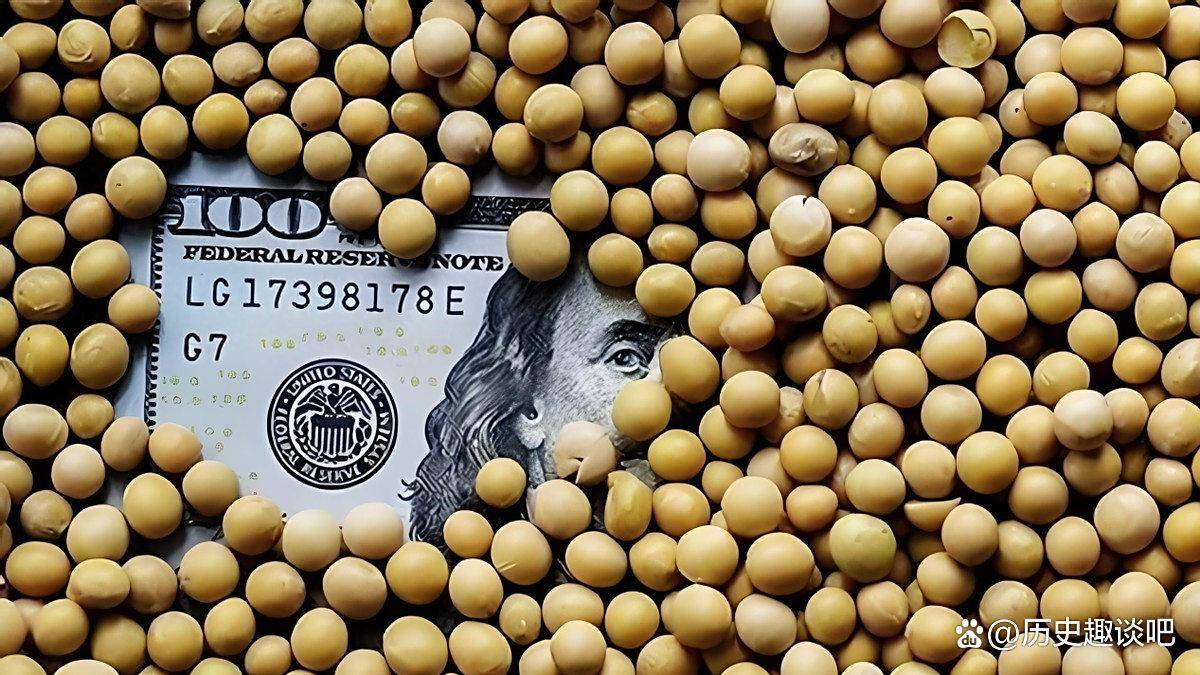
华盛顿的贸易迷局:昔日剧本已失效 在2025年8月一个闷热的深夜,前总统特朗普再次成为焦点,他在社交媒体上向中国发出了令人瞠目结舌的呼吁——将美国大豆的年度采购量提升至惊人的 8800万吨,是原有2200万吨的四倍。这个数字如同一个不切实际的白日梦,几乎相当于美国大豆全年出口量的两倍,暗示着中国需要吞下美国根本无法供应 的巨量库存。 然而,现实却是一记响亮的耳光。中国港口,800万吨的美国大豆如同一座座沉默的山丘,无人问津。2025年上半年,美国对华大豆出口额仅为可怜的300万 吨,同比暴跌88%,跌至20年来的冰点。美国未售出的大豆库存高达4200万吨,足够中国消费一整年。 昔日依赖中国市场的美国豆农们,如今却陷入了绝望。曾经,中国是美国大豆的最大买家,占据其出口量的60%。如今,来自中国的订单几近归零,中西部 农业州一片萧条景象,破产潮蔓延。在爱荷华州,一位农场主望着堆积如山、无人问津的大豆,绝望地咒骂道:"当初投票给特朗普?我真是后悔死了!" 原因很简单:选择多了。中国早已改变了将鸡蛋放在一个篮子里的策略。2025年1月至6月,巴西对华大豆出口飙升至3186万吨,独占中国市场七成份额。阿 根廷则更加精明 ...

继稀土之后,美国又一关键行业被中国卡脖子,法国人一脸的嫉妒
Sou Hu Cai Jing· 2025-08-18 03:49
Core Points - The U.S.-China trade war initiated in April has led to short-term gains for the U.S., but has ultimately placed it in a more precarious position [1][3] - Trump's fluctuating stance on tariffs and trade negotiations has created confusion and uncertainty regarding U.S. leadership [3][6] - China's strategic shift away from U.S. soybean imports has been a significant development, as it now seeks alternatives from countries like Brazil [5][8] Group 1: Trade Dynamics - The U.S. has become increasingly reliant on China for soybean exports, with over 60% of U.S. soybean exports going to China [5][8] - In 2024, China's total soybean imports are projected to reach 105 million tons, with only 21% coming from the U.S., indicating a significant shift in import sources [8][10] - The trade value between the U.S. and China in the soybean sector has reached 85.648 billion RMB, but aggressive U.S. policies have led to a restructuring of China's import strategy [8][10] Group 2: Market Reactions - U.S. farmers initially expected to benefit from Chinese demand but are now facing challenges due to China's pivot to other suppliers [7][10] - Trump's recent comments about increasing soybean orders from China reflect a recognition of the importance of this market for U.S. agriculture [10][12] - The reliability and trustworthiness of trading partners have become critical factors for China in its soybean procurement strategy [12]
中国停止进口美国大豆?特朗普要求被拒绝,中国将订单转交他国,“大赢家”已浮出水面
Sou Hu Cai Jing· 2025-08-18 03:14
Core Viewpoint - The article discusses the impact of Trump's call for China to increase soybean orders, highlighting China's shift in sourcing from the U.S. to South American countries like Brazil and Argentina, resulting in a significant decline in U.S. soybean exports to China [1][3][8]. Group 1: U.S. Soybean Market Dynamics - U.S. soybean farmers are facing a surplus of 22 million tons, leading to concerns about unsold inventory and the overall health of the U.S. soybean industry [1][5]. - The U.S. agricultural trade deficit reached a record high in the first half of the year, indicating growing economic pressure on U.S. farmers [5]. - The American Soybean Association's prediction of a 65% reduction in soybean exports to China due to tariffs has proven to be conservative, as the market share lost may never be regained [7]. Group 2: China's Strategic Sourcing - China has diversified its soybean imports, with Brazil becoming the largest supplier, and imports from Argentina increasing by 110% year-on-year, making it the third-largest supplier [3][8]. - The price of Brazilian soybeans is 10%-15% lower than U.S. soybeans, and the transportation time is shorter, making it a more attractive option for China [3]. - China's domestic soybean production has improved, and its reliance on U.S. soybeans has decreased, showcasing a more resilient supply chain [5][8]. Group 3: Political Implications - Trump's push for increased soybean orders is seen as an attempt to secure votes from agricultural states ahead of the 2026 midterm elections, as declining exports threaten Republican support [3][8]. - The article suggests that Trump's trade war inadvertently strengthened China's soybean industry and diversified its supply sources, altering the global soybean trade landscape [8].
部分本土钢企被迫停产,扩大钢铝关税清单令美企面临打击
Huan Qiu Shi Bao· 2025-08-18 00:00
Group 1 - The U.S. Department of Commerce announced an expansion of steel and aluminum tariffs to include hundreds of derivative products, with a 50% import duty set to take effect on August 18 [1][3] - The steel and aluminum tariffs have increased production costs for U.S. manufacturers, leading to concerns about rising prices for a wide range of products, including automobiles and consumer goods [1][4] - Major U.S. steel producers, such as Cleveland-Cliffs, have faced operational challenges, with some facilities shutting down due to weak demand and financial losses [3][4] Group 2 - The U.S. manufacturing sector is experiencing structural inflation pressures due to rising production costs from tariffs, particularly affecting industries reliant on imported materials [4][5] - The automotive industry is projected to raise vehicle prices by 5%-7% in 2025 due to the impact of tariffs, while pharmaceutical prices are also expected to rise significantly [5][6] - Barclays Bank predicts that the cumulative effect of tariffs could lead to a 0.8% increase in overall price levels in the U.S., with most of the price increases yet to be fully realized [6]
部分本土钢企被迫停产,啤酒汽车产品价格上涨,扩大钢铝关税清单令美企面临打击
Huan Qiu Shi Bao· 2025-08-17 22:50
Group 1 - The U.S. Department of Commerce announced an expansion of steel and aluminum tariffs to include hundreds of derivative products, with a 50% import duty set to take effect on August 18 [1][3] - The tariffs are expected to increase production costs for U.S. manufacturers, leading to potential price hikes across various products, including automobiles and consumer goods [1][4] - The steel industry is facing significant challenges, with some companies, like Cleveland-Cliffs, halting production due to weak demand and financial losses [3][4] Group 2 - The U.S. government aims to encourage domestic manufacturing by initially setting lower tariffs on chips and steel, which will later be increased significantly [2] - Structural supply shortages in the U.S. steel market, particularly for semi-finished products, are exacerbating the impact of tariffs, with a reported 5 million tons supply gap that must be filled through imports [3][4] - The imposition of high tariffs on raw materials is leading to a structural inflationary wave, affecting various sectors, including automotive and electronics, with significant cost increases projected [4][5] Group 3 - The cumulative effect of tariffs is expected to raise overall price levels in the U.S. by 0.8%, with most of the price increases yet to be fully realized [6] - The ongoing adjustments in tariffs are creating uncertainty in trade relationships, prompting suppliers to be more cautious, which could lead to potential import shortages and further inflationary pressures [5][6]
对华加征200%关税?G7国家全部反对,欧盟不跟,美只能拿印度撒气
Sou Hu Cai Jing· 2025-08-17 04:37
Core Viewpoint - The proposal by U.S. Treasury Secretary Best to impose a 200% tariff on Chinese goods was met with silence from G7 leaders, indicating a lack of support from European nations due to economic considerations [3][6][14] Economic Impact on Europe - China has been the largest trading partner for the EU for several years, with trade volume exceeding several hundred billion euros in 2024 [3] - European industries such as automotive, luxury goods, and machinery heavily rely on the Chinese market, and following the U.S. proposal could result in over 100 billion euros in annual losses for Europe [3][5] - Imposing high tariffs on Chinese goods would increase living costs and trigger inflation in Europe, creating a dual challenge for governments in terms of fiscal and social stability [5] European Trade Policy - The EU's decision-making process requires consensus among multiple countries, making it more cautious in trade policy compared to the U.S. [5] - Previous debates within the EU regarding tariffs on Chinese electric vehicles highlight the complexity and challenges of reaching agreements on trade measures [5] U.S. and European Relations - Best's criticism of Europe as "lagging" is seen as politically charged and does not reflect the reality of recent EU actions, such as significant sanctions against Russia [6][12] - The EU maintains a more rational approach to trade with China, emphasizing cooperation and dialogue while asserting its strategic autonomy [12] Shift in U.S. Strategy - With the failure of the trade war against China and lack of European support, the U.S. is now turning its focus to India, attempting to impose high tariffs on Indian goods [13] - India's increasing emphasis on independence in international relations may hinder the effectiveness of U.S. pressure tactics [13]
此次异常低调的对华谈判,为何成关税战的真正拐点?
虎嗅APP· 2025-08-17 03:43
Core Viewpoint - The article discusses the fragility of trade agreements made by the Trump administration, highlighting the potential for these agreements to be more about political posturing than actual economic benefits. It emphasizes that the agreements may not lead to the expected outcomes and could result in a shift in global trade dynamics away from U.S. dominance [5][7][27]. Group 1: Trade Agreements and Their Viability - The U.S. and China have agreed to pause the implementation of 24% tariffs for 90 days, indicating a potential thaw in trade tensions, but the effectiveness of these agreements remains questionable [5]. - Many of the trade agreements, such as those with the EU and Japan, lack concrete details and written records, leading to skepticism about their enforceability and actual economic impact [11][19]. - The commitments made by countries to purchase U.S. goods, such as the EU's promise to buy $750 billion in energy products, are viewed as unrealistic given the current export levels from the U.S. [13][14]. Group 2: Economic Impact and Criticism - The Trump administration's trade policies have resulted in the highest tariffs in nearly a century, costing American households an average of $2,400 annually [8]. - Job losses in the manufacturing sector have continued, with 11,000 jobs lost in July alone, contradicting the administration's claims of job creation through these policies [8]. - The article argues that the focus on tariffs has led to increased costs for consumers and has not effectively brought manufacturing jobs back to the U.S. [25]. Group 3: Global Trade Dynamics - The article suggests that the aggressive trade policies have led to a shift in alliances, with traditional U.S. allies like the EU and Japan seeking closer ties with China and reducing their dependence on the U.S. [25][27]. - The potential for a "anti-U.S. alliance" is highlighted, as countries look to diversify their trade relationships in response to U.S. policies [25]. - The article concludes that the Trump administration's approach may lead to the decline of the existing international trade system, with new rules potentially being established without U.S. leadership [27].
游资主导A股独立走强,短期趋势重回向上
鲁明量化全视角· 2025-08-17 01:40
Group 1 - The core viewpoint indicates that the A-share market, driven by speculative funds, has shown a strong independent upward trend, with the short-term trend returning to an upward direction [3][4]. - The Shanghai Composite Index and the CSI 300 Index experienced weekly gains of 1.70% and 2.37% respectively, while the CSI 500 Index surged by 3.88% [3]. - Economic data released in July shows a significant cooling trend, with most indicators such as industrial production, real estate sales, and retail consumption showing year-on-year declines [3][4]. Group 2 - The technical analysis highlights that speculative funds have played a crucial role in the market's recovery, with A-shares demonstrating independent pricing power despite weak fundamental data [4][5]. - The market's recent performance suggests a shift from a fundamental-driven market to one dominated by liquidity, with a recommendation for high positions in the main board and small-cap sectors [5]. - The short-term momentum model suggests focusing on industries such as automotive, telecommunications, and computing, while the overall style has shifted to favor large-cap stocks [5].

与普京会晤后,特朗普称决定放中国一马,印度尴尬:我又成小丑了
Sou Hu Cai Jing· 2025-08-16 11:13
Group 1 - The U.S. has temporarily suspended the plan to impose additional tariffs on Chinese oil, while simultaneously increasing tariffs on Indian goods from 25% to 50% due to India's purchase of Russian oil [1][8] - The trade dynamics between the U.S. and China remain complex, with the U.S. maintaining a 30% tariff on Chinese goods and China keeping a 10% tariff on U.S. goods [3][6] - India's exports worth $50 billion are significantly impacted by the U.S. tariff increase, highlighting the disparity in treatment between India and China [8][10] Group 2 - China has diversified its soybean supply sources, significantly increasing imports from Brazil by 23% in the first half of 2025, while U.S. soybean market share has dropped to a ten-year low [3][11] - The U.S.-China trade volume reached $690.6 billion in 2022, while U.S.-India trade is less than one-sixth of that amount, indicating a weaker economic relationship for India [11][20] - India's reliance on Chinese electronic components is evident, with China accounting for over 60% of India's electronic imports, valued at $18 billion in the 2023-2024 fiscal year [16][18] Group 3 - The U.S. tariff policy appears to be increasingly ineffective, as China's exports to the U.S. have rebounded to pre-trade war levels by the first half of 2025 [20] - India's economic challenges are exacerbated by a GDP growth rate of 5.1% and a youth unemployment rate of 23%, pushing the government to reconsider its stance on China [16][18] - The geopolitical landscape is shifting, with India seeking to restore direct flights to China and enhance cooperation in semiconductor production, contrasting its previous "decoupling" strategy [15][18]
关税大棒砸向新德里!50%重税点燃贸易战,金砖阵营反制美元霸权
Sou Hu Cai Jing· 2025-08-16 02:50
8月6日,特朗普以"印度购买俄罗斯石油资助战争机器"为由,对印度输美产品叠加25%的惩罚性关税。印度外交部当天深夜反击,直指美国行为"不公平、 不正当、不合理",誓言采取一切措施捍卫国家利益。莫迪在公开讲话中强硬表态:"农民的福祉是至高无上的,印度永远不会损害农民、奶农和渔民的生计 ——即使我个人将为此付出沉重代价。" 印度反击:WTO战场与历史炮弹 面对关税重压,印度迅速启动多线反击。 在WTO框架下,印度累计对美加征关税清单已扩大至64.54亿美元,锁定大豆、葡萄酒等共和党关键选区商品,同时瞄准苹果、谷歌等科技巨头的数字服务 税。更犀利的反击来自外交战场:印度外交部披露欧盟2024年进口俄罗斯天然气高达675亿欧元,而美国自身仍在进口俄罗斯六氟化铀用于核工业、钯用于 电动汽车产业。 印度陆军东部战区在社交媒体翻出1971年旧账,展示泛黄的报纸头条——"美国20亿美元军援巴基斯坦对抗印度",配文"了解历史真相",引发印度网民集体 嘲讽美国"历史性虚伪"。 贸易战中的双输困局 日本野村证券警告,印度纺织出口可能在三个月内"因关税窒息",但第三方国家正虎视眈眈:越南、墨西哥伺机抢夺电子订单,泰国觊觎汽车零部件转 ...