
双碳

Search documents
【光大研究每日速递】20251216
光大证券研究· 2025-12-15 23:07
Macro - The Biden administration's enhanced healthcare plan has become a political tool for both parties, significantly impacting the capital market. Currently, only three departments have reached a budget agreement, accounting for 11% of the total budget, while the remaining nine departments' budgets are set to expire on January 30, 2026. The recent vote on healthcare proposals has led to a bleak outlook for resolution before the Christmas holiday [5] Financial Engineering - The A-share market has shown signs of recovery with increased trading confidence, as evidenced by the rising volatility in the CSI 300 and CSI 500 indices. The Central Economic Work Conference has further boosted market sentiment, suggesting a potential transition from a liquidity-driven market to one driven by fundamentals. The focus remains on a "dividend + technology" investment strategy for the medium to long term [5] Steel Industry - The capacity utilization rate of blast furnaces in December is expected to be lower than the same period last year. The Ministry of Industry and Information Technology has introduced new regulations aimed at phasing out outdated production capacity, which may lead to a recovery in steel sector profitability to historical average levels [7] Non-Ferrous Metals - Lithium prices have reached approximately 92,000 yuan per ton, with recommendations to focus on companies with cost advantages and resource expansion potential. Prices for cobalt and other related materials have increased, while tungsten prices remain at their highest levels since 2012. The price of neodymium oxide has reached a 19-month high [8] Petrochemical Industry - Sinopec Group is actively pursuing deep reforms and transformations, enhancing governance efficiency through world-class management benchmarks. The company is also improving its ESG performance and has established a clear path for carbon neutrality, attracting long-term capital investments [8] Electric New Energy and Environmental Protection - The Central Economic Work Conference has emphasized the application of green electricity and the promotion of a comprehensive green transition. Plans for 2026 include strengthening the national carbon emissions trading market and fostering new growth areas such as hydrogen energy and green fuels [8]

【石油化工】中国石化集团: 深化改革积极转型,谱写中国式现代化石化新篇章——行业周报第432期(赵乃迪/蔡嘉豪/王礼沫)
光大证券研究· 2025-12-15 23:07
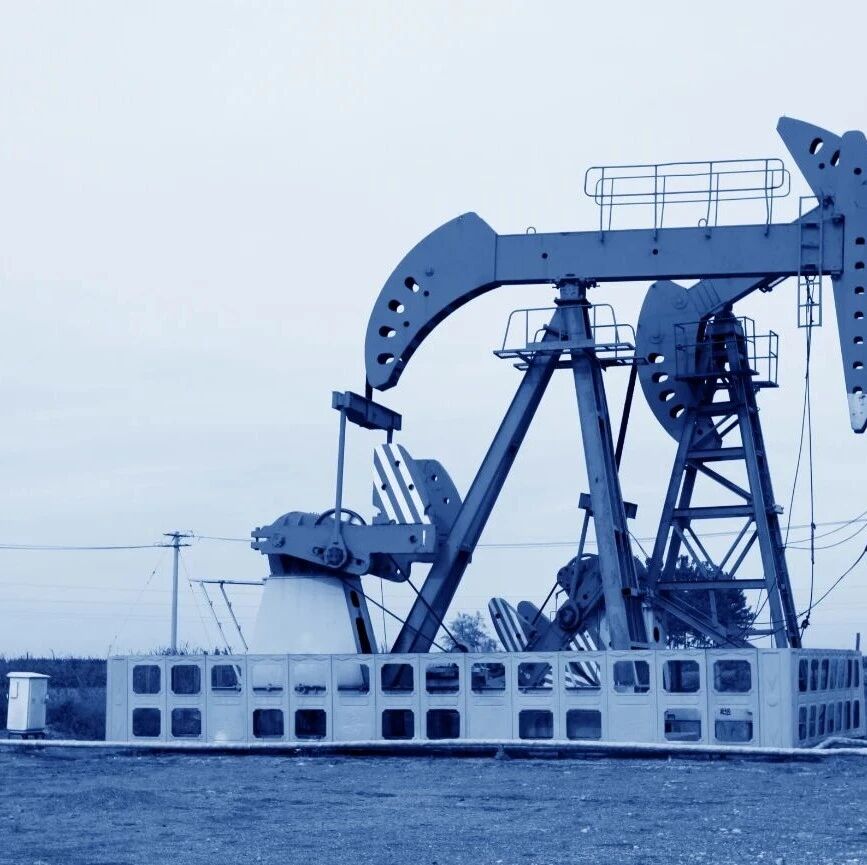
点击注册小程序 查看完整报告 特别申明: 本订阅号中所涉及的证券研究信息由光大证券研究所编写,仅面向光大证券专业投资者客户,用作新媒体形势下研究 信息和研究观点的沟通交流。非光大证券专业投资者客户,请勿订阅、接收或使用本订阅号中的任何信息。本订阅号 难以设置访问权限,若给您造成不便,敬请谅解。光大证券研究所不会因关注、收到或阅读本订阅号推送内容而视相 关人员为光大证券的客户。 公司持续推进国企改革深化行动,通过"对标世界一流管理提升行动"优化治理效能,同步深化市场化经营机制 改革,全面推行经理层任期制与契约化管理,激发组织活力,为"提质增效"提供制度保障。在此背景下,公司 ESG表现持续提升,制定清晰的"双碳"实施路径,ESG评级位居同业前列,吸引长期资金积极配置。 风险分析: 上游资本开支增速不及预期、原油和天然气价格大幅波动。 发布日期: 2025-12-14 报告摘要 世界级石化龙头砥砺奋进,股份公司上市25周年再启航 中国石油化工集团有限公司是中国最大的成品油和石化产品供应商,世界第一大炼油公司、第二大化工公司, 加油站总数位居世界第二。公司主要包括四大业务板块,分别为油气和新能源板块、炼油和销售板块 ...
从宇通看中国商用车“十四五”答卷
第一商用车网· 2025-12-15 16:00
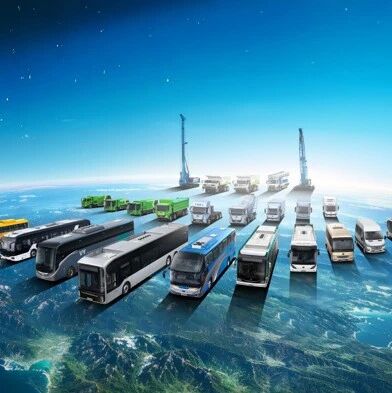
Core Viewpoint - The article highlights the significant transformation of China's commercial vehicle industry during the "14th Five-Year Plan," emphasizing the shift from traditional manufacturing to intelligent manufacturing, and the leadership in new energy vehicles, with Yutong as a key example of innovation and high-quality development [1]. Group 1: Innovation and Core Competitiveness - Innovation is the primary driving force for development, with Yutong demonstrating this through early investments in the new energy sector, launching its first pure electric bus in 1999, and maintaining a research and development investment of over 5% of revenue annually during the "14th Five-Year Plan" [2]. - Yutong has established a research team of over 3,000 people and multiple national and provincial research platforms, leading to breakthroughs in core technologies such as batteries, motors, and control systems, earning the National Science and Technology Progress Award for the fourth time [2]. Group 2: Technological Advancements - Yutong has introduced industry-leading battery systems with warranties of 1 million kilometers over 10 years and 1.5 million kilometers over 15 years, addressing user concerns about battery lifespan [4]. - The efficiency of Yutong's electric drive and control systems has reached 97.5% for motors and 99.5% for controllers, significantly reducing vehicle energy consumption [4]. - The integration of thermal management technology has improved winter range by 10%-15%, enhancing vehicle reliability and operational economics [4]. Group 3: High-End Manufacturing and Brand Power - Yutong's focus on high-end public and business vehicles has led to the T7 model breaking the monopoly of joint venture brands, serving national events for over a decade and showcasing the confidence of Chinese manufacturing [6]. - In the airport shuttle bus sector, Yutong has achieved 100% localization of components and has secured significant international orders, including a record delivery of 46 electric airport shuttle buses to Spain in 2024 [7]. Group 4: Internationalization and Global Reach - Yutong has exported over 120,000 buses to more than 100 countries, establishing a strong presence in high-end markets like Europe, supported by its core technologies and manufacturing capabilities [9]. - The company has developed a localized service network globally, with over 400 service points and a dedicated team providing 24/7 support, enhancing trust in international markets [10]. Group 5: Commitment to Green Development - Yutong has sold over 240,000 new energy commercial vehicles globally, contributing to a reduction of 28.7 million tons of carbon emissions, equivalent to reforesting 140,000 hectares [11]. - The company is actively involved in providing green solutions for various sectors, including logistics and mining, with innovations such as autonomous mining trucks and electric sweepers [13]. Group 6: Future Outlook - Looking ahead to the "15th Five-Year Plan," Yutong aims to deepen its domestic market presence while expanding internationally, focusing on self-sufficiency in key industry segments and contributing to the transformation towards green and intelligent manufacturing [15].

行业ESG周报:我国绿色工厂产值占比已提高到20%,欧盟就2040年温室气体减排90%目标达成协议-20251215
GUOTAI HAITONG SECURITIES· 2025-12-15 15:00
资讯汇总 [table_Header]2025.12.15 【行业 ESG 周报】我国绿色工厂产值占比已提高到 20%,欧盟就 2040 年温室气体减排 90%目标达成协议 产业研究中心 摘要: [Table_Authors] 赵子健(分析师) 021-38032292 zhaozijian@gtht.com 登记编号 S0880520060003 王佳(分析师) 010-83939781 wangjia7@gtht.com 登记编号 S0880524010001 蔡晨(分析师) 021-38031023 caichen@gtht.com [Table_Report] 往期回顾 【双碳周报】全国碳市场碳排放配额累计成交量 明显下调 2025.12.12 【行业 ESG 周报】中法进一步加强气候与环境合 作,我国人为碳排放总量增幅显著收窄 2025.12.12 【ESG 投资周报】本月新发绿色债券 65 只,银 行理财稳步发行 2025.12.12 【双碳周报】全国碳市场碳排放配额累计成交量 明显下降 2025.12.02 【行业 ESG 周报】中方发布《绿色矿产国际经贸 合作倡议》,超百家企业驰援中国香港大埔 ...
双碳研究 | 硅土和平联盟宣告成立供应链迎来考验
Sou Hu Cai Jing· 2025-12-15 13:56
Core Points - The establishment of the "Pax Silica" alliance aims to counter China's dominance in rare earth processing and advanced technology supply chains [1][3] - The alliance identifies processing, separation, and magnet manufacturing as critical bottlenecks, emphasizing the interconnection of mineral resources, manufacturing, and computing power in the AI era [1][4] - The success of the alliance hinges on binding financial mechanisms and long-term purchase agreements rather than solely relying on summit diplomacy [1][5] Group 1 - The initial participating countries, including Singapore, Australia, Japan, South Korea, and Israel, are strategically positioned in key nodes of processing, defense technology, and logistics [3][4] - The alliance's focus on processing and logistics, rather than just mining, is a significant aspect that acknowledges the importance of separation, alloying, and magnet manufacturing [4][5] - The declaration reflects a shift in perspective, positioning rare earths as part of an economic security framework rather than merely a mining issue [6] Group 2 - The alliance's ability to become a "game changer" is uncertain, as the declaration alone cannot directly lead to the establishment of separation facilities or create a robust rare earth supply [5][6] - Historical experiences suggest that international cooperation in the AI era may not naturally align, especially given the deep commercial ties many member countries have with China [5][6] - If the alliance can transition from summit diplomacy to contract-supported infrastructure development, it could signify a pivotal shift in the global rare earth and critical minerals landscape [6]
河南省风光年发电量首破千亿 风光发电装机超越火电成第一大电源
He Nan Ri Bao· 2025-12-15 13:37
Core Insights - The cumulative power generation from wind and solar energy in Henan Province has surpassed 100 billion kilowatt-hours for the first time, reaching 100.1 billion kilowatt-hours, a year-on-year increase of 22.5%, accounting for 28.7% of the total power generation in the province, which is an increase of 4.2 percentage points compared to the previous year [1] Group 1 - As of late 2023, the installed capacity of wind and solar energy in Henan Province has exceeded 80.58 million kilowatts, representing 48.7% of the total installed capacity in the province, surpassing the coal-fired power capacity for the first time [1] - The Central Economic Work Conference emphasized the importance of adhering to the "dual carbon" goals and promoting a comprehensive green transition, which aligns with Henan's strategy of integrating renewable energy development with pollution control and green development [1] - During the peak summer period, the output of wind and solar energy in Henan reached a record high of 4,083 million kilowatts, accounting for 46.8% of the province's electricity load at that time, demonstrating the significant role of renewable energy in power supply [2] Group 2 - The company plans to continue promoting the efficient development and utilization of renewable energy, exploring practical applications and pilot demonstrations to ensure that renewable energy projects are effectively integrated into the power grid [2] - Despite challenges posed by extreme winter weather, the company is implementing a "Winter Ice Protection" initiative to enhance the operational reliability of renewable energy generation during adverse conditions [3] - The province has maintained a renewable energy utilization rate of over 97% this year, achieving a dual increase in both the quantity and efficiency of renewable energy development, contributing to the green growth of the local economy [2]
超6GWh!海博思创等构网型储能新进度
行家说储能· 2025-12-15 13:12
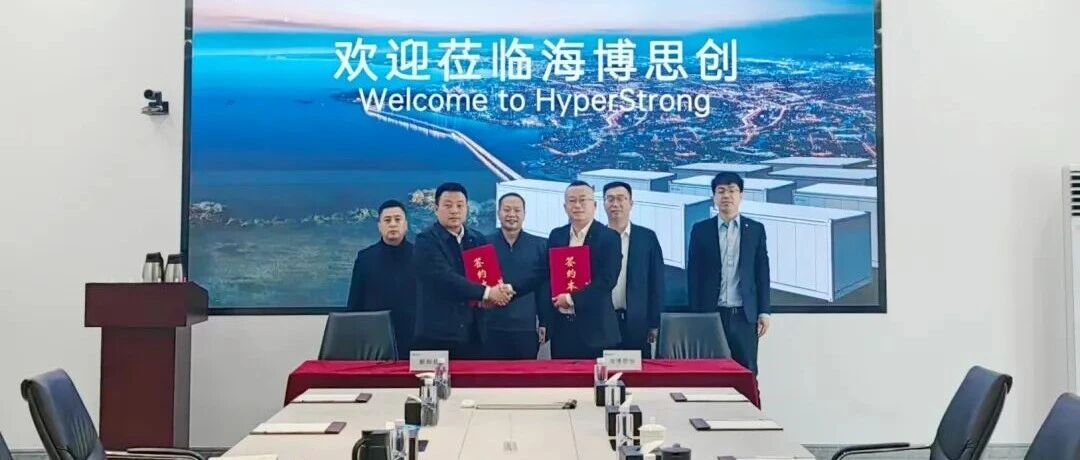
Group 1 - Recently, three energy storage companies have made progress in grid-connected energy storage projects, including Haibosi Chuang signing a cooperation agreement for a 2GWh independent grid-connected energy storage station with Xinhe County, and Kehua Data and Ganfeng Lithium successfully operating 800MWh and 4GWh energy storage stations in Xinjiang and Inner Mongolia respectively [1][2][9] - Haibosi Chuang's project involves a total investment of 1.5 billion yuan for a 2GWh independent energy storage project, marking a significant step in promoting the development of the new energy industry in Xinhe County [2][4] - Kehua Data's 200MW/800MWh grid-connected independent energy storage project has successfully connected to the grid, utilizing advanced energy storage system integration solutions to enhance grid stability and regulation capabilities [5][8] Group 2 - Ganfeng Lithium's subsidiary, Inner Mongolia Ganrun Energy Technology, has launched a 1GW/4GWh independent energy storage station, which is the largest grid-connected energy storage project in Eastern Mongolia, with a total investment of 2.5 billion yuan [9][11] - This project is expected to improve the consumption rate of surrounding wind and solar power by 6%, allowing for the absorption of over 1.2 billion kWh of clean energy annually and reducing the abandonment rate of renewable energy by approximately 6% [11] - The energy storage station will also enhance the voltage qualification rate of the grid to over 99.9% and achieve a power supply reliability rate of 99.99% [11]
公用事业行业跟踪周报:中央经济工作会议召开,双碳地位提升、建设能源强国-20251215
Soochow Securities· 2025-12-15 12:40
Investment Rating - The report maintains an "Overweight" rating for the utility sector [1] Core Insights - The Central Economic Work Conference has elevated the status of dual carbon goals and the construction of an energy powerhouse, emphasizing the need for comprehensive green transformation and energy system upgrades [4] - Key industry data shows a stable increase in electricity consumption and generation, with a notable rise in renewable energy capacity [4][13][21] Industry Data Summary Electricity Consumption - Total electricity consumption from January to October 2025 reached 8.62 trillion kWh, a year-on-year increase of 5.1%, with growth rates for various sectors: primary industry +10.5%, secondary industry +3.7%, tertiary industry +8.4%, and urban-rural residential +6.9% [13][14] Power Generation - Cumulative power generation from January to October 2025 was 8.06 trillion kWh, reflecting a year-on-year increase of 2.3%. The breakdown includes: thermal power -0.4%, hydropower +1.6%, nuclear power +8.7%, wind power +7.6%, and solar power +23.2% [21][22] Electricity Prices - The average electricity purchase price in November 2025 was 401 RMB/MWh, down 2% year-on-year but up 2.8% month-on-month [36][41] Coal Prices - As of December 12, 2025, the price of thermal coal at Qinhuangdao port was 745 RMB/ton, a decrease of 6.17% year-on-year and 5.10% week-on-week [44][47] Hydropower Conditions - As of December 12, 2025, the water level at the Three Gorges Reservoir was 172.03 meters, with inflow and outflow rates showing a year-on-year decrease of 7.7% and 7.56%, respectively [52][58] Installed Capacity - New installed capacity from January to September 2025 included: thermal power +5,668 MW (up 69.5%), hydropower +716 MW (down 10.1%), nuclear power +153 MW, wind power +6,109 MW (up 56.2%), and solar power +24,027 MW (up 49.3%) [4][45] Investment Recommendations - Focus on green electricity, with recommendations for companies such as Longyuan Power, Zhongmin Energy, and Three Gorges Energy. Emphasis on the transformation of thermal power and the potential of hydropower and nuclear power for stable returns [4]
华源晨会精粹20251215-20251215
Hua Yuan Zheng Quan· 2025-12-15 12:11
Group 1: Fixed Income - The Central Economic Work Conference emphasized the need for proactive fiscal policy and maintaining necessary fiscal deficits and debt levels for 2025 [7] - Monetary policy will continue to be moderately loose, with a focus on using various policy tools flexibly to promote stable economic growth and reasonable price recovery [7] - The report suggests focusing on the allocation value of 5Y bank capital bonds and ultra-long-term interest rate bonds [9] Group 2: Green Energy and North Exchange - The Central Economic Work Conference highlighted the commitment to a "dual carbon" strategy, promoting a comprehensive green transition [16] - By the end of September 2025, China's renewable energy installed capacity reached 2.198 billion kilowatts, accounting for 59.1% of the total power generation capacity [17] - The North Exchange includes 26 key enterprises in the green electricity industry, indicating significant growth potential in this sector [18] Group 3: Nuclear Fusion Supply Chain - The BEST project in nuclear fusion has seen a significant increase in bidding scale, with approximately 2.62 billion yuan in bids in Q4 2025, compared to 620 million yuan in Q3 2025 [22] - The report anticipates further expansion in bidding scale as the project progresses towards its 2027 completion goal [23] - Key companies to watch in the nuclear fusion supply chain include AnTai Technology and Dongfang Precision [23] Group 4: Metals and Materials - Tungsten prices have reached a historical high due to supply contraction and price increases in long-term contracts [25] - The report notes that molybdenum prices are fluctuating due to demand from the steel sector, while tin prices are rising due to supply pressures from geopolitical issues [27] - The report suggests monitoring companies like Zhongtung High-tech and Xiamen Tungsten for investment opportunities in the tungsten sector [25] Group 5: Media and Entertainment - Disney announced a $1 billion investment in OpenAI and will become the first major content licensing partner for Sora, an AI video platform [29] - This partnership is expected to create new business models and enhance the value of intellectual property in content creation [29] - The report recommends focusing on companies that have strong IP content creation capabilities and partnerships with large model companies [29]
【践行新发展理念 中国经济行稳致远】全面绿色转型提速 铺就高质量发展底色
Yang Shi Wang· 2025-12-15 11:56
一幕幕场景下,蕴藏的都是澎湃生长的绿色力量。 推动经济社会发展绿色化、低碳化是实现高质量发展的关键环节。今年以来,习近平总书记在不同场合 多次强调践行绿色发展理念,要求"制造业要坚持高端化、智能化、绿色化方向,不断提高产品科技含 量和附加值",指出"推动产业转型升级是高质量发展的重点工作",强调"重点要抓好能源转型、产业升 级和适度多元发展"。在联合国气候变化峰会上,习近平主席发表视频致辞,宣布了中国新一轮国家自 主贡献目标,这是中国首次提出绝对量减排目标,并且覆盖全经济范围、包括所有温室气体。 2025年,绿色低碳改革向纵深推进。全国碳市场扩围至钢铁、水泥、铝冶炼行业,覆盖全国60%以上碳 排放量,建成全球规模最大的碳市场,电解铝等13类产品的碳足迹核算国家标准发布,零碳园区建设也 有了明确规划。 2025年,绿色能源转型跑出举世瞩目的"中国速度"。1—10月,可再生能源装机规模、发电量稳步提 升,实现新突破,总装机达到22.2亿千瓦,占全国总装机容量近六成,全社会用电中,每3度就有超过1 度是绿电。新型储能装机规模突破1亿千瓦,占全球总装机比例超40%,氢能产业快速发展,多项技术 指标位居全球首位。 20 ...