
产品创新

Search documents
妙可蓝多营收企稳背后:转型阵痛与战略突围的博弈
Xin Lang Zheng Quan· 2025-06-27 13:06
Core Insights - Miaokelando (600882) has increased its overall cheese market share to over 39%, maintaining its industry leader position despite a revenue decline of 8.99% in 2024 [1] - The company reported a revenue of 1.233 billion yuan in Q1 2025, a year-on-year growth of 6.26%, and a net profit of 82.3967 million yuan, which surged by 114.88% [1] - Challenges such as imbalanced revenue structure, supply chain weaknesses, and insufficient R&D investment pose uncertainties for the company's future [1] Revenue Recovery and Concerns - Despite a strong performance in Q1 2025, the revenue recovery path for Miaokelando is fraught with challenges, including an 8.99% revenue decline in 2024 due to a strategic reduction in low-margin trading businesses and price wars affecting core products [2] - The company has seen a 14% year-on-year increase in revenue from its catering industrial series, providing customized solutions for leading brands like Nayuki [2] - Non-recurring gains, such as government subsidies of 13.728 million yuan accounting for 16.65% of net profit, raise concerns about the sustainability of profit growth [2] - The sales expense ratio has improved from 25.3% in 2022 to 16.3% in Q1 2025, with a 28% increase in online channel revenue [2] Supply Chain Challenges and Domestic Substitution - Miaokelando has faced significant challenges in its supply chain, including the termination of a joint venture project with Modern Dairy aimed at ensuring stable milk supply [3] - The company has initiated the "Golden Milk Source Belt Plan" to establish dedicated milk source bases in Inner Mongolia and Heilongjiang, achieving 30% domestic substitution for raw cheese materials [3] - The Longcheng raw cheese factory is expected to be operational by 2026, which will enhance local supply chain competition and mitigate risks from international milk price fluctuations [3] R&D Investment and Market Competition - Despite winning an industry technology advancement award for its "Mousse Cheese Key Technology," Miaokelando's R&D investment has decreased, with R&D expenses down 10.25% in 2024, representing only 1% of revenue [4] - The company faces intense competition from differentiated products like "High Calcium Low Salt" cheese from Cheese Doctor and imported brands like Kiri [4] - Market concentration is increasing, with Miaokelando's cheese market share exceeding 37% in 2024, while foreign brand Kiri's sales surpassed 500 million yuan [4] Financial Pressure and Strategic Balancing - The company's financial pressure is evident, with a rising debt ratio and a 30.91% year-on-year increase in short-term borrowings, leading to a 141.59% rise in financial expenses [5] - Management plans to apply for a credit line of 5 billion yuan while focusing on maintaining stable sales expenses and enhancing efficiency in marketing expenditures [5] - The company's transformation reflects a shift in the Chinese cheese industry from quantity growth to quality improvement, emphasizing supply chain control and product innovation [5]

维他奶集团发布年报 营收微增利润翻倍,内地市场成关键支撑
Xin Lang Zheng Quan· 2025-06-27 13:06
Core Insights - Vitasoy International Group Limited reported a revenue of HKD 6.274 billion for the fiscal year ending March 31, 2025, representing a 1% year-on-year growth, while profit attributable to equity holders surged by 102% to HKD 235 million [1] - The revenue growth was primarily driven by strong performance in core products in mainland China and robust results in the Hong Kong market [1] - The mainland China market, as the largest market for the group, recorded a revenue of HKD 3.363 billion, with a 1% year-on-year growth excluding exchange rate effects [1] Mainland China Market Performance - The second half of the fiscal year saw a notable improvement in sales performance in mainland China, with a revenue growth of 2%, compared to flat growth in the first half [1] - Operating profit in mainland China reached HKD 311 million, with a 42% year-on-year growth excluding exchange rate effects, attributed to effective sales strategies and improved operational efficiency [1] Hong Kong Market Performance - Vitasoy International's operating profit in the Hong Kong market increased by 24%, achieving an operating profit margin of 12%, driven by higher sales volume, reduced indirect costs, and lower raw material costs [1] Australia and New Zealand Market Recovery - In Australia, the business experienced continuous sales growth and reduced operating losses, with revenue growth of 5% in local currency and a reduction in operating losses by 4% to AUD 15 million [2] - The recovery followed the resolution of earlier production line issues, indicating a rebound in business momentum despite a competitive sales environment [2] Product Development and Market Trends - The company has launched its own sugar-free tea products in response to the growing demand in the sugar-free tea sector, with positive performance in the Hong Kong market [2] - Vitasoy International plans to continue product development and innovation based on consumer needs, aiming to enhance business value through superior taste and quality [2] Future Outlook - For the upcoming fiscal year, Vitasoy International aims to strengthen sales execution, increase sales per outlet, and improve product supply [3] - The company is focused on expanding market share in core product categories like plant-based milk and ready-to-drink tea, particularly in mainland China, while also addressing challenges in growth rates [3] - The group remains confident in its ability to capture growth opportunities through its core product portfolio and health-focused innovations [3]

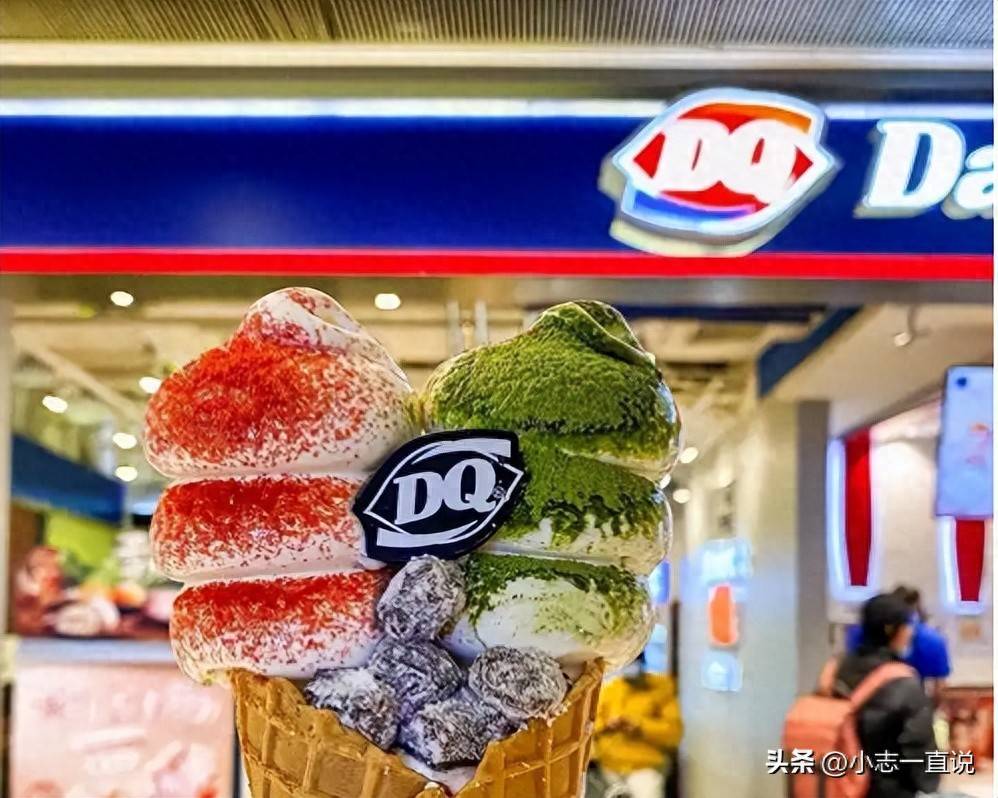
DQ野心曝光:3年新增800家门店,从甜品到汉堡能否拿下中国市场?
Sou Hu Cai Jing· 2025-06-27 01:49
Core Insights - DQ has announced an ambitious plan to open 800 new stores in China over the next three years, aiming to nearly double its current footprint of approximately 1,700 stores [1][5][12] Market Environment - The Chinese ice cream and dessert market is experiencing significant growth, driven by rising living standards and increasing demand for leisure foods, particularly among younger consumers who favor personalized and high-quality products [3][5] - The ice cream market in China has been growing at a double-digit rate annually, indicating a vast and attractive market opportunity for brands like DQ [3] Company Development - DQ has established a strong presence in China since its entry in 1992, gaining consumer loyalty through its unique products and extensive market experience [5][12] - The company has a well-developed supply chain and operational management system, which supports its expansion efforts [5][10] Expansion Strategy - DQ's new store openings will include a mix of business models, with approximately 50 burger outlets, 100 custom cake shops, and 650 ice cream stores, ensuring a diverse offering for consumers [1][6] - The company is also innovating its product line to include healthier options, such as yogurt ice cream bowls, and has seen significant sales success with new flavors [5][7] Store Layout and Product Diversification - DQ is expanding beyond traditional ice cream shops to include new store formats, such as the DQ Blizzard & Burgers restaurant, which offers both hot meals and ice cream [6] - The company is actively developing its custom cake business, which has shown remarkable growth, achieving a fivefold increase in sales compared to the previous year [6][7] Competitive Landscape - The competitive pressure in the Chinese food and beverage market is intense, with established brands and new local entrants vying for market share [8] - DQ must continuously enhance product quality and service to stand out in this crowded market [8] Operational Challenges - The large-scale expansion will require meticulous management of supply chains and operational processes to ensure quality and efficiency [10] - DQ faces the challenge of localizing its products to meet diverse consumer preferences across different regions in China [10]

波司登(03998.HK)年度权益股东应占溢利同比上升14.3%至约35.14亿元
Ge Long Hui· 2025-06-26 14:06
Group 1 - The company reported a revenue increase of 11.6% year-on-year, reaching approximately RMB 25.902 billion for the fiscal year ending March 31, 2025 [1] - The profit attributable to equity shareholders rose by 14.3% year-on-year to approximately RMB 3.514 billion [1] - The board proposed a final dividend of HKD 0.22 per share [1] Group 2 - The company has focused on its core business of down jackets, emphasizing brand building, product innovation, retail upgrades, and digital management to achieve sustainable and high-quality growth [1] - The company aims to become a global leader in the down jacket industry by concentrating resources on enhancing core competitiveness [1] - The company has implemented four key strategies: strengthening brand leadership, category management, channel operations, and customer experience [1] Group 3 - The company is enhancing its brand image as a "global leading down jacket expert" and aims to upgrade its global recognition in the down jacket market [2] - Product development includes expanding into functional outerwear for spring and summer, such as sun-protective clothing and lightweight down jackets [2] - The company has received multiple industry recognitions, including being named one of the "Top 50 Brand Marketing Cases" and awarded "Most Influential Listed Company in Hong Kong" [2]

圣贝拉上市后其创始人向华发家书:致走窄门的同路人
财联社· 2025-06-26 09:34
Core Viewpoint - Saint Bella's listing on the Hong Kong Stock Exchange marks a significant milestone, establishing it as the first stock in the family quality care sector in Hong Kong, with a market performance that saw its stock price rise by 46.5% to HKD 9.64, resulting in a market capitalization of HKD 5.74 billion [1][2]. Company Development - The founder, Xiang Hua, reflects on the company's journey, emphasizing a commitment to long-termism and a focus on customer needs, which has allowed the company to expand its business segments and achieve independent growth [1][3][7]. - Saint Bella has adopted a full-cycle service strategy (LTV), acquired Guanghetang, and developed home service offerings, which have contributed to its growth trajectory [1][7]. Service Quality and Innovation - The company prides itself on its high-quality services, having established the industry's first SaaS system and over 1,000 standard operating procedures (SOPs) to enhance service delivery [1][10]. - Saint Bella has innovated its care model from 1.0 to 3.0, introducing 24-hour nurse care, environment iterations, and proprietary product development, thus creating a unique market position [1][11]. Future Strategy - The company aims to maintain a focus on women and families, creating a closed-loop service model while expanding globally into major cities and introducing the "Bella Doctor" maternal and infant language model to address parenting challenges [2][12][17]. - Saint Bella's strategy includes deepening its understanding of women's long-term needs and expanding its service radius through partnerships and product offerings [16][19]. Cultural Mission - The company is committed to promoting Eastern postpartum care culture globally, aiming to connect with diverse cultures and enhance the appeal of traditional Chinese care practices [14][15][17]. - Saint Bella emphasizes humility and a customer-centric approach, valuing partnerships and competition while striving to solve real problems for its clients [18][19].

张涛:促消费要防止“内卷式”竞争固化,适时转换政策重心
Sou Hu Cai Jing· 2025-06-26 09:15
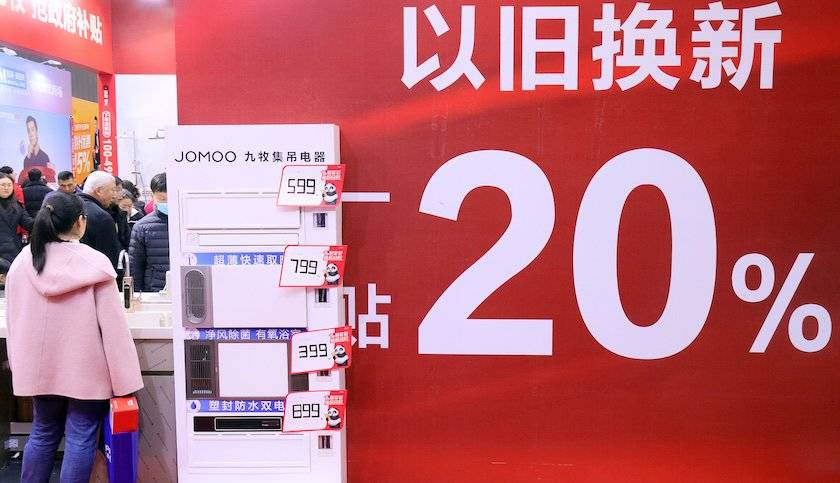
Core Viewpoint - Strengthening consumption is currently the most important macro policy, with ongoing increases in policy力度 and noticeable effects [1] Group 1: Policy Measures - In addition to the 150 billion special government bonds allocated last year to support the replacement of consumer goods, an additional 300 billion has been arranged this year to further boost consumption [1] - In the first five months of this year, the total retail sales of consumer goods reached 20.32 trillion yuan, a 5% increase compared to the same period last year, with commodity retail sales at 18.04 trillion yuan, up 5.1% year-on-year [1] Group 2: Consumption Trends - Over the 14 months since the implementation of the "Action Plan for Large-Scale Equipment Updates and Consumer Goods Replacement," total retail sales have increased by 6.5%, but this growth has lagged behind the steady increase in overall retail consumption [1] - The cumulative increase in consumer goods prices in the CPI from March 2023 to May 2024 is -0.6%, indicating that the low-price environment has not significantly improved [1] Group 3: Market Dynamics - Two main models for driving consumption are identified: - Model 1 involves merchants lowering prices to gain more orders, which can lead to unhealthy competition and a vicious cycle of low prices without stimulating new demand [2] - Model 2 focuses on innovation to create new demand, leading to improved profit expectations and a virtuous cycle of increased consumption and investment [2][4] Group 4: Key Recommendations - The key to boosting consumption lies in reversing expectations, which requires enriching policy content and timely shifting policy focus [4] - It is essential to prevent the solidification of disordered competition on the supply side and to enable companies to engage in effective innovation [4][6] - On the consumption side, efforts must be made to reverse low-price expectations and address weakening income and wealth growth expectations [4][6]
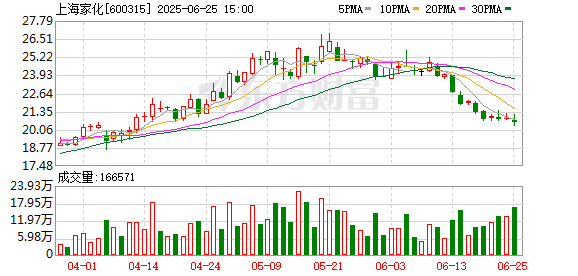
直击股东大会丨上海家化董事长林小海:“下半年改革将进入深水区,这是一场很不容易打的仗”
Mei Ri Jing Ji Xin Wen· 2025-06-25 15:34
Core Viewpoint - Shanghai Jahwa is undergoing significant reforms under the leadership of Chairman Lin Xiaohai, who has been in position for one year, aiming to address historical challenges and improve operational efficiency while facing increased competition in the domestic beauty market [2][3][10]. Company Summary - Shanghai Jahwa reported its first annual loss since going public, including over 600 million yuan in goodwill impairment losses, which Lin Xiaohai described as shedding a "burden" [2]. - The company has identified several historical issues, including low employee efficiency, weak online channels, and an overly extensive offline presence [3]. - Lin Xiaohai has implemented a focused strategy, concentrating resources on core brands like Liushen and Yuze, while reducing support for smaller brands [5]. - The company has seen double-digit growth in online channels during the "618" shopping festival, with offline inventory turnover days reduced from over 300 to approximately 90 [3][5]. - Shanghai Jahwa's offline revenue still accounts for over 50% of total revenue, significantly higher than competitors, but the company plans to streamline its offline operations by focusing on core products and reducing long-tail offerings [6]. Industry Summary - The domestic beauty market is experiencing a surge in new entrants, with many local brands going public, increasing competitive pressure on established players like Shanghai Jahwa [10]. - Lin Xiaohai emphasized the need for product innovation over raw material innovation, indicating a shift in focus towards developing new products that meet market demands [10]. - The baby and child product segment is identified as a rapidly growing market, with a shift towards online sales channels for these products [11].

煌上煌卖不动了?卤味巨头的阵痛与突围:门店缩水近千家、净利暴跌43%背后的消费寒潮
Xin Lang Zheng Quan· 2025-06-25 09:04
Core Insights - The company, Huangshanghuang, has experienced significant revenue decline, with a 9.44% drop in annual revenue to 1.739 billion yuan and a 42.86% decrease in net profit to 40.33 million yuan, marking one of the lowest profit levels in nearly a decade [1][2] - The number of stores has sharply decreased by 837, from 4,497 in 2023 to 3,660 in 2024, moving further away from its goal of "thousands of cities and stores" [1][2] Group 1: Performance Challenges - The decline in performance is attributed to intensified market competition, with rivals like Abundant Duck and Zhou Black Duck gaining market share due to better adaptability and brand innovation [2] - A misalignment between the company's product positioning and consumer demand has contributed to the downturn, as high-end products are less accepted amid a trend of consumer downgrading [2] - Supply chain management issues and cost pressures have further impacted the company, including inventory losses from a fire at a partner's warehouse and goodwill impairment affecting profits [2] Group 2: Attempts at Recovery - The company is attempting to innovate and diversify its product offerings, such as the "Shredded Sauce Duck," which has gained some consumer recognition and won international awards [3] - Despite these efforts, the diversification strategy faces challenges, with the regional nature of the "Zhenzhen Laolao" rice dumpling business limiting growth potential [3] - The company plans to shift from aggressive expansion to refined operations, focusing on developing high-potential stores and optimizing store layouts to enhance single-store efficiency [3] Group 3: Industry Context - The struggles of Huangshanghuang reflect broader challenges faced by the traditional snack industry in adapting to new consumer trends, particularly among younger demographics [4] - The company's efforts in product innovation and brand rejuvenation provide valuable insights for the industry, highlighting the need for brands to resonate emotionally with consumers [4] - The future success of the company will depend on its ability to balance tradition with innovation in a rapidly changing market [4]

匠心家居(301061):创新驱动 产品为基 自主品牌出海成长可期
Xin Lang Cai Jing· 2025-06-23 12:51
深耕智能电动家居领域二十余年,品牌出海成长可期。公司成立于2002 年,经过二十余年的发展,公 司业务模式从OEM 单纯代工升级为自主研发设计、自主品牌,产品方面,坚持聚焦智能电动家居领 域,从配件为主转变为智能电动沙发、智能电动床成品为主,并形成了覆盖核心配件的垂直一体化供应 链。 公司收入稳健增长,产品结构优化带动盈利能力提升。2024 年公司收入25.5亿元,2017-2024 年CAGR 约16%;2025Q1 实现收入7.7 亿元,同比+38%。 2024 年实现归母净利润6.8 亿元,2017-2024 年CAGR 约31%;2025Q1 实现归母净利润1.9 亿元,同比 +60%。伴随产能外移、产品结构优化、规模效应释放,公司盈利水平保持稳中有升,2017-2025Q1 毛 利率由35%提升至37%,归母净利率由12%提升至25%。 全球功能沙发市场规模不断增长,美国为主要消费国家。伴随全球经济发展,根据智研咨询预测,2027 年全球功能沙发市场规模将达到415.97 亿美元,其中美国为重要市场,市场渗透率较高。 坚持产品创新,供应链垂直一体化整合不断深入。公司坚持研发投入,研发费用率行业领先, ...
打破传统零食局限 挖掘细分消费场景 果冻行业呈现强劲发展活力
Zhong Guo Chan Ye Jing Ji Xin Xi Wang· 2025-06-20 23:12
Core Insights - The jelly industry in China has shown significant growth, with market size increasing from 17.8 billion yuan in 2020 to 31 billion yuan in 2024, reflecting a compound annual growth rate (CAGR) of 14.9% [1] - By 2024, China is projected to become the largest producer and consumer of jelly globally, with the market expected to exceed 57 billion yuan by 2029 due to consumption upgrades and health-oriented demands [2] - The jelly market is characterized by a tiered competitive landscape, with well-known brands dominating the first tier and emerging brands challenging them in specific regions or segments [3] Market Segmentation - Cup jelly remains the market leader, holding a 68.7% market share in 2024, while squeeze jelly is experiencing rapid growth, with its market size increasing from 1.1 billion yuan in 2020 to 4.7 billion yuan in 2024, achieving a CAGR of 43.8% [2] - The traditional consumer base primarily consists of teenagers, but recent innovations have expanded the age demographic of jelly consumers [2] Product Innovation - Recent years have seen a surge in product innovation within the jelly industry, with new categories like slush jelly and oversized jelly gaining popularity, catering to diverse consumer needs [4] - Health and functionality have become key innovation directions, with products incorporating proteins, dietary fibers, vitamins, and probiotics to meet various health demands [5][6] - The emergence of hangover jelly, which utilizes specific ingredients to reduce alcohol absorption, represents a novel product category appealing to younger consumers [5][6] Future Development Prospects - The jelly industry is expected to further break traditional snack boundaries, incorporating more functional ingredients to meet health-conscious consumer demands [7] - Brands are encouraged to leverage big data and AI for personalized product design, focusing on individual consumer preferences [7] - Cross-industry collaborations are anticipated to enhance product diversity and consumer experiences, such as partnerships with pharmaceutical and fitness organizations [7][8]