
智能驾驶

Search documents
光洋股份牵手孔辉汽车拓展智能驾驶领域业务布局
Zheng Quan Ri Bao· 2025-12-24 16:09
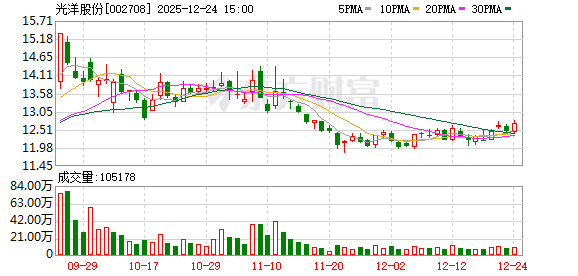
12月24日晚间,常州光洋轴承股份有限公司(以下简称"光洋股份(002708)")发布公告称,公司已于12 月23日与浙江孔辉汽车科技股份有限公司(以下简称"孔辉汽车")签署《战略合作协议》,双方将围绕智 能驾驶全主动悬架相关产品展开深度合作,重点聚焦主动稳定杆及其他线控底盘关键零部件的研发与制 造领域。 公告显示,本次合作协议无需提交光洋股份董事会或股东大会审议,也不构成《上市公司重大资产重组 管理办法》规定的重大资产重组。 作为汽车智能网联化转型的核心零部件赛道,线控底盘凭借在操控性、安全性上的技术优势,正成为新 能源汽车与智能驾驶领域的竞争焦点。此次合作中,双方将秉持平等互利、合作共赢的原则,通过整合 资源优势实现互补,共同提升核心竞争力。 根据协议约定,双方将建立高层领导交流互访机制与日常联络机制,协调解决战略合作中的重大问题及 项目对接事宜;同时在合同有效期内持续优化制造、管理及工艺水平,光洋股份向孔辉汽车供应产品的 降价幅度,将不低于孔辉汽车客户当期对其要求的降价幅度。若合作产生纠纷,双方应优先通过友好协 商解决,协商不成则向原告方所在地有管辖权的人民法院提起诉讼。 光洋股份方面表示,本次合作将有 ...

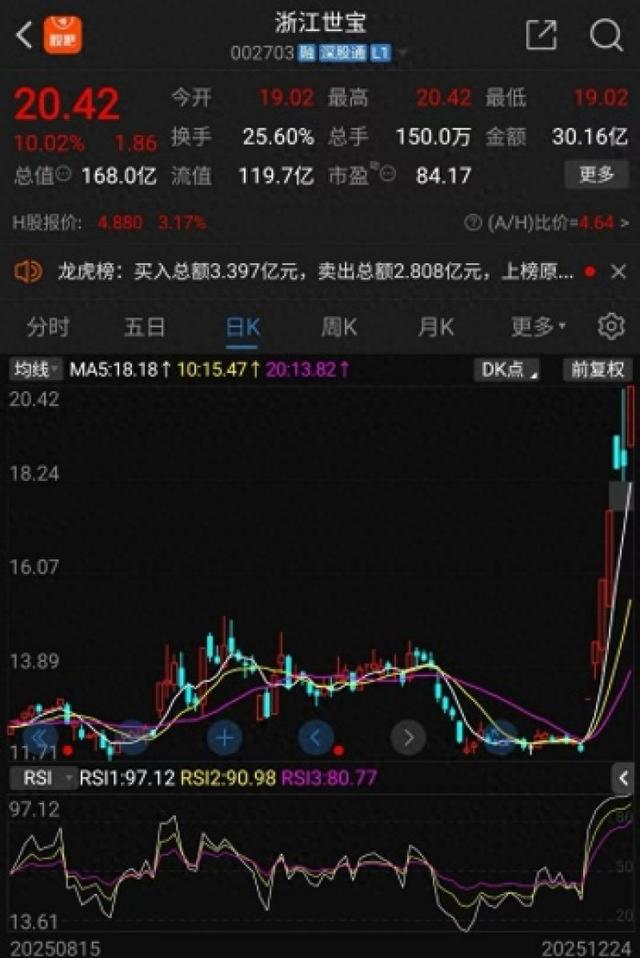
智能驾驶概念升温,浙江世宝走出7天5板,市场资金为何追捧?|掘金百分百
Hua Xia Shi Bao· 2025-12-24 14:56
Group 1 - The smart driving sector has emerged as a prominent investment opportunity in the A-share market by the end of 2025, with companies like Zhejiang Shibao leading the charge [2][4] - Zhejiang Shibao's stock price surged from 11.95 yuan per share on December 15 to 20.42 yuan on December 24, marking an increase of over 70% in just seven trading days, highlighting its role as a core leader in the smart driving concept [3][4] - The company's strong performance is attributed to its decades of expertise in the automotive steering sector and a significant increase in operational performance, with revenue and net profit for the first three quarters of the year reaching 2.462 billion yuan and 150 million yuan, respectively, representing year-on-year growth of 35.44% and 33.66% [3][6] Group 2 - The smart driving sector is experiencing a surge driven by favorable policies and market demand, with Zhejiang Shibao's stock performance reflecting the overall strength of the sector [4][5] - The recent approval of L3-level autonomous driving vehicles by the Ministry of Industry and Information Technology marks a significant milestone for the commercialization of smart driving technology in China, alleviating previous doubts about its feasibility [4][5] - The stock price increase of Zhejiang Shibao is part of a broader trend, with multiple companies in the smart driving sector experiencing simultaneous stock price surges, indicating strong market momentum [4][5] Group 3 - Zhejiang Shibao has established itself as a leading player in the automotive steering system industry, with a comprehensive product lineup that includes key components for commercial vehicles, passenger cars, and new energy vehicles [6][8] - The company has demonstrated consistent high growth in its financial performance, with projected revenues of 1.386 billion yuan, 1.819 billion yuan, and 2.693 billion yuan from 2022 to 2024, reflecting growth rates of 31.24% and 48.04% for 2023 and 2024, respectively [6][7] - The company's commitment to research and development is evident, with R&D expenditures increasing from 100 million yuan in 2022 to 136 million yuan in the first three quarters of 2025, supporting its technological leadership [9]


惠威科技:公司没有产品用于智能驾驶领域
Zheng Quan Ri Bao Wang· 2025-12-24 13:42
Group 1 - The core viewpoint of the article is that Huizhou Technology (002888) clarified that it does not have products used in the intelligent driving sector and that Huawei vehicles do not utilize its products [1] Group 2 - The company responded to investor inquiries on an interactive platform [1] - The statement indicates a clear separation between Huizhou Technology's offerings and the intelligent driving market [1] - This clarification may impact investor perceptions regarding the company's involvement in emerging automotive technologies [1]

光洋股份:公司与多家主机厂品牌车载摄像头软硬结合板实现规模化量产
Zheng Quan Ri Bao· 2025-12-24 13:04
证券日报网讯 12月24日,光洋股份在互动平台回答投资者提问时表示,公司积极拓展智能驾驶领域的 核心部件供应能力,在线控产品、车载显示、智能感知系统等方面均有积极布局,已定点项目正在有序 开发,如公司与国内某龙头线控底盘公司的主动悬架类减速器项目、国内某头部新能源整车企业EMB 线控制动项目、智能制动项目、T3*项目等。同时,公司与多家主机厂品牌车载摄像头软硬结合板实现 规模化量产,正与多家头部车企协同开发应用于压力传感器的新型软板组件。 (文章来源:证券日报) ...
惠威科技(002888.SZ):没有产品用于智能驾驶领域
Ge Long Hui· 2025-12-24 12:59
Core Viewpoint - Huawai Technology (002888.SZ) clarified on its interactive platform that the company does not have products used in the smart driving sector, and that Huawei vehicles do not utilize the company's products [1] Group 1 - The company confirmed it has no involvement in the smart driving field [1] - The company stated that its products are not used in Huawei vehicles [1]
汽车行业2026年投资策略 - 洞察周期脉络,把握智能主线
2025-12-24 12:57
Summary of Automotive Industry Conference Call Industry Overview - The automotive industry is experiencing a downward trend, with total data accelerating decline since mid-October 2025. Retail sales dropped by 9% in October and over 10% in November, influenced by purchase tax policies and replacement subsidy expectations. The overall forecast for 2026 is neutral to pessimistic, with a potential decline of 2-7% in total volume [1][4][5]. Key Insights and Arguments - **New Energy Vehicles (NEVs)**: The penetration rate of NEVs is expected to increase from 52%-53% in 2025 to 56% in 2026. Exports are projected to grow by 40% to 400,000 units, presenting structural opportunities in the market [1][6]. - **Heavy-Duty Trucks**: Benefiting from the National IV scrappage policy, the demand for heavy-duty trucks is expected to reach 700,000 to 800,000 units in 2026, with significant upward elasticity [1][7]. - **Passenger Vehicles**: The market is anticipated to rebound after hitting a bottom, with long-term investment opportunities emerging from new dimensions such as overseas expansion, high-end products, and smart driving technologies [2][8]. - **High-End Passenger Vehicles**: The demand for models priced above 600,000 RMB is stable, with domestic brands expected to increase market share. Companies like JAC and BYD are projected to achieve significant sales and profit targets [3][11]. Market Segments - **Motorcycle and Bus Markets**: These segments are expected to see high export growth rates, with companies like Yutong and Longxing valued at around 12 times earnings, showing growth rates of 15%-20% [1][8]. - **Automotive Components**: Focus on domestic substitution and technological advancements in areas such as laser radar brackets and control systems. Magnesium alloy products are expected to grow at 40%-50% over the next three years due to cost advantages [3][12]. Policy Impacts - The increase in purchase tax by approximately 5,000 RMB and the expansion of the vehicle replacement policy signal a shift in consumer behavior. The overall demand has been front-loaded, leading to a neutral forecast for 2026 with potential declines of 2-3% [5]. Investment Opportunities - **Export and High-End Markets**: Companies like BYD and Geely are expected to significantly increase their export volumes, with BYD targeting 1.5 million units and Geely aiming for 750,000 to 800,000 units in 2026. The profit share from exports is projected to rise substantially [1][8]. - **Robotics and AI**: The robotics industry is poised for growth, with companies like Tesla and domestic firms planning to produce 50,000 to 100,000 units. The focus on liquid cooling and smart driving technologies presents new investment avenues [3][13][15]. - **Specific Companies to Watch**: Recommendations include Geely, JAC, and companies in the robotics sector such as Hengli and Top Group, which are expected to show strong growth potential [14][17]. Additional Considerations - The European NEV market is projected to increase its penetration rate from 23% to 35%-40% over the next 3-5 years, with a compound annual growth rate of 15%-20%, benefiting companies like Minth and Qiaford [10]. - The heavy-duty truck market is expected to see a rebound in non-Russian regions, with exports projected to exceed 360,000 units in 2026 [10]. This summary encapsulates the key points from the automotive industry conference call, highlighting the current trends, market dynamics, and potential investment opportunities within the sector.
增速驱动国产化突破,车载芯片如何破局
2025-12-24 12:57
Summary of Key Points from the Conference Call on the Automotive Chip Industry Industry Overview - The automotive chip industry is primarily driven by the growth of electric vehicles (EVs) and intelligent driving technologies, leading to a shift from international dominance to a competitive landscape with multiple domestic players [1][2] - The domestic market is experiencing accelerated localization, with local companies rapidly emerging in niche segments [1][2] Market Growth and Projections - The compound annual growth rate (CAGR) for China's automotive chip market is projected to reach 17.3% from 2025 to 2030, significantly higher than the global average of 13.3% [2] - The demand for chips in electric vehicles far exceeds that of traditional fuel vehicles, particularly for advanced autonomous driving models [1][6] Supply Chain and Localization - The localization rate of semiconductor materials and equipment varies significantly across the supply chain, with over 80% localization achieved in the 28nm and above segment, while the rate for 14nm and below remains low at around 10% [5] - Domestic brands and new energy vehicle manufacturers are increasingly opting for a mix of domestic and international suppliers to reduce costs and enhance localization [7] Regional Industry Clusters - China has established four major automotive chip industry clusters: Beijing-Tianjin-Hebei, Central and Western regions, Yangtze River Delta, and Guangdong-Hong Kong-Macau, each with unique characteristics [8][9] - Notable regions include: - **Beijing**: Strong in software and algorithm development for autonomous driving [14] - **Jiangsu**: Home to a complete industrial chain with significant contributions from cities like Nanjing and Wuxi [13] Key Players and Innovations - **兆易创新 (GigaDevice)**: A leading fabless semiconductor company with a strong presence in the automotive chip market, achieving over 130 billion units shipped and maintaining a high market share [20] - **星驰科技 (StarChips)**: Established in 2018, focusing on central computing and regional control electronics, with over 600 million units shipped by 2025 [17] - **斯达半岛 (Star Semiconductor)**: Transitioning from industrial control to the new energy sector, with significant growth in power semiconductor devices [22] Technological Trends - The industry is moving towards a single System on Chip (SoC) approach to integrate smart cockpit and intelligent driving functions, enhancing cost efficiency and reducing communication latency [15][16] - There is a strong emphasis on upstream and downstream collaboration to achieve complete localization and innovation across the supply chain [16] Challenges and Opportunities - The automotive chip industry faces challenges in achieving high localization rates for advanced manufacturing processes, particularly for chips below 14nm [5] - The increasing complexity and functionality of electric vehicles necessitate a higher number of chips, with EVs requiring 1,000 to 3,000 chips compared to 500 to 1,000 for traditional vehicles [6] Conclusion - The automotive chip industry in China is poised for significant growth driven by technological advancements and increasing localization efforts, with various regional clusters contributing to a robust ecosystem [2][8]
光洋股份:签署战略合作协议
Zheng Quan Ri Bao Wang· 2025-12-24 12:44
Core Viewpoint - Guangyang Co., Ltd. has signed a strategic cooperation agreement with Zhejiang Konghui Automotive Technology Co., Ltd. to enhance its business layout in the intelligent driving sector, focusing on active suspension products and key components for drive-by-wire chassis systems [1] Group 1 - The strategic cooperation agreement was signed on December 23, 2025, indicating a future-oriented partnership [1] - The collaboration aims to leverage each company's resource advantages to establish a closer strategic relationship [1] - The focus areas of the cooperation include research and development, manufacturing of active stabilizers, and other critical components for intelligent driving [1]
1.36亿股股票完成过户,奔驰正式入股千里科技,系第五大股东
Zheng Quan Shi Bao Wang· 2025-12-24 12:40
Core Viewpoint - Qianli Technology (601777) has completed a share transfer agreement with Mercedes-Benz Digital, resulting in a significant change in shareholding structure and a strategic partnership focused on AI and smart driving technologies [1][4]. Group 1: Share Transfer Details - Qianli Technology announced that shareholder Lifan Holdings transferred 136 million shares to Mercedes-Benz Digital, reducing its stake from 13.68% to 10.68% [1]. - The share transfer was executed at a price of 9.87 yuan per share, amounting to an investment of approximately 1.342 billion yuan by Mercedes-Benz Digital [1]. - Mercedes-Benz Digital now holds 3% of Qianli Technology, making it the fifth-largest shareholder, and has committed to not reducing its stake for 12 months [1]. Group 2: Strategic Partnership - Qianli Technology's chairman expressed enthusiasm about the partnership with Mercedes-Benz, indicating it as a recognition of the company's value and a foundation for close strategic collaboration in smart driving and smart cockpit technologies [3]. - The partnership aims to leverage AI technology and enhance capabilities in intelligent driving and smart cockpit areas [4]. Group 3: Business Focus and Future Plans - Qianli Technology operates in two main business segments: terminal business (automobiles and motorcycles) and technology business, with a focus on intelligent driving assistance and smart cockpit solutions [3]. - The company has launched the "Qianli Smart Driving 1.0" solution, which offers multi-scenario autonomous decision-making and complex interactions [3]. - Qianli Technology is pursuing a Hong Kong IPO to establish an "A+H" share structure, aiming to transform into an AI-centric enterprise and provide comprehensive "AI+Mobility" solutions [5].

光洋股份牵手孔辉汽车推进智能驾驶业务布局
Zheng Quan Shi Bao Wang· 2025-12-24 10:46
Core Viewpoint - The strategic cooperation agreement between Guangyang Co., Ltd. and Zhejiang Konghui Automotive Technology Co., Ltd. aims to enhance collaboration in the field of intelligent driving and active suspension systems, thereby expanding Guangyang's business layout in this sector [1][2]. Group 1: Strategic Cooperation - Guangyang Co., Ltd. signed a strategic cooperation agreement with Konghui Automotive on December 23, 2025, focusing on active suspension and other key components for intelligent driving [1]. - The agreement allows both companies to leverage their resource advantages and aims for close collaboration in research, manufacturing, and cost reduction efforts [1][2]. - The contract does not require approval from the board or shareholders and does not constitute a major asset restructuring as per regulations [1]. Group 2: Business Impact - Guangyang Co., Ltd. emphasizes that the cooperation aligns with its focus on new energy vehicles, low-altitude economy, and robotics, which are key business segments [2]. - The collaboration is expected to enhance the design and manufacturing capabilities of Guangyang's active suspension and other chassis components, potentially leading to new profit growth points [2]. - The strategic agreement is described as a preliminary cooperation intention, with no significant impact on the company's independence or immediate financial performance [2]. Group 3: Financial Performance - For the first three quarters of 2025, Guangyang Co., Ltd. reported total revenue of 1.89 billion yuan, a year-on-year increase of 10.76%, and a net profit of 63.59 million yuan, reflecting a growth of 58.26% compared to the previous year [2].