出海战略

Search documents
比亚迪
数说新能源· 2025-11-20 02:09
Core Insights - The article discusses the growth and strategic initiatives of the electric vehicle (EV) and battery industry, particularly focusing on companies like BYD and CATL, highlighting their expansion into international markets and advancements in technology [1][3]. Group 1: International Expansion - BYD is increasing its presence in Southeast Asia, with significant sales growth expected in Europe, Asia-Pacific, and Latin America, each accounting for approximately one-third of its international sales [1]. - The new factory in Hungary is set to commence operations in early next year, which will further boost sales in Europe [1]. Group 2: Product Development and Innovation - The company is focusing on high-end product lines, with new offerings in the Fangchengbao Titanium series and significant updates to the Tengshi brand's design and interior [1]. - The introduction of cloud systems, intelligent driving, and fast charging technologies is part of the company's strategy to enhance its product base [1]. Group 3: Inventory and Supply Chain Management - Current inventory levels are low, reflecting lessons learned from last year's unsold stock that hindered new product launches [1]. - The procurement strategy for battery cells is aimed at balancing performance and cost, which is crucial for maintaining competitiveness in the market [1]. Group 4: Market Trends and Projections - The energy storage market is projected to grow faster than the power market, indicating a shift in focus for companies like CATL [3]. - Internal estimates suggest that energy storage shipments could reach approximately 50 GWh this year, with expectations for continued rapid growth next year [1].



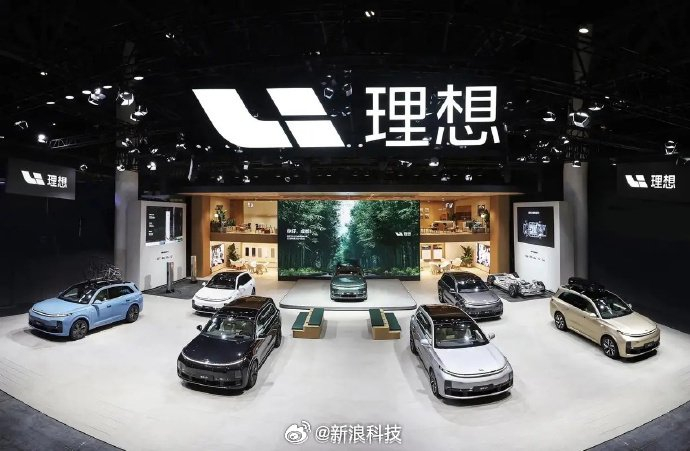
理想反思出海战略滞后,将加速布局中东中亚欧洲市场
Xin Lang Ke Ji· 2025-11-19 15:35
Group 1 - The core viewpoint of the article is that Li Auto acknowledges its mistake of delaying its international expansion strategy, which it now aims to accelerate [1][2] - Li Auto held a strategic meeting in mid-October to reflect on various issues including declining sales, R&D, and product strategies, leading to a decision to enhance its overseas market presence and increase AI investments [1] - Previously, Li Auto had relied on parallel exports to markets like Russia and Central Asia, achieving a peak monthly export volume of 4,000 vehicles, but this has significantly decreased due to new restrictions [1][2] Group 2 - The Chinese government has imposed strict controls on new car exports under the guise of used cars, which will effectively cut off Li Auto's parallel export line starting January 1, 2026 [2] - Other competitors like Xpeng, Leapmotor, and NIO have prioritized international expansion during the two years that Li Auto hesitated, while Li Auto's own overseas strategy remained unclear [2] - Li Auto has recently clarified its intention to focus on expanding into the Middle East, Central Asia, and Europe, establishing R&D centers in Germany and the U.S., and retail centers in Uzbekistan and Kazakhstan [2]

理想战略会大反思:承认变慢、全力出海、重投AI|36氪独家
3 6 Ke· 2025-11-19 12:25
Core Insights - Li Auto is facing unprecedented pressure with a decline in vehicle sales, selling 31,767 units in October, showing both year-on-year and month-on-month decreases [1] - The company acknowledges a slowdown in efficiency and is adjusting its product and research strategies, including accelerating its overseas expansion and increasing AI investments [1][3] Sales Performance - In October, Li Auto's sales dropped significantly, with the i8 model underperforming and the i6 model facing delivery challenges due to production capacity constraints [1] - The L series, which previously achieved over 50,000 monthly sales, has now fallen to around 20,000 units [3] Strategic Adjustments - Li Auto held a three-day closed-door strategy meeting to reflect on various issues, including sales decline and product development [1] - The company plans to shorten its product iteration cycle from four years to two years to better compete in the market [4] Competitive Landscape - Li Auto is facing intensified competition from rivals like Xiaomi and Huawei, with Xiaomi's YU7 model emerging as a significant competitor [4][6] - The company recognizes that its previous strategy of relying on parallel exports for overseas sales is no longer viable due to increasing restrictions [6][7] AI and Technology Investments - Li Auto is increasing its investment in AI, focusing on enhancing reasoning computing power, with current capabilities at 10 EFLOPS for training and 3 EFLOPS for reasoning [10] - The company plans to launch its second-generation AI chip in two years, emphasizing reasoning capabilities over training [10][11] Organizational Changes - Li Auto is shifting its focus away from strict cost-effectiveness in R&D to ensure adequate resource allocation for innovation [5] - The company is also considering establishing an independent R&D system to enhance product innovation [5] Overseas Expansion Strategy - Li Auto has recognized the need to accelerate its overseas expansion plans, previously delayed until 2028, and is now focusing on markets in the Middle East, Central Asia, and Europe [6][7] - The company is setting up retail centers in various countries and adapting new models to meet international regulations [7] Future Outlook - Li Auto is recalibrating its strategies to enhance competitiveness, focusing on agile product development, increased AI investment, and a more robust overseas presence [12]
福建女首富正式接班,能否重振“乡镇之王”达利食品?
Guan Cha Zhe Wang· 2025-11-19 08:05
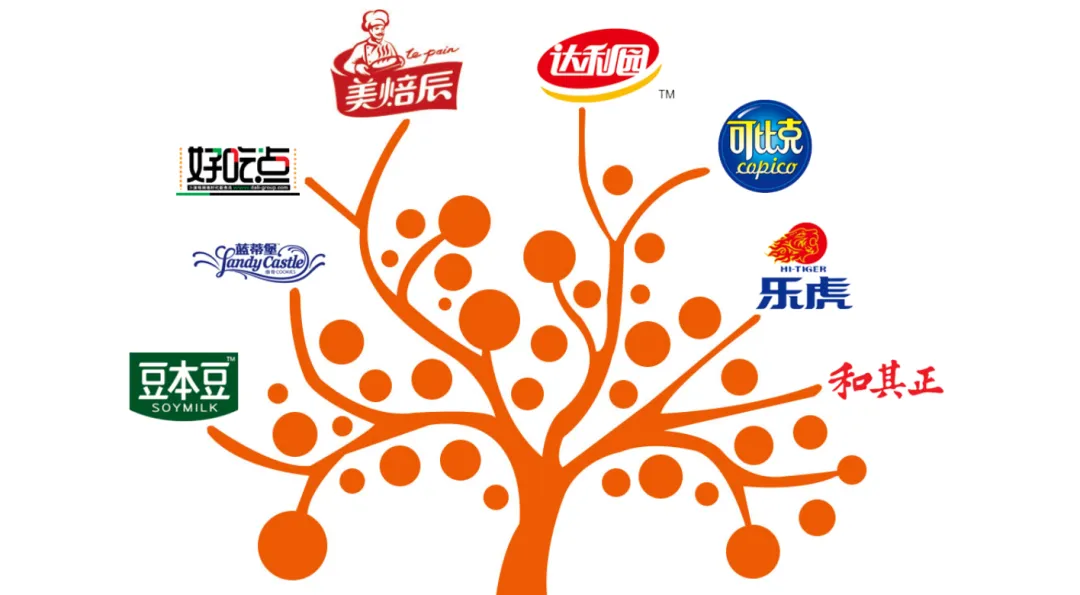
Core Insights - Dali Food Group announced that Xu Yangyang, daughter of founder Xu Shihui, officially took over as president in November 2025, leading the company during a challenging period of declining performance and industry transformation [1][9] Company History and Development - Xu Shihui's entrepreneurial journey began in 1989 when he invested his entire savings to buy a second-hand biscuit production line, establishing the precursor to Dali Food [2] - Dali Food was officially founded in 1992, but faced significant competition from brands like Wangwang and Lays as they entered the Chinese market [2] Business Strategy - Dali Food adopted a unique "Dali Model" to compete against foreign brands, focusing on low-priced products, celebrity endorsements, and deep channel penetration [3][5] - The company has historically leveraged aggressive marketing strategies, utilizing popular celebrities for endorsements and maintaining a pricing strategy that undercuts competitors by 30% to 50% [6][8] Financial Performance - Dali Food's revenue peaked at 222.94 billion yuan in 2021 but fell to 199.57 billion yuan in 2022, marking the beginning of a downward trend [10][12] - The company initiated a privatization process in 2023 due to its stock price being undervalued, but subsequent revenue figures for 2023 and 2024 showed continued decline [12][13] Market Challenges - Dali Food has struggled to adapt to new market dynamics, including the rise of e-commerce and competition from direct-to-consumer models, which have eroded its traditional channel advantages [14][16] - The company's reliance on a "pressuring inventory" model has led to issues with distributor relationships and inventory management, further complicating its market position [14] Leadership Transition and Future Strategy - Xu Yangyang aims to transition Dali Food from a "follower" to an "innovator," focusing on brand rejuvenation and product innovation to meet evolving consumer demands [16][17] - The company is pursuing an international expansion strategy, targeting Southeast Asia, with plans to establish production bases in Indonesia, Thailand, Vietnam, and Saudi Arabia [19][20]
达利食品二代接班
Bei Jing Shang Bao· 2025-11-16 15:52
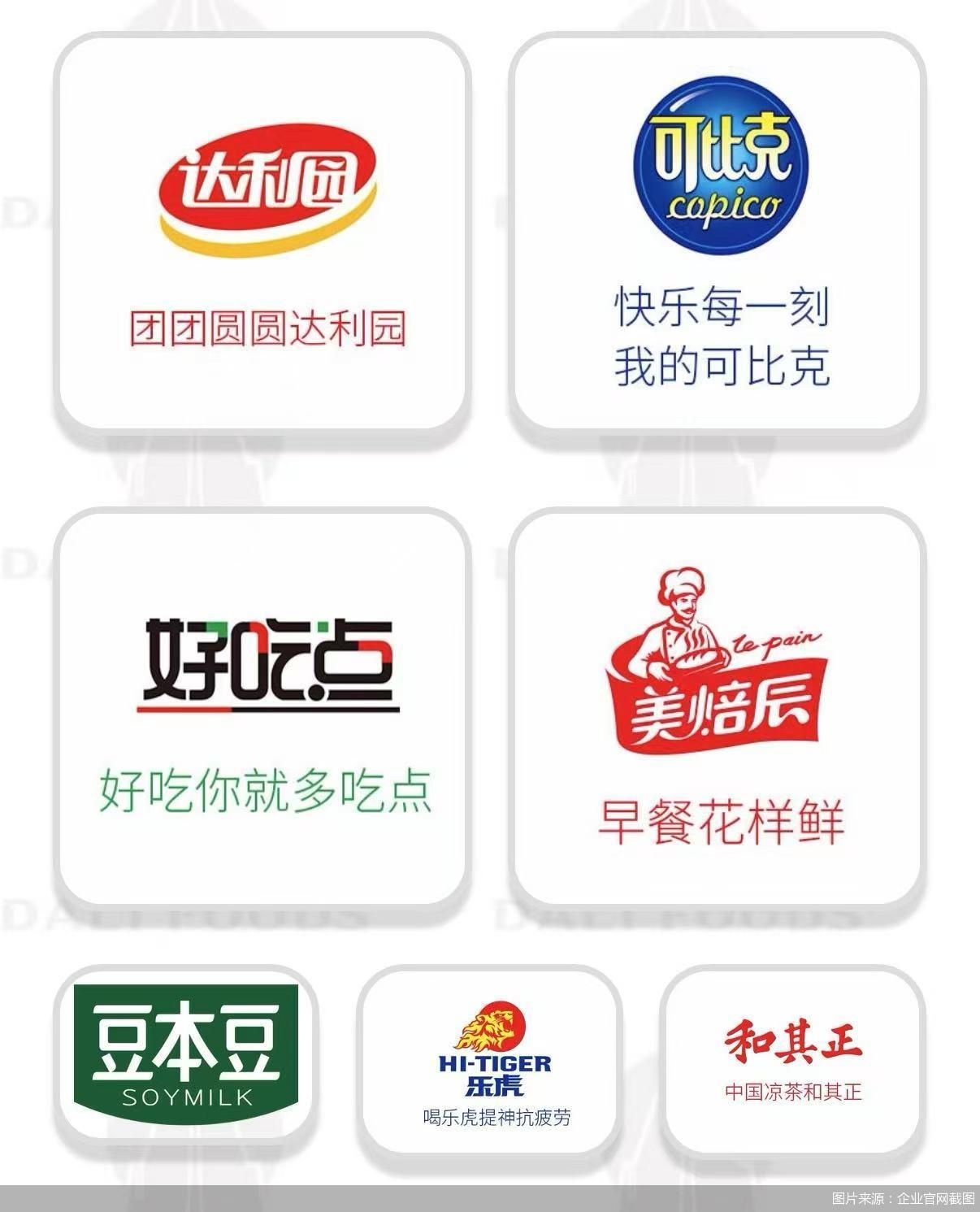
Core Viewpoint - Dali Foods Group has officially transitioned leadership to Xu Yangyang, daughter of founder Xu Shihui, marking a significant generational change after 36 years of operation [1] Company Background - Dali Foods was founded in 1989 by Xu Shihui in Quanzhou, Fujian, initially as Huian Meili Food Factory [3] - The company became a leading player in the domestic food and beverage industry by imitating successful products and adopting a low-price strategy to reach a broader consumer base [3] Leadership Transition - Xu Yangyang has 17 years of experience within Dali Foods, having held various key positions and participated in significant company developments [3] - She led the company to a successful IPO on the Hong Kong Stock Exchange in 2015, which was the largest IPO in the global consumer goods sector that year [3] - In 2023, Xu Yangyang was tasked with executing a global expansion strategy, focusing on Southeast Asia with production bases in Indonesia, Thailand, Vietnam, and Saudi Arabia [3] Financial Performance - Dali Foods experienced a decline in revenue after reaching a peak of 22.294 billion yuan in 2021, with projected revenues of 19.957 billion yuan in 2022, 18.86 billion yuan in 2023, and 18.07 billion yuan in 2024 [4] - The company has faced challenges with its stock price and trading volume, leading to its delisting from the Hong Kong Stock Exchange on September 1, 2023 [4] Product Innovation and Market Challenges - Xu Yangyang has introduced innovative brands such as "Dou Ben Dou" and "Mei Bei Chen," which were seen as potential turning points for the company [4] - However, the revenue growth for these brands has slowed significantly, with the family consumption segment growing only 1.9% to 3.705 billion yuan in 2022, compared to a 22.7% growth in 2021 [4] - The snack food segment saw a 9.2% decline in revenue to 9.03 billion yuan, while the ready-to-drink beverage segment experienced a 22.3% drop to 5.123 billion yuan [4] New Product Launches - Dali Foods has followed industry trends by launching new health-oriented products, including "Chao Ye" sugar-free tea and "Yi Ji Shui" wellness water [5] - Despite these efforts, the new products have not yet demonstrated significant market success, with sales of these items remaining below 1,000 units in the past 30 days [5] Strategic Insights - Industry analysts suggest that Xu Yangyang's leadership comes at a critical juncture for Dali Foods, as the company needs to better understand and meet the core demands of new-generation consumers [6] - Experts recommend that Dali Foods should shift its strategy to enhance R&D investment, develop unique core products, strengthen brand identity, and optimize market positioning to cater to diverse consumer needs [6]

许阳阳接任总裁,达利食品下一步怎么走
Bei Jing Shang Bao· 2025-11-16 12:09
Core Viewpoint - Dali Food Group has officially transitioned leadership to Xu Yangyang, daughter of founder Xu Shihui, marking a significant generational change after 36 years of operation [1] Group 1: Company Background - Dali Food was founded in 1989 by Xu Shihui in Quanzhou, Fujian, initially as Huian Meili Food Factory [3] - The company became a leading player in the domestic food and beverage industry by imitating successful products and adopting a low-price strategy to reach a broader consumer base [3] - Xu Yangyang has 17 years of experience within Dali Food, having held various key positions and contributing to significant company milestones [3] Group 2: Leadership Transition - Xu Yangyang, born in 1983 and a graduate of Xiamen University, returned to China in 2008 after studying in the UK and started from grassroots positions [3] - Under her leadership, Dali Food successfully completed its IPO on the Hong Kong Stock Exchange in 2015, achieving the largest IPO in the global consumer goods sector that year [3] - In 2017, she identified the potential in the plant-based market, launching the "Dou Ben Dou" soy milk brand and repositioning Dali Food towards innovation and industry leadership [3] Group 3: Current Challenges - Dali Food has faced declining revenues since reaching a peak of 22.294 billion yuan in 2021, with projected revenues of 19.957 billion yuan in 2022, 18.86 billion yuan in 2023, and 18.07 billion yuan in 2024 [4] - The company delisted from the Hong Kong Stock Exchange on September 1, 2023, due to low stock prices and trading volumes that did not reflect its true value [4] - Despite launching innovative products like "Dou Ben Dou" and "Mei Bei Chen," revenue growth in the family consumption segment has slowed significantly, with a 1.9% increase to 3.705 billion yuan in 2022 compared to a 22.7% growth in 2021 [4] Group 4: Strategic Outlook - Dali Food is pursuing a health-oriented strategy, introducing new products such as "Chao Ye" sugar-free tea and "Ni Ji Shui" wellness water, but these have yet to achieve significant sales [5] - Analysts suggest that Xu Yangyang's leadership comes at a critical juncture, as the company needs to better understand and meet the core demands of younger consumers [5] - Experts recommend that Dali Food should shift its strategy to enhance R&D investment, develop unique core products, strengthen brand identity, and optimize market positioning to cater to diverse consumer needs [5]
SHEIN孵化的SHEGLAM,如何突围中东市场?
首席商业评论· 2025-11-15 04:45
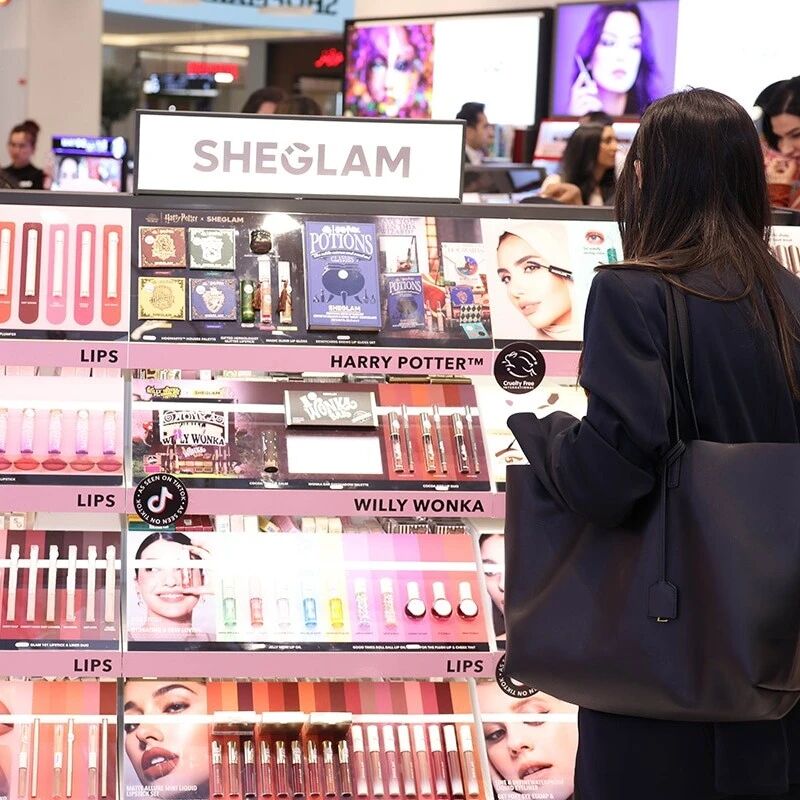
Core Insights - The global cosmetics market is dominated by Western brands, with the top five companies holding a market share of approximately 44% in 2024 [2] - SHEIN has successfully entered the cosmetics market with its brand SHEGLAM, achieving significant sales growth through e-commerce and offline retail strategies [6][7] - SHEGLAM's unique positioning focuses on affordability and quality, targeting a market segment that is less concentrated compared to high-end brands [16] Group 1: Market Dynamics - The global cosmetics market has a compound annual growth rate (CAGR) of 6.3% from 2020 to 2024, with a total market size nearing $800 billion [2] - The concentration of market share among leading brands creates opportunities for new entrants to target the lower price segments where competition is less fierce [10][12] - In regions like Saudi Arabia, consumer behavior is split, with some consumers being frugal while others are willing to spend, allowing new brands to find niche opportunities [12] Group 2: SHEGLAM's Strategy - SHEGLAM's pricing strategy positions its products between $1 and $20, with many items priced below $5, making it competitive against Western brands [16] - The brand leverages its parent company SHEIN's extensive user base and e-commerce platform to penetrate various international markets [21][22] - SHEGLAM has established a significant offline presence in the Middle East, opening over 900 retail outlets in the UAE and collaborating with major retailers in Saudi Arabia [32] Group 3: Product Development and User Engagement - SHEGLAM emphasizes user co-creation and feedback to inform product development, utilizing social media platforms for consumer insights [41][42] - The brand has a diverse product range with over 1,000 SKUs, focusing on localized needs such as skin tone matching in different regions [39][42] - SHEGLAM's approach to market entry includes understanding regional consumer preferences and adapting products accordingly, such as developing long-lasting makeup for hot climates [39] Group 4: Competitive Landscape - The competitive landscape in the Middle East is less concentrated compared to mature markets like the US and Europe, providing SHEGLAM with a favorable environment to establish itself [25][27] - The retail channel dynamics differ significantly between regions, with beauty specialty stores being more prominent in the Middle East compared to e-commerce in Western markets [29][30] - SHEGLAM's strategy to avoid direct competition with established brands allows it to carve out a unique market position [16][27]
谈AI 谋出海 话未来 近90家上海辖区上市公司与投资者“热聊”
Shang Hai Zheng Quan Bao· 2025-11-13 17:57
Core Insights - The event highlighted the integration of AI technology in innovative drug development services, with companies like Medici focusing on building an AI-based preclinical research platform [1][2] - There is a strong emphasis on international market expansion among Shanghai-listed companies, with many exploring overseas manufacturing and localized operations to seek new growth [4][5] Group 1: AI and Robotics Developments - Medici's CEO emphasized the importance of AI in drug development, aiming to enhance their one-stop innovative drug research platform [2] - Cambridge Technology has begun small-scale supply of its 1.6T optical modules, with expectations for mass shipments by Q1 2026 [2] - Yongmaotai is collaborating with a leading humanoid robotics company to innovate in robotics technology and commercial applications [2][3] Group 2: International Market Expansion - Companies are actively pursuing internationalization strategies, with Ailis focusing on global clinical trials for its drug, Vomeletinib, in collaboration with ArriVent [4] - Zijiang Enterprises has operational overseas factories, including a 49% stake in an Ethiopian company and a fully-owned subsidiary in Vietnam [5] - Light Dairy is enhancing its international business through its New Zealand subsidiary, focusing on high-nutrition products for the Chinese and Southeast Asian markets [5] Group 3: Future Technology and Product Development - Yongmaotai plans to develop core components for robots and electric drive systems, leveraging technological innovation for product upgrades [3] - Companies are exploring the application of AI in their business operations, with Zhonggu Logistics actively seeking to implement smart technologies [3] - Pioneering companies like Pioneering Technology are enhancing their global market share in home energy storage by leveraging their brand reputation in Europe [6]
“AI、出海、长青”三大战略驱动 腾讯核心主业收入均实现两位数增长
Shang Hai Zheng Quan Bao· 2025-11-13 17:55
Core Insights - Tencent reported Q3 revenue of 192.87 billion yuan, a 15% year-on-year increase, with operating profit (Non-IFRS) at 72.57 billion yuan, up 18%, and net profit (Non-IFRS) at 70.55 billion yuan, also up 18% [1] - The company achieved significant progress in its three strategic directions: AI, international expansion, and sustainable growth [1] AI Ecosystem Acceleration - Tencent's AI initiatives are becoming increasingly visible and usable, with the "Yuanbao" AI strategy gaining traction [2] - The integration of Yuanbao into major products like QQ Music and Tencent Video has accelerated, with daily active users reaching the top three among domestic AI-native applications [2] - The AI Workbench (ima) 2.0 version saw over 80 times growth in monthly active users since January, while the AI features in QQ Browser also experienced an 18-fold increase in monthly active users since April [2] International Expansion - Tencent's international gaming revenue grew by 43% year-on-year, surpassing 20.8 billion yuan, driven by Supercell's game revenue and contributions from newly acquired studios [3] - Tencent Cloud's internationalization has deepened, serving over 90% of leading outbound internet companies and 95% of top outbound gaming companies, with a doubling of overseas customers in the past year [3] - The WeChat ecosystem is accelerating its international outreach, with services now covering 92 countries and regions across 103 industries [3] Growth of New Businesses - Tencent's core businesses in advertising, gaming, and social media remain strong, with new business segments showing rapid growth [4] - The gaming sector saw a 22.8% revenue increase, with domestic market revenue rising by 15% to 42.8 billion yuan [4] - The WeChat ecosystem's monthly active users reached 1.414 billion, driving the development of new business initiatives like WeChat Mini Programs and Video Accounts [4]

百亿现金从从容容,赴港上市匆匆忙忙,东鹏饮料如此着急为哪般?
Sou Hu Cai Jing· 2025-11-12 01:08
Core Viewpoint - Dongpeng Beverage has rapidly risen to become a domestic giant in the functional beverage market in China, with plans for a dual listing in Hong Kong despite strong financial performance and cash flow [2][12]. Financial Performance - In the first three quarters of 2025, Dongpeng Beverage achieved revenue of 16.844 billion yuan, a year-on-year increase of 34.13%, and a net profit of 3.761 billion yuan, up 38.91% from the previous year [5]. - From 2021 to 2024, the company's revenue grew from 6.978 billion yuan to 15.839 billion yuan, with a compound annual growth rate (CAGR) of 31.42%, while net profit increased from 1.193 billion yuan to 3.327 billion yuan, with a CAGR of 40.76% [3][5]. Capital Structure - As of the end of 2024, Dongpeng Beverage had cash and cash equivalents totaling 14.222 billion yuan, with net cash flow from operating activities reaching 5.789 billion yuan [5]. - Despite strong cash reserves, the company's short-term borrowings increased from 6.551 billion yuan at the end of 2024 to 6.973 billion yuan in Q3 2025, leading to a rise in the debt-to-asset ratio from 57.01% in 2023 to 66.08% in 2024 [8][12]. Dividend Policy - Since its IPO, Dongpeng Beverage has distributed cash dividends totaling 6.6 billion yuan, with a dividend payout ratio of 56.12% and a cash dividend payout ratio of 69.14% in 2024 [8][12]. Market Position - Dongpeng Beverage holds a 26.3% market share in China's functional beverage sector, with a compound annual growth rate of 41.9% in sales from 2022 to 2024 [13][14]. - The revenue contribution from Dongpeng Special Drink has decreased from 96.24% in 2022 to 74.63% in Q3 2025, indicating a diversification strategy [15][16]. Strategic Challenges - The company faces structural risks due to its reliance on a single product, Dongpeng Special Drink, which has health concerns related to high sugar content [15][18]. - Dongpeng Beverage has adopted a "1+6" multi-category strategy, introducing new products like electrolyte drinks, but these have lower profit margins compared to its flagship product [16][18]. International Expansion - Dongpeng Beverage is pursuing international expansion, particularly in Southeast Asia, with plans to use funds from its Hong Kong listing to support this strategy [21][24]. - The company has established subsidiaries in Indonesia, Malaysia, and Vietnam, but currently, overseas revenue accounts for less than 1% of total revenue [21][24].