全球货币秩序重构

Search documents
中金:黄金巨震,A股如何反应?
Xin Lang Cai Jing· 2026-02-03 03:14
Market Performance - The A-share market showed weakness today, with the Shanghai Composite Index falling by 2.5% [1][5] - Major indices experienced declines, including the CSI 300 down 2.1%, the STAR 50 down 3.9%, and the ChiNext Index down 2.5% [1][5] - The trading volume today was 2.6 trillion yuan, a decrease of approximately 0.26 trillion yuan compared to the previous trading day [1][5] External Factors - The adjustment in the A-share market is primarily attributed to increased external uncertainties, including the nomination of Kevin Walsh as the next Federal Reserve Chairman, which has affected expectations for U.S. monetary policy [2][6] - Global commodity prices have sharply declined, impacting market sentiment and risk appetite, with significant drops in gold and other commodities [2][6] Investment Strategy - The current market volatility presents opportunities for bottom-fishing, as the underlying positive factors such as ample liquidity and improving performance remain unchanged [3][7] - The market is expected to continue supporting Chinese assets in 2026, driven by the restructuring of international order and domestic industrial innovation trends [3][7] Sector Focus - Suggested areas for investment include: 1. Growth sectors such as AI technology, cloud computing, and innovative pharmaceuticals, which are entering a growth cycle [4][8] 2. Export-oriented sectors, particularly in home appliances, engineering machinery, and gaming, which are seen as stable growth opportunities [4][8] 3. Cyclical sectors like chemicals and renewable energy, which may benefit from improving supply-demand dynamics [4][8] 4. High-dividend stocks, which are attractive for long-term investors seeking stable cash flow [4][8]
中金:A股出现较大调整 短期波动已开始提供逢低布局机会
智通财经网· 2026-02-03 01:04
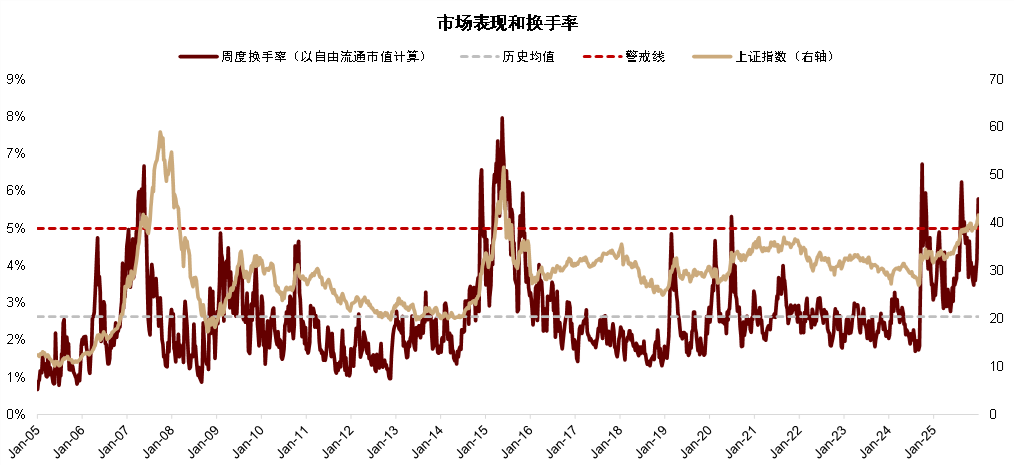
Core Viewpoint - The A-share market experienced significant adjustments due to increased external uncertainties, including the nomination of the next Federal Reserve Chairman affecting expectations for U.S. monetary easing and a global decline in commodity prices impacting market sentiment [1][3] Market Performance - The A-share market showed weak performance today, with the Shanghai Composite Index falling by 2.5%. The market has been in a correction phase since January 13 due to high turnover rates and overheated sentiment. Major indices, including the CSI 300 and the ChiNext Index, also saw declines of 2.1% and 2.5% respectively, while the STAR Market Index dropped by 3.9% [2][3] External Factors - The adjustment in the A-share market is primarily attributed to external uncertainties, such as the nomination of Kevin Walsh as the next Federal Reserve Chairman, which has altered market expectations for monetary policy. Walsh's previous hawkish stance has led to reduced expectations for a dovish shift in Fed policy, causing market volatility [3][4] - Additionally, a significant drop in global commodity prices has affected risk appetite and sentiment in equity markets. The price of gold, which had surged earlier, saw a decline of over 20% from its peak, contributing to a broader sell-off in commodities and impacting investor sentiment [3][4] Investment Strategy - The current market volatility presents opportunities for bottom-fishing investments. Despite the fluctuations, positive factors such as ample liquidity, improving earnings, and industry trends remain unchanged. The company suggests that the short-term volatility has begun to create opportunities for strategic investments [4][5] - In the medium term, the company emphasizes that the restructuring of international order and the resonance with China's industrial innovation trends are the core drivers of the current market rally and the revaluation of Chinese assets. These conditions are expected to continue supporting the performance of Chinese assets through 2026 [4][5] Sector Focus - The company recommends focusing on several sectors for investment: 1. Growth sectors such as AI technology, which is expected to enter an application phase by 2026, with opportunities in optical modules and cloud computing infrastructure [5] 2. Export-oriented sectors, including home appliances, engineering machinery, and gaming, which are seen as certain growth opportunities [5] 3. Cyclical sectors that are nearing improvement points in supply-demand dynamics, such as chemicals and renewable energy [5] 4. High-dividend quality stocks, which are expected to attract long-term capital due to their stable cash flows and dividend certainty [5]
中金:黄金巨震,A股如何反应?
中金点睛· 2026-02-02 23:55
Core Viewpoint - The A-share market is experiencing a significant adjustment due to increased external uncertainties, particularly related to the nomination of the next Federal Reserve Chairman and the subsequent impact on market liquidity expectations [2]. Market Performance - The A-share market showed weak performance today, with the Shanghai Composite Index falling by 2.5%. Other major indices also declined, including the CSI 300 down 2.1%, the STAR 50 down 3.9%, and the ChiNext Index down 2.5%. The total trading volume was 2.6 trillion yuan, a decrease of approximately 0.26 trillion yuan from the previous trading day [1]. External Influences - The nomination of Kevin Warsh as the next Federal Reserve Chairman has altered expectations regarding U.S. monetary policy, leading to increased market volatility. Warsh's previous hawkish stance has raised concerns about a shift away from accommodative policies, impacting liquidity expectations [2]. - A significant drop in global commodity prices has also affected market sentiment, with gold prices experiencing a decline of over 20% from their recent peak. This shift in risk appetite has influenced investor behavior in the equity markets, particularly affecting the performance of previously strong sectors like metals [2]. Investment Strategy - The current market volatility presents a buying opportunity. Despite the fluctuations, positive factors such as ample liquidity, improving earnings, and industry trends remain intact. The market may have already priced in a significant amount of pessimism, suggesting potential for recovery [3]. - Recommended sectors for investment include: 1. **Growth Areas**: Focus on AI technology, cloud computing infrastructure, and innovative pharmaceuticals, which are entering a growth cycle [4]. 2. **Export Opportunities**: Emphasize sectors like home appliances, engineering machinery, and gaming that benefit from international demand [4]. 3. **Cyclical Recovery**: Target industries nearing improvement in supply-demand dynamics, such as chemicals and renewable energy [4]. 4. **High Dividend Stocks**: Consider companies with strong cash flow and dividend certainty for long-term investment [4].


美元信用危机倒计时?38万亿美债压顶,黄金成终极“避风港”
Sou Hu Cai Jing· 2026-01-27 11:41
Core Viewpoint - The recent rise in global hard asset prices is primarily driven by a deeper geopolitical and monetary restructuring, particularly concerning Arctic resources and security, rather than merely a response to geopolitical tensions with Russia [1][3]. Group 1: Geopolitical and Economic Context - The closed-door discussions between the U.S. and NATO during the Davos Forum on January 21, 2026, are misinterpreted as a strategy to contain Russia, while they actually reflect a struggle over the reconstruction of the global monetary order [1]. - Greenland's strategic value extends beyond military interests, as it holds significant undeveloped rare earth minerals and gold deposits, prompting the U.S. to seek military and resource development rights in collaboration with Denmark [3]. - The U.S. faces increasing pressure on its dollar hegemony due to a debt of $38 trillion, necessitating the acquisition of hard assets like rare earths and gold to hedge against the risks of dollar depreciation [3]. Group 2: Gold Price Dynamics - The rise in gold prices is not solely driven by risk aversion; rather, it is influenced by global capital reallocating towards hard assets in response to changes in the dominant monetary system [4]. - Major financial institutions like Goldman Sachs and Citigroup have raised their gold price targets, with Goldman predicting a price of $5,400 and Citigroup expecting it to exceed $5,000, indicating a strategic shift in asset allocation [4]. - The traditional inverse relationship between the dollar and gold is weakening, as gold maintains strength even when the dollar rebounds, suggesting a shift in gold's role from a mere safe-haven asset to a super-sovereign value benchmark [4]. Group 3: Central Bank Actions - Central banks, including Poland's, are increasing their gold reserves, with Poland raising its holdings from over 100 tons to nearly 200 tons since 2025, reflecting a strategy to diversify and reduce reliance on single currency assets [7]. - Global central banks have been net buyers of gold for 15 consecutive years, with annual purchases exceeding 800 tons, indicating a long-term strategy focused on financial security and asset diversification rather than short-term price fluctuations [7]. - The anticipated shift in U.S. Federal Reserve policy towards interest rate cuts is expected to weaken the dollar, increasing inflationary pressures and highlighting gold's role as a hedge against currency credit volatility [7]. Group 4: Market Trends and Investor Behavior - The Red Sea crisis has intensified demand for gold due to disruptions in global trade routes, leading to increased shipping costs and inflationary pressures [8]. - In the current economic environment, traditional financial assets like stocks and bonds are more susceptible to volatility, making gold's anti-inflation and risk-hedging properties increasingly attractive [9]. - There is a noticeable divergence between physical gold and paper gold markets, with a growing preference for investment-grade physical gold, such as bullion and coins, indicating a shift towards securing tangible asset ownership [11].

中金:多重利好促成A股强劲“开门红” 但需防范短期波动
智通财经网· 2026-01-13 01:01
Core Viewpoint - The A-share market has shown strong performance at the beginning of 2026, with the Shanghai Composite Index rising 4.9% since the start of the year and achieving 17 consecutive days of gains since the end of 2025, ranking among the top global markets [1][2] Market Performance - The A-share market's total trading volume reached a historical high of 3.64 trillion yuan on January 12, 2026, with a turnover rate of 6.7%, the highest since August of the previous year [2][4] - The growth style is predominant, with the ChiNext Index and STAR Market Index rising 5.8% and 12.5% respectively since the beginning of the year; sectors such as media, defense, computer, and non-ferrous metals have seen increases of 21.9%, 20.1%, 16.4%, and 10.0% respectively [2] Factors Supporting Market Strength - Multiple favorable factors have contributed to the strong performance of the A-share market, including optimistic investor expectations for 2026, significant events in the technology sector, and a generally positive outlook for corporate earnings [3] - The recent rise in the renminbi exchange rate, reaching 6.96, has also played a role in supporting market sentiment [3] Short-term Market Considerations - The rapid increase in the market and high trading volume necessitate caution regarding potential short-term volatility, as a turnover rate exceeding 5% often indicates overheated investor sentiment [4] Mid-term Outlook - The company maintains a positive outlook for the A-share market's upward trend, driven by the restructuring of international order and domestic industrial innovation, which are expected to continue supporting the performance of Chinese assets in 2026 [5] Investment Recommendations - Suggested areas for investment include: 1. Growth sectors such as AI technology, which is expected to enter an application phase in 2026, with opportunities in computing power, optical modules, and cloud infrastructure [6] 2. Export-oriented sectors, particularly in home appliances, engineering machinery, commercial vehicles, and non-ferrous metals [6] 3. Cyclical sectors that may benefit from improving supply-demand dynamics, such as chemicals and renewable energy [6] 4. High-dividend stocks, focusing on companies with strong cash flow and dividend certainty [6] 5. Sectors expected to show strong performance in annual reports, including gold and TMT sectors benefiting from AI [6]
中金:A股春季行情有望延续 关注保险、券商
智通财经网· 2026-01-07 01:21
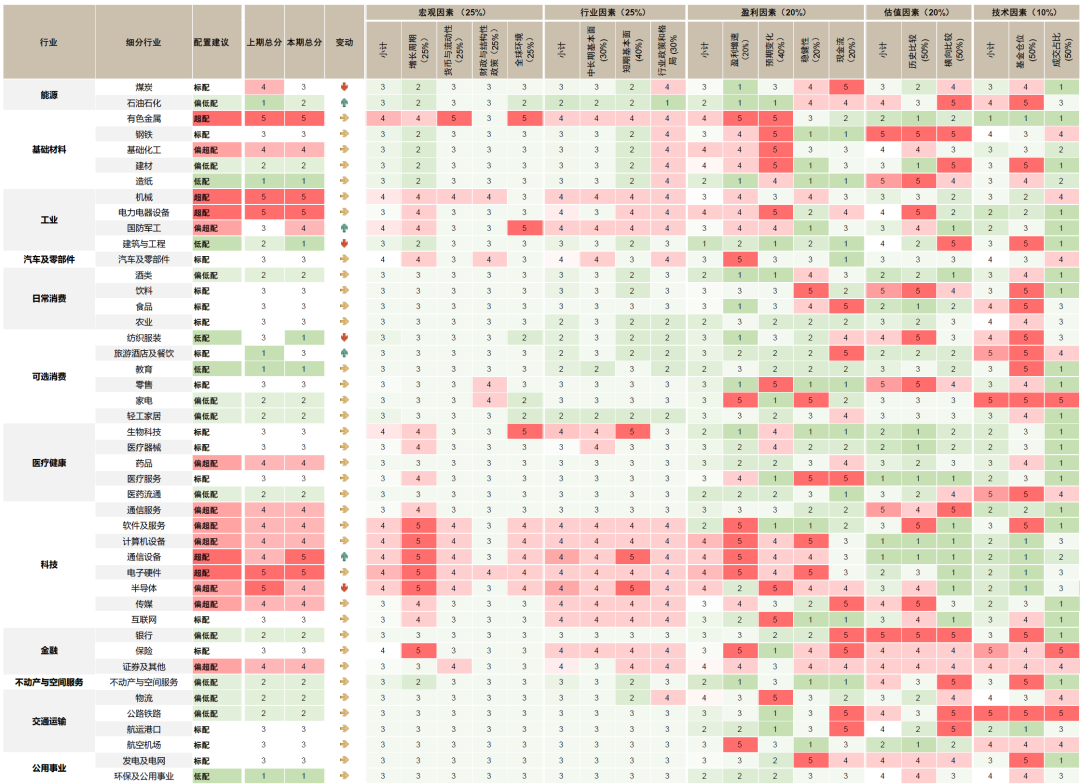
Core Viewpoint - The spring market trend in A-shares is expected to continue, with a focus on various sectors benefiting from technological advancements and policy support [1][2]. Industry Configuration Insights 1) Energy and Basic Materials - Demand expectations for thermal coal have weakened, leading to a price drop of 17% in December, while coking coal and coke prices increased by 4% and 8% respectively [10] - The supply-demand mismatch, combined with monetary easing, has resulted in significant price increases for precious metals and industrial metals, with copper, aluminum, and zinc prices rising by 12%, 5%, and 2% respectively [12] - The coal industry is undergoing structural optimization due to new regulations aimed at improving clean coal utilization [10] 2) Industrial Products - Domestic demand is showing structural differentiation, with excavator sales increasing by 19% year-on-year in November, while automotive sales grew by 3% [4] - The renewable energy sector is experiencing strong growth, with wind and solar installations increasing by 59% and 33% respectively [4] 3) Consumer Products - Traditional consumer sectors are facing challenges, with home appliance sales declining significantly; washing machines, refrigerators, and air conditioners saw year-on-year drops of 13%, 25%, and 25% respectively [5] - The central economic work conference emphasizes expanding domestic demand as a priority, with plans to enhance the supply of quality goods and services [5] 4) Technology - The AI application landscape is rapidly evolving, benefiting sectors like communication equipment, which is expected to gain from increased capital expenditure in North America [6] - The semiconductor industry remains robust, with global sales increasing by 25% year-on-year in October [6] 5) Financial Sector - Banks are attracting long-term capital due to their high dividend yields and stable earnings, with insurance premiums growing by 7.6% year-on-year in November [7] - The stock market is stabilizing, with an average daily trading volume of 1.88 trillion yuan in December [7] 6) Real Estate - The real estate sector is under pressure, with a 27% year-on-year decline in sales area for commercial housing in December [7] - The central economic work conference is focused on stabilizing the real estate market and addressing local government debt risks [7]
中金:12月市场风险偏好改善 春季行情有望延续
Di Yi Cai Jing· 2026-01-07 00:14
Group 1 - The core viewpoint is that market risk appetite improved in December, and the spring market is expected to continue [1] Group 2 - Investment suggestions for January include focusing on sectors benefiting from the spread of AI technology and applications, such as optical modules, cloud computing infrastructure, robotics, consumer electronics, and intelligent driving [1] - Certain sub-sectors of non-ferrous metals are expected to benefit from the restructuring of global monetary order and supply-demand imbalances [1] - The cyclical market represented by real estate and general consumption remains tilted towards the left side, with attention on chemicals, power grid equipment, engineering machinery, white goods, and commercial vehicles [1] - Long-term capital inflow into the market is a prevailing trend, with a focus on high-dividend leading companies based on quality cash flow, volatility, and dividend certainty [1] - Improved risk appetite in the capital market is expected to boost the performance of the non-bank financial sector, with a focus on insurance and brokerage firms [1]
回顾2025-A股关键变化暗示未来投资主线
2026-01-04 15:35
Summary of Key Points from Conference Call Industry Overview - The conference call discusses the performance of the A-share market in 2025, highlighting its unexpected strength amidst a complex macroeconomic environment. The market is transitioning from skepticism to optimism, indicating a new paradigm in investment strategies [2][3][4]. Core Insights and Arguments - **Market Drivers**: The primary drivers of the bull market include the restructuring of the global monetary order, which has led to a diversification of capital flows. The trust crisis in the US dollar and US Treasury bonds has prompted investors to seek alternative assets, benefiting the Chinese stock market [2][3]. - **Economic Resilience**: China's economic resilience and the unexpectedly positive outcomes from US-China trade negotiations have also supported the market. The new economy sectors, particularly AI and overseas expansion, have shown a 17% performance growth in the first three quarters of 2025, now accounting for 50% of the A-share market [2][3]. - **Old vs. New Economy**: The old economy, represented by real estate and related industries, has seen its market share decline to around 10%, indicating a significant shift towards new economic drivers [2][3]. - **Valuation Trends**: The technology sector is experiencing a valuation lead, which is a common characteristic during periods of technological innovation. Companies in this sector have substantial order volumes, exceeding 10 billion, indicating strong future profitability [5][6]. - **Investment Strategies**: The A-share market is characterized by a dual focus on technology growth and high dividend yield assets. This reflects a need for balanced asset allocation strategies, particularly in a low inflation environment where long-term bond yields have fallen below 2% [6][7]. Additional Important Insights - **Consumer Sector Outlook**: The consumer sector may present investment opportunities in 2026, driven by policies aimed at expanding domestic demand and the emergence of new brands. The high dividend characteristics of certain stocks are attracting conservative investors [6][7]. - **Impact of US Monetary Policy**: The US's shift to a rate-cutting cycle is favorable for the A-share market, as it typically releases liquidity that benefits emerging markets. This creates a positive feedback loop for Chinese assets, enhancing their attractiveness [7][8]. - **Global Capital Reallocation**: There is a trend of global capital reallocating from concentrated investments in the US to more diversified allocations in China and Hong Kong, reflecting a recognition of China's economic standing [9]. - **Long-term Investment Trends**: The rise of passive investment strategies, as evidenced by record inflows into ETFs, indicates a shift in investor preferences towards lower-risk, diversified portfolios. This trend supports the stability of the market and highlights the importance of long-term capital [12][14]. - **Investor Behavior**: Ordinary investors often make common mistakes such as blind optimism and lack of patience. It is crucial for them to focus on long-term value and avoid frequent trading [16][17]. Conclusion - The A-share market is poised for a transformative phase, driven by new economic sectors and changing global capital dynamics. Investors are encouraged to adopt a long-term perspective, focusing on sectors with genuine growth potential while being cautious of speculative bubbles in the technology space [19][20].
中金公司A股市场2026年展望:乘势笃行
中金· 2025-12-31 16:02
Investment Rating - The report maintains a positive outlook for the A-share market, indicating that the market has moved past its bottom phase and is expected to continue its upward trend into 2026 [1][2]. Core Insights - The report emphasizes that the A-share market is likely to experience a shift from valuation recovery to improved earnings expectations, with a projected overall profit growth of approximately 4.7% for 2026 [3][36]. - It highlights the importance of macroeconomic factors, including the restructuring of the global monetary order and the ongoing AI technology revolution, which are expected to support the performance of Chinese assets [2][12]. - The report suggests that the market may experience a balanced style shift, with a focus on sectors benefiting from high growth and innovation, as well as those poised for cyclical recovery [4][38]. Summary by Sections Macroeconomic and Policy Environment - The report discusses the ongoing restructuring of international order and its impact on China's industrial innovation, suggesting that the safety of dollar assets is being questioned, which may benefit Chinese assets [12][16]. - It notes that while domestic demand still needs repair, external demand shows resilience, with exports expected to remain stable due to China's manufacturing advantages [13][14]. Earnings Outlook - The report forecasts a positive earnings growth trajectory for 2026, with non-financial corporate earnings expected to grow by around 8.2%, driven by policy implementation and improvements in supply-demand dynamics [36][37]. - It highlights that the banking sector may see stable earnings, while the brokerage and insurance sectors could benefit from an active capital market, although growth rates may moderate due to high base effects [37][39]. Structural Analysis - The report identifies key investment opportunities in high-growth sectors such as AI technology, innovative pharmaceuticals, and high-end manufacturing, which are expected to contribute positively to overall market performance [38][39]. - It emphasizes the importance of the capacity cycle, noting that many industries are approaching improvement points after a period of capital expenditure reduction, which could lead to enhanced earnings elasticity [39][40]. - The report also points out that overseas expansion remains a significant growth opportunity for companies, with an increasing share of revenue coming from international markets [40].

中金2026年展望 | A股市场:乘势笃行
中金点睛· 2025-11-09 23:37
Core Viewpoint - The A-share market is expected to continue its upward trend since "9.24", with increasing importance of fundamentals after a valuation correction, supported by the new phase of Sino-US relations, restructuring of the international monetary order, and the AI revolution entering a critical application period [2][5][10]. Group 1: Macroeconomic Environment - The new global order and domestic macroeconomic needs require proactive responses, with the Sino-US relationship entering a new stage, which will continue to promote global capital reallocation favoring Chinese assets [6][12]. - The A-share market is transitioning from valuation recovery to improved profit expectations, with an estimated overall profit growth of around 4.7% for 2026, driven by high-growth sectors and industries nearing performance improvement inflection points [6][30]. - The overall valuation of A-shares remains reasonable, with the current risk premium of the CSI 300 at 5.2%, indicating a favorable comparison to the bond market in the context of "asset scarcity" [6][30]. Group 2: Investment Strategy - The investment strategy for 2026 focuses on three main lines: 1) Growth in high-prosperity sectors, particularly in AI and innovative industries; 2) Opportunities from external demand, especially in sectors like home appliances and engineering machinery; 3) Cyclical reversals in industries such as chemicals and renewable energy [7][28]. - The market style is expected to become more balanced, driven by the end of the capacity reduction cycle and policies promoting "anti-involution," leading to a closer supply-demand balance in many cyclical industries [7][28]. Group 3: Profit Growth and Structural Analysis - The profit growth for A-shares is projected to be around 4.7% in 2026, with non-financial companies expected to see an 8.2% increase in net profit, supported by policy implementation and the ongoing AI trend [29][30]. - High-growth innovative sectors are anticipated to support the index, with significant contributions expected from AI technology, innovative pharmaceuticals, and high-end manufacturing [31][32]. - The capacity cycle is showing signs of improvement, with many industries experiencing a turning point after three years of capital expenditure reduction, leading to potential investment opportunities [32][33].