稀土

Search documents
北方稀土:未涉及钍元素
Ge Long Hui· 2025-11-11 08:23
Core Viewpoint - The company is currently focused on the research and production applications of rare earth elements and has not engaged in thorium element activities [1] Company Summary - The company, Northern Rare Earth (600111.SH), is dedicated to the research and production of rare earth elements [1] - The company has explicitly stated that it does not involve itself with thorium elements [1]

北方稀土(600111.SH):目前公司磁性材料订单饱满,执行良好
Ge Long Hui· 2025-11-11 08:21
Group 1 - The core viewpoint of the article is that Northern Rare Earth (600111.SH) has a strong order backlog for magnetic materials, indicating good execution of orders [1] Group 2 - The company is currently experiencing full order volumes for its magnetic materials [1] - The execution of these orders is reported to be satisfactory [1]
中国稀土11月10日获融资买入7675.93万元,融资余额22.16亿元
Xin Lang Cai Jing· 2025-11-11 04:06
Core Insights - China's rare earth sector experienced a slight decline of 0.69% on November 10, with a trading volume of 1.17 billion yuan [1] - The financing data indicates a net outflow of 17.83 million yuan, with total financing and margin trading balance reaching 2.23 billion yuan [1][2] - The company reported a significant increase in revenue and net profit for the first nine months of 2025, with revenue of 2.49 billion yuan, up 27.73%, and net profit of 192 million yuan, up 194.67% [2] Financing and Trading Activity - On November 10, the financing buy-in for China's rare earth was 76.76 million yuan, while the financing repayment was 94.59 million yuan, resulting in a net financing outflow of 17.83 million yuan [1] - The total financing balance of 2.22 billion yuan accounts for 4.28% of the circulating market value, indicating a high level of financing activity [1] - Margin trading showed a repayment of 31,200 shares and a sell-off of 16,200 shares, with a remaining margin balance of 16.18 million yuan, also at a high level [1] Company Profile and Performance - China Rare Earth Group Resources Technology Co., Ltd. was established on June 17, 1998, and is primarily engaged in rare earth smelting, separation, and technology research and development [1] - The company's revenue composition includes 63.51% from rare earth oxides, 35.95% from rare earth metals and alloys, and minor contributions from other services [1] - Cumulative cash dividends since the company's A-share listing amount to 346 million yuan, with 124 million yuan distributed in the last three years [3] Shareholder Structure - As of October 20, the number of shareholders for China Rare Earth reached 235,200, an increase of 8.37%, while the average circulating shares per person decreased by 7.73% to 4,511 shares [2] - The top ten circulating shareholders include Hong Kong Central Clearing Limited, which increased its holdings by 9.47 million shares, and new entrants such as the 嘉实中证稀土产业ETF and 南方中证申万有色金属ETF [3]

具备基本面价值+长期主题投资标的!德银上调MP Materials(MP.US)评级至“买入”
Zhi Tong Cai Jing· 2025-11-11 02:51
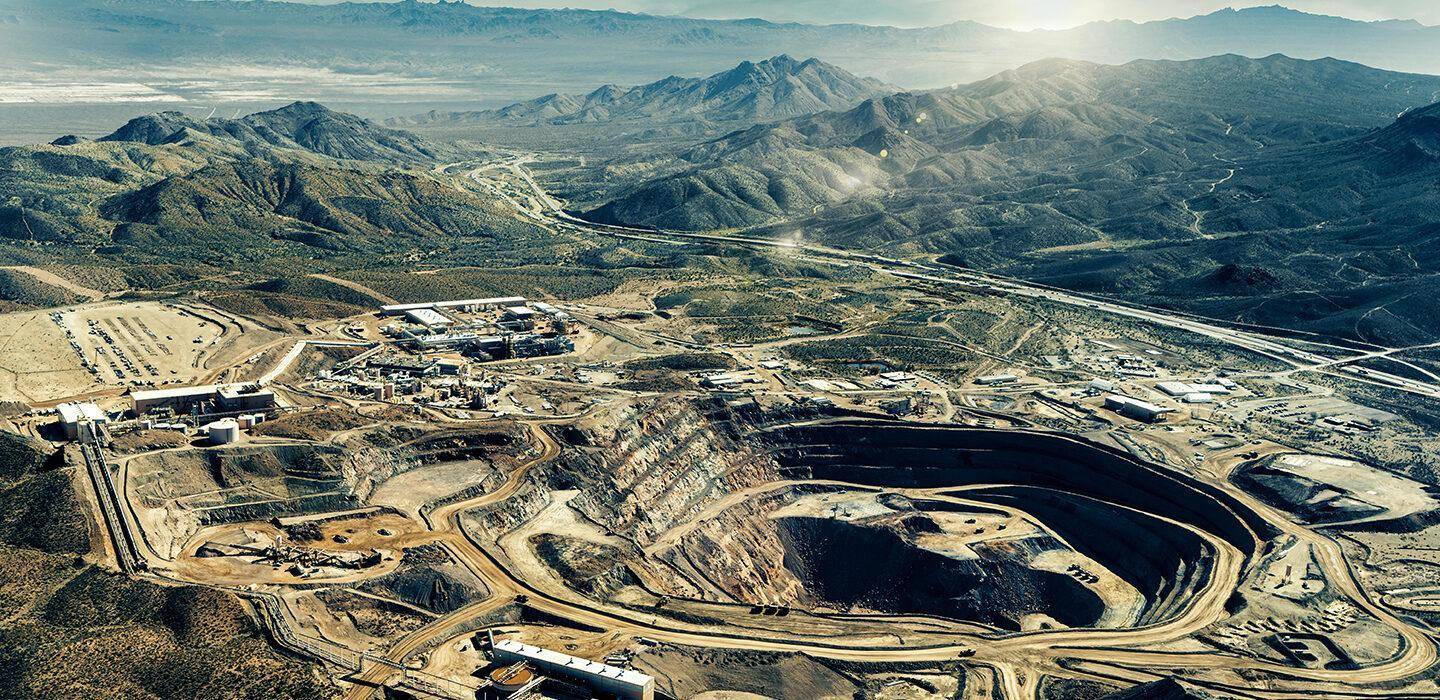
Core Viewpoint - Deutsche Bank upgraded the rating of MP Materials (MP.US) from "Hold" to "Buy," raising the target price from $68 to $71, indicating a strong investment opportunity for those looking to position in critical minerals and rare earth themes [1] Group 1: Company Performance and Strategy - MP Materials has a clear growth path ahead, supported by the U.S. government's price floor of $110 per kilogram for rare earths, which provides strong price support [1] - The company is strategically positioned in the industry through its expansion in rare earth refining, magnet production, and recycling [1] - The performance in the upcoming quarters is expected to have further upside potential, contingent on the progress of the refining plant projects and the optimization of the Mountain Pass mine development plan in California [1][2] Group 2: Market Expectations and Inventory Management - Recent agreements with the U.S. Department of Defense and the rare earth price floor mechanism have not been fully priced into the market, with many investors not adequately considering this policy support [2] - Current inventory and stock, once converted to sales, will benefit from the $110 per kilogram price guarantee [2] - The company has demonstrated excellent execution over the past few years, from restarting the mine to expanding capacity and producing magnets, maintaining confidence in its future development path [2]

美国造出“稀土磁铁”!美财长向全球宣布:将摆脱中国“卡脖子”
Sou Hu Cai Jing· 2025-11-10 17:05
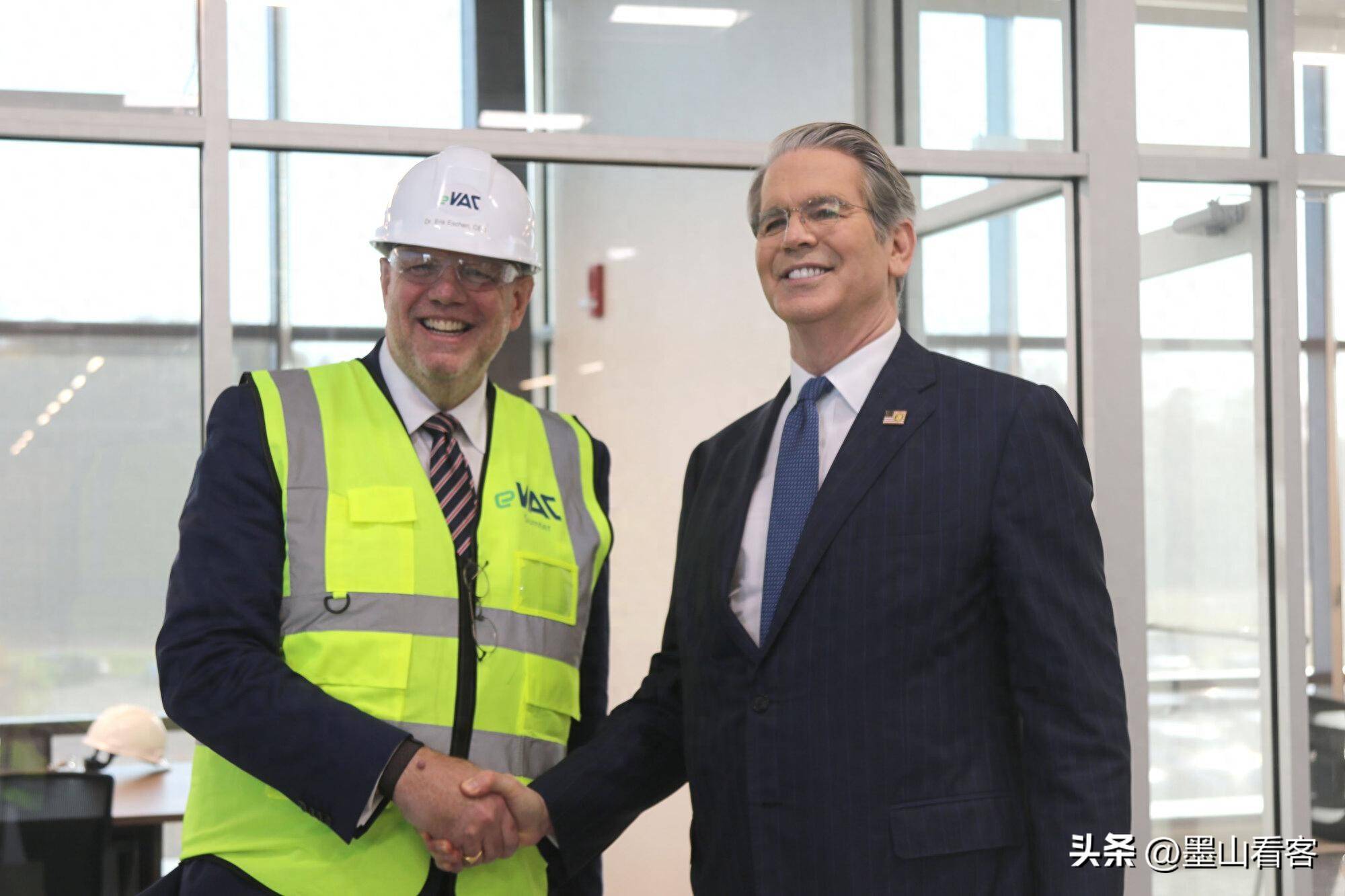
关于美国稀土技术突然实现"突破"这件事。 当地时间11月7日,美政长贝森特亲自走访了一家,刚刚投产的稀土磁体加工中心,并当场宣布,美国制造出"25年来首块本土稀土磁铁"。 这一动作,被美方高调称为"美国再次获得独立,意图摆脱对中国的稀土依赖。 随后,美国媒体争相报道,特朗普团队则趁势发声,将这项成果归功于其执政时期"重振制造业"的政策。 白宫、国会、媒体、企业一齐上阵,试图打造一个"美国稀土产业全面崛起"的舆论场。 但真相真的如此吗?美国真的能这么快实现稀土独立? 美国造出稀土磁铁 2022年11月,eVAC Magnetics公司在拜登政府任内完成注册,这家企业的方向,就是打造美国本土的稀土磁体产业链,随后三年,项目不断推进,获得政策 支持与资金投入,逐步建设起稀土矿物加工中心。 到了2025年初,美国政坛出现一次关键转折,特朗普在竞选压力下,签署了一项名为"国家紧急能源"的行政命令,专门针对能源与关键矿产领域发力。 文件中明确提到,要优先发展稀土产业,为企业提供土地、监管豁免等便利条件。 政策一出,资本迅速跟进,eVAC项目加快了进度,南卡罗来纳州的新项目也被列入重点工程,贝森特此次视察的加工中心,正是该 ...

中国稀土王牌并非天衣无缝,一旦被美国利用后果严重?
Sou Hu Cai Jing· 2025-11-10 17:05
今年10月,中美在釜山临时按下"稀土键"——北京同意一年内不收紧出口,华盛顿把部分关税从20%降到10%。消息一出,外媒欢呼"美国松了一口气",可 国内不少厂商却悄悄倒吸一口凉气:协议只是缓刑,牌桌还在,筹码却未必全在中国这边。 真正让决策层心里发毛的,是"禁运反噬"的连锁推演。假设明年协议到期,中国再次全面断供,美欧日大概率同步启动"反向禁运"——日方冻结专利、德方 断供炉子、美方把缅甸矿源列入制裁清单,三条线同时收紧,中国磁体厂将陷入"无专利、无备件、无重稀土"的三无困境。更糟的是,国内离子吸附型中重 稀土储量虽大,却分布在江西、广东浅层,一旦加速开采,环保成本和资源税将翻倍,相当于用战略纵深换短期出口,赔本又赔未来。 于是出现了一种微妙的再平衡:北京在10月协议里只承诺"维持出口",却绝口不提"取消许可证",海关依旧保留随时抽查最终用户证明的权力;华盛顿则把 关税降到47%,却还在半导体、AI芯片上层层加锁。双方都像在稀土这口高压锅上轮流拧阀门,谁也不敢让压力归零,更不敢一次性放气,因为都知道—— 锅里的蒸汽一旦失控,先烫手的是阀门那边的人。 未来一年,大概率会看到这样一幅场景:中国磁体厂继续满负荷生产 ...
欧盟不服气:很意外,听说中国要稀土恢复出口,凭什么我们没份?
Sou Hu Cai Jing· 2025-11-10 13:54
Core Points - The article discusses the geopolitical implications of China's decision to issue a "general license" for rare earth exports to the U.S., while maintaining restrictions for Europe, highlighting the disparity in treatment between the two regions [1][9][20] - It emphasizes the structural challenges faced by the EU in the context of U.S.-China relations, illustrating how the EU is caught in a power struggle and is struggling to assert its own strategic autonomy [14][20][22] Group 1: U.S.-China Relations - The U.S. celebrates a "historic breakthrough" with China's commitment to a "general license" for rare earth exports, which significantly reduces supply chain uncertainties for American companies [1][11] - In contrast, China only confirmed a "suspension of new regulations" for Europe, leaving the April restrictions in place, which creates ongoing uncertainty for European businesses [9][12] Group 2: EU's Position - The EU is experiencing collective anxiety as it realizes it is not included in the favorable terms granted to the U.S., leading to concerns about its strategic position in global trade [4][6] - Internal divisions within the EU complicate its response, with differing national interests, such as France's push for strategic autonomy versus Germany's need for stable supply chains [17][20] Group 3: Strategic Implications - The article suggests that the rare earth dispute is not merely a trade issue but a deeper struggle over rule-making authority in global trade [8][20] - The EU's lack of a unified stance on resource strategy may hinder its ability to negotiate effectively with China, as it must choose between aligning with U.S. policies or securing critical resource supplies [20][23]
放开稀土出口等于资敌?中国敢这么做,只因手握美国跨不过的坎
Sou Hu Cai Jing· 2025-11-10 11:38
周五国家取消稀土及部分新能源产品管控政策的消息一经发布,便引发广泛讨论。 市场上不少声音在问:这是否意味着中美关系迎来实质性转向?放开稀土出口,会不会让美国借机重建产业链,最终削弱中方的战略主动权? 其实跳出单一政策变动的表面,就能发现这绝非简单的"让步",而是基于产业实力与博弈全局的战略考量。 此前的适度管控,已让全球市场清晰看到稀土对高端制造的战略意义,也让美国深刻体会到其产业链对中国稀土的依赖。 松绑非妥协 稀土管控政策的调整,很容易被解读为"退一步",但从战略层面看,稀土这一核心资源的管控从来都是灵活的"调节阀",而非非黑即白的"开关"。 何时收紧、何时放宽,始终服务于整体博弈需求,而非被动应对外部压力。 此次政策调整,既是对中美元首会谈成果的落地,更本质的是产业优势赋予的底气。 全球稀土储量并不稀缺,美国、澳大利亚等国均有一定储备,但需明确的是,多数国家仅具备资源潜力,缺乏可经济开采的储备与加工能力,稀土 的战略价值从来不在于单一的资源储量,而在于全产业链的构建能力。 从矿石开采、选矿提纯,到冶炼分离、深加工,整个体系涉及上百个关键环节,每个环节都需要长期的技术积累、人才沉淀与供应链协同。 中国用三 ...

美国砸172亿拉中亚搞稀土!高盛狠泼冷水:想赶中国再等10年!
Sou Hu Cai Jing· 2025-11-10 11:38
美国急得跳脚,真不是装的 你可能不知道,没有稀土,很多高科技都是 "废铁"。 美国国防部去年曝光过一个尴尬事:F-35 战斗机每架要用 400 公斤稀土做发动机零件,一旦断供,生 产线就得停。 更要命的是,咱们平时用的手机摄像头防抖、电动车电机,都得靠稀土磁体,少了这东西,手机拍视频 全是糊的,电动车跑起来都没劲。 前言 最近稀土这东西快把美国逼疯了! 刚跟中国说好暂停稀土互怼,转头就拉着中亚五国总统在白宫签协议,光给哈萨克斯坦就砸了 172 亿! 可美国企业刚欢呼 "终于不被卡脖子",高盛集团就泼了冷水:想赶上中国?至少等 10 年! 这稀土到底有多重要?美国为啥非盯着中亚?中国的底气又在哪? 这次找中亚,说白了就是 "病急乱投医",中亚有全球 28.5% 的钨矿,哈萨克斯坦的稀土储量超 2000 万 吨,仅次于中国和巴西,这不就是现成的 "备胎" 吗? 中亚想当 "救命稻草",还差好几口气 美国以为找中亚就能解燃眉之急,可实际情况比想象的糟多了。 就说这次签的 11 亿美元钨矿项目,矿区在哈萨克斯坦首都阿斯塔纳附近,看着近。 可美国自己根本产不出能用的稀土。 它本土唯一的稀土矿在加利福尼亚,叫 MP Ma ...

中方稀土禁令暂停一年,G7连夜组建矿产联盟!中国岂能不留后手?
Sou Hu Cai Jing· 2025-11-10 10:50
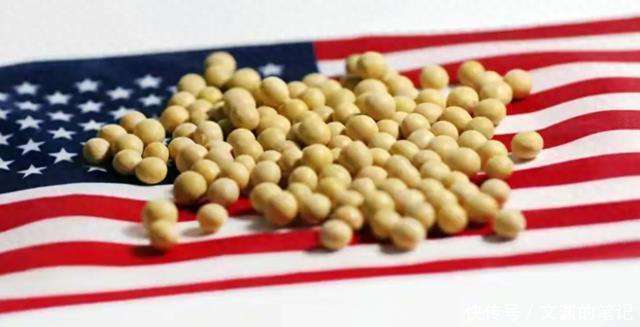
Group 1 - The meeting between the leaders of China and the U.S. resulted in a significant pause in tariff and export control measures, with Trump expressing high satisfaction with the outcomes [1][3] - China committed to purchasing 12 million tons of U.S. soybeans this season and agreed to an annual purchase of 25 million tons over the next three years, indicating a shift in trade dynamics [3] - The U.S. agreed to suspend 50% of its chip export controls to China for one year and paused the 301 investigation into China's shipbuilding industry, reflecting economic pressures beyond mere political confrontation [3][9] Group 2 - China announced a one-year suspension of previously planned rare earth export controls, which is seen as a major outcome of the talks, although it retains a cautious stance due to the U.S.'s history of changing agreements [3][9] - The G7 countries established a critical minerals alliance on the same day as the U.S.-China agreement, aiming to set minimum prices for rare earths and impose high tariffs on products containing Chinese rare earths, indicating a strategic countermeasure [3][4] - The G7's efforts to reduce reliance on Chinese rare earths face significant challenges, as rebuilding supply chains without Chinese technology could take at least a decade [8][9] Group 3 - The structural contradictions between the U.S. and China remain unresolved, and the next year will be a crucial period for strategic maneuvering, with the potential for either deeper cooperation or increased confrontation [9][11] - The U.S. must recognize that collaboration with allies like Australia will not serve as a viable counter to China, as the core issues between the two nations persist [9][11] - The upcoming year is viewed as a critical buffer period for China to enhance its core technologies and diversify its supply chains, particularly in chip manufacturing and rare earth refining [9][11]