石油

Search documents
美伊黑天鹅首日走势,暗藏了什么样的预期?
格隆汇APP· 2026-03-02 10:13
Core Viewpoint - The article discusses the geopolitical tensions between the US, Israel, and Iran, analyzing the potential impacts on global financial markets, particularly oil prices, and the broader implications for investment strategies amid ongoing geopolitical risks [6][24]. Group 1: Geopolitical Tensions and Market Reactions - The recent assassination operation by the US and Israel against Iran has shocked the world and is expected to influence financial markets significantly [6][7]. - Initial market reactions indicate a lack of confidence in the escalation of the US-Iran conflict, as evidenced by oil prices that opened high but showed signs of retreat [9][11]. - The potential for further escalation, such as the deployment of US ground troops, is considered low due to historical lessons from Iraq and Afghanistan, as well as the current situation in Ukraine [13][15]. Group 2: Oil Prices and Investment Implications - Oil prices are seen as a key indicator of market sentiment regarding the conflict, with fluctuations reflecting the uncertainty surrounding the situation [22][19]. - The ongoing geopolitical risks, particularly between the US and China, are expected to persist, influencing global supply chains and resource prices [25][28]. - The article suggests that the focus on supply chain security will drive up prices for upstream resources, as companies may increase their strategic reserves [29][30]. Group 3: Sector Analysis and Investment Strategies - The article highlights that outside of upstream resources, other sectors such as technology and consumer goods are currently challenging for investors, with significant volatility observed in major market indices [34][40]. - The technology sector, particularly in areas like commercial aerospace and semiconductors, is identified as a potential area for investment, although it is noted that these sectors are still reliant on future performance rather than current earnings [41][45]. - The article advises caution in selecting sectors for investment, particularly in consumer goods, suggesting that performance should be reassessed after upcoming earnings reports [37][39].


霍尔木兹悬剑:OPEC+为何急于增产,中国能源安全怎么办?
创业邦· 2026-03-02 10:05
以下文章来源于混沌能源灼见 ,作者混沌君 混沌能源灼见 . 专注能源战略,分享能源转型观察。 第一,非OPEC产量的挤压已到临界点。 2024年全球原油产量约1.02亿桶/日。其中美国1350万桶/日(全球第一),巴西370万桶/日(创 历史新高),圭亚那从零起步五年内达到65万桶/日。非OPEC产量的增长直接蚕食了OPEC+的市场 份额——从2019年的约40%降至2024年的约35%。 OPEC+过去三年累计减产约580万桶/日来维持油价,结果是:油价稳住了,但市场丢了。每减产一 桶,就多一桶份额被美国页岩油和南美新秀填补。 来源丨混沌能源灼见( EnergyInsight ) 图源丨Midjourney 昨天预告霍尔木兹海峡风险霍尔木兹海峡变"战区",同一天以色列空袭导致伊朗最高领导人身亡,伊 朗议会随即通过封锁霍尔木兹海峡的动议。全球21%的海运石油贸易(2100万桶/每天)经过这条宽 度仅33公里的水道,而 3月1日当天OPEC+在维也纳确认4月起增产20.6万桶/日。 两件事放在一起,形成了一个极具张力的画面:一边是全球最重要的石油运输通道面临封锁威胁,一 边是主要产油国集体选择增产。这背后的逻辑 ...
太意外 | 谈股论金
水皮More· 2026-03-02 09:49
Market Overview - A-shares showed mixed performance today, with the Shanghai Composite Index rising by 0.47% to close at 4182.59 points, while the Shenzhen Component Index fell by 0.20% to 14465.79 points, and the ChiNext Index decreased by 0.49% to 3294.16 points [3][4] - The total trading volume in the Shanghai, Shenzhen, and Beijing markets reached 3.04 trillion yuan, a significant increase of 539.8 billion yuan compared to the previous trading day [3][4] Sector Performance - The oil and coal sectors were expected to rise significantly, and they did, with the "three major oil companies" collectively hitting the daily limit [4] - The market's upward trend was supported by banks and operators, contributing to the Shanghai Composite Index's unexpected performance [4] Individual Stock Movements - Approximately 1,000 stocks rose today, while around 4,000 stocks declined, indicating a reversal in market style and a potential shift from a previous broad-based rally [5] - Notable individual stock movements included BYD, which surged by 8% due to an upcoming press conference announcing breakthrough technology [6] External Factors - The recent U.S. attack on Iran was characterized as a "gray rhino" event, indicating it was anticipated rather than unexpected, contributing to market uncertainty [6] - The fluctuations in oil and precious metal futures prices reflected the complexity of the situation, with initial declines followed by recoveries [6] Capital Flows - There was a significant net inflow of 16.2 billion yuan from mainland investors into the Hong Kong market, indicating a clear trend of mainland capital seeking opportunities in Hong Kong stocks [8] - The performance of the Hang Seng Index and the Hang Seng Tech Index is expected to depend heavily on future capital movements [8]

大类资产本周迎来定价“关键窗口期”,盯紧三个信号
和讯· 2026-03-02 09:35
Core Viewpoint - The article discusses the potential impacts of the recent U.S.-Israel military strikes on Iran, emphasizing the importance of the conflict's duration on global asset prices and market behavior [4][5]. Market Reactions - Following the military strikes, global asset markets exhibited significant volatility, with a notable increase in risk-averse sentiment leading to rapid price adjustments [4]. - The initial market reaction is characterized by a "buy the expectation, sell the fact" pattern, where asset prices fluctuate sharply before stabilizing or reversing [4]. Scenario Analysis - Two scenarios are presented regarding the conflict's duration: 1. **Short-term Conflict**: This scenario suggests that the U.S.-Israel strikes will be limited to initial airstrikes, with Iran retaliating without escalating to a ground war. The market is expected to digest this situation within 1 to 2 weeks, with oil and gold prices initially spiking before stabilizing [5][6]. 2. **Prolonged Conflict**: In this scenario, the conflict lasts for several months, leading to a potential blockade of the Strait of Hormuz and significant disruptions in global energy supply. This would shift market dynamics towards a "stagflation trading" environment, with prolonged high oil prices and persistent inflationary pressures [8][10]. Asset Price Predictions - Oil prices are expected to be highly sensitive to geopolitical tensions, with predictions of a short-term increase due to the conflict. However, if the situation escalates, prices could rise significantly [6][7]. - Gold is anticipated to experience a similar pattern, with initial price increases followed by a retreat as market focus shifts back to interest rate dynamics [8]. - The stock market, particularly A-shares, may face initial pressure but could recover if the conflict does not escalate further [8]. Key Observations - The article highlights three critical signals to monitor: whether Iran will block the Strait of Hormuz, if Iran will launch missile attacks on Israel, and whether the U.S. and Israel will conduct further large-scale airstrikes [10]. - The potential for a long-term conflict could lead to a complete restructuring of asset allocations in the market, with strategic assets like energy, gold, and defense stocks gaining value [9][10].


中东炸了,全球资产开始变天
盐财经· 2026-03-02 09:31
作者 | 任早羽 编辑 | 江江 2月28日,一颗炸弹降落在德黑兰市中心,以色列正式对伊朗发动"先发制人"打击。 爆炸声后,黑烟在德黑兰上空升起,美军加入战场,余波,扰动全球金融市场。 正值周末,全球主要市场尚未开盘,但加密货币市场,已经给出对这一重大地缘政治事件的回应:比特 币在冲突升级后连续下探,24小时内跌破64000美元关口。CoinGecko数据显示,整个加密货币市场当日 视觉 | 诺言 即蒸发了1280亿美元市值。 与此同时,现货黄金价格涨至5279美元/盎司,黄金暗盘站上5500美元/盎司;白银单日涨幅超6%。 2月28日起,现货黄金、白银价格不断上涨/AI制图(诺言) 战事一起,市场的避险情绪可见一斑。 然而,中东的武装冲突持续升级,伊朗伊斯兰革命卫队宣布发起反击,并且威胁道伊朗将关闭霍尔木兹 海峡,阿布扎比领空暂时关闭,阿联酋、卡塔尔等中东国家纷纷在领空拦截伊朗的导弹。 3月1日,伊朗多家媒体证实,伊朗最高领袖哈梅内伊在2月28日的第一波袭击中,在办公室遇袭身亡。 3月1日,民众在伊朗首都德黑兰集会,哀悼伊朗最高领袖哈梅内伊/图源: 新华社 随着遇袭消息确认,市场开始反弹,黄金暗盘下跌,加密 ...

南苏丹公共财政评论:一条狭窄的复苏之路:恢复公共财政的关键作用(英)2026
Shi Jie Yin Hang· 2026-03-02 08:50
Investment Rating - The report does not explicitly provide an investment rating for the industry Core Insights - South Sudan's development has regressed since independence, reflecting a significant imbalance between its rich oil resources and persistent institutional capacity and human capital gaps [27] - The economy has collapsed since 2011, with per capita GDP plummeting by 76%, highlighting severe mismanagement of oil wealth and ongoing internal conflicts [28] - The public finance review aims to address how South Sudan can utilize its public resources to reverse its current development trajectory and move towards sustainable development [29] Summary by Sections 1. Introduction - South Sudan remains trapped in a humanitarian and macroeconomic crisis, failing to leverage its natural resources for sustainable development, resulting in extreme poverty [54] - The country has a high dependency on oil, which constitutes 90% of government revenue, yet it has not supported development effectively [54] 2. Macroeconomic Framework - The economy is significantly smaller than at independence due to external shocks and structural deficiencies [70] - Weak governance has undermined fiscal policy, exacerbating macroeconomic instability, while monetary policy has been ineffective due to fiscal dominance [30] 3. Revenue - Oil revenue management is severely compromised by governance failures, with significant challenges in transparency and accountability [34] - Non-oil revenue is among the lowest globally, averaging less than 4% of GDP over the past decade, indicating structural barriers to revenue generation [39] 4. Expenditure - Public spending is high but poorly allocated, failing to improve human development outcomes, with significant funds directed towards administration and defense rather than essential services [41] - Capital expenditure is low and volatile, primarily driven by "oil-for-infrastructure" schemes, leading to inefficiencies and inadequate service delivery [44] 5. Policy Recommendations - The report emphasizes the need for urgent reforms in public financial management to ensure effective and transparent use of public resources [57] - Specific immediate actions are proposed to establish a commitment to reform and secure support from development partners [50]
石油冲击下的最优汇率政策(英)2026
IMF· 2026-03-02 08:40
Investment Rating - The report does not explicitly provide an investment rating for the industry. Core Insights - The study investigates optimal currency and exchange rate policies in small open economies facing oil price shocks, emphasizing the need for a combination of interest rate policy and foreign exchange intervention (FXI) to achieve optimal resource allocation [4][16]. - It highlights that suboptimal regimes, such as free floating or simple pegging, can lead to approximately 2% loss in consumption equivalent welfare for calibrated oil-exporting countries, with pegged regimes, especially those with fuel subsidies, potentially outperforming free floating [4][25]. - The report underscores the critical role of FXI in breaking the unstable link between real commodity shocks and financial risk premiums, suggesting that oil price shocks inherently shift net foreign asset positions, necessitating FXI to mitigate financial imbalances [4][22]. Summary by Sections Section 1: Introduction - Oil and energy price volatility poses significant policy challenges for oil-exporting economies, with historical events like the 2008 oil price boom and subsequent crashes impacting trade balances and economic activity [16][17]. - The report aims to explore how oil-exporting countries should manage their exchange rates in response to oil price fluctuations, filling a gap in the literature regarding the optimal response to supply-side commodity shocks [17]. Section 2: Literature Review - The paper situates itself at the intersection of macroeconomic management of commodity price shocks and optimal exchange rate policy under financial frictions, expanding standard models to include oil as a productive input [28][29]. - It reviews existing literature on the role of monetary policy in mitigating the impacts of oil shocks and the necessity of FXI in addressing financial market distortions [28][31]. Section 3: Model Setup - The model incorporates two key frictions: sticky prices in the domestic sector and endogenous UIP risk premiums in segmented financial markets, demonstrating how real oil shocks create financial imbalances that require FXI [17][33]. - The analysis reveals that optimal policy responses involve adjusting monetary policy to close output gaps and inflation while using FXI to alleviate financial frictions exacerbated by oil shocks [22][25]. Section 4: Quantitative Results - The calibrated model for oil-exporting countries indicates that FXI provides a stronger rationale than standard external financial shocks, with suboptimal policies like currency pegs or energy subsidies leading to significant welfare losses [25][26]. - The findings suggest that combining pegged exchange rates with energy price stabilization rules can mitigate domestic cost pressures more effectively than pegging alone in oil-intensive economies [25][26]. Section 5: Policy Implications - The report concludes that maintaining an optimal exchange rate is crucial for effective consumption levels and production structure, with FXI serving as a valuable tool for central banks to manage financial market risks arising from oil price volatility [20][24].
美伊冲突爆发,油价涨到位了吗
对冲研投· 2026-03-02 08:26
Core Viewpoint - The article discusses the recent military conflict between the US, Israel, and Iran, highlighting the potential implications for global oil supply and prices due to the closure of the Strait of Hormuz and the impact on Iranian oil production [3][4][5]. Group 1: Event Overview - On February 28, 2026, the US and Israel launched a coordinated military strike against Iran, targeting key leadership and military facilities, resulting in the deaths of several high-ranking officials [3]. - Iran responded with unlimited retaliation, targeting US and Israeli assets in the region, including missile strikes on military bases and the closure of the Strait of Hormuz, which is critical for global oil transport [4][5]. Group 2: Oil Price Impact - The conflict's impact on oil supply is primarily due to the potential blockade of the Strait of Hormuz, which sees daily transport of approximately 20 million barrels of oil and oil products [9]. - The blockade could create a supply gap of over 10 million barrels per day, significantly affecting global oil markets, as alternative routes are limited [9][11]. - Insurance costs for shipping through the Strait have surged, with war risk premiums expected to rise sharply, reflecting market concerns over the escalating conflict [12]. Group 3: Future Scenarios for Oil Prices - Three potential scenarios for future oil prices are outlined: 1. **Venezuela Model**: A US-supported regime change in Iran leads to the lifting of the blockade and a quick return to normal oil exports, resulting in a temporary spike in oil prices followed by a decline [15]. 2. **Afghanistan Model**: Continued confrontation leads to a prolonged blockade, keeping oil prices above $100 per barrel due to sustained supply shortages [16]. 3. **Iraq Model**: A weak government in Iran results in internal turmoil and significant drops in oil production, causing instability in oil supply and prices [17]. Group 4: Geopolitical Reactions - China has expressed concern over the military actions, calling for respect for Iran's sovereignty and urging for dialogue to maintain regional stability [5]. - Russia condemned the attacks as premeditated aggression and called for an immediate ceasefire [5]. - European nations, including the UK and France, have shown limited support for the US-Israel actions while urging for de-escalation and dialogue [6][7].

霍尔木兹若被封,日本将直面两大风险
日经中文网· 2026-03-02 07:30
Core Viewpoint - The article discusses the potential risks to energy security in Japan due to geopolitical tensions in the Strait of Hormuz, particularly following the assassination of Iran's Supreme Leader Khamenei, which raises concerns about a possible blockade of oil shipments [2][4]. Group 1: Geopolitical Context - The Strait of Hormuz is a critical maritime route where one-quarter of global oil trade passes, and it has historically been a site of conflict, including missile attacks on oil tankers during the Iran-Iraq War [4]. - Despite past threats, Iran has never implemented a blockade, likely due to the implications for its own oil exports and the interests of major oil importer China [4]. - The recent assassination of Khamenei has heightened fears that Iran may resort to a full blockade, which could have significant implications for global oil supply [2][4]. Group 2: Impact on Japan's Energy Security - Japan relies on the Middle East for 96% of its oil imports, with most passing through the Strait of Hormuz, making it vulnerable to supply disruptions [5]. - In the event of a prolonged ban on shipping, Japan has approximately 250 days' worth of domestic consumption stored, providing some buffer against immediate supply shocks [5]. - Rising oil prices pose a significant challenge for Japan, especially given the depreciation of the yen, which has already increased procurement costs. The linkage between LNG prices and oil prices further complicates the situation, as Japan's reliance on LNG from the Middle East is about 10% [5].
Oil Price Surges as US-Iran Conflict Continues
Youtube· 2026-03-02 07:07
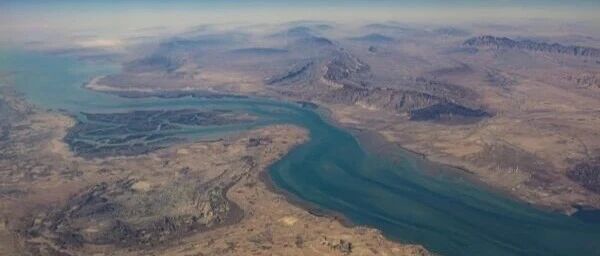
Oil Market Impact - OPEC's decision to increase oil production aims to calm market nerves amid geopolitical tensions [2][4] - Oil prices initially spiked over $80 per barrel due to conflict-related fears but have since stabilized as traders assess actual physical damage [4][5] - The closure of the Strait of Hormuz is a significant concern, with ships avoiding the area, potentially choking off oil flow [3][4] LNG Market Dynamics - Qatar, a major LNG exporter, relies on the Strait of Hormuz for shipping, making it vulnerable to disruptions [7][11] - European markets have shifted to U.S. LNG due to previous supply issues, but Asian markets may face increased prices if cargoes from the Gulf are affected [8][9] - Refined oil products from Gulf countries, including diesel and jet fuel, are also at risk of supply disruptions [10][11] Alternative Routes - There are alternative pipelines for oil transport that could mitigate some risks, such as the UAE's pipeline to Fujairah and Saudi Arabia's pipeline to the Red Sea [11]