外卖

Search documents
行业反内卷:机会还是风险?
Sou Hu Cai Jing· 2025-08-16 11:11
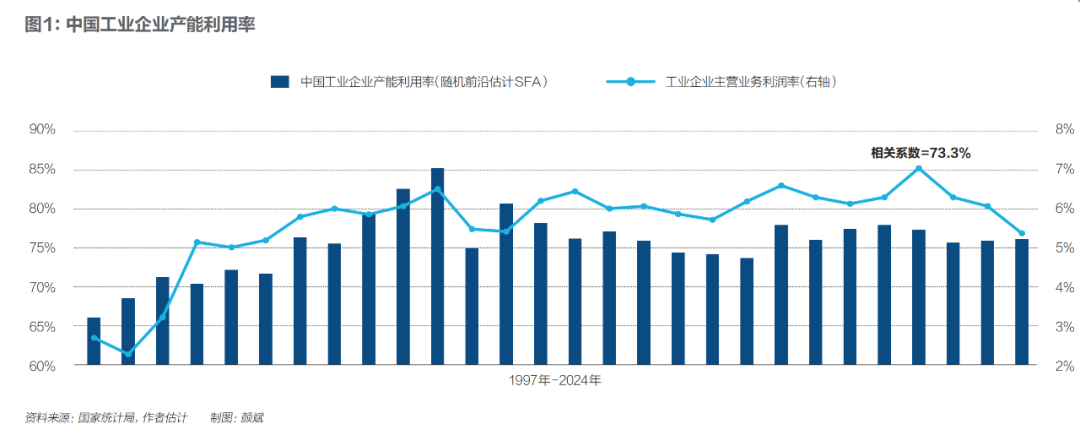
Core Viewpoint - The current "anti-involution" movement in various industries aims for quality improvement and high-quality development rather than merely reducing capacity [1][14]. Group 1: Economic and Employment Impact - "Anti-involution" has a short-term impact on the economy and employment, but with appropriate employment policies and new effective supply, the short-term pressure can be managed [19]. - The industrial capacity utilization rate in China has dropped to 74.0%, indicating significant overcapacity issues [4][5]. Group 2: Industry-Specific Analysis - Key industries facing overcapacity include steel, coal, automotive, battery, photovoltaic, cement, and petrochemicals, with utilization rates in these sectors ranking among the lowest [6]. - The automotive industry is experiencing a reduction in price war pressures, with profit margins stabilizing, indicating a shift from price competition to value competition [15]. - The photovoltaic industry is currently facing severe overcapacity, but recent policies are pushing for the exit of outdated capacities, leading to a rebound in prices for silicon materials and wafers [16]. Group 3: Policy and Structural Changes - The "anti-involution" policy emphasizes legal and market-driven approaches, contrasting with the previous round of capacity reduction that was primarily administratively driven [12]. - The new policies include measures such as the revised Anti-Unfair Competition Law and the establishment of fair competition review systems to prevent price dumping [12]. - The focus of the current "anti-involution" is on both traditional and emerging industries, aiming to alleviate price wars and promote innovation and green transformation [8][10]. Group 4: Historical Context and Future Outlook - Historical data shows that industrial capacity utilization in China has decreased from a peak of 85.2% in 2007 to the current 74.0%, highlighting the need for structural reforms to address overcapacity [5]. - The anticipated impact of a 5% capacity reduction in key sectors like steel and coal is projected to decrease GDP growth by approximately 0.22 percentage points, indicating a manageable but notable effect on the economy [8].

京东重新估量了外卖这件武器?
Hu Xiu· 2025-08-16 10:56
Core Viewpoint - JD.com is reassessing the significance and strategy of its food delivery business, focusing on the balance between investment and returns, user growth, and profit margins [1][2]. Group 1: Business Strategy and Performance - The majority of questions during JD.com's earnings call centered on the food delivery and instant retail sectors, highlighting concerns about investment versus output and user growth [1]. - CEO Xu Ran emphasized viewing the food delivery business through an ecological lens, integrating it with core retail to create synergies and cross-selling opportunities [2]. - JD.com's revenue for Q2 reached 356.7 billion yuan, a year-on-year increase of 22.4%, but net profit dropped by 51% to 6.2 billion yuan, primarily due to losses from new business investments totaling 14.8 billion yuan [2][3]. Group 2: Market Position and Challenges - JD.com holds approximately 10% of the food delivery market, ranking third, and faces challenges in overtaking the top two competitors, Meituan and Alibaba [4]. - The core revenue sources, particularly in the 3C product and daily necessities categories, showed moderate growth, indicating that new business expansions have not yet significantly boosted the core business [3]. Group 3: Future Outlook and Investment Strategy - JD.com is focusing on converting food delivery users into core e-commerce customers, viewing investments in food delivery as a means to attract new users and drive traffic [5]. - The company is exploring a sustainable business model for food delivery and instant retail, aiming for long-term viability rather than short-term gains [6].

刘强东不怕外卖百亿亏损
华尔街见闻· 2025-08-16 10:27
Core Viewpoint - The article discusses the impact of JD's aggressive entry into the food delivery market, highlighting a significant loss in its financial performance while also achieving substantial revenue growth. The strategy of "loss for traffic" is emphasized as a long-term vision despite short-term financial setbacks [1][3][12]. Financial Performance - JD's Q2 revenue reached 356.7 billion yuan, a year-on-year increase of 22.4%, marking the highest growth rate in three years [2][7]. - The net profit for Q2 fell by 50.8% to 6.2 billion yuan compared to the same period last year [12]. - The operating loss for JD's new business segment, primarily driven by food delivery, was 14.78 billion yuan in Q2, a significant increase from 1.33 billion yuan in Q1 [11]. Business Strategy - JD's founder, Liu Qiangdong, believes that the food delivery business is a means to bind users through high-frequency transactions, which can then be directed towards higher-margin businesses like e-commerce and finance [3][4]. - The company aims to leverage its supply chain capabilities to achieve profitability in the long run, despite initial losses in the food delivery sector [3][4]. New Business Ventures - JD's new business revenue, including food delivery, reached 13.85 billion yuan, a year-on-year increase of 198.8% [8]. - The company is also exploring new directions such as AI and international expansion, with significant investments in these areas [5][19]. Competitive Landscape - The entry of JD into the food delivery market has intensified competition with Alibaba and Meituan, leading to increased regulatory scrutiny [4]. - JD has opted not to engage in aggressive subsidy wars, focusing instead on sustainable growth and avoiding "zero-dollar purchases" that harm the industry [22]. Future Outlook - JD's CEO, Xu Ran, emphasizes a long-term vision for the food delivery business, aiming for sustainable development over immediate results [13]. - The company is also investing in AI and international operations, with a recent acquisition of Germany's Ceconomy for 18 billion yuan, which will enhance its European presence [20][21].
夜经济起势,商家订单多起来,汤包店都能开到凌晨三点
Di Yi Cai Jing· 2025-08-16 10:19
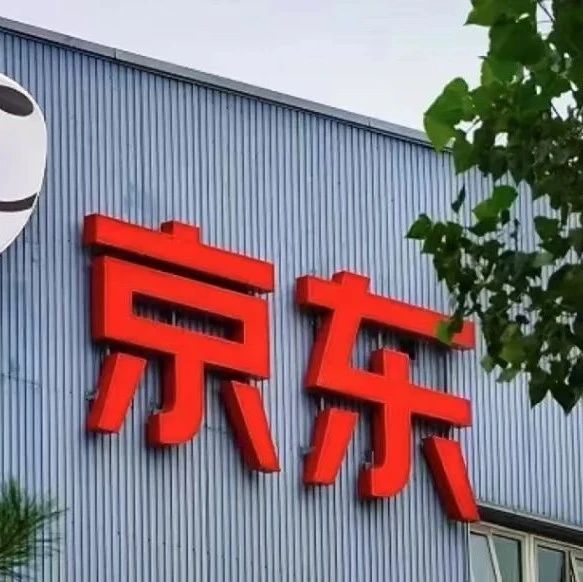
Core Insights - The rise of "night economy" is becoming a significant consumer trend in China, with 60% of consumption occurring at night according to the Ministry of Commerce [2] - The night economy is particularly benefiting the food and beverage industry, as restaurants adapt their operating hours to cater to late-night consumers [3][5] Group 1: Night Economy Growth - The night economy is defined as consumption occurring between 6 PM and 6 AM, with large shopping malls seeing over 50% of their daily sales during the hours of 6 PM to 10 PM [2] - In Shanghai, the total consumption in the night economy reached 880.09 billion yuan in June, marking a 3.3% year-on-year increase [2] - The demand for night tourism is also on the rise, with the China Tourism Research Institute projecting a total expenditure of 1.91 trillion yuan for night tourism in 2024, a 21.7% increase from the previous year [3] Group 2: Restaurant Adaptation - Restaurants are increasingly extending their hours to capture late-night business, with some establishments operating until 3 or 4 AM [3][5] - A specific restaurant in Nanjing reported a 70%-80% increase in overall orders compared to the previous year, with online orders significantly outpacing dine-in orders [3][5] - The average order value during nighttime is higher, with customers often ordering more expensive items, indicating a shift in consumer behavior towards "emotional consumption" during late hours [6] Group 3: Challenges and Opportunities - Operating in the night economy presents challenges for businesses, including increased operational complexity and the need for more refined management practices [8][9] - The market for night economy-related businesses is expanding, with over 1.3 million existing companies in this sector and approximately 90,000 new registrations this year [10] - Young consumers are the primary drivers of night economy growth, with their spending habits characterized by a preference for quality, personalization, and cultural experiences [10]
全民骑手时代,外卖不够送了
虎嗅APP· 2025-08-16 09:52
Core Viewpoint - The article discusses the rising trend of part-time food delivery jobs in China, highlighting the experiences of various individuals who have taken up this work as a means of financial relief and personal fulfillment [4][8]. Group 1: Industry Overview - The number of food delivery riders in China has surpassed 13 million, with a significant increase in riders during the summer, reaching 3.5 times the previous year's figures [8]. - The article notes that food delivery has become a popular choice among various demographics, including students and working professionals, reflecting a cultural shift in how such jobs are perceived [6][8]. Group 2: Personal Experiences - One individual, who previously worked in graphic design, found the job of a food delivery rider to be less stressful compared to their office job, allowing them to escape the frustrations of corporate life [12][14]. - Another rider, burdened by significant debt from stock market investments, turned to food delivery as a means to earn immediate income and alleviate financial stress, finding satisfaction in the simplicity of the work [16][21]. - A third individual, who struggled with mental health issues, discovered a renewed sense of purpose and connection to the world through food delivery, which helped improve their physical and mental well-being [22][25]. Group 3: Economic Implications - The article suggests that the influx of part-time riders has created a competitive environment, leading to challenges for long-time riders who may feel threatened by the increasing number of new entrants [33]. - The experiences shared indicate that food delivery work is not only a source of income but also a means of personal growth and social interaction, which may contribute to the overall economic landscape of gig work in China [20][30].

外卖大战后的首份财报:京东烧掉147亿
Sou Hu Cai Jing· 2025-08-16 09:36
Core Viewpoint - JD's second-quarter financial report highlights significant revenue growth but substantial losses in its new food delivery business, raising questions about the sustainability of its aggressive market expansion strategy [1][10][19]. Group 1: Financial Performance - JD's total revenue reached 356.7 billion yuan, marking a 22.4% increase, the highest growth rate in nearly three years [1]. - The net profit attributable to shareholders was only 6.2 billion yuan, a staggering 51% year-on-year decline [1]. - The retail business generated 310.1 billion yuan in revenue, a 20.6% increase, contributing nearly 87% of the group's total revenue [1][6]. Group 2: Losses in New Business - The food delivery segment incurred a loss of 14.7 billion yuan, averaging a loss of 5.6 yuan per order delivered [1][14]. - Despite the losses, the new business revenue surged by 199% year-on-year to 13.85 billion yuan, with daily order volume exceeding 25 million [12][14]. - The operational strategy involved high marketing costs, increasing from 4.1% to 7.6% of revenue, while R&D investment saw only a marginal increase [18]. Group 3: Market Strategy and Competition - JD's aggressive entry into the food delivery market included zero commission fees and substantial subsidies, leading to rapid market penetration [11][12]. - The competitive landscape is shifting, with JD's strategy facing scrutiny as it competes against Alibaba and Meituan, both of which are also incurring significant losses [21][27]. - The market is becoming increasingly cautious about the sustainability of "buying growth" through subsidies, as evidenced by a drop in JD's stock price following the earnings report [16][14]. Group 4: Long-term Outlook - JD's cash reserves stood at 223.4 billion yuan, providing a buffer for ongoing investments in new business ventures [7]. - The company is exploring differentiated models to address long-standing issues in the food delivery sector, such as food safety and quality [23]. - The financial report serves as a warning to the industry about the need for genuine value creation rather than merely inflating competition through unsustainable practices [27].
刘强东不怕京东外卖百亿亏损
Hua Er Jie Jian Wen· 2025-08-16 05:24
Core Insights - The core viewpoint of the article highlights the aggressive strategy of JD.com in the instant retail market, particularly its significant losses in the food delivery sector, which have impacted overall profitability despite a notable revenue increase [2][10]. Financial Performance - In Q2, JD.com reported a total revenue of 356.7 billion yuan, a year-on-year increase of 22.4%, marking the highest growth rate in three years [5]. - The net profit for Q2 fell by 50.8% to 6.2 billion yuan compared to the same period last year [10]. - The retail segment generated 310.1 billion yuan in revenue, up 20.6%, with a profit margin of 4.5%, the highest during promotional seasons [6]. New Business Ventures - JD.com's new business, primarily focused on food delivery, generated 13.85 billion yuan in revenue, a staggering year-on-year growth of 198.8% [6]. - However, the food delivery segment incurred significant losses, with operational losses reaching 14.78 billion yuan in Q2, a substantial increase from 1.33 billion yuan in Q1 [9]. Strategic Focus - JD.com’s founder, Liu Qiangdong, emphasizes a long-term vision, prioritizing user acquisition through high-frequency delivery services, which he believes is more cost-effective than purchasing traffic from competitors [2]. - The company aims to leverage its supply chain capabilities to achieve profitability in the food delivery sector, despite initial losses [2]. Competitive Landscape - The entry of JD.com into the food delivery market has intensified competition with Alibaba and Meituan, prompting regulatory scrutiny [3]. - JD.com has opted not to engage in aggressive price wars, focusing instead on sustainable business practices and long-term growth [16]. Future Directions - JD.com is exploring new avenues such as AI and international expansion, with significant investments in these areas [12][13]. - The recent acquisition of Germany's Ceconomy for 18 billion yuan is part of JD.com's strategy to enhance its international presence and operational efficiency [14][15].
京东Q2数据惊艳,外卖这场仗打的太不容易了
Sou Hu Cai Jing· 2025-08-16 04:08
营收狂飙,自然是得益于京东自今年2月份强势入局外卖业务,并依托于此拓展自身即时零售版图,以 及实现与京东零售的整体协同。 财报显示,二季度内,京东零售实现营收3101亿元,同比增长20%,包括京东外卖在内的新业务实现营 收139亿元。 协同效应正在显现。 同时,京东外卖在本季度内实现了日订单量突破2500万,入驻品质商家超150万家,并建立起了一个超 15万人的全职骑手团队。 用京东的话来说,京东外卖已经达成了初期战略目标。 作者 | 蓝媒汇 叶二 厮杀惨烈的外卖三国杀,直接影响了大厂们的业绩。 刚刚京东发布2025年Q2财报,数据显示,在二季度内,京东实现营收3567亿元,同比猛增22.4%。 这是近几年来,京东增长最高的一个季度。 外卖业务不仅为用户提供了更多元化的服务选择,吸引新用户入驻平台,还通过交叉销售等方式,提高 了老用户的购物频率与消费金额,有力推动了活跃用户数的大幅提升。 从二季度财报来看,京东进军外卖,对主站基本盘产生了一定程度的协同。 但这一过程中,基于外卖行业的强竞争,京东也付出了高昂的成本。 财报显示,二季度内,京东新业务经营亏损高达148亿元,这也直接拖累了京东在该季度的盈利。该季 ...
外卖小作坊P成大门面,AI“照骗”岂能当饭吃
Qi Lu Wan Bao· 2025-08-16 00:52
Core Viewpoint - The emergence of "ghost kitchens" in the food delivery industry, where businesses use AI-generated images to mislead consumers about their actual offerings, raises significant concerns regarding food safety and consumer trust [1][2]. Group 1: Industry Concerns - Many food delivery outlets are utilizing AI-designed storefronts to create a false sense of popularity, leading to consumer complaints about the disparity between advertised and actual conditions [1]. - The practice of using misleading images and claims is seen as a violation of consumer rights and is indicative of a broader issue of dishonesty within the industry [1][2]. - The existence of a black-gray industrial chain behind these "ghost kitchens" suggests systemic issues, including the ability to operate without necessary licenses and permits [1]. Group 2: Regulatory and Platform Response - Major food delivery platforms like Ele.me, Meituan, and JD.com have established special teams to address the issue of ghost kitchens, indicating a proactive approach to improving food safety management [2]. - There is a call for stricter oversight and enforcement from regulatory bodies, including collaboration with delivery platforms to monitor and eliminate illegal merchants [2]. - The industry is urged to adopt new technologies to combat fraudulent practices, ensuring that food safety and authenticity are prioritized [2].
刘强东,半年多了23万“兄弟”!做外卖划算吗?京东交卷:新业务收入139亿亏148亿,全职骑手规模已突破15万人
Xin Lang Cai Jing· 2025-08-15 22:24
Core Insights - The company reported a significant revenue increase of 22.4% year-on-year in Q2, reaching 356.7 billion RMB, marking the highest growth rate in nearly three years [2] - However, net profit attributable to ordinary shareholders decreased by 51% to 6.2 billion RMB, compared to 12.6 billion RMB in the same period last year [2] - The new business segment, including the food delivery service, saw a remarkable revenue growth of 199% year-on-year, totaling 13.85 billion RMB, but incurred a substantial operating loss of 14.78 billion RMB [4][10] Financial Performance - The core retail business generated 310.1 billion RMB in revenue, a 20.6% increase, with an operating profit of 13.9 billion RMB, achieving a record operating margin of 4.5% for the company during promotional periods [10] - Logistics revenue grew by 16.6% to 51.6 billion RMB, with an improved operating profit margin [10] - Free cash flow for Q2 dropped significantly by 55% to 22 billion RMB, primarily due to heavy investments in new businesses and rising fulfillment costs [10] Marketing and Investment - Marketing expenses surged by 127.6% to 27 billion RMB, largely driven by increased spending on promoting new business initiatives [4] - The company plans to enhance its marketing efficiency by balancing investments across different channels and improving return on investment (ROI) [8] - A share repurchase plan was announced, allowing for up to 5 billion USD in buybacks, with approximately 1.5 billion USD already executed [11] Workforce and Expansion - The total workforce within the company's ecosystem reached approximately 900,000, with an increase of 230,000 employees over six months [12] - The company completed the acquisition of Hong Kong-based supermarket chain Jia Bao for 4 billion HKD and is expanding its presence in Europe with a 2.2 billion EUR acquisition of German retail giant CECONOMY [14]