茶饮

Search documents
茶饮加盟商专家交流
2025-07-16 06:13
Summary of Conference Call Company and Industry - The discussion primarily revolves around the tea beverage industry, specifically focusing on the brand "霸王茶几" (Ba Wang Cha Ji) and its operational status in various regions of China, including Jiangsu, Shanghai, and Fujian [1][2][3]. Key Points and Arguments 1. **Operational Status**: The company has been involved in the restaurant industry since 2015, with a focus on tea beverages starting in late 2020. Currently, there are around seven to eight stores operating in regions like Jiangsu, Shanghai, and Fujian [1]. 2. **Market Penetration**: In 2024, the brand is expanding into lower-tier cities and towns, where it has shown strong sales performance. The brand's ability to penetrate these markets is highlighted as a competitive advantage [2]. 3. **Store Performance**: The average monthly gross merchandise volume (GMV) for stores was previously around 100 million yuan, but has since decreased to 50-60 million yuan due to market saturation and increased competition [3][30]. 4. **Sales Model**: The sales model is described as having a solid cost structure, with monthly sales ranging from 30 to 50 million yuan, depending on the proportion of takeout versus dine-in customers [4][5]. 5. **Challenges in Expansion**: The company is cautious about opening new stores due to market saturation in established areas. The focus is on optimizing existing stores rather than aggressive expansion [17][18]. 6. **Cost Structure**: The initial investment for opening a new store is estimated to be between 800,000 to 1 million yuan, which includes rent, equipment, and initial inventory. The cost has decreased due to the allowance of second-hand equipment [9][10]. 7. **Profitability**: The profit margins are under pressure due to high operational costs, with food costs accounting for approximately 37-40% of revenue. The profitability of stores varies significantly based on location and market conditions [35][34]. 8. **Impact of External Factors**: The rise of competitors like 瑞幸 (Luckin Coffee) is noted, but it is believed that the tea beverage market remains largely unaffected by the coffee segment [46][47]. 9. **Brand Management**: The brand's management is described as strict but effective, ensuring compliance and maintaining quality standards, which is seen as a positive aspect by franchisees [53][54]. 10. **Future Outlook**: There is a cautious optimism about the brand's longevity, with franchisees willing to continue investing if good locations are available. However, the market for new brands remains volatile, and franchisees are wary of potential risks [57][58]. Other Important but Overlooked Content - The discussion touches on the importance of brand heat and market trends, with franchisees actively monitoring social media platforms for consumer sentiment and brand performance [39]. - The operational challenges faced by franchisees, including the need for compliance with strict operational guidelines, are acknowledged, but many see this as a necessary trade-off for profitability [25][54]. - The potential for new brands to emerge in the market is recognized, but franchisees express skepticism about their sustainability compared to established brands like 霸王茶几 [56][58].
茶饮新消费汇报
2025-07-16 06:13
Summary of Conference Call Notes Industry Overview - The conference call primarily discusses the **new tea beverage industry** in China, particularly in the context of the ongoing **food delivery competition** and its impact on market dynamics [1][2]. Key Points and Arguments 1. **Food Delivery Subsidies**: - A significant increase in subsidies for food delivery services has been observed, with Taobao launching a 50 billion yuan subsidy plan on July 2, aimed at consumers and merchants over the next year [1]. - Major players like Meituan and Ele.me have also been involved in aggressive coupon distribution, contributing to record-high order volumes [1]. 2. **Shift to New Tea Beverage Sector**: - The new tea beverage sector is attracting younger consumers who are more price-sensitive and open to new brands, making it a key beneficiary of the food delivery competition [2][3]. - The marketing capabilities and social attributes of tea brands enhance their appeal, positioning them favorably in the current market [2]. 3. **Operational Challenges**: - Instant delivery services face challenges during peak consumption times, particularly for traditional meals, while tea beverages benefit from more evenly distributed order patterns [3]. 4. **Performance of Tea Brands**: - The overall performance of tea brands has improved significantly, with many reporting double-digit growth in revenue, contrary to earlier cautious expectations [4][5]. - The proportion of revenue from food delivery has increased from 40% to 55% for several brands, indicating a strong reliance on this channel [4]. 5. **Market Concentration**: - The chain rate for tea beverage stores in China is approximately 56%, showing a rapid increase over the past few years, despite a net decrease in the total number of stores [6]. - Leading brands are expanding aggressively, contributing to a higher market concentration [6][7]. 6. **Individual Brand Insights**: - **Mixue Ice City**: Recognized for its strong supply chain and focus on low-price segments, it has established a solid market position [8][9]. - **Guo Min**: Noted for its diverse menu and quick adaptation to market trends, which helps mitigate fashion risk [9][10]. - **Cha Bai Dao and Hu Xiang A Yi**: Both brands are expected to continue their growth trajectories with significant new store openings planned [7][10]. Additional Important Insights - The tea beverage sector is expected to maintain its growth trajectory, supported by the current competitive landscape and favorable consumer trends [7][10]. - The focus on supply chain efficiency and product diversity is crucial for brands to navigate market challenges and consumer preferences effectively [8][9].
香港彻底告别“金融废墟”
投中网· 2025-07-16 03:32
Core Viewpoint - The article discusses the resurgence of the Hong Kong stock market as a global hub for IPOs, highlighting its transformation from a "financial wasteland" to a leading destination for capital investment in China within a year [4][21]. IPO Boom - In 2024, 70% of new IPOs in Hong Kong experienced first-day price drops, but by the following year, retail investors were eagerly participating in IPOs, indicating a significant shift in market sentiment [5]. - In the first half of the year, 240 companies entered the Hong Kong market, with 220 more in the pipeline as of June 30 [5][17]. - Hong Kong's IPOs raised a total of HKD 1,067.1 billion, surpassing Nasdaq's HKD 713 billion, reclaiming the top position globally [6][15]. Historical Context - The article reflects on Hong Kong's historical role as a financial center, noting its decline during the pandemic and subsequent recovery driven by mainland Chinese enterprises [6][22]. - The influx of Chinese companies into Hong Kong is seen as a strategic move to access international capital markets, with the city serving as a critical link for these firms [6][24]. Market Dynamics - The article emphasizes the role of Hong Kong as a "super connector" and "super value creator" in the financial landscape, with increasing ties between mainland China and Hong Kong [7]. - The article notes that the current IPO wave is reminiscent of past trends, such as the return of Chinese companies to the Hong Kong market starting in 2020 [9][10]. Future Outlook - Deloitte predicts that Hong Kong could see 80 new IPOs in 2023, raising HKD 200 billion, further solidifying its position as a global financial leader [20]. - The article suggests that the Hong Kong market is poised for continued growth, driven by reforms and the increasing presence of mainland Chinese enterprises [48][49]. Competitive Landscape - The article highlights the dominance of Chinese financial institutions in the IPO space, with major players like China International Capital Corporation leading the way [27][28]. - The shift in capital dynamics is evident, with mainland Chinese funds increasingly participating in Hong Kong's market, accounting for 43.9% of trading volume [34].





茶百道进军新加坡,最高39元一杯
3 6 Ke· 2025-07-16 01:42
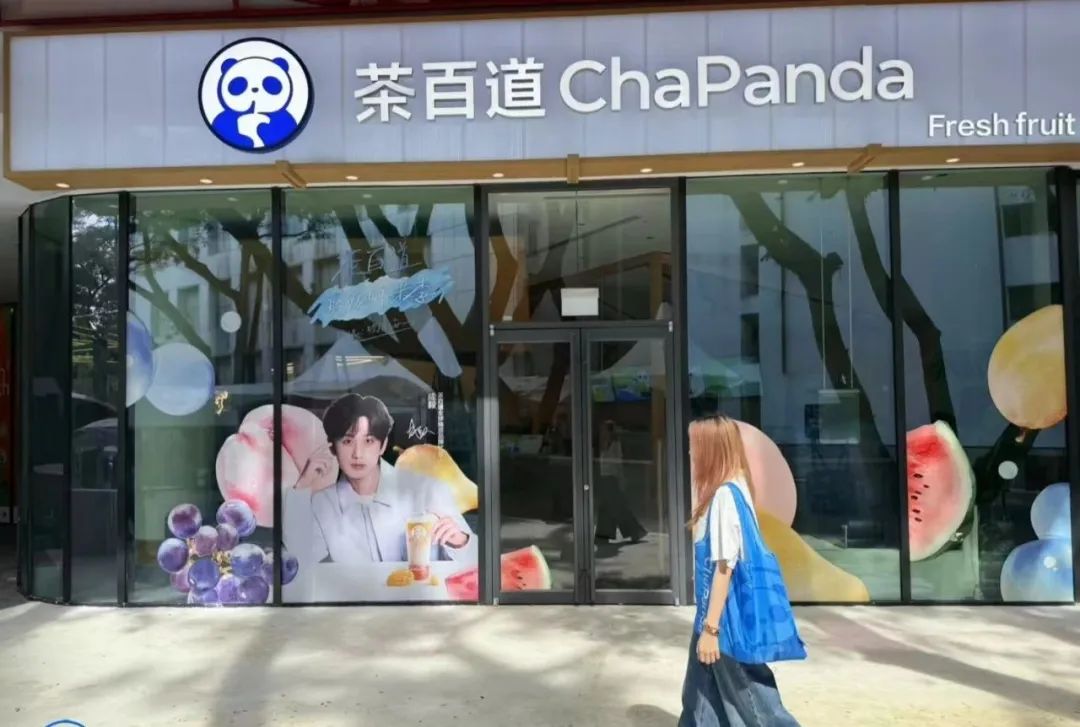
Core Insights - Tea Baidao has opened its first two stores in Singapore, marking its entry into the Southeast Asian market [1][3] - The stores are located in popular shopping districts, SCAPE and Northpoint, with official openings scheduled for July 18 and July 25, respectively [3][6] - The company is offering a "buy one get one free" promotion to celebrate the opening, along with a 15% discount on all large drinks during the trial operation [5][6] Market Positioning - Tea Baidao's product range in Singapore includes 18 beverage options, priced between 2.5 to 6.9 Singapore dollars (approximately 14 to 38.6 RMB), targeting the mid-range market [3][6] - The menu features both classic and unique items, catering to local preferences for refreshing drinks in Singapore's tropical climate [3][6] Strategic Rationale - Singapore's favorable climate and high demand for cold beverages provide a strong market opportunity for tea brands [6] - The country’s mature business environment and efficient supply chain support the operational setup for foreign brands [6] - Tea Baidao employs a hybrid supply model, sourcing perishable ingredients locally while importing core materials, optimizing cost efficiency [6] Competitive Landscape - The Singapore tea beverage market is competitive, with established brands like Heytea, Mixue, and local player LiHO [7][8] - Tea Baidao's overseas presence has expanded to 20 stores across seven countries, with a focus on Asian markets [8][9] - The company aims to leverage its experience in Malaysia to enhance its operations in Singapore and potentially use it as a springboard for further expansion into Indonesia and Vietnam [9] Future Outlook - The successful launch of the Singapore stores is seen as a critical step in Tea Baidao's international expansion strategy [9] - The company's ability to establish a foothold in the competitive Singapore market will be crucial for its future growth and expansion plans [9]
香港彻底告别“金融废墟”
创业邦· 2025-07-16 00:16
Core Viewpoint - The article discusses the resurgence of the Hong Kong stock market as a global hub for IPOs, highlighting a significant increase in new listings and capital raised, positioning Hong Kong as a critical player in international finance and investment, particularly for Chinese enterprises [3][4][30]. IPO Boom - In the first half of the year, Hong Kong saw 240 companies enter the market, with 220 more in the pipeline as of June 30 [4][11]. - A total of 43 new stocks were listed, a 43.3% increase compared to the same period in 2024, raising HKD 1,067.1 billion, surpassing Nasdaq [4][10]. - The IPO of Ningde Times raised approximately HKD 357 billion, marking the largest global IPO of the year [8]. Historical Context - The article reflects on the historical evolution of Hong Kong's IPO landscape, from the early days of state-owned enterprises to the current influx of tech and consumer companies [6][14]. - The return of Chinese companies to Hong Kong, particularly in the wake of the pandemic and geopolitical tensions, has revitalized the market [4][30]. Market Dynamics - The article notes that the Hong Kong stock market has become a vital link for Chinese companies seeking international capital, with a significant portion of new listings being from mainland enterprises [4][30]. - The dominance of Chinese financial institutions in underwriting new listings is highlighted, with major players like CICC and CITIC leading the way [16][18]. Investment Trends - The influx of capital from mainland investors has increased, with southbound funds contributing HKD 730 billion, raising their market share to 43.9% [21][22]. - New consumer brands and innovative companies are capturing investor interest, with examples like Moutai and Bubble Mart showcasing unique business models that resonate with global investors [9][20]. Future Outlook - Predictions suggest that Hong Kong could see up to 80 new IPOs in 2024, raising HKD 200 billion, reinforcing its status as a leading global financial center [13][30]. - The article emphasizes the ongoing reforms in Hong Kong's financial market, including the introduction of SPACs and support for tech companies, which are expected to attract more listings and investments [30].


柠檬向右新品牌“向右手作”南京首店开业,引领健康茶饮消费热潮
Sou Hu Cai Jing· 2025-07-15 14:36
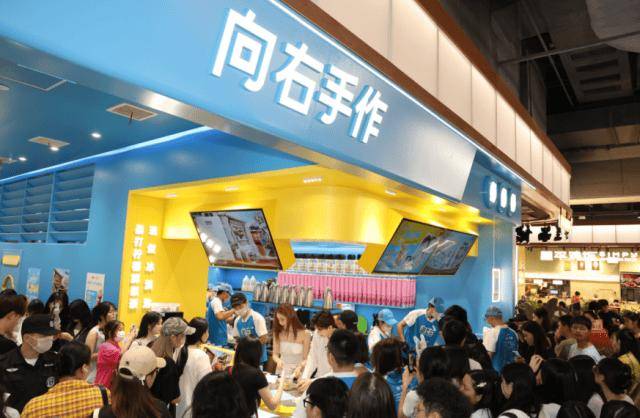
Core Insights - The opening of the new brand "Xiangyou Shouzuo" by Lemon Xiangyou in Nanjing has sparked a surge in health beverage consumption during the summer season, driven by a unique marketing strategy involving popular influencers [1][3][10] Group 1: Market Trends and Consumer Behavior - The summer peak in consumer spending has been ignited by the demand for refreshing and healthy beverages, particularly among young consumers in Nanjing, a city known for its hot summers [3][10] - The tea beverage market is shifting from supply-side competition to a focus on consumer demand and brand engagement, with Lemon Xiangyou leveraging influencer marketing to enhance consumer interaction and brand recognition [3][8] Group 2: Brand Strategy and Product Innovation - "Xiangyou Shouzuo" emphasizes a diverse product matrix centered on health, including handmade ice cream and fresh fruit and vegetable juices, aligning with contemporary consumer preferences for "zero additives" and "light burden" beverages [11][13] - The brand's strategy reflects a commitment to quality and a deep understanding of consumer needs, positioning itself as a leader in the health beverage sector [10][11] Group 3: Event Impact and Engagement - The launch event attracted over 10,000 attendees, resulting in nearly 3,000 beverage sales and over 1,000 handmade ice creams sold, showcasing the brand's market appeal and product attractiveness [8][10] - The event featured interactive experiences with influencers, enhancing emotional engagement and social media buzz, which contributed to the brand's visibility and consumer connection [8][10]
“0元购”爆单!券商眼中的外卖补贴大战,谁将受益
Bei Jing Shang Bao· 2025-07-15 13:15
Core Viewpoint - The recent "subsidy war" among major players in the food delivery market, including Meituan, JD Group, and Alibaba, is primarily aimed at capturing market share, raising concerns about the potential impact on profit margins and investment returns for these companies [1][5][7]. Group 1: Market Dynamics - The food delivery market has seen intensified competition with the launch of "0 yuan purchase" promotions by Meituan, leading to a significant increase in consumer engagement and social media buzz [1][3]. - As of July 15, 2023, all three major companies—Alibaba, Meituan, and JD Group—experienced stock price increases of 6.97%, 4.38%, and 2.12% respectively, although year-to-date performance shows Alibaba up 40.06% while Meituan and JD Group are down 16.81% and 5.7% respectively [3][4]. Group 2: Fund Holdings - Alibaba is a significant player in public fund holdings, ranking among the top ten heavy stocks with a total market value of 50.713 billion yuan held by 765 funds as of the end of Q1 2023 [4]. - Meituan also has substantial fund backing, with 248 funds holding a total market value of 19.703 billion yuan, while JD Group has limited fund support, primarily from a single ETF [4]. Group 3: Profitability Concerns - Analysts express caution regarding the long-term profitability of the major players due to the aggressive nature of the subsidy war, which may lead to significant losses in the food delivery sector [5][6]. - Goldman Sachs projects that the ongoing subsidy war could result in substantial losses for these companies, estimating that Alibaba's food delivery business could incur losses of 41 billion yuan and JD Group 26 billion yuan by mid-2026 [6]. Group 4: Industry Impact - The subsidy war is expected to benefit leading brands in the tea and beverage sector, with stocks like Nayuki Tea and others seeing price increases since the onset of the subsidy promotions [5][6]. - The competition is anticipated to stimulate demand in the restaurant supply chain, with a potential increase in order volumes as a result of the ongoing promotions [5][6].




外卖大战的第一个「受害者」出现了?
3 6 Ke· 2025-07-15 12:48
Core Viewpoint - The rise of instant tea and coffee drinks, fueled by subsidies on delivery platforms, has significantly impacted traditional brands like Xiangpiaopiao, which is experiencing a decline in sales and profits due to changing consumer preferences and increased competition from ready-to-drink options [2][5][10]. Group 1: Company Performance - Xiangpiaopiao expects a revenue of 1.035 billion yuan for the first half of 2025, representing a year-on-year decline of over 12% [5]. - The company anticipates a net loss of 97.39 million yuan, which is an increase of approximately 67.89 million yuan compared to the same period last year [5]. - The stock price of Xiangpiaopiao has dropped over 60% from its historical high of 35.09 yuan in August 2019, closing at 13.77 yuan on July 14, 2025 [5]. Group 2: Market Trends - The price of ready-to-drink tea has fallen below 3 yuan, making it competitive against canned beverages, which poses a challenge for Xiangpiaopiao's traditional products [5][6]. - The trend towards instant drinks, especially during summer, has become a necessity for young consumers, leading to a shift in market dynamics [6][8]. - The ongoing subsidy wars among delivery platforms are intensifying competition, with brands like Mixue Ice Cream and Luckin Coffee offering prices as low as 3.5 yuan for their drinks [6][11]. Group 3: Strategic Adjustments - Xiangpiaopiao is attempting to adapt by launching new product lines, such as "original leaf fresh milk tea," which aims to meet health standards and appeal to changing consumer tastes [8][9]. - The company is also exploring new sales channels, particularly in the snack wholesale sector, with over 30,000 stores already collaborating with them [8]. - Xiangpiaopiao's new product series emphasizes quality and aims to compete with ready-to-drink beverages, with prices around 8 yuan per cup [9].

大众品Q2业绩前瞻及中期策略报告:新消费重构投资范式,传统消费循势待时-20250715
ZHESHANG SECURITIES· 2025-07-15 11:48
Group 1 - The report emphasizes the reconstruction of investment paradigms in the food and beverage sector, driven by new consumption trends that focus on emotional value, health, and technological innovation [1][14][30] - The new consumption paradigm is characterized by a shift from traditional consumption frameworks to a model that prioritizes innovative supply and new demand creation through quality offerings [1][14][35] - The report identifies three main consumption trends: rational quality consumption, emotional value self-consumption, and technological iteration innovation [1][14][30] Group 2 - The analysis of sub-sectors indicates that traditional leaders in beer, dairy, and condiments should be evaluated through traditional consumption frameworks, while new consumption-driven sectors like snacks, tea drinks, and health products require a bottom-up approach to identify explosive changes [2][35] - In the snack sector, companies with category dividends and new channel expansions are expected to perform well, with projected revenue growth rates for various companies in Q2 2025 [4][36] - The soft drink sector shows differentiated performance across segments, with energy drinks and ready-to-drink tea expected to grow, while traditional segments face challenges [4][37] Group 3 - The dairy sector is anticipated to have stable revenue in Q2 2025, with a focus on profit elasticity once raw milk prices stabilize [4][38] - The tea drink market is experiencing high growth driven by the delivery battle, with key players like Mixue Group and Cha Bai Dao expected to thrive in the mid-price segment [4][41] - The health product sector is seeing a concentration in the B-end market, while the C-end market requires attention to high-growth single products [4][39] Group 4 - Investment recommendations include companies that align with new consumption trends, such as Wei Long, Yili, Wanchen Group, and others, indicating a focus on long-term growth opportunities despite short-term adjustments [6][35] - The report highlights the importance of supply chain optimization and product innovation for brands to remain competitive in the evolving retail landscape [30][33]
“一日店长”实火,情绪消费何以上头?
3 6 Ke· 2025-07-14 23:49
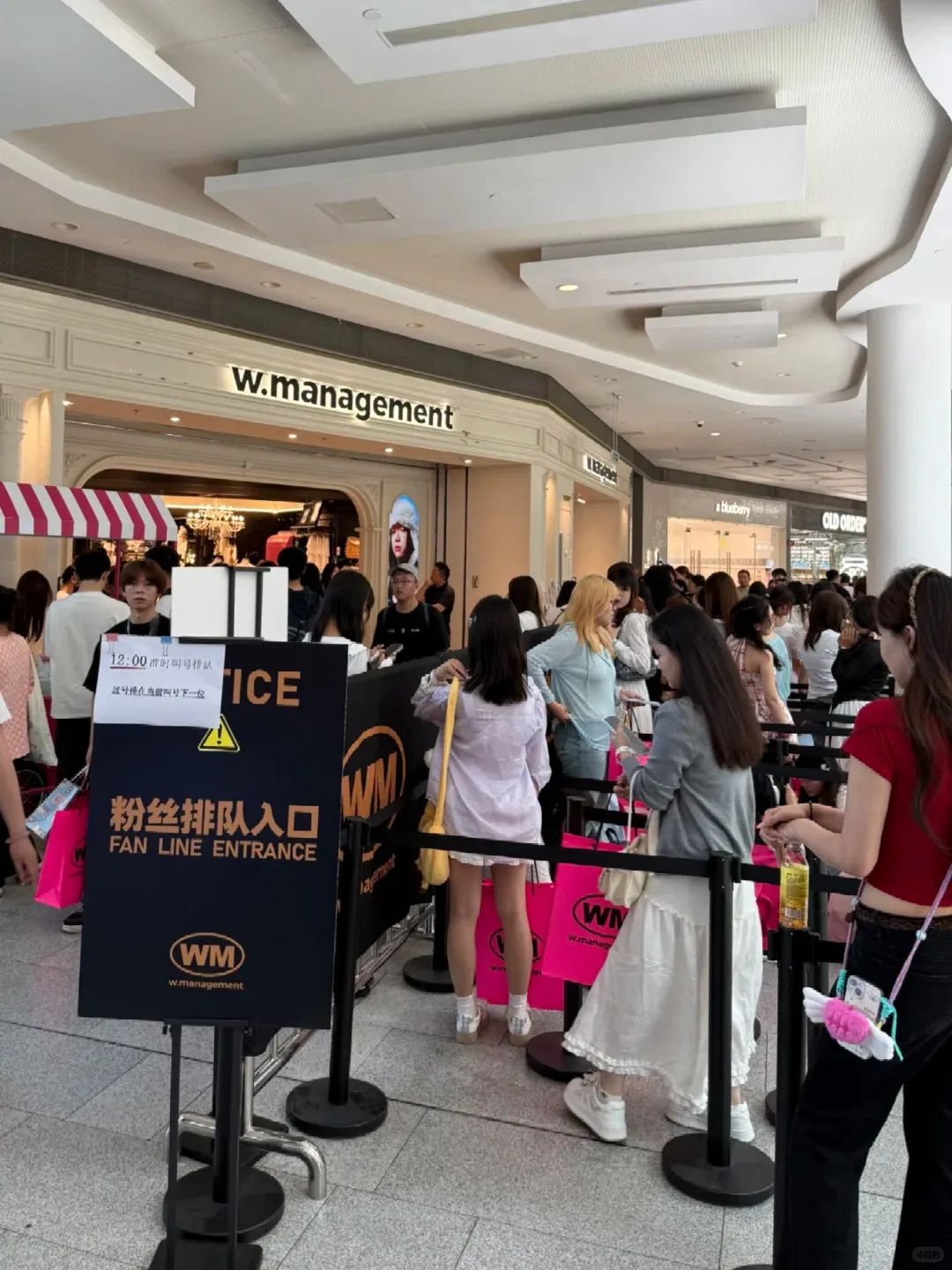
Core Insights - The fast fashion brand W.Management has opened its first store in Beijing, attracting significant consumer interest through an interactive "One-Day Store Manager" event [1][4][6] Group 1: Brand Overview - W.Management, founded in 2023, targets a core female demographic by promoting "freedom of dressing" through its unique design style that blends American retro and modern street elements [4][6] - The brand has rapidly expanded, opening 23 large stores across various cities including Beijing, Shanghai, and Guangzhou within three years, with each store exceeding 2000 square meters [4][6] Group 2: Marketing Strategy - The "One-Day Store Manager" initiative has become a popular marketing strategy among brands, initially originating from Japan, where celebrities serve as temporary store managers to drive traffic and engagement [23][24] - W.Management has effectively utilized social media platforms like Xiaohongshu to create buzz around its store openings and events, engaging fans and consumers through pre-event promotions and interactive activities [11][13][17] Group 3: Consumer Engagement - The "One-Day Store Manager" event not only boosts foot traffic but also enhances consumer interaction, allowing fans to engage directly with influencers and brand representatives during the event [15][19] - The presence of attractive and engaging staff during these events has been noted to significantly enhance the shopping experience, leading to increased consumer satisfaction and brand loyalty [19][26] Group 4: Industry Trends - The trend of utilizing "One-Day Store Managers" has gained traction among various brands, including those in the beverage sector, as a means to create unique consumer experiences and drive sales [25][28][31] - Brands are increasingly recognizing the value of emotional consumer engagement, where the shopping experience transcends mere transactions, fostering deeper connections with consumers [38][39]