
外卖

Search documents
价钱便宜一半?不少上海人发现了这个漏洞!快递小哥笑了,商家却哭了……
Sou Hu Cai Jing· 2025-08-13 10:11
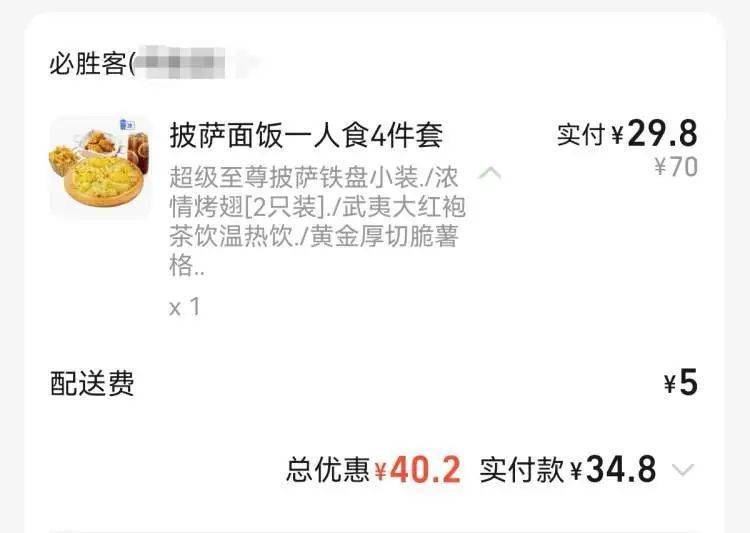
Group 1 - The phenomenon of customers ordering takeout and consuming it in-store has become increasingly common, leading to a disparity in pricing between takeout and dine-in options [5][10][14] - Customers have discovered that takeout prices can be significantly lower than dine-in prices, sometimes by as much as 50%, due to aggressive discounting strategies by delivery platforms [6][8][10] - This trend has created tension between customers and restaurant owners, as many businesses are struggling to maintain profitability amidst rising operational costs and the pressure of delivery platform subsidies [11][14][18] Group 2 - Some restaurant owners have expressed frustration over customers taking advantage of lower takeout prices while dining in their establishments, leading to potential loss of revenue and increased operational costs [10][11][14] - The financial burden on restaurants is highlighted by a case where a restaurant's takeout revenue was significantly impacted by high subsidy costs, leading to a situation where the business could face closure [14] - There are mixed responses from restaurant owners regarding the acceptance of takeout consumption in-store, with some welcoming it while others have implemented restrictions to protect their margins [15][17]

有人建议,取消外卖,关闭电商,恢复人间烟火气和市面繁荣,你同意吗?
Sou Hu Cai Jing· 2025-08-13 09:05
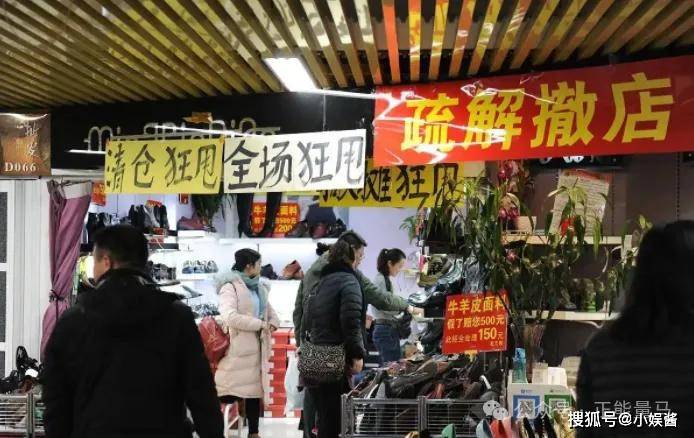
Group 1 - The core issue is the struggle of physical retail businesses in the post-pandemic era, with many restaurants and shops facing reduced customer traffic and some closing down [1][3] - A growing debate has emerged around the idea of stopping food delivery and e-commerce to revive physical stores, highlighting the complexity of the issue which affects millions of livelihoods and daily lives [3][10] - The existence of food delivery services has become a necessity for many, with 520 million users in China, predominantly young professionals who rely on it to balance work and life [4][6] Group 2 - E-commerce has transformed daily life, with over 100 million users aged 60 and above, and 72% of them finding online shopping significantly convenient [6][7] - The price advantage of e-commerce over physical stores is notable, with some products being 30% cheaper online, which is crucial for families facing rising living costs [7][14] - The delivery and e-commerce sectors employ over 150 million people, making them a vital part of the economy and a significant source of income for many families [8][9] Group 3 - Many physical stores view food delivery and e-commerce as lifelines rather than competitors, with 82% of surviving restaurants offering delivery services [13][14] - The real challenges for physical retail include shrinking consumer demand, intense competition, and rising operational costs, which are exacerbated by the presence of delivery and e-commerce [14][15] - Solutions for revitalizing physical retail include reducing operational costs, encouraging differentiated competition, and enhancing consumer experiences [16][17][18] Group 4 - The essence of a vibrant commercial atmosphere lies in the connections between people and the cultural fit of business models, rather than merely forcing consumers to shop in physical stores [16][18] - The evolution of commercial forms is inevitable, and the focus should be on creating new vitality in the market rather than longing for past shopping experiences [18]
国元证券每日观察-20250813
Guoyuan Securities2· 2025-08-13 08:19
Economic Indicators - US Treasury Secretary Yellen indicated an openness to a 50 basis point rate cut by the Federal Reserve in September[4] - The US Consumer Price Index (CPI) for July rose by 2.7% year-on-year, which is lower than expected[4] - The total US national debt has exceeded $37 trillion for the first time[4] Market Performance - The Nasdaq index closed at 21,681.90, up 1.39%[5] - The Dow Jones Industrial Average closed at 44,458.61, up 1.10%[5] - The S&P 500 index closed at 6,445.76, up 1.13%[5] Commodity Prices - The price of Brent crude oil was $66.71, up 0.18%[5] - The spot price of gold was $3,347.64, up 0.18%[5] - Bitcoin futures on CME closed at $119,230.00, up 1.95%[5] Regional Market Insights - Hong Kong's capital market saw a new IPO fundraising total increase of over six times year-on-year in the first seven months of this year[4] - The Hang Seng Index closed at 24,969.68, up 0.25%[5] - The Shanghai Composite Index closed at 3,665.92, up 0.50%[5]
外卖门店图用AI生成,市监总局出手了
21世纪经济报道· 2025-08-13 07:18
Core Viewpoint - The article discusses the newly released draft regulations by the State Administration for Market Regulation (SAMR) aimed at enhancing food safety responsibilities for online food trading platforms, amidst a competitive landscape marked by significant subsidy wars among major players like JD.com, Ele.me, and Meituan [1][3]. Group 1: Regulatory Framework - The draft regulations cover various online food trading platforms, including delivery services, live streaming, social media, short video platforms, community group buying, and self-built websites [1]. - The regulations consist of 23 articles focusing on five main areas: overall requirements, responsibility allocation, personnel requirements, violations, and penalties [3]. Group 2: Responsibilities and Compliance - Platforms are required to ensure that their branches, agents, and partners comply with food safety management responsibilities [3]. - If platforms engage in self-operated food sales, they must fulfill the responsibilities of food sales enterprises [4]. Group 3: Personnel and Monitoring - The regulations mandate platforms to establish a "daily control, weekly inspection, monthly scheduling" system and appoint food safety directors and personnel commensurate with transaction volumes [4]. - Food safety personnel are encouraged to utilize AI and big data for compliance monitoring and risk assessment of food producers and sellers on the platform [4]. Group 4: Addressing Food Safety Risks - The article highlights that previous regulations lacked clarity in management responsibilities, necessitating more detailed guidelines for platforms to implement food safety management effectively [5]. - Instances of food safety risks have been noted, with platforms being urged to adhere strictly to food safety laws and regulations following multiple discussions with regulatory authorities [6]. Group 5: AI and Marketing Practices - The article points out concerns regarding the use of AI-generated images by merchants, which can mislead consumers about the actual conditions of food establishments [6][9]. - Platforms like Meituan and JD.com have responded by tightening their review processes for merchant images to prevent misleading marketing practices [8][9].


外卖行业呼吁平台良性竞争
2 1 Shi Ji Jing Ji Bao Dao· 2025-08-13 07:09
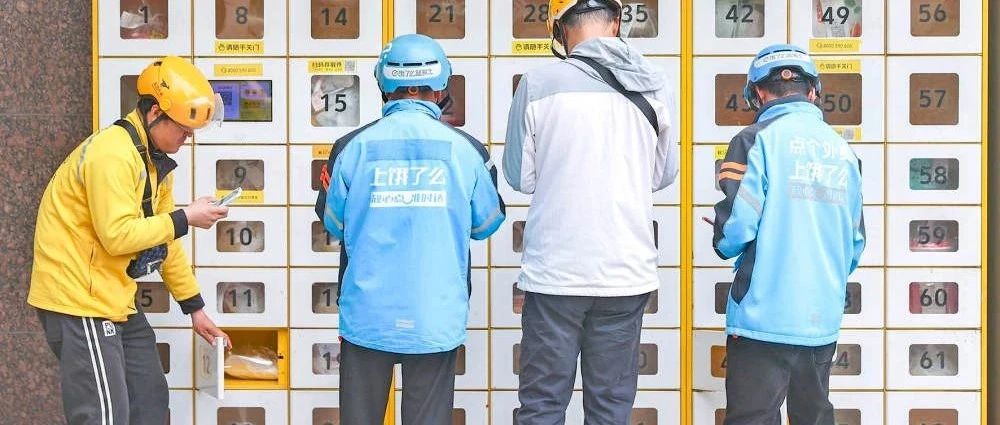
Core Viewpoint - The recent subsidy war in China's food delivery industry has revealed some "aftereffects" that require attention from all sectors [2][6]. Group 1: Subsidy War Dynamics - In the first half of 2025, major platforms like Taobao Flash Purchase, Ele.me, Meituan, and JD Delivery have initiated a new round of subsidy wars to capture market share and user traffic [2]. - The subsidy competition has significantly increased order volumes and platform penetration rates, especially in western regions, leading to a rapid growth in the number of delivery riders [2][4]. - A survey by the Beijing Cooking Association indicates that one-third of respondents perceive a disparity in subsidies favoring large chains over small merchants [3]. Group 2: Impact on Merchants - Large merchants benefit from established supply chain management and operational efficiency, allowing them to respond quickly to increased order volumes [3]. - Platforms tend to favor large merchants in subsidy allocations, as they can negotiate more efficiently and bear the costs better than small merchants [3]. - Meituan has launched support strategies for small merchants, including a "10 billion support fund" aimed at increasing order volumes and merchant income [3]. Group 3: Consumer Behavior and Market Effects - Continuous low-price subsidies distort consumer price perceptions, leading to concerns about a potential decline in demand once subsidies are removed [4]. - The surge in orders during subsidy peaks can overwhelm merchants, risking customer experience and potentially leading to a decline in product quality [4]. - The rapid expansion of delivery riders, primarily through crowdsourcing, has raised safety concerns due to relaxed hiring standards by some platforms [4]. Group 4: Resource Waste Concerns - High subsidies and low-price promotions have led to excessive consumption, resulting in food waste and operational overload for merchants [5]. - Some platforms have been reported to impose additional burdens on merchants, such as requiring them to cover losses from unsold food due to excessive orders [5]. Group 5: Recommendations for Sustainable Practices - The industry needs to shift from unsustainable, loss-driven subsidies to a focus on long-term value creation, enhancing service quality, and supporting small merchants [6]. - Platforms should enhance their social responsibility, ensuring fair treatment of small merchants and prioritizing rider safety through better governance and incentives [6]. - A healthy competitive environment is essential for the sustainable development of the industry, benefiting consumers, merchants, and workers alike [6].
巴克莱:“全方位完美的财报”!腾讯音乐被“夸上天”:展示了每个环节的变现能力,竞争对手无法复制
美股IPO· 2025-08-13 05:37
Group 1 - Barclays believes Tencent Music has significantly exceeded market expectations and demonstrated strong monetization capabilities across all user music experiences, creating an ecosystem that competitors cannot replicate [1] Group 2 - JPMorgan's report on August 12 states that Kuaishou is the most undervalued AI stock, raising its target price from HKD 71 to HKD 88, indicating a potential upside of 22% [2] - The report emphasizes that Kuaishou's core advertising business is accelerating, and the impact of AI on advertising is also underestimated [2] Group 3 - JPMorgan has significantly raised its revenue forecasts for Kuaishou's AI video generation tool, Keling, for 2025 and 2026 by 61% to RMB 12 billion and RMB 19 billion, respectively, based on strong performance in Q2 2025 [3] - Keling's monthly revenue exceeded RMB 100 million in April and May, and concerns about cash flow fluctuations are considered overblown as most revenue comes from the PC side [3] - The global market for AI video generation is substantial, with potential market size exceeding USD 100 billion, and Keling's pricing is only 20-30% of overseas competitors, indicating significant growth potential [3] Group 4 - JPMorgan views Kuaishou's entry into the food delivery sector as an overreaction, noting that it employs a light-asset model by partnering with established companies like Meituan instead of building its own logistics [4] - This model minimizes upfront investment and allows Kuaishou to generate additional revenue through service commissions [4] Group 5 - JPMorgan reiterates Kuaishou as a top pick in China's digital entertainment sector, citing under-monetized advertising and e-commerce businesses, with projected compound annual growth rates of 13% for advertising and e-commerce commissions from 2026 to 2027 [6] - Kuaishou's user traffic remains stable and is not significantly impacted by the rapid growth of WeChat's video accounts, with a shift towards higher-margin advertising and e-commerce expected to boost profit margins [6] Group 6 - Despite a 73% rebound year-to-date, JPMorgan finds Kuaishou's valuation attractive, with current stock prices corresponding to 14/11 times the expected earnings for 2025/2026, while projecting a 20% compound growth rate for profits from 2026 to 2027 [8] Group 7 - JPMorgan sets a target price of HKD 88 for Kuaishou by the end of 2026, based on a 14 times expected earnings multiple for 2026, reflecting optimism about accelerated growth in core advertising and Keling's strong momentum [10]


马云赌赢了,淘宝闪购反超美团
Sou Hu Cai Jing· 2025-08-13 02:36
Core Viewpoint - Alibaba's Taobao Flash Sale has surpassed Meituan in daily order volume, indicating a shift in competitive dynamics within the food delivery market [1][4]. Group 1: Competitive Landscape - In the previous subsidy war, Meituan led with 150 million daily orders compared to Taobao Flash Sale's 80 million [1]. - However, from August 7 to 9, Taobao Flash Sale achieved over 100 million daily orders for three consecutive days, marking a significant turnaround [5][6]. - On August 8 and 9, Taobao Flash Sale's daily order volume exceeded that of Meituan for the first time [6]. Group 2: Marketing Strategies - Taobao's success in surpassing Meituan is attributed to a well-coordinated marketing campaign that linked events like "First Cup of Milk Tea" on August 7, "88VIP Day" on August 8, and "Super Saturday" on August 9 [7]. - The campaign included celebrity endorsements and widespread distribution of free order cards to incentivize user engagement [7][10]. Group 3: Internal Goals and User Engagement - There were rumors of an internal target for order volume during the promotional period, suggesting potential performance pressures within Taobao [10]. - Taobao has launched a membership system that integrates various Alibaba resources, enhancing user engagement and providing a steady flow of targeted traffic [11]. Group 4: Meituan's Position - Meituan has chosen not to compete directly with Taobao Flash Sale on order volume, downplaying its own promotional activities and refraining from releasing specific order data [14][17]. - Meituan's leadership has expressed skepticism about the sustainability of inflated order numbers driven by heavy subsidies, indicating a focus on long-term market health [17][19]. Group 5: Market Dynamics and New Entrants - The entry of JD.com into the food delivery market has intensified competition, although JD.com has opted for a differentiated approach rather than engaging in direct price wars [20][23]. - Other players like Douyin and Kuaishou are also exploring food delivery services, indicating a trend of increasing competition in the market [25][28].


车企承诺60天支付账期兑现情况曝光!官方:有三家车企实现;苹果手机 iPhone 17 Pro长得像充电宝引热议;罗马仕重启招聘
雷峰网· 2025-08-13 00:42
Key Points - Apple is set to launch the iPhone 17 series, which features a significant design change, leading to comparisons with a power bank [4][5] - Three car manufacturers have successfully implemented a 60-day payment term for suppliers, in response to a new regulation aimed at improving payment practices [7][8] - Huawei has announced the release of its AI inference technology UCM, which will be open-sourced in September 2025 [9] - The CEO of GitHub has announced his resignation, marking the end of the platform's independent operation as it integrates into Microsoft's CoreAI organization [39][40] - Xiaomi's electric vehicles, the SU7 and YU7, have gained popularity due to significant investment and a focus on quality [17] - Meituan's daily order volume has been surpassed by Taobao's flash sales during recent promotional events, although the metrics used for comparison differ [12] - Micron Technology has announced a global halt on the development of future mobile NAND products due to poor market performance [50][51] - TikTok Shop is facing challenges in Japan, with low acceptance from retailers and skepticism about the viability of live commerce [52][53]





美团启动“堂食提振”计划 助力餐饮商家提量增质
Zheng Quan Shi Bao· 2025-08-12 17:25
Core Viewpoint - After being interviewed by the market regulatory authority, major food delivery platforms collectively pledged to engage in healthy competition and improve the ecosystem of the restaurant industry [1][3]. Group 1: Company Initiatives - Meituan launched the "Dine-in Boost" plan on August 12, aimed at encouraging users to dine in at restaurants, thereby supporting offline store order growth [1][2]. - The "Dine-in Boost" plan includes issuing consumption vouchers to all members, with the platform covering the costs, to increase foot traffic and sales for restaurant merchants [1][2]. - Meituan's "Small Store Support Fund" will provide up to 50,000 yuan to small restaurants, with the first batch of funds already distributed [2]. Group 2: Market Context - The food delivery industry has faced challenges this year due to ongoing subsidy wars, leading to operational difficulties for many small restaurants against the backdrop of chain brands and platform subsidies [1][2]. - There is a consensus that substantial subsidies have resulted in a decline in dine-in services, impacting the overall health of the restaurant ecosystem [1]. Group 3: Industry Trends - The integration of instant retail and traditional retail is seen as a way to bridge the gap between online and offline sales, creating a complementary and win-win ecosystem [2]. - Meituan's initiatives are part of a broader commitment by major platforms, including Ele.me and JD, to regulate promotions and limit irrational subsidy behaviors [3].
AI假图欺骗消费者,外卖商家还想不想吃这碗饭
Nan Fang Du Shi Bao· 2025-08-12 16:55
Core Viewpoint - The rise of AI-generated images in food delivery services has led to significant consumer dissatisfaction and trust issues, as many businesses use misleading visuals to attract customers [1][2][3]. Group 1: AI-Generated Images and Consumer Impact - Many food delivery platforms are using AI-generated images that do not accurately represent the actual products, leading to a disconnect between consumer expectations and reality [1][2]. - Some businesses are misrepresenting themselves as having dine-in options by using AI-generated images, which can create a false sense of security regarding hygiene and dining conditions [2][3]. Group 2: Regulatory and Platform Responsibilities - The use of AI-generated images raises concerns about false advertising, but the lack of severe consequences for individual consumers may limit regulatory intervention [3]. - Platforms have a responsibility to monitor the qualifications and hygiene conditions of the merchants they host, but conflicts of interest may hinder strict oversight [3][4]. - Recent investigations revealed that some food delivery merchants have been using forged food business licenses, indicating a broader issue of compliance within the industry [4]. Group 3: Industry Implications - The emergence of a new industry around AI-generated promotional materials for food delivery services highlights the need for clearer regulations and accountability [4]. - The ongoing issues in the food delivery sector, including the use of misleading advertising and compliance violations, necessitate urgent attention from both platforms and regulatory bodies [4].