服装

Search documents
记者调查|双十一前夜探访深圳直播带货新业态
Sou Hu Cai Jing· 2025-11-09 07:21
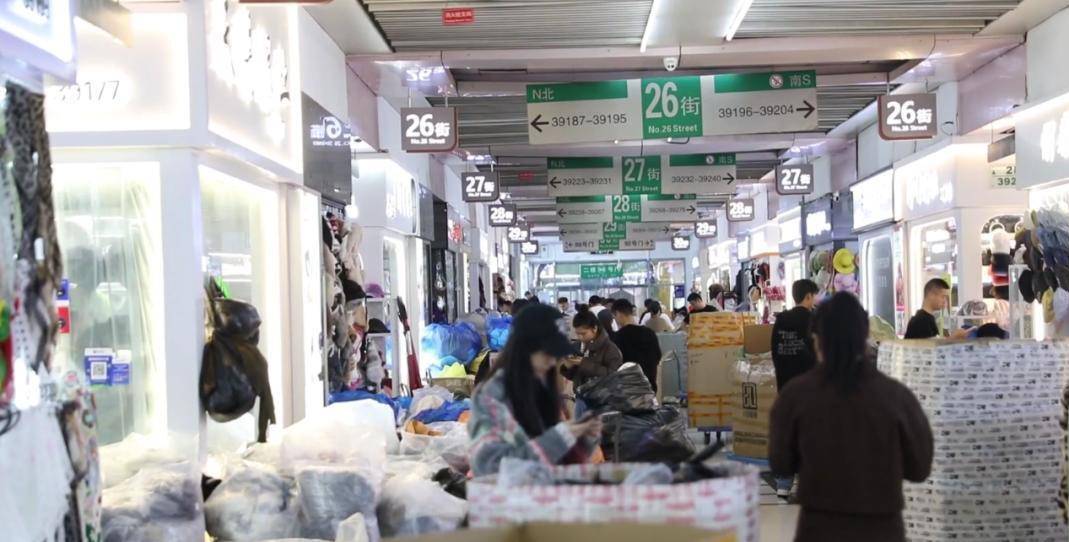
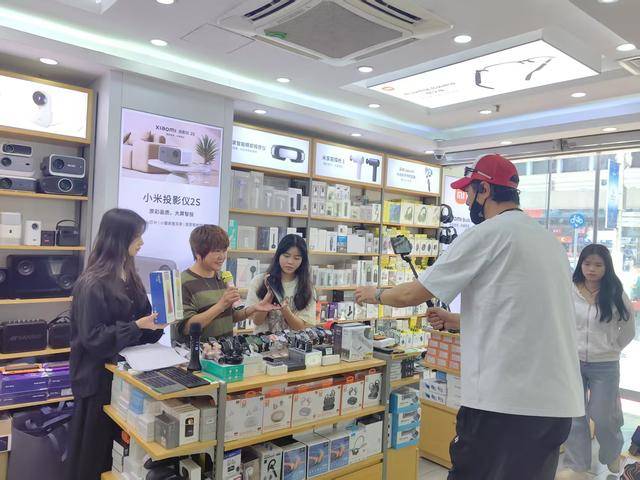
Core Insights - The upcoming "Double Eleven" shopping festival is reigniting competition in the e-commerce sector, with a new profession of live-streaming hosts emerging in traditional wholesale markets in Shenzhen [1] Group 1: Water Bay Gold Market - The Water Bay Gold Market, China's largest gold jewelry wholesale base, is seeing a rise in live-streaming hosts showcasing various gold products, particularly cultural and creative items made with minimal gold content, appealing to impulse buyers [2] - The increase in international gold prices has made gold-related products a highlight for this year's Double Eleven, with live-streaming significantly expanding the market for gold cultural gifts [2] Group 2: Huaqiangbei Electronics Market - The Huaqiangbei Electronics Market is also experiencing a surge in live-streaming, particularly in the entertainment electronics sector, where hosts demonstrate product features [3][5] - Live-streaming allows consumers nationwide to access the lower prices of electronic products available in Huaqiangbei, which are often cheaper than online prices [5] Group 3: Nanyou Clothing Market - The Nanyou Clothing Market has developed a comprehensive live-streaming ecosystem, with old factory buildings housing clothing stalls, factories, and live-streaming studios, creating a full supply chain from design to sales [6][8] - A clothing store owner noted that their sales are now almost entirely online, highlighting the shift towards e-commerce in the fashion industry [8] - The model of "old factory renovation + live-streaming industry" is being replicated in various locations, contributing to the growth of the live-streaming economy in Shenzhen [11] Group 4: Industry Analysis - The rapid development of the live-streaming e-commerce sector in Shenzhen is attributed to its strong manufacturing base, complete supply chain, and an innovative entrepreneurial environment [13] - Events like Double Eleven are driving the growth of live-streaming as a new growth point for Shenzhen's e-commerce economy, revitalizing traditional commerce [13]

悦己、银发还是毛孩子?去进博会寻找下一个消费爆款
第一财经· 2025-11-09 05:10
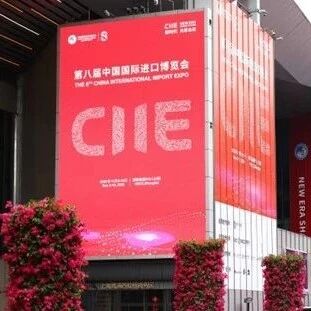
Core Insights - The article discusses the evolving consumer trends observed at the China International Import Expo (CIIE), highlighting a shift towards self-pleasure and emotional value in purchasing decisions, particularly in luxury goods and lifestyle products [5][10]. Group 1: Consumer Trends - The motivation for purchasing luxury goods has shifted from showcasing status to seeking personal happiness, with "self-pleasure" and "emotional value" becoming key drivers in consumer decision-making [5]. - The rise of the "pet economy" is evident, with a dedicated pet-themed exhibition area at CIIE, reflecting the growing demand for pet-related products and services [9]. - The trend of "active health management" is emerging, with consumers increasingly seeking products that offer tangible health benefits rather than just marketing concepts [10]. Group 2: Company Innovations - Bulgari introduced "Connected Jewelry," allowing consumers to trace the origins and quality of gemstones, enhancing trust and experience [6]. - Pop Mart showcased immersive experiences with popular IPs, indicating a global trend towards emotional value in consumer products [7]. - LEGO created a "City Walk" experience at CIIE, emphasizing play as a universal language and appealing to both local and international audiences [8]. Group 3: Health and Wellness - Inne, a German nutrition brand, reported significant growth in children's nutritional products, indicating a shift towards proactive health management among consumers [10]. - The introduction of innovative health products, such as liquid calcium, reflects the changing focus from traditional supplements to more comprehensive health solutions [10]. - The demand for high-quality, personalized healthcare solutions is increasing, particularly among the aging population, as seen in the offerings from Edward Lifesciences [13][14]. Group 4: Aging Population - The CIIE highlighted the "silver economy," showcasing products designed for the elderly, including safety and wellness solutions [12]. - Companies are increasingly focusing on the unique healthcare needs of older adults, with innovations aimed at improving their quality of life [14]. - The introduction of AI-driven interactive robots for elderly care reflects the growing emphasis on emotional support and safety monitoring for seniors [14].


悦己、银发还是毛孩子?去进博会寻找下一个消费爆款
Di Yi Cai Jing· 2025-11-09 03:13
Group 1: Consumer Trends - The core consumer motivation has shifted from showcasing wealth to seeking personal happiness, with "self-pleasure" and emotional value becoming key drivers in purchasing decisions [2][3] - The pet economy is thriving, with the establishment of a dedicated pet-themed exhibition area at the expo, reflecting the growing demand for pet-related products and services [5] - The trend of "self-pleasure" and emotional value is also evident in the rise of immersive experiences and personalized products, as seen with brands like LEGO and Brother [4][6] Group 2: Health and Wellness - Consumers are increasingly proactive about health management, moving from passive responses to active engagement, as demonstrated by the success of innovative health products at the expo [7][8] - The demand for high-quality, effective health products is rising, with a notable increase in inquiries about clinical efficacy at the expo [7] - The introduction of new health products, such as liquid calcium for both mothers and infants, indicates a shift towards comprehensive health solutions [7] Group 3: Aging Population - The expo highlighted the "silver economy," showcasing products and services tailored for the aging population, including rehabilitation aids and home safety solutions [9][10] - Companies are focusing on personalized treatment options for age-related health issues, particularly in the field of cardiac care, to meet the unique needs of Chinese patients [10][11] - Innovations like interactive robots aimed at providing companionship and safety for the elderly reflect the growing attention to emotional and practical needs in the aging demographic [11]
月销10w+的「拉夫抡人」,都是谁在买?
36氪· 2025-11-09 02:09
Core Viewpoint - The article discusses the rise of counterfeit and low-quality imitations of popular fashion brands, particularly focusing on the impact on consumers who unknowingly purchase these products, leading to social embarrassment and a loss of confidence [4][15][72]. Group 1: Brand Imitation and Consumer Experience - The article highlights the frustration of consumers who find themselves purchasing low-quality imitations of brands like ALO, Miu Miu, and Ralph Lauren, often without realizing it [10][37][56]. - It emphasizes the prevalence of these imitations in the market, with many consumers unknowingly wearing products that are poorly replicated versions of high-end brands [25][32][60]. - The emotional toll on consumers is significant, as they navigate a landscape filled with counterfeit products, leading to feelings of embarrassment and confusion about their purchases [18][72][110]. Group 2: Market Dynamics and Brand Perception - The article notes that the demand for branded products has led to a surge in counterfeit goods, with manufacturers capitalizing on the popularity of logos as social currency [96][98][100]. - It discusses how the low barriers to entry in the fashion industry contribute to the proliferation of these imitations, making it easier for counterfeiters to produce and sell their products [100][101]. - The article also points out that the imitation of logos has become a common practice, with various combinations and alterations of brand names flooding the market, further complicating consumer recognition [81][99][110]. Group 3: Consumer Sentiment and Social Media Influence - The article reflects on the collective sentiment of consumers who feel deceived by the prevalence of imitations, leading to the formation of online communities where they share their experiences and frustrations [72][90]. - It highlights the role of social media in amplifying these issues, as consumers often turn to platforms like Xiaohongshu to seek validation and share their encounters with counterfeit products [7][60][93]. - The article concludes with a plea for manufacturers to refrain from producing imitations that mislead consumers, emphasizing that many people would prefer unbranded items over deceptive replicas [111].

清华富二代掌舵要IPO了!市值一度逼近900亿!
Xin Lang Cai Jing· 2025-11-09 00:13
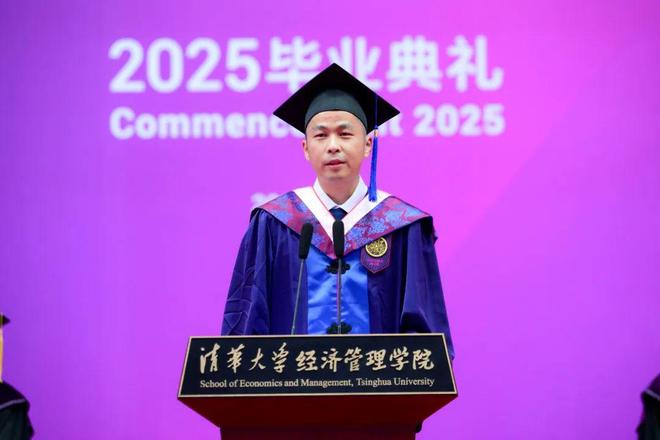
Core Viewpoint - Haier Home, a prominent name in the Chinese men's clothing sector, is planning to go public in Hong Kong to enhance its global presence and diversify its capital platform [1][9]. Company Background - The story of Haier Home began in 1988 when founder Zhou Jianping invested 300,000 yuan to take over a struggling woolen factory, transforming it into a profitable business [2]. - In 2002, inspired by Japan's Uniqlo, Zhou established Haier Home, introducing a self-selection and affordable pricing model that disrupted traditional men's clothing sales [2]. Leadership Transition - Zhou Jianping transferred 23.1% of his shares to his son Zhou Licheng in November 2020, increasing his stake to 27% [4]. - Zhou Licheng, a Tsinghua University graduate, took over in 2020 and faces challenges such as online competition, brand aging, and high inventory levels [6]. Business Challenges - The main brand still accounts for 70% of revenue, while new ventures have not yet significantly contributed [6]. - Revenue is projected at 21 billion yuan for 2024, down from 29 billion yuan in net profit [6]. - Inventory issues are significant, with over 10 billion yuan in stock and an average turnover period of 330 days [6]. IPO Plans - This is not Haier Home's first attempt at capital markets; it previously attempted an A-share IPO in 2012 but was rejected due to concerns over independence [7]. - The company later went public via a reverse merger in 2014, reaching a market value close to 90 billion yuan, but its current market cap has dropped to approximately 30 billion yuan [8]. Market Positioning - The upcoming Hong Kong IPO aims to support global expansion, enhance international branding, and create a diversified capital platform [9]. - Compared to competitors, Haier Home's gross margin of about 46% is lower than that of peers like Youngor (over 72%) and Seven Wolves (47%-53%) [10]. Industry Context - Haier Home's IPO is part of a broader trend, with other companies like Lens Technology and Luxshare Precision also pursuing listings in Hong Kong amid market challenges [11]. - The Hong Kong market has seen a mix of successes and failures, with recent IPOs facing difficulties, indicating a cooling investor sentiment [12]. Strategic Questions - Haier Home must address whether it can attract younger consumers, manage its substantial inventory, and successfully expand internationally to create a second growth curve [14].

泰国边境经济特区累计吸引投资逾548亿泰铢
Zhong Guo Xin Wen Wang· 2025-11-08 16:22
Core Insights - The report from Thailand's National Economic and Social Development Council indicates that since the establishment of 10 border economic zones in 2015, they have attracted a total investment of 54.82 billion Thai Baht (approximately 12.18 billion RMB) [1] Investment Overview - The 10 border economic zones are located in various provinces including Tak, Nong Khai, Mukdahan, Trat, Songkhla, Loei, Nakhon Phanom, Kanchanaburi, Narathiwat, and Chiang Rai [1] - A total of 132 investment projects have been approved in these zones, with a cumulative investment amount of 54.82 billion Thai Baht [1] - The sectors involved in these investment projects include apparel, plastics, animal feed, automotive parts, machinery, construction materials, medical gloves, and hospital construction [1] Business Landscape - There are currently 8,782 registered enterprises in the border economic zones, with 98% classified as small and medium-sized enterprises (SMEs) [1] - The development of these economic zones reflects the Thai government's commitment to promoting border economy and international cooperation, providing sustained momentum for local economies and creating more job opportunities [1]
4家消费公司拿到新钱;服装品牌高梵获得顺为资本投资;瑞幸与《鬼灭之刃》达成联名|创投大视野
36氪未来消费· 2025-11-08 11:58
Group 1 - Gao Fan, a fashion brand, has completed a Series A financing round led by Shunwei Capital, with specific investment amounts undisclosed. The brand focuses on women's clothing, including T-shirts, shirts, dresses, and outerwear, while also venturing into men's and children's apparel [3] - Thunderbird Innovation, an AR glasses developer, announced a successful D round financing led by CITIC Jinshi, setting a record for the largest single financing amount in the domestic AI+AR glasses sector for 2025. The funds will be used to accelerate technology development and ecosystem construction in the AI+AR glasses market [5][6] - Hezhong Lian Investment, a digital service provider in the pet industry, has completed a 12 million yuan angel round financing. The funds will be used for the development of its digital platform and nationwide service network, aiming to promote standardization and digitization in the pet industry [7] - The restaurant brand Hou Xishi has completed a 45 million yuan Series A financing round, led solely by Guangdong Guanchih Holdings Group. The brand focuses on high-quality American hamburgers and integrates brand incubation, restaurant operations, product development, and supply chain management [8] Group 2 - ByteDance is enhancing its incentive policies to attract AI talent, implementing a "Doubao Long-term Incentive Plan" that includes a virtual stock mechanism for its Doubao-related large model business. Employees can receive stock options valued at 90,000 to 135,000 yuan monthly, with the first batch of allowances distributed over 18 months [9][10] - Fat Donglai, a retail model, has no plans for public listing or large-scale expansion, focusing instead on becoming a school-like enterprise for cultural and business exchange. The company reported a total sales revenue of 19.785 billion yuan as of November 4, exceeding last year's total [11][12] - Xiaohongshu has obtained a payment license, allowing it to enter the payment clearing sector, which is crucial for building a closed-loop ecosystem for its e-commerce and local life services [14] - The gaming industry is seeing significant revenue, with 32 Chinese manufacturers entering the global mobile game publisher revenue TOP 100 in October, collectively earning 2.01 billion USD, accounting for 35.6% of the total revenue [30][31] - The smartphone market in China experienced a slight decline in Q3 2025, with shipments around 68.46 million units, down 0.5% year-on-year, attributed to a traditional sales lull and tightening of national subsidies [32]


美国挥刀乱砍盟友!四国成炮灰被割韭菜,中国举动让白宫傻眼
Sou Hu Cai Jing· 2025-11-08 11:51
Group 1: Impact on India - India faced the highest tariffs from the US, reaching up to 50%, leading to a significant decline in exports and a capital outflow of $17 billion [1][2] - The manufacturing sector in India suffered drastically, with a 25% reduction in clothing production and a 30% drop in seafood exports, resulting in 170,000 job losses in the jewelry industry [2][3] - India's aspirations to become a global manufacturing hub were severely hindered due to inadequate infrastructure and the inability to retaliate against US pressures [3] Group 2: Impact on Canada - Canada, despite being a close ally of the US, faced tariffs as high as 39%, causing a 27% drop in exports, particularly affecting the oil and automotive sectors [3][5] - The economic dependency on the US is evident, with 99% of natural gas and 97% of oil exports directed towards the US, limiting Canada's ability to resist US trade policies [5] - Canada's attempts to negotiate and appeal to US public sentiment were largely ineffective, leading to further economic strain [5] Group 3: Impact on Japan - Japan's tariffs increased by 15%, but the financial burden included a commitment to invest $550 billion in the US, equivalent to Japan's annual fiscal revenue [7][9] - Japan also agreed to raise its defense spending to 2% of GDP and to purchase large quantities of US goods, which provided little benefit to Japan's economy [10][11] - These concessions highlight Japan's precarious position in US-Japan relations, where it feels compelled to comply with US demands [11] Group 4: Impact on the European Union - The EU faced a tariff increase from 3% to 15%, leading to significant concessions, including a commitment to purchase $750 billion in US energy over three years [13][14] - The EU also pledged $600 billion in strategic investments in the US and to eliminate tariffs on US industrial and agricultural products, effectively ceding market advantages [16] - The operational costs for EU companies surged, with notable losses reported by firms like Volkswagen, which faced a €1.3 billion profit loss in just six months [17] Group 5: Overall Analysis - The trade war, while seemingly beneficial to the US, ultimately positioned China as a long-term winner, successfully negotiating a ceasefire with the US [19] - The experiences of allied nations illustrate the risks of relying on US trade policies, as they became collateral damage in the broader geopolitical struggle [19]
把航天科技穿在身上:九牧王太空裤引领服装产业升级
第一财经· 2025-11-08 09:33
Core Viewpoint - The clothing industry is undergoing a transformation driven by consumer demand for functionality, cost-effectiveness, and technological integration, exemplified by the collaboration between Jiumuwang and the China Aerospace Science and Technology Corporation [1][4][19] Group 1: Industry Trends - The clothing industry is shifting towards a more rational consumer market, emphasizing functional and high-tech apparel [1] - The "14th Five-Year Plan" highlights the importance of integrating technological innovation with industrial innovation, promoting the application of major scientific achievements [4] - The global functional apparel market is projected to reach $510.4 billion by 2030, indicating a growing consumer demand for functional clothing [6] Group 2: Technological Integration - Jiumuwang's collaboration with Aerospace 101 Institute represents a significant step in applying aerospace technology to everyday clothing, creating a new model for industry innovation [8][19] - The Aerostech®-T fiber used in the "space pants" incorporates advanced properties such as lightweight, antibacterial, and temperature regulation, originally designed for space suits [10][11] - The successful conversion of aerospace materials into consumer products demonstrates the feasibility of high-tech applications in the clothing sector [14] Group 3: Consumer Behavior - There is a notable shift in consumer focus towards the material parameters of clothing, with over 90% of consumers now prioritizing fabric quality [18] - The rise of the "parameter party" reflects a trend towards rational consumption, where consumers seek products that offer tangible benefits and functionality [16][18] - Jiumuwang's space pants address the common challenge of balancing warmth and lightness in winter clothing, catering to various consumer scenarios [16][19] Group 4: Future Prospects - The collaboration between Jiumuwang and Aerospace 101 Institute is expected to expand into new materials and standards, encouraging other industry leaders to adopt similar technological innovations [19] - The integration of high-tech materials into everyday products signifies a shift from "high and unreachable" technology to accessible consumer goods, enhancing public awareness of aerospace advancements [14][19] - This partnership exemplifies the potential for national-level research institutions and leading enterprises to work together, paving the way for technological upgrades in the textile and apparel industry [19]


热水袋卖断货了!义务老板坦言,增加100多个员工都赶不及订单
Sou Hu Cai Jing· 2025-11-08 00:51
Core Insights - The demand for winter products, particularly in Yiwu, has surged significantly due to colder weather, with scarf sales in Yiwu International Trade City increasing by 374% month-on-month and hot water bottle sales skyrocketing by 3000% [1] - The hat industry is experiencing a transformation from basic warmth to fashionable accessories, with consumers prioritizing design and personal expression over mere functionality [3] Group 1: Market Demand and Trends - The hat sales in Yiwu have reached 4 to 5 times the usual volume during the off-season, prompting businesses to hire over 100 additional workers for production [3] - The overall sales of warm clothing have increased by 1100% month-on-month, while hat sales have risen by 17.5% [3] - Domestic orders from regions like Northeast China and Hunan have increased by over 50%, with international clients also placing large orders, such as one client ordering over 10,000 colorful electric hot water bottles [5] Group 2: Supply Chain and Production - The production capacity in related industries is under strain, with a goose down processing company in Anhui operating at full capacity, processing 5 to 6 tons of raw materials daily [5] - The daily output of heated clothing in a manufacturing company in Jiangxi has doubled from 1,000 to 2,000 pieces due to the surge in market demand [5] Group 3: Policy and Technological Trends - The clean heating policy introduced by the National Development and Reform Commission is driving changes in heating methods, with significant investments in clean heating projects in Qinghai Province [7] - There is a notable trend towards the smart upgrade of heating products, with sales of instant hot water machines and warming blankets increasing by over 200%, and electric hot pot orders rising by over 14 times during the colder months [7]